

Bhagavad Gītā · Chapter 18 · Mokṣa Sannyāsa Yoga
अर्जुन उवाच
संन्यासस्य महाबाहो तत्त्वमिच्छामि वेदितुम्
त्यागस्य च हृषीकेश पृथक्केशिनिषूदन
arjuna uvāca
saṃnyāsasya mahābāho tattvamicchāmi veditum|
tyāgasya ca hṛṣīkeśa pṛthakkeśiniṣūdana||
Word meanings
महाबाहो = O mighty-armed one
हृषीकेश = O Hṛṣīkeśa
केशिनिपूदन = O slayer of Keśī
सन्यासस्य = of samnyāsa
च = and
त्यागस्य = of tyāga
तत्त्वम् = the truth
पृथक् = separately
वेदितुम् = to know
इच्छामि = I wish
Translation
Arjuna said: O mighty-armed Sri Krsna, O inner controller of all, O Slayer of Kesi, I wish to know severally the truth of Samnyasa and Tyaga.
Commentary
The commentators seated around this verse
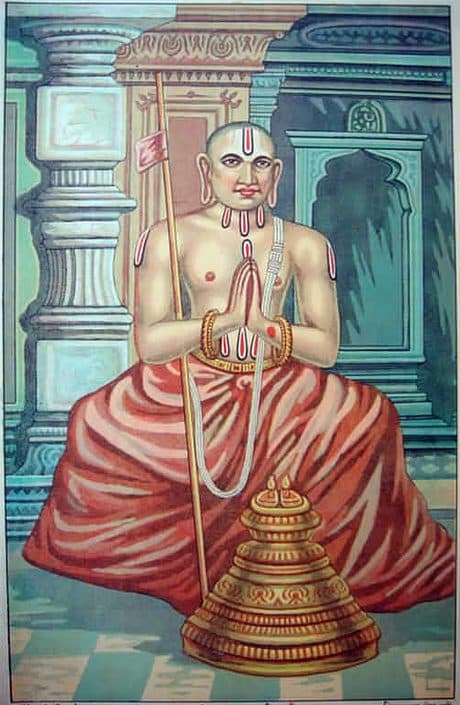
Rāmānuja · Viśiṣṭādvaita
English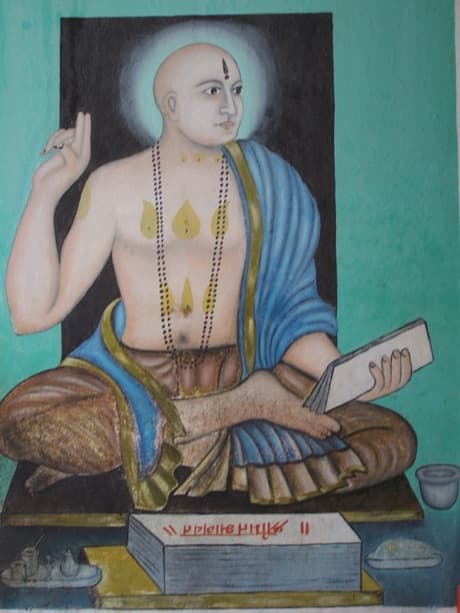
Madhvācārya · Dvaita
SanskritEnglishOn verses 18.1–18.2
“फलानिच्छ्याऽकरणे वा काम्यकर्मन्यासः सन्न्यासः | त्यागः तु फलत्याग एव | तथाहि प्राचीनशालश्रुतिः - अनिच्छया अकर्मणावाऽपि काम्यन्यासो न्यासः फलत्यागस्तु त्यागः || इति |” - Non-performance of actions which promotes even little desire for fruits is relinquishment. Sanyaas, renunciation is giving up the fruits of actions. “Both non-performance of action which promotes desire and giving up the fruits of desire is relinquishment”, thus in Prachinshala text.

Jñāneśvar · Vārkarī
EnglishARJUNA SPAKE:
1 "Of Renunciation, O Long-armed One, I want to know the real essence; and of Relinquishment, O Hriśikeśa (Krishna): (each) severally, O Slayer of Keśin." (87)
In truth 'Renunciation' and 'Relinquishment'—both these words convey only one meaning, in the way both "Samghāta" and 'Sangha' mean only what is called 'Samghāta' (संघात—Union). In that way, as I understand, Relinquishment and Renunciation mean only what is called relinquishment (त्याग). However, if there be any distinction in the meaning of these two, O God, do please clarify it. At this Shri Mukunda said, that they do have distinct meanings. (God further said), "I do believe, O Arjuna, that to your mind relinquishment and renunciation appear to have one and the same meaning. It is a fact that both the words convey the sense of relinquishment: but the only reason for the distinction is that discarding activism in toto is renunciation, while abandoning only the fruit of action is relinquishment. Now I shall preach clearly to you and do hear attentively about the actions in which only the action-fruit should be relinquished and of others in which actions themselves should be relinquished. Abundant and limitless free growth takes place in woods and jungles, on mountains, without anyone growing any plantations there. Rice and garden trees do not however grow in that way (they have got to be planted). There takes place a rank growth of grass without any sowing: yet the rice seedlings do not sprout until the soil is first burnt with the help of loppings, leaves, grass and rubbish before sowing and then the seed is sown etc.: or the human body develops naturally, yet the ornaments (to be donned) are required to be manufactured: or a river flows its natural course, yet a well is required to be sunk. In that way the routine day-to-day and occasional actions take place in the natural course and when done without any fruit-motive, they do not become fruit-motived (कामिक), (and do not also fetter the doer).
Swami Ramsukhdas · Modern
English'Sannyāsasya mahābāho tattvamicchāmi veditum tyāgasya ea hṛṣikeśa pṛthakkeśnīṣūdana'—While addressing Lord Kṛṣṇa as 'Mahābāho', Arjuna means to convey that being omniscient, He is able to explain all the topics. So He should satisfy his curiosity in such a manner, that he may understand the topic easily.
By addressing Him as 'Hṛṣikeśa,' Arjuna means that He is the Lord of senses, and inner-controller, of all beings. So He should explain to him everything in connection with the nature of 'Sannyāsa', and 'Tyāga', even if he does not demand.
By using the term 'Keśnīṣūdana' he means, that as He frees His devotees, from all troubles and problems, He should also remove his doubts.
Generally, a curiosity is expressed with two purposes, (i) to translate it into practice, (ii) to understand the principle. Those, who want to understand the principle, can become learned by possessing bookish knowledge, and can even write books, but they cannot attain salvation. But those, who after understanding principle, translate it into practice, can attain salvation.*
Arjuna also expressed the curiosity, so that, having known the principle, he may translate it into practice.
The term 'Sāṅkhya' used in the expression 'Eṣā te'bhihītā sāṅkhye' (Gītā 2/39) has been termed 'Sannyāsa', here. The Lord, regards the terms 'Sāṅkhya' and 'Sannyāsa' as synonyms—as in the second verse of the fifth chapter, He uses the term 'Sannyāsaḥ', in the fourth and the fifth verses the term 'Sāṅkhya', while in the sixth verse again 'Sannyāsa'. Therefore here also 'Sāṅkhya', has been termed 'Sannyāsa'.
Similarly the term, 'Yoga' used in the expression 'Buddhiryoge'
* Having known the unreal as unreal a man cannot attain the real, so long as he does not fix 'Realization of the real' as the topmost aim of his life.
tvīmām śṛṇu' (Gītā 2/39) stands for the term 'Tyāga', used here. The Lord regards the terms 'Yoga' and 'Tyāga', as synonyms as—'Saṅgaṃ tyaktvā', in the forty-eighth verse of the second chapter and in the fifty-first verse of the same chapter 'Phalaṃ tyaktvā', in the third verse, of the third chapter 'Karmayogena yoginām', in the twentieth verse of the fourth chapter 'Tyaktvā karmaphalāsaṅgaṃ', in the fourth verse of the fifth chapter 'Yogau', in the fifth verse, 'Tadyogairapi gamyate,' in the eleventh verse, 'Saṅgaṃ tyaktvā', and in the twelfth verse 'Karmaphalaṃ tyaktvā', and in the twelfth verse of the twelfth chapter 'Tyāgāt'. All these expression have been used for 'Karmayoga'. Therefore, Arjuna has used the term, 'Tyāga' for 'Yoga' i.e., the Discipline of Action, here.
In fact, Sannyāsa, consists in renouncing one's affinity completely with matter through discrimination, while 'Tyāga', consists in giving up attachment for actions and their fruits. He, who does not get attached to actions and their fruits, is said to have attained to Yoga (6/4).
**Appendix**—At the beginning of the third chapter, Arjuna in a complaining mood told Lord Kṛṣṇa his confusion between Karmayoga and Jñānayoga; at the beginning of the fifth chapter he wanted to know which of the two Yogas was better and here he wants to know the true nature of the two.
*Link—In response to Arjuna's curiosity, the Lord, in the next two verses, cites four different views of other thinkers, on the subject of Sannyāsa and Tyāga.*
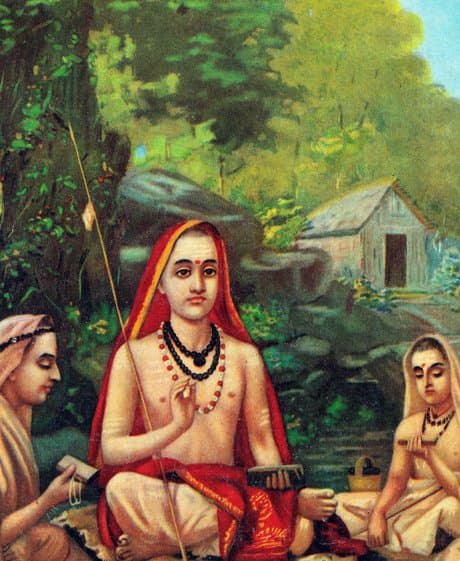
Ādi Śaṅkarācārya · Advaita
Sanskritसंन्यासस्य संन्यासशब्दार्थस्य इत्येतत्, हे महाबाहो, तत्त्वं तस्य भावः तत्त्वम्, याथात्म्यमित्येतत्, इच्छामि वेदितुं ज्ञातुम्, त्यागस्य च त्यागशब्दार्थस्येत्येतत्, हृषीकेश, पृथक् इतरेतरविभागतः केशिनिषूदन केशिनामा हयच्छद्मा कश्चित् असुरः तं निषूदितवान् भगवान् वासुदेवः, तेन तन्नाम्ना संबोध्यते अर्जुनेन ॥
संन्यासत्यागशब्दौ तत्र तत्र निर्दिष्टौ, न निर्लुठितार्थौ पूर्वेषु अध्यायेषु । अतः अर्जुनाय पृष्टवते तन्निर्णयाय भगवान् उवाच -
Ādi Śaṅkarācārya · Advaita
Hindiइस अध्यायमें समस्त गीता-शास्त्रका आशय और वेदोंका सम्पूर्ण तात्पर्य इकट्ठा करके कहना है, इस अभिप्रायसे यह अठारहवाँ अध्याय आरम्भ किया जाता है।
इस अध्यायमें पहलेके सभी अध्यायोंमें कहा हुआ अभिप्राय मिलता है। तथापि अर्जुन केवल संन्यास और त्याग—इन दो शब्दोंके अर्थोंका भेद जाननेकी इच्छासे ही प्रश्न करता है—
हे महाबाहो! हे हृषीकेश! हे केशिनिषूदन! मैं संन्यासका अर्थात् संन्यास-शब्दके अर्थका और त्यागका अर्थात् त्याग-शब्दके अर्थका तत्त्व—यथार्थ स्वरूप अलग-अलग विभागपूर्वक जानना चाहता हूँ।
भगवान् वासुदेवने छलसे घोड़ेका रूप धारण करनेवाले केशि नामक असुरको मारा था, इसलिये वे उस (केशिनिषूदन) नामसे अर्जुनद्वारा सम्बोधित किये गये हैं
Jñāneśvar · Vārkarī
Marathiहां जी संन्यासु आणि त्यागु । इयां दोहीं एक अर्थीं लागु । जैसा सांघातु आणि संघु । संघातेंचि बोलिजे ॥ ८७ ॥ तैसेंचि त्यागें आणि संन्यासें । त्यागुचि बोलिजतु असे । आमचेनि तंव मानसें । जाणिजे हेंचि ॥ ८८ ॥ ना कांहीं आथी अर्थभेदु । तो देवो करोतु विशदु । तेथ म्हणती श्रीमुकुंदु । भिन्नचि पैं ॥ ८९ ॥ तरी अर्जुना तुझ्या मनीं । त्याग संन्यास दोनी । एकार्थ गमलें हें मानीं । मीही साच ॥ ९० ॥ इहीं दोहीं कीर शब्दीं । त्यागुचि बोलिजे त्रिशुद्धी । परी कारण एथ भेदीं । येतुलेंचि ॥ ९१ ॥ जें निपटूनि कर्म सांडिजे । तें सांडणें संन्यासु म्हणिजे । आणि फलमात्र का त्यजिजे । तो त्यागु गा ॥ ९२ ॥ तरी कोणा कर्माचें फळ । सांडिजे कोण कर्म केवळ । हेंही सांगों विवळ । चित्त दे पां ॥ ९३ ॥ तरी आपैसीं दांगें डोंगर । झाडें डाळती अपार । तैसें लांबे राजागर । नुठिती ते ॥ ९४ ॥ न पेरितां सैंघ तृणें । उठती तैसें साळीचें होणें । नाहीं गा राबाउणें । जियापरी ॥ ९५ ॥ कां अंग जाहलें सहजें । परी लेणें उद्यमें कीजे । नदी आपैसी आपादिजे । विहिरी जेवीं ॥ ९६ ॥ तैसें नित्य नैमित्तिक । कर्म होय स्वाभाविक । परी न कामितां कामिक । न निफजे जें ॥ ९७ ॥
Jñāneśvar · Vārkarī
Hindi(18.87) महाराज! संन्यास और त्याग दोनों का सम्बन्ध एक ही अर्थ से है। जैसे संधात और संघ दोनों का अर्थ एक समुदाय ही होता है
(18.88) वैसे ही त्याग और संन्यास दोनों से त्याग ही कहा जाता है। हम तो यही समझते हैं, (18.89) पर यदि कोई भिन्न अर्थ हो तो देव उसे स्पष्ट करें। इस पर श्रीमुकुन्द ने कहा कि उनका अर्थ भिन्न है;
(18.90) तथापि हे अर्जुन! त्याग और संन्यास दोनों का अर्थ एक ही मालूम होता है यह मैं भी खूब समझता हूँ।
(18.91) इन दोनों शब्दों से असल में त्याग का ही अर्थ होता है, पर भेद इतना ही है
(18.92) कि जब सर्वथैव कर्म का छोड़ दिया जाता है तब उसे संन्यास कहते हैं और केवल फल का त्याग करना त्याग कहलाता है।
(18.93) अब किस कर्म का फल-त्याग करना चाहिए और कौन कर्म का निःशेष त्याग करना चाहिए, उसका भी हम स्पष्ट वर्णन करते हैं, ध्यान दे।
(18.94) जंगल में और पर्वतों पर जैसे आप ही आप अगणित वृक्ष उत्पन्न होते हैं वैसे किसी धान्य के पेड़ या बगीचे के झाड़ नहीं उत्पन्न होते।
(18.95) बिना बोये जैसे घास जहाँ-तहाँ उगती है वैसे खेत में बिना जमाये घान नहीं उग सकता; (18.96) अथवा शरीर तो आप ही आप उत्पन्न होता है पर उसके आभरण उद्योग से ही तैयार होते हैं, नदी आप ही आप होती है पर कुएँ खुदवाये जाते हैं;
(18.97) इसी प्रकार नित्य और नैमित्तिक कर्म स्वाभाविक होते हैं, पर सकाम कर्म कामना से अलग नहीं होता।
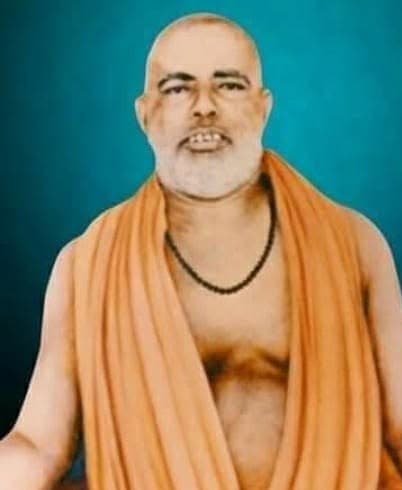
Sri Udiya Baba · Modern
Hindiसंगति— सत्रहवें अध्याय में श्रद्धा, दान, तप, यज्ञ और आहारादि के सत्त्व, रज और तम भेद से तीन-तीन प्रकार बतलाये और निर्णय किया कि केवल सात्त्विक श्रद्धा और तप आदि ही कल्याण के हेतु हैं राजसी या तामसी नहीं। अब अठारहवें अध्याय में यह बतलावेंगे कि किस कर्म से अनन्तगुण फल होता है और किससे न्यून। जैसे द्रौपदी ने दुर्वासा ऋषि को नमन देखकर अपनी साड़ी में से फाड़कर कौपीन दे दी और उन्हें नमन होने से बचा लिया तो वही अनन्तगुण होकर द्रौपदी का चीर हुआ और कौरवसभा में उसकी लज्जा बचाने में निमित्त बना। अब सबसे पहले अर्जुन भगवान् से संन्यास और त्याग का तत्त्व पूछते हैं।
भावार्थ— अर्जुन ने कहा—हे महाबाहो! हे हृषीकेश! हे केशिनिकन्दन! मैं आपसे संन्यास और त्याग का तत्त्व अलग-अलग जानना चाहता हूँ।
व्याख्या— यहाँ अर्जुन ने भगवान् को 'महाबाहो', 'हृषीकेश' और 'केशिनिषूदन' ये तीन विशेषण दिये हैं। 'महाबाहो' कहने से तात्पर्य है कि आप भगवदीय शक्ति से सम्पन्न हैं। अतः स्वयं भगवान् ही हैं। फिर 'हृषीकेश' इसलिए कहा कि आपका अपनी इन्द्रियों पर पूर्ण अधिकार है। अतः आपकी गोपियों के साथ जो गुह्य लीलाएँ थीं उनसे किसी को कोई भ्रान्ति नहीं रहनी चाहिये। आप भगवान् ही नहीं, पूर्ण इन्द्रियनिग्रही और तत्त्वदर्शी भी हैं। आगे 'केशिनिषूदन'
कहकर यह बतलाया कि आप दुष्टों का संहार करने वाले भी हैं। अतः अपने भक्तों की रक्षा करने में तत्पर हैं। इन सब विशेषणों से अर्जुन यह सूचित करते हैं कि इस त्याग और संन्यास के रहस्य का वर्णन करने में आपसे बढ़कर और कोई समर्थ नहीं हैं। इस प्रकार अर्जुन उन्हें सर्वसमर्थ सूचित करते हैं।
Swami Ramsukhdas · Modern
Hindi‘सन्यासस्य महाबाहो’ “पृथक्केशिनिपूदन”—यहाँ ‘महाबाहो’ सम्बोधन सामर्थ्यका सूचक है। अर्जुनद्वारा इस सम्बोधनका प्रयोग करनेका भाव यह है कि आप सम्पूर्ण विषयोंको कहनेमें समर्थ हैं; अतः मेरी जिज्ञासाका समाधान आप इस प्रकार करें, जिससे मैं विषयको सरलतासे समझ सकूँ।
‘हृषीकेश’ सम्बोधन अन्तर्यामीका वाचक है। इसके प्रयोगमें अर्जुनका भाव यह है कि मैं संन्यास और त्यागका तत्त्व जानना चाहता हूँ; अतः इस विषयमें जो-जो आवश्यक बातें हों, उनको आप (मेरे पूछे बिना भी) कह दें।
‘केशिनिपूदन’ सम्बोधन विघ्नोंको दूर करनेवालेका सूचक है। इसके प्रयोगमें अर्जुनका भाव यह है कि जिस प्रकार आप अपने भक्तोंके सम्पूर्ण विघ्नोंको दूर कर देते हैं, उसी प्रकार मेरे भी सम्पूर्ण विघ्नोंको अर्थात् शंकाओं और संशयोंको दूर कर दें।
जिज्ञासा प्रायः दो प्रकारसे प्रकट की जाती है— (१) अपने आचरणमें लानेके लिये और (२) सिद्धान्तको समझनेके लिये। जो केवल पढ़ाई करनेके लिये (सीखनेके लिये) सिद्धान्तको समझते हैं, वे केवल पुस्तकोंके विद्वान् बन सकते हैं और नयी पुस्तक भी बना सकते हैं, पर अपना कल्याण नहीं कर सकते। अपना कल्याण तो वे ही कर सकते हैं, जो सिद्धान्तको समझकर उसके अनुसार अपना जीवन बनानेके लिये तत्पर हो जाते हैं।
यहाँ अर्जुनकी जिज्ञासा भी केवल सिद्धान्तको जाननेके लिये ही नहीं है, प्रत्युत सिद्धान्तको जानकर उसके अनुसार अपना जीवन बनानेके लिये है।
‘एषा तेऽभिहिता साङ्ख्ये’ (गीता २।३९) में आये ‘सांख्य’ पदको ही यहाँ ‘संन्यास’ पदसे कहा गया है। भगवान्ने भी सांख्य और संन्यासको पर्यायवाची माना है; जैसे—पाँचवें अध्यायके दूसरे श्लोकमें ‘सन्यासः’, चौथे श्लोकमें ‘साङ्ख्ययोगी’, पाँचवें श्लोकमें ‘यत्साङ्ख्यैः’ और छठे श्लोकमें ‘सन्यासस्तु’ पदोंका एक ही अर्थमें प्रयोग हुआ है। इसलिये यहाँ अर्जुनने सांख्यको ही संन्यास कहा है।
इसी प्रकार ‘बुद्धियोगे त्विमां शृणु’ (गीता २।३९) में आये ‘योग’ पदको ही यहाँ ‘त्याग’ पदसे कहा गया है। भगवान्ने भी योग (कर्मयोग) और त्यागको पर्यायवाची माना है; जैसे—दूसरे अध्यायके अङ्गतालीसवें श्लोकमें ‘संगं त्यक्त्वा’ तथा इक्यावनवें श्लोकमें ‘फलं त्यक्त्वा’, तीसरे अध्यायके तीसरे श्लोकमें ‘कर्मयोगेन योगिनाम्’, चौथे अध्यायके बीसवें श्लोकमें ‘त्यक्त्वा कर्मफलासंगम्’, पाँचवें अध्यायके चौथे श्लोकमें ‘योगी’, पाँचवें श्लोकमें ‘तद्योगैरपि गम्यते’, ग्यारहवें श्लोकमें ‘संगं त्यक्त्वा’ तथा बारहवें श्लोकमें ‘कर्मफलं त्यक्त्वा’, बारहवें अध्यायके बारहवें श्लोकमें ‘त्यागात्’ पदोंका एक ही अर्थमें प्रयोग हुआ है। इसलिये यहाँ अर्जुनने कर्मयोगको ही त्याग कहा है।
अच्छी तरहसे रखनेका नाम ‘संन्यास’ है—‘सम्यक् न्यासः संन्यासः।’ तात्पर्य है कि प्रकृतिकी चीज सर्वथा प्रकृतिमें देने (छोड़ देने) और विवेकद्वारा प्रकृतिसे अपना सर्वथा सम्बन्ध-विच्छेद कर लेनेका नाम ‘संन्यास’ है।
कर्म और फलकी आसक्तिको छोड़नेका नाम ‘त्याग’ है। छठे अध्यायके चौथे श्लोकमें आया है कि जो कर्म और फलमें आसक्त नहीं होता, वह योगारूढ़ हो जाता है।
(४) त्यागीके आचरण कैसे होने चाहिये?—
अकुशल कर्मसे द्वेष न करना और कुशल कर्ममें आसक्त न होना (१८।१० पूर्वार्ध)।
(५) त्यागीका भाव कैसा होना चाहिये?—
कर्तव्यमात्र करना (१८।९)।
(६) त्यागका फल क्या होता है?—
परमात्मतत्त्वमें स्थित होना (१८।१० उत्तरार्ध)।
* असत्को असत् जाननेपर भी तबतक सत्की प्राप्ति नहीं होती, जबतक मनुष्य सत्की प्राप्तिको ही अपने जीवनका सर्वोपरि लक्ष्य नहीं बना लेता।
**परिशिष्ट भाव**—कर्मयोग और ज्ञानयोगके विषयमें अर्जुनने तीसरे अध्यायके आरम्भमें भगवान्को उलाहना दिया है, पाँचवें अध्यायके आरम्भमें यह जानना चाहता है कि दोनोंमें श्रेष्ठ कौन है, और यहाँ वे दोनोंका तत्त्व जानना चाहते हैं।
**सम्बन्ध**—अर्जुनकी जिज्ञासाके उत्तरमें पहले भगवान् आगेके दो श्लोकोंमें अन्य दार्शनिक विद्वानोंके चार मत बताते हैं।
श्रीभगवानुवाच
The question enquired about is the distinct difference between sannyāsa and tyāga as well as their similarities. Both are subtle not easy to understand. Both are situated in renunciation and both lead to Mokṣa.
Literally sannyāsa means putting away and literally tyāga means giving up.
Sannyāsa expresses abandonment of desires for actions and tyāga exhibits the abandonment for the rewards of actions.
The Muṇḍaka Upaniṣad III.II.VI beginning veda ta vijnano sunisch means:
“Those of restrained senses who lead a life of renunciation with Vedic knowledge achieve liberation. Not by action, not by wealth, not by progeny can this be achieved”.
Those enlightened jīvas who have ascertained what is the essence of the Vedic scriptures and assimilating it within their hearts by renunciation, dissolve all their karmas and achieve Mokṣa and the final beatitude.
In order to illustrate the nature of both sannyāsa and tyāga and prove that they are one and the same Lord Krishna first corrects the misapprehension that they are different.