

Bhagavad Gītā · Chapter 18 · Mokṣa Sannyāsa Yoga
ज्ञानं ज्ञेयं परिज्ञाता त्रिविधा कर्मचोदना
करणं कर्म कर्तेति त्रिविधः कर्मसंग्रहः
jñānaṃ jñeyaṃ parijñātā trividhā karmacodanā|karaṇaṃ karma karteti trividhaḥ karmasaṃgrahaḥ||
Word meanings
ज्ञानम् = knowledge
ज्ञेयम् = the object of knowledge
परिज्ञाता = the knower
त्रिविधा = threefold
कर्मचोदना = the impulse to action
करणम् = the instrument
कर्म = the act
कर्ता = the doer
इति = thus
त्रिविधः = threefold
कर्मसङ्ग्रहः = the basis of action
Translation
The knower, knowledge and the object of knowledge—these three motivate action. Even so the doer, the organs and activity—these are the three constituents of action.
Commentary
The commentators seated around this verse

Rāmānuja · Viśiṣṭādvaita
English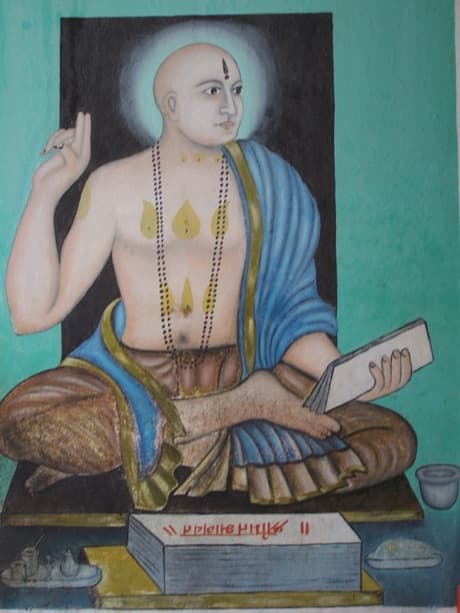
Madhvācārya · Dvaita
Madhva BhāṣyaSanskritEnglish“एवं तर्हि न पुरुषपेक्ष्य विधिः, अकर्तृत्वाद् इत्यत आह - ज्ञानम् इति | त्रिविधा कर्मचोदना | एतत् त्रिविधपेक्ष्य कर्मविधिरिति त्रिविधा इत्युच्यते | कारणानि सङ्क्षिप्त्याऽह करणम् इति | कर्मसङ्ग्रहः | कर्म कारणसङ्क्षेपः | अधिष्ठानादि करण एवान्तर्भूतम् | तथाहृग्वेदखिलेषु - ज्ञानं ज्ञेयं ज्ञानिनं वाच्यपेक्ष्य विधिरुत्थितः | करणं चैव कर्ता च कर्म कारणसङ्ग्रहः || इति | अकृत्वेऽपि विधिद्वारेश्वरप्रसादादिच्छोत्पत्त्या उक्तकारणैः कर्मद्वारा पुरुषार्थो भवति || इति | ईश्वराधीनत्वेऽपि विधिद्वारा नियतस्तेनैव | यदि चेच्छादिजायते तर्हि कारितमेवेश्वरेण | फलं च नियतम् | वस्तुतोऽकर्तृत्वेऽप्यभिमानिकं कर्तृत्वं तस्यैव | स्वातन्त्र्यं च जडमपेक्ष्य इति न प्रवृत्ति विधिवैयर्थ्यम् | सर्वे चैतदनुभवोक्तप्रमाणसिद्धम् || इति न पृथक् प्रमाणमुच्यते ||” — Even for such persons no similar expectations would arise, having the attitude of the non-performer of actions. Having resorted to three-fold instruments of action, the three-fold consequence of action are also spoken. The causes have been spoken briefly in the later half of the verse. Here consequences of action means the constituents of the causes all actions. In them is included all the basis, (अधिष्ठान mentioned earlier). “Relying on Knowledge, the act of Knowing and the Knower, the scriptural injunctions become established. The Cause, the Performer and the Performance constitute the Action”, thus also in Rigveda. Even though a non-performer of the actions, he becomes eligible as a qualified person, through knowledge of scriptures and grace of the Lord, through intended desires and performance of the actions. That is through knowledge of scriptures and being disciplined as subservient to the Lord. Even as he desires, even so he performs the actions and therefore performance of actions becomes only a निमित्त, occasion. But in normal circumstances, even though he is not the performer of the actions, through ego-sense he assumes himself to be the performer. Since the human being has more independence than other gross objects, he is capable of discriminating the scriptural injunctions. Since all this is established through experience, no additional proofs are here adduced.
Madhvācārya · Dvaita
Gītā Tātparya NirṇayaSanskritEnglish“संप्रेरयितुरीशस्य कर्मस्वखिलचेतनान् | ज्ञातृज्ञानरूपा प्रेरणा सा स एव यत् | स्वरूपेणैव नित्या सा विशेषात्मतया भवेत् | विशेषोऽपि स्वरूपेण नित्यश्च स्याद् विशेषतः | स्वनिर्वाहकता यस्मान्ननवस्था विशिष्टवत् | विशेषस्य विशिष्टस्याप्यभेदेऽपि विवादिना | विशेषोऽस्त्वेव नारास्ति ह्यनवस्था कथञ्चन | ज्ञातुरन्योऽहमिति तु कस्याप्यनुभवो नहि | अस्मि ज्ञातैवाहमिति विशेषोऽयमिदानीं मे समुपथितः | इत्याद्यनुभवाद् भेदो न विशेष्यविशिष्टयोः | विशेषणं तु द्विविधं विशेषार्थं तथेतरत् | विशेषमणयेद् येन प्रोक्तं तेन विशेषणम् | विशेषोऽपि विशेषस्य स्वस्यैव गमको भवेत् || इत्यादि तत्त्वविवेके || संग्रहः पञ्चकारणानां सङ्क्षेपः | अधिष्ठानस्य करणेऽन्तर्भावात् | दैवशब्दो दितेश्वरस्यैव मुख्यकर्तृत्वः ||” — Energized by the Supreme Lord, the Jivas performs actions and acquires special characteristics similar to that of the Lord. Being of such special characters, they manifest also always in distinctive forms. Being themselves the accomplishers, through them many special manifestations come to be accomplished. Every special form comes to be manifested with distinctive characteristics. Even in such distinctiveness there exists never any conclusiveness. Who does not have experience : “I am the one who experiences the others ?” Therefore, how can there be any difference in their knowledge that “I know and (therefore) I exist?'. Every one perceives the special attributes which are established in them. With such experience there exists no difference between the special nature and their distinctive manifestation. This special manifestation is of two nature, which is called special because of the dual-nature and distinctive in nature. That makes knowing one's manifested form suggestive of the special nature. Thus in Tatva Viveka, karmasangraha means the combination of the five-fold constituents of action in brief. Adhishaan, the establishment (in the verse 14 above) is caused by the internal nature. The word daiva - Divine is the Supreme Lord Himself who, by His principal Action, by His Independence, by the statement, 'Independent Performer of Actions', is in these three-fold manner referred. karma is the performance of actions.

Jñāneśvar · Vārkarī
English18 "Knowledge, Object to be known, and the Knowing agent: thus three-wise (analysable) is the impulse to act. Instrument of action, the object of the action, and the agent (make up) the (corresponding) three-wise (analysable) composition of an action. (461)
The triad viz., the knowing agent, knowledge and the object to be known, is the three-fold seed of the universe and is undoubtedly the impulse for action. Now, Oh Dhananjaya, do hear the individual description of each of these three. The rays in the form of the senses, of the Sun in the form of the soul, rush out and forcibly blow open the lotus in the form of sense-objects; or the King Soul riding the horses in the form of the body and armed with the spears in the form of the senses, plunders pleasures and pains in the region of the sense-objects. These similes apart: that which dwells in the sense-centres and imparts to the soul pleasures and pains pertaining to their objects, is knowledge and the thing wherein knowledge reposes in deep sleep is the knowing agent (ज्ञाता), while that which is stated here as being experienced, is knowledge, Oh Son of Pāṇḍu. That knowledge gets itself distributed in three places immediately after it is born of Nescience, O Kirīti. Knowledge then plants in front a (rolling) boulder in the form of the object of knowledge on the way it has to run along, while in the rear, it places an urger in the form of conceit of being the knowing agent. When in this way are formed the means (way) of communication between the knowing agent and the object of knowledge, there goes on a regular traffic over the way. On this, knowledge runs as far as the limit of the object of knowledge and stops there; and (here) it gives different names to different things viz. objects of knowledge which it encounters, and that knowledge is the "common knowledge" and there is no doubt about it. Now you hear the aspects, of the object of knowledge, sound, touch, colour, smell, and taste (शब्द, स्पर्श, रूप, गंध, रस) which are the five-fold means through which the object of knowledge makes itself manifest. The mango fruit although one and the same establishes contacts with (meets) different senses such as taste, colour (रूप), smell and touch i.e. reveals itself to the senses. In that way, the same object of knowledge assumes a fivefold aspect because its cognition takes place through the channels of (five) different senses. The running of water- flows comes to an end with the flows entering the sea; or the growth of crops ceases with their getting ears of corn. In that way that point, at which knowledge comes to a dead halt, while running along the channels of the senses, is, Oh Kiriti, the object of knowledge. Thus are explained to you in their entirety, Oh Dhananjaya, the knowing agent, knowledge, as also the object of knowledge, and that the three set afoot all actions. The five objects of senses, such as speech, etc. constitute the fivefold objects of knowledge; it (object of knowledge) is either agreeable and pleasing or disagreeable and hateful. The knowledge, although a small thing, no sooner it manifests to the knowing agent the object to be known, than the agent feels the impulse either to accept it or to reject it: (as in the following illustrations). A heron (बक) is excited at the very sight of a fish, or a poor person becomes eager at the sight of a (hidden) treasure, or a passion-stricken person gets lustful at the sight of a woman, or water runs to low lands, or the black bee hastens to the fragrance of flowers, or a calf runs (to the mother-cow) as the time for milching in the evening approaches. Human beings hearing the report (of the marvellous beauty) of the heavenly songstress Urvashi, fix ladders in the form of sacrifices, to be able to ascend the sky (with a view to enjoy her company): or a blue pigeon, flying high up in the sky, swoops down, O Kiriti, at the very sight of a female pigeon: or a peacock flies into the sky on hearing peals of thunder. In such ways, the knowing agent rushes out at the sight of the objects to be known. Therefore, it is the triad of knowledge, the object to be known, and the knowing agent, that gives impulse to all actions, Oh Son of Pându. And if such objects (to be known) be to the liking of the agent, he cannot then brook a single moment's delay in their enjoyment. If on the contrary, such an object be against his liking, each moment of delay in abandoning it is then felt as lengthy as an aeon. One getting surrounded by a serpent as well as a necklace of precious stones, simultaneously feels both afraid and joyous, similar becomes the state of the knowing agent should the object to be known turn out partly to his liking and partly against his liking: and then he sets about accepting what he likes and abandoning what he dislikes. Feeling thrilled at the sight of a rival athlete, a Commander-in-Chief abandons the chariot he is riding in, and getting down, steps forward on foot to meet him in a combat. In that way, one who was so far only the knowing agent, attains the state of a doer, in the way the one used to a ready meal should have to play the role of a cook; or a black bee should itself cultivate a (floral) garden, or a touchstone should itself become the tester, or God him- self should be the builder of his own temple. In that way when the knowing agent running after the object to be known, employs a group of senses either in accepting it or rejecting it, he becomes, Oh Son of Pāṇḍu, the doer, and when the knowing agent thus becomes himself the doer, he converts the knowledge into an instrument of action, naturally making the object to be known, the action itself. In this way, Oh Righteous One, is brought about the change, (in the status of the knowing agent) through the device of knowledge in the way the lustre of the eyes is changed (dimmed) at night, or in the way the glory of the rich is dissolved with adverse luck, or in the way the disc of the Moon wanes after the night of the full moon. In that way the knowing agent is wrapped up in the mantle of the doer when the senses get into motion. And now hear about his signs in such a state. 1) intellect, 2) mind, 3) attention (चित्त), and 4) egotism, are the four internal organs; (similarly) 1) skin, 2) ears, 3) eyes, 4) tongue and 5) nose are the five external organs. By the means of the internal organs, the doer first builds up a forecast of an action if it promises to bring him happiness, he sets to work all the external organs and then such as eyes, etc. making the group of organs work for the successful fruition of the action. If, on the contrary, the action portends to be one leading to misery, he at once engages all the ten organs in the reverse direction and abandons that action. He makes the organs work day and night in removing all the traces of misery, in the way a King makes his servants work day and night for the levy of the taxes. When in this way the organs are set to work either for the rejection or the acceptance of the actions, he should be called the doer, bear this well in mind. And since the doer engages all the organs, as if they were so many ploughs, we call them (the organs) the instruments (implements). The structure that the doer erects by making use of these instruments—the magnitude of such a structure—is the action here. The intellect of the goldsmith pervades the ornaments (prepared), or full growth pervades the creeping plant, or brilliance pervades the light or sweetness pervades the sugarcane juice, or the sky pervades the cavity; in all these ways what remains pervaded by the activism of the doer, Oh, Dhananjaya, is called the 'action', and nothing else undoubtedly. Thus have been explained to you, the aspects of all the three viz. the doer (agent), the action, and the instrument of action, Oh you the crown gem (amongst the wise). Here the knowing agent, knowledge, and the object to be known constitute the triple impulse to action; similarly the doer (agent), the instrument of the action and the action, make up the triple composition of action. Smoke is latent in fire, or a tree in the seed, or the desires in the mind: in that way the actions are vitally linked with the doer (agent), his activity, and the instruments of action, or in the way gold is stored up in the (gold) mine. Therefore, where there arises the 'notion', 'This is the action and I am the doer (agent),' the soul, Oh Son of Pāṇḍu, stands quite aloof (far away) from actions. Therefore, I tell you again and again that the soul is entirely separate, Oh you the Best Talent, from action impulse, and you know this already. Enough, however, of this!
Swami Ramsukhdas · Modern
English[In the fourteenth verse of this chapter, the Lord explained the body, doer, instruments, efforts and daiva (impressions), these five factors, as responsible for the accomplishment of all actions. Out of these, the most important one, is the doer. So the Lord vehemently criticized, a man, who looks upon his self, as doer, in the sixteenth verse, while He praised one who is free from egoistic notion, in the seventeenth verse. The Lord in the eighteenth verse, clarifies that it is the notion of egoism
(doership), which binds a man. The main purpose of this verse is a man should get rid of the notion of doership.]
'Jñānaṁ jñeyaṁ parijñātā trividhā karmaṇedanā'—Knowledge, the knowable, and the knower, are the threefold incitement to action. Knowledge has been mentioned first of all, because it is knowledge, which motivates a man to action. As a man first knows, that he is thirsty—this is knowledge; and then how he should quench it. It is water, which can quench the thirst. So water is 'knowable'. He who knows, is the knower. But all the three—knowledge, the knowable and the knower, together motivate a man to action. If there is absence of anyone of the three, the remaining two cannot contribute, to action.
He who knows the motivation of action, is called 'Parijñātā' (knower only). In this 'Parijñātā' a sense of doership and sense of getting anything for himself, are quite absent. He knows only inspiration (sphuraṇā), of actions. There can be motivation to do an act, only in a particular individual. In respect of different activities, such as eating, drinking, sleeping, hearing etc., the doer of these different activities, can be designated as eater, drinker, sleeper, hearer etc. But the knower of all of these, will be designated by the term 'Parijñātā.'
'Karaṇaṁ karma karteti trividhaḥ karmasaṅgrahaḥ'—The instrument, activity and the agent, are the triple constituents of action. It is the conjunction of these three, which produces action. The means, such as mind, intellect and senses etc., by which he performs actions, are known 'Karaṇa' (Instruments). The acts of eating, drinking, sitting, walking, coming and going etc., are 'Karma' (activities). A person, who having affinity with instruments and activities, performs actions, is called a 'Kartā' (doer). These three, are the constituents of action. Here, the Lord wants to emphasize the fact, that it is a sense of doership, which binds a man. Out of the three constituents of action, the organ (instrument) does not contribute to the accomplishment of action, as it is subservient to a doer. Only that activity, which
a doer wants to do, is performed by him. Therefore, an activity is also not, an important contributory factor. According to the branch of learning, known by the name 'Sāṅkhya', it is a sense of doership, which is the chief contributory factor, to action. In the absence of a sense of doership, no action is accomplished. The terms 'Karaṇa', and 'Karma', have been used before, while the term 'Kartā' has been used close to the term 'Karma saṅgrahaḥ', by the Lord, in order to bring home the fact, that it is a sense of doership which gets a man into bondage. If he performs action without a notion of doership, he is not bound because no action is at all accomplished in the absence of the sense of doership. So the Lord has used the term 'Kartā' (doer), close to expression 'Karma-saṅgrahaḥ' (constituents of action).
**Appendix**—Arjuna expressed his desire to know the truth about the path of knowledge and the path of action (Gītā 18/1), therefore the Lord described the path of action upto the twelfth verse. Then the Lord from the viewpoint of the path of knowledge, while describing actions, mentioned five factors which are contributory to the accomplishment of all actions (Gītā 18/13—15). The same fact in a different manner is described here in the form of 'Karmapreraṇā' (incitement to action) and 'Karmasaṅgrahaḥ' (constituents of action).
When a man has the egoistic notion and taintedness, then the knowledge, the knowable and the knower—these three motivate (incite) an action viz., he thinks that if he performs a particular action, it will bear a particular fruit. With the incitement of action, there is 'Karmasaṅgraha' viz., there is accomplishment of sinful and virtuous actions. How the sinful and virtuous actions are performed—this will be described in detail by the Lord ahead from the twentieth verse.
*Link:—Now, the Lord from the next verse, classifies them into three kinds so that a striver, by knowing these, may transcend, the three modes of nature.*
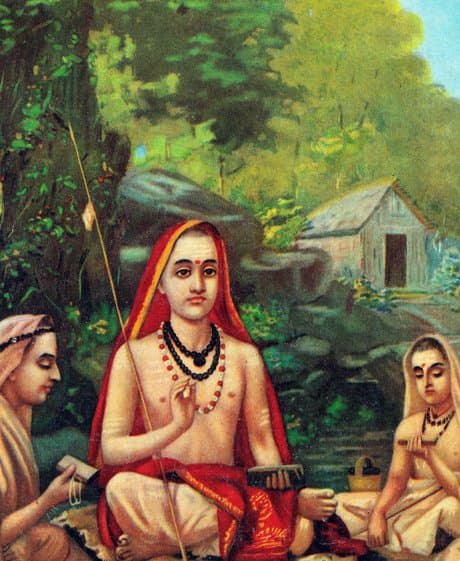
Ādi Śaṅkarācārya · Advaita
Sanskritज्ञानं ज्ञायते अनेन इति सर्वविषयं अविशेषेण उच्यते । तथा ज्ञेयं ज्ञातव्यम्, तदपि सामान्येनैव सर्वं उच्यते । तथा परिज्ञाता उपाधिलक्षणः अविद्याकल्पितः भोक्ता । इति एतत् त्रयं अविशेषेण सर्वकर्मणां प्रवर्तिका त्रिविधा त्रिप्रकारा कर्मचोदना । ज्ञानादीनां हि त्रयाणां संनिपाते हानोपादानादिप्रयोजनः सर्वकर्मारम्भः स्यात् । ततः पञ्चभिः अधिष्ठानादिभिः आरब्धं वाङ्मनःकायाश्रयभेदेन त्रिधा राशीभूतं त्रिषु करणादिषु संगृह्यते इत्येतत् उच्यते - करणं क्रियते अनेन इति बाह्यं श्रोत्रादि, अन्तःस्थं बुद्ध्यादि, कर्म ईप्सिततमं कर्तुः क्रियया व्याप्यमानम्, कर्ता करणानां व्यापारयिता उपाधिलक्षणः, इति त्रिविधः त्रिप्रकारः कर्मसंग्रहः, संगृह्यते अस्मिन्निति संग्रहः, कर्मणः संग्रहः कर्मसंग्रहः, कर्म एषु हि त्रिषु समवैति, तेन अयं त्रिविधः कर्मसंग्रहः ॥
अथ इदानीं क्रियाकारकफलानां सर्वेषां गुणात्मकत्वात् सत्त्वरजस्तमोगुणभेदतः त्रिविधः भेदः वक्तव्य इति आरभ्यते -
Ādi Śaṅkarācārya · Advaita
Hindiइस प्रकार शास्त्रके आशयका उपसंहार करके अब कर्मोंका प्रवर्तक बतलाया जाता है—
ज्ञान—जिसके द्वारा कोई पदार्थ जाना जाय। यहाँ ज्ञान शब्दसे सामान्य भावसे सर्व पदार्थविषयक ज्ञान कहा गया है। वैसे ही ज्ञेय अर्थात् जाननेमें आनेवाला पदार्थ, यह भी सामान्य भावसे समस्तका ही वर्णन है। तथा परिज्ञाता अर्थात् उपाधियुक्त अविद्याकल्पित भोक्ता, इस प्रकार जो यह इन तीनोंका समुदाय है, यही सामान्य भावसे समस्त कर्मोंकी प्रवर्तक तीन प्रकारकी 'कर्मचोदना' है।
क्योंकि उक्त ज्ञान आदि तीनोंके सम्मिलित होनेपर ही त्याग और ग्रहण आदि जिनके प्रयोजन हैं, ऐसे समस्त कर्मोंका आरम्भ होता है।
अब अधिष्ठानादि पाँच हेतुओंसे जिसकी उत्पत्ति है तथा मन, वाणी और शरीररूप आश्रयोंके भेदसे जिसके तीन वर्ग किये गये हैं, ऐसे समस्त कर्म, करण आदि तीन कारकोंमें संगृहीत हैं। यह बात बतलायी जाती है—
'करण'—जिसके द्वारा कर्म किया जाय, अर्थात् श्रोत्रादि दस बाह्य इन्द्रियाँ और बुद्धि आदि चार अन्तःकरण। 'कर्म'—जो कर्ताका अत्यन्त इष्ट हो और क्रियाद्वारा सम्पादन किया जाय। 'कर्ता'—श्रोत्रादि करणोंको अपने-अपने व्यापारमें नियुक्त करनेवाला उपाधिस्वरूप जीव। इस प्रकार यह त्रिविध 'कर्मसंग्रह' है।
जिनमें कुछ संगृहीत किया जाय उसका नाम संग्रह है, अतः कर्मोंके संग्रहका नाम कर्मसंग्रह है; क्योंकि इन तीन कारकोंमें ही कर्म संगृहीत है। इसलिये यह तीन प्रकारका कर्मसंग्रह है
Jñāneśvar · Vārkarī
Marathiजें ज्ञान ज्ञाता ज्ञेय । हें जगाचें बीज त्रय । ते कर्माची निःसंदेह । प्रवृत्ति जाण ॥ ४६१ ॥ आतां ययाचि गा त्रया । व्यक्ति वेगळालिया । आइकें धनंजया । करूं रूप ॥ ४६२ ॥ तरी जीवसूर्यबिंबाचे । रश्मी श्रोत्रादिकें पांचें । धांवोनि विषयपद्माचे । फोडिती मढ ॥ ४६३ ॥ कीं जीवनृपाचे वारु उपलाणें । घेऊनि इंद्रियांचीं केकाणें । विषयदेशींचें नागवणें । आणीत जे ॥ ४६४ ॥ हें असो इहीं इंद्रियीं राहाटे । जें सुखदुःखेंसीं जीवा भेटे । तें सुषुप्तिकालीं वोहटे । जेथ ज्ञान ॥ ४६५ ॥ तया जीवा नांव ज्ञाता । आणि जें हें सांगितलें आतां । तेंचि एथ पंडुसुता । ज्ञान जाण ॥ ४६६ ॥ जें अविद्येचिये पोटीं । उपजतखेंवो किरीटी । आपणयातें वांटी । तिहीं ठायीं ॥ ४६७ ॥ आपुलिये धांवे पुढां । घालूनि ज्ञेयाचा गुंडा । उभारी मागिलीकडां । ज्ञातृत्वातें ॥ ४६८ ॥ मग ज्ञातया ज्ञेया दोघां । तो नांदणुकेचा बगा । माजीं जालेनि पैं गा । वाहे जेणें ॥ ४६९ ॥ ठाकूनि ज्ञेयाची शिंव । पुरे जयाची धांव । सकळ पदार्थां नांव । सूतसे जें ॥ ४७० ॥ तें गा सामान्य ज्ञान । या बोअला नाहीं आन । ज्ञेयाचेंही चिन्ह । आइक आतां ॥ ४७१ ॥ तरी शब्दु स्पर्शु । रूप गंध रसु । हा पंचविध आभासु । ज्ञेयाचा तो ॥ ४७२ ॥ जैसें एकेचि चूतफळें । इंद्रियां वेगवेगळे । रसें वर्णें परीमळें । भेटिजे स्पर्शें ॥ ४७३ ॥ तैसें ज्ञेय तरी एकसरें । परी ज्ञान इंद्रियद्वारें । घे म्हणौनि प्रकारें । पांचें जालें ॥ ४७४ ॥ आणि समुद्रीं वोघाचें जाणें । सरे लाणीपासीं धावणें । कां फळीं सरे वाढणें । सस्याचें जेवीं ॥ ४७५ ॥ तैसें इंद्रियांच्या वाहवटीं । धांवतया ज्ञाना जेथ ठी । होय तें गा किरीटी । विषय ज्ञेय ॥ ४७६ ॥ एवं ज्ञातया ज्ञाना ज्ञेया । तिहीं रूप केलें धनंजया । हे त्रिविध सर्व क्रिया\- । प्रवृत्ति जाण ॥ ४७७ ॥ जे शब्दादि विषय । हें पंचविध जें ज्ञेय । तेंचि प्रिय कां अप्रिय । एकेपरीचें ॥ ४७८ ॥ ज्ञान मोटकें ज्ञातया । दावी ना जंव धनंजया । तंव स्वीकारा कीं त्यजावया । प्रवर्तेचि तो ॥ ४७९ ॥ परी मीनातें देखोनि बकु । जैसा निधानातें रंकु । कां स्त्री देखोनि कामुकु । प्रवृत्ति धरी ॥ ४८० ॥ जैसें खालारां धांवे पाणी । भ्रमर पुष्पाचिये घाणीं । नाना सुटला सांजवणीं । वत्सुचि पां ॥ ४८१ ॥ अगा स्वर्गींची उर्वशी । ऐकोनि जेंवी माणुसीं । वराता लावीजती आकाशीं । यागांचिया ॥ ४८२ ॥ पैं पारिवा जैसा किरीटी । चढला नभाचिये पोटीं । पारवी देखोनि लोटी । आंगचि सगळें ॥ ४८३ ॥ हें ना घनगर्जनासरिसा । मयूर वोवांडे आकाशा । ज्ञाता ज्ञेय देखोनि तैसा । धांवचि घे ॥ ४८४ ॥ म्हणौनि ज्ञान ज्ञेय ज्ञाता । हे त्रिविध गा पंडुसुता । होयचि कर्मा समस्तां । प्रवृत्ति येथ ॥ ४८५ ॥ परी तेंचि ज्ञेय विपायें । जरी ज्ञातयातें प्रिय होये । तरी भोगावया न साहे । क्षणही विलंबु ॥ ४८६ ॥ नातरी अवचटें । तेंचि विरुद्ध होऊनि भेटे । तरी युगांत वाटे । सांडावया ॥ ४८७ ॥ व्याळा कां हारा । वरपडा जालेया नरा । हरिखु आणि दरारा । सरिसाचि उठी ॥ ४८८ ॥ तैसें ज्ञेय प्रियाप्रियें । देखिलेनि ज्ञातया होये । मग त्याग स्वीकारीं वाहे । व्यापारातें ॥ ४८९ ॥ तेथ रागी प्रतिमल्लाचा । गोसांवी सर्वदळाचा । रथु सांडूनि पायांचा । होय जैसा ॥ ४९० ॥ तैसें ज्ञातेपणें जें असे । तें ये कर्ता ऐसिये दशे । जेवितें बैसलें जैसें । रंधन करूं ॥ ४९१ ॥ कां भंवरेंचि केला मळा । वरकलुचि जाला अंकसाळा । नाना देवो रिगाला देऊळा\- । चिया कामा ॥ ४९२ ॥ तैसा ज्ञेयाचिया हांवा । ज्ञाता इंद्रियांचा मेळावा । राहाटवी तेथ पांडवा । कर्ता होय ॥ ४९३ ॥ आणि आपण हौनी कर्ता । ज्ञाना आणी करणता । तेथें ज्ञेयचि स्वभावतां । कार्य होय ॥ ४९४ ॥ ऐसा ज्ञानाचिये निजगति । पालटु पडे गा सुमति । डोळ्याची शोभा रातीं । पालटे जैसी ॥ ४९५ ॥ कां अदृष्ट जालिया उदासु । पालटे श्रीमंताचा विलासु । पुनिवेपाठीं शीतांशु । पालटे जैसा ॥ ४९६ ॥ तैसा चाळितां करणें । ज्ञाता वेष्टिजे कर्तेपणें । तेथींचीं तियें लक्षणें । ऐक आतां ॥ ४९७ ॥ तरी बुद्धि आणि मन । चित्त अहंकार हन । हें चतुर्विध चिन्ह । अंतःकरणाचें ॥ ४९८ ॥ बाह्य त्वचा श्रवण । चक्षु रसना घ्राण । हें पंचविध जाण । इंद्रियें गा ॥ ४९९ ॥ तेथ आंतुले तंव करणें । कर्ता कर्तव्या घे उमाणें । मग तैं जरी जाणें । सुखा येतें ॥ ५०० ॥ तरी बाहेरीलें तियेंही । चक्षुरादिकें दाहाही । उठौनि लवलाहीं । व्यापारा सूये ॥ ५०१ ॥ मग तो इंद्रियकदंंबु । करविजे तंव राबु । जंव कर्तव्याचा लाभु । हातासि ये ॥ ५०२ ॥ ना तें कर्तव्य जरी दुःखें । फळेल ऐसें देखे । तो लावी त्यागमुखें । तियें दाहाही ॥ ५०३ ॥ मग फिटे दुःखाचा ठावो । तंव राहाटवी रात्रिदिवो । विकणवातें कां रावो । जयापरी ॥ ५०४ ॥ तैसेनि त्याग स्वीकारीं । वाहातां इंद्रियांची धुरी । ज्ञातयातें अवधारीं । कर्ता म्हणिपे ॥ ५०५ ॥ आणि कर्तयाच्या सर्व कर्मीं । आउतांचिया परी क्षमी । म्हणौनि इंद्रियांतें आम्ही । करणें म्हणों ॥ ५०६ ॥ आणि हेचि करणेंवरी । कर्ता क्रिया ज्या उभारी । तिया व्यापे तें अवधारीं । कर्म एथ ॥ ५०७ ॥ सोनाराचिया बुद्धि लेणें । व्यापे चंद्रकरीं चांदणें । कां व्यापे वेल्हाळपणें । वेली जैसी ॥ ५०८ ॥ नाना प्रभा व्यापे प्रकाशु । गोडिया इक्षुरसु । हें असो अवकाशु । आकाशीं जैसा ॥ ५०९ ॥ तैसें कर्तयाचिया क्रिया । व्यापलें जें धनंजया । तें कर्म गा बोलावया । आन नाहीं ॥ ५१० ॥ एवं कर्म कर्ता करण । या तिहींचेंही लक्षण । सांगितलें तुज विचक्षण\- । शिरोमणी ॥ ५११ ॥ एथ ज्ञाता ज्ञान ज्ञेय । हें कर्माचें प्रवृत्तित्रय । तैसेंचि कर्ता करण कार्य । हा कर्मसंचयो ॥ ५१२ ॥ वन्हीं ठेविला असे धूमु । आथी बीजीं जेवीं द्रुमु । कां मनीं जोडे कामु । सदा जैसा ॥ ५१३ ॥ तैसा कर्ता क्रिया करणीं । कर्माचें आहे जिंतवणीं । सोनें जैसें खाणी । सुवर्णाचिये ॥ ५१४ ॥ म्हणौनि हें कार्य मी कर्ता । ऐसें आथि जेथ पंडुसुता । तेथ आत्मा दूरी समस्ता । क्रियांपासीं ॥ ५१५ ॥ यालागीं पुढतपुढती । आत्मा वेगळाचि सुमती । आतां असो हे किती । जाणतासि तूं ॥ ५१६ ॥
Jñāneśvar · Vārkarī
Hindi(18.461) – जिसे ज्ञान, ज्ञाता और ज्ञेय कहते हैं, जो तीन वस्तुएँ संसार की बीजभूत हैं, वही (त्रिपुटी) निःसन्देह कर्म की प्रवृत्ति है।
(18.462) अब हे धनंजय! इन तीनों विषयों का जुदा-जुदा वर्णन करते हैं, सुनो।
(18.463) जीव-रूपी सूर्यबिम्ब की किरणें जो श्रोत्र इत्यादि पाँच इन्द्रियाँ हैं उनके कारण जब विषय-रूपी कमल की कली खिलती है
(18.464) अथवा जीव-रूपी राजा के खुली पीठ के घोड़े जब इन्द्रिय-रूपी दौड़ लगा कर विषय-रूपी देश को लूट लाते हैं
(18.465) तब जो इन इन्द्रियों में व्यापार करता है, जो जीव का सुख या दुःख का लाभ करा देता है, वह ज्ञान घार निद्रा के समय जहाँ विलीन हो जाता है
(18.467) उस जीव को ज्ञाता कहते हैं। और हे पाण्डुसुत! अभी प्रथम जिसका वर्णन किया वह ज्ञान है
(18.467) और हैं किरीटी! वह अविद्या के गर्भ से उत्पन्न होते ही निज का त्रिधा भिन्न कर लेता है (18.468) तथा अपनी दौड़ के सन्मुख ज्ञेयरूपी निशान खड़ा कर पीछे की ओर ज्ञाता को खड़ा करता है;
(18.469) एवं ज्ञाता और ज्ञेय दोनों के बीच में रहने के कारण जो इन दोनों का सम्बन्ध जोड़ता है;
(18.470) ज्ञेय की सीमा का उल्लंघन करते ही जिसकी दौड़ बन्द हो जाती है और जो सम्पूर्ण पदार्थों के नाम रखता है
(18.471) वह सामान्य ज्ञान है। यह वचन मिथ्या नहीं है। अब ज्ञेय के लक्षण सुनो।
(18.472) शब्द, स्पर्श, रूप, गन्ध, और रस ये पाँच प्रकार के लक्षण ज्ञेय के हैं।
(18.473) अलग-अलग इन्द्रियों का स्पर्श कराने से जैसे एक ही आम का रस, वे और सुगन्ध जुदे-जुदे ज्ञात होते हैं
(18.474) वैसे ही ज्ञेय वस्तु एक ही है, परन्तु उसका ज्ञान इन्द्रिय-द्वारा होता है इस लिए उसके पाँच लक्षण हो गये हैं।
(18.475) प्रवाह समुद्र का पहुँच कर समाप्त हो जाता है, सीमा प्राप्त होते ही दौड़ बन्द हो जाती है, फल आते ही धान्य की बाढ़ बन्द हो जाती है (18.476) वैसे ही इन्द्रियों के मार्ग से दौड़ते हुए जहाँ ज्ञान की सीमा हो जाती है उस विषय को हे किरीटी! ज्ञेय कहते हैं।
(18.477) इस प्रकार हे धनंजय! ज्ञाता, ज्ञान और ज्ञेय का वर्णन हुआ। इन्हीं तीनों से कर्मप्रवृत्ति होती है।
(18.478) क्योंकि शब्द इत्यादि विषयरूपी जो पंचविध ज्ञेय है वही एक प्रिय या अप्रिय रहता है।
(18.479) और हे धनंजय! ज्ञान ज्योंही ज्ञाता के सन्मुख ज्ञेय का अल्पसा प्रकट करता है त्योंही ज्ञाता उसके स्वीकार या त्याग में प्रवृत्त होता है।
(18.480) मीन को देख कर जैसे बगला, द्रव्य का देख कर जैसे रंग, अथवा स्त्री को देख कर जैसे कामी मनुष्य प्रवृत्त होता है,
(18.481) उतार में जैसे जल बहने लगता है, फूलों की सुगन्ध से जैसे भ्रमर आकर्षित होते हैं, अथवा सन्ध्याकाल के समय छूटा हुआ वत्स जैसे गाय की ओर भागता है,
(18.482) अजी! स्वर्ग की उर्वशी की वार्ता सुन कर मनुष्य जैसे आकाश में यज्ञ-रूपी सीढ़ियाँ बाँधते हैं,
(18.483) हे किरीटी! कबूतर जैसे आकाश में चढ़ा हो तथापि कबूतरी का देखते ही शरीर का लोट-पाट करता हुआ गिरता है, (18.484) अथवा मेघों की गर्जना होते ही मोर जैसे आकाश की ओर उड़ता है, वैसे ही ज्ञेय को देख कर ज्ञाता तत्काल ही दौड़ता है।
(18.485) इसलिए संसार में सम्पूर्ण कर्मों की प्रवृत्ति ज्ञान, ज्ञेय और ज्ञाता यों त्रिविध होती है।
(18.486) इनमें ज्ञेय यदि भाग्यवशात् ज्ञाता का प्रिय हो तो उसका भाग लेने में क्षण का भी विलम्ब उससे नहीं सहा जाता,
(18.487) परन्तु यदि कदाचित् वह उसके प्रतिकूल हो तो उसका त्याग करते हुए वही क्षण उसे युग के समान मालूम होता है।
(18.488) मनुष्य को सर्प या रत्नों का हार दिखाई दे तो तत्काल भय या आनन्द उत्पन्न होता है,
(18.489) वही हाल प्रिय अथवा अप्रिय ज्ञेय का देख कर ज्ञाता का होता है, और फिर वह उस ज्ञेय के त्याग या स्वीकार की चेष्टा करता है।
(18.490) उस समय, दूसरे मल्ल को देखते ही जिसका जी मल्लयुद्ध करने को चाहता है वह चाहे सब सेना का सेनापति भले ही हो तथापि जैसे रथ का त्याग कर पैदल हो जाता है (18.491) वैसे ही जो ज्ञाता है वही कर्ता के रूप में प्रकट होता है। जैसे कोई भोजन करनेहारा भोक्ता राँधने बैठे
(18.492) अथवा भ्रमर ही बगीचा लगावे, कसौटी ही कस लगानेवाला बन जावे, अथवा देव ही मन्दिर बनाने के काम में प्रवृत्त हो,
(18.493) वैसे ही ज्ञेय की अभिलाषा से ज्ञाता इन्द्रियों के समुदाय से व्यापार कराता है और उससे वह, हे पाण्डव! कर्ता बन जाता है।
(18.494) और खुद कर्ता होने के कारण ज्ञान को करणता प्राप्त कराता है, इसलिए ज्ञेय भी स्वभावतः कार्य हो जाता है।
(18.495) इस प्रकार हे सुमति! ज्ञान की निज की गति बदल जाती है, और रात को जैसे नेत्रों की शोभा बदल जाती है,
(18.496) अथवा प्रारब्ध प्रतिकूल हो जाने से जैसे श्रीमान के विलासों में अन्तर पड़ता है, पूर्णमासी के अनन्तर जैसे चन्द्रमा बदल जाता है
(18.497) वैसे ही इन्द्रियों के व्यापार द्वारा ज्ञाता कर्तृत्व से वेष्टित हो जाता है। यह दशा क्योंकर होती है उसका अब हम वर्णन करते हैं, सुनो। (18.498) बुद्धि, चित्त, मन और अहंकार ये चतुर्विध अन्तःकरण अथवा आन्तरिक इन्द्रियाँ हैं।
(18.499) और त्वचा, कान, नेत्र, जिह्वा और नाक ये पाँच प्रकार की बाह्य इन्द्रियाँ हैं।
(18.500) अब आन्तरिक इन्द्रियों के द्वारा कर्ता जब कर्तव्य का निश्चय करता है तब यदि उसे सुख होता सा मालूम हो
(18.501) तो वह बाह्य चक्ष इत्यादि दसों इन्द्रियों को जाग्रत कर व्यापार में प्रवृत्त करता है,
(18.502) और जब तक कर्तव्य का लाभ हाथ नहीं आता तब तक इस इन्द्रियसमूह को उस व्यापार में ही लगाये रखता है;
(18.503) अथवा यदि उसे मालूम हो कि इस कर्तव्य का फल दुःखद होगा तो वह उन दसों इन्द्रियों का उसके त्याग करने में प्रवृत्त करता है,
(18.504) और जब तक दुःख निर्मूल नहीं होता तब तक रात और दिन उन्हें कर्म में जोते रहता है। जैसे कण-रहित तुष जिधर की वायु हो उधर उड़ता है
(18.505) वैसे ही जब इन्द्रियों की प्रवृत्ति ज्ञाता के त्याग या स्वीकार के अनुसार होती है तब उस ज्ञाता को कर्ता कहते हैं। (18.506) और कर्ता के सब कर्मों में इन्द्रियाँ इस तरह काम देती हैं जैसे कि खेती में हल-बखर काम आते हैं इसलिए हम उन्हें (इन्द्रियों का) करण कहते हैं।
(18.507) और इन्हीं करणों के द्वारा कर्ता जो किया करता है, उससे जो व्याप्त रहता है उसे यहाँ कर्म कहा गया है।
(18.508) सुनार की बुद्धि से व्याप्त जैसा अलंकार, चन्द्रमा की किरणों से व्याप्त जैसी चन्द्रिका, अथवा सुन्दरता से व्याप्त जैसी बेल,
(18.509) अथवा प्रभा से व्याप्त जैसा प्रकाश, मधुरता से व्याप्त जैसा ईख का रस, अथवा अवकाश से व्याप्त जैसा आकाश,
(18.510) वैसा ही हे धनंजय! जो कर्ता की क्रिया से व्याप्त है उसे कर्म कहना अन्यथा नहीं है।
(18.511) इस प्रकार हे ज्ञानियों के शिरोमणि! हम कर्ता, कर्म और करण तीनों के लक्षण कह चुके।
(18.512) जैसे ज्ञाता, ज्ञान और ज्ञेय तीनों से कर्म-प्रवृत्ति होती है वैसे ही कर्ता, करण और कार्य कर्म का साहित्य है।
(18.513) अग्नि में जैसे धूम्र समाया रहता है, बीज में जैसे वृक्ष समाया रहता है, अथवा मन में जैसे मनोरथ सदा मौजूद रहता है (18.514) वैसे ही कर्ता, क्रिया और करण यही कर्म का जीवन है, जैसे कि सोने की खानि ही खान का उत्पत्ति-स्थान है।
(18.515) हे पाण्डुसुत! तात्पर्य यह कि जहाँ इस प्रकार प्रवृत्ति होती है कि यह कार्य है और मैं कर्ता हूँ वहाँ आत्मा सम्पूर्ण क्रियाओं से दूर रहता है।
(18.516) इसलिए हे सुमति! मैं बारम्बार कहता हूँ कि आत्मा कर्मों से भिन्न ही है। अस्तु, अब यह तुम कहाँ तक सुनोगे।
Sri Udiya Baba · Modern
Hindiसंगति— अब यह बतलाते हैं कि कर्म की प्रेरणा और कर्म का संग्रह किस प्रकार होता है—
भावार्थ— ज्ञान, ज्ञेय और ज्ञाता—ये तीनों कर्म के प्रेरक हैं तथा करण, कर्म और कर्ता—ये तीन कर्म के संग्रह हैं।
व्याख्या— यहाँ 'ज्ञान' का अर्थ कर्तव्य-अकर्तव्य का व्यावहारिक ज्ञान है, परमार्थ-ज्ञान नहीं। 'ज्ञेय' दृश्यवर्ग को समझना चाहिए। 'करण' इन्द्रिय वर्ग और मन-बुद्धि आदि हैं। तात्पर्य यह कि ज्ञानादि के द्वारा तो कर्म में प्रेरणा होती है और करणादि के द्वारा क्रिया की निष्पत्ति होती है। इन सबका साक्षी आत्मा अकर्ता ही है।
Swami Ramsukhdas · Modern
Hindi[इसी अध्यायके चौदहवें श्लोकमें भगवान्ने कर्मोंके बननेमें पाँच हेतु बताये—अधिष्ठान, कर्ता, करण, चेष्टा और दैव (संस्कार)। इन पाँचोंमें भी मूल हेतु है—कर्ता। इसी मूल हेतु को मिटानेके लिये भगवान्ने सोलहवें श्लोकमें कर्तृत्वभाव रखनेवालेकी बड़ी निन्दा की और सत्रहवें श्लोकमें कर्तृत्वभाव न रखनेवालेकी बड़ी प्रशंसा की। कर्तृत्वभाव बिलकुल न रहे,
यह साफ-साफ समझानेके लिये ही अठारहवाँ श्लोक कहा गया है।]
'ज्ञानं ज्ञेयं परिज्ञाता त्रिविधा कर्मचोदना'—ज्ञान, ज्ञेय और परिज्ञाता—इन तीनोंसे कर्म-प्रेरणा होती है। 'ज्ञान' को सबसे पहले कहनेमें यह भाव है कि हरेक मनुष्यकी कोई भी प्रवृत्ति होती है तो प्रवृत्तिसे पहले ज्ञान होता है। जैसे, जल पीनेकी प्रवृत्तिसे पहले प्यासका ज्ञान
होता है, फिर वह जलसे प्यास बुझाता है। जल आदि जिस विषयका ज्ञान होता है, वह 'ज्ञेय' कहलाता है और जिसको ज्ञान होता है, वह 'परिज्ञाता' कहलाता है। ज्ञान, ज्ञेय और परिज्ञाता— तीनों होनेसे ही कर्म करनेकी प्रेरणा होती है। यदि इन तीनोंमेंसे एक भी न हो तो कर्म करनेकी प्रेरणा नहीं होती।
'परिज्ञाता' उसको कहते हैं, जो 'परितः' ज्ञाता है अर्थात् जो सब तरहकी क्रियाओंकी स्फुरणाका ज्ञाता है। वह केवल 'ज्ञाता' मात्र है अर्थात् उसे क्रियाओंकी स्फुरणामात्रका ज्ञान होता है, उसमें अपने लिये कुछ चाहनेका अथवा उस क्रियाको करनेका अभिमान आदि बिलकुल नहीं होता।
कोई भी क्रिया करनेकी स्फुरणा एक व्यक्तिविशेषमें ही होती है। इसलिये शब्द, स्पर्श, रूप, रस और गन्ध— इन विषयोंको लेकर सुननेवाला, स्पर्श करनेवाला, देखनेवाला, चखनेवाला और सूँघनेवाला—इस तरह अनेक 'कर्ता' हो सकते हैं; परन्तु उन सबको जाननेवाला एक ही रहता है, उसे ही यहाँ 'परिज्ञाता' कहा है।
'करणं कर्म कर्तेति त्रिविधः कर्मसङ्ग्रहः'— कर्मसंग्रहके तीन हेतु हैं—करण, कर्म तथा कर्ता। इन तीनोंके सहयोगसे कर्म पूरा होता है। जिन साधनोंसे कर्ता कर्म करता है, उन क्रिया करनेके साधनों—(इन्द्रियों
आदि—)को 'करण' कहते हैं। खाना-पीना, उठना-बैठना, चलना-फिरना, आना-जाना आदि जो चेष्टाएँ की जाती हैं, उनको 'कर्म' कहते हैं। करण और क्रियासे अपना सम्बन्ध जोड़कर कर्म करनेवालेको 'कर्ता' कहते हैं। इस प्रकार इन तीनोंके मिलनेसे ही कर्म बनता है।
भगवान्को यहाँ खास बात यह बतानी है कि कर्मसंग्रह कैसे होता है? अर्थात् कर्म बाँधनेवाला कैसे होता है? कर्म बननेके तीन हेतु बताते हुए भगवान्का लक्ष्य मूल हेतु 'कर्ता' को बतानेमें है; क्योंकि कर्मसंग्रहका खास सम्बन्ध कर्तासे है। यदि कर्तापन न हो तो कर्मसंग्रह नहीं होता, केवल क्रियामात्र होती है।
कर्म-संग्रहमें 'करण' हेतु नहीं है; क्योंकि करण कर्ताके अधीन होता है। कर्ता जैसा कर्म करना चाहता है, वैसा ही कर्म होता है, इसलिये 'कर्म' भी कर्मसंग्रहमें खास हेतु नहीं है। सांख्यसिद्धान्तके अनुसार खास बाँधनेवाला है—अहंकृतभाव और इसीसे कर्मसंग्रह होता है। अहंकृतभाव न रहनेसे कर्मसंग्रह नहीं होता अर्थात् कर्म फलजनक नहीं होता। इस मूलका अर्थात् अहंकृतभावका ज्ञान करानेके लिये ही भगवान्ने करण और कर्मको पहले रखकर कर्ताको कर्मसंग्रहके पासमें रखा है, जिससे यह खयालमें आ जाय कि बाँधनेवाला 'कर्ता' ही है।
**परिशिष्ट भाव**—अर्जुनने ज्ञानयोग और कर्मयोगका तत्त्व जाननेकी इच्छा प्रकट की थी (अठारहवें अध्यायका पहला श्लोक), इसलिये भगवान्ने बारहवें श्लोकतक कर्मयोगका वर्णन किया। फिर भगवान्ने ज्ञानयोगकी दृष्टिसे कर्मोंका विवेचन करते हुए पहले कर्मोंकी सिद्धिके लिये पाँच हेतु बताये (अठारहवें अध्यायका तेरहवाँ, चौदहवाँ तथा पन्द्रहवाँ श्लोक)। उसी बातको अब प्रकारान्तरसे कर्मप्रेरणा और कर्मसंग्रहके रूपमें वर्णन करते हैं।
जब मनुष्यके भीतर अहंकार और लिप्तता रहती है, तब ज्ञाता-ज्ञान-ज्ञेयरूप त्रिपुटीसे 'कर्मप्रेरणा' अर्थात् कर्म करनेमें प्रवृत्ति होती है कि मैं अमुक कार्य करूँगा तो मेरेको अमुक फल मिलेगा। कर्मप्रेरणा होनेसे 'कर्मसंग्रह' अर्थात् पाप और पुण्यका संग्रह होता है। वे पाप और पुण्य-कर्म कैसे होते हैं—यह आगे बीसवें श्लोकसे विस्तारपूर्वक बतायेंगे।
सम्बन्ध—गुणातीत होनेके उद्देश्यसे अब आगेके श्लोकसे त्रिगुणात्मक पदार्थोंका प्रकरण आरम्भ करते हैं।
The threefold activities that are the motivating force of all actions are itemised now.
1) Jñānam means knowledge of the activity.
2) Jñeyaṃ means knowing how the activity is to be accomplished.
3) Parijñātā means the knower who performs the activity.
These three activities are prerequisite and are the impetus which impels one to perform prescribed Vedic activities for the satisfaction of the Supreme Lord Krishna. Contrarily they are also the impetus to enact mundane activities for personal gratification.
Among these three activities jñeyaṃ is comprised of three subdivisions and explained in context of the Vedas are:
1) karaṇam how the activity becomes reality such as by donations of wealth or materials.
2) karma or engagement in the act itself such as yajña or ritualistic propitiation.
3) Kartā the agent who performs the action or initiates the action to be performed.