

Bhagavad Gītā · Chapter 18 · Mokṣa Sannyāsa Yoga
यया स्वप्नं भयं शोकं विषादं मदमेव च
न विमुञ्चति दुर्मेधा धृतिः सा पार्थ तामसी
yayā svapnaṃ bhayaṃ śokaṃ viṣādaṃ madameva ca|na vimuñcati durmedhā dhṛtiḥ sā pārtha tāmasī||
Word meanings
पार्थ = O Pārtha
दुर्मेधाः = the dull-witted
यया = by which
स्वप्नम् = sleep
भयम् = fear
शोकम् = sorrow
विषादम् = despondency
च = and
मदम् = vanity
एव = indeed
न = not
विमुञ्चति = does not give up
सा = that
धृतिः = steadfastness
तामसी = is tāmasī
Translation
The firmness by which an evil-minded person refuses to shake off, i.e., clings to sleep, fear, anxiety, sorrow and vanity as well, that firmness is Tamasika.
Commentary
The commentators seated around this verse

Rāmānuja · Viśiṣṭādvaita
English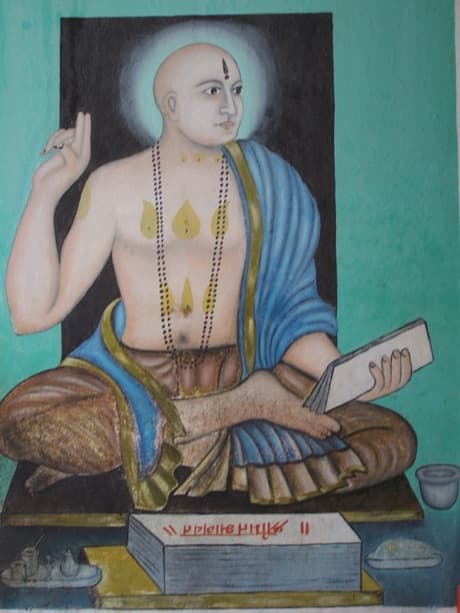
Madhvācārya · Dvaita
SanskritEnglishOn verses 18.34–18.36
“स्वप्नं भयं इत्यादि सर्वनिषिद्धोपलक्षणम् | तत्तत् साच्चिकमेव स्याद् यद्यद् वृद्धाः प्रचक्षते | निन्दन्ति तामसं तत्तद् राजसं तदुपेक्षितम् || इति हि भागवते - महामानस्तु मां पार्थ, अभयं सच्चसंशद्धिः, इत्यादिना वृद्धाश्चोक्ताः ||” - Dreams, fears etc. considered prohibited by elders are the subsidiary marks. Intelligence relating to these matters is taamasik. Matters endorsed by elders are considered saatvik and matters disapproved are taamasik. Matters in respect of which they are impervious are raajasik. ‘महामानस्तु मां पार्थ’ and ‘अभयं सच्चसंशद्धिः’ by such statements elders have commended Dharma, thus in Bhagavat Purana.

Jñāneśvar · Vārkarī
English35 "Whereby the stupid man does not give up slumber, fear, grief, and despondency, as also, arrogance: that tenacity O Son of Pṛthā, is Tamas-dominated. (749)
That (which) is formed of all sorts of heinous qualities, in the way the coal is formed in point of blackness; were such heinous and vulgar aspects to be taken as qualities, why not then call the Demons as persons of merit (पुण्यजन)? The one amongst the planets, which has the appearance of live-coal, is called "Mangal*" (मंगल—Mars—the auspicious one); in that same light the term "quality" (गुण) is figuratively used in respect of this dark and thoughtless one (धृति). Such a one is the very idol, prepared out of well-wrought darkness (तमस्), in which are stored up all the demerits. He carries laziness under his arm pit, with the result that slumber never leaves him, just as misery always dwells where sin is nurtured. Fear never deserts him consequent on his strong attachment to his body, in the way hardness ever accompanies the stone. He is a regular abode of grief because he is addicted to all worldly things in the way the sin never departs from an ungrateful person. He harbours discontent in his heart day and night, with the result that despondency is his constant companion. Foul smell never leaves garlic or the disease (never leaves) the patient who habitually goes against the prescribed regimen. In that way, despondency clings to him till his death. His infatuation for wife (lit. female companion), wealth, and passion ever waxes strong with the result that arrogance makes its home in him. Heat never leaves the fire or the spite (never leaves) a serpent of high breed: or the fear—the enemy of the world—is never destroyed: or the
* The word Mangala is used with the intention of avoiding the loathsome word Amangala (inauspicious). destructor never forgets the body; in that way arrogance makes its seat firm in the (Tamas-ridden) being. The tenacity that enables the five demerits (viz. slumber, fear, grief, despondency, and arrogance) to sustain a Tamas-ridden being, is called the Tamas (dominated) tenacity,” said the Lord of Universe. (He further said), “Thus whatever actions are resolved upon (to be performed) by the three-fold intellect are successfully carried out by tenacity. The way becomes discernible on account of the Sun, and feet walk over it; yet it is the courage (Tenacity) that brings about the walk. In that way the intellect shows the action which the group of instruments (organs etc.) performs; yet there is the necessity of tenacity for the production of actions. That tenacity which is three-fold has been explained to you. When the three-fold actions (thus) are performed, they bear the fruit, which is called ‘happiness’ and it is also three-fold, according to the respective types of action. I shall now preach to you in clear words how this fruit—happiness—becomes distinctive on account of the three Guna-constituents. But how should I describe the clarity of words? Were it to be made known through words, the words also would, get defiled by the wax in the ears. Therefore better (to) discard it (that way) and to hear it (take it in) using the heart as the means of taking it in, by discarding which, the ears would even become deaf (i.e. the faculty of audition is paralysed)”. With these words God started the topic of the three-fold happiness and I (Jnāneshwar) preach it following it (the start).
Swami Ramsukhdas · Modern
English'Yayā svapnaṁ bhayaṁ śokaṁ viṣādaṁ madameva ca na vimuñcati durmedhā dhṛtiḥ sā pārtha tāmasī'—Because of Tāmasika Dhṛti (firmness), a man does not give up excessive sleep, external and internal fear, grief, depression and conceit, but he remains engrossed in these. He is sometimes, addicted to too much sleep, and indolence, he at times entertains fear, because of death, disease, dishonour, defame, insult, ill health
and loss of wealth etc., he is off and on grieved and depressed, while other times he is self-conceited, because of favourable circumstances.
Besides the above-mentioned evil propensities, other evils, such as indolence, pride, hypocrisy, aversion, jealousy, violence and usurpation etc., can be included in the expression 'eva ca' (and also).
The Dhṛti (firmness) which does not give up sleep, fear, grief etc., is tāmasika.
In the thirty-third and thirty-fourth verses, the Lord by the term 'Dhārayate' means, that sāttvika and rājasika persons, hold fast to the sāttvika and rājasika Dhṛti (firmness) respectively. But in the case of a tāmasika person, it is not mentioned, that he holds fast to tāmasika firmness, because a Tāmasika person out of ignorance, and delusion, is naturally so much engrossed in sleep fear, grief and despair etc., that he does not give these evils up.
Out of these three kinds of Dhṛti (firmness), in the Rājasika and Tāmasika firmness there is mention of a doer by the terms 'Phalākāṇkṣi' and 'Durmcdhā', while the doer has not been mentioned, in the Sāttvika firmness, because in it the doer remains detached, and he has no sense of doership, while, in the rājasika and tāmasika firmness, the doer remains attached.
An Important Fact
This human life, has predominance of discrimination, which is clearly revealed in a Sāttvika person, and so the only aim of his life is to realize God. In a Rājasika person, because of dominance of attachment for mundane things and pleasure, this discrimination, is not clearly revealed, yet by his feeble discrimination, he wants to win pleasure, praise and honour etc., worldly and heavenly pleasure, hereafter, and he does not act, against decorum. But a tāmasika person's discrimination is completely veiled, and he remains engrossed in tāmasika propensities, such as sleep, fear and grief etc.
In spiritual discipline, actions do not play such an important role, as aim does. Actions, thoughts and trance performed, by physical, subtle and causal bodies respectively, are all activities of bodies. But the aim, that he has to realize God, is decided by the self. As is the aim, so are the actions. The aim, can be fixed by Sāttvika intellect, while a man holds firm to it, by Sāttvika firmness. So, from the thirty-third verse to the thirty-fifth verse, the Lord by addressing Arjuna as 'Pārtha' six times, warns him, regarding him as a representative of strivers, that without worrying about mundane persons and objects, he should hold fast, to his aim, by giving up rājasika and tāmasika propensities.
Appendix—The man, who is of the conviction that the evil propensities such as (excessive) sleep, fear, grief, depression and conceit etc., can't be removed, is evil minded. Such type of people don't pay any heed to give up evils, they don't have the courage to give them up but they own them naturally.
Excessive sleep is an obstacle to the progress of a striver. Necessary and moderate (regulated) sleep is not an obstacle (Gītā 6/16-17).
Link:—A man wants to perform actions, to gain happiness (joy). So the Lord, in the next four verses, classifies happiness under, three heads.
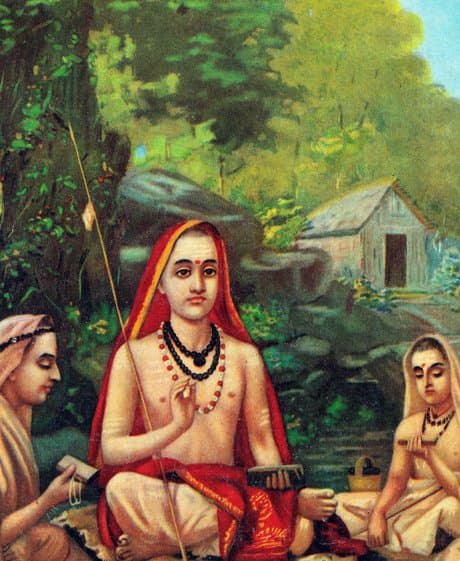
Ādi Śaṅkarācārya · Advaita
Sanskritयया स्वप्नं निद्रां भयं त्रासं शोकं विषादं विषण्णतां मदं विषयसेवां आत्मनः बहुमन्यमानः मत्त इव मदं एव च मनसि नित्यमेव कर्तव्यरूपतया कुर्वन् न विमुञ्चति धारयत्येव दुर्मेधाः कुत्सितमेधाः पुरुषः यः, तस्य धृतिः या, सा तामसी मता ॥
गुणभेदेन क्रियाणां कारकाणां च त्रिविधो भेदः उक्तः । अथ इदानीं फलस्य सुखस्य त्रिविधो भेदः उच्यते -
Ādi Śaṅkarācārya · Advaita
Hindiजिस धृतिके द्वारा मनुष्य स्वप्न—निद्रा, भय— त्रास, शोक—दुःख और मदको नहीं छोड़ता। अर्थात् विषय—सेवनको ही अपने लिये बहुत बड़ा पुरुषार्थ मानकर उन्मत्तकी भाँति मदको ही मनमें सदा कर्तव्यरूपसे समझता हुआ जो कुत्सित बुद्धिवाला मनुष्य इन सबको नहीं छोड़ता। यानी धारण ही किये रहता है। उसकी जो धृति है, वह तामसी मानी गयी है
Jñāneśvar · Vārkarī
Marathiतरी सर्वाधमें गुणें । जयाचें कां रूपा येणें । कोळसा काळेपणें । घडला जैसा ॥ ७४९ ॥ अहो प्राकृत आणि हीनु । तयाही कीं गुणत्वाचा मानु । तरी न म्हणिजे पुण्यजनु । राक्षसु काई ?॥ ७५० ॥ पैं ग्रहांमाजीं इंगळु । तयातें म्हणिजे मंगळु । तैसा तमीं धसाळु । गुणशब्दु हा ॥ ७५१ ॥ जे सर्वदोषांचा वसौटा । तमचि कामऊनि सुभटा । उभारिला आंगवठा । जया नराचा ॥ ७५२ ॥ तो आळसु सूनि असे कांखे । म्हणौनि निद्रे कहीं न मुके । पापें पोषितां दुःखें । न सांडिजे जेवीं ॥ ७५३ ॥ आणि देहधनाचिया आवडी । सदा भय तयातें न सांडी । विसंबूं न सके धोंडीं । काठिण्य जैसें ॥ ७५४ ॥ आणि पदार्थजातीं स्नेहो । बांधे म्हणौनि तो शोकें ठावो । केला न शके पाप जावों । कृतघ्नौनि जैसें ॥ ७५५ ॥ आणि असंतोष जीवेंसीं । धरूनि ठेला अहर्निशीं । म्हणौनि मैत्री तेणेंसीं । विषादें केली ॥ ७५६ ॥ लसणातें न सांडी गंधी । कां अपथ्यशीळातें व्याधी । तैसी केली मरणावधी । विषादें तया ॥ ७५७ ॥ आणि वयसा वित्तकामु । ययांचा वाढवी संभ्रमु । म्हणौनि मदें आश्रमु । तोचि केला ॥ ७५८ ॥ आगीतें न सांडी तापु । सळातें जातीचा सापु । कां जगाचा वैरी वासिपु । अखंडु जैसा ॥ ७५९ ॥ नातरी शरीरातें काळु । न विसंबे कवणे वेळु । तैसा आथी अढळु । तामसीं मदु ॥ ७६० ॥ एवं पांचही हे निद्रादिक । तामसाच्या ठाईं दोख । जिया धृती देख । धरिलें आहाती ॥ ७६१ ॥ तिये गा धृती नांवें । तामसी येथ हें जाणावें । म्हणितलें तेणें देवें । जगाचेनी ॥ ७६२ ॥ एवं त्रिविध जे बुद्धि । कीजे कर्मनिश्चयो आधि । तो धृती या सिद्धि । नेइजो येथ ॥ ७६३ ॥ सूर्यें मार्गु गोचरु होये । आणि तो चालती कीर पाये । परी चालणें तें आहे । धैर्यें जेवीं ॥ ७६४ ॥ तैसी बुद्धि कर्मातें दावी । ते करणसामग्री निफजवी । परी निफजावया होआवी । धीरता जे ॥ ७६५ ॥ ते हे गा तुजप्रती । सांगीतली त्रिविध धृती । यया कर्मत्रया निष्पत्ती । जालिया मग ॥ ७६६ ॥ येथ फळ जें एक निफजे । सुख जयातें म्हणिजे । तेंही त्रिविध जाणिजे । कर्मवशें ॥ ७६७ ॥ तरी फळरूप तें सुख । त्रिगुणीं भेदलें देख । विवंचूं आतां चोख । चोखीं बोलीं ॥ ७६८ ॥ परी चोखी ते कैसी सांगे । पैं घेवों जातां बोलबगें । कानींचियेही लागे । हातींचा मळु ॥ ७६९ ॥ म्हणौनि जयाचेनि अव्हेरें । अवधानही होय बाहिरें । तेणें आइक हो आंतरें । जीवाचेनि जीवें ॥ ७७० ॥ ऐसें म्हणौनि देवो । त्रिविधा सुखाचा प्रस्तावो । मांडला तो निर्वाहो । निरूपित असें ॥ ७७१ ॥
Jñāneśvar · Vārkarī
Hindi(18.749) कोयला जैसे कालेपन का ही बनाया हुआ है वैसे ही जो सब अधम राखों का ही रूप है.
(18.750) – यदि कोई कहे कि प्राकृत और निकृष्ट वस्तु भी क्या 'गुण' विशेषण के योग्य है, तो राक्षस भी क्या पुण्यजन नहीं कहलाता?
(18.751) ग्रहों में जो अग्नि रूप है उसे जैसे मंगल कहते हैं वैसे ही साधारणतः तम को गुण शब्द लगाया गया है —
(18.752) हे उत्तम योद्धा! जो सब दोषों के बसने का स्थान है, जिस मनुष्य की गठन तम को ही सिद्ध कर संगठित हुई है
(18.753) वह आलस का काँख में ही दबाये रहता है। अतः जैसे पापों का पोषण करने से दुःख नहीं छोड़ते वैसे ही उसे कभी निद्रा नहीं छोड़ती।
(18.754) और पत्थर को जैसे कठिनता नहीं छोड़ सकती वैसे ही शरीर और धन के लाभ के कारण उसे भी भय नहीं छोड़ता।
(18.755) कृतघ्न मनुष्य से जैसे पाप दूर नहीं जा सकता वैसे ही वह तामसी मनुष्य, पदार्थ-मात्र से प्रीति होने के कारण, शोक का घर ही बन जाता है (18.756) और वह रात-दिन हृदय में असन्तोष रखता है इसलिए विषाद उससे मित्रता करता है।
(18.757) लहसुन को जैसे दुर्गन्ध नहीं छोड़ती, अथवा अपथ्य करनेहारे को रोग नहीं छोड़ता, उसी प्रकार विषाद उससे, उसके मरते दम तक, मित्रता रखता है।
(18.758) और वह अपने यौवन का, अपने धन का और काम का घमण्ड रखता है इसलिए मद भी उसे अपना घर बना लेता है।
(18.759) उष्णता जैसे अग्नि का नहीं छोड़ती, ऊँची जाति का साँप जैसे बैर नहीं छोड़ता, अथवा भय जैसे सर्वदा सब जगत् से बैर रखता है,
(18.760) अथवा काल जैसे कभी शरीर को भूल नहीं सकता, वैसे ही मद भी तामसी मनुष्य में अटल बना रहता है।
(18.761) इस प्रकार तामसी मनुष्य में निद्रा इत्यादि ये पाँचों दोष जिस धृति ने धारण किये हैं
(18.762) उस धृति का नाम — जगत् के देव श्रीकृष्ण कहते हैं — तामसी धृति है।
(18.763) यों त्रिविध बुद्धि के द्वारा प्रथम जो कर्म निश्चय किया जाता है वह इस धृति से सिद्ध होता है। (18.764) सूर्य से मार्ग प्रकट होता है और पाँवों से उस मार्ग से, चलते हैं, पर जैसे चलने की क्रिया धैर्य के ही कारण होती है
(18.765) वैसे ही बुद्धि कर्म का प्रकट करती है और वह कर्म इन्द्रिय-सामग्री से किया जाता है, परन्तु उस क्रिया के लिए जो धैर्य आवश्यक हैं
(18.766) वही यह त्रिविध धृति है जिसका हमने अभी वर्णन किया। इस धृति से त्रिविध कर्मों की निष्पत्ति होने पर
(18.767) जो एक फल उत्पन्न होता है, जिसे कि सुख कहते हैं, वह भी कर्मानुसार त्रिविध हुआ है।
(18.768) अतः अब फलरूप जो सुख त्रिधा भिन्न है उसका हम उत्तम शब्दों से शुद्ध निरूपण करते हैं।
(18.769) वह शुद्धता ऐसी है कि शब्द के द्वारा उसके निरूपण का ग्रहण करने से कदाचित् कर्णरूपी हाथ का मल उसे लग जाय
(18.770) इसलिए उसे प्रेमयुक्त अन्तःकरण से (जिसका कि उपरोध करने से अवधान भी चला जाता है) श्रवण करना चाहिए।
(18.771) ऐसा कह कर श्रीकृष्ण ने त्रिविध सुख के निरूपण का प्रस्ताव किया। उसी वृत्तान्त का हम वर्णन करते हैं।

Sri Udiya Baba · Modern
Hindiभावार्थ— जिस धारणा शक्ति के द्वारा दुर्बुद्धि पुरुष स्वप्न, भय, शोक, विषाद और मद को नहीं छोड़ पाता वह धृति तामसी है।
व्याख्या— ऐसे मनुष्य को कितना ही समझाओ वह अपना स्वभाव नहीं बदलता।
Swami Ramsukhdas · Modern
Hindi'यया स्वप्नं भयं...सा पार्थ तामसी'—तामसी धारण-शक्तिके द्वारा मनुष्य ज्यादा निद्रा, बाहर और भीतरका भय, चिन्ता, दुःख और घमण्ड—इनका त्याग नहीं करता, प्रत्युत इन सबमें रचा-पचा रहता है। वह कभी ज्यादा नींदमें पड़ा रहता है, कभी मृत्यु, बीमारी, अपयश, अपमान, स्वास्थ्य, धन आदिके भयसे भयभीत होता रहता है, कभी शोक-चिन्तामें डूबा रहता है, कभी दुःखमें मग्न रहता है और कभी अनुकूल पदार्थोंके मिलनेसे घमण्डमें चूर रहता है।
निद्रा, भय, शोक आदिके सिवाय प्रमाद, अभिमान, दम्भ, द्वेष, ईर्ष्या आदि दुर्गुणोंको तथा हिंसा, दूसरोंका अपकार करना, उनको कष्ट देना, उनके धनका किसी तरहसे अपहरण करना आदि दुराचारोंको भी 'एव च' पदोंसे मान लेना चाहिये।
इस प्रकार निद्रा, भय आदिको और दुर्गुण-दुराचारोंको पकड़े रहनेवाली अर्थात् उनको न छोड़नेवाली धृति तामसी होती है।
भगवान्ने तैतीसवें-चौतीसवें श्लोकोंमें 'धारयते' पदसे सात्त्विक और राजस मनुष्यके द्वारा क्रमशः सात्त्विकी और राजसी धृतिको धारण करनेकी बात कही है; परन्तु यहाँ तामस मनुष्यके द्वारा तामसी धृतिको धारण करनेकी बात नहीं कही। कारण यह है कि जिसकी बुद्धि बहुत ही दुष्टा है, जिसकी बुद्धिमें अज्ञता, मूढ़ता भरी हुई है, ऐसा मलिन
अन्तःकरणवाला तामस मनुष्य निद्रा, भय, शोक आदि भावोंको छोड़ता ही नहीं। वह उनमें स्वाभाविक ही रचा-पचा रहता है।
सात्त्विकी, राजसी और तामसी—इन तीनों धृतियोंके वर्णनमें राजसी और तामसी धृतिमें तो क्रमशः 'फलाकाङ्क्षी' और 'दुर्मेधाः' पदसे कर्ताका उल्लेख किया है, पर सात्त्विकी धृतिमें कर्ताका उल्लेख किया ही नहीं। इसका कारण यह है कि सात्त्विकी धृतिमें कर्ता निलिप्त रहता है अर्थात् उसमें कर्तृत्वका लेप नहीं होता; परन्तु राजसी और तामसी धृतिमें कर्ता लिप्त होता है।
विशेष बात
मानवशरीर विवेक-प्रधान है। मनुष्य जो कुछ करता है, उसे वह विचारपूर्वक ही करता है। वह ज्यों ही विचारपूर्वक काम करता है, त्यों ही विवेक ज्यादा स्पष्ट प्रकट होता है। सात्त्विक मनुष्यकी धृति-(धारणशक्ति-) में यह विवेक साफ-साफ प्रकट होता है कि मुझे तो केवल परमात्माकी तरफ ही चलना है। राजस मनुष्यकी धृतिमें संसारके पदार्थों और भोगोंमें रागकी प्रधानता होनेके कारण विवेक वैसा स्पष्ट नहीं होता; फिर भी इस लोकमें सुख-आराम, मान-आदर मिले और परलोकमें अच्छी गति मिले, भोग मिले—इस विषयमें विवेक काम करता है और आचरण भी मर्यादाके अनुसार ही होता है। परन्तु तामस मनुष्यकी
धृतिमें विवेक बिलकुल ही दब जाता है। तामसभावोंमें उसकी इतनी दृढ़ता हो जाती है कि उसे उन भावोंको धारण करनेकी आवश्यकता ही नहीं रहती। वह तो निद्रा, भय आदि तामसभावोंमें ही रचा-पचा रहता है।
पारमार्थिक मार्गमें क्रिया इतना काम नहीं करती, जितना अपना उद्देश्य काम करता है। स्थूल क्रियाकी प्रधानता स्थूलशरीरमें, चिन्तनकी प्रधानता सूक्ष्मशरीरमें और स्थिरताकी प्रधानता कारणशरीरमें होती है, यह सब क्रिया ही है। 'क्रिया तो शरीरोंमें होती है, पर मेरेको तो केवल पारमार्थिक मार्गपर ही चलना है'—ऐसा उद्देश्य या लक्ष्य स्वयं-(चेतनस्वरूप-) में ही रहता है। स्वयंमें जैसा
**परिशिष्ट भाव**—निद्रा, भय, चिन्ता, दुःख, घमण्ड आदि दोष तो रहेंगे ही, दूर हो ही नहीं सकते—ऐसा निश्चय करनेवाले मनुष्य 'दुर्मेधा' हैं। ऐसे मनुष्योंका दोषोंको छोड़नेकी तरफ खयाल ही नहीं जाता, छोड़नेकी हिम्मत ही नहीं होती, प्रत्युत वे इनको स्वाभाविक ही धारण किये रहते हैं।
अधिक निद्रा ही बाधक होती है। आवश्यक, यथायोग्य निद्रा बाधक नहीं होती (गीता—छठे अध्यायका सोलहवाँ-सत्रहवाँ श्लोक)।
सम्बन्ध—मनुष्योंकी कर्मोंमें प्रवृत्ति सुखके लोभसे ही होती है अर्थात् सुख कर्म-संग्रहमें हेतु है। अतः आगेके चार श्लोकोंमें सुखके भेद बताते हैं।
The word svapnaṃ means slumber, inferring slothfulness. Madam is the delusion of enjoying sense objects.
The durmedhā or unintelligent fools do not oppose their mind from allowing their senses to buffet then hither and thither in pursuit of sense gratification. They even sanction such treatment to satisfy their desires.
The terms bhayam or dread, śokaṃ or grief and viṣādaṃ or dejection are the by-products of this delusion, and those who waste their time and energy and waste their invaluable human life as such, Lord Krishna confirms are indispensably situated in tama guṇa.
The Threefold Division of Happiness