

Bhagavad Gītā · Chapter 18 · Mokṣa Sannyāsa Yoga
प्रवृत्तिं च निवृत्तिं च कार्याकार्ये भयाभये
बन्धं मोक्षं च या वेत्ति बुद्धिः सा पार्थ सात्त्विकी
pravṛttiṃ ca nivṛttiṃ ca kāryākārye bhayābhaye|bandhaṃ mokṣaṃ ca yā vetti buddhiḥ sā pārtha sāttvikī||
Word meanings
पार्थ = O Pārtha
या = which
प्रवृत्तिम् = activity
च = and
निवृत्तिम् = cessation of action
कार्याकार्यं = what should and should not be done
अकर्तव्यको, = liberation
भयाभये = fear and fearlessness
अभयको = fearlessness
च = and
बन्धम् = bondage
च = and
वेत्ति = knows
सा = that
बुद्धिः = understanding
सात्त्विकी = is sāttvikī
Translation
The intellect which correctly determines the paths of activity and renunciation, what ought to be done and what should not be done, what is fear and what is fearlessness, and what is bondage and what is liberation, that intellect is Sattvika.
Commentary
The commentators seated around this verse
Rāmānuja · Viśiṣṭādvaita
English
Madhvācārya · Dvaita
Madhva BhāṣyaSanskritEnglishOn verses 18.29–18.31
“यथार्थत्वनियमाभावो राजस्याः | अन्यथा तामस्या भेदाभावात् ||” - Performance or abstention from the proper injunctions is raajasik. All the rest is taamasic due to differences.
Madhvācārya · Dvaita
Gītā Tātparya NirṇayaSanskritEnglishOn verses 18.29–18.31
“किर्जचेद् यथावद् धर्मादीनयथावच्च पश्यति | यया बुद्ध्या राजसी सा मिथ्यादृक् त्वेव तामसी || इति च ||” - The one who perceives Dharma, the Perennial Principles some times in righteous manner and sometimes in unrighteous manner is raajasik and the one who sees them entirely as delusion is taamasik.
Jñāneśvar · Vārkarī
English30 “(Right) activism and (right) abstention; what is proper to do and what is not proper to do; (what should inspire) fear and no-fear; (and the essence of) bondage and liberation: the intellect which discerns (all) this is, O Son of Pṛthā, Sattva-dominated. (699)
Therefore, day to day actions that you are qualified to do, and that have devolved on you in the natural course, are only the best ones to be performed, and these should be performed with an eye to the fruit (goal) viz. attainment of the ‘Self’, even as a thirsty one drinks water with full concentration. The performance of these actions frees one from the danger of calamitous re-birth, and makes easy the attainment of liberation. One doing this, becomes free from the fear of world affairs, and makes secure his share as a seeker, through the performance of actions. The intellect keeps firm faith in the attainment of liberation through actions and throws out a challenge (as to) why one should not dive in such (day to day) actions, raising activism high up on the basis of renunciation (of the fruit of the action). Water is the life (preserver) of the thirsty; or swimming (saves) one falling into floods; or the Sun’s rays (guide one) in a dark pit; or proper treatment and medicine (preserve life) of one choked with a disease; or water (is) the spring of life for the fish. In all these ways, abiding in activism (in regard to day-to-day actions) assuredly secures liberation. The intellect remains unerring in discerning what is worth doing and also what is worth discarding. The intellect makes one's inclinations turn back from afar, (from the very back side) from actions that are fruit-motived and create fear of world affairs and from actions tainted because (they are) prohibited, and as such are actually prohibited, and are worth being discarded, and form actions that are full of fear of re-birth. Oh, one cannot enter into fire, or take a leap into waters of fathomless depth, or hold in hand a red hot iron (bar), or put forth his hand (for catching) a black hissing cobra, or enter into a tiger's den: in that way, the intellect certainly feels mightily afraid at seeing such actions as only deserve to be discarded. One cannot escape from death, when served with poisoned food; in that way one knows that prohibited actions must bring on fettering. The intellect arranges for the renunciation of such prohibited actions as are full of fear of fettering. In that way the intellect makes a scrutiny, and tastes activism and renunciation, in the light of the desirability or otherwise of doing such actions, in the way genuine and counterfeit (gems) are tested. The intellect also knows too well what actions are worth being done and what are not; and that intellect (as is described above) is known as Sattvic intellect.
Swami Ramsukhdas · Modern
English'Pravṛttim ca nivṛttim ca'—Sometimes, a striver is engaged in work, while at another time, he is engaged in adoration and meditation, by renouncing action. His performance of action and adoration or meditation with desire for fruit, is included in work.* But, if these are performed without a desire for fruit, both are included, in renunciation and lead to God-realization. So, while performing and renouncing an act, a striver, should expect no reward. If both these are performed, to derive pleasure or joy out of them, they are included in work, and lead to bondage. In other words, in both the cases individuality persists, it does not get lost. But, if these are performed, for the good of others,
* When a person devotes his time in adoration and meditation in solitude, he does not possess riches and objects there but he has a subtle desire that he will be honoured and praised by the people as they will regard him as wise because he meditates on God in solitude.
both are included in renunciation. In both cases individuality gets lost. So a striver, should follow a path of renunciation, for Self-realization or follow the path of work (Action), by serving all beings, in order to realize God, the illuminator of the two—on the path of work and that of renunciation.
'Kāryākārye'—Work, which is done according to ordinance of scriptures, consistent with one's caste (Varna) and social order (Āśrama), is what ought to be done, while work which is prohibited by scriptures, is that which ought not to be done.
Work which is obligatory and is within our power (capacity), and which leads beings to salvation, is called duty, and it ought to be done. But work which ought not to be done, and which leads to bondage, is not included in duty. We need not do the work, which is beyond our capacity.
'Bhayāhhaye'—A man should think, of the root of fear and fearlessness. Action, which may cause harm to one's own self, as well as to others, gives birth to fear. But action which is performed, for the welfare of all beings, is likely to cause fearlessness. When a man performs action, which ought not to be done, he is full of fear, thinking of dishonour, blame and insult. But, when a man works according to ordinance of scriptures for the welfare of all beings, to please God, he remains, fearless. This fearlessness, leads him to God-realization.
'Bandham mokṣaṁ ca yā vetti'—He, who externally performs, virtuous action such as sacrifice, charity and pilgrimage etc., but internally, has a desire for the unreal and perishable objects, and heavenly pleasure etc., his actions lead him to bondage. But a striver, who has an exclusive devotion to God, attains liberation.
A man thinks that he is dependent, because he does not possess certain things, and he is independent, when those things are available to him. But in fact, he is dependent in both the cases. The difference is, that in the former case, the dependence is seen and felt, while in the latter case, it is not seen because at that time, a man loses his sight. But in fact, both mean dependence,
which leads to bondage. The former, is the revealed, bitter poison, while the latter is hidden, sweet poison. But both are poisons, which are fatal.
It means, that all worldly desires lead to bondage while desirelessness, leads to liberation. The need (necessity) for God, also leads to liberation.* If a man has a desire, it is a bondage, whether he possesses the things or not. But if he is free from desire, he is liberated, whether he possesses the things or not.
'Buddhiḥ sā pārtha sāttvīki'—Thus, intellect which knows reality about the path of work and renunciation, what ought to be done and what ought not to be done, fear and fearlessness, bondage and liberation—that intellect is sāttvika. What is reality? Reality is that, we should know, that we have no affinity with the world, we have merely assumed our affinity with it, while our affinity with God. Who is the illuminator and base of the entire creation, is natural. This is reality, which should be known, by the sāttvika intellect.
**Appendix**—The purpose of knowing the truth of Pravṛtti and Nivṛtti, of what ought to be done and what ought not to be done, of fear and fearlessness, of bondage and liberation, is only to renounce affinity with the world. If affinity with the world is not renounced, that knowledge is not real knowledge but that is mere rot learning.
The Sāttvika intellect mentioned in the Gītā enables a striver to rise above the three guṇas and to renounce his affinity with the world. Therefore the striver possessing the Sāttvika intellect, reflects upon bondage and liberation—'bandham mokṣam ca yāveṭṭi'. In Sāttviki intellect there is discrimination which is transformed into Self-realization. The discriminative intellect knows that all 'upto the attainment of the abode of Brahmā' is bondage.
*There is a difference between 'desire' and 'need' (necessity). There is desire for the worldly things while there is need for God. A desire remains unfulfilled and is to be renounced while a need is fulfilled. If a person gives up worldly desires, God is automatically realized.
Link:—The Lord now defines Rājasika intellect.
Ādi Śaṅkarācārya · Advaita
Sanskritप्रवृत्तिं च प्रवृत्तिः प्रवर्तनं बन्धहेतुः कर्ममार्गः शास्त्रविहितविषयः, निवृत्तिं च निर्वृत्तिः मोक्षहेतुः संन्यासमार्गः - बन्धमोक्षसमानवाक्यत्वात् प्रवृत्तिनिवृत्ती कर्मसंन्यासमार्गौ इति अवगम्यते - कार्याकार्ये विहितप्रतिषिद्धे लौकिके वैदिके वा शास्त्रबुद्धेः कर्तव्याकर्तव्ये करणाकरणे इत्येतत्; कस्य? देशकालाद्यपेक्षया दृष्टादृष्टार्थानां कर्मणाम् । भयाभये बिभेति अस्मादिति भयं चोरव्याघ्रादि, न भयं अभयम्, भयं च अभयं च भयाभये, दृष्टादृष्टविषययोः भयाभययोः कारणे इत्यर्थः । बन्धं सहेतुकं मोक्षं च सहेतुकं या वेत्ति विजानाति बुद्धिः, सा पार्थ सात्त्विकी । तत्र ज्ञानं बुद्धेः वृत्तिः; बुद्धिस्तु वृत्तिमती । धृतिरपि वृत्तिविशेषः एव बुद्धेः ॥
Ādi Śaṅkarācārya · Advaita
Hindiजो बुद्धि, प्रवृत्तिको—बन्धनके हेतुरूप कर्ममार्गको और निवृत्तिको—मोक्षके हेतुरूप संन्यासमार्गको जानती है। बन्ध और मोक्षके साथ प्रवृत्ति और निवृत्तिकी समानवाक्यता है, इससे यह निश्चय होता है कि प्रवृत्ति और निवृत्तिका अर्थ कर्ममार्ग और संन्यासमार्ग ही है।
तथा कर्तव्य और अकर्तव्यको—विधि और प्रतिषेधको, यानी करनेयोग्य और न करनेयोग्यको (भी जानती है)। यह कहना किसके सम्बन्धमें है? देश-काल आदिकी अपेक्षासे जिनके दृष्ट और अदृष्ट फल होते हैं, उन कर्मोंके सम्बन्धमें। तथा जो बुद्धि भय और अभयको—(जानती है)। जिससे मनुष्य भयभीत होता है, उसका नाम भय है और उससे विपरीतका नाम अभय है; उन दोनोंको, यानी दृष्टादृष्टविषयक जो भय और अभय हैं उन दोनोंके कारणोंको जानती है, एवं हेतुसहित बन्धन और मोक्षको भी जानती है, हे पार्थ! वह बुद्धि सात्त्विकी है। पहले जो ज्ञान कहा गया है, वह बुद्धिकी एक वृत्तिविशेष है और बुद्धि वृत्तिवाली है। धृति भी बुद्धिकी वृत्तिविशेष ही है
Jñāneśvar · Vārkarī
Marathiम्हणौनि अधिकारें मानिलें । जें विधीचेनि वोघें आलें । तें एकचि येथ भलें । नित्य कर्म ॥ ६९९ ॥ तेंचि आत्मप्राप्ति फळ । दिठी सूनि केवळ । कीजे जैसें कां जळ । सेविजे ताहनें ॥ ७०० ॥ येतुलेनि तें कर्म । सांडी जन्मभय विषम । करूनि दे उगम । मोक्षसिद्धि ॥ ७०१ ॥ ऐसें करी तो भला । संसारभयें सांडिला । करणीयत्वें आला । मुमुक्षुभागा ॥ ७०२ ॥ तेथ जे बुद्धि ऐसा । बळिया बांधे भरंवसा । मोक्षु ठेविला ऐसा । जोडेल येथ ॥ ७०३ ॥ म्हणौनि निवृत्तीची मांडिली । सूनि प्रवृत्तितळीं । इये कर्मीं बुडकुळी । द्यावीं कीं ना ? ॥ ७०४ ॥ तृषार्ता उदकें जिणें । कां पुरीं पडलिया पोहणें । अंधकूपीं गति किरणें । सूर्याचेनि ॥ ७०५ ॥ नाना पथ्येंसीं औषध लाहे । तरी रोगें दाटलाही जिये । का मीना जिव्हाळा होये । जळाचा जरी ॥ ७०६ ॥ तरी तयाच्या जीविता । नाहीं जेवीं अन्यथा । तैसें कर्मीं इये वर्ततां । जोडेचि मोक्षु ॥ ७०७ ॥ हें करणीयाचिया कडे । जें ज्ञान आथी चोखडें । आणि अकरणीय हें फुडें । ऐसें जाण ॥ ७०८ ॥ जीं तिथें काम्यादिकें । संसारभयदायकें । अकृत्यपणाचें आंबुखें । पडिलें जयां ॥ ७०९ ॥ तिये कर्मीं अकार्यीं । जन्ममरणसमयीं । प्रवृत्ति पळवी पायीं । मागिलींचि ॥ ७१० ॥ पैं आगीमाजीं न रिघवे । अथावीं न घालवे । धगधगीत नागवे । शूळ जेवीं ॥ ७११ ॥ कां काळियानाग धुंधुवातु । देखोनि न घालवे हातु । न वचवे खोपेआंतु । वाघाचिये ॥ ७१२ ॥ तैसें कर्म अकरणीय । देखोनि महाभय । उपजे निःसंदेह । बुद्धी जिये ॥ ७१३ ॥ वाढिलें रांधूनि विखें । तेथें जाणिजे मृत्यु न चुके । तेवीं निषेधीं कां देखे । बंधातें जे ॥ ७१४ ॥ मग बंधभयभरितीं । तियें निषिद्धीं प्राप्ती । विनियोगु जाणे निवृत्ती । कर्माचिये ॥ ७१५ ॥ ऐसेनि कार्याकार्यविवेकी । जे प्रवृत्ति निवृत्ति मापकी । खरा कुडा पारखी । जियापरी ॥ ७१६ ॥ तैसी कृत्याकृत्यशुद्धी । बुझे जे निरवधी । सात्विक म्हणिपे बुद्धी । तेचि तूं जाण ॥ ७१७ ॥
Jñāneśvar · Vārkarī
Hindi(18.699) अतः संसार में अपने अधिकारानुसार और विधि के मार्ग से आया हुआ जो नित्य कर्म है वही एक उत्तम है।
(18.700) आत्मप्राप्ति-रूपी फल को दृष्टि के सन्मुख रख उसी कर्म का इस प्रकार आचरण करना चाहिए जैसे कि प्यास बुझाने के लिए जल-पान किया जाता है।
(18.701) इस रीति से वह कर्म जन्म-भय का दुःख मिटा देता है और मोक्ष का लाभ सुगम कर देता है।
(18.702) जो सज्जन इस प्रकार कर्म करता है वह संसार-भय से मुक्त हो जाता है और उस कर्म के बल से मुमुक्षु का पद प्राप्त कर लेता है। (18.703) फिर, जो बुद्धि वैसा ही दृढ़ निश्चय रखती है उसे मोक्ष इस प्रकार प्राप्त हो जाती है मानों वह उसी के लिए रखी हुई थी।
(18.704) इस प्रकार प्रवृत्ति की भूमिका पर निवृत्ति की ही रचना की गई है तो फिर कर्म में प्रवृत्त होना चाहिए कि न होना चाहिए?
(18.705) प्यासे का जैसे जल से जीवन प्राप्त होता है, बाढ़ में गिरे हुए को जैसे तैरने से, अथवा अँधेरे कुएँ में गिरे हुए का सूर्य की किरणों से ही गति मिल सकती है,
(18.706) अथवा जैसे पथ्य और औषधि मिले तो रोगग्रस्त मनुष्य भी जी जाता है, अथवा मछली को जल का आश्रय मिले
(18.707) तो जैसे उसके जीवन का कुछ अपाय नहीं होता वैसे ही इस नित्य-कर्म के करने से अवश्य ही मोक्ष का लाभ होता है।
(18.708) इस नित्यकर्म की ओर जो शुद्ध बुद्धि प्रवृत्त होती है, और आचरण के लिए जो कर्म हैं
(18.709) अर्थात् जो काम्य इत्यादि संसार-भय देनेवाले कर्म हैं, जिन पर निषिद्धता की मुहर लगी हुई है, (18.710) उन अकरणीय और जन्म-मरण का भय देनेवाले कर्मों और से जो बुद्धि, प्रवृत्ति को, पिछले पाँवों भगाती है,
(18.711) अग्नि में जैसे प्रवेश करते नहीं बनता, अथाह पानी में जैसे डूबा नहीं जाता, अत्यन्त प्रखर शूल जैसे पकड़ा नहीं जाता,
(18.712) काले नाग को फुफकारते देख उस पर जैसे हाथ नहीं डाला जाता, अथवा बाघ की गुफा में जैसे जाया नहीं जाता,
(18.713) वैसे ही निषिद्ध कर्म देख कर जिस बुद्धि का अवश्य ही महाभय उत्पन्न होता है,
(18.714) विष मिला कर अन्न पकाया गया हो तो जैसे मृत्यु अवश्यम्भावी है, वैसे ही जो बुद्धि जानती है कि निषिद्ध कर्मों से जन्म-मरण-रूपी बन्ध नहीं टूटता,
(18.715) और ऐसे बन्ध-भय से भरे हुए निषिद्ध कर्म के प्राप्त होने पर जो बुद्धि इस कर्म का त्याग करने का प्रबन्ध करना जानती है,
(18.716) तथा जो कार्य और अकार्य का विवेक रखती हैं, जो प्रवृत्ति-निवृत्ति का माप करनेहारी है, रत्नों का परखैया जैसे अच्छा-बुरा रत्न पहचान लेता है (18.717) वैसे ही जो कर्तव्य और अकर्तव्य की उत्तम परख करना जानती है वही बुद्धि सात्विक है।
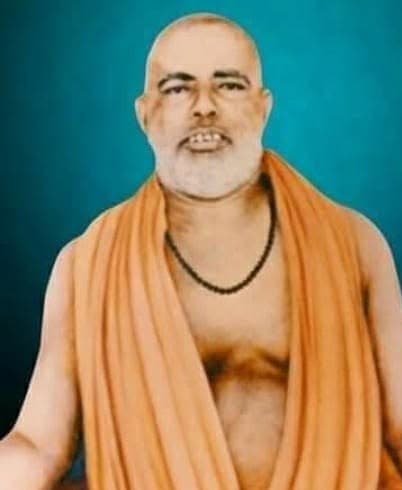
Sri Udiya Baba · Modern
Hindiभावार्थ— हे पार्थ! जो बुद्धि प्रवृत्ति-निवृत्ति, कर्तव्य-अकर्तव्य, भय-अभय और बन्ध-मोक्ष को जानती है वह सात्त्विकी है।
प्रश्न— प्रवृत्ति और निवृत्ति में क्या अन्तर है।
उत्तर— चित्त की व्यवहारोन्मुक्त वृत्ति प्रवृत्ति है और निर्व्यापार स्थिति निवृत्ति है। विचारदृष्टि से इनमें कोई न्यूनाधिक नहीं है। परन्तु इतना भेद अवश्य है कि प्रवृत्ति में विचार का पूर्ण विकास नहीं होता और निवृत्ति में होता है। जैसे मिट्टी और काँच विचारदृष्टि से तो एक ही है। परन्तु मिट्टी के मकान में बैठा हुआ मनुष्य बाहर का कोई पदार्थ नहीं देख सकता, किन्तु काँच के मकान में बैठा हुआ सब कुछ देख सकता है।
Swami Ramsukhdas · Modern
Hindi‘प्रवृत्तिं च निवृत्तिं च’—साधकमात्रकी प्रवृत्ति और निवृत्ति—ये दो अवस्थाएँ होती हैं। कभी वह संसारका काम-धंधा करता है, तो यह प्रवृत्ति-अवस्था है और कभी संसारका काम-धंधा छोड़कर एकान्तमें भजन-ध्यान करता है, तो यह निवृत्ति-अवस्था है। परन्तु इन दोनोंमें सांसारिक कामनासहित प्रवृत्ति और वासनासहित निवृत्ति—ये दोनों ही अवस्थाएँ ‘प्रवृत्ति’ हैं अर्थात् संसारमें लगानेवाली हैं तथा सांसारिक कामनारहित प्रवृत्ति और वासनारहित निवृत्ति—ये दोनों ही अवस्थाएँ ‘निवृत्ति’ हैं अर्थात् परमात्माकी तरफ ले जानेवाली हैं। इसलिये साधक इनको ठीक-ठीक जानकर कामना-वासनारहित
प्रवृत्ति और निवृत्तिको ही ग्रहण करें। वास्तवमें गहरी दृष्टिसे देखा जाय तो कामना-वासनारहित प्रवृत्ति और निवृत्ति भी यदि अपने सुख, आराम आदिके लिये की जायें तो वे दोनों ही ‘प्रवृत्ति’ हैं; क्योंकि वे दोनों ही बंधनेवाली हैं अर्थात् उनसे अपना व्यक्तित्व नहीं मिटता। परन्तु यदि कामना-वासनारहित प्रवृत्ति और निवृत्ति—दोनों केवल दूसरोंके सुख, आराम और हितके लिये ही की जायें, तो वे दोनों ही ‘निवृत्ति’ हैं; क्योंकि उन दोनोंसे ही अपना व्यक्तित्व नहीं रहता। वह व्यक्तित्व कब नहीं रहता? जब प्रवृत्ति और निवृत्ति जिसके प्रकाशसे प्रकाशित होती हैं तथा जो प्रवृत्ति और निवृत्तिसे रहित है, उस प्रकाशक अर्थात्
१-बुद्धिके द्वारा तो अपना ध्येय (लक्ष्य) ठीक-ठीक समझमें आता है और धृतिके द्वारा कर्ता स्वयं उस लक्ष्यपर दृढ़ रहता है। साधक पहले कैसे ही भावों और आचरणोंवाला अर्थात् पापी-से-पापी और दुराचारी-से-दुराचारी क्यों न रहा हो, वह भी ‘मुझे तो परमात्मप्राप्ति ही करनी है’—इस उद्देश्यपर दृढ़ रहता है, तो उसके सब पाप नष्ट हो जाते हैं (गीता—नवें अध्यायका तीसवाँ श्लोक)।
२-प्रवृत्तिको छोड़कर कोई एकान्तमें भजन-ध्यान करता है तो वहाँ उसके सामने द्रव्य, पदार्थ तो नहीं हैं, पर ‘लोग मेरेको ज्ञानी, ध्यानी, साधक समझेंगे, तो मेरा आदर-सत्कार होगा’ इस प्रकार भीतर एक सूक्ष्म इच्छा रहती है, जिसे ‘वासना’ कहते हैं।
तत्त्वकी प्राप्तिके उद्देश्यसे ही प्रवृत्ति और निवृत्ति की जाय। प्रवृत्ति तो की जाय प्राणिमात्रकी सेवाके लिये और निवृत्ति की जाय परम विश्राम अर्थात् स्वरूप-स्थितिके लिये।
‘कार्यकार्य’—शास्त्र, वर्ण, आश्रमकी मर्यादाके अनुसार जो काम किया जाता है, वह ‘कार्य’ है और शास्त्र आदिकी मर्यादासे विरुद्ध जो काम किया जाता है वह ‘अकार्य’ है।
जिसको हम कर सकते हैं, जिसको जरूर करना चाहिये और जिसको करनेसे जीवका जरूर कल्याण होता है, वह ‘कार्य’ अर्थात् कर्तव्य कहलाता है और जिसको हमें नहीं करना चाहिये तथा जिससे जीवका बन्धन होता है, वह ‘अकार्य’ अर्थात् अकर्तव्य कहलाता है। जिसको हम नहीं कर सकते, वह अकर्तव्य नहीं कहलाता, वह तो अपनी असामर्थ्य है।
‘भयाभये’—भय और अभयके कारणको देखना चाहिये। जिस कर्मसे अभी और परिणाममें अपना और दुनियाका अनिष्ट होनेकी सम्भावना है, वह कर्म ‘भय’ अर्थात् भयदायक है और जिस कर्मसे अभी और परिणाममें अपना और दुनियाका हित होनेकी सम्भावना है, वह कर्म ‘अभय’ अर्थात् सबको अभय करनेवाला है।
मनुष्य जब करनेलायक कार्यसे च्युत होकर अकार्यमें प्रवृत्त होता है, तब उसके मनमें अपनी मान-बड़ाईकी हानि और निन्दा-अपमान होनेकी आशंकासे भय पैदा होता है। परन्तु जो अपनी मर्यादासे कभी विचलित नहीं होता, अपने मनसे किसीका भी अनिष्ट नहीं चाहता और केवल परमात्मामें ही लगा रहता है, उसके मनमें सदा अभय बना रहता है। यह अभय ही मनुष्यको सर्वथा अभयपद—परमात्माको प्राप्त करा देता है।
‘बन्धं मोक्षं च या वेत्ति’—जो बाहरसे तो यज्ञ, दान, तीर्थ, व्रत आदि उत्तम-से-उत्तम कार्य करता है; परन्तु भीतरसे असत्, जड, नाशवान् पदार्थोंको और स्वर्ग आदि लोकोंको चाहता है, उसके लिये वे सभी कर्म ‘बन्ध’ अर्थात् बन्धनकारक ही हैं। केवल परमात्मासे ही सम्बन्ध रखना, परमात्माके सिवाय कभी किसी अवस्थामें असत् संसारके साथ लेशमात्र
परिशिष्ट भाव—प्रवृत्ति और निवृत्तिको, कर्तव्य और अकर्तव्यको, भय और अभयको तथा बन्धन और मोक्षको—दोनोंको जाननेका तात्पर्य संसारके सम्बन्ध-विच्छेदसे ही है। अगर संसारसे सम्बन्ध-विच्छेद न हो तो वह जानना वास्तवमें जानना नहीं है, प्रत्युत सीखना है।
* एक कामना होती है और एक आवश्यकता होती है। संसारकी कामना होती है और परमात्माकी आवश्यकता। कामनाकी कभी पूर्ति होती ही नहीं, उसकी तो निवृत्ति होती है, पर आवश्यकताकी पूर्ति ही होती है।
परमात्माकी आवश्यकता भी संसारकी कामना होनेसे ही पैदा होती है। कामनाका अत्यन्त अभाव होनेपर आवश्यकता रहती ही नहीं अर्थात् परमात्माकी प्राप्ति हो जाती है।
भी सम्बन्ध न रखना ‘मोक्ष’ अर्थात् मोक्षदायक है।
अपनेको जो वस्तुएँ नहीं मिली हैं, उनकी कामना होनेसे मनुष्य उनके अभावका अनुभव करता है। वह अपनेको उन वस्तुओंके परतन्त्र मानता है और वस्तुओंके मिलनेपर अपनेको स्वतन्त्र मानता है। वह समझता तो यह है कि मेरे पास वस्तुएँ होनेसे मैं स्वतन्त्र हो गया हूँ, पर हो जाता है उन वस्तुओंके परतन्त्र! वस्तुओंके अभाव और वस्तुओंके भाव—इन दोनोंकी परतन्त्रतामें इतना ही फर्क पड़ता है कि वस्तुओंके अभावमें परतन्त्रता दीखती है, खटकती है और वस्तुओंके होनेपर वस्तुओंकी परतन्त्रता परतन्त्रताके रूपमें दीखती ही नहीं; क्योंकि उस समय मनुष्य अन्धा हो जाता है। परन्तु हैं ये दोनों ही परतन्त्रता, और परतन्त्रता ही बन्धन है। अभावकी परतन्त्रता प्रकट विष है और भावकी परतन्त्रता छिपा हुआ मीठा विष है, पर हैं दोनों ही विष। विष तो मारनेवाला ही होता है।
निष्कर्ष यह निकला कि सांसारिक वस्तुओंकी कामनासे ही बन्धन होता है और परमात्माके सिवाय किसी वस्तु, व्यक्ति, घटना, परिस्थिति, देश, काल आदिकी कामना न होनेसे मुक्ति होती है। यदि मनमें कामना है तो वस्तु पासमें हो तो बन्धन और पासमें न हो तो बन्धन! यदि मनमें कामना नहीं है तो वस्तु पासमें हो तो मुक्ति और पासमें न हो तो मुक्ति!
‘बुद्धिः सा पार्थ सात्त्विकी’—इस प्रकार जो प्रवृत्ति-निवृत्ति, कार्य-अकार्य, भय-अभय और बन्ध-मोक्षके वास्तविक तत्त्वको जानती है, वह बुद्धि सात्त्विकी है।
इनके वास्तविक तत्त्वको जानना क्या है? प्रवृत्ति-निवृत्ति, कार्य-अकार्य, भय-अभय और बन्ध-मोक्ष—इनको गहरी रीतिसे समझकर, जिसके साथ वास्तवमें हमारा सम्बन्ध नहीं है, उस संसारके साथ सम्बन्ध न मानना और जिसके साथ हमारा स्वतःसिद्ध सम्बन्ध है, ऐसे (प्रवृत्ति-निवृत्ति आदिके आश्रय तथा प्रकाशक) परमात्माको तत्त्वसे ठीक-ठीक जानना—यही सात्त्विकी बुद्धिके द्वारा वास्तविक तत्त्वको ठीक-ठीक जानना है।
गीताका 'सात्त्विक' गुणातीत करनेवाला, संसारसे सम्बन्ध-विच्छेद करनेवाला है। इसलिये इसमें बन्धन और मोक्षतकका विचार होता है—'बन्धं मोक्षं च या वेत्ति'। सात्त्विकी बुद्धिमें वह विवेक होता है, जो तत्त्वज्ञानमें परिणत होता है। विवेकवती बुद्धि 'ब्रह्मलोककी प्राप्तिक सब बन्धन है'—ऐसा जानती है।
सम्बन्ध—अब राजसी बुद्धिके लक्षण बताते हैं।
1) pravṛtiṃca is actions performed under the auspices of dharma or righteousness
2) nivṛttiṃca is refraining from actions opposed to dharma which gives liberation
3) kārya-akārye is knowing what is appropriate according to time, place and circumstance whether adhering to pravṛtiṃca or nivṛttiṃca
4) bhaya-abhaye is fear, stemming from not adhering to the injunctions of the Vedic scriptures and fearlessness is by observing the ordinances of the Vedic scriptures
5) bandha is samsāra or enslavement in the perpetual cycle of birth and death
6) Mokṣa is liberation from material existence and release from samsāra.
Lord Krishna is affirming the essentials of those whose buddhi or intellect is situated in sattva guṇa the mode of goodness as only they have the ability to realise these points.