

Bhagavad Gītā · Chapter 18 · Mokṣa Sannyāsa Yoga
अर्जुन उवाचनष्टो मोहः स्मृतिर्लब्धा त्वत्प्रसादान्मयाच्युत
स्थितोऽस्मि गतसन्देहः करिष्ये वचनं तव
arjuna uvācanaṣṭo mohaḥ smṛtirlabdhā tvatprasādānmayācyuta|sthito'smi gatasandehaḥ kariṣye vacanaṃ tava||
Word meanings
अच्युत = O Acyuta (unfailing one)
त्वत्प्रसादात् = by your grace
मोहः = delusion
नष्टः = destroyed
मया = by me
स्मृतिः = memory
लब्धा = regained
गतसन्देहः = free from doubt
स्थितः = established
अस्मि = I am
तव = your
वचनम् = word
करिष्ये = I shall follow
Translation
Arjuna said: Krsna, by Your grace my delusion has fled and wisdom has been gained by me. I stand shorn of all doubts. I will do your bidding.
Commentary
The commentators seated around this verse

Rāmānuja · Viśiṣṭādvaita
English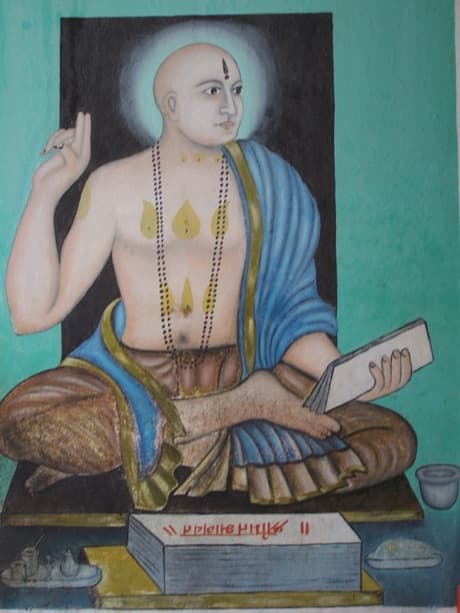
Madhvācārya · Dvaita
Madhva BhāṣyaSanskritEnglishOn verses 18.72–18.78
“यस्य त्रिष्वुदितानि वेदवचने रूपाणि दिव्यान्यलम् । वद तद्दर्शतमिध्यमेव निहितं देवस्य भर्गो महत् । वायो रामवचनोयं प्रथमकं पृक्षो द्वितीयं वपुः मध्ये यत्तु तृतीयकं कृतमिदं भाष्यं हि तेन प्रभो ॥ पूर्णां दोषमहाविष्णोर्गीतामाश्रित्य लेशतः । निरूपणं कृतं तेन प्रीयतां मे सदा विभुः ॥” – whose three blissful mystical forms have been narrated in vedic suktas whose content capable of bestowing eternal bliss and supremacy was eulogized in Treta Yuga by Hanuman the servitor of Lord Rama who discovered the whereabouts of Sita-devi, by Bhima of the Pandavas in Dvarpara Yuga and by sage Madhva in present age through his commentary, full of wisdom, extremely propitious and flawless may the Lord be pleased and may grant eternal bliss of beatitude,
इति मदानन्दतीर्थभगवत्पदाचार्यविरचिते श्रीभगवद्गीताभाष्ये अष्टादशोऽध्यायः । भारतीरमण मुख्यप्राणान्तर्गत श्रीकृष्णार्पणमस्तु ॥” – Thus ends the eighteenth chapter of the the commentary prepared by Srimad Anandtirtha the great Teacher at the feet of the Resplendent Lord, as an offerrng to Sri Krishna.
Madhvācārya · Dvaita
Gītā Tātparya NirṇayaSanskritEnglishOn verses 18.72–18.78
“यथेच्छसि तथा कुरु । इत्याक्षेपपरिहाराय - करिष्ये वचनं तव । इत्यनुसरति भगवन्तम् ॥” – Do whatever you desire, such statement is made to avoid any contrary actions being performed. Arjuna declares “I will do as ordained by You, the Resplendent Lord”.
“नमस्ते वासुदेवाय प्रेयसां मे प्रियोत्तम् । समस्तगुणसम्पूर्णनिर्दोषानन्ददायिने ॥ यस्य त्रिष्वुदितानि वेदवचने रूपाणि दिव्यान्तं वद तद्दर्शतमिध्यमेव निहितं देवस्य भर्गो महत् । वायो रामवचनोयं प्रथमकं पृक्षो द्वितीयं वपुः मध्ये यत्तु तृतीयमेतदमुना गन्धं कृतं केशवे । निःशेषदोषरहित कल्याणाखिलसद्गुण । भूतिस्वयम्भुशर्वादिवन्धं त्वां नौमि मे प्रियम् ॥” – Obeisance to Sri Vasudeva, the dearest to me among all the dearest ones, embodiment of all propitious attributes, faultless and bestower of Bliss, whose three blissful mystical forms have been narrated in vedic suktas, whose content capable of bestowing eternal bliss and supremacy was eulogized in Treta Yuga by Hanuman who spoke the whereabouts of Sita-devi, by Bhima of the Pandavas in Dvarpara Yuga and by sage Madhva in present age through this commentary for the pleasure of Sri Keshava, flawless, full of wisdom and propitiated by Sri Lakshmi, Brahma, Rudra and others may please the Lord.

Jñāneśvar · Vārkarī
English73 Arjuna spake:— “Dispelled is mine delusion; regained by me through Thy favour is the memory (consciousness of my real nature), O Acyuta. I stand here firm and freed of doubt, and will do Thy bidding.” (1558)
Arjuna said, “Oh Lord, you ask me if I like that infatuation. It has already left me and departed bag and baggage. Is it possible anywhere that the Sun should approach and ask if the eye could see darkness? In that way, is it not sufficient, in order to dispel delusion that you Lord Krishna should be actually discernible to the eyes? Besides, you have preached me through copious and eloquent talk (mouthful) with love even greater than that of the mother. Is it ever conceivable, my love, that I shall fail to comprehend that. Since, however, you ask me (the question) whether the infatuation has or has not left me, I say I have got my object completely accomplished (कृतकृत्य ज्ञातो), through your favour. I had got myself wrapt up in the notion, “I am Arjuna”; but through your grace, I got free from it (having come to know your real form) and there now remains nothing to enquire (on my) part and to answer (on yours). O God, I have through your grace come to realize the Self, eradicating the very root of infatuation. That notion of duality, which raises the problem of doing any act or refraining from it, does not exist for me, since I now see your Presence alone everywhere in all things. There is now left in me not even a shadow of doubt about it. I have reached that state, where there remains nothing like action. Having now attained through you the state of 'I'-ness—my own self, all actions have come to an end and there remains nothing else for me to do except to obey your orders. That 'object of vision', which removes all the visible universe when actually viewed,—or that which (although) itself dual removes all duality,—that which although itself all single, abides everywhere for all times,—or that the very contact of which snaps all ties,—or that, by the expectation of which all (other) expectations disappear,—or that, the meeting with which brings about the meeting of one with his own self,—that very worshipful preceptor of mine, you yourself are. (You are) that helper (चिरजे) of oneness which enables one to transcend the state of the realization of perfect monism,—that which one should serve faithfully and freely without any limitation, after becoming himself the very Brahman and eliminating all that constitutes actions or non-actions,—that which gives its devotees the principal share of what it owns, in the way the holy Ganges goes and joins the ocean and itself becomes the ocean,—you are (all) that, Oh Krishna, that the attributeless, worthy to receive service and revered preceptor of mine, and take it that I am placed under deep gratitude to you for the realization on my part of the Supreme Brahman. There was the screen of distinctiveness between you and myself and you have smashed it completely and you have secured for me the pleasure of happiness in the form of your service. So now, Oh you God of all the Gods, I shall now follow unreservedly with my head bowed down in reverence whatever mandates you give. Hearing these words of Arjuna, Lord Krishna literally danced, being swept off his feet through ecstasy and said to himself, 'I have secured in Arjuna the best of all the fruit in the universe.' Does not the milky ocean forget its own limits and overflow itself at the advent of the full Moon, its own son, complete in all her (his) phases? In that way, Samjaya's heart was flooded with joy seeing the wedding (meeting together) of the interiors (hearts) of both (Lord Krishna and Arjuna), on the altar (भोवले) in the form of the dialogue. In that state of overflowing delight, Samjaya said to Dhritarashtra, 'What a great favour of sage Vyāsa to us! He has protected us both in this warfare. You have not got even the physical vision with which to see the world affairs: but you have been endowed with the vision of knowledge to deal ably with spiritual affairs. Oh, that I, who got entrance among the warriors riding in chariots, simply for testing the soundness of horses, should be able to see (know) these themes (of knowledge) is also a favour of that great sage Vyāsa)! Besides this Warfare is so tremendous and terrible that everybody (taking part in it) should feel afraid of the loss of (his own) life in the war, whatever party might be victorious in the end. What an unfathomable favour on the part of sage Vyāsa it is that I should be in a position to experience the bliss of the Supreme Brahman, laid bare in such a crisis as this!' In spite of all this talk on the part of Samjaya, there was absolutely no softening of the heart of Dhritarāṣṭra, just as a rock knows no oozing out as the effect of lunar rays. Samjaya let him alone, seeing such a state of his; yet getting mad with happiness, he began to speak again. He talked to Dhritarāṣṭra because he was carried away by the rushing tide of his joy; otherwise he knew fully there was no response (from Dhritarāṣṭra) that could encourage him to speak further.
Swami Ramsukhdas · Modern
English'Naṣṭo mohaḥ smṛtirlabdhā tvatprasādānmayācyuta'—Arjuna addresses the Lord as 'Acyuta', to emphasize the fact that, He never deviates from His divine nature, while a man turns away from one's own Self and has a fall. The term 'Acyuta', has been used three times in the Gītā by Arjuna. First (in 1/21), he asked him to place his chariot between the two armies. Second, (in 11/42) he prayed to His cosmic form. There was no change in His state. At last (in 18/73) he uses this term here, when he says that he will act according to His word. Thus there are three kinds of states of mind, of Arjuna at the beginning, the middle and the end, but the Lord remains the same, without any change, in his state.
In the second chapter, Arjuna surrendered himself to the Lord by declaring, 'I am your disciple. Do instruct me, who have taken refuge in you' (2/7). In this verse, that refuge, attains perfection.
At the end of the tenth chapter, Lord Kṛṣṇa said to Arjuna, 'What need is there for detailed knowledge? I stand supporting the whole universe, with a single fragment of Myself.' Having heard this declaration, Arjuna could realise the Lord's singularity and received a kind of enlightenment, which forced Arjuna to utter the words, 'My delusion has been dispelled' (Gītā 11/1). But having seen the fearful cosmic form of the Lord, when Arjuna was confounded with fear, He asked him, neither to be afraid nor bewildered (11/49). It proves, that Arjuna's delusion, was not destroyed by then. But, here in response to Lord Kṛṣṇa's question, Arjuna answers that his delusion is destroyed, and he has gained knowledge (memory).*
*Here Arjuna's both kinds of delusion—the mundane (Gītā 2/52) and Vedic textual (Gītā 2/53) have been destroyed.
There is a vast difference, between the memory of the mind and that of the self. The reality of a thing is established through the proof of senses and mind, while the existence of God cannot be established, through this proof i.e., God cannot be confined within the range of the proof of senses and mind.* God is beyond all proofs. But the entire universe, is within the sphere of proof, while proof comes within the sphere, of the knower.
The knower is one, while proof can be of different kinds. Some scholars regard proof (Pramāṇa) of three kinds—evident, by guess, and of the vedas, while others regard it as of four kinds—evident (Pratyakṣa), by guess (Anumāna), that with which something is compared (Upamāṇa), and word (Śabda), while some others besides these four, regard it of three more kinds—reasoning (Arthāpatti), in apprehension (Anupalabdhi) and traditional theory (Aitihya). Thus scholars, differ in their opinions, as far as kinds of proof are concerned, but all of them agree, that the knower, is one. Proof is a kind of inclination, while the knower (self), is a kind of realization.
As far as the term 'smṛti' (memory), is concerned, it has been explained—(1) The revelation of something already experienced. (2) Memory means the knowledge born of past influences (impressions), Saṃskāras.
* We can know the world through (proof). But God Who is the base and illuminator of knowledge, cannot be known by knowledge, because the illumined cannot illuminate the illuminator. So He can be known by having faith in Him.
Those who have faith in scriptures, accept the existence of God, by regarding these as authority, while those who have faith in the liberated souls, accept His existence according to their word. But the mind and senses, cannot prove His existence. Therefore, the believers believe in his existence, through scriptures and liberated souls, by having faith in them while the non-believers cannot accept the existence of God, by regarding scriptures and liberated souls as authority. It means, that whatever is known through senses and mind, is direct proof, while the proof of assumption etc., is the argumentative proof, the progenitor of direct proof. But as far as, proof of saints and scriptures is concerned, that can be gained, through faith.
This memory, is an inclination of mind. This inclination, can be of five kinds—proof (Pramāṇa), error (Viparyaya), alternate (Vikalpa), sleep (Nidrā) and memory (Smṛti), and each of these kinds can further be subdivided into two parts—difficult and easy. Inclination for the world, is difficult i.e., it binds a man, while inclination for the Lord is easy, as it frees a man, from bondage and suffering. Ignorance, is the cause of these inclinations. But the Lord is free, from ignorance. So He can be known by the self, not by any inclination or cause. When his memory is once gained, He can never be forgotten, while in the inclination of mind there is sometimes memory, while at the other time, there is forgetfulness.
A man, forgets the Lord when he accepts the existence of the unreal world, and attaches importance to it. Though this forgetfulness, has been since time immemorial, yet it comes to an end. When it comes to an end, the memory of one's self, is aroused which is called 'Smṛtirlabdhā' i.e., the veil is removed, and the reality is revealed.
This memory, according to the inclination (taste) of strivers, can be divided into three kinds—(1) Discipline of Action i.e., memory of the performance of action, without expecting any reward. (2) Discipline of Knowledge i.e., memory of the self. (3) Discipline of Devotion i.e., memory of one's relationship, with God. Thus the memory of these three disciplines is aroused, because though all the three disciplines, are self-evident and eternal, a man forgets them.
When a man, accepts the existence of worldly things and attaches importance to them, he is attached to them—this is forgetfulness (veil) of the Discipline of Action. When he is attached to the unreal, he has a disinclination for the self—this is forgetfulness of the Discipline of knowledge. The man (self), is a fragment of God. But he, having a disinclination for God, has an inclination for the world, and is attached to it. It is because of
this attachment, that his devotion is veiled—this is forgetfulness, of the Discipline of Devotion.
Here, destruction of forgetfulness (disinclination) for the self is smṛti (memory). This gaining of memory (knowledge), of the self is real memory, which when once gained, cannot be lost, because the self ever remains uniform, without undergoing any modifications. The memory of the mind, can be lost, because being an evolute of prakṛti (matter), it is changeable.
It means that, when a man identifies the self with the world and the body, it is called 'vismṛti' (forgetfulness). But, when by separating himself from the world and the body, he realizes the self, it is smṛti (memory or knowledge). The memory of the self, is one's own memory, without the help of any other means, such as senses and mind etc., while the memory of the mind, is an inclination of the mind. As a man, has knowledge of his entity without any proof, without the help of any organs through his own self, similarly, self-realization, is through one's own self. It is beyond all organs and instruments etc.
The memory of the self, is gained instantly, without any effort. Karṇa, was the son of Kuntī, but when he was abandoned by Kuntī after his birth, he was brought up by Rādhā, the wife to a charioteer named Adhiratha. So he took Rādhā to be his mother. But when he came to know from the sun-god, that his mother was Kuntī, he gained memory, without any effort.
The self, being a fragment of God, is desireless, pure and liberated. But a man having forgetfulness (disinclination), of the self, has desires, becomes impure and is bound. But, when he has no affinity, at all with mind etc., his memory (knowledge), is automatically aroused, without making any effort and without any practice. When once it is aroused, it is not lost, so is not to be aroused, again.
Memory (knowledge), is aroused by God's grace. His grace
is showered upon, a man, when he has an inclination for Him. He has an inclination for Him, when he has a disinclination for the world. As Arjuna said to Lord Kṛṣṇa, that he would act according to His word, similarly, a devotee without depending on the world, should declare that he will act according to His word, only.
It means that this memory (knowledge), is gained by the Lord's grace, when a striver has an inclination for Him. So Arjuna says that he has gained knowledge (memory), through His grace. The Lord continuously showers His limitless grace upon all beings, but a man realizes His grace, when he has an inclination for Him.
By the expression 'Tvatprasādānmayācyuta' Arjuna wants to say to Lord Kṛṣṇa, that He by His grace has disclosed to him the most secret essence. So it is only by His grace, that he has gained knowledge (memory). First, he requested Him to instruct him who had sought refuge in Him, but then he said that he would not fight. Till he got Self-realization, the Lord goaded him. It was only His divine grace. Even unasked, He disclosed the supreme secret, the topic of surrender to him (18/64—66). Thus, by His grace, he could know the reality, and his delusion was dispelled.
'Sthito'smi gatasandehaḥ karīṣye vacanam tava'—Arjuna says to Lord Kṛṣṇa, that his doubt whether he should wage the war or not (2/6) is dispelled totally, and he is now established in reality. It means, that he has no desire of his own, he will act, according to His word.
Here a point needs attention. First, Arjuna had delusion because of his attachment, to his kith and kin. There, the Lord declared the process, 'When a man thinks of the sense-objects, attachment for them arises; from attachment springs up desire; from desire ensues anger; from anger arises delusion; from delusion loss of memory; from loss of memory, the destruction of discrimination;
from destruction of discrimination, he perishes (Gītā 2/62-63). Arjuna by reminding the Lord of that process, declares that his delusion is dispelled, and he has gained memory, which was destroyed by delusion. In response to the statement, that from loss of memory, there is destruction of discrimination, Arjuna says, that his doubt is dispelled. In response to the statement, that from destruction of discrimination, one perishes, Arjuna declares that he stands firm. By saying so, Arjuna wants to explain to Lord Kṛṣṇa, that he has listened to the gospel of the Gītā and so he remembers it. But as far as the destruction of his delusion is concerned, it is only because of His grace. Thus the description of delusion, as described there and here, is one and the same.
In the second chapter from the sixty-first to the sixty-third verses, the Lord declared that wisdom of a person, whose senses are under control, is steady. It means, that when a person having a disinclination for the world, depends only on God, his intelligence is firmly set. If he does not depend only on Him, his mind thinks of sense-objects and then the process of attachment, desire, anger, delusion etc., follows. These ruin a man, because they are demoniac propensities. But here, is the description of his progress. When he, having a disinclination for the world, has an inclination for God, his delusion is dispelled, because he possesses a divine nature. It means, that a person goes to ruin, if he, having a disinclination for the Lord, is overpowered by his senses, is described there. But here, when a man has an inclination for God, it is by His grace that he gains memory (knowledge), of his real affinity with God.
In the spiritual sphere, God's grace is a more effective means, than hearing of texts, cognition, constant musing, meditation and trance etc. The reason is, that when a striver follows any spiritual discipline, by depending on his own effort, he maintains subtle egoism, which perishes, only when the striver totally depends on
the Lord's grace, without regarding it as fruit of his effort.
A Vital Fact
Arjuna said that he had gained memory. The question arises why had he lost it. When a man (soul), by identifying himself with the unreal attaches importance to it, he forgets, the self. By forgetting the self, he thinks that the shortage of the unreal, is shortage in him. Similarly, by identifying himself with the body, he regards the death and birth of a body, as his own death and birth, and he regarded his father, rather than the Lord, as his creator. So he became forgetful of the Lord.
If a question is raised here as to whether the mistake was made prior or affinity with the non-self, was assumed, earlier. In other words, whether through ignorance, he assumed affinity with the non-self first, or through affinity with the non-self, there was ignorance. The answer is, that the Lord bestows the human body, so that man (soul) may be free from a cycle of birth and death, which he has been following since time immemorial and may attain infinite bliss, viz., God-realization. God felt bored all alone (Bṛhadāraṇyaka 1/4/3). The Lord created the human being, in order to play with him. The game can be played smoothly and freely, when both the players are free. So the Lord gave him freedom, as well as discrimination, so that he could distinguish the real from the unreal. If the Lord, had not bestowed upon him, freedom and discrimination, he might have been like a beast, without any speciality. But man, misused this freedom and got attached to unreal pleasure and prosperity. This was his error of judgment. Now the question arises, why is he attached to the unreal? The reason is, that he wants to enjoy transitory pleasure without thinking of their result (Strivers are those who think of the result, while the worldly people are those who do not think of the result). Attachment to the unreal, is the cause of error. How to know it ?
When a man, having renounced his attachment to the unreal, has an inclination for God, his error is rectified and his memory, is gained. This proves, that attachment to the unreal, is the real cause of error. This error is not natural, it is man-made. As he has created it, so it is his responsibility, to rectify it. The Lord, has given him power, to rectify this mistake. As soon as, this mistake is rectified, the memory (knowledge); of the self, is automatically regained and then nothing remains to be done, to be known and to be achieved by him.
Till now, man has taken birth many times, and he has had his union and again disunion with things, persons, states, circumstances and incidents etc., many times, but he himself has remained, the same. Union is surely to be turned into disunion, while disunion is not definitely to be changed into union. In fact, there is only disunion, there is no union. This process of disunion, has been going on since time immemorial. What seems union, is continuously turning into disunion. The realization of total disunion, from the world is Yoga—'This disconnection from union, with pain is called Yoga' (Gītā 6/23) (Yoga—union with the self or with God). This union, is self-evident and eternal.* But this union is not realized, because we assume our union with the world and the body. As soon as, this assumed union is renounced, the real union is realized. Assumption of union with the world, is forgetfulness (ignorance) and realization of the fact, that a man can never have union with the world, is memory (knowledge).
**Appendix**—The worldly memory is a relative term, which is contrary to forgetfulness; but the memory of the divine entity is not of that kind but it is—a state of realization. The independent of this 'Tattva' experience has been called here 'smṛtirlabdhā'.
In fact there is never forgetfulness of that divine entity but
*In the Disciplines of Action and Knowledge there is eternal union with the self while in the Discipline of Devotion there is eternal union with God.
there is only turning away from it. It means that first there was knowledge and then it was forgotten—this sort of forgetfulness is not applicable to the divinity.* If we accept it as this sort of forgetfulness, then after memory again it will sink into oblivion. Therefore it has been declared in the *Gītā*—‘*yajñātvā na punarmoham*’ (4/35)—viz., having gained this knowledge of the Self, a man does not get deluded again. Having assumed the non-Existent (unreal) as existent and according significance to it, a striver has disinclination for the real—this is known as forgetfulness. These—disinclination and inclination are from the view-point of a striver rather than from the view-point of the Self. The real Self ever remains the same, whether we have inclination to it or disinclination for it. If we assume the non-Existent (unreal) as non-Existent, the existent entity (the real Self) will naturally reveal itself the same as it is.
The thought is of two kinds—one is that we think of something and the second type of thought wells up. The former thought is an action but latter is not an action. In the former there is predominance of intellect but in the latter there is breach of affinity with the intellect. Therefore the Self is not realized by former type of thought but it is realized by the revelation of the thought. It means that when a striver, having the aim of Self-realization, goes on differentiating the real and the unreal using his discrimination, and the unreal is renounced, then “the world neither existed, nor exists, nor will exist nor can exist”—this thought is revealed. With the revelation of this thought, discrimination gets transformed into Self-realization viz., the world disappears
*Having gained knowledge (Self-realization) there appears nothing new viz., it does not appear that first there was ignorance and then the knowledge was gained. Having gained knowledge a striver realizes that he was ever endowed with knowledge, only he had not an eye on it. If it is assumed that first there was ignorance, then the knowledge was gained, it means that knowledge has a beginning while it is beginningless. Anything, that has a beginning, ends and that, which is beginningless, is endless.
and the divinity is revealed; the assumed existence comes to an end and the reality remains. The revelation of thought has been mentioned here as 'smṛtirlabdhā'.
'Aparā Prakṛti' (the lower nature) belongs to God. But we have committed an error that we have been connected with the lower nature viz., we have assumed it as ours and for us. We are responsible for this connection, so it is our responsibility to renounce it also. Because of the assumption of our affinity with the lower nature, we have forgotten our real affinity with God and we are bound. Therefore only renunciation of affinity with the lower nature will lead us to salvation. In order to renounce affinity with the lower nature—'the body is neither mine, nor it is for me'—importance should be attached to this discrimination. By attaching significance to this discrimination—'the lower nature is neither mine nor for me'—the memory is gained.
Arjuna has not realized the dualistic or non-dualistic entity but he has realized the real entity which transcends both dualism and non-dualism. The reason is that dualism-non-dualism is delusion* while Arjuna's delusion has been destroyed.
A man (the Self) naturally belongs to God from time immemorial, he has to renounce only the dependence on the world. Arjuna has predominantly gained the memory of Bhaktiyoga, Karmayoga and Jñānayoga are the means but Bhaktiyoga is an end. Therefore the memory of Bhaktiyoga is real. The memory of Bhaktiyoga is—'vāsudevaḥ sarvam' viz., 'All is God'. The realization of 'vāsudevaḥ sarvam' is 'smṛtirlabdhā'. This realization is possible only by God's grace—'tvatprasādāt'. Words (utterances) are limited but the Lord's grace is limitless.
Reflection involves the sense of doership but in memory there is no sense of doership. The reason is that reflection (thinking) is done with the mind; the intellect is superior to the mind, ego is
* 'dvaitādvaita mahāmohaḥ' (Māheśvara tantra)
'aho māyā mahāmohau dvaitādvaita vikalpanā' (Avadhūtā 1/61)
superior to the intellect, the Self is superior to ego, the memory is gained by the Self. We reflect upon something but in memory only the eye is cast there. At the time of forgetfulness also the divinity remains the same. In divinity there is no oblivion, therefore as soon as a glance is cast, the memory is dawned.
'Sthito'smi gatasandehaḥ'—At first from the view-point of a Kṣatriya, Arjuna thought that it was justified to fight in the war; then having seen his teachers and elders arrayed on the battlefield, he thought that sin would accrue to him by slaying them; but as soon as the memory was gained, all the problems were solved. His doubt whether he should wage the war or not, was totally dispelled. Then Arjuna said to Lord Kṛṣṇa that nothing remained to be done by him but he would carry out His order only—'kariṣye vacanam tava'. This is surrender.
*Link:—In the twentieth verse of the first chapter, the gospel of the Gītā in the form of the dialogue between Lord Kṛṣṇa and Arjuna began, with the term 'Atha' (now). In the next verse, by using the term 'Iti' (thus), Sañjaya concluding the message reveals to his master, the glory of this dialogue.*
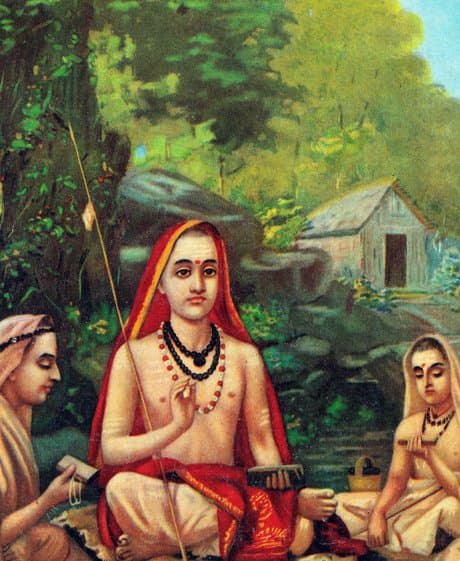
Ādi Śaṅkarācārya · Advaita
Sanskritनष्टः मोहः अज्ञानजः समस्तसंसारानर्थहेतुः, सागर इव दुरुत्तरः । स्मृतिश्च आत्मतत्त्वविषया लब्धा, यस्याः लाभात् सर्वहृदयग्रन्थीनां विप्रमोक्षः; त्वत्प्रसादात् तव प्रसादात् मया त्वत्प्रसादं आश्रितेन अच्युत । अनेन मोहनाशप्रश्नप्रतिवचनेन सर्वशास्त्रार्थज्ञानफलं एतावदेवेति निश्चितं दर्शितं भवति, यतः ज्ञानात् मोहनाशः आत्मस्मृतिलाभश्चेति । तथा च श्रुतौ ``अनात्मवित् शोचामि'' (छा. उ. ७-१-३) इति उपन्यस्य आत्मज्ञानेन सर्वग्रन्थीनां विप्रमोक्षः उक्तः; ``भिद्यते हृदयग्रन्थिः'' (मु. उ. २-२-९) ``तत्र को मोहः कः शोकः एकत्वमनुपश्यतः'' (ई. उ. ७) इति च मन्त्रवर्णः । अथ इदानीं त्वच्छासने स्थितः अस्मि गतसंदेहः मुक्तसंशयः । करिष्ये वचनं तव । अहं त्वत्प्रसादात् कृतार्थः, न मे कर्तव्यम् अस्ति इत्यभिप्रायः ॥
परिसमाप्तः शास्त्रार्थः । अथ इदानीं कथासंबन्धप्रदर्शनार्थं संजयः उवाच -
Ādi Śaṅkarācārya · Advaita
Hindiहे अच्युत ! मेरा अज्ञानजन्य मोह, जो कि समस्त संसाररूप अनर्थका कारण था और समुद्रकी भाँति दुस्तर था, नष्ट हो गया है । और हे अच्युत ! आपकी कृपाके आश्रित होकर मैंने आपकी कृपासे आत्मविषयक ऐसी स्मृति भी प्राप्त कर ली है कि जिसके प्राप्त होनेसे समस्त ग्रन्थियाँ—संशय विच्छिन्न हो जाते हैं ।
इस मोहनाशविषयक प्रश्नोत्तरसे यह बात निश्चितरूपसे दिखलाई गयी है कि जो यह अज्ञानजनित मोहका नाश और आत्मविषयक स्मृतिका लाभ है, बस, इतना ही समस्त शास्त्रोंके अर्थज्ञानका फल है ।
इसी तरह (छान्दोग्य) श्रुतिमें भी 'मैं आत्माको न जाननेवाला शोक करता हूँ' इस प्रकार प्रकरण उठाकर आत्मज्ञान होनेपर समस्त ग्रन्थियोंका विच्छेद बतलाया है ।
तथा ‘हृदयकी ग्रन्थि विच्छिन्न हो जाती है’ ‘वहाँ एकताका अनुभव करनेवालेको कैसा मोह और कैसा शोक?’ इत्यादि मन्त्रवर्ण भी हैं।
अब मैं संशयरहित हुआ आपकी आज्ञाके अधीन खड़ा हूँ। मैं आपका कहना करूँगा। अभिप्राय यह है कि मैं आपकी कृपासे कृतार्थ हो गया हूँ (अब) मेरा कोई कर्तव्य शेष नहीं है
Jñāneśvar · Vārkarī
Marathiमग अर्जुन म्हणे काय देवो । पुसताति आवडे मोहो । तरी तो सकुटुंब गेला जी ठावो । घेऊनि आपला ॥ १५५८ ॥ पासीं येऊनि दिनकरें । डोळ्यातें अंधारें । पुसिजे हें कायि सरे । कोणे गांवीं ? ॥ १५५९ ॥ तैसा तूं श्रीकृष्णराया । आमुचिया डोळयां । गोचर हेंचि कायिसया । न पुरे तंव ॥ १५६० ॥ वरी लोभें मायेपासूनी । तें सांगसी तोंड भरूनी । जें कायिसेनिही करूनी । जाणूं नये ॥ १५६१ ॥ आतां मोह असे कीं नाहीं । हें ऐसें जी पुससी काई । कृतकृत्य जाहलों पाहीं । तुझेपणें ॥ १५६२ ॥ गुंतलों होतों अर्जुनगुणें । तो मुक्त जालों तुझेपणें । आतां पुसणें सांगणें । दोन्ही नाहीं ॥ १५६३ ॥ मी तुझेनि प्रसादें । लाधलेनि आत्मबोधें । मोहाचे तया कांदे । नेदीच उरों ॥ १५६४ ॥ आतां करणें कां न करणें । हें जेणें उठी दुजेपणें । तें तूं वांचूनि नेणें । सर्वत्र गा ॥ १५६५ ॥ ये विषयीं माझ्या ठायीं । संदेहाचे नुरेचि कांहीं । त्रिशुद्धि कर्म जेथ नाहीं । तें मी जालों ॥ १५६६ ॥ तुझेनि मज मी पावोनी । कर्तव्य गेलें निपटूनी । परी आज्ञा तुझी वांचोनि । आन नाहीं प्रभो ॥ १५६७ ॥ कां जें दृश्य दृश्यातें नाशी । जें दुजें द्वैतातें ग्रासी । जें एक परी सर्वदेशीं । वसवी सदा ॥ १५६८ ॥ जयाचेनि संबंधें बंधु फिटे । जयाचिया आशा आस तुटे । जें भेटलया सर्व भेटे । आपणपांचि ॥ १५६९ ॥ तें तूं गुरुलिंग जी माझें । जें येकलेपणींचें विरजें । जयालागीं वोलांडिजे । अद्वैतबोधु ॥ १५७० ॥ आपणचि होऊनि ब्रह्म । सारिजे कृत्याकृत्यांचें काम । मग कीजे का निःसीम । सेवा जयाची ॥ १५७१ ॥ गंगा सिंधू सेवूं गेली । पावतांचि समुद्र जाली । तेवीं भक्तां सेल दिधली । निजपदाची ॥ १५७२ ॥ तो तूं माझा जी निरुपचारु । श्रीकृष्णा सेव्य सद्गुरु । मा ब्रह्मतेचा उपकारु । हाचि मानीं ॥ १५७३ ॥ जें मज तुम्हां आड । होतें भेदाचें कवाड । तें फेडोनि केलें गोड । सेवासुख ॥ १५७४ ॥ तरी आतां तुझी आज्ञा । सकळ देवाधिदेवराज्ञा । करीन देईं अनुज्ञा । भलतियेविषयीं ॥ १५७५ ॥ यया अर्जुनाचिया बोला । देवो नाचे सुखें भुलला । म्हणे विश्वफळा जाला । फळ हा मज ॥ १५७६ ॥ उणेनि उमचला सुधाकरु । देखुनी आपला कुमरु । मर्यादा क्षीरसागरु । विसरेचिना ? ॥ १५७७ ॥ ऐसे संवादाचिया बहुलां । लग्न दोघांचियां आंतुला । लागलें देखोनि जाला । निर्भरु संजयो ॥ १५७८ ॥ तेणें म्हणतसे संजयो । बाप कृपानिधी रावो । तो आपुला मनोभावो । अर्जुनेंसी केला ॥ १५७९ ॥ तेणें उचंबळलेपणें । संजय धृतराष्ट्रातें म्हणे । जी कैसे बादरायणें । रक्षिलों दोघे ? ॥ १५८० ॥ आजि तुमतें अवधारा । नाहीं चर्मचक्षूही संसारा । कीं ज्ञानदृष्टिव्यवहारा आणिलेती ॥ १५८१ ॥ आणि रथींचिये राहाटी । घेई जो घोडेयासाठीं । तया आम्हां या गोष्टी । गोचरा होती ॥ १५८२ ॥ वरी जुंझाचें निर्वाण । मांडलें असे दारुण । दोहीं हारीं आपण । हारपिजे जैसें ॥ १५८३ ॥ येवढा जिये सांकडां । कैसा अनुग्रहो पैं गाढा । जे ब्रह्मानंदु उघडा । भोगवीतसे ॥ १५८४ ॥ ऐसें संजय बोलिला । परी न द्रवे येरु उगला । चंद्रकिरणीं शिवतला । पाषाणु जैसा ॥ १५८५ ॥ हे देखोनि तयाची दशा । मग करीचिना सरिसा । परी सुखें जाला पिसा । बोलतसे ॥ १५८६ ॥ भुलविला हर्षवेगें । म्हणौनि धृतराष्ट्रा सांगे । येऱ्हवीं नव्हे तयाजोगें । हें कीर जाणें ॥ १५८७ ॥
Jñāneśvar · Vārkarī
Hindi(18.1558) – अर्जुन बोला, – हे देव! आप क्या यह पूछते हैं कि मुझे अभी तक मोह हो रहा है या नहीं? तो महाराज! वह तो अपने कुटुम्ब-सहित अपना डेरा-डण्डा उठा कर चलता बना।
(18.1559) सूर्य किसी के पास आवे और फिर उससे पूछे कि क्या तुम्हें अंधेरा दिखाई देता है! ऐसा कहीं हुआ है?
(18.1560) वैसे ही हे श्रीकृष्णराज! जब आप हमारे नेत्रों के सन्मुख हैं तब कौन-सी बात असम्भव हो सकती है?
(18.1561) इस पर भी आपने माता से भी अधिक प्रेम के साथ विस्तार-पूर्वक ऐसे ज्ञान का उपदेश किया है जो और किसी उपाय से ज्ञात नहीं हो सकता।
(18.1562) फिर अब आप कैसे पूछते हैं कि मेरा मोह शेष है या चला गया? महाराज! मैं आपकी कृपा से कृतार्थ हो चुका।
(18.1563) मैं अर्जुनत्व में उलझा हुआ था सो आपरूप हो मुक्त हो गया। अब पूछना या उत्तर देना दोनों बातें नहीं रही।
(18.1564) आपकी कृपा से जो आत्मज्ञान प्राप्त हुआ है वह मोह की जड़ों को बचने ही नहीं देता। (18.1565) अब कर्म करना या न करना जिस द्वैत के कारण उत्पन्न होता है वह सर्वत्र आपके अतिरिक्त कुछ दिखाई नहीं देता।
(18.1566) इस विषय में मुझे कुछ भी सन्देह नहीं रहा। मैं निश्चय से वह वस्तु हूँ जहाँ कर्म का अस्तित्व ही नहीं है।
(18.1567) आपकी कृपा से मुझे निजत्व की प्राप्ति हो गई तथा मेरे कर्म का नाश हो गया है। अब आपकी आज्ञा के अतिरिक्त मुझे कुछ कर्तव्य नहीं रहा।
(18.1568) क्योंकि जिसे देखने से अन्य दृश्य का नाश हो जाता है, जिस द्वैत से अन्य द्वैत का लोप हो जाता है, जो एक ही है पर सर्वत्र बसता है,
(18.1569) जिसके सम्बन्ध से बन्ध मिट जाता है, जिसकी आशा से अन्य आशाएँ टूट जाती हैं, जिसकी भेंट होने से सर्वत्र आत्मस्वरूप की ही भेंट होती है
(18.1570) वही आपकी गुरुमूर्ति जो मुझ अकेले की सहकारिणी है (वह गुरु-मूर्ति कैसी है? कि) जिसके लिए अद्वैत ज्ञान के परे जाना पड़ता है, (18.1571) प्रथम स्वयं ब्रह्म हो कर कर्तव्याकर्तव्य का नाश कर फिर जिसकी निःसीम सेवा हो सकती है,
(18.1572) समुद्र का पहुँचते ही जैसे गंगा समुद्र-रूप हो जाती है वैसे ही जो भक्तों को निजपद का उत्तमोत्तम लाभ प्राप्त करा देती है,
(18.1573) ऐसी जो आपकी निरुपाधिक सदुरुमूर्ति है वह, हे श्रीकृष्ण! मुझे सेवनीय है। अतः ब्रह्मत्व का मैं इतना ही उपकार मानता हूँ
(18.1574) कि आप में और मुझमें जो भेद का प्रतिबन्ध था उसे मिटा कर उसने आपकी सेवा का सुख और भी अधिक मधुर कर दिया।
(18.1575) अतः हे सकल देवों के अधिदेवराज! मैं आपकी जो आज्ञा होगी सो करूँगा। आप चाहे जो आज्ञा करें।
(18.1576) अर्जुन के ये वचन सुन कर श्रीकृष्ण आनन्द में भूले हुए नाचने लगे और कहने लगे कि मुझ विश्वफल का अर्जुनरूपी एक फल और उत्पन्न हुआ है।
(18.1577) क्षीरसागर क्या अपने पुत्र चन्द्रमा को पूर्ण कलाओं से युक्त देख कर मर्यादा नहीं नाँधता? (18.1578) इस प्रकार संवादरूपी विवाहभूमि पर दोनों के अन्तःकरणों का विवाह होता देख कर संजय आनन्द में निमग्न हो गया।
(18.1579) इस प्रकार सुखी हो संजय ने कहा कि श्रीकृष्ण अत्यन्त कृपानिधि हैं जो उन्होंने अर्जुन को अपने हृदय की बात बताई।
(18.1580) उस आनन्द में संजय ने धृतराष्ट्र से कहा कि महाराज श्रीव्यास ने हम दोनों की खूब रक्षा की।
(18.1581) आपके तो चर्मचक्षु भी नहीं हैं तथापि आपको ज्ञानदृष्टि का व्यवहार करने की शक्ति प्राप्त करा दी
(18.1582) और केवल घोड़ों की परीक्षा करने के लिए ही रथ पर चढ़नेवाले मुझको भी ये बातें मालूम हो गईं।
(18.1583) इधर युद्धरूपी घोर और कठिन अवसर हैं, दोनों में से किसी की भी हार हो तथापि अपनी ही हार के बराबर हैं,
(18.1584) ऐसे संकट के विद्यमान रहते भी श्रीकृष्ण प्रत्यक्ष ब्रह्मानन्द का उपभोग करवाते हैं यह उनका कितना बड़ा अनुग्रह है? (18.1585) संजय ने इतना कहा तथापि पत्थर पर चन्द्रकिरण पड़े तो जैसे वह नहीं पसीजता वैसे ही धृतराष्ट्र भी न पसीज कर चुप हो रहा।
(18.1586) राजा की ऐसी स्थिति देख कर संजय से वह बात छोड़ दी परन्तु आनन्द से बौराया हुआ वह फिर बोलने लगा।
(18.1587) वह हर्षवेग में भूला हुआ था, इसी लिए धृतराष्ट्र से बोला अन्यथा वह जानता था कि ये वचन धृतराष्ट्र के सुनने योग्य नहीं हैं।
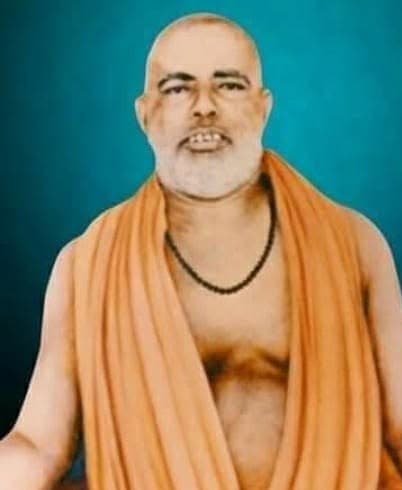
Sri Udiya Baba · Modern
Hindiभावार्थ— अर्जुन बोला—अच्युत! आपकी कृपा से मेरा मोह नष्ट हो गया और मुझे स्मृति प्राप्त हो गयी। अब मैं संशयशून्य होकर स्थित हूँ, अतः आपके वचनों का पालन करूँगा।
व्याख्या— यहाँ 'नष्टो मोहः' और 'गतसन्देहः' दो विशेषण आये हैं। जब तक किसी भी प्रकार का सन्देह या अज्ञान का कार्य मोह शेष है तब तक सिद्धावस्था नहीं हो सकती। अतः अर्जुन के इन शब्दों
से मालूम होता है कि उसे सिद्धावस्था प्राप्त हो गयी है और उसे स्मृति अर्थात् ब्रह्माकार वृत्ति भी प्राप्त हो गयी है।
प्रश्न— आत्माकार वृत्ति और ब्रह्माकार वृत्ति में क्या अन्तर है। और 'स्मृति' शब्द से यहाँ क्या तात्पर्य है।
उत्तर— जो लोग दृश्य से अपने को भिन्न मानते हैं वे वास्तव में तत्त्वज्ञ नहीं हैं। वे असंगता का अनुभव नहीं करते, केवल असंगता का चिन्तन करते हैं। वे दृश्य की सत्ता भी स्वीकार करते हैं और अपने को भी कुछ माने हुए हैं। असली असंगता तो यह है कि दृश्य की कोई सत्ता ही नहीं है, वह केवल प्रतीतिमात्र है। सम्पूर्ण दृश्य का अधिष्ठान अपना स्वरूप ही है और वही एकमात्र सत्ता है। इसी को आत्माकार वृत्ति कहते हैं।
यह तो हुई आत्माकार वृत्ति की बात। ब्रह्माकार वृत्ति में अपने से भिन्न देखने की आवश्यकता नहीं है, क्योंकि दृश्य अलग तो है ही—यह बात पहले ही निश्चित हो चुकी है। उस के अत्यन्ताभाव देखने की भी आवश्यकता नहीं है, क्योंकि जो वस्तु आकाश में प्रतीत होती है उसका कोई आधार नहीं होता, इसलिए वास्तव में वह है नहीं। अतः असंगता का चिन्तन और प्रपञ्च अत्यन्ताभाव देखना भी ब्रह्माकार वृत्ति का उत्तम अभ्यास नहीं है। उत्तम अभ्यास तो स्मृतिमात्र है। अर्थात् वस्तुमात्र को देखते समय हमारी दृष्टि ज्ञप्तिमात्र पर रहे। इस अवस्था में दृश्य की ठीक-ठीक प्रतीति होती है तथा जिसे इदं-रूप से नहीं देख सकते उस शुद्ध सत्ता का भी अनुभव होता है। यही स्मृतिमात्र ब्रह्माकार वृत्ति है। इसी का विशेष महत्त्व है, ज्ञान का नहीं, क्योंकि यहाँ 'स्मृतिर्लब्धा' कहा है 'ज्ञानं लब्धं' नहीं कहा। इसका विशेष महत्त्व इसलिए है कि यह खाते-पीते, चलते-फिरते हर समय रह सकती है। जैसा कि कहा भी है—
निमिषार्द्धं न तिष्ठन्ति वृत्तिं ब्रह्ममयीं विना। यथा तिष्ठन्ति ब्रह्माद्याः सनकाद्याः शुकादयः॥
अर्थात् जिस प्रकार ब्रह्मादि सनकादि और शुकादि सब कुछ करते हुए भी निरन्तर ब्रह्माकार वृत्ति में स्थित रहते हैं उसी प्रकार तत्त्ववेत्ता आधे पल भी ब्रह्माकार वृत्ति के बिना नहीं रहते। इसका तात्पर्य यह है कि बोध हो जाने पर निरन्तर स्वरूपस्मृति बनी रहती है, जैसे कि याद न करने पर भी अपनी जाति या नाम का स्मरण रहता है। कोई पूछता है तो तुरन्त बता देते हैं, याद नहीं करना पड़ता। जो बादशाह से एक बार भी हाथ मिला लेता है वह जन्मभर उसे नहीं भूलता।
अथवा यह नियम है कि अहंवृत्ति के बिना इदंवृत्ति नहीं होती। और अहं ही स्वस्वरूप है। परन्तु अहन्ता तीन प्रकार की होती है—शरीर में, चिदाभास में और शुद्ध सत्ता में। जिस प्रकार सारा स्वप्न-प्रपञ्च स्वप्नद्रष्टा से भिन्न नहीं होता, उसी प्रकार सम्पूर्ण दृश्य स्वस्वरूप ही है। अतः जो भी अहंवृत्ति या इदंवृत्ति होती है तत्त्वतः वह ब्रह्माकार वृत्ति ही है। यह वृत्ति मनुष्य ही नहीं कीट-पतंगादि को भी होती है, परन्तु उनको इसका अनुभव नहीं है। परन्तु बोधवान् तो सब कुछ अपना-आप देखता है। नेत्र से रूप देखने के समान इसमें उसे प्रयास नहीं करना पड़ता। उसका मन जहाँ-जहाँ भी जाता है वहीं-वहीं उसे समाधि है। ऐसी स्थिति होने पर उसे कुछ कर्तव्य नहीं रहता है। यह उसकी सहज समाधि है।
प्रश्न— आपने जो कहा कि आत्मदर्शन अत्यन्त सुगम है, सो किस प्रकार? आत्मचिन्तन का वह सुगम उपाय क्या है?
उत्तर— पहले असंग-भावना करनी चाहिये। इसमें निष्ठा हो जाने पर चराचर जगत् की उपेक्षा कर देने से हर समय आत्म-चिन्तन स्वाभाविक हो जायगा। कोई कष्ट नहीं करना पड़ेगा। परन्तु यह स्थिति होती तभी है जब अपने-आप में प्रेम हो। अपने में प्रेम होना बड़ा कठिन है, क्योंकि चित्त जगह-जगह बँटा हुआ है। अतः दूसरों में तो आसक्ति हो जाती है किन्तु आत्मरति नहीं होती। सब इस शरीर को
ही हृष्टपुष्ट चाहते हैं अथवा स्त्री-पुत्रादि के लालन-पालन में लगे हुए हैं। इससे सिद्ध होता है कि अधिकतर लोगों की आसक्ति अनात्मा में ही है। अतः जब सब ओर से हटकर आत्मा में ही प्रेम हो तब समझो कि अब मेरा पुण्योदय हुआ, अब अवश्य कल्याण हो जायगा।
यह तो निश्चय ही है कि सम्पूर्ण प्रपञ्च आकाश के अन्तर्गत है। और जो वस्तु आकाश में होती है वह वस्तुतः होती नहीं क्योंकि उसके निमित्त और उपादान कारण का अत्यन्ताभाव है। आत्मा में एक शक्ति-वृत्ति होती है। वही सम्पूर्ण प्रपञ्च को विषय करती है। जितने भाव-पदार्थ हैं वे अभाव के अन्तर्गत हैं। इसलिए पहले वह वृत्ति अभाव को ग्रहण करती है और फिर अभावाकार होकर अन्य पदार्थों को अनुभव करती है। इस प्रकार अभाव वृत्ति भाव-पदार्थों की साक्षी है और आत्मा अभाव-वृत्ति का साक्षी है। इससे सिद्ध हुआ कि आत्मा सम्पूर्ण पदार्थों से असंग है। अभाव-वृत्ति के साथ तादात्म्य को प्राप्त होने से ही उसे अन्य पदार्थों की प्रतीति होती है। विवेक की दृढ़ता हो जाने पर सम्पूर्ण प्रपञ्च से असंगता का अनुभव होने लगे तो फिर समस्त प्रतीतियों की उपेक्षा करके वृत्तिसाक्षीरूप से अनुभव करने पर उसे अपना साक्षात् अनुभव होने लगता है। यही आत्मचिन्तन का सबसे सहज उपाय है। इस प्रकार आत्मचिन्तन के इच्छुक पुरुष को चाहिये कि वह प्रतीति मात्र को आकाश-कुसुम के समान समझे और उसकी उपेक्षा करके स्वयं वृत्ति-साक्षी होकर स्थित रहे।
Swami Ramsukhdas · Modern
Hindi‘नष्टो मोहः स्मृतिर्लब्धा त्वत्प्रसादान्मयाच्युत’—अर्जुनने यहाँ भगवान्के लिये ‘अच्युत’ सम्बोधनका प्रयोग किया है। इसका तात्पर्य है कि जीव तो च्युत हो जाता है अर्थात् अपने स्वरूपसे विमुख हो जाता है तथा पतनकी तरफ चला जाता है; परन्तु भगवान् कभी भी च्युत नहीं होते। वे सदा एकरस रहते हैं। इसी बातका घोतन करनेके लिये गीतामें अर्जुनने कुल तीन बार ‘अच्युत’ सम्बोधन दिया है। पहली बार (गीता—पहले अध्यायके इक्कीसवें श्लोकमें) ‘अच्युत’ सम्बोधनसे अर्जुनने भगवान्से कहा कि दोनों सेनाओंके बीचमें मेरा रथ खड़ा करो। ऐसी आज्ञा देनेपर भी भगवान्में कोई फर्क नहीं पड़ा। दूसरी बार (ग्यारहवें अध्यायके बयालीसवें श्लोकमें) इस सम्बोधनसे अर्जुनने भगवान्के विश्वरूपकी स्तुति-प्रार्थना की, तो भगवान्में कोई फर्क नहीं पड़ा। अन्तिम बार यहाँ (तिहत्तरवें श्लोकमें) इस सम्बोधनसे अर्जुन संदेहरहित होकर कहते हैं कि अब मैं आपकी
आज्ञाका पालन करूँगा, तो भगवान्में कोई फर्क नहीं पड़ा। तात्पर्य यह हुआ कि अर्जुनकी तो आदि, मध्य और अन्तमें तीन प्रकारकी अवस्थाएँ हुईं, पर भगवान्की आदि, मध्य और अन्तमें एक ही अवस्था रही अर्थात् वे एकरस ही बने रहे।
दूसरे अध्यायमें अर्जुनने ‘शिष्यस्तेऽहं शाधि मां त्वां प्रपन्नम्’ (२।७) कहकर भगवान्की शरणागति स्वीकार की थी। इस श्लोकमें उस शरणागतिकी पूर्णता होती है। दसवें अध्यायके अन्तमें भगवान्ने अर्जुनसे यह कहा कि ‘तेरेको बहुत जाननेकी क्या जरूरत है, मैं सम्पूर्ण संसारको एक अंशमें व्याप्त करके स्थित हूँ।’ इस बातको सुनते ही अर्जुनके मनमें एक विशेष भाव पैदा हुआ कि भगवान् कितने विलक्षण हैं! भगवान्की विलक्षणताकी ओर लक्ष्य जानेसे अर्जुनको एक प्रकाश मिला। उस प्रकाशकी प्रसन्नतामें अर्जुनके मुखसे यह बात निकल पड़ी कि ‘मेरा मोह चला गया’—‘मोहोऽयं विगतो मम’ (११।१)।
परन्तु भगवान्के विराट्कूपको देखकर जब अर्जुनके हृदयमें भयके कारण हलचल पैदा हो गयी, तब भगवान्ने कहा कि यह तुम्हारा मृद्भाव है, तुम व्यथित और मोहित मत होओ—‘मा ते व्यथा मा च विमृद्भावः’ (११।४९)। इससे सिद्ध होता है कि अर्जुनका मोह तब नष्ट नहीं हुआ था। अब यहाँ सर्वज्ञ भगवान्के पूछनेपर अर्जुन कह रहे हैं कि मेरा मोह नष्ट हो गया है और मुझे तत्त्वकी अनादि स्मृति प्राप्त हो गयी—‘नष्टो मोहः स्मृतिर्लब्धा’।
अन्तःकरणकी स्मृति और तत्त्वकी स्मृतिमें बड़ा अन्तर है। प्रमाणसे प्रमेयका ज्ञान होता है परन्तु परमात्मतत्त्व अप्रमेय है। अतः परमात्मा प्रमाणसे व्याप्य नहीं हो सकता अर्थात् परमात्मा प्रमाणके अन्तर्गत आनेवाला तत्त्व नहीं है। परन्तु संसार सब-का-सब प्रमाणके अन्तर्गत आनेवाला है और प्रमाण प्रमाताके अन्तर्गत आनेवाला है।
प्रमाता एक होता है और प्रमाण अनेक होते हैं। प्रमाणोंके बारेमें कई प्रत्यक्ष, अनुमान और आगम—ये तीन मुख्य प्रमाण मानते हैं; कई प्रत्यक्ष, अनुमान, उपमान और शब्द—ये चार प्रमाण मानते हैं और कई इन चारोंके सिवाय अर्थापत्ति, अनुपलब्धि और ऐतिहास—ये तीन प्रमाण और भी मानते हैं। इस प्रकार प्रमाणोंके माननेमें अनेक मतभेद हैं; परन्तु प्रमाताके विषयमें किसीका कोई मतभेद नहीं है। ये प्रत्यक्ष, अनुमान आदि प्रमाण वृत्तिरूप होते हैं; परन्तु प्रमाता वृत्तिरूप नहीं होता, वह तो स्वयं अनुभवस्वरूप होता है।
अब इस ‘स्मृति’ शब्दकी जहाँ व्याख्या की गयी है, वहाँ उसके ये लक्षण बताये हैं—
१—यहाँ अर्जुनका सांसारिक (गीता—दूसरे अध्यायका बावनवाँ श्लोक) और शास्त्रीय (गीता—दूसरे अध्यायका तिरपनवाँ श्लोक)—दोनों प्रकारका मोह नष्ट हुआ है।
२—हमें जो संसारका ज्ञान होता है, वह प्रत्यक्ष आदि प्रमाणोंके द्वारा ही होता है; क्योंकि संसार विवेक-विचारका विषय है। परन्तु जो विवेक-विचारका विषय नहीं है, प्रत्युत विवेक-विचारका प्रकाशक है, उसको विवेक-विचारद्वारा नहीं जान सकते। कारण कि जो वस्तु प्रकाश्य होती है, वह प्रकाशकको प्रकाशित करनेमें असमर्थ होती है। इसलिये जो सबका प्रकाशक और आश्रय है, वह परमात्मतत्त्व श्रद्धा-विश्वासका विषय है, विचारका नहीं।
जिन लोगोंकी शास्त्रोंपर श्रद्धा होती है, वे शास्त्रोंसे परमात्माको मान लेते हैं अथवा जिनकी तत्त्वज्ञ जीवन्मुक्त अनुभवी भगवत्प्रेमी सन्त-महापुरुषोंपर श्रद्धा होती है, वे उनके वचनोंसे परमात्माको मान लेते हैं, स्वीकार कर लेते हैं। इसमें उनका अन्तःकरण और इन्द्रियाँ प्रमाण नहीं हैं। इसमें तो शास्त्र और सन्त-महापुरुष ही प्रमाण हैं। जो श्रद्धालु और आस्तिक हैं, उनके लिये तो शास्त्र और सन्त-महापुरुष प्रमाण हो सकते हैं, पर जो अश्रद्धालु और नास्तिक हैं, उनके लिये शास्त्र और सन्त-महापुरुष प्रमाण नहीं हो सकते। तात्पर्य यह हुआ कि इन्द्रियों और अन्तःकरणका जो विषय है, वह तो प्रत्यक्ष-प्रमाण है और अनुमान आदि जो प्रमाण हैं, वे प्रत्यक्षमूलक युक्ति-प्रमाण हैं। परन्तु सन्त-महापुरुष और शास्त्र-प्रमाणमें तो केवल श्रद्धा ही मुख्य हेतु है।
३—जिससे जाना जाता है, वह ‘प्रमाण’ होता है; जिसका ज्ञान होता है, वह ‘प्रमेय’ होता है और जो जाननेवाला है, वह ‘प्रमाता’ होता है अर्थात् इन्द्रियाँ एवं अन्तःकरण ‘प्रमाण’ हैं, संसार ‘प्रमेय’ है और स्वयं (चेतन) ‘प्रमाता’ है।
(१) अनुभूतविषयासम्प्रमोषः स्मृतिः।
(योगदर्शन १।११)
‘अनुभूत विषयका न छिपना अर्थात् प्रकट हो जाना स्मृति है।’
(२) संस्कारमात्रजन्यं ज्ञानं स्मृतिः। (तर्कसंग्रह) ‘संस्कारमात्रसे जन्य हो और ज्ञान हो, उसको स्मृति कहते हैं।’
यह स्मृति अन्तःकरणकी एक ‘वृत्ति’ है। यह वृत्ति प्रमाण, विपर्यय, विकल्प, निद्रा और स्मृति—पाँच प्रकारकी होती है तथा हर प्रकारकी वृत्तिके दो भेद होते हैं—क्लिष्ट और अक्लिष्ट। संसारकी वृत्तिरूप स्मृति ‘क्लिष्ट’ होती है अर्थात् बाँधनेवाली होती है और भगवत्सम्बन्धी वृत्तिरूप स्मृति ‘अक्लिष्ट’ होती है अर्थात् क्लेशको दूर करनेवाली होती है। इन सब वृत्तियोंका कारण ‘अविद्या’ है। परन्तु परमात्मा अविद्यासे रहित है। इसलिये परमात्माकी स्मृति ‘स्वयं’ से ही होती है, वृत्ति या करणसे नहीं। जब परमात्माकी स्मृति जाग्रत् होती है तो फिर उसकी कभी विस्मृति नहीं होती, जबकि अन्तःकरणकी वृत्तिमें स्मृति और विस्मृति—दोनों होती हैं।
परमात्मतत्त्वकी विस्मृति या भूल तो असत् संसारको सत्ता और महत्ता देनेसे ही हुई है। यह विस्मृति अनादिकालसे है। अनादिकालसे होनेपर भी इसका अन्त हो जाता है। जब इसका अन्त हो जाता है और अपने स्वरूपकी स्मृति जाग्रत् होती है, तब इसको ‘स्मृतिर्लब्धा’ कहते हैं अर्थात् असत् के सम्बन्धके कारण जो स्मृति सुषुप्तिरूपसे थी, वह जाग्रत् हो गयी। जैसे एक आदमी
सोया हुआ है और एक मुर्दा पड़ा हुआ है—इन दोनोंमें महान् अन्तर है, ऐसे ही अन्तःकरणकी स्मृति-विस्मृति दोनों ही मुर्देकी तरह जड़ हैं, पर स्वरूपकी स्मृति सुप्त है, जड़ नहीं। केवल जड़का आदर करनेसे सोये हुएकी तरह ऊपरसे वह स्मृति लुप्त रहती है अर्थात् आवृत रहती है। उस आवरणके न रहनेपर उस स्मृतिका प्राकट्य हो जाता है तो उसे 'स्मृतिर्लब्धा' कहते हैं अर्थात् पहलेसे जो तत्त्व मौजूद है, उसका प्रकट होना 'स्मृति' है और आवरण हटनेका नाम 'लब्धा' है।
साधकोंकी रुचिके अनुसार उसी स्मृतिके तीन भेद हो जाते हैं—(१) कर्मयोग अर्थात् निष्कामभावकी स्मृति, (२) ज्ञानयोग अर्थात् अपने स्वरूपकी स्मृति और (३) भक्तियोग अर्थात् भगवान्के सम्बन्धकी स्मृति। इस प्रकार इन तीनों योगोंकी स्मृति जाग्रत् हो जाती है; क्योंकि ये तीनों योग स्वतःसिद्ध और नित्य हैं। ये तीनों योग जब वृत्तिके विषय होते हैं, तब ये साधन कहलाते हैं; परन्तु स्वरूपसे ये तीनों नित्य हैं। इसलिये नित्यकी प्राप्तिको स्मृति कहते हैं। तात्पर्य यह हुआ कि इन साधनोंकी विस्मृति हुई है, अभाव नहीं हुआ है।
असत् संसारके पदार्थोंको आदर देनेसे अर्थात् उनको सत्ता और महत्ता देनेसे राग पैदा हुआ—यह 'कर्मयोग' की विस्मृति (आवरण) है। असत् पदार्थोंके सम्बन्धसे अपने स्वरूपकी विमुखता हुई अर्थात् अज्ञान हुआ—यह 'ज्ञान-योग' की विस्मृति है। अपना स्वरूप साक्षात् परमात्माका अंश है। इस परमात्मासे विमुख होकर संसारके सम्मुख होनेसे संसारमें आसक्ति हो गयी। उस आसक्तिसे प्रेम ढक गया—यह 'भक्तियोग' की विस्मृति है।
स्वरूपकी विस्मृति अर्थात् विमुखताका नाश होना यहाँ 'स्मृति' है। उस स्मृतिका प्राप्त होना अप्राप्तका प्राप्त होना नहीं है, प्रत्युत नित्यप्राप्तका प्राप्त होना है। नित्य स्वरूपकी प्राप्ति होनेपर फिर उसकी विस्मृति होना सम्भव नहीं है; क्योंकि स्वरूपमें कभी परिवर्तन हुआ नहीं। वह सदा निर्विकार और एकरस रहता है। परन्तु वृत्तिरूप स्मृतिकी विस्मृति हो सकती है; क्योंकि वह प्रकृतिका कार्य होनेसे परिवर्तनशील है।
इन सबका तात्पर्य यह हुआ कि संसार तथा शरीरके साथ अपने स्वरूपको मिला हुआ समझना 'विस्मृति' है और संसार तथा शरीरसे अलग होकर अपने स्वरूपका अनुभव करना 'स्मृति' है। अपने स्वरूपकी स्मृति स्वयंसे होती है। इसमें करण आदिकी अपेक्षा नहीं होती; जैसे—
मनुष्यको अपने होनेपनका जो ज्ञान होता है, उसमें किसी प्रमाणकी आवश्यकता नहीं होती। जिसमें करण आदिकी अपेक्षा होती है, वह स्मृति अन्तःकरणकी एक वृत्ति ही है।
स्मृति तत्काल प्राप्त होती है। इसकी प्राप्तिमें देरी अथवा परिश्रम नहीं है। कर्ण कुन्तीके पुत्र थे। परन्तु जन्मके बाद जब कुन्तीने उनका त्याग कर दिया, तब अधिरथ नामक सूतकी पत्नी राधाने उनका पालन-पोषण किया। इससे वे राधाको ही अपनी माँ मानने लगे। जब सूर्यदेवसे उनको यह पता लगा कि वास्तवमें मेरी माँ कुन्ती है, तब उनको स्मृति प्राप्त हो गयी। अब 'मैं कुन्तीका पुत्र हूँ'—ऐसी स्मृति प्राप्त होनेमें कितना समय लगा? कितना परिश्रम या अभ्यास करना पड़ा? कितना जोर आया? पहले उधर लक्ष्य नहीं था, अब उधर लक्ष्य हो गया—केवल इतनी ही बात है।
स्वरूप निष्काम है, शुद्ध-बुद्ध-मुक्त है और भगवान्का है। स्वरूपकी विस्मृति अर्थात् विमुखतासे ही जीव सकाम, बद्ध और सांसारिक होता है। ऐसे स्वरूपकी स्मृति वृत्तिकी अपेक्षा नहीं रखती अर्थात् अन्तःकरणकी वृत्तिसे स्वरूपकी स्मृति जाग्रत् होना सम्भव नहीं है। स्मृति तभी जाग्रत् होगी, जब अन्तःकरणसे सर्वथा सम्बन्ध-विच्छेद होगा। स्मृति अपने ही द्वारा अपने-आपमें जाग्रत् होती है। अतः स्मृतिकी प्राप्तिके लिये किसीके सहयोगकी या अभ्यासकी जरूरत नहीं है। कारण कि जड़ताकी सहायताके बिना अभ्यास नहीं होता, जबकि स्वरूपके साथ जड़ताका लेशमात्र भी सम्बन्ध नहीं है। स्मृति अनुभवसिद्ध है, अभ्याससाध्य नहीं है। इसलिये एक बार स्मृति जाग्रत् होनेपर फिर उसकी पुनरावृत्ति नहीं करनी पड़ती।
स्मृति भगवान्की कृपासे जाग्रत् होती है। कृपा होती है भगवान्के सम्मुख होनेपर और भगवान्की सम्मुखता होती है संसारमात्रसे विमुख होनेपर। जैसे अर्जुनने कहा कि मैं केवल आपकी आज्ञाका ही पालन करूँगा—'करिष्ये वचनं तव', ऐसे ही संसारका आश्रय छोड़कर केवल भगवान्के शरण होकर कह दे कि 'हे नाथ! अब मैं केवल आपकी आज्ञाका ही पालन करूँगा।'
तात्पर्य है कि इस स्मृतिकी लब्धिमें साधककी सम्मुखता और भगवान्की कृपा ही कारण है। इसलिये अर्जुनने स्मृतिके प्राप्त होनेमें केवल भगवान्की कृपाको ही माना है। भगवान्की कृपा तो मात्र प्राणियोंपर अपार-अटूट-अखण्डरूपसे है। जब मनुष्य भगवान्के सम्मुख हो जाता है, तब उसको उस कृपाका अनुभव हो जाता है।
‘त्वत्प्रसादात् मयाच्युत’ पदोंसे अर्जुन कह रहे हैं कि आपने विशेषतासे जो सर्वगुह्यतम तत्त्व बताया, उसकी मुझे विशेषतासे स्मृति आ गयी कि मैं आपका ही था, आपका ही हूँ और आपका ही रहूँगा। यह जो स्मृति आ गयी है, यह मेरी एकाग्रतासे सुननेकी प्रवृत्तिसे नहीं आयी है अर्थात् यह मेरे एकाग्रतासे सुननेका फल नहीं है, प्रत्युत यह स्मृति तो आपकी कृपासे ही आयी है। पहले मैंने शरण होकर शिक्षा देनेकी प्रार्थना की थी और फिर यह कहा था कि मैं युद्ध नहीं करूँगा परन्तु मेरेको जबतक वास्तविकताका बोध नहीं हुआ, तबतक आप मेरे पीछे पड़े ही रहे। इसमें तो आपकी कृपा ही कारण है। मेरेको जैसा सम्मुख होना चाहिये, वैसा मैं सम्मुख नहीं हुआ हूँ; परन्तु आपने बिना कारण मेरेपर कृपा की अर्थात् मेरेपर कृपा करनेके लिये आप अपनी कृपाके परवश हो गये, वशीभूत हो गये और बिना पूछे ही आपने शरणागतिकी सर्वगुह्यतम बात कह दी (इसी अध्यायका चौंसठवाँ, पैंसठवाँ, छाछठवाँ श्लोक)। उसी अहैतुकी कृपासे मेरा मोह नष्ट हुआ है।
‘स्थितोऽस्मि गतसन्देहः करिष्ये वचनं तव’—अर्जुन कहते हैं कि मूलमें मेरा जो यह सन्देह था कि युद्ध करूँ या न करूँ (‘न चैतद्विद्वः कतरन्नो गरीयः’ २।६), वह मेरा सन्देह सर्वथा नष्ट हो गया है और मैं अपनी वास्तविकतामें स्थित हो गया हूँ। वह सन्देह ऐसा नष्ट हो गया है कि न तो युद्ध करनेकी मनमें रही और न युद्ध न करनेकी ही मनमें रही। अब तो यही एक मनमें रही है कि आप जैसा कहें, वैसा मैं करूँ अर्थात् अब तो बस, आपकी आज्ञाका ही पालन करूँगा—‘करिष्ये वचनं तव’। अब मेरेको युद्ध करने अथवा न करनेसे किसी तरहका किंचिन्मात्र भी प्रयोजन नहीं है। अब तो आपकी आज्ञाके अनुसार लोकसंग्रहार्थ युद्ध आदि जो कर्तव्य-कर्म होगा, वह करूँगा।
अब एक ध्यान देनेकी बात है कि पहले कुटुम्बका स्मरण होनेसे अर्जुनको मोह हुआ था। उस मोहके वर्णनमें भगवान्ने यह प्रक्रिया बतायी थी कि विषयोंके चिन्तनसे आसक्ति, आसक्तिसे कामना, कामनासे क्रोध, क्रोधसे मोह, मोहसे स्मृतिभ्रंश, स्मृतिभ्रंशसे बुद्धिनाश और बुद्धिनाशसे पतन होता है (गीता—दूसरे अध्यायका बासठवाँ-तिरसठवाँ श्लोक)। अर्जुन भी यहाँ उसी प्रक्रियाको याद दिलाते हुए कहते हैं कि मेरा मोह नष्ट हो गया है और मोहसे जो स्मृति भ्रष्ट होती है, वह स्मृति मिल गयी है—‘नष्टो मोहः
स्मृतिर्लब्धा।’ स्मृति नष्ट होनेसे बुद्धिनाश हो जाता है, इसके उत्तरमें अर्जुन कहते हैं कि मेरा सन्देह चला गया है—‘गतसन्देहः।’ बुद्धिनाशसे पतन होता है, उसके उत्तरमें कहते हैं कि मैं अपनी स्वाभाविक स्थितिमें स्थित हूँ—‘स्थितोऽस्मि।’ इस प्रकार उस प्रक्रियाको बतानेमें अर्जुनका तात्पर्य है कि मैंने आपके मुखसे ध्यानपूर्वक गीता सुनी है, तभी तो आपने सम्मोहका कहीं प्रयोग किया है और सम्मोहकी परम्परा कहीं कही है, वह भी मेरेको याद है। परन्तु मेरे मोहका नाश होनेमें तो आपकी कृपा ही कारण है।
यद्यपि वहाँका और यहाँका—दोनोंका विषय भिन्न-भिन्न प्रतीत होता है; क्योंकि वहाँ विषयोंके चिन्तन करने आदि क्रमसे सम्मोह होनेकी बात है और यहाँ सम्मोह मूल अज्ञानका वाचक है, फिर भी गहरा विचार किया जाय तो भिन्नता नहीं दीखेगी। वहाँका विषय ही यहाँ आया है।
दूसरे अध्यायके इकसठवेंसे तिरसठवें श्लोकतक भगवान्ने यह बात बतायी कि इन्द्रियोंको वशमें करके अर्थात् संसारसे सर्वथा विमुख होकर केवल मेरे परायण होनेसे बुद्धि स्थिर हो जाती है। परन्तु मेरे परायण न होनेसे मनमें स्वाभाविक ही विषयोंका चिन्तन होता है। विषयोंका चिन्तन होनेसे पतन ही होता है; क्योंकि यह आसुरी-सम्पत्ति है। परन्तु यहाँ उत्थानकी बात बतायी है कि संसारसे विमुख होकर भगवान्के सम्मुख होनेसे मोह नष्ट हो जाता है; क्योंकि यह दैवी-सम्पत्ति है। तात्पर्य यह हुआ कि वहाँ भगवान्से विमुख होकर इन्द्रियों और विषयोंके परायण होना पतनमें हेतु है और यहाँ भगवान्के सम्मुख होनेपर भगवान्के साथ वास्तविक सम्बन्धकी स्मृति आनेमें भगवत्कृपा ही हेतु है।
भगवत्कृपासे जो काम होता है, वह श्रवण, मनन, निदिध्यासन, ध्यान, समाधि आदि साधनोंसे नहीं होता। कारण कि अपना पुरुषार्थ मानकर जो भी साधन किया जाता है, उस साधनमें अपना सूक्ष्म व्यक्तित्व अर्थात् अहंभाव रहता है। वह व्यक्तित्व साधनमें अपना पुरुषार्थ न मानकर केवल भगवत्कृपा माननेसे ही मिटता है।
मार्मिक बात
अर्जुनने कहा कि मुझे स्मृति मिल गयी—‘स्मृतिर्लब्धा।’ तो विस्मृति किसी कारणसे हुई? जीवने असत् के साथ तादात्म्य मानकर असत् की मुख्यता मान ली, इसीसे अपने सत्-स्वरूपकी विस्मृति हो गयी। विस्मृति होनेसे इसने असत् की कमीको अपनी कमी मान ली, अपनेको शरीर
मानने (मैं-पन) तथा शरीरको अपना मानने (मेरापन-) के कारण इसने असत् शरीरकी उत्पत्ति और विनाशको अपनी उत्पत्ति और विनाश मान लिया एवं जिससे शरीर पैदा हुआ, उसीको अपना उत्पादक मान लिया!
अब कोई प्रश्न करे कि भूल पहले हुई कि असत् का सम्बन्ध पहले हुआ? अर्थात् भूलसे असत् का सम्बन्ध हुआ कि असत् के सम्बन्धसे भूल हुई? तो इसका उत्तर है कि अनादिकालसे जन्म-मरणके चक्करमें पड़े हुए जीवको जन्म-मरणसे छुड़ाकर सदाके लिये महान् सुखी करनेके लिये अर्थात् केवल अपनी प्राप्ति करानेके लिये भगवान्ने जीवको मनुष्य-शरीर दिया। भगवान्का अकेलेमें मन नहीं लगा—‘एकाकी न रमते’ (बृहदारण्यक १।४।३), इसलिये उन्होंने अपने साथ खेलनेके लिये मनुष्यशरीरकी रचना की। खेल तभी होता है, जब दोनों तरफके खिलाड़ी स्वतन्त्र होते हैं। अतः भगवान्ने मनुष्यशरीर देनेके साथ-साथ इसे स्वतन्त्रता भी दी और विवेक (सत्-असत् का ज्ञान) भी दिया। दूसरी बात, अगर इसे स्वतन्त्रता और विवेक न मिलता, तो यह पशुकी तरह ही होता, इसमें मनुष्यताकी किंचिन्मात्र भी कोई विशेषता नहीं होती। इस विवेकके कारण असत् को असत् जानकर भी मनुष्यने मिली हुई स्वतन्त्रताका दुरुपयोग किया और असत् में (संसारके भोग और संग्रहके सुखमें) आसक्त हो गया। असत् में आसक्त होनेसे ही भूल हुई है।
असत् को असत् जानकर भी यह उसमें आसक्त क्यों होता है? कारण कि असत् के सम्बन्धसे प्रतीत होनेवाले तात्कालिक सुखकी तरफ तो यह दृष्टि रखता है, पर उसका परिणाम क्या होगा, उस तरफ अपनी दृष्टि रखता ही नहीं। (जो परिणामकी तरफ दृष्टि रखते हैं, साधक होते हैं और जो परिणामकी तरफ दृष्टि नहीं रखते, वे संसारी होते हैं।) इसलिये असत् के सम्बन्धसे ही भूल पैदा हुई है। इसका पता कैसे लगता है? जब यह अपने अनुभवमें आनेवाले असत् की आसक्तिका त्याग करके परमात्माके सम्मुख हो जाता है, तब यह भूल मिट करके स्मृति जाग्रत् हो जाती है, इससे सिद्ध हुआ कि परमात्मासे विमुख होकर जाने हुए असत् में आसक्ति होनेसे ही यह भूल हुई है।
**परिशिष्ट भाव**—लौकिक स्मृति तो विस्मृतिकी अपेक्षासे कही जाती है, पर अलौकिक तत्त्वकी स्मृति विस्मृतिकी अपेक्षासे नहीं है, प्रत्युत अनुभवरूप है। इस तत्त्वकी निरपेक्ष स्मृति अर्थात् अनुभवको ही यहाँ ‘स्मृतिर्लब्धा’ कहा गया है।
असत् को महत्त्व देनेसे होनेवाली भूल स्वाभाविक नहीं है। इसको मनुष्यने खुद पैदा किया है। जो चीज स्वाभाविक होती है, उसमें परिवर्तन भले ही हो, पर उसका अत्यन्त अभाव नहीं होता। परन्तु भूलका अत्यन्त अभाव होता है। इससे यह सिद्ध होता है कि इस भूलको मनुष्यने खुद उत्पन्न किया है; क्योंकि जो वस्तु मिटनेवाली होती है, वह उत्पन्न होनेवाली ही होती है। इसलिये इस भूलको मिटानेका दायित्व भी मनुष्यपर ही है, जिसको वह सुगमतापूर्वक मिटा सकता है। तात्पर्य है कि अपने ही द्वारा उत्पन्न की हुई इस भूलको मिटानेमें मनुष्यमात्र समर्थ और सबल है। भूलको मिटानेकी सामर्थ्य भगवान्ने पूरी दे रखी है। भूल मिटते ही अपने वास्तविक स्वरूपकी स्मृति अपने-आपमें ही जाग्रत् हो जाती है और मनुष्य सदाके लिये कृतकृत्य, ज्ञात-ज्ञातव्य और प्राप्त-प्राप्तव्य हो जाता है।
अबतक मनुष्यने अनेक बार जन्म लिया है और अनेक बार कई वस्तुओं, व्यक्तियों, परिस्थितियों, अवस्थाओं, घटनाओं आदिका मनुष्यको संयोग हुआ है; परन्तु उन सभीका उससे वियोग हो गया और वह स्वयं वही रहा। कारण कि वियोगका संयोग अवश्यम्भावी नहीं है, पर संयोगका वियोग अवश्यम्भावी है। इससे सिद्ध हुआ कि संसारसे वियोग-ही-वियोग है, संयोग है ही नहीं। अनादिकालसे वस्तुओं आदिका निरन्तर वियोग ही होता चला आ रहा है, इसलिये वियोग ही सच्चा है। इस प्रकार संसारसे सर्वथा वियोगका अनुभव हो जाना ही ‘योग’ है—‘तं विद्याद् दुःखसंयोगवियोगं योगसञ्चितम्’ (गीता ६।२३)। यह योग नित्यसिद्ध है। स्वरूप अथवा परमात्माके साथ हमारा नित्ययोग है\* और शरीर-संसारके साथ नित्यवियोग है। संसारके संयोगकी सद्भावना होनेसे ही वास्तवमें नित्ययोग अनुभवमें नहीं आता। सद्भावना मिटते ही नित्ययोगका अनुभव हो जाता है, जिसका कभी वियोग हुआ ही नहीं।
संसारसे संयोग मानना ही ‘विस्मृति’ है और संसारसे नित्यवियोगका अनुभव होना अर्थात् वास्तवमें संसारके साथ मेरा संयोग था नहीं, है नहीं, होगा नहीं और हो सकता भी नहीं—ऐसा अनुभव होना ही ‘स्मृति’ है।
* कर्मयोग तथा ज्ञानयोगमें स्वरूपके साथ नित्ययोग है और भक्तियोगमें भगवान्के साथ नित्ययोग है।
वास्तवमें तत्त्वकी विस्मृति नहीं होती, प्रत्युत विमुखता होती है। तात्पर्य है कि पहले ज्ञान था, फिर उसकी विस्मृति हो गयी—इस तरह तत्त्वकी विस्मृति नहीं होती। अगर ऐसी विस्मृति मानें तो स्मृति होनेके बाद फिर विस्मृति हो जायगी। इसलिये गीतामें आया है—‘यज्ञात्वा न पुनर्मोहम्’ (४।३५) अर्थात् उसको जान लेनेके बाद फिर मोह नहीं होता। अभावरूप असत् को भावरूप मानकर महत्त्व देनेसे तत्त्वकी तरफसे वृत्ति हट गयी—इसीको विस्मृति कहते हैं। वृत्तिका हटना और वृत्तिका लगना—यह भी साधककी दृष्टिसे है, तत्त्वकी दृष्टिसे नहीं। तत्त्वकी तरफसे वृत्ति हटनेपर अथवा विमुखता होनेपर भी तत्त्व ज्यों-का-त्यों ही है। अभावरूप असत् को अभावरूप ही मान लें तो भावरूप तत्त्व स्वतः ज्यों-का-त्यों रह जायगा।
विचार दो तरहका होता है। एक विचार करना होता है और एक विचार उदय होता है। जो विचार किया जाता है, उसमें तो क्रिया है, पर जो विचार उदय होता है, उसमें क्रिया नहीं है। विचार करनेमें तो बुद्धिकी प्रधानता रहती है, पर विचार उदय होनेपर बुद्धिसे सम्बन्ध-विच्छेद हो जाता है। अतः तत्त्वबोध विचार करनेसे नहीं होता, प्रत्युत विचार उदय होनेसे होता है। तात्पर्य है कि तत्त्वप्राप्तिके उद्देश्यसे सत्-असत् का विचार करते-करते जब असत् छूट जाता है, तब ‘संसार है ही नहीं, हुआ ही नहीं, होगा ही नहीं, होना सम्भव ही नहीं’—इस विचारका उदय होता है। विचारका उदय होते ही विवेक बोधमें परिणत हो जाता है अर्थात् संसार लुप्त हो जाता है और तत्त्व प्रकट हो जाता है; मानी हुई चीज मिट जाती है और वास्तविकता रह जाती है। विचारका उदय होनेको यहाँ ‘स्मृतिर्लब्धा’ कहा गया है।
अपरा प्रकृति भगवान्की है। परन्तु हमने गलती यह की है कि अपराके साथ सम्बन्ध जोड़ लिया अर्थात् उसको अपना और अपने लिये मान लिया। यह सम्बन्ध हमने ही जोड़ा है और इसको छोड़नेकी जिम्मेवारी भी हमारेपर ही है। अपराके साथ सम्बन्ध माननेसे ही भगवान्के नित्य-सम्बन्धकी विस्मृति हुई है और हम बन्धनमें पड़े हैं। इसलिये अपराके सम्बन्ध-विच्छेदसे ही हमारा कल्याण होगा। अपरासे सम्बन्ध-विच्छेद करनेके लिये ‘शरीर मेरा और मेरे लिये नहीं है’—इस विवेकको महत्त्व देना है। विवेकको महत्त्व देनेसे ‘अपरा मेरी और मेरे लिये है ही नहीं’—यह स्मृति प्राप्त हो जाती है।
अर्जुनको द्वैत अथवा अद्वैत तत्त्वका अनुभव नहीं हुआ है, प्रत्युत द्वैत-अद्वैतसे अतीत वास्तविक तत्त्वका अनुभव हुआ है। कारण कि द्वैत-अद्वैत तो मोह हैं, जबकि अर्जुनका मोह नष्ट हो गया है।
जीव अनादिकालसे स्वतः परमात्माका है, केवल संसारके आश्रयका त्याग करना है। अर्जुनको मुख्य रूपसे भक्तियोगकी स्मृति हुई है। कर्मयोग तथा ज्ञानयोग तो साधन हैं, पर भक्तियोग साध्य है। इसलिये भक्तियोगकी स्मृति ही वास्तविक है। भक्तियोगकी स्मृति है—‘वासुदेवः सर्वम्’ अर्थात् सब कुछ भगवान् ही है। ‘वासुदेवः सर्वम्’ का अनुभव करना ‘स्मृतिर्लब्धा’ है। यह अनुभव केवल भगवत्कृपासे ही होता है—‘त्वत्प्रसादात्’। वचन सीमित होते हैं, पर कृपा असीम होती है।
चिन्तनमें तो कर्तृत्व होता है, पर स्मृतिमें कर्तृत्व नहीं है। कारण कि चिन्तन मनसे होता है, मनसे परे बुद्धि है, बुद्धिसे परे अहम् है और अहमसे परे स्वरूप है, उस स्वरूपमें स्मृति होती है। चिन्तन तो हम करते हैं, पर स्मृतिमें केवल उधर दृष्टि होती है। विस्मृतिके समय भी तत्त्व तो वैसा-का वैसा ही है। तत्त्वमें विस्मृति नहीं है, इसलिये उधर दृष्टि होते ही स्मृति हो जाती है।
‘स्थितोऽस्मि गतसन्देहः’—पहले शात्रधर्मकी दृष्टिसे युद्ध करना ठीक दीखता था, फिर गुरुजनोंके सामने आनेसे युद्ध करना पाप दीखने लगा; परन्तु स्मृति प्राप्त होते ही सब उलझनें मिट गयीं। मैं क्या करूँ? युद्ध करूँ कि नहीं करूँ?—यह सन्देह, संशय, शंका कुछ नहीं रही। मेरे लिये अब कुछ करना बाकी नहीं रहा, प्रत्युत केवल आपकी आज्ञाका पालन करना बाकी रहा—‘करिष्ये वचनं तव’। यही शरणागति है।
१-ज्ञान होनेपर नयापन कुछ नहीं दीखता अर्थात् पहले अज्ञान था, अब ज्ञान हो गया—ऐसा नहीं दीखता। ज्ञान होनेपर ऐसा अनुभव होता है कि ज्ञान तो सदासे ही था, केवल मेरी दृष्टि उधर नहीं थी। अगर पहले अज्ञान था, पीछे ज्ञान हो गया—ऐसा मानें तो ज्ञानमें सादिपना आ जायगा, जबकि ज्ञान सादि नहीं है, अनादि है। जो सादि होता है, वह सान्त होता है और जो अनादि होता है, वह अनन्त होता है।
२-‘द्वैताद्वैतमहामोहः’ (माहेश्वरतन्त्र)
‘अहो माया महामोही द्वैताद्वैतविकल्पना॥’ (अवधूतगीता १।६१)
सम्बन्ध—पहले अध्यायके बीसवें श्लोकमें 'अथ' पदसे श्रीकृष्णार्जुनसंवादके रूपमें गीताका आरम्भ हुआ था, अब आगेके श्लोकमें 'इति' पदसे उसकी समाप्ति करते हुए संजय इस संवादकी महिमा गाते हैं।
संजय उवाच
The words tvat prasādān means - by your grace. By the grace of Lord Krishna all illusion was dispelled. The word tvat is derived from tvatvam meaning eternal spiritual verities.
The word smṛti means wisdom, enlightenment concerning the absolute nature of tvatvam. By the Supreme Lord's Grace this was bestowed.
Smriti consists in knowing that the ātma or immortal soul is distinct from matter, that the ātma is different in nature from matter,
that the ātma is cognizant and existing equally in all jīvas or embodied beings including humans, animals, fish, plants etc.
and that the ātma is an infinitesimal, eternal part of the Supreme Lord Krishna, is dependent upon Him, under His direction and always in allegiance to Him.
Smriti also consists in knowing that Lord Krishna is the sole origin of all creation, duration and dissolution of the complete material existence and all its myriad of unlimited variegated beings.
Knowing that He is the opposing antithesis to all that is evil. Knowing that He is the almighty ocean of illustrious attributes such omnipotence, omniscience, omnipresence, unrivalled power, wisdom, beauty, wealth, fame and renunciation.
In knowing that Lord Krishna is He that is described so gloriously as the goal of the Vedic scriptures and in knowing that He is knowable by the Vedic scriptures.
Smriti consists in knowing that Lord Krishna can only be attained by bhakti, exclusive loving devotion unto Him.
Such an exalted position is only achieved by knowledge of lower and higher, what is the ultimate and what is the minimal, what is to be accepted and what is to be rejected. Tvatvam, the eternal spiritual verities are to be embraced all else is to be discarded.
The word moha means illusion, the obfuscation of absolute knowledge for perverted knowledge.
Moha is also infatuation with the physical body believing it to be the actual self instead of just a vehicle for the jīva or embodied being.
Moha is also delusory misconceptions about the nature of karma reactions from actions, the nature of nitya or the eternal prescribed Vedic duties and the nature of naimittika the occasional prescribed Vedic duties.
Erroneously thinking that devotional activities to the Supreme Lord lead to bondage and illusion is distorted knowledge, which gives rise to false conceptions of relationships to family, friends, race, country, planet, etc.
It also gives false conceptions to the limitations of individual freewill.
Distorted knowledge perpetually manifests distorted knowledge. By the Supreme Lords Grace all such delusions, doubts and misconceptions have been dispelled.