

Bhagavad Gītā · Chapter 18 · Mokṣa Sannyāsa Yoga
बुद्ध्या विशुद्धया युक्तो धृत्याऽऽत्मानं नियम्य च
शब्दादीन् विषयांस्त्यक्त्वा रागद्वेषौ व्युदस्य च
buddhyā viśuddhayā yukto dhṛtyā''tmānaṃ niyamya ca|śabdādīn viṣayāṃstyaktvā rāgadveṣau vyudasya ca||
Word meanings
for verses 18.51–18.53
विशुद्ध्या = pure
बुद्ध्या = with intelligence
युक्तः = endowed with
वैराग्यम् = dispassion
समुपाश्रितः = firmly resorted to
विविक्तसेवी = dwelling in solitude
लघ्वाशी = eating light food
धृत्या = with firmness
आत्मानम् = the senses
नियम्य = having controlled
यतवाक्कायमानसः = body, speech, and mind controlled
शब्दादीन् = sound and the rest (of sense-objects)
विषयान् = sense-objects
त्यक्त्वा = having given up/risking
च = and
रागद्वेषौ = attraction and aversion
व्युदस्य = having cast aside
नित्यम् = constantly
ध्यानयोगपरः = devoted to the yoga of meditation
अहङ्कारम् = egotism
बलम् = violence
दर्पम् = arrogance
कामम् = lust
क्रोधम् = anger
च = and
परिग्रहम् = possessions
विमुच्य = freed from
निर्ममः = without possessiveness
शान्तः = tranquil
ब्रह्मभूयाय = for becoming brahman
कल्पते = becomes fit
Translation
Endowed with an untarnished intellect and partaking of a light, Sattvika and regulated diet, living in a lonely and undefiled place having rejected sound and other objects of sense, having controlled the mind, speech and body by restraining the mind and senses through firmness of a Sattvika type, taking a resolute stand on dispassion, after having completely got rid of attraction and aversion and remaining ever devoted to the Yoga of meditation having given up egotism, violence, arrogance, lust, anger and luxuries, devoid of the feeling of meum and tranquil of hear,— such a man becomes qualified for oneness with Brahma, who is Truth Consciousness and Bliss.
verses 51–53
Commentary
The commentators seated around this verse
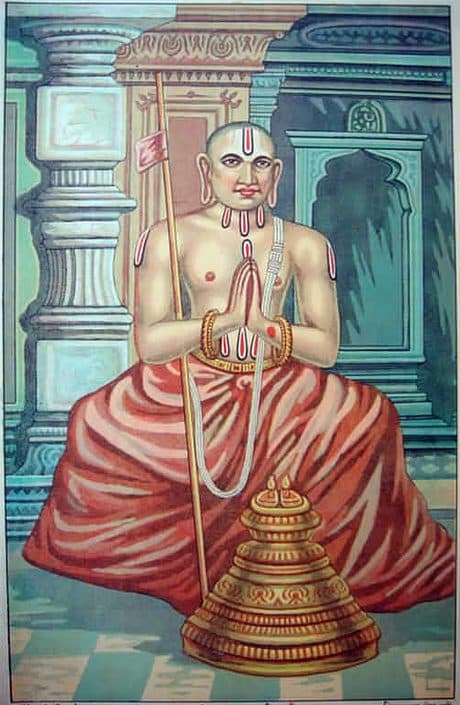
Rāmānuja · Viśiṣṭādvaita
EnglishOn verses 18.51–53
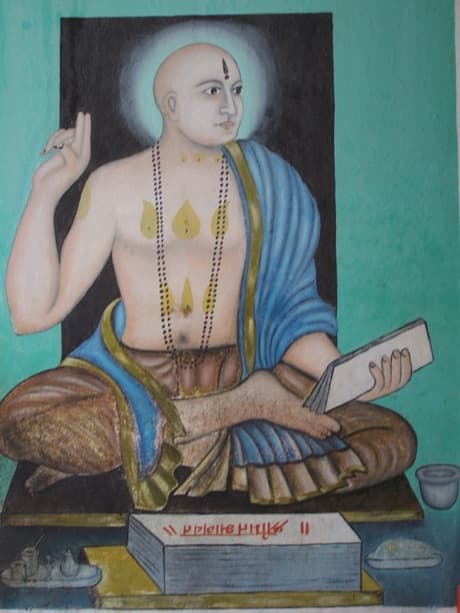
Madhvācārya · Dvaita
Madhva BhāṣyaSanskritEnglishOn verses 18.50–18.52
“यथा - येनोपायेन सिद्धिं प्राप्तो ब्रह्म प्राप्नोति तथा निबोध | या सिद्धिर्ज्ञानस्य परा निष्ठा |” -How and with what means perfection the Brahman is attained, that you listen from Me (says Sri Krishna), that perfection which is the consummation of the supreme wisdom.
Madhvācārya · Dvaita
Gītā Tātparya NirṇayaSanskritEnglishOn verses 18.50–18.52
“वक्ष्यमाणप्रकारेण वर्तमानस्तदनन्तरं नैष्कर्मसिद्धिं प्राप्तो भूत्वा ब्रह्माख्याया लक्ष्म्याः सकाशं यथाऽऽप्नोति तथा निबोध || मम योनिर्महद् ब्रह्म, ब्रह्मणो हि प्रतिष्ठाऽहम् इत्यक्तत्वात् | ब्रह्मभूतः प्रसन्नात्मा इत्युक्त्वा मद्भक्तिं लभते पराम् || इति वक्ष्यमाणत्वाच्च | सर्वपापक्षयाद् देहं त्यक्त्वा देवान् क्रमाद् ब्रजन् | प्राप्यं लक्ष्मि तत्प्रसादात् पुनः स्वुद्धा हरी यदा | भक्तिस्तया पुनर्ज्ञाने स्वुद्धे विष्णुं प्रपद्यते | अपरोक्षदृशो विष्णोः शरीरेऽपि सतः पुरा | त्यक्तदेहादिकस्यापि यावद् विष्णुं प्रपद्यते | तावद् गुणा विवर्धन्ते स्थिताः स्युः प्राप्य केशवम् | इति वराहे ||” - The manner in which, having acquired perfection through performance of unattached action, one can acquire closeness to the nature of Sri Mahalakshmi, known as Brahman, who is being spoken here as “My womb is the Great Brahman”. “In Brahman, verily, do I establish” thus and further having also spoken “Having acquired the nature of Brahman” and “attains supreme devotion towards me” (the word Brahman does not apply to anyone other than Sri Lakshmi). With the extinction of all demerits and renouncing the body and proceeding to the gods progressively, attaining Sri Lakshmi and through her favour pleasing Sri Hari with devotion, thereby being aware of Him, he attains Sri Vishnu. For the one who has realized Sri Vishnu, even while having body and before renouncing it, there is progressive increase in wisdom and on attaining Keshava, he continues to remain in the same form. Thus in Mahavaraha Purana.
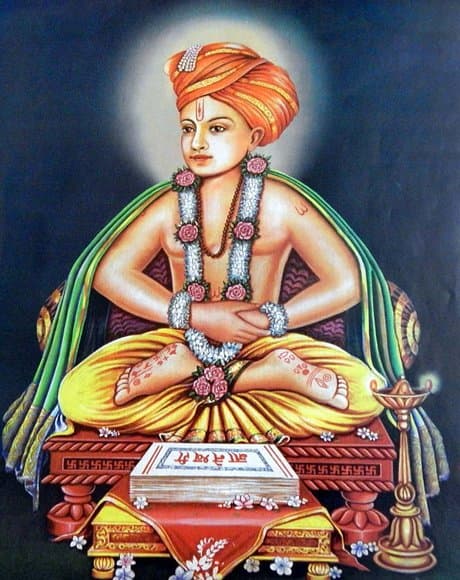
Jñāneśvar · Vārkarī
English51 "Possessed of a chastened intellect, and having controlled the self with firmness, having abjured sound and other objects of sense, and having altogether discarded passion and aversion. (1011)
He follows the course indicated by the preceptor, and reaching the bank of the holy waters in the form of right discrimination washes out therein the filth adhering to his intellect. Then just as the Moon embraces (regains) her splendour just released by the planet Rāhu (after the eclipse), the purified intellect contacts the Self. The intellect abandoning all the pairs of opposites (like pleasure and pain etc.), engages itself in the meditation of the Self in the way a loyal (loving) wife leaving both her own parental and father-in-law's home follows only her husband (lit. lover). The five sense-objects such as speech, etc. which were pampered and lionized by the senses, under the temptation of securing the vital part of the knowledge,—(all these five (senses) are eliminated by putting a check on their innate tendency in the way the mirage disappears with the withdrawal of the Sun's rays (at Sunset). He makes the senses vomit out the sense-objects and the inner proclivity towards them, in the way one unknowingly taking food at a vile one's causes it to be forcibly vomitted out. Then bringing all the senses on the bank of the holy Ganges in the form of thorough absorption in spiritual meditation (प्रत्यग्वृत्ति), and making them observe penances (by way of expiation) he makes them clean washed out. With Sattva-dominated courage he applies his purified senses together with the mind to the practice of the Yoga-discipline. Similarly whatever (action-fruit) good or bad of the past he has to experience according to his destiny (he puts up with), feeling neither any hatred (aversion) for the bad ones he has to face (suffer) nor any jubilation for the good ones that may fall to his lot. In this way, discarding passion and aversion with regard to good and bad (respectively) he goes and dwells, Oh Kiriti, in mountain caves or bowers of dense forests.
Swami Ramsukhdas · Modern
EnglishOn verses 18.51–18.53
'Buddhyā viśuddhayā yuktah'—A striver of Sāṅkhyayoga, who wants to realize God, should be endowed with a pure or Sāṭvīkī intellect, (Gītā 18/30). There should be no doubt in this intellect. In the Discipline of 'Sāṅkhya', buddhi' (intellect), is given priority. Discrimination, which is very essential for a striver, is revealed in pure intellect. It is by this discrimination, that he severs his connection with matter.
'Vairāgyam samupāśritaḥ'—As worldly people depend, on objects and persons, out of attachment or passion, a striver, of Sāṅkhyayoga, remains detached. He has no attachment for worldly persons, and places etc., worldly and celestial pleasures, have no charm for him.
'Viviklasevī'—Such a striver, has a natural inclination to live in solitude. This inclination is, praiseworthy. But if a striver, does not get such an opportunity to live in solitude, he should not be perturbed. This perturbation, shows the importance of worldly things, in his mind. This importance, causes further perturbation of the mind, which is an obstacle to meditation. He should remain equanimous, both in solitude, and at a crowded place.
Solitude, is conducive to concentration, meditation and purification, of heart. But, it also provides a good opportunity to drowsiness and relaxation. Moreover, a striver derives pleasure, out of praise and honour, won through his residence in a lonely place. These are stumbling blocks, to the progress of a striver. So, he should be on guard, against them.
'Laghvāśī'—A striver, should take regulated diet. He should eat, those articles of food, which suits his body. Moreover, he should not take too much food, he should eat, as much as, is indispensable for the body. It should not be taken to nourish the body, but only to satisfy hunger, like medicine. He should take such food as is easily digestible and is suitable for spiritual practice. It should also be pure or Sāṭvika.
'Dhṛtyātunānaṁ niyamya ca'—He should firmly restrain, the intellect from worldly temptations, and should not allow it to deviate from the aim of God-realization. By such unswerving or Sāttvika firmness, (Gītā 18/33) he should control his senses, and should not let them run after worldly enjoyments, any time.
'Yatavākkāyamānasaḥ'—He should control his body, speech and mind (Gītā 17/14—16). He should not indulge his body, in any futile pursuit, such as lottering here and there, and journey, for pleasure etc. His speech, should be truthful, agreeable and necessary, free from reproach and scandal etc. The mind, should be utilized, in the thought of the Lord, rather than of the world.
Śabdādīnviṣayāṁstyaktvā'—A striver, should withdraw the senses of sound, touch, form (sight), taste and smell from their respective objects, because a striver whose senses are not turned away from their objects, cannot practise meditation. If he enjoys sense-objects, in an attached spirit, he will dwell on sense-objects, during meditation, and he will not be able to meditate.
'Rāgadveṣaṇ vyudasya ca'—A man, is attached to persons and things regarding these, as useful for him. If anyone creates an obstacle to the attainment of any worldly object, he automatically hates him. If he is attached to something desirable, he has an automatic aversion, to the undesirable one. A man, is bound both by attachment and aversion, because he goes on thinking of the two. So, he should cast aside attraction (attachment), and aversion.
'Dhyānayogaparo nityam'—A striver, should be ever engaged in meditation, and concentration. During fixed hour of meditation, he should practise meditation, while during the time he discharges his professional and other practical duties, he should believe that nothing else exists, besides, the Lord (Gītā 18/20).
'Ahaṅkāraṁ balaṁ darpaṁ kāmaṁ kṛḍhaṁ parigraham vimueya'—A person, has egoistic notion, by regarding himself as superior to others, because of his virtues. It is called 'Ahaṅkāra'. The force to bring others under one's sway in a wrongful manner, is called 'bala' (power). Vain consciousness, of
one's property and riches etc., is known as 'Darpa' (arrogance). The desire for obtaining worldly pleasures, prosperity and favourable circumstances, is 'Kāma'. The feeling of excitement or provocation, (a kind of hot sensation) to do wrong to others, because these have been a stumbling block to our selfishness, and pride is 'Krodha' (anger). Covetousness and accumulation of things and objects, for enjoyment, is 'Parigraha'.* A striver, abandons the above-mentioned egoism, force, arrogance, desire, anger and covetousness.
'Nirmamah'—'Nirmamah', is he who renounces a notion of mineness, in things, body, mind and senses etc. In fact, things, persons and our so-called bodies, were not ours, a hundred years ago and will not remain ours, after a hundred years. We can assume the persons as ours, in order to serve them, and we can make the right use of the things, but it is wrong to regard these as ours, forever. If we do not regard these as ours, we become free, from the notion of mineness.
'Śāntah'—Tranquillity of mind, is disturbed by assuming affinity with the world. If this affinity is renounced, a striver, will remain tranquil in mind, because attachment or aversion, disturbs peace of mind.
'Brahmabhūyāya kalpate'—A striver, who is devoid of the notion of mineness, and is tranquil in mind, becomes qualified to attain Brahma i.e., as soon as his affinity with the unreal, is renounced, he becomes worthy of attaining Brahma. The reason is, that this affinity with the unreal, is an obstacle, to attainment of Brahma viz., God-realization.
*Link:-The Lord in the next verse explains the marks of such a striver who becomes qualified to attain Brahma and also*
* A celibate, a person of the retired order (Vānaprastha), and a man of the renounced order (Sannyāsī) must not accumulate objects and things. If a householder accumulates objects and money etc., to render service to others, that is also not 'Parigraha'.
points out what he attains further.
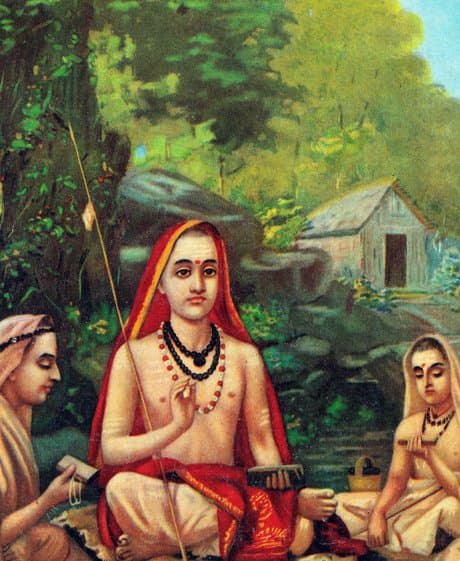
Ādi Śaṅkarācārya · Advaita
Sanskritबुद्ध्या अध्यवसायलक्षणया विशुद्धया मायारहितया युक्तः संपन्नः, धृत्या धैर्येण आत्मानं कार्यकरणसंघातं नियम्य च नियमनं कृत्वा वशीकृत्य, शब्दादीन् शब्दः आदिः येषां तान् विषयान् त्यक्त्वा, सामर्थ्यात् शरीरस्थितिमात्रहेतुभूतान् केवलान् मुक्त्वा ततः अधिकान् सुखार्थान् त्यक्त्वा इत्यर्थः, शरीरस्थित्यर्थत्वेन प्राप्तेषु रागद्वेषौ व्युदस्य च परित्यज्य च ॥
ततः -
Ādi Śaṅkarācārya · Advaita
Hindiवह ज्ञानकी परा निष्ठा किस प्रकार करनी चाहिये? सो कहते हैं—
विशुद्ध—कपटरहित निश्चयात्मिका बुद्धिसे सम्पन्न पुरुष, धैर्यसे कार्य-करणके संघातरूप आत्माको (शरीरको) संयम करके—वशमें करके शब्दादि विषयोंको, अर्थात् शब्द जिनका आदि है ऐसे सभी विषयोंको छोड़कर, प्रकरणके अनुसार यहाँ यह अभिप्राय है कि केवल शरीरस्थितिमात्रके लिये जिन
विषयोंकी आवश्यकता है, उनसे अतिरिक्त सुखभोगके लिये जो अधिक विषय हैं, उन सबको छोड़कर तथा शरीरस्थितिके निमित्त प्राप्त हुए विषयोंमें भी राग- द्वेषका अभाव करके—त्याग करके
Jñāneśvar · Vārkarī
Marathiतरी गुरु दाविलिया वाटा । येऊन विवेकतीर्थतटा । धुऊनियां मळकटा । बुद्धीचा तेणें ॥ १०११ ॥ मग राहूनें उगळिली । प्रभा चंद्रें आलिंगिली । तैसी शुद्धत्वें जडली । आपणयां बुद्धि ॥ १०१२ ॥ सांडूनि कुळें दोन्ही । प्रियासी अनुसरे कामिनी । द्वंद्वत्यागें स्वचिंतनीं । पडली तैसी ॥ १०१३ ॥ आणि ज्ञान ऐसें जिव्हार । नेवों नेवों निरंतर । इंद्रियीं केले थोर । शब्दादिक जे ॥ १०१४ ॥ ते रश्मिजाळ काढलेया । मृगजळ जाय लया । तैसें वृत्तिरोधें तयां । पांचांही केलें ॥ १०१५ ॥ नेणतां अधमाचिया अन्ना । खादलिया कीजे वमना । तैसीं वोकविली सवासना । इंद्रियें विषयीं ॥ १०१६ ॥ मग प्रत्यगावृत्ती चोखटें । लाविलीं गंगेचेनि तटें । ऐसीं प्रायश्चित्तें धुवटें । केलीं येणें ॥ १०१७ ॥ पाठीं सात्विकें धीरें तेणें । शोधारलीं तियें करणें । मग मनेंसीं योगधारणें । मेळविलीं ॥ १०१८ ॥ तेवींचि प्राचीनें इष्टानिष्टें । भोगेंसीं येउनी भेटे । तेथ देखिलियाही वोखटें । द्वेषु न करी ॥ १०१९ ॥ ना गोमटेंचि विपायें । तें आणूनि पुढां सूये । तयालागीं न होये । साभिलाषु ॥ १०२० ॥ यापरी इष्टानिष्टींंं । रागद्वेष किरीटी । त्यजूनि गिरिकपाटीं । निकुंजीं वसे ॥ १०२१ ॥
Jñāneśvar · Vārkarī
Hindi(18.1011) प्रथम वह गुरु के बताये हुए मार्ग से विवेकरूपी तीर्थ के किनारे पहुँच कर बुद्धि का मल धो डालता है
(18.1012) जिससे बुद्धि शुद्ध हो आत्मस्वरूप से जा मिलती है, मानों राहु के ग्रास से मुक्त हुई प्रभा का चन्द्रमा ने आलिंगन दिया हो।
(18.1013) कुलस्त्री जैसे दोनों कुलों का अभिमान छोड़ केवल अपने प्रिय पति का अनुसरण करती है वैसे ही वह बुद्धि द्वैत का त्याग कर आत्मचिन्तन में निमग्न हो जाती है।
(18.1014) और सर्वदा ज्ञानरूपी प्रिय वस्तु पिला-पिला कर इन्द्रियों ने जिन शब्द इत्यादि विषयों की महिमा बढ़ा रखी हैं
(18.1015) उन पाँचों विषयों का वह मनुष्य वृत्तिनिरोध के द्वारा ऐसा लय कर देता है जैसा कि किरणसमूह दूर होते ही मृगजल विलीन हो जाता है।
(18.1016) बिन जाने यदि नीच मनुष्य का अन्न खाया जाय तो जैसे वमन कर देना चाहिए वैसे ही वह इन्द्रियों से वासना-सहित विषय को उगल डालता है (18.1017) और फिर उन इन्द्रियों को प्रत्यगात्मारूपी गंगा के तीर पर ले जाकर शुद्ध करता है। इस प्रकार वह शुद्ध प्रायश्चित्त करता है।
(18.1018) अनन्तर वह उन इन्द्रियों का सात्विक धैर्य से शोधन कर उन्हें मन सहित योग-धारण में प्रवृत्त करता है;
(18.1019) तथा अनुकूल या प्रतिकूल प्रारब्ध का भोग प्राप्त हो तो भी वह अनिष्ट भोग देख कर उसका तिरस्कार नहीं करता,
(18.1020) और यदि कदाचित् इष्ट भोग सन्मुख रक्खे जाय तो उनके लिए भी वह साभिलाष नहीं होता।
(18.1021) इस प्रकार हे किरीटी! वह मनुष्य अनुकूल या प्रतिकूल विषयों का राग वा द्वेष छोड़ कर गिरि-कन्दराओं या निर्जन वनों में जा बसता है।
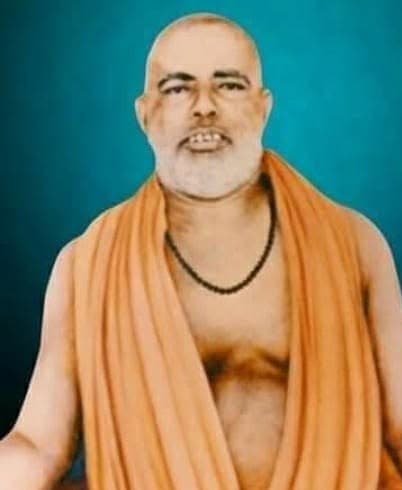
Sri Udiya Baba · Modern
HindiOn verses 18.51–18.53
संगति— अतः अब ध्यान की विधि बतलाते हैं—
भावार्थ— विशुद्ध बुद्धि से युक्त अन्तःकरण की वृत्ति को धैर्य से नियम में रखकर शब्दादि विषयों को त्यागकर राग-द्वेष को दूर रखकर जो एकान्त का सेवन करता है, अल्पाहारी है, वाणी, शरीर और मन को वश में रखता है तथा सर्वदा वैराग्य का आश्रय लेकर ध्यानयोग में तत्पर रहता है वह अहंकार, बल, घमण्ड, काम, क्रोध और परिग्रह को त्यागकर ममताशून्य तो शान्त भाव से ब्रह्म-पद प्राप्त करने के योग्य हो जाता है।
व्याख्या— जब विषयाकार से रहित होकर वृत्ति निरन्तर ध्येय वस्तु में स्थिर रहे इसका नाम ध्यान है। यही सविकल्प समाधि में परिणत हो जाता है। उसकी जो गाढ़ अवस्था है वही निर्विकल्प समाधि है। और यही योग है। इन दोनों समाधियों में तत्पर
होना ही ध्यानयोगपरायण होना है। किन्तु इसमें बीच-बीच में विघ्न आते हैं। अतः वैराग्यपूर्वक रहने को कहा है। वैराग्य का भी अभिमान न हो इसलिए एकान्त सेवन लघु भोजन और मन, वाणी तथा शरीर को संयमित करने को कहा है; कहा भी है—
एकान्तवासो लघुभोजनादि मौनं निराशा करणावरोधः। मुनेरसोः संयमनं षडेते चित्तप्रसादं जनयन्ति शीघ्रम्॥
अर्थात्—एकान्त में रहना, अल्पाहार, मौन, कोई आशा न रखना इन्द्रिय-संयम और प्राणायाम ये छः मुनि को शीघ्र ही चित्तप्रसाद की प्राप्ति कराते हैं।
बुद्धि तीन प्रकार की होती है—अशुद्ध—जो पापकर्म और विषय विलास में प्रवृत्त करे। शुद्ध—जो धर्म, कर्म और उपासना में प्रवृत्त करे। विशुद्ध—जो आत्मा-अनात्मा का विवेक करावे और सब ओर से छुड़ाकर अपने लक्ष्य में स्थिर कर दे।
यहाँ ५१ और ५२ वें श्लोकों में निराकार का ध्यान है। शब्दादि का त्याग करने पर निराकार का ही ध्यान होता है। इनका क्रमशः त्याग करने पर जो आनन्द आता है उससे भी असंग होने पर निराकार में स्थिति होती है। इसमें आने वाले विघ्नों के त्याग की आवश्यकता ५३ वें श्लोक में बतायी है।
अहंकारादि दोषों को त्यागने पर चित्त ममता रहित हो जाता है। उससे शान्ति मिलती है और तभी ब्रह्म प्राप्ति की योग्यता आती है। ऐसा होने पर ब्रह्मत्व का अधिकार तो प्राप्त हो जाता है, परन्तु अभी ब्राह्मी स्थिति प्राप्त नहीं हुई, क्योंकि अभी उसकी दृष्टि में दृश्य की सत्ता बनी हुई है।
यहाँ काम-क्रोधादि तो गिनाये हैं, परन्तु लोभ का उल्लेख नहीं किया, क्योंकि जिज्ञासु में स्वभाव से ही धन या यश का लोभ नहीं होता। उसका लोभ तो अपने लक्ष्य के साक्षात्कार में ही होता है।
Swami Ramsukhdas · Modern
HindiOn verses 18.51–18.53
‘बुद्ध्या विशुद्ध्या युक्तः’—जो सांख्ययोगी साधक परमात्मतत्त्वको प्राप्त करना चाहता है, उसकी बुद्धि विशुद्ध अर्थात् सात्त्विकी (गीता—इसी अध्यायका तीसवाँ श्लोक) हो। उसकी बुद्धिका विवेक साफ-साफ हो, उसमें किंचिन्मात्र भी सन्देह न हो।
इस सांख्ययोगके प्रकरणमें सबसे पहले बुद्धिका नाम आया है। इसका तात्पर्य है कि सांख्ययोगीके लिये जिस विवेककी आवश्यकता है, वह विवेक बुद्धिमें ही प्रकट होता है। उस विवेकसे वह जड़ताका त्याग करता है।
**‘वैराग्यं समुपाश्रितः’**—जैसे संसारीलोग रागपूर्वक वस्तु, व्यक्ति आदिके आश्रित रहते हैं, उनको अपना आश्रय, सहारा मानते हैं, ऐसे ही सांख्ययोगका साधक वैराग्यके आश्रित रहता है अर्थात् जनसमुदाय, स्थान आदिसे उसकी स्वाभाविक ही निलिप्तता बनी रहती है। लौकिक और पारलौकिक सम्पूर्ण भोगोंसे उसका दृढ़ वैराग्य होता है।
**‘विविक्तसेवी’**—सांख्ययोगके साधकका स्वभाव, उसकी रुचि स्वतः—स्वाभाविक एकान्तमें रहनेकी होती है। एकान्त-सेवनकी रुचि होनी तो बढ़िया है, पर उसका आग्रह नहीं होना चाहिये अर्थात् एकान्त न मिलनेपर मनमें विशेष, हलचल नहीं होनी चाहिये। आग्रह न होनेसे रुचि होनेपर भी एकान्त न मिले, प्रत्युत समुदाय मिले, खूब हल्ला-गुल्ला हो, तो भी साधक उकतायेगा नहीं अर्थात् सिद्धि-असिद्धिमें सम रहेगा। परन्तु आग्रह होगा तो वह उकता जायगा, उससे समुदाय सहा नहीं जायगा। अतः साधकका स्वभाव तो एकान्तमें रहनेका ही होना चाहिये, पर एकान्त न मिले तो उसके अन्तःकरणमें हलचल नहीं होनी चाहिये। कारण कि हलचल होनेसे अन्तःकरणमें संसारकी महत्ता आती है और संसारकी महत्ता आनेपर हलचल होती है, जो कि ध्यानयोगमें बाधक है।
‘एकान्तमें रहनेसे साधन अधिक होगा, मन भगवान्में अच्छी तरह लगेगा; अन्तःकरण निर्मल बनेगा’—इन बातोंको लेकर मनमें जो प्रसन्नता होती है, वह साधनमें सहायक होती है। परन्तु ‘एकान्तमें हल्ला-गुल्ला करनेवाला कोई नहीं होगा; अतः वहाँ नींद अच्छी आयेगी, वहाँ किसी भी प्रकारसे बैठ जायें तो कोई देखनेवाला नहीं होगा, वहाँ सब प्रकारसे आराम रहेगा, एकान्तमें रहनेसे लोग भी ज्यादा मान-बड़ाई, आदर करेंगे’—इन बातोंको लेकर मनमें जो प्रसन्नता होती
है, वह साधनमें बाधक होती है; क्योंकि यह सब भोग है। साधकको इन सुख-सुविधाओंमें फँसना नहीं चाहिये, प्रत्युत इनसे सदा सावधान रहना चाहिये।
**‘लघ्वाशी’**—साधकका स्वभाव स्वल्प अर्थात् नियमित और सात्त्विक भोजन करनेका हो। भोजनके विषयमें हित, मित और मेध्य—ये तीन बातें बतायी गयी हैं। ‘हित’ का तात्पर्य है—भोजन शरीरके अनुकूल हो। ‘मित’ का तात्पर्य है—भोजन न तो अधिक करे और न कम करे, प्रत्युत जितने भोजनसे शरीर-निर्वाह हो जाय, उतना भोजन करे (गीता—छठे अध्यायका सोलहवाँ श्लोक)। भोजनसे शरीर पुष्ट हो जायगा—ऐसे भावसे भोजन न करे, प्रत्युत केवल औषधकी तरह क्षुधा-निवृत्तिके लिये ही भोजन करे, जिससे साधनमें विघ्न न पड़े। ‘मेध्य’ का तात्पर्य है—भोजन पवित्र हो।
**‘धृत्यात्मानं नियम्य च’**—सांसारिक कितने ही प्रलोभन सामने आनेपर भी बुद्धिको अपने ध्येय परमात्मतत्त्वसे विचलित न होने देना—ऐसी दृढ़ सात्त्विकी धृति (गीता—इसी अध्यायका तैंतीसवाँ श्लोक)—के द्वारा इन्द्रियोंका नियमन करे अर्थात् उनको मर्यादामें रखे। आठों पहर यह जागृति रहे कि इन्द्रियोंके द्वारा साधनके विरुद्ध कोई भी चेष्टा न हो।
**‘यतवाक्कायमानसः’**—शरीर, वाणी और मनको संयत (वशमें) करना भी साधकके लिये बहुत जरूरी है (गीता—सत्रहवें अध्यायका चौदहवाँ, पंद्रहवाँ और सोलहवाँ श्लोक)। अतः वह शरीरसे वृथा न घूमे, देखने-सुननेके शौकसे कोई यात्रा न करे। वाणीसे वृथा बातचीत न करे, आवश्यक होनेपर ही बोले, असत्य न बोले, निन्दा-चुगली न करे। मनसे रागपूर्वक संसारका चिन्तन न करे, प्रत्युत परमात्माका चिन्तन करे।
**‘शब्दादीन्विषयांस्त्यक्त्वा’**—ध्यानके समय बाहरके जितने सम्बन्ध हैं, जो कि विषयरूपसे आते हैं और जिनसे संयोगजन्य सुख होता है, उन शब्द, स्पर्श, रूप, रस और गन्ध—पाँचों विषयोंका स्वरूपसे ही त्याग कर देना चाहिये। कारण कि विषयोंका रागपूर्वक सेवन करनेवाला ध्यानयोगका साधन नहीं कर सकता। अगर विषयोंका रागपूर्वक सेवन करेगा तो ध्यानमें वृत्तियाँ (बहिर्मुख होनेसे) नहीं लगेंगी और विषयोंका चिन्तन होगा।
‘रागद्वेषी व्युदस्य च’—सांसारिक वस्तु महत्त्वशाली है, अपने काममें आनेवाली है, उपयोगी है—ऐसा जो भाव है, उसका नाम ‘राग’ है। तात्पर्य है कि अन्तःकरणमें असत् वस्तुका जो रंग चढ़ा हुआ है, वह ‘राग’ है। असत् वस्तु आदिमें राग रहते हुए कोई उनकी प्राप्तिमें बाधा डालता है, उसके प्रति द्वेष हो जाता है।
असत् संसारके किसी अंशमें राग हो जाय तो दूसरे अंशमें द्वेष हो जाता है—यह नियम है। जैसे, शरीरमें राग हो जाय तो शरीरके अनुकूल वस्तुमात्रमें राग हो जाता है और प्रतिकूल वस्तुमात्रमें द्वेष हो जाता है।
संसारके साथ रागसे भी सम्बन्ध जुड़ता है और द्वेषसे भी सम्बन्ध जुड़ता है। रागवाली बातका भी चिन्तन होता है और द्वेषवाली बातका भी चिन्तन होता है। इसलिये साधक न राग करे और न द्वेष करे।
‘ध्यानयोगपरो नित्यम्’—साधक नित्य ही ध्यानयोगके परायण रहे अर्थात् ध्यानके सिवाय दूसरा कोई साधन न करे। ध्यानके समय तो ध्यान करे ही, व्यवहारके समय अर्थात् चलते-फिरते, खाते-पीते, काम-धंधा करते समय भी यह ध्यान (भाव) सदा बना रहे कि वास्तवमें एक परमात्माके सिवाय संसारकी स्वतन्त्र सत्ता है ही नहीं (गीता—इसी अध्यायका बीसवाँ श्लोक)।
‘अहंकारं बलं दर्पं ... विमुच्य’—गुणोंको लेकर अपनेमें जो एक विशेषता दीखती है, उसे ‘अहंकार’ कहते हैं। जबर्दस्ती करके, विशेषतासे मनमानी करनेका जो आग्रह (हठ) होता है, उसे ‘बल’ कहते हैं। जमीन-जायदाद आदि बाह्य चीजोंकी विशेषताको लेकर जो घमंड होता है, उसे ‘दर्प’ कहते हैं। भोग, पदार्थ तथा अनुकूल परिस्थिति मिल जाय, इस इच्छाका नाम ‘काम’ है। अपने स्वार्थ और अभिमानमें ठेस लगनेपर दूसरोंका अनिष्ट
करनेके लिये जो जलनात्मक वृत्ति पैदा होती है, उसको ‘क्रोध’ कहते हैं। भोग-बुद्धिसे, सुख-आरामबुद्धिसे चीजोंका जो संग्रह किया जाता है, उसे ‘परिग्रह’ कहते हैं।
साधक उपर्युक्त अहंकार, बल, दर्प, काम, क्रोध और परिग्रह—इन सबका त्याग कर देता है।
‘निर्ममः’—अपने पास निर्वाहमात्रकी जो वस्तुएँ हैं और कर्म करनेके शरीर, इन्द्रियाँ आदि जो साधन हैं, उनमें ममता अर्थात् अपनापन न हो। अपना शरीर, वस्तु आदि जो हमें प्रिय लगते हैं, उनके बने रहनेकी इच्छा न होना ‘निर्मम’ होना है।
जिन व्यक्तियों और वस्तुओंको हम अपनी मानते हैं, वे आजसे सौ वर्ष पहले भी अपनी नहीं थीं और सौ वर्षके बाद भी अपनी नहीं रहेंगी। अतः जो अपनी नहीं रहेंगी, उनका उपयोग या सेवा तो कर सकते हैं, पर उनको अपनी मानकर अपने पास नहीं रख सकते। अगर उनको अपने पास नहीं रख सकते तो ‘वे अपने नहीं हैं’ ऐसा माननेमें क्या बाधा है? उनको अपनी न माननेसे साधक निर्मम हो जाता है।
‘शान्तः’—असत् संसारके साथ सम्बन्ध रखनेसे ही अन्तःकरणमें अशान्ति, हलचल आदि पैदा होते हैं। जड़तासे सर्वथा सम्बन्ध-विच्छेद होनेपर अशान्ति कभी पासमें आती ही नहीं। फिर राग-द्वेष न रहनेसे साधक हरदम शान्त रहता है।
‘ब्रह्मभूयाय कल्पते’—ममतारहित और शान्त मनुष्य (सांख्ययोगका साधक) परमात्मप्राप्तिका अधिकारी बन जाता है अर्थात् असत् का सर्वथा सम्बन्ध छूटते ही उसमें ब्रह्मप्राप्तिकी योग्यता, सामर्थ्य आ जाती है। कारण कि जबतक असत् पदार्थोंके साथ सम्बन्ध रहता है, तबतक परमात्मप्राप्तिकी सामर्थ्य नहीं आती।
सम्बन्ध—उपर्युक्त साधन-सामग्रीसे निष्ठा प्राप्त हो जानेपर क्या होता है—इसको आगेके श्लोकमें बताते हैं।
**ब्रह्मभूतः प्रसन्नात्मा न शोचति न काङ्क्षति।**
Buddhi is spiritual intelligence the consciousness which exclusively focuses on the ātma.
Manas refer to the mind, senses and body which acting in such a way discourages desires for sense gratification and encourages reflection on the Supreme Lord.
Vairāgyaṃ-samupāśritaḥ means renouncing the objects which the senses hanker for and indifference to mundane pursuits. It is while chasing such pursuits that occasionally friendship or enmity transpires so ceasing from these pursuits would free one from raga-dveṣa, attraction and repulsion.
Vivikta- sevī is seeking solitude in remote places aloof from disturbances to meditation.
Dhyāna- yoga means internally performing continuous bhakti or exclusive loving devotional service unto the Supreme Lord Krishna or any of His avatars or incarnations and expansions as authorised in Vedic scriptures.
Ahaṁkāra is egoistic conceptions that considers the body to be all in all and cannot discern that they are not their physical body.
Balaṃ is lust for power, darpaṃ is vain conceit which is derived from it and nirmamaḥ is the notion one possesses what is not one's own.
Śāṅtaḥ is tranquillity peacefulness, the serenity of bliss acquired by constant reflection and meditation upon the Supreme Lord,
qualifies one to achieve realisation of the Brāhman or spiritual substratum pervading all existence and achieving Mokṣa or liberation from material existence, to attain ātma tattva or soul realisation and enter into the bliss of communion with the Supreme Lord.