

Bhagavad Gītā · Chapter 18 · Mokṣa Sannyāsa Yoga
धृत्या यया धारयते मनःप्राणेन्द्रियक्रियाः
योगेनाव्यभिचारिण्या धृतिः सा पार्थ सात्त्विकी
dhṛtyā yayā dhārayate manaḥprāṇendriyakriyāḥ|yogenāvyabhicāriṇyā dhṛtiḥ sā pārtha sāttvikī||
Word meanings
पार्थ = O Pārtha
योगेन = through yoga
यया = by which
चारिण्या = unwavering
धृत्या = by [that] firmness
मनःप्राणोन्द्रिय- = of mind, vital breath, and senses
क्रियाः = the activities
और इन्द्रियोंकी = and of the senses
क्रियाओंको = those activities
Translation
The unwavering firmness by which man controls through the Yoga of meditation the functions of the mind, the vital airs and the senses—that firmness, Arjuna, is Sattvika
Commentary
The commentators seated around this verse
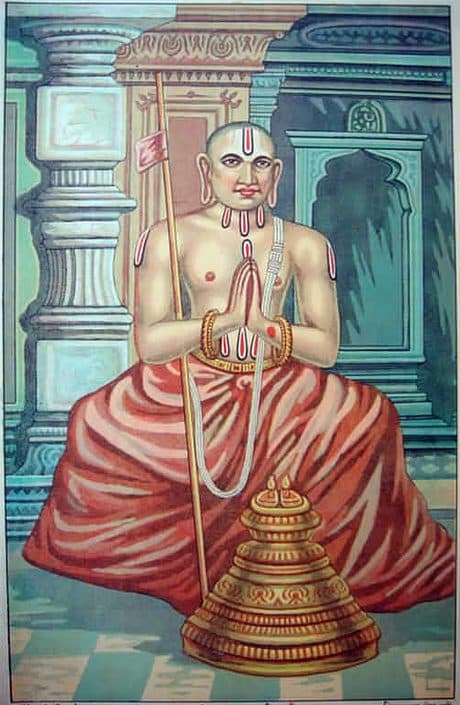
Rāmānuja · Viśiṣṭādvaita
English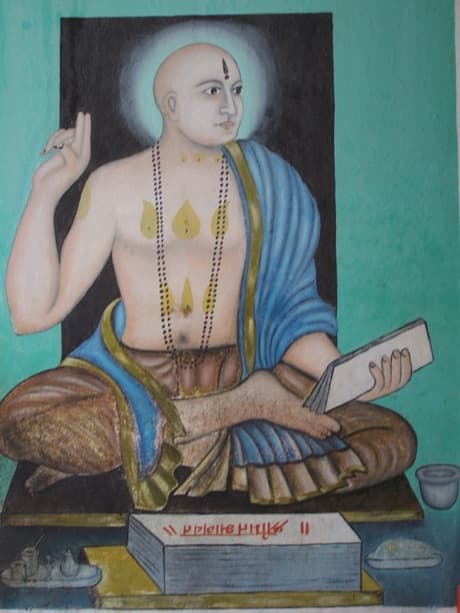
Madhvācārya · Dvaita
SanskritEnglishOn verses 18.32–18.33
“वैष्णवो भक्तियोगो यस्तद्युक्ता साच्चिकी धृतिः || इति च | वितिविपयैवेत्यव्यभिचारिणी ||” - The equanimous communion with Sri Vishnu is spoken as saatvik intelligence, since non-sensual, it is virtuous.
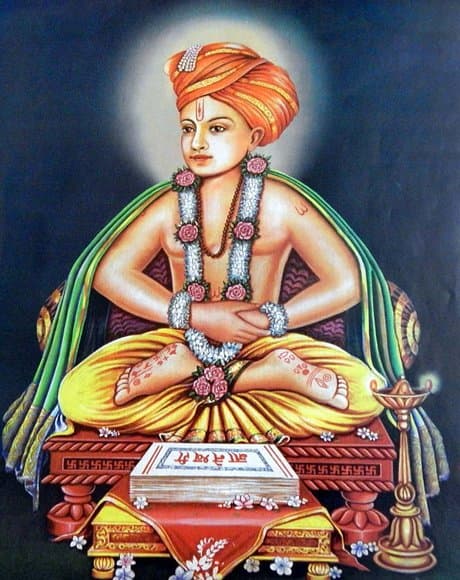
Jñāneśvar · Vārkarī
English33 *“By which unflagging tenacity one is able to sustain the activities of the mind, the vital functions, and the sense-centres with equanimity: that tenacity, O Son of Prthā, is Sattva-dominated.”*
(733) With the sunrise all robbery is at a standstill, vanishing in darkness, or with the royal mandate, cease all undesirable and objectionable dealings: or with the blowing of strong winds, get swept out all clouds with their thunder: or with the appearance of sage Agasti (Sirius), the ocean stands dumb-folded (i.e. it becomes tranquil): or with the rise of the Moon the day lotuses close. This apart, an elephant in ruts, once it raises its leg up, (in order to attack its adversary) does not put it down, even if faced with a roaring lion. In all these ways with the rising up of (Sattva) tenacity in the heart, all activities of the mind etc. come to a standstill, the ties between the senses and their objects get automatically snapped, Oh Kiriti, and all the ten organs enter the womb of their mother, the mind. (It) breaks up the structure of the fivefold wind blocking its upward and downward paths (अधोर्ध्व), and tying together as a sheaf i.e. blocking and driving inward to a central point the nine exits (in the body) the principal life wind (प्राण) jumps along with them, into the middle passage ('Sushumna'—सुपुम्ना*—the air passage of breath or air in the human body between the two others called 'Idā' and 'Pingalā'). The mind is made naked by stripping it off of all its apparel in the form of fancies and ideas, and then the intellect sits quiet (behind the mind). The King-courage (tenacity), who compels the mind, the life winds, and the organs, to give up their mutual converse made possible by their several functions, and who putting them in a blank state shuts them up in the hermitage of spiritual meditation (heart) through Yogic powers, is that tenacity which, without falling a victim to any sort of temptation (bribe-लांच), keeps them shut up there until they are delivered up to the paramount—the Supreme Self;—that tenacity is the Sattvic tenacity' said the Lord of Goddess Lakshmi to Arjuna.
Swami Ramsukhdas · Modern
English'Dhṛtyā yayā dhārayate manahprāṇendriyakriyāḥ yogenāvyabhicāriṇyā'—Equanimity or even-mindedness in worldly profit and loss, victory and defeat, pleasure and pain, honour and dishonour, success and failure, is called, Yoga.
When a man besides having a goal of God-realization, has desire for success, fame, honour and mundane, as well as, heavenly pleasure etc., his firmness is wavering. But when his only aim is God-realization, his firmness is without swerve.
The faculty of resolutely maintaining one's beliefs, principles, aim, feelings, actions, inclinations and ideas etc., is called 'Dhṛti' (firmness). A man, by unwavering firmness, equipped with Yoga (equanimity) controls the activities of mind, the life-breath and senses.
When the mind becomes free, from different kinds of thoughts that come out of attachment or aversion, and when it gets fixed on one object, where it ought to be fixed, it means control over activities of the mind by unwavering firmness.
When, the process of exhalation and inhalation is regulated, and becomes even, activities of life-breaths, are said to be controlled by unwavering firmness.
When senses of sound, touch, form, taste and smell do not get attached, to the sense-objects but remain under control, the activities of senses are said to be, controlled by unwavering firmness.
'Dhṛtiḥ sā pārtha sāttviki'—Unwavering firmness by which
one controls the activities of mind, the life-breaths and senses, that firmness, is Sāttvikī.
**Appendix**—The embodied soul is a fragment of God, therefore a man's (the Self's) inclination to anyone else besides God is 'vyabhicāra' (adultery); and to be inclined only to God is 'avyabhicāra' (to be unadulterated). The dhṛti (firmness) which has an inclination only to God is unadulterated (unwavering) firmness.
*Link:—Now the Lord defines, Rājasika firmness.*
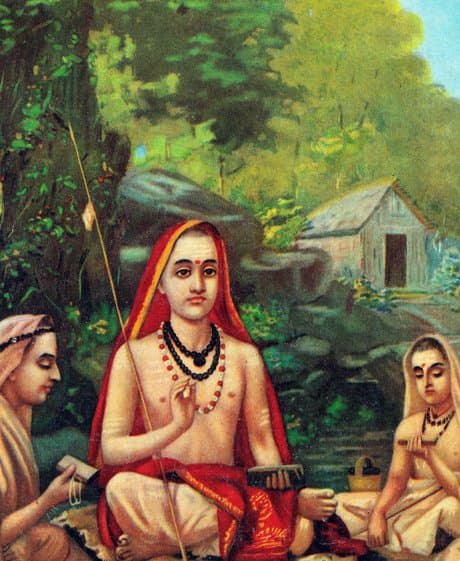
Ādi Śaṅkarācārya · Advaita
Sanskritधृत्या यया - अव्यभिचारिण्या इति व्यवहितेन संबन्धः, धारयते; किम्? मनःप्राणेन्द्रियक्रियाः मनश्च प्राणाश्च इन्द्रियाणि च मनःप्राणेन्द्रियाणि, तेषां क्रियाः चेष्टाः, ताः उच्छास्त्रमार्गप्रवृत्तेः धारयते धारयति - धृत्या हि धार्यमाणाः उच्छास्त्रमार्गविषयाः न भवन्ति - योगेन समाधिना, अव्यभिचारिण्या, नित्यसमाध्यनुगतया इत्यर्थः । एतत् उक्तं भवति - अव्यभिचारिण्या धृत्या मनःप्राणेन्द्रियक्रियाः धार्यमाणाः योगेन धारयतीति । या एवंलक्षणा धृतिः, सा पार्थ, सात्त्विकी ॥
Ādi Śaṅkarācārya · Advaita
Hindi‘धृति’ शब्दके साथ दूर पड़े हुए ‘अव्यभिचारिणी’ शब्दका सम्बन्ध है। जिस अव्यभिचारिणी धृतिके द्वारा, अर्थात् सदा समाधिमें लगी हुई जिस धारणाके द्वारा, समाधियोगसे मन, प्राण और इन्द्रियोंकी सब क्रियाएँ धारण की जाती हैं अर्थात् मन, प्राण और इन्द्रियोंकी सब चेष्टाएँ जिसके द्वारा शास्त्रविरुद्ध प्रवृत्तिसे रोकी जाती हैं, (वह धृति सात्त्विकी है)। (सात्त्विकी) धृतिद्वारा धारण की हुई (इन्द्रियाँ) ही शास्त्रविरुद्ध विषयमें प्रवृत्त नहीं होतीं।
कहनेका तात्पर्य यह है कि धारण करनेवाला मनुष्य, जिस अव्यभिचारिणी धृतिके द्वारा समाधि-योगसे मन, प्राण और इन्द्रियोंकी चेष्टाओंको धारण किया करता है, हे पार्थ! वह इस प्रकारकी धृति सात्त्विकी है
Jñāneśvar · Vārkarī
Marathiतरी उदेलिया दिनकरु । चोरीसिं थोके अंधारु । कां राजाज्ञा अव्यवहारु । कुंठवी जेवीं ॥ ७३३ ॥ नाना पवनाचा साटु । वाजीनलिया नीटु । आंगेंसीं बोभाटु । सांडिती मेघ ॥ ७३४ ॥ कां अगस्तीचेनि दर्शनें । सिंधु घेऊनि ठाती मौनें । चंद्रोदयीं कमळवनें । मिठी देती ॥ ७३५ ॥ हें असो पावो उचलिला । मदमुख न ठेविती खालां । गर्जोनि पुढां जाला । सिंहु जरी ॥ ७३६ ॥ तैसा जो धीरु । उठलिया अंतरु । मनादिकें व्यापारु । सांडिती उभीं ॥ ७३७ ॥ इंद्रियां विषयांचिया गांठी । अपैसया सुटती किरीटी । मन मायेच्या पोटीं । रिगती दाही ॥ ७३८ ॥ अधोर्ध्व गूढें काढी । प्राण नवांची पेंडी । बांधोनि घाली उडी । मध्यमेमाजीं ॥ ७३९ ॥ संकल्पविकल्पांचें लुगडे । सांडूनि मन उघडें । बुद्धि मागिलेकडे । उगीचि बैसे ॥ ७४० ॥ ऐसी धैर्यराजें जेणें । मन प्राण करणें । स्वचेष्टांचीं संभाषणें । सांडविजती ॥ ७४१ ॥ मग आघवींचि सडीं । ध्यानाच्या आंतुल्या मढीं । कोंडिजती निरवडी । योगाचिये ॥ ७४२ ॥ परी परमात्मया चक्रवर्ती । उगाणिती जंव हातीं । तंव लांचु न घेतां धृती । धरिजती जिया ॥ ७४३ ॥ ते गा धृती येथें । सात्विक हें निरुतें । आईक अर्जुनातें । श्रीकांतु म्हणे ॥ ७४४ ॥
Jñāneśvar · Vārkarī
Hindi(18.733) सूर्य का उदय होते ही जैसे चोरी और अन्धकार दोनों का अन्त हो जाता है, अथवा जैसे राजा की आज्ञा से बुरे कर्मों का प्रतिबन्ध हो जाता है,
(18.734) अथवा वायु का वेग तीव्र हो तो मेघ जैसे गर्जना करते और स्वयं अपना शरीर भी छोड़ देते हैं, (18.735) अथवा अगस्त्य का दर्शन होते ही समुद्र जैसे चुप हो जाते हैं, अथवा चन्द्र का उदय होते ही कमल जैसे बन्द हो जाते हैं,
(18.736) अथवा सिंह यदि सन्मुख आ खड़ा हो तो मदोन्मत्त हाथी उठाया हुआ पाँव आगे नहीं रख सकता,
(18.737) वैसे ही अन्तःकरण में जिस धैर्य का उदय होने से मन इत्यादि अपने व्यापार फौरन छोड़ देते हैं,
(18.738) और हे किरीटी! इन्द्रियों के और विषयों के सम्बन्ध आप ही आप छूट जाते हैं, दसों इन्द्रियाँ मनरूपी माता के पेट में समा जाती हैं,
(18.739) ऊर्ध्ववायु और अधोवायु का मार्ग बन्द कर प्राण नवों वायुओं की गठड़ी बाँध सुषुम्ना में कूद पड़ता है,
(18.740) और मन संकल्प-विकल्प-रूपी आवरण छोड़ कर बुद्धि के पीछ चुपचाप जा बैठता है,
(18.741) इस प्रकार जो धैर्यराज मन, प्राण और इन्द्रियों से उनके व्यापारों का समारम्भ छुड़वा देता है,
(18.742) और फिर उन सबों को अकेले रख योग की युक्ति से ध्यान के हृदयकमल में बन्द कर देता है, (18.743) और जब तक वे परमात्मा-रूपी चक्रवर्ती का उसके हाथ बिना रिश्वत लिये न सौंप दें तब तक जो धैर्य उन्हें पकड़े रहता है,
(18.744) वह धैर्य, श्रीलक्ष्मीकान्त अर्जुन से कहते हैं, केवल सात्विक धैर्य कहलाता है।
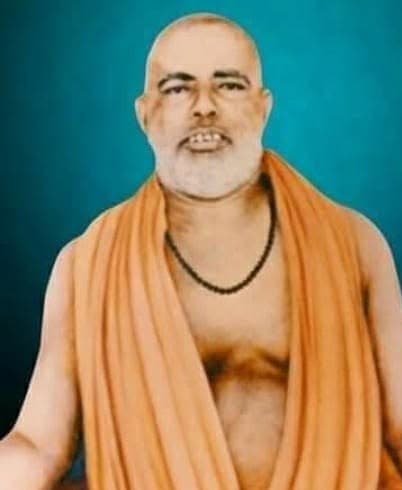
Sri Udiya Baba · Modern
Hindiसंगति— अगले तीन श्लोकों में तीन प्रकार की धृति के भेद बतलाते हैं।
भावार्थ— हे पार्थ! जिस अव्यभिचारिणी धारणा से योग द्वारा प्राण और इन्द्रियों की क्रिया को वश में किया जाता है वह सात्त्विकी धृति है।
Swami Ramsukhdas · Modern
Hindi'धृत्या यया धारयते'—'योगेनाव्यभि-चारिण्या'—सांसारिक लाभ-हानि, जय-पराजय, सुख-दुःख, आदर-निरादर, सिद्धि-असिद्धिमें सम रहनेका नाम 'योग' (समता) है।
परमात्माको चाहनेके साथ-साथ इस लोकमें सिद्धि, असिद्धि, वस्तु, पदार्थ, सत्कार, पूजा आदि और परलोकमें
सुख-भोगको चाहना 'व्यभिचार' है और इस लोक तथा परलोकके सुख, भोग, वस्तु, पदार्थ आदिकी किंचिन्मात्र भी इच्छा न रखकर केवल परमात्माको चाहना 'अव्यभिचार' है। यह अव्यभिचार जिसमें होता है, वह धृति 'अव्यभिचारिणी' कहलाती है।
अपनी मान्यता, सिद्धान्त, लक्ष्य, भाव, क्रिया, वृत्ति,
विचार आदिको दृढ़, अटल रखनेकी शक्तिका नाम 'धृति' है। योग अर्थात् समतासे युक्त इस अव्यभिचारिणी धृतिके द्वारा मनुष्य मन, प्राण और इन्द्रियोंकी क्रियाओंको धारण करता है।
मनमें राग-द्वेषको लेकर होनेवाले चिन्तनसे रहित होना, मनको जहाँ लगाना चाहें, वहाँ लग जाना और जहाँसे हटाना चाहें, वहाँसे हट जाना आदि मनकी क्रियाओंको धृतिके द्वारा धारण करना है।
प्राणायाम करते हुए रेचकमें पूरक न होना, पूरकमें रेचक न होना और बाह्य कुम्भकमें पूरक न होना तथा आभ्यन्तर कुम्भकमें रेचक न होना अर्थात् प्राणायामके
नियमसे विरुद्ध श्वास-प्रश्वासोंका न होना ही धृतिके द्वारा प्राणोंकी क्रियाओंको धारण करना है।
शब्द, स्पर्श, रूप, रस और गन्ध—इन विषयोंको लेकर इन्द्रियोंका उच्छृंखल न होना, जिस विषयमें जैसे प्रवृत्त होना चाहें, उसमें प्रवृत्त होना और जिस विषयसे निवृत्त होना चाहें, उससे निवृत्त होना ही धृतिके द्वारा इन्द्रियोंकी क्रियाओंको धारण करना है।
'धृति: सा पार्थ सात्त्विकी'—जिस धृतिसे मन, प्राण और इन्द्रियोंकी क्रियाओंपर आधिपत्य हो जाता है, हे पार्थ! वह धृति सात्त्विकी है।
**परिशिष्ट भाव**—जीव परमात्माका अंश है, इसलिये परमात्माके सिवाय कहीं भी जाना 'व्यभिचार' है और केवल परमात्माकी तरफ चलना 'अव्यभिचार' है। केवल परमात्माकी तरफ चलनेवाली धृति 'अव्यभिचारिणी धृति' है।
सम्बन्ध—अब राजसी धृतिके लक्षण बताते हैं।
The potency of unwavering meditation and Prāṇāyāma or breath control by which one enables and directs all the energies of the mind and controls the senses is an auxiliary of yoga, and is the only means of Mokṣa or liberation from material existence.
Bhakti yoga is exclusive loving devotion to the Supreme Lord Krishna or any of authorised avatars or incarnations as revealed in Vedic scriptures.
This is absolutely the only way one may be freed from the enslavement of samsāra, the perpetual cycle of birth and death. There is no other alternative.
Bhakti is glorious and sanctified, bestowing beatific bliss upon the performer and blessings upon all creation and is the only means for attaining the ultimate goal of all existence.
One who has cast all other conceptions and designations far away and exclusively engages in bhakti yoga to the Supreme Lord with their mind, senses and body has their dhṛiti or determination situated fully in sattva guṇa, the mode of goodness.