

Bhagavad Gītā · Chapter 18 · Mokṣa Sannyāsa Yoga
रागी कर्मफलप्रेप्सुर्लुब्धो हिंसात्मकोऽशुचिः
हर्षशोकान्वितः कर्ता राजसः परिकीर्तितः
rāgī karmaphalaprepsurlubdho hiṃsātmako'śuciḥ|harṣaśokānvitaḥ kartā rājasaḥ parikīrtitaḥ||
Word meanings
कर्ता = the doer
रागी = full of attachment
कर्मफलप्रेप्सुः = desiring the fruit of action
लुब्धः = greedy
हिंसात्मकः = of injurious nature
अशुचिः = impure
हर्षशोकान्वितः = given to joy and sorrow
राजसः = rājasa
परिकीर्तितः = is declared
Translation
The doer who is full of attachment, seeks the fruit of actions and is greedy, and who is oppressive by nature and of impure conduct, and is affected by joy and sorrow, has been called Rajasika.
Commentary
The commentators seated around this verse

Rāmānuja · Viśiṣṭādvaita
English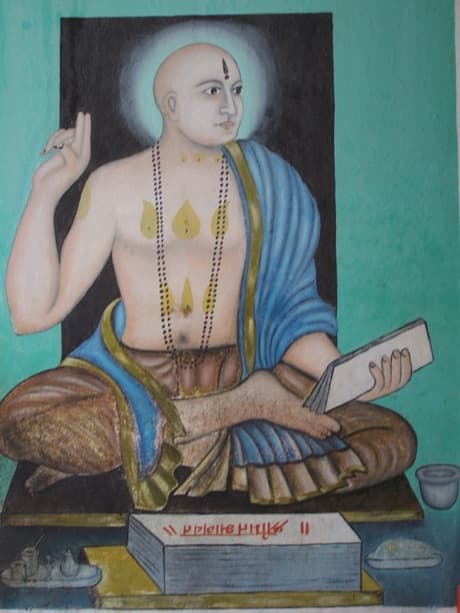
Madhvācārya · Dvaita
Madhva BhāṣyaSanskritEnglishOn verses 18.27–18.28
“परकृतं दोषं दीर्घकालकृतमप्यनुचितं यः सूचयति स दीर्घसूत्री । परेण यः कृतो दोषो दीर्घकालकृतोऽपि वा । यस्तस्य सूचको दोषाद् दीर्घसूत्री स उच्यते ॥ इत्यभिधानात् ।” - He who points out the defects in others, which are improper, given to calumny and done long time earlier is दीर्घसूत्री. The dictionary also declares that “The one who points out the defects in others done long time earlier, is spoken as दीर्घसूत्री”.
Madhvācārya · Dvaita
Gītā Tātparya NirṇayaSanskritEnglishOn verses 18.27–18.28
“भगवद्भक्तिसामर्थ्यात् प्रकृष्टो न कुतो हि यः । स प्राकृतो दीर्घसूत्री कुर्यो पश्चादिति स्मरन् । इति शब्दतत्त्वे | प्राप्तकालस्य कर्मणो दीर्घकालेनैव कृतिं सूचयन् दीर्घसूत्रीत्यर्थः || अलसो दीर्घसूत्री च सच्चयुक् तामसो मतः | अयुक्तो राजसः स्तब्धः प्राकृतो नैकृतिकः शठः | एकैकेनैव दोषेण प्रोक्तस्तामसतामसः | दुर्नरत्वं च तिर्यं क्त्वं तमश्चतत्फलं कमात् || इति च ||” - “The one, even though by the grace of the Lord is distinguished, but being unrefined postpones his performance, is called ‘दीर्घसूत्री’ according to Shabda Tatva Text. The performance which is required to be done at the proper time but is performed after considerable lapse of time also suggests the meaning of ‘दीर्घसूत्री’. The सात्विक ‘दीर्घसूत्री’ is called ‘तामसिक’ because of his laziness. The one who is incompetent is ‘राजसिक’; the indolent and the unrefined is ‘तामसिक’, the one who does nothing but the malicious. The one who speaks ill of others is obscured amongst the obscure (तामसतामसः). The consequence of evil manhood is correspondingly the three-fold lower fruits.

Jñāneśvar · Vārkarī
English27 "One swayed by passion, yearning for action's fruit, avaricious, disposed to violence, impure, prone to elation and depression: such an agent is pronounced Rajas-dominated. (650)
Just as a dung-hill is the (proper) place for the accumulation of the village dirt, or the funeral ground is the place for the coming together of all inauspicious things, in that way he (the Rajas agent) is the sink (place) for storing the wash of the feet of all the sins of the entire world greed. Therefore he sets about performing very zealously such actions only as hold out prospects of securing fruit uninterruptedly. And he is not prepared to forego even a single Kavadi (कवडी) of what he has earned and hugs his acquisitions to his bosom lovingly day and night, looking upon them as more precious than his life. He watches covetously for opportunities to rob others of their possessions keeping a miserly attitude in regard to his own hoard, in the way a heron feigns it is absorbed in spiritual meditation (i.e. stands still) for catching the fish. He is like a berry tree, entangling with its thorns one passing by it, causing scratches in one's skin when one grapples with it, or making the tongue smart under the sour taste of its fruit if put into mouth. He torments others through his mind, speech and body, and remains indifferent in regard to other peoples' interests, while securing his own selfish ends. He allows no latitude to others while engaged in doing his own actions, and never engages his mind in any sentiment that does not interest him in any way (however noble it might be). He is devoid of purity internally and externally, in the way the pulp in the Datura (धोत्रा) fruit is intoxicating and its external rind thorny. If he secures the fruit of his actions, he gets, Oh Dhananjaya, overjoyed and indulges in grinning and mouthing in mockery of the world. On the other hand were the actions started to prove unfruitful, he would through grief curse whatever has been done. One seen abiding in activism in this way is the Rajas doer, know it definitely. Next comes the Tamas (dominated) agent, who is the very plantation of evil actions and now I shall reveal to you in detail his signs.
Swami Ramsukhdas · Modern
English'Rāgī'—The first characteristic of a passionate agent, is passion or attachment. A rājasika doer, remains attached to action and their fruits, as well as, to persons, things and objects etc.
'Karmaphalaprepsuḥ'—A rājasika person, performs actions to seek their fruit. He offers charity, to gain honour and praise here, and heavenly pleasures hereafter. Similarly, he takes medicines, to keep his body fit and healthy.
'Lubdhaḥ'—A rājasika person, is not satisfied with his possessions. He goes on craving for honour, praise, fame, wealth, sons, and family etc. The more he receives, the more he yearns.
'Hiṁsātmakaḥ'—He possesses an oppressive nature. He inflicts suffering on others, for selfish motive. The more pleasure he enjoys, the more pain, he inflicts on those, who suffer want. Enjoyment of sense-objects, without caring for the miseries of others, is violence. Without violence, no enjoyment is possible.
When the Lord declared, that tāmasa action, (18/25) and tāmasa doer—both are oppressive. He meant to explain, that actions by a tāmasa agent, are not performed with discrimination, because of delusion. So he is oppressive, in his daily life. A rājasa person, enjoys mundane pleasure, then other people who suffer from want have a heart-burn to see them, enjoy such pleasures. It means, that a tāmasa person, does injury to others, through his actions, while a rājasa person, himself is oppressive.
'Aśuciḥ'—A passionate person, makes things and objects, which he amasses, for his enjoyment, impure. He pollutes, the environment. The clothes, which he wears become impure. So no one wants to use the clothes, of a person, who was attached to them, even after his death. One cannot concentrate his mind on God, at such a place, where the dead body of such a man, is cremated. If any person, sleeps there, he has bad and horrible dreams. This passion or attachment for the perishable, makes a body or even bones, impure.
'Harṣaśokānvitaḥ'—He is ever-entangled, in pleasure and pain, attachment and aversion etc., because of success and failure, and pleasant and unpleasant, desirable and undesirable incidents and circumstances etc., which do come across man during his daily life.
'Kartā rājasah parikīrtitaḥ'—The agent, who possesses the above-mentioned characteristics, is called passionate or 'Rajas'.
Appendix—'Hiṁsātmakaḥ'—In the twenty-fifth verse of this chapter in Tāmasika actions also 'hiṁsā' (the oppressive nature of causing injury or suffering to others) has been mentioned, because Rajoguna and Tamoguna are close to each other, while Sattvaguna is far from the two. Rajoguna is of the nature of passion while Tamoguna is of the nature of delusion. In Rajoguna a man remains conscious and careful but in Tamoguna he loses consciousness and carefulness. A selfish man having attachment inflicts more sufferings on others than does a deluded man inflict. Therefore in Rajoguna there is more violence (injury). A Rājasa man because of attachment and selfishness becomes oppressive (violent). He remains engrossed in violence.
Link:—Now the Lord enumerates the characteristics of a Tāmasika doer.
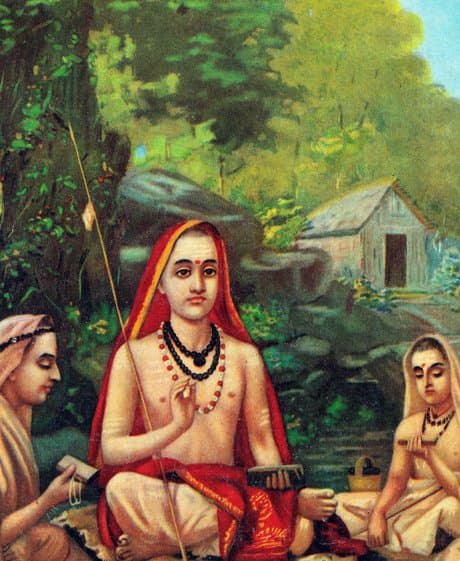
Ādi Śaṅkarācārya · Advaita
Sanskritरागी रागः अस्य अस्तीति रागी, कर्मफलप्रेप्सुः कर्मफलार्थी इत्यर्थः, लुब्धः परद्रव्येषु संजाततृष्णः, तीर्थादौ स्वद्रव्यापरित्यागी वा, हिंसात्मकः परपीडाकरस्वभावः, अशुचिः बाह्याभ्यन्तरशौचवर्जितः, हर्षशोकान्वितः इष्टप्राप्तौ हर्षः अनिष्टप्राप्तौ इष्टवियोगे च शोकः ताभ्यां हर्षशोकाभ्यां अन्वितः संयुक्तः, तस्यैव च कर्मणः संपत्तिविपत्तिभ्यां हर्षशोकौ स्याताम्, ताभ्यां संयुक्तो यः कर्ता सः राजसः परिकीर्तितः ॥
Ādi Śaṅkarācārya · Advaita
Hindiजो कर्ता रागी है—जिसमें राग यानी आसक्ति विद्यमान है, जो कर्मफलको चाहनेवाला है—कर्मफलकी इच्छा रखता है, जो लोभी यानी दूसरोंके धनमें तृष्णा रखनेवाला है और तीर्थादि (उपयुक्त देशकाल)—में भी अपने धनको खर्च करनेवाला नहीं है। तथा जो हिंसात्मक—दूसरोंको कष्ट पहुँचानेके स्वभाववाला, अशुचि—बाहरी और भीतरी दोनों प्रकारके शुद्धिसे रहित और हर्ष-शोकसे लिप्त यानी इष्ट पदार्थकी प्राप्तिमें हर्ष एवं अनिष्टकी प्राप्ति और इष्टके वियोगमें होनेवाला शोक—इन दोनों प्रकारके भावोंसे युक्त है—ऐसे पुरुषको ही कर्मोंकी सिद्धि- असिद्धिमें हर्ष-शोक हुआ करते हैं, अतः जो कर्ता उन दोनोंसे युक्त है, वह राजस कहा जाता है
Jñāneśvar · Vārkarī
Marathiजैसा गावींचिया कश्मळा । उकरडा होय येकवळा । कां स्मशानीं अमंगळा । आघवयांची ॥ ६५० ॥ तया परी जो अशेषा । विश्वाचिया अभिलाषा । पायपाखाळणिया दोषां । घरटा जाला ॥ ६५१ ॥ म्हणौनि फळाचा लागु । देखे जिये असलगु । तिये कर्मीं चांगु । रोहो मांडी ॥ ६५२ ॥ आणि आपण जालिये जोडी । उपखों नेदी कवडी । क्षणक्षणा कुरोंडी । जीवाची करी ॥ ६५३ ॥ कृपणु चित्तीं ठेवा आपुला । तैसा दक्षु पराविया माला । बकु जैसा खुतला । मासेयासी ॥ ६५४ ॥ आणि गोंवी गेलिया जवळी । झगटलिया अंग फाळी । फळें तरी आंतु पोळी । बोरांटी जैसी ॥ ६५५ ॥ तैसें मनें वाचा कायें । भलतया दुःख देतु जाये । स्वार्थु साधितां न पाहे । पराचें हित ॥ ६५६ ॥ तेवींचि आंगें कर्मीं । आचरणें नोहे क्षमी । न निघे मनोधर्मीं । अरोचकु ॥ ६५७ ॥ कनकाचिया फळा । आंतु माज बाहेरी मौळा । तैसा सबाह्य दुबळा । शुचित्वें जो ॥ ६५८ ॥ आणि कर्मजात केलिया । फळ लाहे जरी धनंजया । तरी हरिखें जगा यया । वांकुलिया वाये ॥ ६५९ ॥ अथवा जें आदरिलें । हीनफळ होय केलें । तरीं शोकें तेणें जिंतिलें । धिक्कारों लागे ॥ ६६० ॥ कर्मीं राहाटी ऐसी । जयातें होती देखसी । तोचि जाण त्रिशुद्धीसी । राजस कर्ता ॥ ६६१ ॥ आतां यया पाठीं येरु । जो कुकर्माचा आगरु । तोही करूं गोचरु । तामस कर्ता ॥ ६६२ ॥
Jñāneśvar · Vārkarī
Hindi(18.650) जैसे गाँव के कूड़े-कचरे के लिए घृणा ही एक स्थान है, अथवा सम्पूर्ण अमंगलों का श्मशान में आश्रय मिलता है,
(18.651) वैसे ही जो सम्पूर्ण संसार के मनोरथों के पाँवों के धोये हुए दोषों का घर बन रहा है,
(18.652) इसलिए जिस कर्म से सहज फल-प्राप्ति होती दिखाई दे उसका जो उत्तम उपक्रम करता है,
(18.653) और प्राप्त किये हुए धन में से एक कौड़ी खर्च नहीं करता है, क्षण-क्षण में उस पर से अपने जी की भी निछावर करता है, (18.654) जैसे कृपण अपना अन्तःकरण अपने धन की ओर रखता है, जैसे बगला मछली का ध्यान धरता है वैसे दी जो दूसरे के धन के विषय सावधान रहता है;
(18.655) बेर की झाड़ी जैसे, पास जाने से, मनुष्य का उलझा लेती और स्पर्श करने से शरीर को छेदती है और उसके फल भी भीतर से पोले होते हैं
(18.656) वैसे ही जो मन से, वाणी से और शरीर से हर किसी को दुःख ही देता रहता है तथा स्वार्थ-प्राप्ति करता हुआ दूसरों का हित नहीं विचारता,
(18.657) तथा जो शरीर से क्षमारूपी कर्म नहीं कर सकता और जिसके मन से भी मलिनता नहीं छूटती,
(18.658) धतूरे के फल में जैसे बाहर काँटे और भीतर नशा भरा रहता है वैसे ही जो अन्तर्बाह्य शुचिता के विषय में दुबला दो रहा है,
(18.659) और हे धनंजय! कर्म करने पर यदि फल प्राप्त हो तो जो हर्ष से संसार को विराने लगता है,
(18.660) अथवा यदि आरम्भ किया हुआ कर्म निष्फल हो जाय तो दुःख से व्याकुल हो उसका धिक्कार करने लगता है, (18.661) इस प्रकार जिसका कर्म का व्यवहार देखो वही निश्चय से राजस कर्ता है।
(18.662) अब इसके उपरान्त जो कुकर्मों का घर तामस कर्ता है उसका भी वर्णन करते हैं।
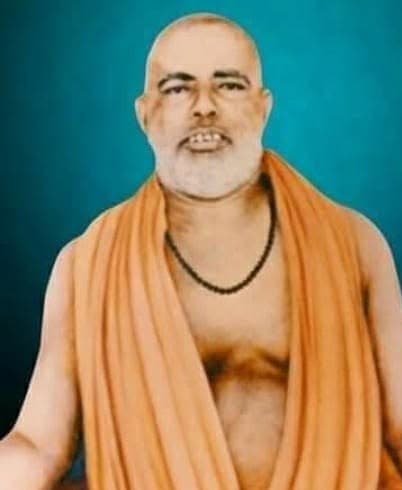
Sri Udiya Baba · Modern
Hindiभावार्थ— जो आसक्तियुक्त हो, कर्मफल की कामना वाला हो लोभी, दूसरों को कष्ट पहुँचाने वाला और अपवित्र हो तथा हर्ष-शोक से युक्त हो वह कर्ता राजस कहा जाता है।
व्याख्या— सात्त्विक कर्ता से इसका इतना ही अन्तर है कि वह आसक्तिशून्य होता है और यह आसक्तियुक्त होता है तथा वह सिद्धि-असिद्धि में निर्विकार होता है और यह हर्ष-शोकरूप विकारों से युक्त होता है।
Swami Ramsukhdas · Modern
Hindi'रागी'—रागका स्वरूप रजोगुण होनेके कारण भगवान्ने राजस कर्ताके लक्षणोंमें सबसे पहले 'रागी' पद दिया है। रागका अर्थ है—कर्मोंमें, कर्मोंके फलोंमें तथा वस्तु, पदार्थ आदिमें मनका खिंचाव होना, मनकी प्रियता होना। इन चीजोंका जिसपर रंग चढ़ जाता है, वह 'रागी' होता है।
'कर्मफलप्रेप्सुः'—राजस मनुष्य कोई भी काम करेगा तो वह किसी फलकी चाहनाको लेकर ही करेगा; जैसे—मैं ऐसा-ऐसा अनुष्ठान कर रहा हूँ, दान दे रहा हूँ, उससे यहाँ धन, मान, बड़ाई आदि मिलेंगे और परलोकमें स्वर्गादिके भोग, सुख आदि मिलेंगे; मैं ऐसी-ऐसी दवाइयोंका सेवन कर रहा हूँ तो उनसे मेरा शरीर नीरोग रहेगा, आदि।
'लुब्धः'—राजस मनुष्यको जितना जो कुछ मिलता है, उसमें वह संतोष नहीं करता, प्रत्युत 'जिमि प्रतिलाभ लोभ अधिकाई' की तरह 'और मिलता रहे, और मिलता रहे' अर्थात् आदर, सत्कार, महिमा आदि अधिक-से-अधिक होते रहें; धन, पुत्र, परिवार आदि अधिक-से-अधिक बढ़ते रहें—इस प्रकारकी लाग लगी रहती है, लोभ
लगा रहता है।
'हिंसात्मकः'—वह हिंसाके स्वभाववाला होता है। अपने स्वार्थके लिये वह दूसरोंके नुकसानकी, दुःखकी परवाह नहीं करता। वह ज्यों-ज्यों अधिक भोग-सामग्री इकट्ठी करके भोग भोगता है, त्यों-ही-त्यों दूसरे अभावग्रस्त लोगोंके हृदयमें जलन पैदा होती है। अतः दूसरोंके दुःखकी परवाह न करना तथा भोग भोगना हिंसा ही है।
तामस कर्म (इसी अध्यायका पचीसवाँ श्लोक) और राजस कर्ता—दोनोंमें हिंसा बतानेका तात्पर्य यह है कि मूढ़ता रहनेके कारण तामस मनुष्यकी क्रियाएँ विवेकपूर्वक नहीं होतीं; अतः चलने-फिरने, उठने-बैठने आदिमें उसके द्वारा हिंसा होती है। राजस मनुष्य अपने सुखके लिये बढ़िया-बढ़िया भोग भोगता है तो उसको देखकर जिनको वे भोग नहीं मिलते, उनके हृदयमें जलन होती है, यह हिंसा उस भोग भोगनेवालेको ही लगती है। कारण कि कोई भी भोग बिना हिंसाके होता ही नहीं। तात्पर्य है कि तामस मनुष्यके द्वारा तो कर्ममें हिंसा होती है और राजस मनुष्य स्वयं हिंसात्मक होता है।
'अशुचिः'—रागी पुरुष भोग-बुद्धिसे जिन वस्तुओं,
पदार्थों आदिका संग्रह करता है, वे सब चीजें अपवित्र हो जाती हैं। वह जहाँ रहता है, वहाँका वायुमण्डल अपवित्र हो जाता है। वह जिन कपड़ोंको पहनता है, उन कपड़ोंमें भी अपवित्रता आ जाती है। यही कारण है कि आसक्ति-ममतावाले मनुष्यके मरनेपर उसके कपड़े आदिको कोई रखना नहीं चाहता। जिस स्थानपर उसके शवको जलाया जाता है, वहाँ कोई भजन-ध्यान करना चाहे तो उसका मन नहीं लगेगा। वहाँ भूलसे कोई सो जायगा तो उसको प्रायः खराब-खराब स्वप्न आयेंगे। तात्पर्य यह है कि
उत्पत्ति-विनाशशील पदार्थोंकी तरफ आकृष्ट होते ही आसक्ति-ममतारूप मलिनता आने लगती है, जिससे मनुष्यका शरीर और शरीरकी हड्डियाँ अधिक अपवित्र हो जाती हैं।
**‘हर्षशोकान्वितः’**—उसके सामने दिनमें कितनी बार सफलता-विफलता, अनुकूल-प्रतिकूल परिस्थिति, घटना आदि आते रहते हैं, उनको लेकर वह हर्ष-शोक, राग-द्वेष, सुख-दुःख आदिमें ही उलझा रहता है।
**‘कर्ता राजसः परिकीर्तितः’**—उपर्युक्त लक्षणोंवाला कर्ता ‘राजस’ कहा गया है।
**परिशिष्ट भाव—‘हिंसात्मकः’**—पहले तामस कर्ममें भी हिंसा बतायी गयी है, (इसी अध्यायका पचीसवाँ श्लोक); क्योंकि रजोगुण और तमोगुण—दोनों एक-दूसरेके नजदीक पड़ते हैं, पर सत्त्वगुण दोनोंसे दूर पड़ता है। रजोगुण रागात्मक होता है और तमोगुण मोहात्मक। रजोगुणमें तो होश और सावधानी रहती है, पर तमोगुणमें बेहोशी और असावधानी रहती है। राग, स्वार्थबुद्धि होनेसे जितनी हिंसा होती है, उतनी मोह होनेसे नहीं होती। इसलिये रजोगुणमें अधिक हिंसा होती है। राग, स्वार्थबुद्धिके कारण राजस मनुष्य ‘हिंसात्मक’ हो जाता है। उसकी हिंसामें तल्लीनता हो जाती है।
सम्बन्ध—अब तामस कर्ताके लक्षण बताते हैं।
Now Lord Krishna describes the nature of one performing activities in raja guṇa the mode of passion.
One who is rāgī, zealously ambitious, in seeking fame, power, wealth, etc.
One who is prepsuḥ, always hankering for recompense and reward.
One who is aśuciḥ or impure and greedy, envious and unrighteous causing injury to others by mental and physical cruelty.
Such a one who is never in equipoise, who rejoices at success but is depressed by failure is indisputably known to be situated in raja guṇa.