

Bhagavad Gītā · Chapter 18 · Mokṣa Sannyāsa Yoga
यया तु धर्मकामार्थान् धृत्या धारयतेऽर्जुन
प्रसङ्गेन फलाकाङ्क्षी धृतिः सा पार्थ राजसी
yayā tu dharmakāmārthān dhṛtyā dhārayate'rjuna|prasaṅgena phalākāṅkṣī dhṛtiḥ sā pārtha rājasī||
Word meanings
तु = but
पार्थ = O Pārtha
अर्जुन = O Arjuna
फलाकाङ्क्षी = desiring the fruit
यया = by which
धृत्या = by firmness
धर्मकामार्थान् = dharma, desire, and wealth
प्रसङ्गेन = with excessive attachment
Translation
The Dhrti, however, by which the man seeking a reward for his actions, clutches with extreme fondness virtues, earthly possessions and worldly ejoyments,—that Dhrti is Rajasika, Arjuna.
Commentary
The commentators seated around this verse
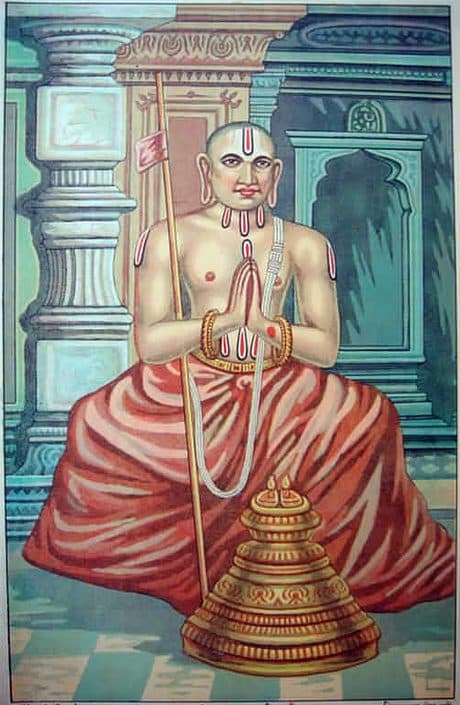
Rāmānuja · Viśiṣṭādvaita
English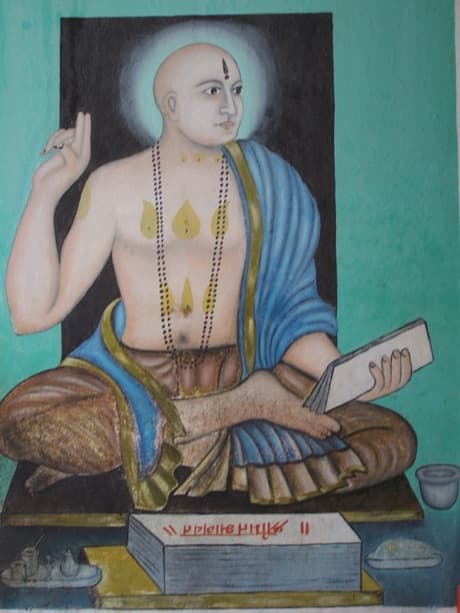
Madhvācārya · Dvaita
SanskritEnglishOn verses 18.34–18.36
“स्वप्नं भयं इत्यादि सर्वनिषिद्धोपलक्षणम् | तत्तत् साच्चिकमेव स्याद् यद्यद् वृद्धाः प्रचक्षते | निन्दन्ति तामसं तत्तद् राजसं तदुपेक्षितम् || इति हि भागवते - महामानस्तु मां पार्थ, अभयं सच्चसंशद्धिः, इत्यादिना वृद्धाश्चोक्ताः ||” - Dreams, fears etc. considered prohibited by elders are the subsidiary marks. Intelligence relating to these matters is taamasik. Matters endorsed by elders are considered saatvik and matters disapproved are taamasik. Matters in respect of which they are impervious are raajasik. ‘महामानस्तु मां पार्थ’ and ‘अभयं सच्चसंशद्धिः’ by such statements elders have commended Dharma, thus in Bhagavat Purana.
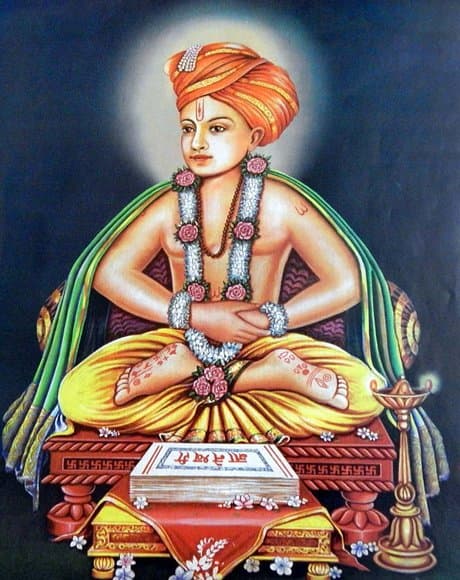
Jñāneśvar · Vārkarī
English34 "But that, O Arjuna whereby one holds to the (three-fold objectives of) Dharma (duty), Sense-gratification and Wealth-being addicted to their fruits and yearning for them: that tenacity, O Son of Pṛthā, is Rajas-dominated. (745)
(The Lord further said), "The being assuming body-form abides in the enjoyment of the three (viz. Dharma (duty), Wealth, and Sense-
* For details see Note under verse 40, Chapter VI gratification) in both the houses viz. in this as also in the other world (Heaven). He carries on business transactions on the ship in the form of Dharma, Wealth and Sense-gratification, on the sea in the form of fancies and ideas, and further he undergoes the trouble of increasing fourfold the invested capital in the form of actions. That tenacity on the strength of which he does all these affairs is, you take it, the Rajas (dominated) tenacity. Now, I explain to you the third viz. the Tamas (dominated) tenacity.
Swami Ramsukhdas · Modern
English'Yayā tu dharmakāmārthāndhṛtyā dhārayate'rjuna'—A man, by passionate firmness performs virtuous acts, to reap their fruits, in the form of wealth and pleasure.
On special occasions, he offers charity, goes on a pilgrimage and arranges religious programmes, such as loud chanting etc., of divine names in order to get their reward. So he holds fast to Dharma (Duty) for reward.*
He wants to enjoy mundane pleasure, and believes that a man's life without pleasure, is meaningless. Thus, he holds fast to pleasure.
He believes, that wealth is part and parcel of a man's life.
*If one holds fast to Dharma (duty) for wealth and spends money for Dharma, both of them enhance each other. But if one holds fast to Dharma and spends wealth in order to reap its fruit, after bearing fruit both of them perish.
Without wealth, (money), no virtuous actions (Dharma), are possible. All functions are organised, by spending money. It is money, which gives status and position, to a man. It begets respect and honour. Without money, none is respected. So a man, should hoard as much wealth as he can. According to him, a man wins name, fame and honour because of wealth and nothing is possible, without it. Thus he holds fast to wealth.
'Prasuṅgena phalākāṅkṣi dhṛtiḥ sā pārtha rājasī'—Whatever virtuous actions, out of too much passion (attachment), a Rājasika man performs, according to ordinance of scriptures, he performs these with a desire for reward, in the form of pleasure, honour, name and praise etc., worldly and heavenly enjoyments, hereafter, The firmness of such people, who are too much attached to the world, and who have a desire for reward, is rājasika.
Link:—Now, the Lord defines Tāmasika firmness (Firmness of the mode of ignorance).
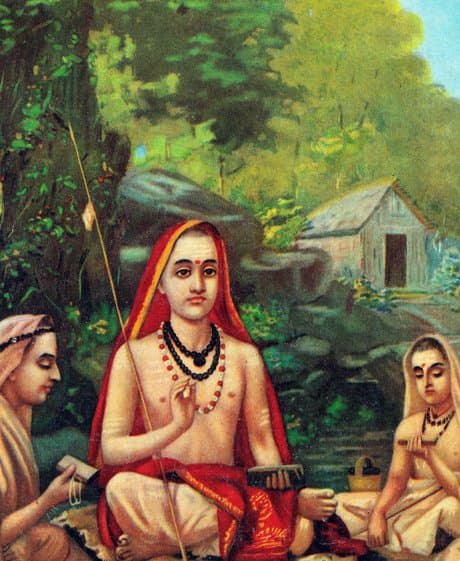
Ādi Śaṅkarācārya · Advaita
Sanskritयया तु धर्मकामार्थान् धर्मश्च कामश्च अर्थश्च धर्मकामार्थाः तान् धर्मकामार्थान् धृत्या यया धारयते मनसि नित्यमेव कर्तव्यरूपान् अवधारयति हे अर्जुन, प्रसङ्गेन यस्य यस्य धर्मादेः धारणप्रसङ्गः तेन तेन प्रसङ्गेन फलाकाङ्क्षी च भवति यः पुरुषः, तस्य धृतिः या, सा पार्थ, राजसी ॥
Ādi Śaṅkarācārya · Advaita
Hindiहे अर्जुन! जिस धृतिके द्वारा मनुष्य धर्म, काम और अर्थोंको धारण करता है, अर्थात् जिस धृतिद्वारा मनुष्य इन सबको मनमें अवश्यकर्तव्यरूपसे निश्चय किया करता है।
तथा जिस-जिस धर्म, अर्थ आदिके धारण करनेका प्रसङ्ग आता है, उस-उस प्रसङ्गसे ही जो मनुष्य फल चाहनेवाला है, हे पार्थ! उसकी जो धृति है वह राजसी होती है
Jñāneśvar · Vārkarī
Marathiआणि होऊनियां शरीरी । स्वर्गसंसाराच्या दोहीं घरीं । नांदे जो पोटभरी । त्रिवर्गोपायें ॥ ७४५ ॥ तो मनोरथांच्या सागरीं । धर्मार्थकामांच्या तारुवावरी । जेणें धैर्यबळें करी । क्रिया\-वणिज ॥ ७४६ ॥ जें कर्म भांडवला सूये । तयाची चौगुणी येती पाहे । येवढें सायास साहे । जया धृती ॥ ७४७ ॥ ते गा धृती राजस । पार्था येथ परीयेस । आतां आइक तामस । तिसरी जे कां ॥ ७४८ ॥
Jñāneśvar · Vārkarī
Hindi(18.745) जो निज का शरीर समझ कर धर्म, अर्थ और काम-रूपी तीन उपायों से स्वर्ग और संसार दोनों घर रहता और पेट भरता है
(18.746) वह मनुष्य मनोरथरूपी समुद्र में धर्म, अर्थ और कामरूपी जहाजों के द्वारा जिस बल से युक्त हो व्यापार करता है,
(18.747) जिस धृति के बल से ऐसा साहस करता है कि जिस कर्म की पूँजी लगावे उसके चौगुने का लाभ उठाता है
(18.748) उसे हे पार्थ! राजस धृति कहते हैं। अब तीसरी जो तामस है सो सुनो।
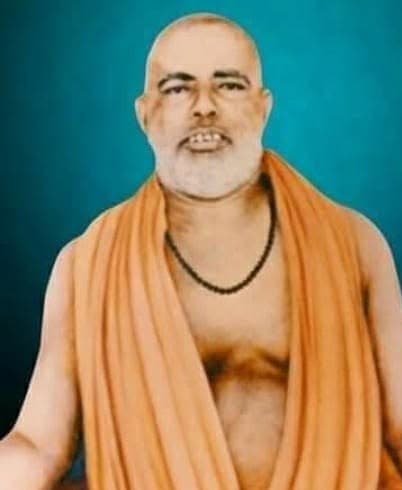
Sri Udiya Baba · Modern
Hindiभावार्थ— हे अर्जुन! जिस धृति के द्वारा मनुष्य धर्म, अर्थ और कामों को धारण करता है और प्रसंगवश फल की कामना भी करता है वह धृति राजसी है।
Swami Ramsukhdas · Modern
Hindi'यया तु धर्मकामार्थान्धृत्या ... सा पार्थ राजसी'—राजसी धारण-शक्तिसे मनुष्य अपनी कामनापूर्तिके लिये धर्मका अनुष्ठान करता है, काम अर्थात् भोग-पदार्थोंको भोगता है और अर्थ अर्थात् धनका संग्रह करता है।
अमावस्या, पूर्णिमा, व्यतिपात आदि अवसरोंपर दान करना, तीर्थोंमें अनदान करना; पर्वोंपर उत्सव मनाना; तीर्थयात्रा करना; धार्मिक संस्थाओंमें चन्दा-चिट्ठाके रूपमें कुछ चढ़ा देना; कभी कथा-कीर्तन, भागवत-सप्ताह आदि करवा लेना—यह सब केवल कामनापूर्तिके लिये करना ही 'धर्म' को धारण करना है*।
सांसारिक भोग-पदार्थ तो प्राप्त होने ही चाहिये;
क्योंकि भोग-पदार्थोंसे ही सुख मिलता है, संसारमें कोई भी प्राणी ऐसा नहीं है, जो भोग-पदार्थोंकी कामना न करता हो; यदि मनुष्य भोगोंकी कामना न करे तो उसका जीवन ही व्यर्थ है—ऐसी धारणाके साथ भोग-पदार्थोंकी कामनापूर्तिमें ही लगे रहना 'काम' को धारण करना है।
धनके बिना दुनियामें किसीका भी काम नहीं चलता; धनसे ही धर्म होता है; यदि पासमें धन न हो तो आदमी धर्म कर ही नहीं सकता; जितने आयोजन किये जाते हैं, वे सब धनसे ही तो होते हैं; आज जितने आदमी बड़े कहलाते हैं, वे सब धनके कारण ही तो बड़े बने हैं; धन होनेसे ही लोग आदर-सम्मान करते हैं; जिसके पास धन नहीं होता, उसको संसारमें कोई पूछता ही नहीं; अतः धनका खूब
* धर्मका अनुष्ठान धनके लिये किया जाय और धनका खर्चा धर्मके लिये किया जाय, तो धर्मसे धन और धनसे धर्म—दोनों परस्पर बढ़ते रहते हैं। परन्तु धर्मका अनुष्ठान और धनका खर्चा केवल कामनापूर्तिके लिये ही किया जाय तो धर्म (पुण्य) और धन—दोनों ही कामनापूर्ति करके नष्ट हो जाते हैं।
संग्रह करना चाहिये—इस प्रकार धनमें ही रचे-पचे रहना 'अर्थ' को धारण करना है। संसारमें अत्यन्त राग (आसक्ति) होनेके कारण राजस पुरुष शास्त्रकी मर्यादाके अनुसार जो कुछ भी शुभ काम करता है, उसमें उसकी
यही कामना रहती है कि इस कर्मका मुझे इस लोकमें सुख, आराम, मान, सत्कार आदि मिले और परलोकमें सुख-भोग मिले। ऐसे फलकी कामनावाले तथा संसारमें अत्यन्त आसक्त मनुष्यकी धारण-शक्ति राजसी होती है।
सम्बन्ध—अब तामसी धृतिके लक्षण बताते हैं।
The dhṛta or determination that is influenced by raja guṇa, the mode of passion is motivated by desire for rewards and desires for kāma or enjoyment and artha or wealth and hopes for dharma or righteousness keeps the impetus activated.
For these are the means by which one interacts in life using the mind, senses and physical body; but the rewards that are reaped are only material and temporary.
Mokṣa or liberation form material existence can never be achieved if one is motivated for rewards for their actions.
So Lord Krishna has confirmed that activities which engage the mind, senses and body for the purpose of recompense and rewards is situated totally in raja guṇa and although may achieve kāma, artha and dharma such activities can never bestow Mokṣa.