

Bhagavad Gītā · Chapter 18 · Mokṣa Sannyāsa Yoga
न द्वेष्ट्यकुशलं कर्म कुशले नानुषज्जते
त्यागी सत्त्वसमाविष्टो मेधावी छिन्नसंशयः
na dveṣṭyakuśalaṃ karma kuśale nānuṣajjate|tyāgī sattvasamāviṣṭo medhāvī chinnasaṃśayaḥ||
Word meanings
अकुशलम् = improper
कर्म = action
न, द्वेष्टि = does not hate
कुशले = in wholesome action
न, अनुषज्जते = is not attached
छिन्नसंशयः = free from doubt
होता, = and
त्यागी = man of renunciation
समाविष्टः = imbued
मेधावी = intelligent
Translation
He who shrinks not from action which does not lasting happiness, nor gets attached to that which is conducive to blessedness,—imbued with the quality of goodness, he has all his doubts resolved, is intelligent and a man of true renunciation.
Commentary
The commentators seated around this verse
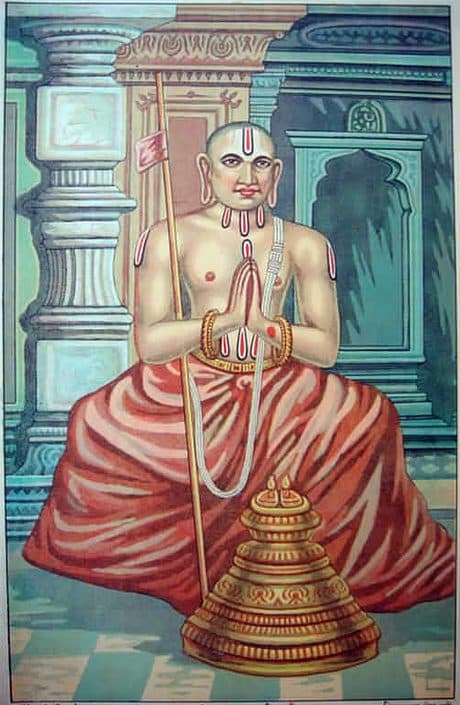
Rāmānuja · Viśiṣṭādvaita
English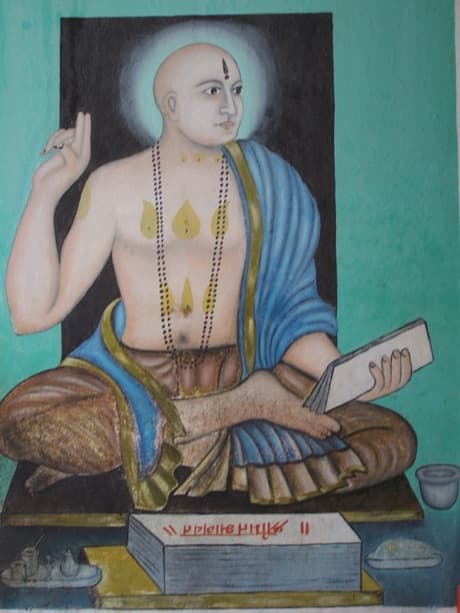
Madhvācārya · Dvaita
Madhva BhāṣyaSanskritEnglishOn verses 18.9–18.11
“अन्यस्त्यागार्थो न युक्त इत्याह - न हि, इति ।” - In this verse it has been clarified that mere renunciation of all actions is not the proper meaning.
Madhvācārya · Dvaita
Gītā Tātparya NirṇayaSanskritEnglishOn verses 18.9–18.11
“न द्वेष्ट्यकुशलं कर्म केवल दृष्टदुःखम् । जन्मान्तरकृते पुण्ये न सज्जेत् साच्चिकश्चले । यः सम्यक् तच्चविद् विष्णोस्तदर्पणधियेव तु । फलेच्छावर्जितस्तस्य कर्म वन्धाय नो भवेत् । बहुलं चेदल्पदोषं यावदेवापरोक्षदृक् ॥ इति च ॥” - कुशल - the qualified person would not despise actions only because they entail misery. By meritorious deeds done over different lives will not be used by him for enjoying insecure heavens. Knowing the fundamental principles the one, who offers them (his कर्म) to Sri Vishnu without attachment to the fruits of his actions, such one does not get bound (by his actions). However, performance of many actions may become reason for little demerits till one attains the knowledge of the Supreme.

Jñāneśvar · Vārkarī
English10 “He conceives no aversion for an unpleasing action, and is not addicted to one that is pleasing: that relinquisher, who, possessing talent and having his doubts shattered, is imbued with Sattva-temperament. (212)
Therefore, whatever actions, good or bad, that he has to perform as the result of his past (life's) actions, get dissolved (before him) in the way clouds get dissolved in the sky. In that way, the actions getting purified by his (serene) vision become incapable of entangling him in pleasure and pain. It never happens that such actions as are auspicious are cheerfully performed by him, while other actions are hated by him because they are inauspicious. In fact he never feels any sort of wavering or doubt in regard to these, in the way, one does not think at all of things seen in a dream after waking up. Therefore that relinquishment that knows of no such duality as the "action done" and the "doer" should be known as Sāttvic (Relinquishment), Oh Son of Pāndu. Therefore, Oh Pārtha, actions relinquished in this way, do get really relinquished: if they are relinquished in any other way they become more injurious than their performance would have been.
Swami Ramsukhdas · Modern
English'Na dveṣṭyakuśalaṃ karma'—Pious actions, sanctioned by
a devotee should not chant the Lord's holy names and meditate on Him with the sense of duty and with a view to get rid of them but he should do it in order to arouse his ownship with Him. If he chants the Lord's holy names and meditates on Him with the mere sense of duty, his ownness with God will not be aroused and his love (devotion) to Him will not be revealed.
scriptures, which are performed, with the desire of fruit, and which lead to rebirth (2/42—44; 9/20-21) and the prohibited evil actions, which lead to demoniacal wombs, and hell (16/7—20)—all these actions, are disagreeable. A striver, abandons such disagreeable actions, but has no aversion for them. If he abandons these by having an aversion to them, he gets attached to aversion, and that attachment is worse than action performed with a desire, and also the prohibited evil actions.
'Kuśale nānuṣajjate'—All actions, which are performed according to the ordinance of scriptures, suited to one's caste, social order and circumstances etc., by relinquishing attachment, and fruit and which lead to salvation, are called 'Kuśala', (agreeable). A striver, while performing such actions, has no attachment for them.
'Tyāgī'—The real abandoner (renouncer), is he, who has neither aversion to a disagreeable action, nor attachment to an agreeable one.* His relinquishment, attains perfection, when he is not, in the least, affected by action or inaction (Gītā 3/18; 4/18). Such a man, is said to have attained to Yoga (Gītā 6/4).
'Medhāvī'—He whose actions are performed thoroughly, and are free from desire, and thoughts of the world, and are burnt by the fire of wisdom, him even the sages call, wise (Gītā 4/19). It is great wisdom, if a man is not attached to actions, while performing these. Such a person, has been called wise, among men (4/18).
'Chinnasaṃśayah'—The doubts of such a person, are dispelled, because he remains established in the self, where there is perfection. So, there is no question of any doubt. A doubt, subsists only where knowledge is imperfect i.e., we know something, and we
*The person, who rises above the pairs of opposites in the form of favourable and unfavourable ones, renounces the prohibited actions without aversion; he performs the prescribed actions without attachment. As a crawling baby is engaged in an action and refrains from it without attachment and aversion, a transcendental man also performs actions without attachment and aversion (a child does so out of ignorance while he does so because of his discrimination) (wisdom).
do not know something else.
'Sattvasamāviṣṭaḥ'—When a man, relinquishes attachment etc., he automatically gets situated, in the self. In the nineteenth verse of the fifth chapter, also it is mentioned, that such a person, gets established in the Eternal.
Appendix—This verse means that a striver should renounce attachment and aversion. It is a man's nature that he takes up (performs) the agreeable activities by being attached to them and he renounces the disagreeable ones by having aversion to them. A man gets connected with the world by both—attachment and aversion. The Lord declares that only that man is noble who takes up (performs) the virtuous action but is not attached to it and renounces the evil action but has no aversion to it.
Link:—Why should a man, bother to have no aversion for a disagreeable action, and no attachment for an agreeable action? Why should, he not relinquish actions, altogether? The Lord, clarifies the doubt, in the next verse.
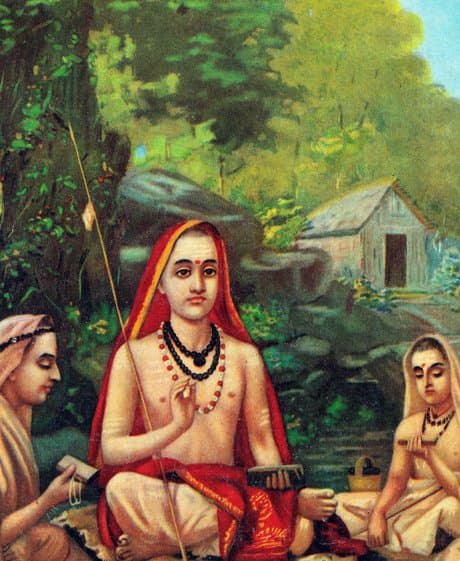
Ādi Śaṅkarācārya · Advaita
Sanskritन द्वेष्टि अकुशलं अशोभनं काम्यं कर्म, शरीरारम्भद्वारेण संसारकारणम्, ``किमनेन?'' इत्येवम् । कुशले शोभने नित्ये कर्मणि सत्त्वशुद्धिज्ञानोत्पत्तितन्निष्ठाहेतुत्वेन ``मोक्षकारणम् इदम्'' इत्येवं न अनुषज्जते अनुषङ्गं प्रीतिं न करोति इत्येतत् । कः पुनः असौ? त्यागी पूर्वोक्तेन सङ्गफलत्यागेन तद्वान् त्यागी, यः कर्मणि सङ्गं त्यक्त्वा तत्फलं च नित्यकर्मानुष्ठायी सः त्यागी । कदा पुनः असौ अकुशलं कर्म न द्वेष्टि, कुशले च न अनुषज्जते इति, उच्यते - सत्त्वसमाविष्टः यदा सत्त्वेन आत्मानात्मविवेकविज्ञानहेतुना समाविष्टः संव्याप्तः, संयुक्त इत्येतत् । अत एव च मेधावी मेधया आत्मज्ञानलक्षणया प्रज्ञया संयुक्तः तद्वान् मेधावी । मेधावित्वादेव छिन्नसंशयः छिन्नः अविद्याकृतः संशयः यस्य ``आत्मस्वरूपावस्थानमेव परं निःश्रेयससाधनम्, न अन्यत् किंचित्'' इत्येवं निश्चयेन छिन्नसंशयः ॥
यः अधिकृतः पुरुषः पूर्वोक्तेन प्रकारेण कर्मयोगानुष्ठानेन क्रमेण संस्कृतात्मा सन् जन्मादिविक्रियारहितत्वेन निष्क्रियं आत्मानम् आत्मत्वेन संबुद्धः, सः सर्वकर्माणि मनसा संन्यस्य नैव कुर्वन् न कारयन् आसीनः नैष्कर्म्यलक्षणां ज्ञाननिष्ठां अश्नुते इत्येतत् । पूर्वोक्तस्य कर्मयोगस्य प्रयोजनं अनेनैव श्लोकेन उक्तम् ॥
यः पुनः अधिकृतः सन् देहात्माभिमानित्वेन देहभृत् अज्ञः अबाधितात्मकर्तृत्वविज्ञानतया ``अहं कर्ता'' इति निश्चितबुद्धिः तस्य अशेषकर्मपरित्यागस्य अशक्यत्वात् कर्मफलत्यागेन चोदितकर्मानुष्ठाने एव अधिकारः, न तत्त्यागे इति एतं अर्थं दर्शयितुं आह -
Ādi Śaṅkarācārya · Advaita
Hindiजो अधिकारी, आसक्ति और फलवासना छोड़कर नित्यकर्म करता है, उसका फलासक्ति आदि दोषोंसे दूषित न किया हुआ अन्तःकरण, नित्यकर्मोंके अनुष्ठानद्वारा संस्कृत होकर विशुद्ध हो जाता है।
विशुद्ध और प्रसन्न अन्तःकरण ही आध्यात्मिक विषयकी आलोचनामें समर्थ होता है। अतः इस प्रकार नित्यकर्मोंके अनुष्ठानसे जिसका अन्तःकरण विशुद्ध हो गया है एवं जो आत्मज्ञानके अभिमुख है, उसकी उस आत्मज्ञानमें जिस प्रकार क्रमसे स्थिति होती है, वह कहनी है, इसलिये कहते हैं—
अकुशल—काम्यकर्मोंसे (वह) द्वेष नहीं करता अर्थात् काम्यकर्म पुनर्जन्म देनेवाले होनेके कारण संसारके कारण हैं, इनसे मुझे क्या प्रयोजन है, इस प्रकार उससे द्वेष नहीं करता।
कुशल—शुभ-नित्यकर्मोंमें आसक्त नहीं होता। अर्थात् अन्तःकरणकी शुद्धि, ज्ञानकी उत्पत्ति और उसमें स्थितिके हेतु होनेसे नित्यकर्म मोक्षके कारण हैं, इस प्रकार उनमें आसक्त नहीं होता। यानी उनमें भी अपना कोई प्रयोजन न देखकर प्रीति नहीं करता।
वह कौन है? त्यागी, जो कि पूर्वोक्त आसक्ति और फलके त्यागसे सम्पन्न है अर्थात् कर्मोंमें आसक्ति और उनका फल छोड़कर नित्यकर्मोंका अनुष्ठान करनेवाला है, ऐसा त्यागी।
ऐसा पुरुष किस अवस्थामें, काम्यकर्मोंसे द्वेष नहीं करता और नित्यकर्मोंमें आसक्त नहीं होता? सो कहते हैं—
जब कि वह सात्त्विक भावसे युक्त होता है। अर्थात् आत्म-अनात्मविषयक विवेक-ज्ञानके हेतुस्वरूप सत्त्वगुणसे भरपूर—भली प्रकार व्याप्त होता है।
इसीलिये वह मेधावी है अर्थात् आत्मज्ञानरूप बुद्धिसे युक्त है। मेधावी होनेके कारण ही छिन्नसंशय है—अविद्याजनित संशयसे रहित है। अर्थात् आत्मस्वरूपमें स्थित हो जाना ही परम कल्याणका साधन है, और कुछ नहीं, इस निश्चयके कारण संशयरहित हो चुका है।
जो अधिकारी पुरुष, पूर्वोक्त प्रकारसे कर्मयोगके अनुष्ठानद्वारा क्रमसे विशुद्धान्तःकरण होकर, जन्मादि विकारोंसे रहित और क्रियारहित आत्माको भली प्रकार अपना स्वरूप समझ गया है, वह 'समस्त कर्मोंको मनसे त्यागकर' 'न कुछ करता और न कराता हुआ रहनेवाला' (आत्मज्ञानी) निष्कर्मतारूप ज्ञाननिष्ठाको भोगता है।
इस प्रकार इस श्लोकद्वारा यह पूर्वोक्त कर्मयोगका फल बतलाया गया है
Jñāneśvar · Vārkarī
Marathiम्हणौनि प्राचिनाचेनि बळें । अलंकृतें कुशलाकुशलें । तियें व्योमाआंगीं आभाळें । जिरालीं जैसीं ॥ २१२ ॥ तैसीं तयाचिये दिठी । कर्में चोखाळलीं किरीटी । म्हणौनि सुखदुःखीं उठी । पडेना तो ॥ २१३ ॥ तेणें शुभकर्म जाणावें । मग तें हर्षें करावें । कां अशुभालागीं होआवें । द्वेषिया ना ॥ २१४ ॥ तरी इयाविषयींचा कांहीं । तया एकुही संदेहो नाहीं । जैसा स्वप्नाच्या ठायीं । जागिन्नलिया ॥ २१५ ॥ म्हणौनि कर्म आणि कर्ता । या द्वैतभावाची वार्ता । नेणें तो पंडुसुता । सात्विक त्यागु ॥ २१६ ॥ ऐसेनि कर्में पार्था । त्यजिलीं त्यजिती सर्वथा । अधिकें बांधिती अन्यथा । सांडिलीं तरी ॥ २१७ ॥
Jñāneśvar · Vārkarī
Hindi(18.212) और प्रारब्धानुसार जो भले-बुरे कर्म प्राप्त होते हैं वे, जैसे आकाश में विलीन हो जाय
(18.213) वैसे, उस सात्विक मनुष्य दृष्टि से निर्मल हो जाते हैं। इसलिए वह सुख-दुःख से सन्तोषी या दुखी नहीं होता।
(18.214) शुभ कर्म का ज्ञान होने पर आनन्द से उसका अनुष्ठान करना अथवा अशुभ कर्म का द्वेष करना ये दोनों बातें उसमें नहीं होतीं।
(18.215) जैसे जाग्रत मनुष्य का स्वप्न के विषय में कुछ सन्देह नहीं रहता वैसे ही उस सात्विक मनुष्य का इन शुभाशुभ कर्मों के विषय में कुछ संशय नहीं रहता।
(18.216) अतः हे पाण्डुसुत! कर्म और कर्ता-रूपी द्वैत भाव की वार्ता न जानना ही सात्विक त्याग है।
(18.217) इस त्याग के द्वारा कर्मत्याग किया जाय तभी कर्मों का सर्वथा त्याग होता है, नहीं तो अन्य रीति से त्याग करने से वे और भी अधिक बन्धन करनेहारे होते हैं।
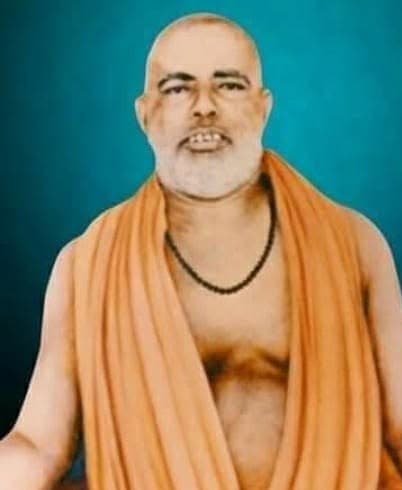
Sri Udiya Baba · Modern
Hindiसंगति— ये साधकों के लिए त्रिगुणमय त्याग बतलाये। अब इन सबसे श्रेष्ठ जो तत्त्ववेत्ता का त्याग है वह बतलाया जाता है—
भावार्थ— जो त्यागी, सत्त्वसम्पन्न, मेधावी और संशयशून्य महापुरुष है वह तो अकुशल। दुःखदायी कर्म से द्वेष नहीं करता और कुशल (सुखदायी) कर्म में आसक्त नहीं होता।
व्याख्या— जो पहले निष्काम कर्म और उपासना कर चुका है उसे जब तत्त्वबोध हो जाता है तो उसका कहीं भी राग या द्वेष नहीं रहता, क्योंकि वह सभी का अत्यन्ताभाव देखता है अथवा सबको अपना स्वरूप ही समझता है। जब वह सबका अत्यन्ताभाव देखता है तो पूर्ण त्यागी है और जब सबको स्वस्वरूप देखता है तो पूर्णसंग्रही है। जब उसकी अन्तर्दृष्टि होती है तो वह सबका अत्यन्ताभाव देखता है और पूरा नास्तिक होता है और जब बाह्य दृष्टि होती है तो सबको अपना स्वरूप देखता है और पूरा आस्तिक होता है। वह त्यागी है,
इसलिए सत्त्वसम्पन्न है और सत्त्वसम्पन्न होने के कारण मेधावी (बुद्धिमान्) है। तथा बुद्धिमान् होने के कारण उसके सब संशय नष्ट हो गये हैं।
‘त्यागी’—अन्तर्बाह्य दृश्य, पञ्चकोश तथा इहलोक परलोक का त्याग ही वास्तविक त्याग है। ‘सत्त्वसमाविष्ट’—सत्तामात्र जो आत्मतत्व है उसमें स्थिति ही सत्त्वसमावेश है। जिसे पूर्णतया नित्यानित्यविवेक है वही मेधावी है। ‘छिन्नसंशय’—ईश्वर जीव का भेद, जीव-जीव का भेद, ईश्वर-प्रकृति का भेद—इन सब भेदों की निवृत्ति होकर पूर्ण ज्ञान हो जाना ही संशयों का छेदन है। जिसकी सत्त्व में स्थिति होगी वही त्यागी है, वही मेधावी है, वही छिन्न संशय है और वही सर्वगुण सम्पन्न है।
Swami Ramsukhdas · Modern
Hindi'न द्वेष्ट्यकुशलं कर्म'—जो शास्त्रविहित शुभ-कर्म फलकी कामनासे किये जाते हैं और परिणाममें जिनसे पुनर्जन्म होता है (गीता—दूसरे अध्यायके बयालीसवेंसे चौवालीसवें तक और नवें अध्यायका बीसवाँ-इक्कीसवाँ श्लोक) तथा जो शास्त्रनिषिद्ध पाप-कर्म हैं और परिणाममें जिनसे नीच योनियों तथा नरकोंमें जाना पड़ता है (गीता—सोलहवें अध्यायके सातवेंसे बीसवें श्लोकतक), वे सब-के-सब कर्म 'अकुशल' कहलाते हैं। साधक ऐसे अकुशल कर्मोंका त्याग तो करता है, पर द्वेषपूर्वक नहीं। कारण कि द्वेषपूर्वक त्याग करनेसे कर्मोंसे तो सम्बन्ध छूट जाता है, पर द्वेषके साथ सम्बन्ध जुड़ जाता है, जो शास्त्रविहित काम्य-कर्मोंसे तथा शास्त्र-निषिद्ध पाप-कर्मोंसे भी भयंकर है।
'कुशले नानुषज्जते'—शास्त्रविहित कर्मोंमें भी जो वर्ण, आश्रम, परिस्थिति आदिके अनुसार नियत हैं और जो आसक्ति तथा फलेच्छाका त्याग करके किये जाते हैं
तथा परिणाममें जिनसे मुक्ति होती है, ऐसे सभी कर्म 'कुशल' कहलाते हैं। साधक ऐसे कुशल कर्मोंको करते हुए भी उनमें आसक्त नहीं होता।
'त्यागी'—कुशल कर्मोंके करनेमें जिसका राग नहीं होता और अकुशल कर्मोंके त्यागमें जिसका द्वेष नहीं होता, वही असली त्यागी है। परन्तु वह त्याग पूर्णतया तब सिद्ध होता है, जब कर्मोंको करने अथवा न करनेसे अपनेमें कोई फरक न पड़े अर्थात् निरन्तर निलिप्तता बनी रहे (गीता—तीसरे अध्यायका अठारहवाँ और चौथे अध्यायका अठारहवाँ श्लोक)। ऐसा होनेपर साधक योगारूढ़ हो जाता है (गीता—छठे अध्यायका चौथा श्लोक)।
'मेधावी'—जिसके सम्पूर्ण कार्य सांगोपांग होते हैं और संकल्प तथा कामनासे रहित होते हैं तथा ज्ञानरूप अग्निसे जिसने सम्पूर्ण कर्मोंको भस्म कर दिया है, उसे पण्डित भी पण्डित (मेधावी अथवा बुद्धिमान्) कहते हैं (गीता—चौथे अध्यायका उन्नीसवाँ श्लोक)।
* दोषबुद्धयोभयातीतो निषेधान् निवर्तते। गुणबुद्ध्या च विहितं न करोति यथाभकः ॥ (श्रीमद्भगवद्गीता ११। ७। ११)
'जो पुरुष अनुकूलता-प्रतिकूलतारूप द्वन्द्वोंसे ऊँचा उठ जाता है, वह शास्त्रनिषिद्ध कर्मोंका त्याग करता है, पर द्वेषबुद्धिसे नहीं और शास्त्रविहित कर्मोंको करता है, पर गुणबुद्धिसे अर्थात् रागपूर्वक नहीं। जैसे घुटनोंके बलपर चलनेवाले बच्चेकी निवृत्ति और प्रवृत्ति राग-द्वेषपूर्वक नहीं होती, वैसे ही उभयातीत पुरुषकी निवृत्ति और प्रवृत्ति भी राग-द्वेषपूर्वक नहीं होती (बच्चेमें तो अज्ञात रहती है, पर राग-द्वेषसे रहित पुरुषमें विज्ञाता रहती है)।'
कारण कि कर्मोंको करते हुए भी कर्मोंसे लिपायमान न होना बड़ी बुद्धिमत्ता है।
इसी मेधावीको चौथे अध्यायके अठारहवें श्लोकमें 'स बुद्धिमाननुष्येषु' पदोंसे सम्पूर्ण मनुष्योंमें बुद्धिमान् बताया गया है।
'छिन्नसंशयः'—उस त्यागी पुरुषमें कोई सन्देह नहीं रहता। तत्त्वमें अभिन्नभावसे स्थित रहनेके कारण उसमें किसी तरहका संदेह रहनेकी सम्भावना
**परिशिष्ट भाव**—इस श्लोकका तात्पर्य राग-द्वेषका त्याग करनेमें है। मनुष्यका स्वभाव है कि वह रागपूर्वक ग्रहण और द्वेषपूर्वक त्याग करता है। राग और द्वेष—दोनोंसे ही संसारसे सम्बन्ध जुड़ता है। भगवान् कहते हैं कि वास्तवमें वही मनुष्य श्रेष्ठ है जो शुभ कर्मका ग्रहण तो करता है, पर रागपूर्वक नहीं और अशुभ कर्मका त्याग तो करता है, पर द्वेषपूर्वक नहीं।
सम्बन्ध—कर्मोंको करनेमें राग न हो और छोड़नेमें द्वेष न हो—इतनी झंझट क्यों की जाय? कर्मोंका सर्वथा ही त्याग क्यों न कर दिया जाय?—इस शंकाको दूर करनेके लिये आगेका श्लोक कहते हैं।
The aspirant who renounces both the desire for rewards as well as any ego- sense as the doer is fully in sattva guṇa the mode of goodness.
Situated in correct knowledge and hence free from all doubts such a one is neither besieged by unrighteous acts nor relieved from righteous acts.
Righteous acts are those that bestow positive reactions such as progeny, cows, entry into the heavenly planets, etc.
An unrighteous act is that which one may accidentally or unintentionally commit that will accrue negative reactions such as misery, pain, entry to the hellish planets, etc.
It should not be misconstrued that final emancipation applies to anyone who deliberately engages in unrighteous activities, for the Katha Upaniṣad I,II.XXIV beginning na virato duscharitanna shanto states:
“One who has not desisted from evil unrighteous actions or who is of unrestrained mind can never achieve final emancipation even if one is a paragon of intellect and knowledge.”
In as much as the ego-sense is absent there is no impetus to exhibit aversion or attraction for either one or the other and since all other goals have been relinquished and resigned,
with the exception of Mokṣa or final emancipation from material existence and communion with the Supreme Lord Krishna or any of His authorised incarnations as revealed in Vedic scriptures - then one is truly established in ultimate renunciation.
Thus the conclusion is that relinquishing all ego-sense of authorship and abandoning any desire for rewards is actual renunciation and not mere abstention from actions.