

Bhagavad Gītā · Chapter 18 · Mokṣa Sannyāsa Yoga
एतान्यपि तु कर्माणि सङ्गं त्यक्त्वा फलानि च
कर्तव्यानीति मे पार्थ निश्चितं मतमुत्तमम्
etānyapi tu karmāṇi saṅgaṃ tyaktvā phalāni ca|kartavyānīti me pārtha niścitaṃ matamuttamam||
Word meanings
पार्थ = O Pārtha
एतानि = these
कर्माणि = actions
तु = but
अपि = also
सङ्गम् = attachment
च = and
फलानि = fruits
त्यक्त्वा = having abandoned
Translation
Hence these acts of sacrifice, charity and penance, and all other acts too, must be performed without attachment and hope of reward: this is My considered and supreme verdict, Arjuna.
Commentary
The commentators seated around this verse
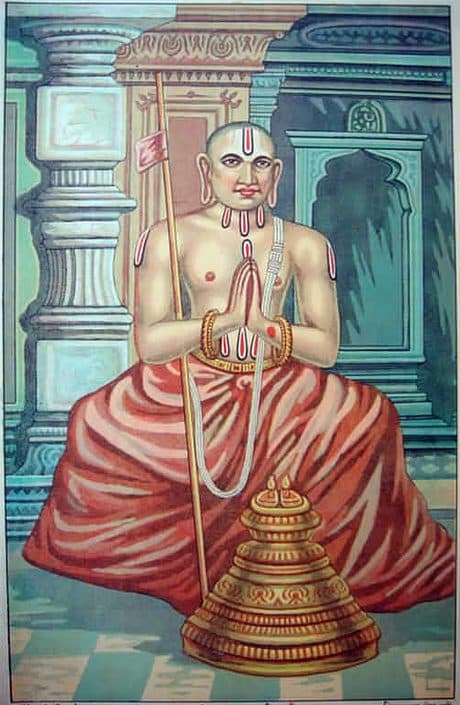
Rāmānuja · Viśiṣṭādvaita
English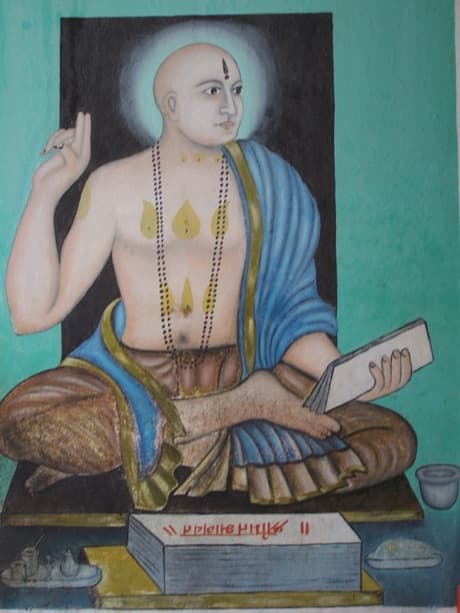
Madhvācārya · Dvaita
SanskritEnglish“द्रव्ययज्ञादिनां मध्ये स्वोचितो यज्ञो विद्यादानादिषु स्वोचितं दानं स्वोचितं तपश्च सर्वैर्वर्णाश्रमिभिरन्येश्च कार्यमेवेत्यर्थः | विष्णुनामस्वाध्यायोऽन्यानां सत्योपवासादिः |” - In the sacrifice of wealth, in the sacrifice of knowledge, in the sacrifice of penance, one should perform charity, instruct and practice austerity according to one's capacity and according to the classification (Varna) and stage (aashramaa) in life, together with other functions. This is the purport. Those belonging to the lowest of the classes should propitiate Sri Vishnu by repeating His name, speaking truth and austerity of fasting etc.
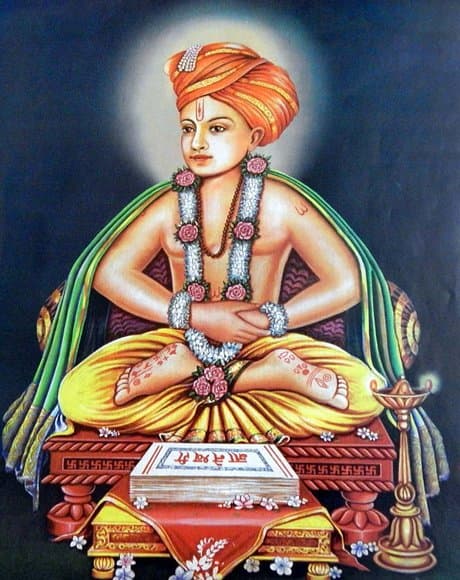
Jñāneśvar · Vārkarī
English6 "But even these activities should be performed after relinquishing attachment and fruits: thus, O Son of Pṛthā, is my definite and ultimate conclusion. (166)
The conceit, that one is the doer, should not be permitted even to stick to him while the actions, headed by a great sacrifice, are being performed with absolutely no flaw in them. One visiting holy places, as a hired agent, feels no egoistic satisfaction of being himself the person undertaking the pilgrimage; or when a person, under the authority derived from the powerful (King), overpowers his adversary single-handed even the king (who authorised him), cannot boast of being himself the conqueror; or one crossing over a river clinging to the waist of the other (swimmer), cannot boast of being himself the swimmer or a family priest distributing charities on behalf of his master, cannot assume the airs of being the donor. In that way, one should move the chessman (मोहिरे—hinder piece at chess) in the form of actions, at the appropriate moment by performing them without allowing any conceit, as being the doer, even to touch himself, and should not allow the mind even to countenance the fruit that may be borne by the actions performed, Oh Son of Pāṇḍu. One should begin the performance of actions, first relinquishing the expectations of fruit, Oh Dhananjaya, in the way a (wet) nurse feeds (by allowing her breast to be sucked) another woman's child, with absolutely a blank mind. The action should be performed, with complete abstention from fruit—motive, in the way a Pimple-tree is watered with no expectation of any fruit. A cowherd collects and takes out for grazing all the village cows, dropping all desire for milk. The same attitude should be adopted in regard to action—fruit. Those that perform actions adopting this process, secure a meeting with their Self i.e., get a vision of their Self. Therefore my best message to all is that they should perform all actions, dropping all physical attachment (which harbours a craving for the fruit). I repeat over and over again that one, who is tired of this fettering life and feels anxious for his deliverance, should not neglect this say of Mine.
Swami Ramsukhdas · Modern
English'Etānyapi tu karmāṇi saṅgaṁ tyaktvā phalāni ca kartavyānīti me pārtha niścitaṁ matamuttamam'—Here the term 'Etāni', denotes acts of sacrifice, gift and penance, mentioned in the preceding verse, while the term 'Api', denotes other acts in connection with, one's occupation such as business and farming etc., bodily acts, such as eating, drinking, walking, sitting and sleeping-waking etc., in accordance with, scriptural injunctions and other necessary acts, of daily routine. If actions are performed, without having any desire and attachment, for the welfare of others, the flow of actions is towards the world viz., actions are not for one's own self-interest at all, these are totally for the good of others. Thus we get united with God. But if they are performed with attachment and desire, for fruit etc., these lead to bondage and not allow the individuality to vanish.
In the Gītā, in certain contexts, there is mention of relinquishment of attachment, while in others, the Lord talks of relinquishment, of fruit of actions. Here, in this verse, both are mentioned together. It means, that where there is a mention of the one, the other should also be presumed. So a striver, should neither be attached to action, nor to the fruit, of actions. By doing so his attachment for the mind, intellect, senses, body and other possessions, is shaken off (Gītā 5/11).
Attachment is subtle, while desire for fruit of action, is gross.
The attachment of sentient soul, to insentient and perishable world, leads the soul to its birth, in good and evil wombs (Gītā 13/21). As soon as this attachment is relinquished, a striver, realizes his natural detachment.
Philosophers differ, in their views about the universe. Some of them regard it as unreal, like a dream, others hold it, as kaleidoscopic like a body, while still some others believe, in its existence, like water, which always remains in the form of snow, cloud, vapour etc., but never perishes. Thus they hold different views. But they all agree, that perishable matter has no affinity, with the imperishable self. So a striver, instead of being entangled in discussions and arguments, whether matter is real or unreal, or beyond the real and the unreal etc., should give up affinity, with the universe, an evolute of Matter. In fact, the universe including, this body is ever undergoing a change, while the soul ever remains the same, without any modifications. A striver, has to realize this fact.
Whatever circumstances, we are placed in, are the fruits of actions performed, in the past; and actions we are performing now, will bear fruit, in future. So a striver, should neither be attached to persons and things he possesses, nor have a desire for what he expects to receive, in future. He should not have any desire, for fruits.*
Why should, the desire for fruits of actions be given up? The reason is, that actions have a beginning and an end and so has their fruit. So desire and attachment, for the fruit should be given up. Actually, there is no attachment, in the self, it is merely assumed.
In reality we cannot give up, what is ours and also cannot give up, what is not ours. We cannot give up the self, as fire cannot give up heat, and light. We also cannot give up the things belonging to others in this world. We can give up things, which
*The term 'Phalanī' has been used in plural number because such people expect the fruit in the form of comforts, luxuries, praise, honour and fame etc., here and in heaven hereafter. According to the opinion of the Lord, desire for all these fruits should be renounced.
are not ours but we have only assumed these as ours. We have assumed matter and its evolute, and the body as ours. So we have to give up this assumption.
A man, should discharge his duty, very carefully and promptly, by giving up attachment and desire, for fruits, according to the ordinance of scriptures, whether it is significant or insignificant. The reason is, that when we are not concerned with its fruit, no question arises, whether the action is trivial or significant, and whether it bears meagre or rich fruit. An action, appears to be superior or inferior, due to desire for fruit, while in Karmayoga, the desire for fruit, is to be renounced. A follower of the Discipline of Action, performs action to get rid of attachment. In the *Gītā*, it is mentioned, 'Action is said to be the means of the sage, who wishes to attain to Yoga (in the form of equanimity)' (*Gītā* 6/3), 'Not by non-performance of actions does a man, attain freedom from action' (*Gītā* 3/4). When he performs action for himself, he gets attached to it. So a striver, following the path of action, performs actions for the welfare of others. With his physical body, he does good to others, with his subtle body he thinks, of the welfare of others, and with the causal body his trance, is also meant for the welfare of others. By doing so, his attachment for action, is easily wiped out. Attachment is the only obstacle to God-realization. As soon as a Karmayogi, gets rid of this attachment, he realizes God automatically (*Gītā* 4/38).
The term 'Kartavya', stands for action which we can perform, which must be performed and which is conducive to perfection. The aim of this human life, is to attain perfection, not to enjoy pleasure or suffer pain. Even other beings, such as birds, beasts, creepers, moths, trees and plants etc., come across favourable and unfavourable circumstances, in the form of pleasure and pain. But they do not know what actions, they must perform. Moreover, they have got no right, to attain perfection. The Lord, declares that this is His decided view, in which there is no room for doubt, and also this is His best view, which is perfect, according to scriptures and which is conducive to perfection.
**Appendix**—In this verse there is mention of relinquishment of
attachment to actions as well as to their fruit—both. Attachment to action and to its fruit is the main bondage, having relinquished which a man attains Yoga viz., becomes Yogārūḍha—'yadā hi nendriyārthesu na karmasvanuṣajjate' (Gītā 6/4).
Virtuous actions performed in only a disinterested way lead to salvation. But if virtuous actions are performed with an interested motive, they are conducive to bondage—'ābrahma-bhuvanāllokāḥ punarāvartino'rjuna' (Gītā 8/16).
Link:—The Lord, in the fourth verse of this chapter, declared relinquishment, to be threefold. So, in the next three verses, He describes them.
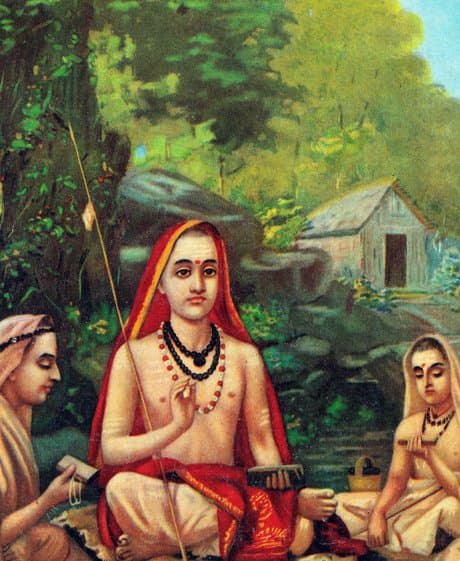
Ādi Śaṅkarācārya · Advaita
Sanskritएतान्यपि तु कर्माणि यज्ञदानतपांसि पावनानि उक्तानि सङ्गं आसक्तिं तेषु त्यक्त्वा फलानि च तेषां परित्यज्य कर्तव्यानि इति अनुष्ठेयानि इति मे मम निश्चितं मतं उत्तमम् ॥
``निश्चयं शृणु मे तत्र'' (भ. गी. १८-४) इति प्रतिज्ञाय, पावनत्वं च हेतुं उक्त्वा, ``एतान्यपि कर्माणि कर्तव्यानि'' इत्येतत् ``निश्चितं मतमुत्तमम्'' इति प्रतिज्ञातार्थोपसंहार एव, न अपूर्वार्थं वचनम्, ``एतान्यपि'' इति प्रकृतसंनिकृष्टार्थत्वोपपत्तेः । सासङ्गस्य फलार्थिनः बन्धहेतवः एतान्यपि कर्माणि मुमुक्षोः कर्तव्यानि इति अपिशब्दस्य अर्थः । न तु अन्यानि कर्माणि अपेक्ष्य ``एतान्यपि'' इति उच्यते ॥
अन्ये तु वर्णयन्ति - नित्यानां कर्मणां फलाभावात् ``सङ्गं त्यक्त्वा फलानि च'' इति न उपपद्यते । अतः ``एतान्यपि'' इति यानि काम्यानि कर्मणि नित्येभ्यः अन्यानि, एतानि अपि कर्तव्यानि, किमुत यज्ञदानतपांसि नित्यानि इति । तत् असत्, नित्यानामपि कर्मणाम् इह फलवत्त्वस्य उपपादितत्वात् ``यज्ञो दानं तपश्चैव पावनानि'' (भ. गी. १८-५)इत्यादिना वचनेन । नित्यान्यपि कर्माणि बन्धहेतुत्वाशङ्कया जिहासोः मुमुक्षोः कुतः काम्येषु प्रसङ्गः? ``दूरेण ह्यवरं कर्म'' (भ. गी. २-४९) इति च निन्दितत्वात्, ``यज्ञार्थात् कर्मणोऽन्यत्र'' (भ. गी. ३-९) इति च काम्यकर्मणां बन्धहेतुत्वस्य निश्चितत्वात्, ``त्रैगुण्यविषया वेदाः'' (भ. गी. २-४५) ``त्रैविद्या मां सोमपाः'' (भ. गी. ९-२०) ``क्षीणे पुण्ये मर्त्यलोकं विशन्ति'' (भ. गी. ९-२१) इति च, दूरव्यवहितत्वाच्च, न काम्येषु ``एतान्यपि'' इति व्यपदेशः ॥
तस्मात् अज्ञस्य अधिकृतस्य मुमुक्षोः -
Ādi Śaṅkarācārya · Advaita
Hindiजो पवित्र करनेवाले बतलाये गये हैं, ऐसे ये यज्ञ, दान और तपस्वरूप कर्म भी तद्विषयक आसक्ति और फलका त्याग करके ही किये जाने चाहिये, अर्थात् आसक्ति और फलके त्यागपूर्वक ही इनका अनुष्ठान करना उचित है। यह मेरा निश्चय किया हुआ उत्तम मत है।
‘इस विषयमें मेरा निश्चय सुन’ इस प्रकार प्रतिज्ञा करके और (उनकी कर्तव्यतामें) पावनत्वरूप हेतु बतलाकर जो ऐसा कहना है कि ‘ये कर्म किये जाने चाहिये’ ‘यह मेरा निश्चित उत्तम मत है’ यह प्रतिज्ञा किये हुए विषयका उपसंहार ही है, किसी अपूर्व विषयका वर्णन नहीं है; क्योंकि ‘एतानि’ शब्दका आशय प्रकरणमें अत्यन्त निकटवर्ती विषयको ही लक्ष्य कराना होता है।
आसक्तियुक्त और फलेच्छुक मनुष्योंके लिये यद्यपि ये (यज्ञ, दान और तपस्वरूप) कर्म बन्धनके कारण हैं, तो भी मुमुक्षुको (फल-आसक्तिसे रहित होकर) करने चाहिये, यही 'अपि' शब्दका अभिप्राय है। यहाँ (यज्ञ, दान और तपसे अतिरिक्त) अन्य (काम्य) कर्मोंको लक्ष्य करके 'एतानि' के साथ 'अपि' शब्दका प्रयोग नहीं है।
कुछ अन्य टीकाकार कहते हैं कि नित्यकर्मोंके फलका अभाव होनेके कारण उनको फल और आसक्ति छोड़कर कर्तव्य बतलाना नहीं बन सकता, (अतः) 'एतान्यपि' इस पदका अभिप्राय यह है कि जो नित्यकर्मोंसे अतिरिक्त काम्य कर्म हैं वे भी करने चाहिये, फिर यज्ञ, दान और तपस्वरूप नित्यकर्मोंके विषयमें तो कहना ही क्या है।
यह अर्थ (करना) ठीक नहीं; क्योंकि 'यज्ञो दानं तपश्चैव पावनानि' इत्यादि वचनोंसे 'नित्यकर्मोंका भी फल होता है; यह सिद्ध किया गया है।
नित्यकर्मोंको भी बन्धनकारक होनेकी आशङ्कासे छोड़नेकी इच्छा रखनेवाले मुमुक्षुकी प्रवृत्ति काम्य- कर्मोंमें कैसे हो सकती है?
इसके सिवा 'सकाम कर्म अत्यन्त निकृष्ट हैं' इस कथनमें काम्यकर्मोंकी निन्दा की जानेके कारण और 'यथार्थ कर्मके अतिरिक्त अन्य कर्म बन्धनकारक हैं' इस कथनसे काम्यकर्म बन्धन- कारक माने जानेके कारण, एवं 'वेद त्रिगुणात्मक (संसार)-को विषय करनेवाले हैं' 'तीनों वेदोंको जाननेवाले सोमरस पीनेवाले' 'पुण्य क्षीण होनेपर मृत्युलोकमें आ जाते हैं' ऐसा कहा जानेके कारण और साथ ही काम्यकर्मोंका विषय बहुत दूर व्यवधानयुक्त होनेके कारण भी (यह सिद्ध होता है कि) 'एतान्यपि' यह कथन काम्यकर्मोंके विषयमें नहीं है
Jñāneśvar · Vārkarī
Marathiतरी महायागप्रमुखें । कर्मे निफजतांही अचुकें । कर्तेपणाचें न ठाके । फुंजणें आंगीं ॥ १६६ ॥ जो मोलें तीर्था जाये । तया मी यात्रा करितु आहे । ऐसिये श्लाघ्यतेचा नोहे । तोषु जेवीं ॥ १६७ ॥ कां मुद्रा समर्थाचिया । जो एकवटु झोंबे राया । तो मी जिणता ऐसिया । न येचि गर्वा ॥ १६८ ॥ जो कासें लागोनि तरे । तया पोहती ऊर्मी नुरे । पुरोहितु नाविष्करे । दातेपणें ॥ १६९ ॥ तैसें कर्तृत्व अहंकारें । नेघोनि यथा अवसरें । कृत्यजातांचें मोहरें । सारीजती ॥ १७० ॥ केल्या कर्मा पांडवा । जो आथी फळाचा यावा । तया मोहरा हों नेदावा । मनोरथु ॥ १७१ ॥ आधींचि फळीं आस तुटिया । कर्मे आरंभावीं धनंजया । परावें बाळ धाया । पाहिजे जैसें ॥ १७२ ॥ पिंपरुवांचिया आशा । न शिंपिजे पिंपळु जैसा । तैसिया फळनिराशा । कीजती कर्में ॥ १७३ ॥ सांडूनि दुधाची टकळी । गोंवारी गांवधेनु वेंटाळी । किंबहुना कर्मफळीं । तैसें कीजे ॥ १७४ ॥ ऐसी हे हातवटी । घेऊनि जे क्रिया उठी । आपणा आपुलिया गांठी । लाहेची तो ॥ १७५ ॥ म्हणौनि फळीं लागु । सांडोनि देहसंगु । कर्में करावीं हा चांगु । निरोपु माझा ॥ १७६ ॥ जो जीवबंधीं शिणला । सुटके जाचे आपला । तेणें पुढतपुढतीं या बोला । आन न कीजे ॥ १७७ ॥
Jñāneśvar · Vārkarī
Hindi(18.166) महायाग प्रमुख कर्म, शुद्ध रीति से करते हुए, यह अभिमान न होना चाहिए कि मैं यह यज्ञ करनेहारा हूँ।
(18.167) जो दूसरे के पैसे से तीर्थ को जाता है जैसे वह सन्तोष के साथ ऐसी डींग नहीं मार सकता कि मैं यात्रा कर रहा हूँ,
(18.168) अथवा हे राजा! जो किसी राजा की मोहरबन्द आज्ञा के आधार पर अकेला ही किसी को पकड़ लाता है वह जैसे ऐसा गर्व नहीं कर सकता कि मैं जीतनेहारा हूँ
(18.169) अथवा जो दूसरे के सहारे से तैरता है उसमें जैसे तैरने का अभिमान नहीं रहता, अथवा पुरोहित जैसे दातृत्व का अभिमान नहीं रख सकता,
(18.170) वैसे ही कर्तृत्व का अहंकार ग्रहण न करके यथाकाल सम्पूर्ण कर्मरूपी मोहरे सरकाते जाना चाहिए। (18.171) हे पाण्डव! किये हुए कर्म की जो फल-प्राप्ति हो उसकी ओर चित्त न जाने देना चाहिए।
(18.172) पहले से ही फल की आशा छोड़ कर कर्मों का इस प्रकार आचरण करना चाहिए जैसे कि दाईं पराये बालक को सँभालती है।
(18.173) पाकर की आशा से जैसे कोई पीपल के वृक्ष को जल नहीं देता, वैसे ही फल के विषय में निराश हो कर्म करना चाहिए।
(18.174) चरवाहा जैसे दूध की आशा न रख कर गाँव की सब गायें इकट्ठी करता है वैसे ही कर्मफल की आशा छोड़नी चाहिए।
(18.175) ऐसी युक्ति के साथ जो कर्म करेगा उसे अपने में हो आत्मप्राप्ति हो जावेगी।
(18.176) अतः मेरा उत्तम सन्देश यही है कि फल की आशा और देहाभिमान का छोड़ कर कर्म करना चाहिए।
(18.177) बन्ध से जो जीव कष्टी है, और अपनी मुक्ति के लिए परिश्रम करता है, उससे मैं बारबार कहता हूँ कि इस वचन के विपरीत आचरण मत करो।
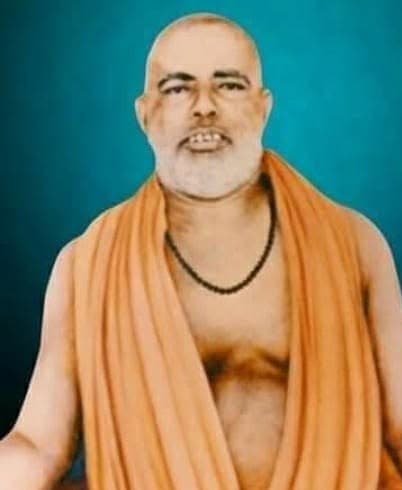
Sri Udiya Baba · Modern
Hindiसंगति— जिस प्रकार न्यायाधीश कहता है कि कानून के अनुसार तो ऐसा है, परन्तु मेरा मत यह है, इसी प्रकार भगवान् भलीभाँति निर्णय करके अपना मत कहते हैं—
भावार्थ— हे पार्थ! इन कर्मों को भी आसक्ति और फल का त्याग करके करना चाहिए। यह मेरा निश्चित उत्तम मत है।
व्याख्या— भगवान् ने यह कर्मकाण्डियों का सिद्धान्त कहा है। उनका तो यही सिद्धान्त है कि उपासना और ज्ञान कुछ नहीं कर्मकाण्ड ही वेदोक्त सिद्धान्त है। अतः आसक्ति को त्याग कर कर्म करते रहना चाहिए। परन्तु यह बात तर्क और अनुभव से सिद्ध नहीं होती। अनुभव तो यही बताता है कि तत्त्वनिष्ठ से व्यावहारिक कर्म नहीं होते। अर्जुन को युद्ध में प्रवृत्त करना है और उसी का वह अधिकारी है। इसलिए उसके अधिकार के अनुसार वे उसे निष्काम कर्म में प्रवृत्त कर रहे हैं।
Swami Ramsukhdas · Modern
Hindi‘एतान्यपि तु कर्माणि ……… निश्चितं मतमुत्तमम्’—यहाँ ‘एतानि’ पदसे पूर्वश्लोकमें कहे यज्ञ, दान और तपरूप कर्मोंकी तथा ‘अपि’ पदसे शास्त्रविहित पठन-पाठन, खेती-व्यापार आदि जीविका-सम्बन्धी कर्म; शास्त्रकी मर्यादाके अनुसार खाना-पीना, उठना-बैठना, सोना-जागना आदि शारीरिक कर्म और परिस्थितिके अनुसार सामने आये अवश्य कर्तव्य-कर्म—इन सभी कर्मोंको लेना चाहिये। इन समस्त कर्मोंको आसक्ति और
पवित्र करनेवाले हैं।
जो मनुष्य समत्वबुद्धिसे युक्त होकर कर्मजन्य फलका त्याग कर देते हैं, वे मनीषी हैं—**‘कर्मजं बुद्धियुक्ता हि फलं त्यक्त्वा मनीषिणः’** (गीता २।५१)। ऐसे मनीषियोंको वे यज्ञादि कर्म पवित्र करते हैं। परन्तु जो वास्तवमें मनीषी नहीं हैं, जिनकी इन्द्रियाँ वशमें नहीं हैं अर्थात् अपने सुखभोगके लिये ही जो यज्ञ, दानादि कर्म करते हैं, उनको वे कर्म पवित्र नहीं करते, प्रत्युत वे कर्म बन्धनकारक हो जाते हैं।
इस श्लोकके पूर्वार्धमें ‘यज्ञदानतपःकर्म’—ऐसा समासयुक्त पद दिया है और उत्तरार्धमें ‘यज्ञो दानं तपः’—ऐसे अलग-अलग पद दिये हैं, इसका तात्पर्य है कि भगवान्ने समासयुक्त पदसे यह बताया है कि यज्ञ, दान और तपका त्याग नहीं करना चाहिये, प्रत्युत इनको जरूर करना चाहिये और अलग-अलग पदोंसे यह बताया है कि इनमेंसे एक-एक कर्म भी मनीषीको पवित्र करनेवाला है।
जो कर्म अपनी कोई कामना न रखकर दूसरोंके हितके लिये किये जाते हैं, वे कर्म पवित्र करनेवाले हो जाते हैं अर्थात् दुर्गुण-दुराचार, पाप आदि मलको दूर करके महान् आनन्द देनेवाले हो जाते हैं। परन्तु वे ही कर्म अगर अपनी कामना रखकर और दूसरोंका अहित करनेके लिये किये जायें तो वे अपवित्र करनेवाले अर्थात् लोक-परलोक दोनोंमें महान् दुःख देनेवाले हो जाते हैं।
फलेच्छाका त्याग करके जरूर करना चाहिये। अपनी कामना, ममता और आसक्तिका त्याग करके कर्मोंको केवल प्राणिमात्रके हितके लिये करनेसे कर्मोंका प्रवाह संसारके लिये और योग अपने लिये हो जाता है। परन्तु कर्मोंको अपने लिये करनेसे कर्म बन्धनकारक हो जाते हैं—अपने व्यक्तित्वको नष्ट नहीं होने देते। गीतामें कहीं संग-(आसक्ति-) के त्यागकी बात आती है और कहीं कर्मोंके फलके त्यागकी बात आती है। इस
श्लोकमें संग और फल—दोनोंके त्यागकी बात आयी है। इसका तात्पर्य यह है कि गीतामें जहाँ संगके त्यागकी बात कही है, वहाँ उसके साथ फलके त्यागकी बात भी समझ लेनी चाहिये और जहाँ फलके त्यागकी बात कही है, वहाँ उसके साथ संगके त्यागकी बात भी समझ लेनी चाहिये। यहाँ अर्जुनने त्यागके तत्त्वकी बात पूछी है; अतः भगवान्ने त्यागका यह तत्त्व बताया है कि संग (आसक्ति) और फल—दोनोंका ही त्याग करना चाहिये, जिससे साधकको यह जानकारी स्पष्ट हो जाय कि आसक्ति न तो कर्ममें रहनी चाहिये और न फलमें ही रहनी चाहिये। आसक्ति न रहनेसे मन, बुद्धि, इन्द्रियाँ, शरीर आदि कर्म करनेके औजारों—(करणों—)में तथा प्राप्त वस्तुओंमें ममता नहीं रहती (गीता—पाँचवें अध्यायका ग्यारहवाँ श्लोक)।
संग (आसक्ति या सम्बन्ध) सूक्ष्म होता है और फलेच्छा स्थूल होती है। संग या आसक्तिकी सूक्ष्मता वहाँतक है, जहाँ चेतन-स्वरूपने नाशवान्के साथ सम्बन्ध जोड़ा है। वहाँसे आसक्ति पैदा होती है, जिससे जन्म-मरण आदि सब अनर्थ होते—‘कारणं गुणसंगोऽस्य सदसद्योनिजन्मसु’ (गीता १३। २१)। आसक्तिका त्याग करनेसे नाशवान्के साथ जोड़े हुए सम्बन्धका विच्छेद हो जाता है और स्वतः-स्वाभाविक रहनेवाली असंगताका अनुभव हो जाता है।
इस विषयमें एक और बात समझनेकी है कि कई दार्शनिक इस नाशवान् संसारको असत् मानते हैं; क्योंकि यह पहले भी नहीं था और पीछे भी नहीं रहेगा, इसलिये वर्तमानमें भी यह नहीं है; जैसे—स्वप्न। कई दार्शनिकोंका यह मत है कि संसार परिवर्तनशील है, हरदम बदलता रहता है, कभी एक रूप नहीं रहता; जैसे—अपना शरीर। कई यह मानते हैं कि परिवर्तनशील होनेपर भी संसारका कभी अभाव नहीं होता, प्रत्युत तत्त्वसे सदा रहता है; जैसे—जल (जल ही बर्फ, बादल, भाप और परमाणुरूपसे हो जाता है, पर स्वरूपसे वह मिटता नहीं)। इस तरह अनेक मतभेद हैं; किन्तु नाशवान् जड़का अपने अविनाशी चेतन-स्वरूपके साथ कोई सम्बन्ध नहीं है, इसमें किसी भी दार्शनिकका मतभेद नहीं है। ‘संगं त्यक्त्वा’ पदोंसे भगवान्ने उसी सम्बन्धका त्याग कहा है।
प्रकृति सत् है या असत् है अथवा सत्-असत्से विलक्षण है? अनादि-सान्त है या अनादि-अनन्त है? इस झगड़ेमें पड़कर साधकको अपना अमूल्य समय खर्च नहीं करना चाहिये, प्रत्युत इस प्रकृतिसे तथा प्रकृतिके कार्य शरीर-संसारसे अपना सम्बन्ध-विच्छेद करना चाहिये, जो कि स्वतः हो ही रहा है। स्वतः होनेवाले सम्बन्ध-विच्छेदका केवल अनुभव करना है कि शरीर तो प्रतिक्षण बदलता ही रहता है और स्वयं निर्विकाररूपसे सदा ज्यों-का-त्यों रहता है।
अब प्रश्न यह होता है कि फल क्या है? प्रारब्ध-कर्मके अनुसार अभी हमें जो परिस्थिति, वस्तु, देश, काल आदि प्राप्त हैं, वह सब कर्मोंका ‘प्राप्त फल’ है और भविष्यमें जो परिस्थिति, वस्तु आदि प्राप्त होनेवाली है, वह सब कर्मोंका ‘अप्राप्त फल’ है। प्राप्त तथा अप्राप्त फलमें आसक्ति रहनेके कारण ही प्राप्तमें ममता और अप्राप्तकी कामना होती है। इसलिये भगवान्ने ‘त्यक्त्वा फलानि च’ कहकर फलोंका त्याग करनेकी बात कही है।
कर्मफलका त्याग क्यों करना चाहिये? क्योंकि कर्मफल हमारे साथ रहनेवाला है ही नहीं। कारण यह है कि जिन कर्मोंसे फल बनता है, उन कर्मोंका आरम्भ और अन्त होता है; अतः उनका फल भी प्राप्त और नष्ट होनेवाला ही है। इसलिये कर्मफलका त्याग करना है। फलके त्यागमें वस्तुतः फलकी आसक्तिका, कामनाका ही त्याग करना है। वास्तवमें आसक्ति हमारे स्वरूपमें है नहीं, केवल मानी हुई है।
दूसरी बात, जो अपना स्वरूप होता है, उसका त्याग नहीं होता; जैसे—प्रज्वलित अग्नि उष्णता और प्रकाशका त्याग नहीं कर सकती। जो चीज अपनी नहीं होती, उसका भी त्याग नहीं होता; जैसे—संसारमें अनेक वस्तुएँ पड़ी हैं; परन्तु उनका हम त्याग करें—ऐसा कहना भी नहीं बनता; क्योंकि वे वस्तुएँ हमारी हैं ही नहीं। इसलिये त्याग उसीका होता है, जो वास्तवमें अपना नहीं है, पर जिसको अपना मान लिया है। ऐसे ही प्रकृति और प्रकृतिके कार्य शरीर आदि हमारे नहीं हैं, फिर भी उनको हम अपना मानते हैं, तो इस अपनेपनकी मान्यताका ही त्याग करना है।
मनुष्यके सामने कर्तव्यरूपसे जो कर्म आ जाय, उसको
* यहाँ ‘फलानि’ शब्दमें बहुवचन देनेका तात्पर्य है कि सकामभावसे कर्म करनेवालोंमें बहुत-से फलोंकी इच्छा होती है—‘बहुशाखा ह्यनन्ताश्च बुद्धयोऽव्यवसायिनाम्’ (गीता २। ४१)। वे इस लोकमें सुख-आराम, मान-सम्मान, यश-प्रतिष्ठा आदि चाहते हैं और परलोकमें स्वर्ग आदिकी प्राप्ति चाहते हैं। भगवान्के मतमें इन सभी फलोंकी इच्छाओंका त्याग है।
फल और आसक्तिका त्याग करके सावधानीके साथ तत्परतापूर्वक करना चाहिये—‘कर्तव्यानि।’ कर्मयोगमें विधि-निषेधको लेकर ‘अमुक काम करना है और अमुक काम नहीं करना है’—ऐसा विचार तो करना ही है; परन्तु ‘अमुक काम बड़ा है और अमुक काम छोटा है’—ऐसा विचार नहीं करना है। कारण कि जहाँ कर्म और उसके फलसे अपना कोई सम्बन्ध ही नहीं है, वहाँ यह कर्म बड़ा है, यह कर्म छोटा है; इस कर्मका फल बड़ा है, इस कर्मका फल छोटा है—ऐसा विचार हो ही नहीं सकता। कर्मका बड़ा या छोटा होना फलकी इच्छाके कारण ही दीखता है, जब कि कर्मयोगमें फलेच्छाका त्याग होता है।
कर्म करना राग-पूर्तिके लिये भी होता है और राग-निवृत्तिके लिये भी। कर्मयोगी राग-निवृत्तिके लिये अर्थात् करनेका राग मिटानेके लिये ही सम्पूर्ण कर्तव्य-कर्म करता है—‘आरुक्षोर्मुनेयोगं कर्म कारणमुच्यते’ (गीता ६।३), ‘न कर्मणामनारम्भान्नैष्कर्म्यं पुरुषोऽश्नुते’ (गीता ३।४)। अपने लिये कर्म करनेसे करनेका राग बढ़ता है। इसलिये कर्मयोगी कोई भी कर्म अपने लिये नहीं करता, प्रत्युत केवल दूसरोंके हितके लिये ही करता है। उसके स्थूलशरीरमें होनेवाली ‘क्रिया’, सूक्ष्मशरीरमें होनेवाला ‘परहित-चिन्तन’ तथा कारणशरीरमें होनेवाली ‘स्थिरता’—तीनों ही दूसरोंके हितके लिये होती हैं, अपने लिये नहीं। इसलिये उसका करनेका राग सुगमतासे मिट जाता है।
**परिशिष्ट भाव**—इस श्लोकमें कर्मासक्ति और फलासक्ति—दोनोंके त्यागकी बात आयी है। कर्मासक्ति और फलासक्ति ही खास बन्धन है, जिससे छूटनेपर ही मनुष्य योगारूढ़ होता है—‘यदा हि नेन्द्रियार्थेषु न कर्मस्वनुषज्जते...’ (गीता ६।४)।
शुभ कर्म भी निष्कामभाव होनेसे ही कल्याण करनेवाले होते हैं। अगर निष्कामभाव न हो तो शुभ कर्म भी बन्धनकारक होते हैं—‘आब्रह्मभुवनाल्लोकाः पुनरावर्तिनोऽर्जुन’ (गीता ८।१६)।
सम्बन्ध—इसी अध्यायके चौथे श्लोकमें भगवान्ने तीन प्रकारके त्यागकी बात कही थी। अब आगेके तीन श्लोकोंमें उसी त्रिविध त्यागका वर्णन करते हैं।
Due to the fact that the performance of prescribed Vedic activities are sanctifying, purifying and lead to bhakti or exclusive loving devotion to the Supreme Lord Krishna or any of His authorised incarnations and expansions as revealed in Vedic scriptures.
They should be performed daily and during special occasions throughout the whole life until the moment of death as a matter of joy or a matter of duty without desiring any reward and without any sense of ego involved.
This is the final and best conclusion.