

Voices
what readers have seen in it, across twenty-five centuries.
THE EPIC ITSELF
Veda Vyāsa
Traditional compiler of the Mahābhārata — honored by name in the verse recited before every Gītā reading
ॐ पार्थाय प्रतिबोधितां
भगवता नारायणेन स्वयं
व्यासेन ग्रथितां पुराणमुनिना
मध्ये महाभारतम्
अद्वैतामृतवर्षिणीं
भगवतीमष्टादशाध्यायिनीम्
अम्ब त्वामनुसन्दधामि
भगवद्गीते भवद्वेषिणीम्
Om. O Bhagavad Gītā, by which Pārtha was taught by the Lord Nārāyaṇa himself, and which was strung together in the midst of the Mahābhārata by Vyāsa, the ancient sage — Mother, showering the nectar of non-duality in eighteen chapters, I meditate on thee.
Gītā Dhyānam, verse 1
Begin readingTHE EPIC ITSELF
Sañjaya
The narrator of the Gītā, closing the dialogue he has just witnessed
यत्र योगेश्वरः कृष्णो
यत्र पार्थो धनुर्धरः
तत्र श्रीर्विजयो
भूतिर्ध्रुवा नीतिर्मतिर्मम
Wherever is Krishna, Yoga's Lord, wherever is Pârtha, the archer, assured are there prosperity, victory and happiness. So I think.
Mahābhārata, Bhīṣma Parva — Bhagavad Gītā 18.78
Read the verseTHE TRADITION
The dhyāna-śloka
Recited before Gītā study for centuries
सर्वोपनिषदो गावो दोग्धा गोपालनन्दनः
पार्थो वत्सः सुधीर्भोक्ता
दुग्धं गीतामृतं महत्
All the Upaniṣads are the cows; the milker is Kṛṣṇa; Arjuna the calf; the wise the drinkers; the milk, the great nectar of the Gītā.
Traditional dhyāna-śloka (verse 4)
Begin readingTHE PURĀṆAS
Gītā-māhātmya
The Purāṇic hymn in praise of the Gītā
गीता सुगीता कर्तव्या
किमन्यैः शास्त्रविस्तरैः
या स्वयं पद्मनाभस्य मुखपद्माद्विनिःसृता
Let the Gītā be well sung — what need of other lengthy scriptures? It flowed from the lotus mouth of Padmanābha himself.
Gītā-māhātmya, Padma Purāṇa
8TH CENTURY
Ādi Śaṅkarācārya
Founder of Advaita Vedānta, in the opening of his Gītā commentary
This famous Gītā-śāstra is an epitome of the essentials of the whole Vedic teaching.
Gītā-bhāṣya, tr. A. Mahadeva Sastri, 1897
Where his commentary begins11TH CENTURY
Śrī Rāmānuja
Founder of Viśiṣṭādvaita Vedānta, opening his Gītā commentary
Under the pretext of having to persuade Arjuna to fight, Krishna promulgated… that Path of loving-Devotion which is the burden of all the Vedanta-teaching.
Gītā-bhāṣya, tr. A. Govindāchārya, 1898
13TH CENTURY
Śrī Jñāneśvar
Marathi saint-poet who opened the Gītā to the people's tongue
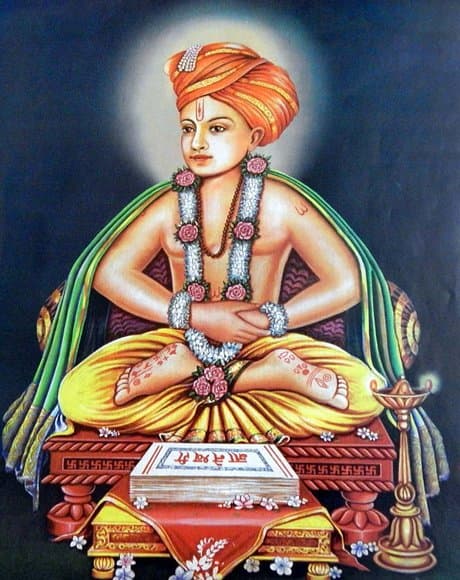
जी गीतारत्नप्रासादाचा
कळसु अर्थचिंतामणीचा
सर्व गीतादर्शनाचा
पाढाऊं जो
The pinnacle of the jewel-temple of the Gītā, made of the wish-fulfilling gem of its meaning — revealing the vision of the whole Gītā. (our gloss)
Jñāneśvarī, adhyāya 18, ovī 30 — original Marathi via Wikisource
1785
Warren Hastings
Governor-General of Bengal, commissioning the first English translation
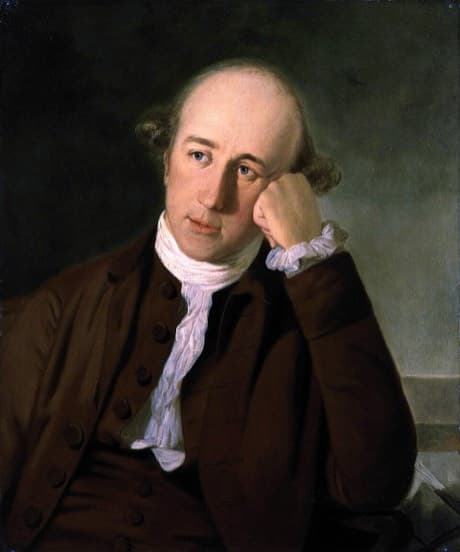
These will survive when the British dominion in India shall have long ceased to exist, and when the sources which once yielded of wealth and power are lost to remembrance.
Letter prefacing Charles Wilkins's Bhagvat-Geeta, 1785
1840s
Ralph Waldo Emerson
American essayist and poet
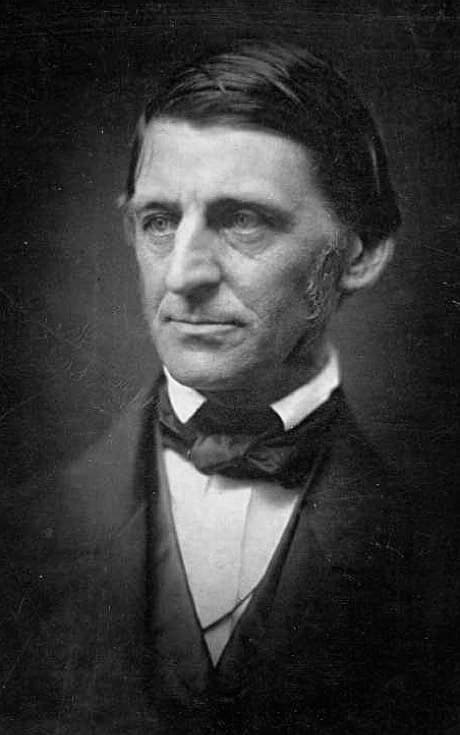
It was the first of books; it was as if an empire spoke to us, nothing small or unworthy, but large, serene, consistent.
Journals, 1840s
1854
Henry David Thoreau
Author of Walden
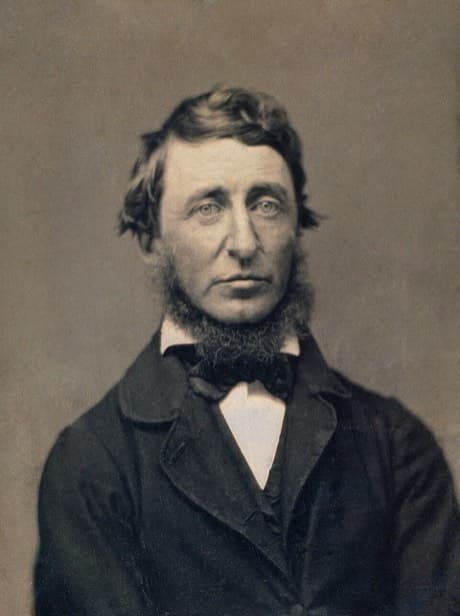
In the morning I bathe my intellect in the stupendous and cosmogonal philosophy of the Bhagvat Geeta… in comparison with which our modern world and its literature seem puny and trivial.
Walden, 'The Pond in Winter', 1854
19TH CENTURY
Sri Ramakrishna
Bengali mystic
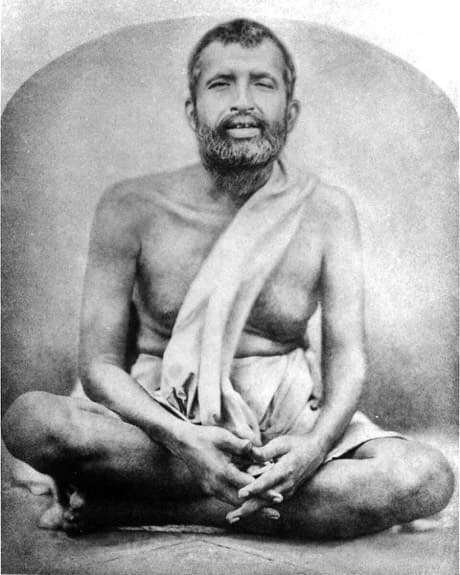
Say 'Gītā' rapidly many times and it becomes 'tāgi' — one who has renounced. That is the secret of the Gītā.
The Gospel of Sri Ramakrishna, 19 September 1884
1890s
Swami Vivekananda
Who carried Vedānta to the West
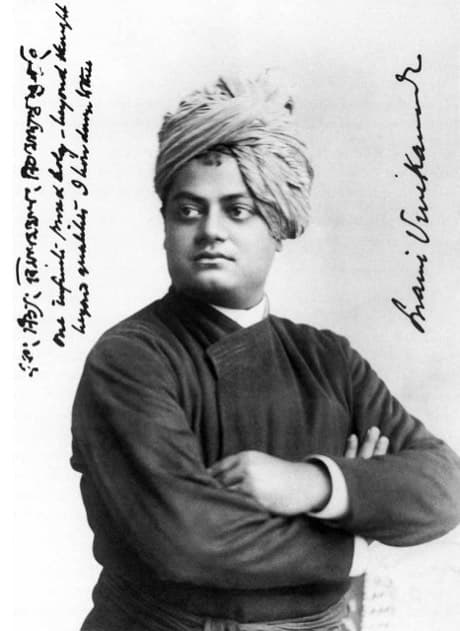
…the Gita is like these truths beautifully arranged together in their proper places — like a fine garland or a bouquet of the choicest flowers.
Thoughts on the Gita, Complete Works, Vol. IV
1915
Bal Gangadhar Tilak
Lokmanya — scholar of the freedom movement, who wrote his Gītā-Rahasya in prison
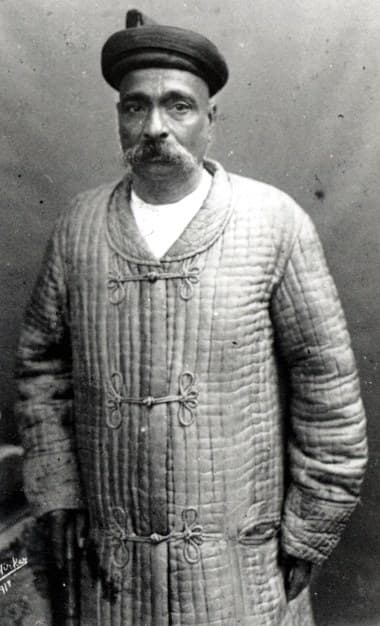
How very profound is the importance of the Gītā, which was expounded in ancient times by wise men.
Gītā-Rahasya, Author's Preface (tr. Sukthankar, 1935)
1925
M. K. Gandhi
Leader of India's freedom movement
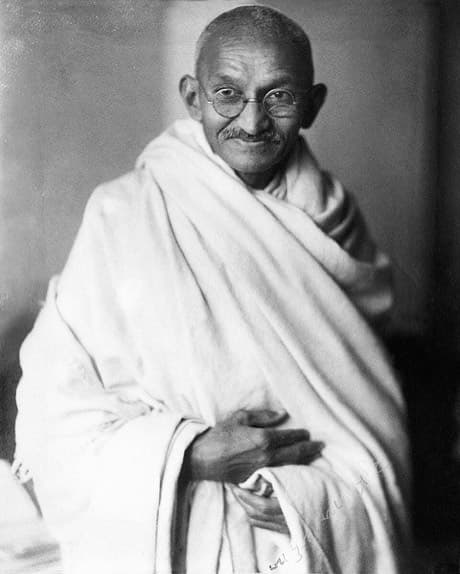
When doubts haunt me, when disappointments stare me in the face, and I see not one ray of light on the horizon, I turn to the Bhagavad Gītā and find a verse to comfort me.
Young India, 1925
The verses he turned to1916
Sri Aurobindo
Philosopher and yogi
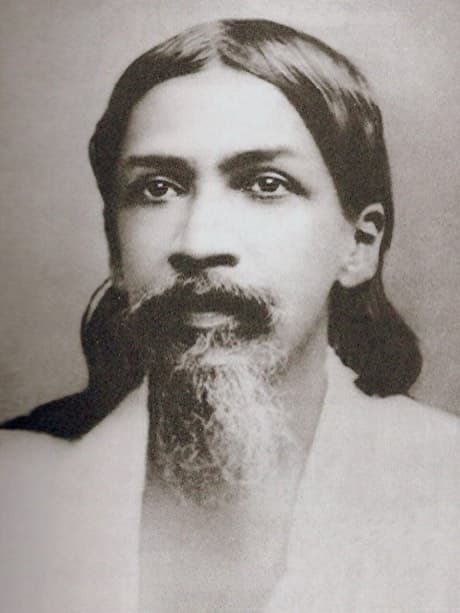
We approach it for help and light… to distinguish its essential and living message, that in it on which humanity has to seize for its perfection and its highest spiritual welfare.
Essays on the Gita, 1916–20
1922
Annie Besant
Whose translation you are reading throughout GitaDeep
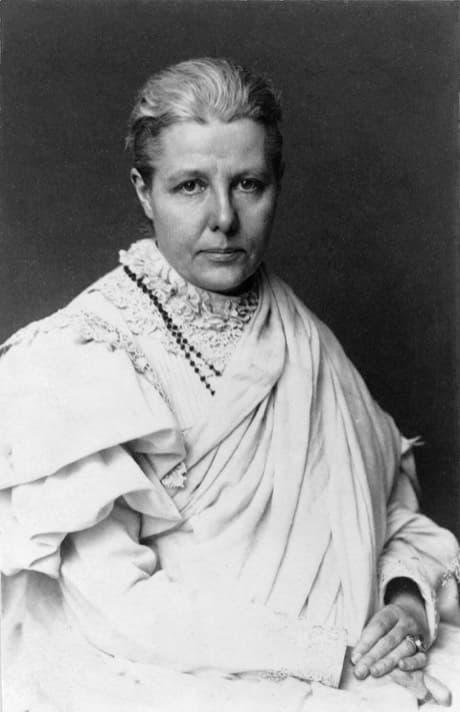
Among the priceless teachings that may be found in the great Hindu poem of the Mahābhārata, there is none so rare and precious as this — The Lord's Song.
Preface to her translation, 1922
Read her translation1933
J. Robert Oppenheimer
Physicist — he began learning Sanskrit to read it, and would recall it at the Trinity test
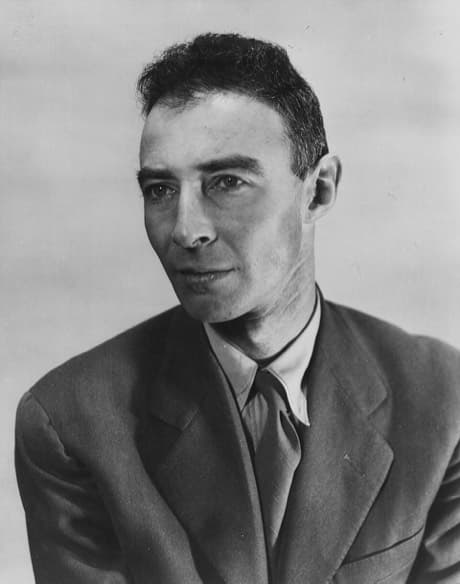
…very easy and quite marvelous… the most beautiful philosophical song existing in any known tongue.
Letter to his brother Frank, 1933
The verse he remembered1942
Swami Sivananda
Founder of the Divine Life Society
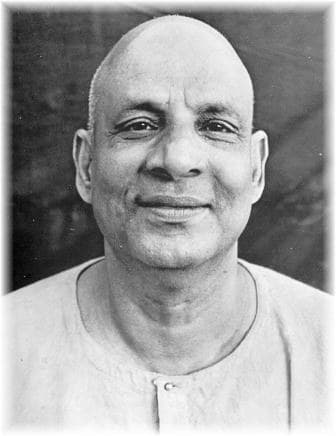
The Gita is the cream of the Vedas. It is the essence of the Upanishads. It is a universal scripture applicable to people of all temperaments and for all times.
The Bhagavad Gita, Introduction
20TH CENTURY
Paramahansa Yogananda
Author of Autobiography of a Yogi
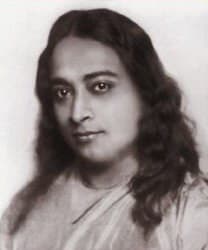
The Bhagavad Gita is the most beloved scripture of India, a scripture of scriptures.
God Talks with Arjuna (published 1995)
1962
A. P. J. Abdul Kalam
Aerospace scientist and 11th President of India — he steadied himself with these verses before the interview that launched his career
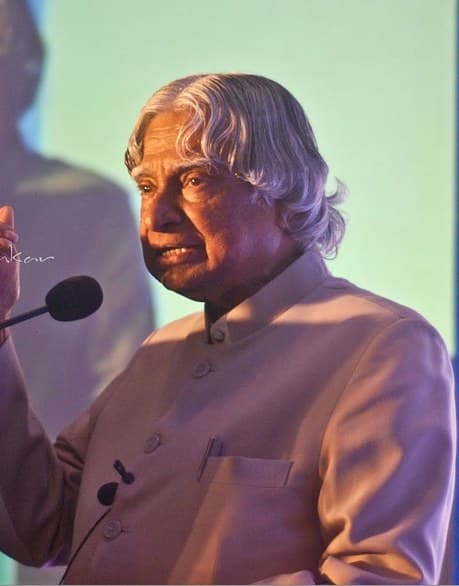
All beings are born to delusion . . . overcome by the dualities which arise from wish and hate . . . . But those men of virtuous deeds in whom sin has come to an end, freed from the delusion of dualities, worship Me steadfast in their vows.
Wings of Fire, 1999 — recalling Bhagavad Gītā 7.27–28
The verses he recited2006
Sunita Williams
NASA astronaut — the Gītā has now left the planet
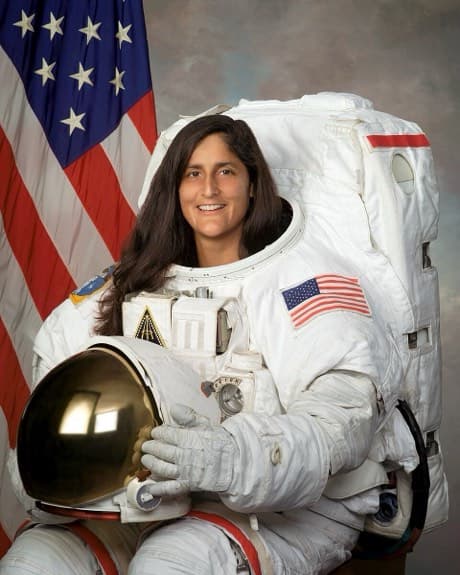
Carried the Bhagavad Gītā with her aboard the International Space Station.
NASA Expedition 14, December 2006
Read what traveledTODAY
You
The river continues. What have you seen in it?
Your voice lives on this device, part of your practice — it is not published.
Two famous lines — one attributed to Einstein, one to Hermann Hesse — circulate widely. We could not trace either to any primary source, so we do not print them. Every voice on this page is cited.
Read it yourselfPortraits
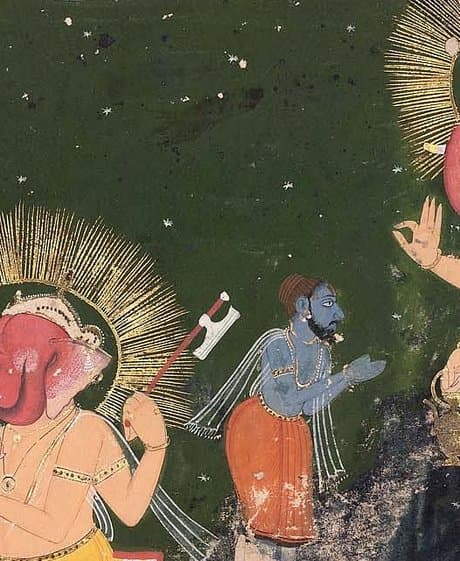
- Vyāsa dictating the Mahābhārata to Gaṇeśa, illustrated Mahābhārata folio, Mewar, Rajasthan (17th century; Museum of Fine Arts, Boston). Wikimedia Commons, public domain.
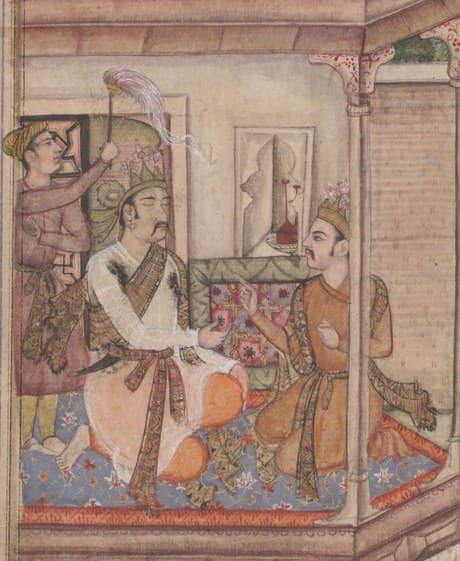
- Dhṛtarāṣṭra listening to Sañjaya, Mughal Mahābhārata folio attributed to Da’ud (1599). Wikimedia Commons, public domain.
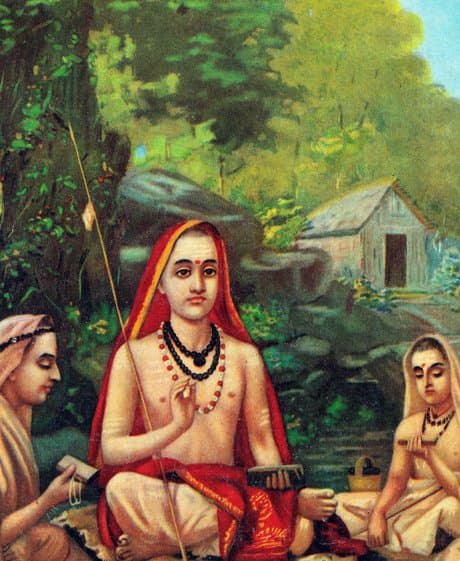
- Ādi Śaṅkarācārya with his disciples, painting by Raja Ravi Varma (c. 1904). Wikimedia Commons, public domain.
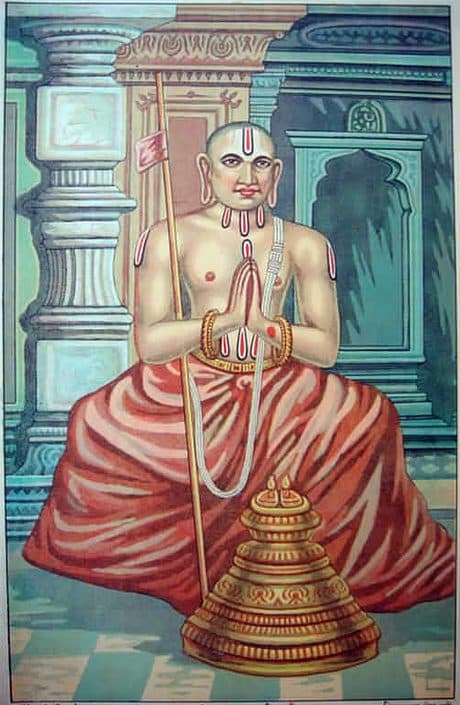
- Rāmānuja, chromolithograph by Chitrashala Press (1920s). Wikimedia Commons, public domain.
- Sant Jñāneśvar, painting by Swapniladitya (2015). Wikimedia Commons, CC BY-SA 4.0.
- Warren Hastings, portrait by Tilly Kettle (c. 1772). Wikimedia Commons, public domain.
- Ralph Waldo Emerson, photograph (c. 1857). Wikimedia Commons, public domain.
- Henry David Thoreau, daguerreotype by Benjamin D. Maxham (1856). Wikimedia Commons, public domain.
- Sri Ramakrishna, photograph (1881). Wikimedia Commons, public domain.
- Swami Vivekananda, Chicago (1893). Wikimedia Commons, public domain.
- Bal Gangadhar Tilak, photograph (unknown author). Wikimedia Commons, public domain.
- M. K. Gandhi, studio portrait by Elliott & Fry (1931). Wikimedia Commons, public domain.
- Sri Aurobindo, photograph (1922). Wikimedia Commons, public domain.
- Annie Besant, Library of Congress. Wikimedia Commons, public domain.
- J. Robert Oppenheimer (1944). Wikimedia Commons, public domain.
- Swami Sivananda of Rishikesh, photograph credited to Nobody60. Wikimedia Commons, CC BY-SA 3.0.
- Paramahansa Yogananda, photograph (1946). Wikimedia Commons, public domain.
- A. P. J. Abdul Kalam, photograph by Pushkarv (2012). Wikimedia Commons, CC BY 3.0.
- Sunita Williams, NASA portrait. Wikimedia Commons, public domain (NASA).