

Bhagavad Gītā · Chapter 18 · Mokṣa Sannyāsa Yoga
सर्वभूतेषु येनैकं भावमव्ययमीक्षते
अविभक्तं विभक्तेषु तज्ज्ञानं विद्धि सात्त्विकम्
sarvabhūteṣu yenaikaṃ bhāvamavyayamīkṣate|avibhaktaṃ vibhakteṣu tajjñānaṃ viddhi sāttvikam||
Word meanings
येन = by which
सर्वभूतेषु = in all beings
अविभक्तम् = undivided
एकम् = one
अव्ययम् = imperishable
भावम् = the existence
ईक्षते = perceives
तत् = that
ज्ञानम् = that knowledge
सात्त्विकम् = sattvic
विद्धि = know
Translation
That by which man perceives one imperishable divine existence as undivided and equally present in all individual beings, know that knowledge to be Sattvika.
Commentary
The commentators seated around this verse
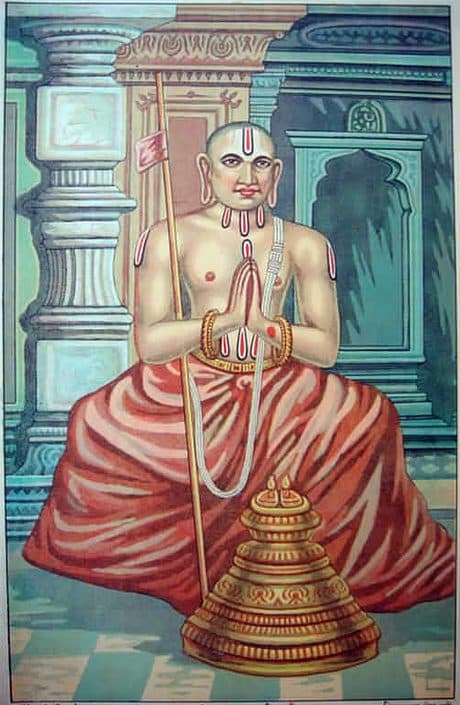
Rāmānuja · Viśiṣṭādvaita
English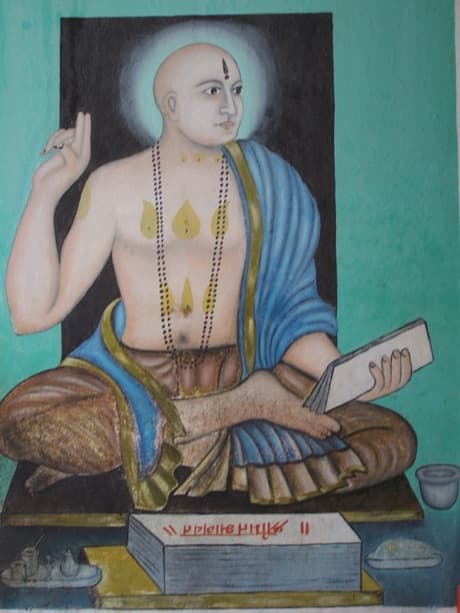
Madhvācārya · Dvaita
Madhva BhāṣyaSanskritEnglish“एकं भावम् विष्णुम् |” - Single Source is Sri Vishnu.
Madhvācārya · Dvaita
Gītā Tātparya NirṇayaSanskritEnglish“अस्तित्वाद् भूतनामम्यः सर्वजीवेभ्य एव यत् | मुक्तेभ्योऽपि पृथक्त्वेन विष्णोः सर्वत्रगस्य च | ऐक्येन च स्वरूपाणां प्रादुर्भावादिकात्मनाम् | तारतम्येन जीवानां भेदेनैव परस्परम् | जडेभ्यचैव जीवानां जडानां च परस्परम् | तेभ्यो विष्णोश्च सम्यक् तल्लक्षणज्ञानपूर्वकम् | ज्ञानं साच्चिकमुद्दिष्टं यत् साक्षान्मुक्तिकारणम् ||” - Existence, having been known as the basis in all creatures and also in the liberated ones in distinctive manner, Sri Vishnu alone is here referred to. Even though manifesting in all forms in similar manner, yet separate according to the gradation in and between each Jiva. Those which are seen as Gross, distinct from the Jivas and distinct in and between the Jivas themselves, they are all distinct from Sri Vishnu, which knowledge is their distinctive characteristics. This wisdom being saatvik becomes the cause for deliverance.
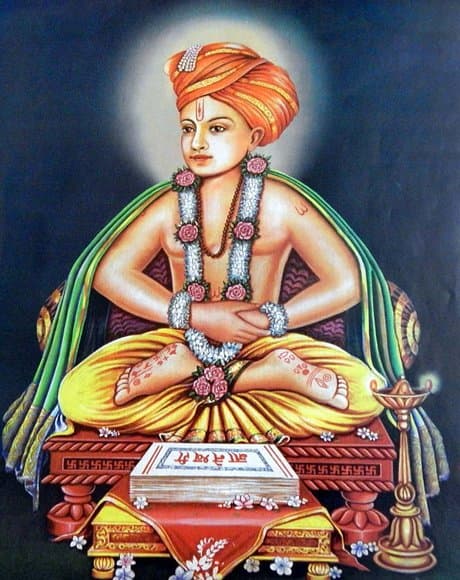
Jñāneśvar · Vārkarī
English20 'Amidst all the beings, that whereby one is enabled to discern one Immutable Essence—itself (one and) undivided amidst these that are (many and) diversified—that knowledge, understand, is Sattva-dominated. (529)
That, Oh Arjuna, is the pure and Sattva-dominated knowledge, with the rise of which, the object of knowledge along with the knowing agent disappears (lit. is drowned). The darkness cannot see the Sun, or the ocean knows not the rivers; or one cannot grasp for an embrace one's own shadow. In that way this knowledge discerns no distinctions between being and being from God Shiva down to the very straw. (One would find nothing) were one to try to feel a picture with his hands, or to wash salt with water, or to experience a dream while awake. In that way that knowledge is Sattvic in the light of which, there remains nothing to be seen of knowledge or the object to be known or the knowing agent in the way one cannot have ornaments of choice merely by melting one's gold or one cannot separate ripples from water merely by straining it through. Similarly that is Sattvic knowledge, know ye, which is unable to grasp the distinction between diversified appearance of things—a natural phenomenon to the worldly mortal. One even casually looking into the mirror only sees his own reflection in it,—in that way (with the coming of) that knowledge, the object to be known retreats and vanishes, the object transfiguring the knowing agent and that knowledge is also a temple of Goddess Lakshmi in the form of liberation,—that knowledge is Sattvic knowledge, I repeat. But that apart: now hear about the signs of Rajas (knowledge).
Swami Ramsukhdas · Modern
English'Sarvabhūteṣu yenaikam bhāvamavyayamikṣate avibhaktam vibhakteṣu'—All beings and things etc., are kaleidoscopic, they have no existence of their own. But they seem to exist, in the light of the Imperishable Lord, Who pervades everywhere. A man, out of ignorance sees their existence. As soon as his ignorance is removed, and he gains knowledge, he realizes the existence of God, in all the perishable beings, and things etc.
Having gained knowledge a striver, sees the imperishable Supreme Lord, abiding equally in all perishable beings (Gītā 13/27). Though He is undivided, yet He seems to be divided among beings, things, circumstances and incidents etc., (Gītā 13/16). A striver, beholds only imperishable essence, in all the objects, whichever undergo changes. How to know that, he sees
only the Lord? He remains free, from attachment and aversion. This is the criterion.
'Tajjñānaṁ viddhi sāttvikam'—This knowledge, is known to be sāttvika. It is called Sāttvika, because of affinity with things and inclinations etc. If this affinity, is renounced, this knowledge is Self-realization, which ought to be known, as stated by Lord Kṛṣṇa. He declares, 'I will describe, that which ought to be known and knowing which, one attains immortality' (Gītā 13/12).
A Vital Fact
The universe, is known by senses, the senses are known by intellect, and intellect is known by 'I'. The universe, the senses and the intellect, are known by 'I'. But there is one Illuminator, Who illuminates this 'I' also. That Illuminator is all-pervasive and infinite, while 'I' is limited and finite. 'You' (thou), 'this' and 'that', are also illumined in that light, as 'I' is illumined. That Illuminator, is not subject to illumination. That is Illumination-Incarnate. He is attributeless, the Absolute. He is undivided and He illuminates, everything. His illumination in a particular person, is called sāttvika knowledge.
In other words, Sāttvika knowledge, can be explained, in this way. All the beings, are included in 'I', 'you', 'this' and 'that'. They are diverse, but He who illumines them, is indivisible. They ever undergo changes and are not real, but He ever remains uniform. All the four, 'I', 'you', 'this', and 'that', are not really existent, in that Illuminator. But they get their seeming existence, by that Illuminator only. That Illuminator, illumines all and He Himself is an embodiment of illumination. They are separate (divided), while He as their illuminator, remains undivided. This is sāttvika knowledge. Being pure and illuminating, this knowledge, illumines all divisible, changeable and perishable beings, and objects (Gītā 14/6).
This sāttvika knowledge is said to be the illuminator from
the point of view of the illumined and indivisible from the point of view of the divisible. But when it has no connection with the illumined and divisible objects, it is in fact attributeless, absolute and real knowledge itself.
**Appendix**—As a common man holds that the Self pervades the entire body, similarly a striver holds that God pervades the entire universe. As the body and the world are one (identical), so are the Self and God one.
From the view-point of a striver, beings also, have their own existence, so his knowledge is 'Sāttvika'. If from his view-point there is no separate existence of beings but there is only one imperishable existence, then it is the transcendental entity viz., Self-realization (attainment of Brahma). That imperishable entity pervades equally everywhere. We have our natural identity with that entity.
*Link:—The Lord, now describes, Rājasika knowledge (knowledge of the nature of passion).*
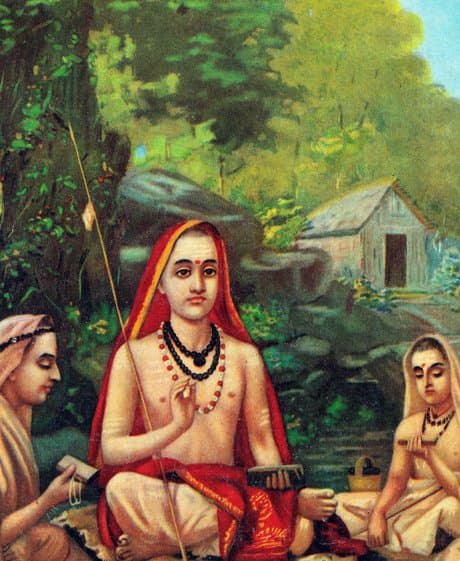
Ādi Śaṅkarācārya · Advaita
Sanskritसर्वभूतेषु अव्यक्तादिस्थावरान्तेषु भूतेषु येन ज्ञानेन एकं भावं वस्तु - भावशब्दः वस्तुवाची, एकं आत्मवस्तु इत्यर्थः; अव्ययं न व्येति स्वात्मना स्वधर्मेण वा, कूटस्थं इत्यर्थः; ईक्षते पश्यति येन ज्ञानेन, तं च भावं अविभक्तं प्रतिदेहं विभक्तेषु देहभेदेषु न विभक्तं तत् आत्मवस्तु, व्योमवत् निरन्तरमित्यर्थः; तत् ज्ञानं साक्षात् सम्यग्दर्शनं अद्वैतात्मविषयं सात्त्विकं विद्धि इति ॥
यानि द्वैतदर्शनानि तानि असम्यग्भूतानि राजसानि तामसानि च इति न साक्षात् संसारोच्छित्तये भवन्ति -
Ādi Śaṅkarācārya · Advaita
Hindiपहले (तीन श्लोकोद्वारा) ज्ञानके तीन भेद कहे जाते हैं।
जिस ज्ञानके द्वारा मनुष्य अव्यक्तसे लेकर स्थावरपर्यन्त समस्त भूतोंमें एकभाव—एक आत्मवस्तु, जो कि अपने स्वरूपसे या धर्मसे कभी क्षय नहीं होता, ऐसा अविनाशी और कूटस्थ नित्यतत्त्व देखता है। यहाँ भाव शब्द वस्तु-वाचक है।
तथा (जिस ज्ञानके द्वारा) उस आत्मतत्त्वको अलग-अलग प्रत्येक शरीरमें विभागरहित अर्थात् आकाशके समान समभावसे स्थित देखता है, उस ज्ञानको अर्थात् अद्वैतभावसे आत्मसाक्षात्कार कर लेनेको तू सात्त्विक ज्ञानपूर्ण ज्ञान जान।
जो द्वैतदर्शनरूप अयथार्थ ज्ञान है, वे राजस-तामस हैं, अतः वे संसारका उच्छेद करनेमें साक्षात् हेतु नहीं हैं
Jñāneśvar · Vārkarī
Marathiतरी अर्जुना गा तें फुडें । सात्विक ज्ञान चोखडें । जयाच्या उदयीं ज्ञेय बुडे । ज्ञातेनिसीं ॥ ५२९ ॥ जैसा सूर्य न देखे अंधारें । सरिता नेणिजती सागरें । कां कवळिलिया न धरे । आत्मछाया ॥ ५३० ॥ तयापरी जया ज्ञाना । शिवादि तृणावसाना । इया भूतव्यक्ति भिन्ना । नाडळती ॥ ५३१ ॥ जैसें हातें चित्र पाहातां । होय पाणियें मीठ धुतां । कां चेवोनि स्वप्ना येतां । जैसें होय ॥ ५३२ ॥ तैसें ज्ञानें जेणें । करितां ज्ञातव्यातें पाहाणें । जाणता ना जाणणें । जाणावें उरे ॥ ५३३ ॥ पैं सोनें आटूनि लेणीं । न काढिती आपुलिया आयणी । कां तरंग न घेपती पाणी । गाळूनि जैसें ॥ ५३४ ॥ तैसी जया ज्ञानाचिया हाता । न लगेचि दृश्यपथा । तें ज्ञान जाण सर्वथा । सात्विक गा ॥ ५३५ ॥ आरिसा पाहों जातां कोडें । जैसें पाहातेंचि कां रिगे पुढें । तैसें ज्ञेय लोटोनि पडे । ज्ञाताचि जें ॥ ५३६ ॥ पुढती तेंचि सात्विक ज्ञान । जें मोक्षलक्ष्मीचें भुवन । हें असो ऐक चिन्ह । राजसाचें ॥ ५३७ ॥
Jñāneśvar · Vārkarī
Hindi(18.529) हे अर्जुन! शुद्ध सात्त्विक ज्ञान असल में वह है जिसका उदय होते ही ज्ञेय वस्तु ज्ञाता-सहित विलीन हो जावे।
(18.530) जैसे सूर्य कभी अन्धकार नहीं देखता, समुद्र कभी यह नहीं जानता कि नदी कैसी होती है, अथवा जैसे कभी अपनी छाया को आलिंगन नहीं दिया जा सकता
(18.531) वैसे ही जिस ज्ञान के द्वारा शिव से लेकर तृण-पर्यन्त सम्पूर्ण भूत-व्यक्तियाँ भिन्न नहीं दिखाई देती,
(18.532) अथवा जैसे लिखे हुए चित्र पर हाथ फेरने पर, लवण को जल से धोने पर अथवा स्वप्न से जागृत होने पर जैसी स्थिति होती है
(18.533) वैसे ही जिस ज्ञान के द्वारा ज्ञेय को देखते ही न ज्ञाता, न ज्ञान, न ज्ञेय शेष रहता है;
(18.534) जैसे अलंकार का गला कर सोना नहीं अलगाया जा सकता अथवा पानी छान कर तरंग अलग नहीं की जा सकती
(18.535) वैसे ही जिस ज्ञान से कोई दृश्य वस्तु भिन्न दिखाई नहीं देती वही ज्ञान वास्तव में सात्त्विक ज्ञान है। (18.536) कुतूहल से दर्पण देखने जाइए तो देखनेहारा ही सन्मुख आ खड़ा होता है, वैसे हो जिस ज्ञान के द्वारा ज्ञेय ज्ञाता का ही उलट कर आया हुआ स्वरूप जान पड़ता है
(18.537) वही, मैं फिर कहती हूँ, सात्विक ज्ञान है जे मानों मोक्ष-लक्ष्मी का मन्दिर है। अस्तु, अब राजस ज्ञान का लक्षण सुनो।
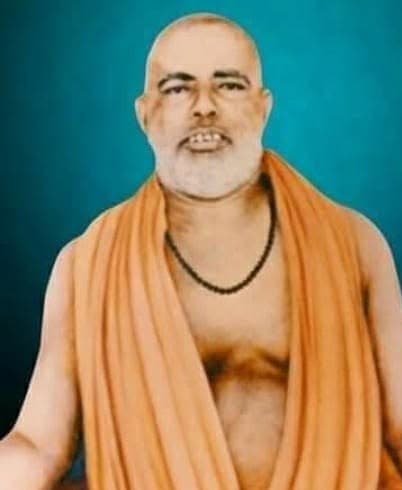
Sri Udiya Baba · Modern
Hindiभावार्थ— जिस ज्ञान के द्वारा मनुष्य अलग-अलग सब प्राणियों में एक अविभक्त अविनाशी भाव देखता है। उस ज्ञान को तुम सात्त्विक जानो।
व्याख्या— ऐसा ज्ञान पूर्व पुण्य और ईश्वर एवं गुरुदेव की कृपा से ही होता है। यही यथार्थ ज्ञान है। ऐसा होने पर सब अपने ही हो जाते हैं, किसी में कोई राग-द्वेष नहीं रहता। यह स्त्री है, यह पुरुष है, यह ब्राह्मण है—इत्यादि देखना भेद-ज्ञान है। जहाँ भेद होता है वहाँ राग-द्वेष होता है। सच पूछा जाय तो सबमें एक सत्ता देखना ही ज्ञान है और भेद-दृष्टि ही अज्ञान है। परन्तु भक्ति में कार्य-दृष्टि का महत्व
होता है और ज्ञान में कारण-दृष्टि का। कहीं कारण का महत्व अधिक होता है कहीं कार्य का। जैसे लोक में पुत्र की अपेक्षा माता पिता को बड़ा माना जाता है। परन्तु संन्यास ले लेने पर पुत्र ही बड़ा हो जाता है। लकड़ी एक रुपये की होती है परन्तु उसकी मूर्ति घड़ ली जाय तो वह १० रुपये की हो जाती है। किन्तु माया जीव-जगत्—ये सब स्वप्नमात्र है—ऐसी दृष्टि हो तो कारणदृष्टि ही का विशेष महत्व होता है।
Swami Ramsukhdas · Modern
Hindi‘सर्वभूतेषु येनैकं ... अविभक्तं विभक्तेषु’—व्यक्ति, वस्तु आदिमें जो ‘है’ पन दीखता है, वह उन व्यक्ति, वस्तु आदिका नहीं है, प्रत्युत सबमें परिपूर्ण परमात्माका ही है। उन व्यक्ति, वस्तु आदिकी स्वतन्त्र सत्ता ही नहीं है; क्योंकि उनमें प्रतिक्षण परिवर्तन हो रहा है। कोई भी व्यक्ति, वस्तु आदि ऐसी नहीं है, जिसमें परिवर्तन न होता हो; परन्तु अपनी अज्ञता-(बेसमझी-)से उनकी सत्ता दीखती है। जब अज्ञता मिट जाती है, ज्ञान हो जाता है, तब साधककी दृष्टि उस अविनाशी तत्त्वकी तरफ ही जाती है, जिसकी सत्तासे यह सब सत्तावान् हो रहा है।
ज्ञान होनेपर साधककी दृष्टि परिवर्तनशील वस्तुओंको भेदकर परिवर्तनरहित तत्त्वकी ओर ही जाती है (गीता—तेरहवें अध्यायका सत्ताईसवाँ श्लोक)। फिर वह विभक्त अर्थात् अलग-अलग वस्तु, व्यक्ति, परिस्थिति, घटना आदिमें विभागरहित एक ही तत्त्वको देखता है (गीता—तेरहवें अध्यायका सोलहवाँ श्लोक)। तात्पर्य यह है कि अलग-अलग वस्तु, व्यक्ति आदिका अलग-अलग ज्ञान और यथायोग्य अलग-अलग व्यवहार होते हुए भी वह इन विकारी वस्तुओंमें उस स्वतःसिद्ध निर्विकार एक तत्त्वको देखता है। उसके देखनेकी यही पहचान है कि उसके अन्तःकरणमें राग-द्वेष नहीं होते।
‘तज्ज्ञानं विद्धि सात्त्विकम्’—उस ज्ञानको तू सात्त्विक जान। परिवर्तनशील वस्तुओं, वृत्तियोंके सम्बन्धसे ही इसे
‘सात्त्विक ज्ञान’ कहते हैं। सम्बन्धरहित होनेपर यही ज्ञान ‘वास्तविक बोध’ कहलाता है, जिसको भगवान्ने सब साधनोंसे जाननेयोग्य ज्ञेय-तत्त्व बताया है—‘ज्ञेयं यत्तत्प्रवक्ष्यामि यज्ज्ञात्वामृतमश्नुते’ (गीता १३। १२)।
मार्मिक बात
संसारका ज्ञान इन्द्रियोंसे होता है, इन्द्रियोंका ज्ञान बुद्धिसे होता है और बुद्धिका ज्ञान ‘मैं’से होता है। वह ‘मैं’ बुद्धि, इन्द्रियाँ और विषय—इन तीनोंको जानता है। परन्तु उस ‘मैं’ का भी एक प्रकाशक है, जिसमें ‘मैं’ का भी भान होता है। वह प्रकाश सर्वदेशीय और असीम है, जबकि ‘मैं’ एकदेशीय और सीमित है। उस प्रकाशमें जैसे ‘मैं’ का भान होता है, वैसे ही ‘तू’, ‘यह’ और ‘वह’ का भी भान होता है। वह प्रकाश किसीका भी विषय नहीं है। वास्तवमें वह प्रकाश निर्गुण ही है; परन्तु व्यक्ति-विशेषमें रहनेवाला होनेसे (वृत्तियोंके सम्बन्धसे) उसे ‘सात्त्विक ज्ञान’ कहते हैं।
इस सात्त्विक ज्ञानको दूसरे ढंगसे इस प्रकार समझना चाहिये—‘मैं’, ‘तू’, ‘यह’ और ‘वह’—ये चारों ही किसी प्रकाशमें काम करते हैं। इन चारोंके अन्तर्गत सम्पूर्ण प्राणी आ जाते हैं, जो विभक्त हैं; परन्तु इनका जो प्रकाशक है, वह अविभक्त (विभागरहित) है।
बोलनेवाला ‘मैं’, उसके सामने सुननेवाला ‘तू’ और पासवाला ‘यह’ तथा दूरवाला ‘वह’ कहा जाता है अर्थात् बोलनेवाला अपनेको ‘मैं’ कहता है, सामनेवालेको ‘तू’
कहता है, पासवालेको 'यह' कहता है और दूरवालेको 'वह' कहता है। जो 'तू' बना हुआ था, वह 'मैं' हो जाय तो 'मैं' बना हुआ 'तू' हो जायगा और 'यह' तथा 'वह' वही रहेंगे। इसी प्रकार 'यह' कहलानेवाला अगर 'मैं' बन जाय तो 'तू' कहलानेवाला 'यह' बन जायगा और 'मैं' कहलानेवाला 'तू' बन जायगा। 'वह' परोक्ष होनेसे अपनी जगह ही रहा। अब 'वह' कहलानेवाला 'मैं' बन जायगा तो उसकी दृष्टिमें 'मैं', 'तू' और 'यह' कहलानेवाले सब 'वह' हो जायेंगे। इस प्रकार 'मैं', 'तू', 'यह' और 'वह'—ये चारों ही एक-दूसरेकी दृष्टिमें चारों ही बन सकते हैं।
इससे यह सिद्ध हुआ कि 'मैं', 'तू', 'यह' और 'वह'—ये सब परिवर्तनशील हैं अर्थात् टिकनेवाले नहीं हैं, वास्तविक नहीं हैं। अगर वास्तविक होते तो एक ही रहते। वास्तविक तो इन सबका प्रकाशक और आश्रय है, जिसके प्रकाशमें 'मैं', 'तू', 'यह' और 'वह' का भान हो रहा है। उस प्रकाशकमें 'मैं', 'तू', 'यह' और 'वह'—ये चारों ही
नहीं हैं, प्रत्युत उसीसे इन चारोंको सत्ता मिलती है। अपनी मान्यताके कारण 'मैं', 'तू', 'यह', 'वह' का तो भान होता है, पर प्रकाशकका भान नहीं होता। वह प्रकाशक सबको प्रकाशित करता है, स्वयंप्रकाश-स्वरूप है और सदा ज्यों-का-त्यों रहता है। 'मैं', 'तू', 'यह' और 'वह'—यह सब विभक्त प्राणियोंका स्वरूप है और जो वास्तविक प्रकाशक है, वह विभागरहित है। यही वास्तवमें 'सात्त्विक ज्ञान' है।
विभागवाली, परिवर्तनशील और नष्ट होनेवाली जितनी वस्तुएँ हैं, यह ज्ञान उन सबका प्रकाशक है और स्वयं भी निर्मल तथा विकाररहित है—**तत्र सत्त्वं निर्मलत्वात् प्रकाशकमनामयम्** (गीता १४। ६)। इसलिये इस ज्ञानको 'सात्त्विक' कहा जाता है।
वास्तवमें यह 'सात्त्विक ज्ञान' प्रकाश्यकी दृष्टि-(सम्बन्ध-)से 'प्रकाशक' और विभक्तकी दृष्टिसे 'अविभक्त' कहा जाता है। प्रकाश्य और विभक्तसे रहित होनेपर तो यह निर्गुण, निरपेक्ष 'वास्तविक ज्ञान' ही है।
**परिशिष्ट भाव**—जैसे साधारण मनुष्य शरीरमें अपनेको व्यापक मानता है, ऐसे ही साधक संसारमें परमात्माको व्यापक मानता है। जैसे शरीर और संसार एक हैं, ऐसे ही स्वयं और परमात्मा एक हैं।
साधककी दृष्टिमें प्राणियोंकी भी सत्ता रहनेके कारण यह 'सात्त्विक ज्ञान' (विवेक) कहा गया है। अगर उसकी दृष्टिमें प्राणियोंकी सत्ता न रहे, केवल अविनाशी सत्ता ही रहे तो यह गुणातीत 'तत्त्वज्ञान' (ब्रह्मकी प्राप्ति) ही है। वह अविनाशी सत्ता सब जगह समानरूपसे विद्यमान है। उस सत्ताके साथ हमारी स्वाभाविक एकता है।
सम्बन्ध—अब राजस ज्ञानका वर्णन करते हैं।
In varṇa-āśrama or the divisions of society the Brahmins comprise the spiritual hierarchy, the kṣatriyas the royal and warrior class, the Vaiṣyas the farmer and mercantile class and the śūdra the worker class serving the previous three.
The other four divisions are brahmacāri, or celibate student life, grihastha or married householder life, Vānaprastha or separation from wife and family and sannyāsa or complete renunciation from society and exclusive devotion to the Supreme Lord Krishna or any of His authorised incarnations as revealed in Vedic scriptures.
There are all variances in appearance within these eight divisions such as tall, strong, attractive, delicate, etc.
Yet one who sees the one undivided, spiritual reality of the ātma or immortal souls existing equally within all jīvas or embodied beings and perceives that they are all inconceivably indivisible although manifesting individually sharing collectively in eternality, is firmly situated in sattva guṇa the mode of goodness.
One who sees the ātma as indestructible and unchangeable within the destructible and changeable physical body
and who, although performing variegated prescribed activities in any capacity, has comprehended that they are not the actual doer and also have no interest in the rewards of actions is situated in sattva guṇa.