

Bhagavad Gītā · Chapter 18 · Mokṣa Sannyāsa Yoga
य इमं परमं गुह्यं मद्भक्तेष्वभिधास्यति
भक्तिं मयि परां कृत्वा मामेवैष्यत्यसंशयः
ya imaṃ paramaṃ guhyaṃ madbhakteṣvabhidhāsyati|bhaktiṃ mayi parāṃ kṛtvā māmevaiṣyatyasaṃśayaḥ||
Word meanings
मयि = in Me
पराम्, भक्तिम् = supreme devotion
कृत्वा = having made
यः = who
इदम् = this
परमम् = supreme
गुह्यम् = secret teaching
मद्भक्तेषु = among my devotees
अभिधास्यति = will proclaim
माम् = me
एव = indeed
एष्यति = he shall come
असंशयः = without doubt
Translation
He who, offering the highest love to Me, preaches the most profound gospel of the Gita among My devotees, shall come to Me alone; there is no doubt about it.
Commentary
The commentators seated around this verse
Rāmānuja · Viśiṣṭādvaita
English
Madhvācārya · Dvaita
SanskritEnglishOn verses 18.68–18.71
“सोऽपि मुक्तः | न च तस्मान्मनुष्येषु | इत्युक्तेर्मुक्तानां महत् तारतम्यं ज्ञायते | मनुष्येषु इति विशेषणात् तत्रापि देवानामधिक्यं च || मुक्तिर्ज्ञात्वाऽपि विष्णुं स्याच्छास्त्रं श्रुत्वा ततोऽधिकम् | मुक्तौ सुखं तत् पठतस्ततोऽप्यधिकमिष्यते | व्याख्यातुरस्तु समं मुक्तौ सुखं नान्यस्य कस्यचित् | ततोऽधिकं तु देवानां मुख्यव्याख्याकृतो यतः || इति च ||” - He, verily, is the liberated, There is no human like him having spoken such words the gradation of the men is shown. Specially in the case of human beings and more specially among the gods. Even through listening, the science leads one to liberation the knowledge of Sri Vishnu’s supremacy brings additional energy. By listening the liberated one receives pleasure, by austerity it becomes established. There is no greater pleasure than to the one than this who has spoken about the Gita. But the gods receive immense pleasure because it is they who primarily sing the Divine Song.
Jñāneśvar · Vārkarī
English68 "He who proclaims this, the Supreme Secret, amongst My devotees: he, having conceived the highest devotion towards Me, shall reach Me straight: of this there is no doubt. (1507)
Therefore, you do instal the (image of) God in the form of Gītā-gem in the temple in the form of the devotee who after first making firm the foundation of austerities and then erecting on it, Oh Dhanurdhara, a temple in the form of devotion towards the Preceptor, and keeping its door open in the form of keen desire to hear, and lastly fixes over it a beautiful top (शिखर) of gems in the form of non-slander. And when you do this, you will also rise up, in this universe, to my own eminence. The Pranava (the Hindu Triad) was shut up in its mystic monolettered form 'Om' (ॐ) in the womb formed by the three syllabic instants 'अ'-'उ'-'म'. That seat of the Vedas-that Hindu Triad-God germinated and sprouted into branches in the form of the Gītā; or the very 'Gāyatri' (गायत्री-the sacred verse of the Vedas) has come into being with flowers and fruit in the form of Gītā stanzas. Therefore, one who through genuine regard, will bring home to my devotees the Gītā teachings full of supreme secret, in the way one, who brings together a longing mother who cannot live without her pet child, and the child itself which has no other source of living than its mother, will come and be one with my essence, after the fall of his mortal body.
Swami Ramsukhdas · Modern
English‘Bhaktiṃ mayi parāṃ kṛtvā’—The supreme devotion means that the person does not impart this gospel of the Gītā, in order to receive praise, honour, fame and gifts etc. But his aim is to develop devotion to Him, to meditate on Him, to propagate His teachings, to liberate the people, from sorrow and suffering and to lead them, to salvation.
There is a difference between the devotion mentioned in the fifty-fourth verse of this chapter, and in this verse. There, a Sāṅkhya yogī having become one with Brahma (the Absolute), attains supreme devotion to the Lord i.e., he realizes his real affinity with God, which he has had since time immemorial. But here, a striver without having any worldly desire, for praise and honour etc., in the least, yearns for devotion to Him.
‘Ya imam paramam guhyaṃ’—The teaching of the Gītā as imparted in the whole Gītā, in the form of a dialogue between Lord Kṛṣṇa and Arjuna, is the supreme secret. The expression ‘Supreme secret, also includes whatever is secret or more secret, or the most secret.
‘Madbhakteṣvabhidhāsyati’—A devotee, is he who has faith in the Lord and His words and who wants to listen to His teaching. One who declares this teaching to His such devotees, attains Him.
In the preceding verse, in the expression ‘Nābhaktāya’—singular number was used, while here in ‘Madbhakteṣu’—plural number has been used. Why? The reason is, that if there is only one person, who is devoid of austerities or devotion or who is unwilling to
hear or who cavils, among many others, the speaker, should impart the gospel of the Gītā, because it will be beneficial to all of them, except one. When a man feeds sparrows with grains, sometimes even a crow comes, to pick some grains, though the man wants to feed the sparrows only. Similarly, a preacher (speaker) imparts the teaching of the Gītā only to those, who are qualified and deserving to listen, to it.
'Māmevaiṣyatyasaṃśayaḥ'—If a person, teaches this supreme secret to His devotees, aiming at God-realization, he will doubtlessly, attain Him. The reason is, that according to Gītā when a man, worshipping Him through the performance of his own duty, attains perfection (18/46) and also through the offer of bodily actions attains, Him (9/27-28); why should he not attain Him by propagating the gospel of the Gītā, having an aim of supreme devotion to Him?
Ādi Śaṅkarācārya · Advaita
Sanskritयः इमं यथोक्तं परमं परमनिःश्रेयसार्थं केशवार्जुनयोः संवादरूपं ग्रन्थं गुह्यं गोप्यतमं मद्भक्तेषु मयि भक्तिमत्सु अभिधास्यति वक्ष्यति, ग्रन्थतः अर्थतश्च स्थापयिष्यतीत्यर्थः, यथा त्वयि मया । भक्तेः पुनर्ग्रहणात् भक्तिमात्रेण केवलेन शास्त्रसंप्रदाने पात्रं भवतीति गम्यते । कथं अभिधास्यति इति, उच्यते - भक्तिं मयि परां कृत्वा ``भगवतः परमगुरोः अच्युतस्य शुश्रूषा मया क्रियते'' इत्येवं कृत्वेत्यर्थः । तस्य इदं फलं - मामेव एष्यति मुच्यते एव । असंशयः अत्र संशयः न कर्तव्यः ॥
किंच -
Ādi Śaṅkarācārya · Advaita
Hindiअब इस शास्त्र-परम्पराको चलानेवालोंके लिये फल बतलाते हैं—
जो मनुष्य, परम कल्याण जिसका फल है ऐसे इस उपर्युक्त कृष्णार्जुन-संवादरूप अत्यन्त गोप्य गीताग्रन्थको मुझमें भक्ति रखनेवाले भक्तोंमें सुनावेगा—ग्रन्थरूपसे या अर्थरूपसे स्थापित करेगा, अर्थात् जैसे मैंने तुझे सुनाया है वैसे ही सुनावेगा—
यहाँ भक्तिका पुनः ग्रहण होनेसे यह पाया जाता है कि मनुष्य केवल भगवान्की भक्तिसे ही शास्त्र प्रदानका पात्र हो जाता है।
कैसे सुनावेगा सो बतलाते हैं।
मुझमें पराभक्ति करके, अर्थात् परमगुरु भगवान्की मैं यह सेवा करता हूँ ऐसा समझकर, (जो इसे सुनावेगा) उसका यह फल है कि वह मुझे ही प्राप्त हो जायगा अर्थात् निःसंदेह मुक्त हो जायगा—इसमें संशय नहीं करना चाहिये
Jñāneśvar · Vārkarī
Marathiऐशा भक्तालयीं चोखटीं । गीतारत्नेश्वरु हा प्रतिष्ठीं । मग माझिया संवसाटी । तुकसी जगीं ॥ १५०९ ॥ कां जे एकाक्षरपणेंसीं । त्रिमात्रकेचिये कुशीं । प्रणवु होतां गर्भवासीं । सांकडला ॥ १५१० ॥ तो गीतेचिया बाहाळींं । वेदबीज गेलें पाहाळी.ण् । कीं गायत्री फुलींफळीं । श्लोकांच्या आली ॥ १५११ ॥ ते हे मंत्ररहय गीता । मेळवी जो माझिया भक्ता । अनन्यजीवना माता । बाळका जैसी ॥ १५१२ ॥ तैसी भक्तां गीतेसीं । भेटी करी जो आदरेंसीं । तो देहापाठीं मजसीं । येकचि होय ॥ १५१३ ॥
Jñāneśvar · Vārkarī
Hindi(18.1509) – ऐसे निर्मल भक्तरूपी मन्दिर पर इस गीतारत्नेश्वर की प्रतिष्ठा करो। ऐसा करने से तुम मेरी साम्यता पाने के योग्य हो जाओगे।
(18.1510) क्योंकि जो प्रणव एक 'ओम्' अक्षर के रूप से अकार, उकार और मकार-रूपी तीन मात्राओं के पेट में गर्भवास में अटका पड़ा था (18.1511) वह वेदरूपी बीज गीता-रूपी टहनियों द्वारा विस्तृत हुआ है, और गीता के श्लोक उसके गायत्रीरूप फूल और फल हैं।
(18.1512) जो कोई ऐसी इस गुप्त मन्त्ररूपी गीता को मेरे भक्त को प्राप्त करा देता है, अनन्यगति बालक को जैसे माता आ मिले
(18.1513) वैसे जो प्रेम से मेरे भक्तों को गीता की भेंट करा देता है, वह इस देह के पश्चात् मुझसे एकरूप ही हो जाता है।
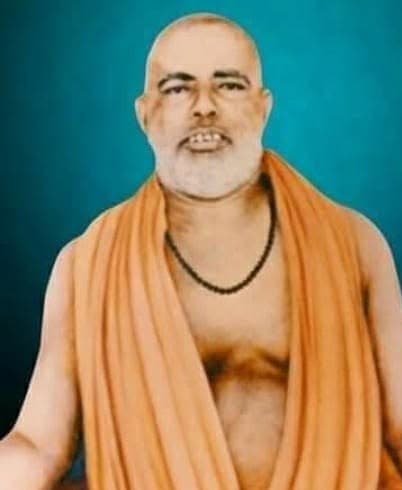
Sri Udiya Baba · Modern
Hindiसंगति— अब गीता का उपदेश करने वालों की प्रशंसा करते हैं।
भावार्थ— जो मेरे इस अत्यन्त गुह्य रहस्य को मेरे भक्तों के प्रति कहेगा वह निश्चय ही मुझमें परम भक्ति करके मुझ ही को प्राप्त होगा।
Swami Ramsukhdas · Modern
Hindi‘भक्तिं मयि परां कृत्वा’—जो मेरेमें पराभक्ति करके इस गीताको कहता है। इसका तात्पर्य है कि जो रुपये, मान-बड़ाई, भेंट-पूजा, आदर-सत्कार आदि किसी भी वस्तुके लिये नहीं कहता, प्रत्युत भगवान्में भक्ति हो जाय, भगवद्भावोंका मनन हो जाय, इन भावोंका प्रचार हो जाय, इनकी आवृत्ति हो जाय, सुनकर लोगोंका दुःख, जलन, सन्ताप आदि दूर हो जाय, सबका कल्याण हो जाय—ऐसे उद्देश्यसे कहता है। इस प्रकार भगवान्की भक्तिका उद्देश्य रखकर कहना ही पराभक्ति करके कहना है।
इसी अध्यायके चौवनवें श्लोकमें कही गयी और इस श्लोकमें कही गयी पराभक्तिमें अन्तर है। वहाँ ‘मद्भक्तिं लभते पराम्’ पदोंसे कहा गया है कि ब्रह्मभूत होनेके बाद सांख्ययोगी पराभक्तिको प्राप्त हो जाता है अर्थात् भगवान्से जो अनादिकालका सम्बन्ध है, उसकी स्मृति हो जाती है। परन्तु यहाँ सांसारिक मान-बड़ाई आदि किसीकी भी किंचिन्मात्र कामना न रखकर केवल भगवद्भक्तिकी, भगवत्प्रेमकी अभिलाषा रखना पराभक्ति है, इसलिये यहाँ ‘भक्तिं मयि परां कृत्वा’ ‘मेरेमें पराभक्ति करके’—ऐसा कहा गया है।
‘य इदं परमं गुह्यम्’—इन पदोंसे पूरी गीताका परमगुह्य संवाद लेना चाहिये, जो कि गीता-ग्रन्थ कहलाता है। ‘परमं गुह्यम्’ पदोंमें ही गुह्य, गुह्यतर, गुह्यतम और सर्वगुह्यतम—ये सब बातें आ जाती हैं।
‘मद्भक्तेष्वभिधास्यति’—जिसकी भगवान् और उनके वचनोंमें पूज्यबुद्धि है, आदरबुद्धि है, श्रद्धा-विश्वास है और सुनना चाहता है, वह भक्त हो गया। ऐसे मेरे भक्तोंमें जो इस संवादको कहेगा, वह मेरेको प्राप्त होगा।
पीछेके श्लोकमें ‘नाभक्ताय’ पदमें एकवचन दिया
और यहाँ ‘मद्भक्तेषु’ पदमें बहुवचन दिया। इसका तात्पर्य है कि जहाँ बहुत-से श्रोता सुनते हों, वहाँ पहले बताये दोषोंवाला कोई व्यक्ति बैठा हो तो वक्ताके लिये पहले कहा निषेध लागू नहीं पड़ेगा; क्योंकि वक्ता केवल उस (दोषी) व्यक्तिको गीता सुनाता ही नहीं। जैसे कोई कबूतरोंको अनाजके दाने डालता है और कबूतर दाने चुगते हैं। यदि उनमें कोई कौआ आकर दाने चुगने लग जाय तो उसको उड़ाया थोड़े ही जा सकता है! क्योंकि दाना डालनेवालेका लक्ष्य कबूतरोंको दाना डालना ही रहता है, कौओंको नहीं। ऐसे ही कोई गीताका प्रवचन कर रहा है और उस प्रवचनको सुननेके लिये बीचमें कोई नया व्यक्ति आ जाय अथवा कोई उठकर चल दे तो वक्ताका ध्यान उसकी तरफ नहीं रहता। वक्ताका ध्यान तो सुननेवाले लोगोंकी तरफ होता है और उन्हींको वह सुनाता है।
‘मामेवैष्यत्यसंशयः’—अगर गीता सुनानेवालेका केवल मेरा ही उद्देश्य होगा तो वह मेरेको प्राप्त हो जायगा, इसमें कोई सन्देहकी बात नहीं है। कारण कि गीताकी यह एक विचित्र कला है कि मनुष्य अपने स्वाभाविक कर्मोंसे भी परमात्माका निष्कामभावपूर्वक पूजन करता हुआ परमात्माको प्राप्त हो जाता है (इसी अध्यायका छियालीसवाँ श्लोक) और जो खाना-पीना, शौच-स्नान आदि शारीरिक कार्योंको भी भगवान्के अर्पण कर देता है, वह भी शुभ-अशुभ फलरूप कर्मबन्धनसे मुक्त होकर भगवान्को प्राप्त हो जाता है (नवें अध्यायका सत्ताईसवाँ-अट्ठाईसवाँ श्लोक)। तो फिर जो केवल भगवान्की भक्तिका लक्ष्य करके गीताका प्रचार करता है, वह भगवान्को प्राप्त हो जाय, इसमें कहना ही क्या है!
One who reveals this glorious exposition of the most profound and confidential knowledge in all existence known as Śrīmad Bhagavad-Gita to the devotees of Lord Krishna will have their own devotion to the Supreme Lord multiplied and will attain His eternal communion.
This is absolutely certain.