

Bhagavad Gītā · Chapter 18 · Mokṣa Sannyāsa Yoga
श्रेयान्स्वधर्मो विगुणः परधर्मात्स्वनुष्ठितात्
स्वभावनियतं कर्म कुर्वन्नाप्नोति किल्बिषम्
śreyānsvadharmo viguṇaḥ paradharmātsvanuṣṭhitāt|svabhāvaniyataṃ karma kurvannāpnoti kilbiṣam||
Word meanings
स्वनिष्ठितात् = well performed
परधर्मात् = than another's dharma
विगुणः = though imperfect
स्वधर्मः = one's own dharma
श्रेयान् = is better
स्वभावनियतम् = ordained by one's own nature
कर्म = duty
कुर्वन् = performing
किल्विषम् = sin
न, आप्नोति = does not incur
Translation
Better is one's own duty, though devoid of merit, than the duty of another well-performed; for performing the duty ordained by his own nature man does not incur sin.
Commentary
The commentators seated around this verse
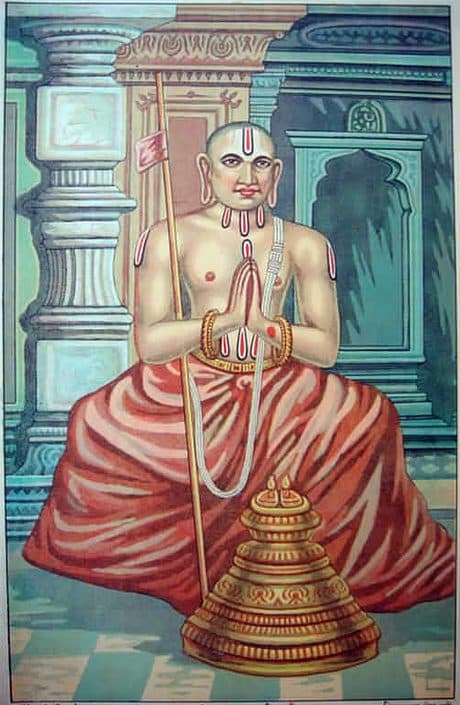
Rāmānuja · Viśiṣṭādvaita
English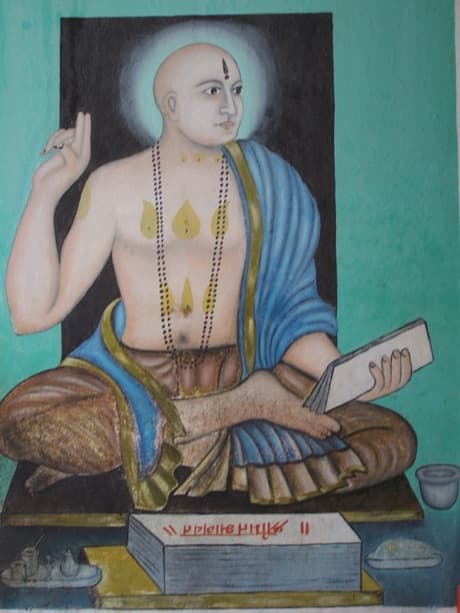
Madhvācārya · Dvaita
SanskritEnglishOn verses 18.44–18.48
“क्षत्रियोनब्रह्मगुणो वैश्यः कुप्यादिजीवनः | तत ऊनः शमाधैर्यः शुश्रुपुः शूद्र उच्यते | अधिकाश्चेद् गुणाः शूद्रे ब्रह्मणादिः स उच्यते | ब्रह्मणोऽप्यल्पगुणकः शूद्र एवेति कीर्तितः | नरोऽपि यो देवगुणो ज्ञेयो देवो नृतां गतः || इति ||” - Vaishyas are less serene and self-restrained than Kshatriyas and Brahmins because of their life being that of cattle breeders. Because of service to others as servers, others are known as Shudras. If there are superior attributes in a Shudra, he is known as Brahmin; and if a Brahmin has inferior attributes he will be known as Shudra. Even among human beings those who have the divine attributes are said to have traversed the divine Path.
“स्वकर्मणा तमभ्यर्च्य इति वचनात् | क्षत्रियादिष्वपि शमघनुवृत्तिर्ज्ञायते | न हि शमादिकं विना तस्य यज्ञदानतपः कर्म न त्याज्यम् | इत्युक्तवाच्च | शमो मन्निष्ठता बुद्धेर्दम इन्द्रियनिग्रहः इति हि भागवते || न हि क्षत्रियादिभिरपि शौचतपःक्षमादिभिर्हानैर्भावितव्यमिति तत्तद्भवमैपृच्यते | युक्ता ह्येतैः सर्वगुणोऽजैः ||” - It is seen that even when each one performs actions according to one's attributes, some Kshatriyas could be seen endowed with attributes like serenity and self-restraint, because without serenity and self-restraint propitiation of the Lord is not possible. Propitiation through serenity and self-restraint alone is the true propitiation and without them perfection is never possible. “Acts of sacrifice, charity, austerity etc. should never be renounced”. “Intellect, abidance in the Mind, self-restraint and sense-restraint” thus having been said in Bhagavat Purana. Kshatriyas are never prevented from purity, austerity, serenity etc. because being of righteous conduct, they would not lower them. All these attributes are appropriate as in Janaka's balanced behaviour. Those Kshatriyas who never desert battlefield are especially praise worthy.
“शौर्यं तेजो धृतिर्दाक्ष्यं दानं च क्षत्रियेऽधिकाः | तद्वीना ब्राह्मणे तस्माद् वैश्ये शूद्रे ततोऽल्पकाः | अध्यापनं च शुश्रुपा जीवनार्थमृते सताम् | विप्रादिशु क्रमाज्ज्ञेयाः शूद्रस्याध्यापनं विना | तस्माच्छूद्रोऽल्पशुश्रुपुः स्वभावाज्जीवनं विना | एते नैसर्गिका भावा स्याद् भावोऽन्योऽपि कुत्रचित् | बलाद् विरुद्धभावस्तु हेयः स्वाभाविकोऽपि यः | अनिसर्गोऽपि हि शुभो वर्धनीयः प्रयत्नतः | याजनैश्वर्यपूर्वास्तु नान्यैः कायाः शमा अपि | अपलायनं च शूद्राणां ब्रह्मक्षत्रार्थमिष्यते || इति च ||” - Valour, vigour, self-restraint, forbearance, charity these are primarily seen more in Kshatriyas than in others, less in Brahmins, lesser in Vaishyas and still less in Shudras. Not merely for the sake of livelihood but for the sake of educating the noble ones it is the predominant attribute of the Brahmins, which is progressively less in others. Teaching is never the proper assignment of the Shudras. Therefore, the Shudras should offer service, if not for livelihood, at least by attending on the noble ones. Sometime due to the force of events even natural attributes are desirable to be abandoned for performing other activities. And even those opposed to the natural attributes are required to be promoted for enhancing propitious attributes. In the alternative, sacrifices and splendour should not be given up, none other actions being more propitious. When the need arises for safeguarding Brahmins and Kshatriyas, Shudras may even desert the battle field.
“प्रसद्य विताहरणं शारीरो दण्ड एव च | अशिष्याणां शासनं च तथैवार्थविनाशनम् | एष ईश्वरभावः स्यान् कार्यः क्षत्रियेतैः | सर्वे विधर्मिणः शास्त्राः क्षत्रियैर्यन्तः सदा | अङ्गायहानिकृद् दण्डः शिष्येषु ब्रह्मवादिभिः | कार्यो देहेऽपि शिष्यश्च स्वामिना स्वेन वाऽर्पितः | पुत्रानुजादयः सर्वे शिष्या एव निसर्गतः | गुरवश्चैव मित्राणि सुखिस्वहसचारिणः | सम्बन्धितश्च सर्वेऽपि तत्तद्योग्यतयाऽखिलैः | शिक्षणीयेषु भावेषु शिक्षणीयाः प्रयत्नतः | उन्मादे बन्धनधैवां ताडनं न गुरोः क्वचित् | पापं चरन्तस्त्वन्येऽपि सर्वदृष्टिपथं गताः | शक्तितो वारणीयाः स्युर्देशकालानुसारतः | तदुत्तमविरोद्धाराः सन्त्याज्या गुरावोऽपि तु | यथाशक्त्यनुशासैव कालतोऽपि न चेच्छुभाः | विष्णोः परमभक्तस्तु न त्याज्यः शास्त्र एव च | शिक्षयश्च गुरून् शिष्यो गुरवन्नैव शिक्षयेत् | महान्तो नानुशास्त्राश्च विरुद्धाचरिता अपि | यदि च स्वाधिकानां तु विरोधं नैव कुर्वते || इत्यदि च ||”
- Confiscating wealth and giving physical penalty, disciplining those who are disobedient, and destroying their economic power - these are the marks of supremacy. These should be done by none other than Kshatriyas. Those who are non-followers of Dharma should be properly governed by the Kshatriyas. Brahmins can punish their disciples without causing any bodily harm. Now here the disciple is one who has willingly accepted such position or a servant who has been accepted by his master and also naturally the children and relations. The Teachers, the associates, well-read relatives all these can dispense with punishment according to their capacity and capability. If the teacher is demented then he should be bound but never be harmed physically. If he is found to follow undesirable actions then he should be dealt with according to the laws of the situation, place and time. If the Teacher opposes one who is superior to him, then this fact should be brought to his notice. They should be treated with discipline but should never be abandoned as that would not be meritorious. Those Teachers who are devoted to Sri Vishnu should neither be deserted nor penalised. The disciples should not punish (the Teacher) in the same manner as the Teacher would have punished a disciple. Even if a great person is seen to perform acts contrary to the scriptures, he should not be punished if their action does not interfere with that of their superiors.
“आपत्तु विप्रः क्षात्रं तु विशां वा धर्ममाचरेत् | क्षात्रासिद्धौ न शूद्रस्तु विप्रक्षत्रिययोः क्वचित् | क्षत्रियो ब्राह्ममापत्तु तदापत्तु विशामपि | क्षत्रियो विप्रधर्मोऽपि नैवभैक्ष्यप्रतिग्रही | वैश्य आपत्तु शौद्रं तु धर्ममेकं नचापरम् | शूद्र आपत्तु विद्वधर्मा तदापत्तु च कारुकः | शूद्रस्तु वैश्यधर्मोऽपि नैव वदोक्षरो भवत्वे | अत्यापदि क्षत्रियोऽपि पादशुश्रुषणं विना | शौद्रधर्मं चरन् विप्रक्षत्रियेषु न दुष्यति | येषु कर्मसु याच्यः स्यात् स्वामिनाऽपि न याचिता | शौद्रण्यपि स्वधर्मत्वे क्षत्रियस्यापदो यदि | अस्मानाश्चेद् बलाधिक्यं सानुवन्धादपि प्रभोः | धर्मार्थं सेवतोऽर्थो विप्रधर्मा धिकाद वरः | प्रभुणा याच्यवृत्तिस्तु विशेषाणापि धर्मभाक् | वात्स्योर्यलाधिको यः स्यात् क्षत्रियो विद्ययाऽधिकः | विप्रो भागवती चेतो सेशा लोकास्तयोरिमे | इत्यादि व्यासस्मृती ||” - In times of adversity the Brahmins may perform occupations ordained for the Kshatriyas or the Vaishyas. But Shudras should never perform the occupations ordained for Brahmins or Kshatriyas. Kshatriyas may perform the occupation of Brahmins or of the Vaishyas in times of adversity. But they should never beg for their food. In times of adversity the Vaishyas may accept the occupations of the Shudras and of none other. If the trade is not beneficial to him then he may perform the occupations of carpenter or iron-smith etc. Even though the Shudras accept the occupation of the Vaishyas, they should never endeavour to study the Vedas. In the event of great adversity a Kshatriya may perform the service like a Shudra towards the Brahmins and other Kshatriyas. But they should not offer service to their feet. The Kshatriya performing the actions of Shudras towards the wise ones or his superiors is not unworthy. Such acts performed for the purpose of concealing oneself, when living incognito, are superior even to the acts of Brahmins. It is more meritorious to perform the actions enjoined by the master than remaining without opposing him. Such action become meritorious. If the Kshatriya is strong in his powerful shoulders and the Brahmin is full of wisdom, coupled with devotion to the Resplendent Lord, then the protectors of the world along with the world comes under their way. Thus s'peaks the Vyasa Smriti.
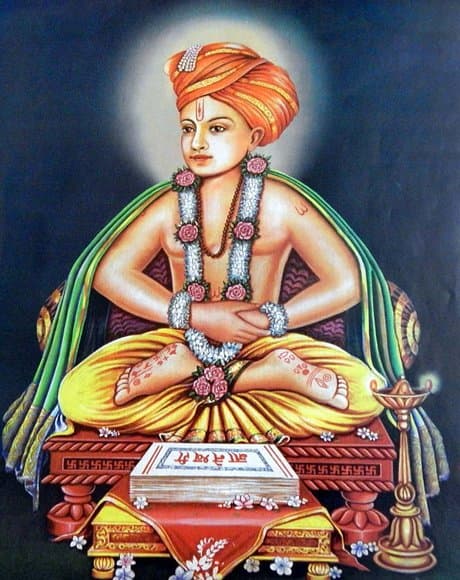
Jñāneśvar · Vārkarī
English47 "Better is one's proper code of conduct (Dharman), even though deficient in quality, than an alien code of conduct, be it ever so easy to follow. One performing action consonant with one's own inborn nature, incurs no defilement. (923)
Even though one's own Dharma (proper conduct) be difficult to follow, yet one should look to its ultimate fruit. Should the juice of the bitter nimb tree be a remedy for one's own well-being (health), one should not grudge its bitterness. Were one to cut down, getting discouraged, a banana tree before it bears fruit, how could one secure its juicy and tasty fruit? In that way, were one to abandon one's own Dharma (religion), it being difficult to follow, he would be deprived of the happiness of liberation. Though one's own mother be hunch-backed, yet her maternal love on which one lives, is not crooked. Of what avail would other (stranger) females, even though more beautiful than a Rambha, (रंभ—a courtesan of Heaven) be to a child? There are better qualities in clarified butter than in simple water; yet, could a fish live in it (clarified butter)? That which proves a poison to the entire universe becomes the very nectar to the very germs living in it, while that which is jaggery (गूळ—coarse sugar) to the world proves the very death to such germs. Therefore the particular religion (duties-action) prescribed for a particular person, which (if followed) delivers him from all mundane affairs, should, even though difficult to follow, be followed by him. To try to follow alien Dharmas considered better than one's own would be (like) making one's own head do (the work of) walking which is for his legs to do. (Therefore) whatever duties fall to one's own lot according to the caste-religion one is born in should be performed by him and that would make him conquer (cut) the bonds of action. Is it not imperative that it should be made a rule that one should observe one's own Dharma and abandon an alien one, Oh Son of Pāṇḍu? Could one afford to stop the performance of actions, so long as one has not had a vision of the soul? And where there is action to be performed, there is bound to be physical exertion.
Swami Ramsukhdas · Modern
English'Śreyānsvadharmo viguṇaḥ paradharmātsvanuṣṭhitāt'— Here, the term 'Svadharma', denotes one's duty according to one's Varṇa (Caste):
A man, having an aim of God-realization, has to perform his duty, according to what he thinks, himself to be. If he thinks that he is a man, he has to perform his duty as a man. If he thinks that he is a teacher, or a student, he has to teach or study. Similarly if he holds, that he is a striver, a devotee, or a seeker of knowledge, he has to practise spiritual discipline, devotion or seek knowledge, whole-heartedly.
Similarly, a man has to perform his duty, according to his varṇa (caste) and āśrama (stage of life). A Brāhmaṇa's duties, are—performance of religious sacrifice accepting charity, and teaching etc., in order to earn his living. For a Kṣatriya, fighting and authority, for a Vaiśya agriculture, cow-rearing and trade, and for a Śūdra service, are the duties to earn their living. One's own duty, even though devoid of merit, is better than the duty of others. The duties prescribed by the scriptures, for persons of a particular Varṇa, is 'Svadharma' (one's own duty), while the same duty for people of other Varṇas, castes is, Paradharma (Duties of others). Performing religious sacrifice, for others as a priest, and taking charity etc., are a Brāhmaṇa's own duties, as these are sanctioned by scriptures for him, but the same duties are Paradharma, for the Kṣatriyas, the Vaiśyas and the Śūdras, as these are forbidden by scriptures, for them. But, at the time of extreme distress, duties which are forbidden, by scriptures, become duties, for people, of all varṇas (castes). For example, a Brāhmaṇa can earn his living by agriculture, and trade etc., which are duties of a Vaiśya, at the time of extreme distress.*
*At the time of distress a Brāhmaṇa can earn his living through the profession of a Kṣatriya and at the time of extreme distress through the profession of a Vaiśya. But a Brāhmaṇa should plough the land with two bullocks instead of one and work in the field in the morning and evening when it is cool. Moreover, he should not deal in sugar, butter, oil and salt etc.
As far as the natural duties, such as serenity and self-control etc., of a Brāhmaṇa, are concerned, these are duties, for all members belonging to the four Varṇas, because they are prescribed by scriptures, for all of them.
God-realization, is the only aim of human life. So every human being is a striver, therefore he has to cultivate all the divine traits, in him by renouncing demoniac ones. Everyone is free and strong, enough to abandon demoniac traits, and to develop divine ones. No one is dependent, weak and ineligible, in it. According to their temperaments, different persons may possess different divine traits. A person may have predominance of forgiveness, in his nature, in another, person there may be forgiveness only, on asking for it. In some other person, there may be predominance of compassion, while in another there may be compassion, on thought. Such differences may exist.
'Svabhāvaniyataṁ karma kurvannāpnoti kilbiṣam'—In scriptures, two kinds of actions, are mentioned—prescribed and prohibited. Out of the prescribed actions, those actions which are performed according to one's caste (Varṇa), or stage of life (Āśrama) time, and circumstances etc., are called 'Niyata Karma'.
One's nature, is formed according to three modes of nature—of goodness (sattva), of passion (rajasa) and of ignorance (tamasa). Actions which are performed according to that nature, are called 'Svabhāvaniyata Karma'. These are also known as natural duties—duties born of nature, one's own duties and innate duties etc.
A being is born, in a particular varṇa (caste) according to qualities and actions, of his previous birth. Though actions perish, but their impression (saṃskāra) continues. So in life one is born with that nature, which he inherits. The Lord (in Gītā 18/48) declares, that though all undertakings are tainted with blemish, yet a person should perform his duty, according to his Varṇa
Similarly a Kṣatriya can earn his living through the profession of a Vaiśya and a Vaiśya through the profession of a Śūdra.
(caste) as sanctioned in the scriptures, for the welfare of others, by giving up his selfishness and pride. By doing so, he incurs no sin. Similarly he, who performs actions, for the maintenance of the body alone, incurs no sin (Gītā 4/21).
An Important Fact
Now a doubt arises, whether a person born in the family of a butcher, should not abandon his duty of slaughtering animals? Does a butcher not incur, sin? Can he attain salvation, by performing such a forbidden action?
The explanation is, that natural duty is that which is not forbidden, and which is not harmful to anyone. The actions which are harmful or injurious to others, cannot be called, one's natural duties. These are performed out of attachment and desire. A forbidden action, is always evil and so it must be abandoned, because it is a demoniac trait, while virtuous actions, are divine traits. A man, may have a mere thought of committing evil, because of past impressions, but that thought cannot compel him, to perform evil actions. That inclination, can be rooted out, through discrimination, virtuous thoughts, good company and study of scriptures etc. Reasoning also reveals, that no one wants to be injured and slaughtered. So none has a right to injure and slaughter, others. If a person wants other persons to do good to him, he should also do good, to others. The scriptures also reveal, that any sin or unjust action, is not natural, it is born of an evil. In the third chapter, Arjuna asked Lord Kṛṣṇa, 'Impelled by what does a man, commit sin, even involuntarily as though driven by force?' The Lord replied, 'It is desire, it is anger, born of the mode of passion, which impels a man to commit sins' (3/36-37). Actions which are performed, out of desire, wrath, selfishness, and pride, are not pure, but are impure.
Actions, which are performed, in order to attain God, are not defective, even though they may be different, for people of different castes. Having realized God, a Brāhmaṇa will
observe purity and sanctity in the preparation of food, and in having it. But a person of a low caste, having realized God, will not observe purity and sanctity, like a Brāhmaṇa. He will eat food which is left on the plate, after a meal while a Brāhmaṇa, will not eat it. So actions of the liberated souls, are faultless. Their nature is pure, because they are free, from either attachment or aversion.
A man, is born in the family of a butcher, in order to reap the fruit of his sinful actions. He is not born there, to commit sins. In the Yogadarśana (one of the six schools of Hindu philosophy), sinful action bears fruit, in the form of caste, age and suffering, but it does not force that man to perform new sinful actions, (2/13). He is free in performing actions. If his heart becomes pure, he cannot slaughter animals. A person, asked a saint, 'What should a butcher, who considers slaughtering animals his profession, do?' The saint replied, 'If he goes on chanting the name of the Lord, with sanctity, for three years, he will find himself unable to perform, his duty as a butcher. He will scorn his action and then, he will give it up.' He will not be able to slaughter animals, if he wants to realize God, from his heart, because his heart will change and virtues, will be revealed in him.
In the Rāmacaritamānasa Lord Rāma says, to Śabari, 'Listen to the nine kinds of devotion which I am going to describe' (3/35/4). Afterwards He declared, 'You very well possess, all kinds of devotion' (3/36/4). It means that Śabari did not know the nine kinds, of devotion, though she possessed all of them. Through adoration, meditation and good company, we develop virtues, which we are not aware of. So a man, should make his nature pure, and he is capable, of making it pure. He finds himself incapable, because of his attachment to mundane pleasure and prosperity. Those who hold discourses to preach others, can't be virtuous, unless they themselves translate those preachings, into practice, by making their nature pure, having the aim of God-realization.
The Lord, has bestowed this human body, so that human beings may attain salvation, by purifying their nature. They can purify their nature, it is neither impossible nor difficult. This human body, has been called the gateway to salvation (Mānasa 7/43/4). Had it been impossible, to purify nature, how could this human body have been called, the gateway to salvation? There is no use of this human life, if a man cannot purify his nature.
**Appendix**—By performing one's own duty there can be sin but the striver cannot incur this sin—'kurvannāpnoti kilbiṣam'. In incurring sin the main cause is the 'feeling' rather than an 'action'. Therefore sin is incurred, not by actions but by selfishness and pride.
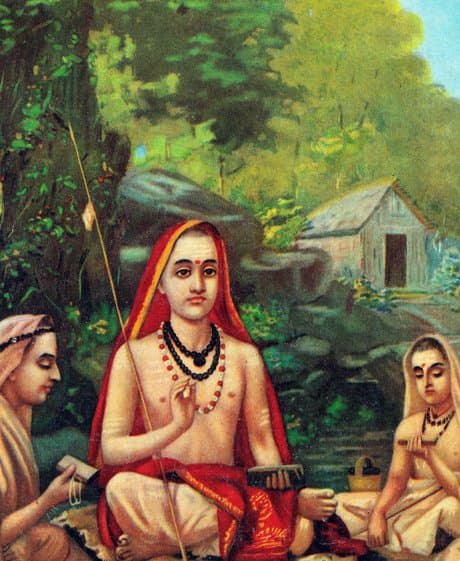
Ādi Śaṅkarācārya · Advaita
Sanskritश्रेयान् प्रशस्यतरः स्वो धर्मः स्वधर्मः, विगुणोऽपि इति अपिशब्दो द्रष्टव्यः, परधर्मात् । स्वभावनियतं स्वभावेन नियतम्, यदुक्तं स्वभावजमिति, तदेवोक्तं स्वभावनियतं इति; यथा विषजातस्य कृमेः विषं न दोषकरम्, तथा स्वभावनियतं कर्म कुर्वन् न आप्नोति किल्बिषं पापम् ॥
स्वभावनियतं कर्म कुर्वाणो विषजः इव कृमिः किल्बिषं न आप्नोतीति उक्तम्; परधर्मश्च भयावहः इति, अनात्मज्ञश्च ``न हि कश्चित्क्षणमपि अकर्मकृत्तिष्ठति'' (भ. गी. ३-५) इति । अतः -
Ādi Śaṅkarācārya · Advaita
Hindiऐसा होनेके कारण—
अपना गुणरहित भी धर्म, दूसरेके भली प्रकार अनुष्ठान किये हुए धर्मसे श्रेष्ठतर है। जैसे विषमें उत्पन्न हुए कीड़ेके लिये विष दोषकारक नहीं होता, उसी प्रकार स्वभावसे नियत किये हुए कर्मोंको करता हुआ मनुष्य पापको प्राप्त नहीं होता। जो बात पहले 'स्वभावजम्' इस पदसे कही थी, वही यहाँ 'स्वभावनियतम्' इस पदसे कही गयी है। स्वभावसे नियत कर्मका नाम स्वभावनियत है
Jñāneśvar · Vārkarī
Marathiअगा आपुला हा स्वधर्मु । आचरणीं जरी विषमु । तरी पाहावा तो परिणामु । फळेल जेणें ॥ ९२३ ॥ जैं सुखालागीं आपणपयां । निंबचि आथी धनंजया । तैं कडुवटपणा तयाचिया । उबगिजेना ॥ ९२४ ॥ फळणया ऐलीकडे । केळीतें पाहातां आस मोडे । ऐसी त्यजिली तरी जोडे । तैसें कें गोमटें ॥ ९२५ ॥ तेवीं स्वधर्मु सांकडु । देखोनि केला जरी कडु । तरी मोक्षसुरवाडु । अंतरला कीं ॥ ९२६ ॥ आणि आपुली माये । कुब्ज जरी आहे । तरी जीये तें नोहे । स्नेह कुऱ्हें कीं ॥ ९२७ ॥ येरी जिया पराविया । रंभेहुनि बरविया । तिया काय कराविया । बाळकें तेणें ? ॥ ९२८ ॥ अगा पाणियाहूनि बहुवें । तुपीं गुण कीर आहे । परी मीना काय होये । असणें तेथ ॥ ९२९ ॥ पैं आघविया जगा जें विख । तें विख किडियाचें पीयूख । आणि जगा गूळ तें देख । मरण तया ॥ ९३० ॥ म्हणौनि जे विहित जया जेणें । फिटे संसाराचें धरणें । क्रिया कठोर तऱ्ही तेणें । तेचि करावी ॥ ९३१ ॥ येरा पराचारा बरविया । ऐसें होईल टेंकलया । पायांचें चालणें डोइया । केलें जैसें ॥ ९३२ ॥ यालागीं कर्म आपुले । जें जातिस्वभावें असे आलें । तें करी तेणें जिंतिलें । कर्मबंधातें ॥ ९३३ ॥ आणि स्वधर्मुचि पाळावा । परधर्मु तो गाळावा । हा नेमुही पांडवा । न कीजेचि पै गा ? ॥ ९३४ ॥ तरी आत्मा दृष्ट नोहे । तंव कर्म करणें कां ठाये ? । आणि करणें तेथ आहे । आयासु आधीं ॥ ९३५ ॥
Jñāneśvar · Vārkarī
Hindi(18.923) अजी। अपना धर्म यद्यपि आचरण में कठिन हो तथापि परिणाम में जो फल होनेवाला है उसकी ओर ध्यान देना चाहिए।
(18.924) हे धनंजय! यदि अपने सुख के लिए नीम ही उपयोगी हो तो उसकी कड़वाहट से उकताना नहीं चाहिए।
(18.925) फलने के पूर्व केले के वृक्ष का देख कर निराशा-सी होती है, पर उसी समय उसका त्याग कर देने से उसके मधुर फल कैसे मिलेंगे? (18.926) उसी प्रकार स्वधर्म को कठिन जान कर दूर कर दिया जाय तो मनुष्य मोक्ष-सुख से वंचित रहेगा।
(18.927) अपनी माता यद्यपि कुञ्जा हो तथापि जो प्रेम अपना जीवन है उसका वह प्रेम कुछ टेढ़ा नहीं है?
(18.928) अन्य जो रम्भा से भी सुन्दर स्त्रियाँ हैं उनसे बालक को क्या मतलब?
(18.929) अजी! जल की अपेक्षा घी में निश्चय से बहुतेरे गुण हैं, तथापि मछली क्या घी में रह सकती है?
(18.930) सम्पूर्ण जगत् के लिए जो विष है वही विष कीड़े के लिए अमृत है, और जगत् के लिए जो मधुर है वही वस्तु उस कीड़े के लिए मृत्युकारक होती है।
(18.931) अतएव जिसके लिए जो कर्म विहित है (जिससे कि संसार का धरना छूटे,) वह कर्म यद्यपि कठिन हो तथापि उसे उसी का आचरण करना चाहिए।
(18.932) दूसरों के आचार का आश्रय करते से ऐसा हाल होगा जैसे कि पाँवों से चलने की क्रिया सिर से की जाय।
(18.933) इसलिए अपने जातिस्वभाव के अनुसार जो कर्म प्राप्त हो वही करो। उससे कर्म-बन्धन टूटेगा। (18.934) और हे पाण्डव! यदि यह नियम न किया जाय कि स्वधर्म का पालन करना चाहिए और परधर्म का त्याग करना चाहिए
(18.935) तो जब तक आत्मा की प्रतीति नहीं होती तब तक कर्म करना क्या बन्द हो सकता है? और जहाँ कर्म है तहाँ उसके आचरण के कष्ट पहले हैं।
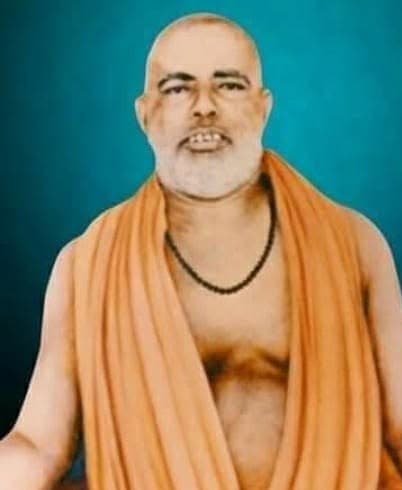
Sri Udiya Baba · Modern
Hindiभावार्थ— भले प्रकार अनुष्ठान किये परधर्म से गुणरहित भी स्वधर्म श्रेष्ठ है। जो कर्म स्वभाव से निश्चित है उसे करने पर कोई दोष नहीं होता।
व्याख्या— स्वकर्म अर्थात् अपने वर्णाश्रम धर्म का पालन करना ही परमात्मा की पूजा है। अतः अपना वर्णाश्रम धर्म गुणरहित प्रतीत होने पर भी वास्तव में त्याज्य नहीं होता। अपने लिए वही कल्याणकारी होता है।
Swami Ramsukhdas · Modern
Hindiश्रेयान्स्वधर्मो विगुणः परधर्मात्—स्वनिष्ठितात्—यहाँ 'स्वधर्म' शब्दसे वर्ण-धर्म ही मुख्यतासे लिया गया है।
परमात्मप्राप्तिके उद्देश्यवाला मनुष्य 'स्व' को अर्थात् अपनेको जो मानता है, उसका धर्म (कर्तव्य) 'स्वधर्म' है। जैसे कोई अपनेको मनुष्य मानता है, तो मनुष्यताका पालन करना उसके लिये स्वधर्म है। ऐसे ही कर्मोंके अनुसार अपनेको कोई विद्यार्थी या अध्यापक मानता है तो पढ़ना या पढ़ाना उसका स्वधर्म हो जायगा। कोई अपनेको साधक मानता है, तो साधन करना उसका स्वधर्म हो जायगा। कोई अपनेको भक्त, जिज्ञासु और सेवक मानता है तो भक्ति, जिज्ञासा और सेवा उसका स्वधर्म हो जायगा। इस प्रकार जिसकी जिस कार्यमें नियुक्ति हुई है और जिसने जिस कार्यको स्वीकार किया है, उसके लिये उस कार्यको सांगोपांग करना स्वधर्म है।
ऐसे ही मनुष्य जन्म और कर्मके अनुसार अपनेको जिस वर्ण और आश्रमका मानता है, उसके लिये उसी वर्ण और आश्रमका धर्म स्वधर्म हो जायगा। ब्राह्मणवर्णमें उत्पन्न हुआ अपनेको ब्राह्मण मानता है तो यज्ञ कराना, दान लेना, पढ़ाना आदि जीविका-सम्बन्धी कर्म उसके लिये स्वधर्म हैं। क्षत्रियके लिये युद्ध करना, ईश्वरभाव आदि; वैश्यके लिये कृषि, गौरक्षा, व्यापार आदि और शूद्रके लिये सेवा—ये जीविका-सम्बन्धी कर्म स्वधर्म हैं। ऐसा अपना स्वधर्म अगर दूसरोंके धर्मकी अपेक्षा गुणरहित है अर्थात् अपने स्वधर्ममें गुणोंकी कमी है, उसका अनुष्ठान करनेमें कमी रहती है तथा उसको कठिनतासे किया जाता है; परन्तु दूसरेका धर्म गुणोंसे परिपूर्ण है, दूसरेके धर्मका अनुष्ठान
सांगोपांग है और करनेमें बहुत सुगम है तो भी अपने स्वधर्मका पालन करना ही सर्वश्रेष्ठ है।
शास्त्रने जिस वर्णके लिये जिन कर्मोंका विधान किया है, उस वर्णके लिये वे कर्म 'स्वधर्म' हैं और उन्हीं कर्मोंका जिस वर्णके लिये निषेध किया है, उस वर्णके लिये वे कर्म 'परधर्म' हैं। जैसे यज्ञ कराना, दान लेना आदि कर्म ब्राह्मणके लिये शास्त्रकी आज्ञा होनेसे स्वधर्म हैं; परन्तु वे ही कर्म क्षत्रिय, वैश्य और शूद्रके लिये शास्त्रका निषेध होनेसे परधर्म हैं। परन्तु आपत्कालको लेकर शास्त्रोंने जीविका-सम्बन्धी जिन कर्मोंका निषेध नहीं किया है, वे कर्म सभी वर्णोंके लिये स्वधर्म हो जाते हैं। जैसे आपत्कालमें अर्थात् आपत्तिके समय वैश्यके खेती, व्यापार आदि जीविका-सम्बन्धी कर्म ब्राह्मणके लिये भी स्वधर्म हो जाते हैं।
ब्राह्मणके शम, दम आदि जितने भी स्वभावज कर्म हैं, वे सामान्य धर्म होनेसे चारों वर्णोंके लिये स्वधर्म हैं। कारण कि उनका पालन करनेके लिये सभीको शास्त्रकी आज्ञा है। उनका किसीके लिये भी निषेध नहीं है।
मनुष्य-शरीर केवल परमात्मप्राप्तिके लिये ही मिला है। इस दृष्टिसे मनुष्यमात्र साधक है। अतः दैवी-सम्पत्तिके जितने भी सद्गुण-सदाचार हैं, वे सभीके अपने होनेसे मनुष्यमात्रके लिये स्वधर्म हैं। परन्तु आसुरी-सम्पत्तिके जितने भी दुर्गुण-दुराचार हैं, वे मनुष्यमात्रके लिये न तो स्वधर्म हैं और न परधर्म ही हैं; वे तो सभीके लिये निषिद्ध हैं, त्याज्य हैं; क्योंकि वे अधर्म हैं। दैवी-सम्पत्तिके गुणोंको धारण करनेमें और आसुरी-सम्पत्तिके पाप-कर्मोंका त्याग करनेमें सभी स्वतन्त्र हैं, सभी सबल हैं, सभी अधिकारी हैं; कोई भी परतन्त्र, निर्बल तथा अनधिकारी नहीं है। हाँ,
* आपत्तिके समय ब्राह्मण क्षत्रियवृत्तिसे निर्वाह कर सकता है और ज्यादा आपत्ति (आफत) आ जाय तो वैश्यवृत्ति भी कर सकता है; परन्तु वैश्यवृत्तिमें फरक यह रहेगा कि ब्राह्मण खेती करे तो सुबह और शाम ठण्डे समय हल चलाये और दो बैलोंका ही हल चलाये, एक बैलका नहीं। ऐसे ही व्यापार करे तो रस-कसका व्यापार न करे अर्थात् चीनी, शक्कर, घी, तेल, नमक आदिका व्यापार न करे।
ऐसे ही आफतके समय क्षत्रिय वैश्यकी वृत्ति—गौरक्ष्य, कृषि और वाणिज्य कर सकता है और वैश्य शूद्रकी वृत्ति भी कर सकता है।
यह बात अलग है कि कोई सद्गुण किसीके स्वभावके अनुकूल पड़ता है और कोई सद्गुण किसीके स्वभावके अनुकूल पड़ता है। जैसे, किसीके स्वभावमें दया मुख्य होती है और किसीके स्वभावमें उपेक्षा मुख्य होती है, किसीका स्वभाव स्वतः क्षमा करनेका होता है और किसीका स्वभाव माँगनेपर क्षमा करनेका होता है, किसीके स्वभावमें उदारता स्वाभाविक होती है और किसीके स्वभावमें उदारता विचारपूर्वक होती है, आदि। ऐसा भेद रह सकता है।
**‘स्वभावनियतं कर्म कुर्वन्नाप्नोति किल्बिषम्’**—शास्त्रोंमें विहित और निषिद्ध—दो तरहके वचन आते हैं। उनमें विहित कर्म करनेकी आज्ञा है और निषिद्ध कर्म करनेका निषेध है। उन विहित कर्मोंमें भी शास्त्रोंने जिस वर्ण, आश्रम, देश, काल, घटना, परिस्थिति, वस्तु, संयोग, वियोग आदिको लेकर अलग-अलग जो कर्म नियुक्त किये हैं, उस वर्ण, आश्रम आदिके लिये वे ‘नियत कर्म’ कहलाते हैं।
सत्त्व, रज और तम—इन तीनों गुणोंको लेकर जो स्वभाव बनता है, उस स्वभावके अनुसार जो कर्म नियत किये जाते हैं, वे ‘स्वभावनियत कर्म’ कहलाते हैं। उन्हींको स्वभावप्रभव, स्वभावज, स्वधर्म, स्वकर्म और सहज कर्म कहा है।
तात्पर्य यह है कि जिस वर्ण, जातिमें जन्म लेनेसे पहले इस जीवके जैसे गुण और कर्म रहे हैं, उन्हीं गुणों और कर्मोंके अनुसार उस वर्णमें उसका जन्म हुआ है। कर्म तो करनेपर समाप्त हो जाते हैं, पर गुण-रूपसे उनके संस्कार रहते हैं। जन्म होनेपर उन गुणोंके अनुसार ही उसमें गुण और पालनीय आचरण स्वाभाविक ही उत्पन्न होते हैं अर्थात् उनको न तो कहींसे लाना पड़ता है और न उनके लिये परिश्रम ही करना पड़ता है। इसलिये उनको स्वभावज और स्वभावनियत कहा है।
यद्यपि ‘सर्वारम्भा हि दोषेण धूमेनाग्निरिवावृताः’ (गीता १८। ४८) के अनुसार कर्ममात्रमें दोष आता ही है, तथापि स्वभावके अनुसार शास्त्रने जिस वर्णके लिये जिन कर्मोंकी आज्ञा दी है, उन कर्मोंको अपने स्वार्थ और अभिमानका त्याग करके केवल दूसरोंके हितकी दृष्टिसे किया जाय, तो उस वर्णके व्यक्तिको उन कर्मोंका दोष (पाप) नहीं लगता। ऐसे ही जो केवल शरीर-निर्वाहके लिये कर्म करता है, उसको भी पाप नहीं लगता—**‘शरीरं केवलं कर्म कुर्वन्नाप्नोति किल्बिषम्’** (गीता ४। २१)।
विशेष बात
यहाँ एक बड़ी भारी शंका पैदा होती है कि एक आदमी कसाईके घर पैदा होता है तो उसके लिये कसाईका कर्म सहज (साथ ही पैदा हुआ) है, स्वाभाविक है। स्वभावनियत कर्म करता हुआ मनुष्य पापको नहीं प्राप्त होता, तो क्या कसाईके कर्मका त्याग नहीं करना चाहिये? अगर उसको कसाईके कर्मका त्याग नहीं करना चाहिये, तो फिर निषिद्ध आचरण कैसे छूटेगा? कल्याण कैसे होगा?
इसका समाधान है कि स्वभावनियत कर्म वह होता है, जो विहित हो, किसी रीतिसे निषिद्ध नहीं हो अर्थात् उससे किसीका भी अहित न होता हो। जो कर्म किसीके लिये भी अहितकारक होते हैं, वे सहज कर्ममें नहीं लिये जाते। वे कर्म आसक्ति, कामनाके कारण पैदा होते हैं। निषिद्ध कर्म चाहे इस जन्ममें बना हो, चाहे पूर्वजन्ममें बना हो, है वह दोषवाला ही। दोष-भाग त्याज्य होता है; क्योंकि दोष आसुरी-सम्पत्ति है और गुण दैवी-सम्पत्ति है। पहले जन्मके संस्कारोंसे भी दुर्गुण-दुराचारोंमें रुचि हो सकती है, पर वह रुचि दुर्गुण-दुराचार करनेमें बाध्य नहीं करती। विवेक, सद्विचार, सत्संग, शास्त्र आदिके द्वारा उस रुचिको मिटाया जा सकता है।
युक्तिसे भी देखा जाय तो कोई भी प्राणी अपना अहित नहीं चाहता, अपनी हत्या नहीं चाहता। अतः किसीका अहित करनेका, हत्या करनेका अधिकार किसीको भी नहीं है। मनुष्य अपने लिये अच्छा काम चाहता है तो उसे दूसरोंके लिये भी अच्छा काम करना चाहिये। शास्त्रोंमें भी देखा जाय तो यही बात है कि जिसमें दोष होते हैं, पाप होते हैं, अन्याय होते हैं, वे कर्म ‘वैकृत’ हैं, ‘प्राकृत’ नहीं हैं अर्थात् वे विकारसे पैदा हुए हैं, स्वभावसे नहीं। तीसरे अध्यायमें अर्जुनने पूछा कि मनुष्य न चाहता हुआ भी किससे प्रेरित होकर पाप-कर्म करता है? तो भगवान्ने कहा कि कामनाके वशमें होकर ही मनुष्य पाप करता है (तीसरे अध्यायका छत्तीसवाँ-सैंतीसवाँ श्लोक)। कामनाको लेकर, क्रोधको लेकर, स्वार्थ और अभिमानको लेकर जो कर्म किये जाते हैं, वे कर्म शुद्ध नहीं होते, अशुद्ध होते हैं।
परमात्मप्राप्तिके उद्देश्यसे जो कर्म किये जाते हैं, उन कर्मोंमें भिन्नता तो रहती है, पर वे दोषी नहीं होते। ब्राह्मणके घर जन्म होगा तो ब्राह्मणोचित कर्म होंगे, शूद्रके घर जन्म होगा तो शूद्रोचित कर्म होंगे, पर दोषी-भाग किसीमें भी
नहीं होगा। दोषी-भाग सहज नहीं है, स्वभावनियत नहीं है। दोषयुक्त कर्म स्वाभाविक हो सकते हैं, पर स्वभावनियत नहीं हो सकते। एक ब्राह्मणको परमात्मतत्त्वकी प्राप्ति हो जाय तो प्राप्ति होनेके बाद भी वह वैसी ही पवित्रतासे भोजन बनायेगा; जैसी पवित्रतासे ब्राह्मणको रहना चाहिये, वैसी ही पवित्रतासे रहेगा। ऐसे ही एक अन्यजको परमात्माकी प्राप्ति हो जाय तो वह जूठन भी खा लेगा; जैसे पहले रहता था, वैसे ही रहेगा। परन्तु ब्राह्मण ऐसा नहीं करेगा; क्योंकि पवित्रतासे भोजन करना उसका स्वभावनियत कर्म है, जबकि अन्यजके लिये जूठन खाना दोषी नहीं बताया गया है। इसलिये सिद्ध महापुरुषोंमें एक-एकसे विचित्र कर्म होते हैं, पर वे दोषी नहीं होते। उनका स्वभाव राग-द्वेषसे रहित होनेके कारण शुद्ध होता है।
पहलेके किसी पाप-कर्मसे कसाईके घर जन्म हो गया तो वह जन्म पापका फल भोगनेके लिये हुआ है, पाप करनेके लिये नहीं। पापका फल जाति, आयु और भोग बताया गया है, नया कर्म नहीं बताया गया—‘**सति मूले तद्विपाको जात्यायुर्भोगाः**’ (योगदर्शन २।१३)। कर्म करनेमें वह स्वतन्त्र है। यदि उसका चित्त शुद्ध हो जाय तो वह कसाई आदिका कर्म कर नहीं सकेगा। एक सन्तसे किसीने कहा कि अगर कोई अपना धर्म पशुओंको मारना ही मानता है तो वह क्या करे? तो उन सन्तने बड़ी दृढ़तासे कहा कि यदि वह अपने धर्मके अनुसार ही लगातार तीन वर्षतक पवित्रतापूर्वक भगवान्के नामका, अपने इष्टके नामका जप करे, तो फिर वह मार नहीं सकेगा। कारण कि उसका पूर्वजन्मका अथवा यहाँका जो स्वभाव पड़ा हुआ है, वह स्वभाव दोषी है। यदि सच्चे हृदयसे ठीक परमात्मतत्त्वकी प्राप्ति चाहेगा तो वह कसाईका काम नहीं कर सकेगा। उससे अपने-आप ग्लानि होगी, उपरति
होगी। बिना कहे-सुने उसमें सद्गुण स्वाभाविक आयेंगे।
रामचरितमानसमें शबरीके प्रसंगमें आता है—भगवान् रामने शबरीसे कहा—‘**नवधा भगति कहउँ तोहि पाहीं। सावधान सुनु धरु मन माहीं॥**’ (३।३५।४) फिर नौ प्रकारकी भक्ति कहकर अन्तमें भगवान्ने कहा—‘**सकल प्रकार भगति दृढ़ तोरें**’ (३।३६।४)। तात्पर्य यह है कि भक्ति नौ प्रकारकी होती है, इसका शबरीको पता ही नहीं है; परन्तु शबरीमें सब प्रकारकी भक्ति स्वाभाविक ही थी। सत्संग, भजन, ध्यान आदि करनेसे जिन गुणोंका हमें ज्ञान नहीं है, वे गुण भी आ जाते हैं। जो केवल दूसरोंको सुनानेके लिये याद करते हैं, वे दूसरोंको तो बता देंगे, पर आचरणमें वे गुण तभी आयेंगे, जब अपना स्वभाव शुद्ध करके परमात्माकी तरफ चलेंगे। इसलिये मनुष्यको अपना स्वभाव और अपने कर्म शुद्ध, निर्मल बनाने चाहिये। इसमें कोई परतन्त्र नहीं है, कोई निर्बल नहीं है, कोई अयोग्य नहीं है, कोई अपात्र नहीं है। मनुष्यके मनमें ऐसा आता है कि मैं कर्तव्यका पालन करनेमें और सद्गुणोंको लानेमें असमर्थ हूँ। परन्तु वास्तवमें वह असमर्थ नहीं है। सांसारिक भोगोंकी आदत और पदार्थोंके संग्रहकी रुचि होनेसे ही असमर्थताका अनुभव होता है।
उद्धारके योग्य समझकर ही भगवान्ने मनुष्य-शरीर दिया है। इसलिये अपने स्वभावका सुधार करके अपना उद्धार करनेमें प्रत्येक मनुष्य स्वतन्त्र है, सबल है, योग्य है, समर्थ है। स्वभावका सुधार करना असम्भव तो है ही नहीं, कठिन भी नहीं है। मनुष्यको मुक्तिका द्वार कहा गया है—‘**साधन धाम मोच्छ कर द्वारा**’ (मानस ७।४३।४)। यदि स्वभावका सुधार करना असम्भव होता तो इसे मुक्तिका द्वार कैसे कहा जा सकता? अगर मनुष्य अपने स्वभावका सुधार न कर सके, तो फिर मनुष्यजीवनकी सार्थकता क्या हुई?
**परिशिष्ट भाव**—स्वधर्मरूप कर्मको करनेसे पाप बन तो सकता है, पर लग नहीं सकता—‘**कुर्वन्नाप्नोति किल्बिषम्**’। पाप लगनेमें मुख्य कारण भाव है, क्रिया नहीं। अतः पाप कर्मोंसे नहीं लगता, प्रत्युत स्वार्थ और अभिमान आनेसे लगता है।
To adhere to one's own natural path of dharma or righteousness is what is being emphasised by Lord Krishna here. It is not as if one must follow the path of another.
Everyone is entitled to perform those activities that are appropriate for their rank and station in life in constituting their propitiation to the Supreme Lord; but one must eliminate all sense of doership and desire for rewards.
Such karma yoga or actions facilitating communion with the Supreme absolute expressed in visible activities which conform to the inherent nature of the individual manifest easily and naturally.
Thus karma yoga performed in this manner is factually one's own path of dharma albeit destitute of merit.
By another's dharma is meant jñāna yoga or facilitating communion with the Supreme absolute by knowledge which depending on time and circumstance may or may not be helpful.
Perfection in jñāna yoga demands the consistent ability to completely control the mind and conquer the senses which is a lifetime endeavour and fraught with danger of lapses in constancy.
So karma yoga is more fortuitous as the risks are minimal and chances for succeeding are greater even though jñāna yoga is on a superior platform.
A jīva or embodied being ensconced in a physical body with an appropriate mind and senses finds it normal to act in accordance with the natural impulses instigated by the senses.
This is karma yoga and fulfilling activities in this manner if they do not contradict the injunctions of the Vedic scriptures or disregard the prohibitions thereof incur no sin, for actions speak for themselves.
Whereas in jñāna yoga once control of the mind and mastery of the senses has been achieved, they must be kept controlled and mastered,
otherwise one will fall down from their position and subjected again to mundane desires and the influence of objects, the senses which propels one to sin and locks one in samsāra the perpetual cycle of birth and death.
So by clearly elucidating the fact that karma yoga is indeed safer and more sure of success, Lord Krishna further corroborates what He previously had promulgated in chapter three.