

Bhagavad Gītā · Chapter 18 · Mokṣa Sannyāsa Yoga
सुखं त्विदानीं त्रिविधं श्रृणु मे भरतर्षभ
अभ्यासाद्रमते यत्र दुःखान्तं च निगच्छति
sukhaṃ tvidānīṃ trividhaṃ śrṛṇu me bharatarṣabha|abhyāsādramate yatra duḥkhāntaṃ ca nigacchati||
Word meanings
for verses 18.36–18.37
भरतर्षभ = O best of the Bharatas
इदानीम् = now
त्रिविधम् = threefold
सुखम् = happiness
तु = indeed
मे = from me
शृणु = hear
यत्र = wherein
अभ्यासात् = than practice
रमते = one delights
च = and
दुःखान्तम् = the end of sorrow
निगच्छति = reaches
तत् = that
प्रसादजम् = born of inner clarity
यत् = which
सुखम् = happiness
अग्रे = in the beginning
विषम् = poison
इव = like
परिणामे = in the end
अमृतोपमम् = like nectar
तत् = that
सात्त्विकम् = sattvic
प्रोक्तम् = declared
Translation
Now hear from Me the threefold joy too. That is which the striver finds enjoyments through practice of adoration, meditation and service to God etc., and whereby he reaches the end of sorrow,—such a joy, though appearing as poison in the beginning, tastes like nectar in the end; hence that joy, born as it is of the placidity of mind brought about by meditation on God, has been declared as Sattvika.
verses 36–37
Commentary
The commentators seated around this verse
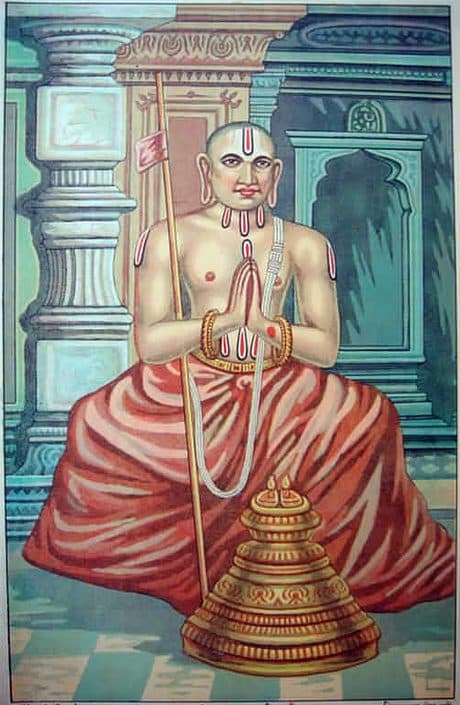
Rāmānuja · Viśiṣṭādvaita
EnglishOn verses 18.36–37
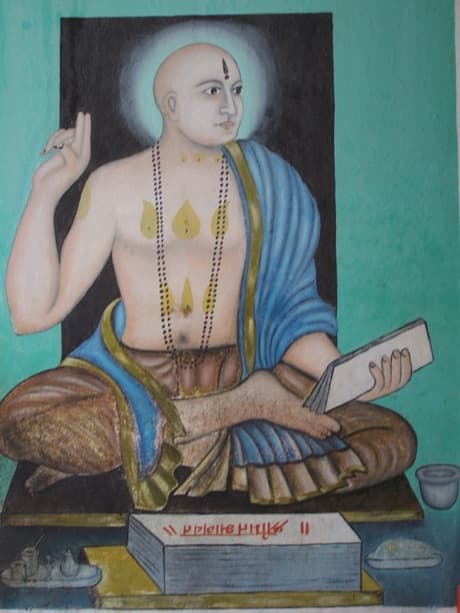
Madhvācārya · Dvaita
SanskritEnglishOn verses 18.34–18.36
“स्वप्नं भयं इत्यादि सर्वनिषिद्धोपलक्षणम् | तत्तत् साच्चिकमेव स्याद् यद्यद् वृद्धाः प्रचक्षते | निन्दन्ति तामसं तत्तद् राजसं तदुपेक्षितम् || इति हि भागवते - महामानस्तु मां पार्थ, अभयं सच्चसंशद्धिः, इत्यादिना वृद्धाश्चोक्ताः ||” - Dreams, fears etc. considered prohibited by elders are the subsidiary marks. Intelligence relating to these matters is taamasik. Matters endorsed by elders are considered saatvik and matters disapproved are taamasik. Matters in respect of which they are impervious are raajasik. ‘महामानस्तु मां पार्थ’ and ‘अभयं सच्चसंशद्धिः’ by such statements elders have commended Dharma, thus in Bhagavat Purana.
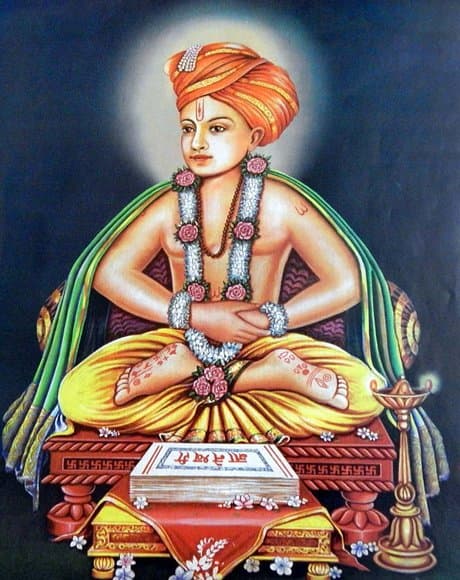
Jñāneśvar · Vārkarī
English36 “And now the three-fold (types of) pleasure hear, from Me, Oh Bull of the Bharata (clan). Wherein one finds joy (only) through practice, and (wherein one) fully attains the end of (all) grief: (772)
Then (God) said, “Now hear, Oh you righteous one, about the signs of the three-fold pleasure, which I promised I would preach. I shall show to your vision that pleasure which the being, Oh Kiriti, derives from the meeting with the soul. Just a potent (divine) medicine has to be administered in very small doses like Mātrā (मात्रा—a concentrated drug prepared by chemical process); or tin is converted into silver by alchemy (lit. by treating it with mercury); or in order to dissolve salt, water is profusely poured over it several (2—4) times; in that way the miseries of life (mundane existence), come to an end, when one (first) experiences a little (spiritual) pleasure and then pursues its practice repeatedly with all one's heart. And that ending of miseries is the pleasure of the 'Self' here. And this (generic pleasure) too is three-fold as constituted by the three Guna-constituents, and I tell you separately the signs of each of these types.
Swami Ramsukhdas · Modern
EnglishOn verses 18.36–18.37
'Bharatarṣabha'—The Lord addresses Arjuna as Bharatarṣabha, the best of all the persons in the Bharata family, to emphasize the fact, that it is easy for him to overcome the rājasika and tāmasika pleasures. He has overcome, the rājasika pleasure, because he rejected the offer of a beautiful heavenly damsel named, Urvasi. Similarly, he has overcome the tāmasika pleasure of sleep, and he is called 'Guḍākeśa', the conqueror of sleep.
'Sukhām tu idānim'—Having classified knowledge, action, agent, intellect and firmness, under three heads, the Lord, by using the term 'Tu', declares, that happiness is also of three kinds. A fact needs special attention here. The main stumbling block to spiritual progress or God-realization, is the desire for pleasure.
Even sāttvika happiness, if anyone is attached to it, leads to bondage. If a striver, is attached to happiness which he receives out of adoration, meditation and even trance, it leads him to bondage, by delaying him in God-realization (Gītā 14/6). Now, the question arises, whether eternal bliss of God-realization should also not be enjoyed. In fact, eternal bliss is not enjoyed, it is experienced or felt through self (Gītā 5/21; 6/21, 28). If a striver, does not enjoy happiness derived out of spiritual discipline, he experiences, that eternal bliss, naturally. The Lord has used the term 'Tu', to divert the strivers' attention, to eternal bliss.
Here the Lord by using the term 'Idānim', means that Arjuna wanted to know the true nature of renunciation (Sannyāsa) and the Discipline of Action (Tyāga); so in response to his query, the Lord, classified abandonment, knowledge, action, agent and firmness each, under three heads. But the aim of all of them, is
to derive pleasure (happiness). So, the Lord classifies happiness under three heads.
'Trividham śrṇu me'—People remain so much engrossed in rājasika and tāmasika pleasure, that they cannot imagine that sāttvika happiness, transcends them. So the Lord, asks Arjuna to choose Sāttvika joy (happiness), by rejecting rājasika and the tāmasika ones. Sāttvika joy is conducive to God-realization, while Rājasika and Tāmasika pleasure by entangling a man in the world, lead him to a fall.
'Abhyāsādramate yatra'—In Sāttvika happiness, one rejoices by practice. An ordinary man cannot rejoice in it, without practice. In rājasika and tāmasika pleasure, there is no need of any practice. Beings are naturally attracted to rājasika and tāmasika pleasure. The senses, are attracted towards sense-objects, mind and intellect are attracted towards pleasure and prosperity, and there is an inclination towards sleep, in the state of tiredness, naturally. All beings like pleasure, born of sense-contacts, pride, praise and sleep etc. Even dogs get pleased, when they are honoured, and displeased when they are dishonoured.
Now, the question arises, what sort of practice is required to gain sāttvika happiness. Hearing, thinking, study of scriptures and removal of the rājasika and tāmasika inclinations etc., are included in the term, 'practice'.
A striver, should practise adoration and meditation etc., but should not enjoy them. This is the meaning, which the Lord wants to convey, by the expression 'Abhyāsādramate'.
'Duḥkhāntaṃ ca nigacchati'—By practice, as a man develops interest in and attraction for, Sāttvika happiness, his sorrow comes to an end and he gains happiness or joy (Gītā 2/65).
The Lord, by using the conjunction, 'Ca' (and) means to convey that a striver cannot get rid of pain or sorrow, so long as, he rejoices in Sāttvika happiness. The reason is, that even Sāttvika happiness is born of placidity of mind and whatever is born, is perishable. So, how can the perishable, bring sorrow to
an end? A striver, instead of being attached to sāttvika happiness, should transcend it. By doing so, his sorrows come to an end.
**'Ātmabuddhiprasādajam'**—The mind, instead of attaching importance to honour, praise, pleasure and prosperity, thinks only of God. This thinking gives placidity of mind (Gītā 2/64). From placidity of mind accrues sāttvika happiness. It means that when a man being totally detached from mundane contact born pleasure, gets his mind, merged in meditation on God, the happiness experienced is said to be sāttvika.
**'Yattadagre viṣamīva'**—By the terms 'Yat' (which) and 'tat' (that), the Lord means to convey, that Sāttvika happiness, has not yet been experienced or felt. A striver, has the only aim, to gain it, but he experiences rājasika and tāmasika pleasures. So he faces difficulty in abandoning rājasika and tāmasika pleasure, because he has been enjoying these, since several births. But, he has not yet relished Sāttvika happiness. So having no real experience of Sāttvika happiness, he initially finds it most unpleasant, like poison.
In fact, Sāttvika happiness initially, is not like poison, but it is unpleasant like poison, to abandon rājasika and tāmasika pleasure. As a boy, takes more interest in play and recreation, than in studies in the beginning, because he does not know the importance of studies. But, when he goes on studying and gets success in examination, he becomes interested in studies, and then he attaches more importance to it. Similarly, people, who are attached to tāmasika and rājasika pleasure feel sāttvika happiness, like poison. But to those strivers, who are not attached to mundane pleasure, who have an inclination for the study of scriptures, for good company, loud chanting of divine name, meditation and adoration etc., and whose knowledge, actions, intellect and firmness, are sāttvika, this happiness is like nectar, to them from the very beginning. It is not unpleasant, taxing and irksome to them.
**'Pariṇāme'mṛtopamam'**—A striver, develops the modes of
goodness through spiritual discipline. When the mode of goodness is predominant, the light of wisdom shines in the mind and senses, and good virtues, such as peace and immutability etc., are revealed.* It is because of these virtues, that it is like nectar, at the end. If this happiness is not enjoyed, a striver, attains eternal bliss (Gītā 5/21). Sāttvika happiness is like nectar, at the end because by gaining it, a man transcends rājasika and tāmasika pleasure and his affinity with matter is renounced, which leads him to God-realization.
'Tatsukhaṁ sāttvikaṁ prokṭam'—Happiness which is gained by good company, study of the scriptures, loud chanting, meditation and adoration etc., is neither like pleasure gained by honour, praise and prosperity etc., nor like the pleasure which one derives out of heedlessness, indolence and excessive sleep etc., but it is happiness gained by having affinity with God. So it has been said to be, Sāttvika (of the nature of goodness).
Appendix—In the fourteenth chapter, the Lord declared that Sāttvika happiness binds the Self—'sukhasaṅgena badhnāti' (14/6), but here He declares that by Sāttvika happiness, sorrows come to an end. It means that if a striver enjoys the Sāttvika happiness, it binds him (self) viz., does not let him rise above the three modes. But if he does not enjoy it, then by it, his sorrows end. By enjoying happiness, sorrows don't come to an end. Having renounced enjoyment (pleasure), Yoga is attained. He should remain unconcerned and detached from the Sāttvika happiness. The attachment leads the striver to Rajogunā which binds him. When Sattvagunā is mixed with Rajogunā, it is conducive to a downfall (ruin).
The Sāttvika happiness appears like poison initially because a striver does not attach importance to discrimination. A Rājasa person does not value discrimination. Therefore appearance of the Sāttvika happiness initially like poison is because of Rajogunā.
*The three modes—of goodness, of passion and of ignorance abide in the mind unrevealed. They are known by their distinctive characteristics as described from the eleventh to the thirteenth verses of the fourteenth chapter.
It means that Sāttvika happiness is not painful but because of the effect of Rajogunā in one's intellect, the Sāttvika happiness appears to be painful like poison. He aims at Sāttvika happiness but inwardly he is passionate (Rājasa).
*Link:—The Lord now defines, Rājasika happiness.*
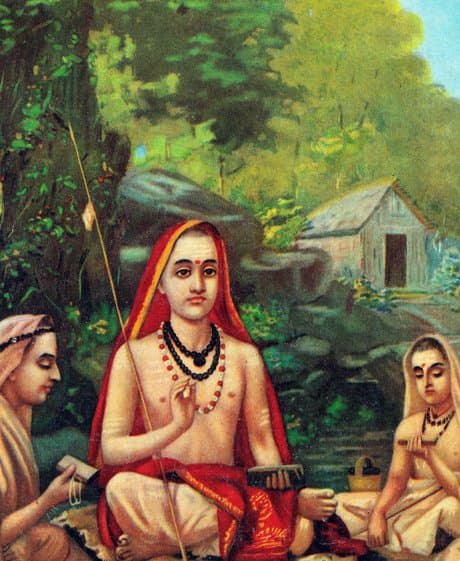
Ādi Śaṅkarācārya · Advaita
Sanskritसुखं तु इदानीं त्रिविधं शृणु, समाधानं कुरु इत्येतत्, मे मम भरतर्षभ । अभ्यासात् परिचयात् आवृत्तेः रमते रतिं प्रतिपद्यते यत्र यस्मिन् सुखानुभवे दुःखान्तं च दुःखावसानं दुःखोपशमं च निगच्छति निश्चयेन प्राप्नोति ॥
Ādi Śaṅkarācārya · Advaita
Hindiगुण-भेदके अनुसार क्रियाओं और कारकोंके तीन-तीन प्रकारके भेद कहे; अब फलस्वरूप सुखके तीन तरहके भेद कहे जाते हैं—
हे भरतर्षभ! अब तू मुझसे तीन तरहके सुखको भी सुन, अर्थात् सुननेके लिये चित्तको समाहित कर।
जिस सुखमें मनुष्य अभ्याससे रमता है अर्थात् जिस सुखके अनुभवमें बारम्बार आवृत्ति करनेसे मनुष्यका प्रेम हुआ करता है और जहाँ मनुष्य (अपने) दुःखोंका अन्त पाता है अर्थात् जहाँ उसके सारे दुःखोंकी निःसन्देह निवृत्ति हो जाया करती है
Jñāneśvar · Vārkarī
Marathiम्हणे सुखत्रयसंज्ञा । सांगों म्हणौनि प्रतिज्ञा । बोलिलों तें प्राज्ञा । ऐक आतां ॥ ७७२ ॥ तरी सुख तें गा किरीटी । दाविजेल तुज दिठी । जें आत्मयाचिये भेटी । जीवासि होय ॥ ७७३ ॥ परी मात्रेचेनि मापें । दिव्यौषध जैसें घेपें । कां कथिलाचें कीजे रुपें । रसभावनीं ॥ ७७४ ॥ नाना लवणाचें जळु । होआवया दोनि चार वेळु । देऊनि सांडिजती ढाळु । तोयाचें जेवीं ॥ ७७५ ॥ तेवीं जालेनि सुखलेशें । जीवु भाविलिया अभ्यासें । जीवपणाचें नासे । दुःख जेथें ॥ ७७६ ॥ तें येथ आत्मसुख । जालें असे त्रिगुणात्मक । तेंही सांगों एकैक । रूप आतां ॥ ७७७ ॥
Jñāneśvar · Vārkarī
Hindi(18.772) श्रीकृष्ण कहते हैं हे प्राज्ञ! त्रिविध सुख के लक्षण कहने की जो हमने प्रतिज्ञा की थी सो सुनो।
(18.773) हे किरीटी! सुख का रूप हम वह समझते हैं कि जो जीव को आत्मा की भेंट होने पर प्राप्त हो
(18.774) जैसे दिव्य औषधि मात्रा-मात्रा के प्रमाण से ली जाती है, अथवा रोंगे की चाँदी, कीमिया की कृति से, पुटों पर पुट देकर बनाई जाती है,
(18.775) अथवा लवण का पानी करने के लिए जैसे उसे दो-चार बार जल से धोना पड़ता है,
(18.776) वैसे ही थोड़ा-सा सुख हो तो बारबार वही अभ्यास करने से जहाँ जीव-दशा के दुःख का नाश हो जाता है
(18.777) वही आत्मसुख है। वह त्रिगुणात्मक है। अब हम उसके एक-एक रूप का वर्णन करते हैं।
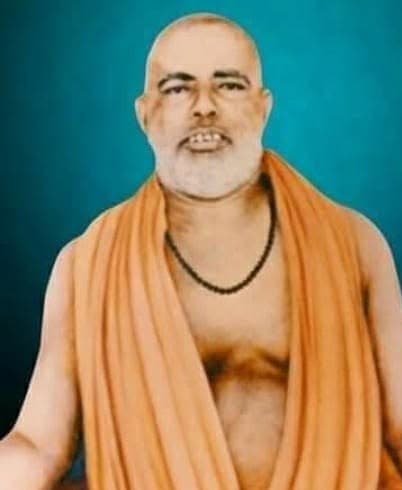
Sri Udiya Baba · Modern
Hindiसंगति— अब तीन प्रकार के सुखका वर्णन करते हैं—
भावार्थ— हे भरतश्रेष्ठ! अब तुम मुझसे तीन प्रकार के सुख के विषय में भी सुनो, जिसमें अभ्यासवश मनुष्य रमण करने लगता है और दुःखों का अन्त प्राप्त कर लेता है।
Swami Ramsukhdas · Modern
HindiOn verses 18.36–18.37
'भरतर्षभ'—इस सम्बोधनको देनेमें भगवान्का भाव यह है कि भरतवंशियोंमें श्रेष्ठ अर्जुन! तुम राजस-तामस सुखोंमें लुब्ध, मोहित होनेवाले नहीं हो; क्योंकि
तुम्हारे लिये राजस और तामस सुखपर विजय करना कोई बड़ी बात नहीं है। तुमने राजस सुखपर विजय भी कर ली है; क्योंकि स्वर्गकी उर्वशी-जैसी सुन्दरी अप्सराको भी
तुमने ठुकरा दिया है। इसी प्रकार तुमने तामस सुखपर भी विजय कर ली है; क्योंकि प्राणिमात्रके लिये आवश्यक जो निद्राका तामस सुख है, उसको तुमने जीत लिया है। इसीसे तुम्हारा नाम 'गुडाकेश' हुआ है।
'सुखं तु इदानीम्'—ज्ञान, कर्म, कर्ता, बुद्धि और धृतिके तीन-तीन भेद बतानेके बाद यहाँ 'तु' पदका प्रयोग करके भगवान् कहते हैं कि सुख भी तीन तरहका होता है। इसमें एक विशेष ध्यान देनेकी बात है कि आज पारमार्थिक मार्गपर चलनेवाले जितने भी साधक हैं, उन साधकोंकी ऊँची स्थिति न होनेमें अथवा उनको परमात्मतत्त्वका अनुभव न होनेमें अगर कोई विघ्न-बाधा है, तो वह है—सुखकी इच्छा।
सात्त्विक सुख भी आसक्तिके कारण बन्धनकारक हो जाता है। तात्पर्य है कि अगर साधनजन्य—ध्यान और एकाग्रताका सुख भी लिया जाय, तो वह भी बन्धनकारक हो जाता है। इतना ही नहीं, अगर समाधिका सुख भी लिया जाय, तो वह भी परमात्मतत्त्वकी प्राप्तिमें बाधक हो जाता है—'सुखसंगेन बध्नाति' (गीता १४।६)। इस विषयमें कोई कहे कि परमात्मतत्त्वका सुख आ जाय तो क्या उस सुखको भी हम न लें? वास्तवमें परमात्मतत्त्वका सुख लिया नहीं जाता, प्रत्युत उस अक्षय सुखका स्वतः अनुभव होता है (गीता—पाँचवें अध्यायका इक्कीसवाँ और छठे अध्यायका इक्कीसवाँ तथा अट्ठाईसवाँ श्लोक)। साधनजन्य सुखका भोग न करनेसे वह अक्षय सुख स्वतः—स्वाभाविक प्राप्त हो जाता है। उस अक्षय सुखकी तरफ विशेष खयाल करानेके लिये भगवान् यहाँ 'तु' पदका प्रयोग करते हैं।
यहाँ 'इदानीम्' कहनेका तात्पर्य है कि अर्जुन संन्यास और त्यागके तत्त्वको जानना चाहते हैं; अतः उनकी जिज्ञासाके उत्तरमें भगवान्ने त्याग, ज्ञान, कर्म, कर्ता, बुद्धि और धृतिके तीन-तीन भेद बताये। परन्तु इन सबमें ध्येय तो सुखका ही रहता है। अतः भगवान् कहते हैं कि तुम उसी ध्येयकी सिद्धिके लिये सुखके भेद सुनो।
'त्रिविधं शृणु मे'—लोग रात-दिन राजस और तामस सुखमें लगे रहते हैं और उसीको वास्तविक सुख मानते हैं। इस कारण 'सांसारिक भोगोंसे ऊँचा उठकर भी कोई सुख मिल सकता है; प्राणोंके मोहसे ऊँचा उठकर भी कोई सुख मिल सकता है; राजस और तामस सुखसे आगे भी कोई सात्त्विक सुख है; वे इन बातोंको समझ ही
नहीं सकते। इसलिये भगवान् कहते हैं कि भैया! वह सुख तीन प्रकारका होता है, उनको तुम सुनो और उनमेंसे सात्त्विक सुखको ग्रहण करो और राजस-तामस सुखोंका त्याग करो। कारण कि सात्त्विक सुख परमात्माकी तरफ चलनेमें सहायता करनेवाला है और राजस-तामस सुख संसारमें फँसाकर पतन करनेवाले हैं।
'अभ्यासाद्रमते यत्र'—सात्त्विक सुखमें अभ्याससे रमण होता है। साधारण मनुष्योंको अभ्यासके बिना इस सुखका अनुभव नहीं होता। राजस और तामस सुखमें अभ्यास नहीं करना पड़ता। उसमें तो प्राणिमात्रका स्वतः—स्वाभाविक ही आकर्षण होता है।
राजस-तामस सुखमें इन्द्रियोंका विषयोंकी ओर, मन-बुद्धिका भोग-संग्रहकी ओर तथा थकावट होनेपर निद्रा आदिकी ओर स्वतः आकर्षण होता है। विषयजन्य, अभिमानजन्य, प्रशंसाजन्य और निद्राजन्य सुख सभी प्राणियोंको स्वतः ही अच्छे लगते हैं। कुत्ते आदि जो नीच प्राणी हैं, उनका भी आदर करते हैं तो वे राजी होते हैं; और निरादर करते हैं तो नाराज हो जाते हैं, दुःखी हो जाते हैं। तात्पर्य यह है कि राजस और तामस सुखमें अभ्यासकी जरूरत नहीं है; क्योंकि इस सुखको सभी प्राणी अन्य योनियोंमें भी लेते आये हैं।
इस सात्त्विक सुखमें अभ्यास क्या है? श्रवण-मनन भी अभ्यास है, शास्त्रोंको समझना भी अभ्यास है और राजसी-तामसी वृत्तियोंको हटाना भी अभ्यास है। जिस राजस और तामस सुखमें प्राणिमात्रकी स्वतः—स्वाभाविक प्रवृत्ति हो रही है, उससे भिन्न नयी प्रवृत्ति करनेका नाम 'अभ्यास' है। सात्त्विक सुखमें अभ्यास करना तो आवश्यक है, पर रमण करना बाधक है।
यहाँ 'अभ्यासाद्रमते' पदका यह भाव नहीं है कि सात्त्विक सुखका भोग किया जाय, प्रत्युत सात्त्विक सुखमें अभ्याससे ही रुचि, प्रियता, प्रवृत्ति आदिके होनेको ही यहाँ रमण करना कहा गया है।
'दुःखान्तं च निगच्छति'—उस सात्त्विक सुखमें अभ्याससे ज्यों-ज्यों रुचि, प्रियता बढ़ती जाती है, त्यों-त्यों परिणाममें दुःखोंका नाश होता जाता है और प्रसन्नता, सुख तथा आनन्द बढ़ते जाते हैं (गीता—दूसरे अध्यायका पैंसठवाँ श्लोक)।
'च' अव्यय देनेका तात्पर्य है कि जबतक सात्त्विक सुखमें रमण होगा अर्थात् साधक सात्त्विक सुख लेता रहेगा,
तबतक दुःखोंका अत्यन्त अभाव नहीं होगा। कारण कि सात्त्विक सुख भी परमात्मविषयक बुद्धिकी प्रसन्नतासे पैदा हुआ है—‘आत्मबुद्धिप्रसादजम्’। जो उत्पन्न होनेवाला होता है, वह जरूर नष्ट होता है। ऐसे सुखसे दुःखोंका अन्त कैसे होगा? इसलिये सात्त्विक सुखमें भी आसक्ति नहीं होनी चाहिये। सात्त्विक सुखसे भी ऊँचा उठनेसे मनुष्य दुःखोंके अन्तको प्राप्त हो जाता है, गुणातीत हो जाता है।
‘आत्मबुद्धिप्रसादजम्’—जिस बुद्धिमें सांसारिक मान, बड़ाई, आदर, धन-संग्रह, विषयजन्य सुख आदिका महत्त्व नहीं रहता, केवल परमात्म-विषयक विचार ही रहता है, उस बुद्धिकी प्रसन्नता(गीता—दूसरे अध्यायका चौसठवाँ श्लोक) अर्थात् स्वच्छतासे यह सात्त्विक सुख पैदा होता है। तात्पर्य है कि सांसारिक संयोगजन्य सुखसे सर्वथा उपरत होकर परमात्ममें बुद्धिके विलीन होनेपर जो सुख होता है, वह सुख सात्त्विक है।
‘यत्तदग्रे विषमिव’—यहाँ ‘यत्तत्’ कहनेका भाव यह है कि ‘यत्’—जो सात्त्विक सुख है; ‘तत्’—वह परोक्ष है अर्थात् उसका अभी अनुभव नहीं हुआ है। अभी तो उस सुखका केवल उद्देश्य बनाया है, जबकि राजस और तामस सुखका अभी अनुभव होता है। इसलिये अनुभवजन्य राजस और तामस सुखका त्याग करनेमें कठिनता आती है और लक्ष्यरूपमें जो सात्त्विक सुख है, उसकी प्राप्तिके लिये किया हुआ रसहीन परिश्रम (अभ्यास) आरम्भमें जहरकी तरह लगता है—‘अग्रे विषमिव’। तात्पर्य यह है कि अनुभवजन्य राजस और तामस सुखका तो त्याग कर दिया और लक्ष्यवाला सात्त्विक सुख मिला नहीं—उसका रस अभी मिला नहीं; इसलिये वह सात्त्विक सुख आरम्भमें जहरकी तरह प्रतीत होता है।
राजस और तामस सुखको अनेक योनियोंमें भोगते आये हैं और उसे इस जन्ममें भी भोगा है। उस भोगे हुए सुखकी स्मृति आनेसे राजस और तामस सुखमें स्वाभाविक ही मन लग जाता है। परन्तु सात्त्विक सुख उतना भोगा हुआ नहीं है; इसलिये इसमें जल्दी मन नहीं लगता। इस कारण सात्त्विक सुख आरम्भमें विषकी तरह लगता है।
वास्तवमें सात्त्विक सुख विषकी तरह नहीं है, प्रत्युत
राजस और तामस सुखका त्याग विषकी तरह होता है। जैसे, बालकको खेल-कूद छोड़कर पढ़ाईमें लगाया जाय तो उसको पढ़ाईमें कैदीकी तरह होकर अभ्यास करना पड़ता है। पढ़ाईमें मन नहीं लगता तथा इधर उच्छृंखलता, खेल-कूद छूट जाता है, तो उसको पढ़ाई विषकी तरह मालूम देती है। परन्तु वही बालक पढ़ता रहे और एक-दो परीक्षाओंमें पास हो जाय तो उसका पढ़ाईमें मन लग जाता है अर्थात् उसको पढ़ाई अच्छी लगने लग जाती है। तब उसकी पढ़ाईके अभ्याससे रुचि, प्रियता होने लगती है।
वास्तवमें देखा जाय तो सात्त्विक सुख आरम्भमें विषकी तरह उन्हीं लोगोंके लिये होता है, जिनका राजस और तामस सुखमें राग है। परन्तु जिनको सांसारिक भोगोंसे स्वाभाविक वैराग्य है, जिनकी पारमार्थिक शास्त्राध्ययन, सत्संग, कथा-कीर्तन, साधन-भजन आदिमें स्वाभाविक रुचि है और जिनके ज्ञान, कर्म, बुद्धि और धृति सात्त्विक हैं, उन साधकोंको यह सात्त्विक सुख आरम्भसे ही अमृतकी तरह आनन्द देनेवाला होता है। उनको इसमें कष्ट, परिश्रम, कठिनता आदि मालूम ही नहीं देते।
‘परिणामेऽमृतोपमम्’—साधन करनेसे साधकमें सत्त्वगुण आता है। सत्त्वगुणके आनेपर इन्द्रियों और अन्तःकरणमें स्वच्छता, निर्मलता, ज्ञानकी दीप्ति, शान्ति, निर्विकारता आदि सद्भाव-सद्गुण प्रकट हो जाते हैं। इन सद्गुणोंका प्रकट होना ही सात्त्विक सुखका परिणाममें अमृतकी तरह होना है। इसका उपभोग न करनेसे अर्थात् इसमें रस न लेनेसे वास्तविक अक्षय सुखकी प्राप्ति हो जाती है (गीता—पाँचवें अध्यायका इक्कीसवाँ श्लोक)।
परिणाममें सात्त्विक सुख राजस और तामस सुखसे ऊँचा उठाकर जड़तासे सम्बन्ध-विच्छेद करा देता है और इसमें आसक्ति न होनेसे अन्तमें परमात्माकी प्राप्ति करा देता है। इसलिये यह परिणाममें अमृतकी तरह है।
‘तत्सुखं सात्त्विकं प्रोक्तम्’—सत्संग, स्वाध्याय, संकीर्तन, जप, ध्यान, चिन्तन आदिसे जो सुख होता है, वह मान, बड़ाई, आराम, रुपये, भोग आदि विषयेन्द्रिय-सम्बन्धका नहीं है और प्रमाद, आलस्य, निद्राका भी नहीं है। वह तो परमात्माके सम्बन्धका है। इसलिये वह सुख सात्त्विक कहा गया है।
* सात्त्विक, राजस और तामस—ये तीनों गुण अन्तःकरणमें अमूर्तरूपसे रहते हैं। इनका पता वृत्तियोंसे ही लगता है, जिसका वर्णन चौदहवें अध्यायमें ग्यारहवेंसे तेरहवें श्लोकतक हुआ है।
**परिशिष्ट भाव**—चौदहवें अध्यायमें तो सात्त्विक सुखको बाँधनेवाला बताया था—‘सुखसंगेन बध्नाति’ (१४।६), पर यहाँ उसको दुःखोंका नाश करनेवाला बताते हैं—‘दुःखान्तं च निगच्छति’। इसका तात्पर्य यह है कि सात्त्विक सुखमें रमण (भोग) करनेसे वह बाँधनेवाला हो जाता है अर्थात् गुणातीत नहीं होने देता। अगर रमण न करे तो वह सात्त्विक सुख दुःखोंका नाश करनेवाला हो जाता है। सुख भोगनेसे दुःखका नाश नहीं होता। भोगका त्याग करनेसे ही योग होता है। इसलिये सात्त्विक सुखसे भी असंगता होनी चाहिये। संग होनेसे बन्धनकारक रजोगुण आ जाता है। सत्त्वगुणमें रजोगुण आनेसे पतन होता है।
विवेकको महत्त्व न देनेके कारण सात्त्विक सुख आरम्भमें विषकी तरह दीखता है। राजस मनुष्य विवेकको आदर नहीं देता। अतः सात्त्विक सुखका आरम्भमें विषकी तरह दीखना राजसपना है। तात्पर्य है कि सात्त्विक सुख दुःखदायी नहीं होता, प्रत्युत मनुष्यकी बुद्धिमें राजसपना होनेसे सात्त्विक सुख भी उसको विषकी तरह दुःखदायी दीखता है। उसका उद्देश्य तो सात्त्विक सुखका है, पर भीतर राजस भाव पड़ा है।
सम्बन्ध—अब राजस सुखका वर्णन करते हैं।
The aforementioned descriptions of knowledge, action, performer, etc. are all utilised for the purpose and intention of obtaining happiness as influenced by the three guṇas or modes of material nature.
Now Lord Krishna reveals that the sukham or happiness that one becomes habituated to by constant endeavour gradually deriving exquisite pleasure at the cessation of misery with the termination of samsāra the perpetual cycle of birth and death.
Such sukham is achieved by industrious effort right from its very commencement with the yoga of meditation and Prāṇāyāma breathing exercises which bring the mind and senses under control.
The singular, unique nature of such sukham never having been experienced seems to be like venom in the beginning, but in the end, after a lifetime of devotional practice, its unique, sublime nature becomes just like nectar. Such happiness arises solely from ātma tattva or realisation of the immortal soul.
The consciousness of one which is absorbed in the ātma is one who can realise the ātma.
The bliss of tranquillity and serenity is experienced within after all conceptions and designations have been renounced except the ātma.
It is by such renunciation that the ātma is perceived and its ānanda or bliss experienced and it is this ānanda that awards the highest happiness and such sukham is like nectar and situated in sattva guṇa the mode of goodness.