

Bhagavad Gītā · Chapter 18 · Mokṣa Sannyāsa Yoga
कार्यमित्येव यत्कर्म नियतं क्रियतेऽर्जुन
सङ्गं त्यक्त्वा फलं चैव स त्यागः सात्त्विको मतः
kāryamityeva yatkarma niyataṃ kriyate'rjuna|saṅgaṃ tyaktvā phalaṃ caiva sa tyāgaḥ sāttviko mataḥ||
Translation
A prescribed duty which is performed simply because it has to be performed, giving up attachment and fruit, that alone has been recognized as the Sattvika form of renunciation.
Commentary
The commentators seated around this verse

Rāmānuja · Viśiṣṭādvaita
English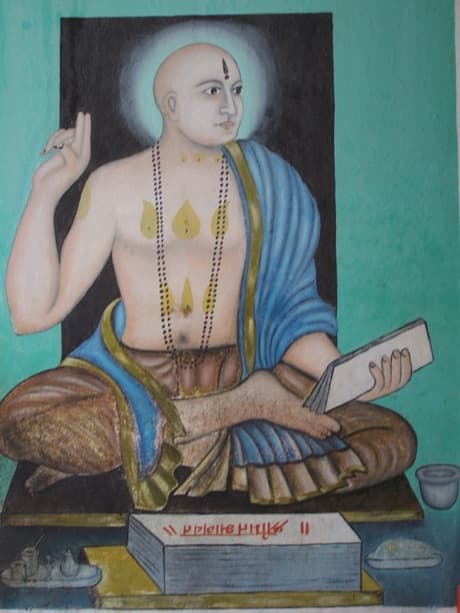
Madhvācārya · Dvaita
Madhva BhāṣyaSanskritEnglishOn verses 18.9–18.11
“अन्यस्त्यागार्थो न युक्त इत्याह - न हि, इति ।” - In this verse it has been clarified that mere renunciation of all actions is not the proper meaning.
Madhvācārya · Dvaita
Gītā Tātparya NirṇayaSanskritEnglishOn verses 18.9–18.11
“न द्वेष्ट्यकुशलं कर्म केवल दृष्टदुःखम् । जन्मान्तरकृते पुण्ये न सज्जेत् साच्चिकश्चले । यः सम्यक् तच्चविद् विष्णोस्तदर्पणधियेव तु । फलेच्छावर्जितस्तस्य कर्म वन्धाय नो भवेत् । बहुलं चेदल्पदोषं यावदेवापरोक्षदृक् ॥ इति च ॥” - कुशल - the qualified person would not despise actions only because they entail misery. By meritorious deeds done over different lives will not be used by him for enjoying insecure heavens. Knowing the fundamental principles the one, who offers them (his कर्म) to Sri Vishnu without attachment to the fruits of his actions, such one does not get bound (by his actions). However, performance of many actions may become reason for little demerits till one attains the knowledge of the Supreme.

Jñāneśvar · Vārkarī
English9 “Merely on the ground that it ought to be done, whichever obligatory act, O Arjuna, is performed, relinquishing both attachment as well as fruit; such a relinquishing is deemed Sattva-dominated. (200)
The (Sättvic) one performs with great skill and as prescribed in the Scriptures, actions that come to his lot in natural course according to his (innate) status, but drops all egotism as, being their doer as also the expectation of their fruit. To disregard one's mother's words and to entertain passion towards her—both these lead to one's complete downfall. Both these should, therefore, be avoided and service should be rendered to the mother. Should a cow be discarded altogether, simply because her mouth is unholy? or should the entire (jack)-fruit be thrown away because its rind and the seed (inside it) are not fit for eating? In that way the egotism of the doer, as also the tempting taste of the fruit, constitute the fettering elements in an action. A father never entertains any passion for his daughter; in that way when both these elements are not permitted to take a root in the mind, the action as prescribed never leads to any misery. Such a relinquishment is the very Supreme tree yielding fruit in the form of salvation and is well-known as 'Sättvic' in the world. When the seed is baked, the prospective entire tree-growth becomes extinct (निर्बश): in that way, he who is free from the fetters of the actions having renounced their fruit, is the one in whom the Rajas and the Tamas have both been destroyed, in the way the iron gets rid of its odious dark colour by a touch of the 'Paris'. To the one whose eyes of the Knowledge of the Self have been fully opened on account of the pure Sättvic quality, the non-existing but deceptive appearance of the vast universe confronting such a one disappears just as the mirage does (in a desert) in the evening, and such a one ceases to see the deceptive appearance (of the universe) like the (cavity of) sky.
Swami Ramsukhdas · Modern
English'Kāryamityeva yatkarma niyataṁ kriyate'rjuna'—Here, the particles 'Iti', and 'Eva', have been added to the term 'Kāryam', which denote that the prescribed duty is only to be performed, without any selfish motive, or desire for its fruit. By doing so, the doer's affinity with action, is renounced. So action (duty), does not lead him, to bondage. He is bound, only if he is attached, to action and its fruit, (Gītā 5/12).
All duties, which have been prescribed by the scriptures, according to a person's caste, social order, position and circumstances etc., are included in the 'Niyata Karma'. He should discharge those duties, very promptly and enthusiastically, abandoning idleness, laziness and heedlessness. So the Lord, in the context of the Discipline of Action, has used the term 'Samācam' (perform efficiently), (Gītā 3/9, 19).
'Saṅgaṁ tyaktvā phalaṁ caiva'—He should not be attached to actions, or the means (instruments) of actions, nor should he have desire, for the fruit.
'Sa tyāgaḥ sāttviko mataḥ'—Sāttvika Tyāga, consists in relinquishing attachment for action, its fruit and also the desire, for its fruit. In rājasika relinquishment, actions are abandoned, because these are painful, and they cause physical suffering; in tāmasika relinquishment, actions are abandoned, out of delusion,
*In the Gītā where there is description of the three modes of nature (7/12; 14/5—18, 22; 17/1-2, 8—13, 17—22 and 18/20—28, 30—35, 37—39) the order is Sattva, Raja and Tama, while here the order is reversed. The reason is—(i) If the Lord after the sixth verse (in the seventh verse) had described Sāttvika relinquishment, there would have been the repetition of the Lord's decided view and Sāttvika relinquishment. (ii) Something is proved superior if the inferior things have already been described. Therefore the Lord in order to prove superiority of the Sāttvika relinquishment first describes the Rājasika and the Tāmasika ones. (iii) In the verses tenth to twelfth there is description of the Sāttvika renounce. So the Sāttvika relinquishment is given in the ninth verse so that they may be connected.
while in sāttvika relinquishment, actions are not abandoned, but are performed carefully and promptly, according to rules and regulations, without expecting any reward. By sāttvika relinquishment, our affinity with actions and their fruit, is renounced, while in rājasika and tāmasika relinquishment, it seems that we are not at all concerned with actions, but actually internal affinity, is not renounced. The reason is, that in rājasika relinquishment, a man abandons actions, because these are painful and they cause physical suffering. So one remains attached to his comforts. Similarly, in tāmasika relinquishment, when a man abandons action out of delusion, he remains attached, to delusion. Thus even abandonment (relinquishment), leads to bondage, while performance of actions promptly, in accordance with the scriptural injunctions, leads to emancipation.
**Appendix**—In the mode of ignorance there is delusion (ignorance), in the mode of passion there is selfishness; but in the mode of goodness, there is neither delusion nor selfishness but there is renunciation of affinity. A Sāttvika person performs the obligatory actions (prescribed duty) because they ought to be done. There is a vital point which needs attention, and that is, that when an action is performed as a matter of duty, the affinity with it, is renounced. In the worldly disciplines (Karmayoga and Jñānayoga) the breach of affinity with the body and the world is important. Therefore a striver should perform every action by regarding it as his duty. External abandonment of actions is conducive to bondage but the performance of actions as a matter of duty, without having affinity with them, leads to salvation.*
* In the unworldly discipline (discipline of devotion), affinity with God is important. Therefore a devotee should not practise spiritual discipline such as chanting or loud chanting the Lord's holy names and meditation etc., with the mere sense of duty but should practise it, in a loving manner by regarding it as service or worship to his dearest beloved, in order to please Him. God's everything (His name and Form etc.) should be loving to him. He should feel delighted while performing actions for God's sake. As a medicine is taken by a patient with the sense of duty but food is not taken with the sense of duty but it is taken in order to satisfy hunger; similarly
Here a doubt may arise that in this verse there is mention of the performance of action rather than Tyāga (relinquishment), then how is it 'Sāṭvika tyāga'? The clarification is that in a Sāṭvika doer, there is neither delusion, nor selfishness, nor attachment nor desire for fruit; but he performs actions with the sense of duty; therefore as the doer has no affinity with the action, it is 'Tyāga' (relinquishment). Duty remains in the insentient division, in it there is no affinity with the sentient. When a man (the Self) assumes his affinity with the body, then he is connected with the actions performed with the body. If he does not assume his affinity with the body but only discharges his duty, he will not be connected with actions. It is named 'Tyāga' because in it there is renunciation of affinity with the body and the world. In it there is renunciation of affinity with both—the action and its fruit.
*Link:—With what sense, should the prescribed acts such as sacrifice, gift and penance be performed, and the prohibited acts and other acts for desire of fruits be relinquished? The answer comes.*
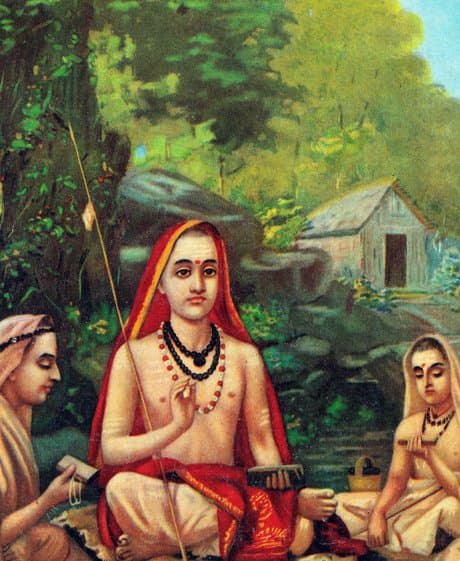
Ādi Śaṅkarācārya · Advaita
Sanskritकार्यं कर्तव्यं इत्येव यत् कर्म नियतं नित्यं क्रियते निर्वर्त्यते हे अर्जुन, सङ्गं त्यक्त्वा फलं च एव । एतत् नित्यानां कर्मणां फलवत्त्वे भगवद्वचनं प्रमाणं अवोचाम । अथवा, यद्यपि फलं न श्रूयते नित्यस्य कर्मणः, तथापि नित्यं कर्म कृतं आत्मसंस्कारं प्रत्यवायपरिहारं वा फलं करोति आत्मनः इति कल्पयत्येव अज्ञः । तत्र तामपि कल्पनां निवारयति ``फलं त्यक्त्वा'' इत्यनेन । अतः साधु उक्तं ``सङ्गं त्यक्त्वा फलं च'' इति । सः त्यागः नित्यकर्मसु सङ्गफलपरित्यागः सात्त्विकः सत्त्वनिर्वृत्तः मतः अभिप्रेतः ॥
ननु कर्मपरित्यागः त्रिविधः संन्यासः इति च प्रकृतः । तत्र तामसो राजसश्च उक्तः त्यागः । कथं इह सङ्गफलत्यागः तृतीयत्वेन उच्यते? यथा त्रयो ब्राह्मणाः आगताः, तत्र षडङ्गविदौ द्वौ, क्षत्रियः तृतीयः इति तद्वत् । नैष दोषः त्यागसामान्येन स्तुत्यर्थत्वात् । अस्ति हि कर्मसंन्यासस्य फलाभिसंधित्यागस्य च त्यागत्वसामान्यम् । तत्र राजसतामसत्वेन कर्मत्यागनिन्दया कर्मफलाभिसंधित्यागः सात्त्विकत्वेन स्तूयते ``स त्यागः सात्त्विको मतः'' इति ॥
यस्तु अधिकृतः सङ्गं त्यक्त्वा फलाभिसंधिं च नित्यं कर्म करोति, तस्य फलरागादिना अकलुषीक्रियमाणं अन्तःकरणं नित्यैश्च कर्मभिः संस्क्रियमाणं विशुध्यति । तत् विशुद्धं प्रसन्नं आत्मालोचनक्षमं भवति । तस्यैव नित्यकर्मानुष्ठानेन विशुद्धान्तःकरणस्य आत्मज्ञानाभिमुखस्य क्रमेण यथा तन्निष्ठा स्यात्, तत् वक्तव्यमिति आह -
Ādi Śaṅkarācārya · Advaita
Hindiतो फिर सात्त्विक त्याग कौन-सा है ?
हे अर्जुन! करना चाहिये—कर्तव्य है, ऐसा समझकर, जो नित्यकर्म आसक्ति और फल छोड़कर सम्पादन किये जाते हैं।
नित्यकर्मोंका फल होता है, इस विषयमें पहले भगवान्के वचनोंका प्रमाण दे चुके हैं। अथवा यों समझो कि यद्यपि नित्यकर्मोंका फल नहीं सुना जाता है, तो भी अज्ञ मनुष्य ऐसी कल्पना कर ही लेता है कि किया हुआ नित्यकर्म अन्तःकरणकी शुद्धि या प्रत्यवायकी निवृत्तिरूप फल देता है, सुतरां 'फलं त्यक्त्वा' इस कथनसे ऐसी कल्पनाका भी निषेध करते हैं। अतः 'सङ्गं त्यक्त्वा फलं च' यह कहना बहुत ही उचित है।
वह त्याग अर्थात् नित्यकर्मोंमें आसक्ति और फलका त्याग सात्त्विक—सत्त्वगुणसे किया हुआ त्याग माना गया है।
पू०—तीन प्रकारका कर्मपरित्याग संन्यास है, यह प्रकरण है। उसमें तामस और राजस तो त्याग बतलाये गये, परंतु तीसरे (सात्त्विक) त्यागकी जगह (कर्मोंका त्याग न कहकर) आसक्ति और फलका त्याग कैसे कहते हैं? जैसे कोई कहे कि तीन ब्राह्मण आये हैं, उनमें दो तो वेदके छहों अङ्गोंको जाननेवाले हैं और तीसरा क्षत्रिय है, उसीके समान यह कथन भी प्रकरणविरुद्ध है।
उ०—यह दोष नहीं है; क्योंकि त्यागमात्रकी समानतासे कर्मफलत्यागकी स्तुतिके लिये ऐसा कहा है। कर्मसंन्यासकी और फलासक्तिके त्यागकी, त्यागमात्रमें तो समानता है ही। उनमें (स्वरूपसे) कर्मोंके त्यागको राजस और तामस त्याग बतलाकर उसकी निन्दा करके, 'स त्यागः सात्त्विको मतः' इस कथनसे कर्मफल और आसक्तिके त्यागको सात्त्विक त्याग बतलाकर उसकी स्तुति की जाती है
Jñāneśvar · Vārkarī
Marathiतरी स्वाधिकाराचेनि नांवें । जें वांटिया आलें स्वभावें । तें आचरे विधिगौरवें । शृंगारोनि ॥ २०० ॥ परी हें मी करितु असें । ऐसा आठवु त्यजी मानसें । तैसेचि पाणी दे आशे । फळाचिये ॥ २०१ ॥ पैं अवज्ञा आणि कामना । मातेच्या ठायीं अर्जुना । केलिया दोनी पतना । कारण होती ॥ २०२ ॥ तरी दोनीं यें त्यजावीं । मग माताची ते भजावी । वांचूनि मुखालागीं वाळावी । गायचि सगळी ? ॥ २०३ ॥ आवडतियेही फळीं । असारें साली आंठोळीं । त्यासाठीं अवगळी । फळातें कोण्ही ? ॥ २०४ ॥ तैसा कर्तृत्वाचा मदु । आणि कर्मफळाचा आस्वादु । या दोहींचें नांव बंधु । कर्माचा कीं ॥ २०५ ॥ तरी या दोहींच्या विखीं । जैसा बापु नातळे लेंकीं । तैसा हों न शके दुःखी । विहिता क्रिया ॥ २०६ ॥ हा तो त्याग तरुवरु । जो गा मोक्षफळें ये थोरु । सात्विक ऐसा डगरु । यासींच जगीं ॥ २०७ ॥ आतां जाळूनि बीज जैसें । झाडा कीजे निर्वंशें । फळ त्यागूनि कर्म तैसें । त्यजिलें जेणें ॥ २०८ ॥ लोह लागतखेंवो परीसीं । धातूची गंधिकाळिमा जैसी । जाती रजतमें तैसीं । तुटलीं दोन्ही ॥ २०९ ॥ मग सत्वें चोखाळें । उघडती आत्मबोधाचे डोळे । तेथ मृगांबु सांजवेळे । होय जैसें ॥ २१० ॥ तैसा बुद्ध्यादिकांपुढां । असतु विश्वाभासु हा येवढा । तो न देखे कवणीकडां । आकाश जैसें ॥ २११ ॥
Jñāneśvar · Vārkarī
Hindi(18.200) जो अपने अधिकारानुसार स्वभावतः प्राप्त कर्म का विधि-विधान सहित आचरण करता है
(18.201) परन्तु जिसके हृदय में यह स्मृति भी नहीं रहती कि यह कर्म मैं कर रहा हूँ, तथा जो फल की आशा को तिलांजलि देता है,
(18.202) (जैसे माता की अवज्ञा करना अथवा उसके विषय में काम रखना ये दोनों बातें अधोगति का हेतु होती हैं
(18.203) अतः इन दोनों पापों का त्याग कर माता की सेवा करनी चाहिए, अन्यथा गाय का मुँह अपवित्र है इसलिए क्या कोई गाय का ही त्याग कर देता है?
(18.204) जो फल भाता है उसके छिलके और गुठली में रस न होने के कारण क्या कोई उस फल को ही फेंक देता है? (18.205) वैसे ही कर्तृत्व का अभिमान और कर्म-फल की इच्छा दोनों को कर्म का बन्ध कहते हैं;
(18.206) अतः इन दोनों के विषय में जो इस प्रकार रहता है जैसा कि बाप बेटी के विषय में निरभिलाष रहता है। वह मनुष्य विहित कर्म करता हुआ कभी दुःखी नहीं हो सकता।
(18.207) यही त्याग एक श्रेष्ठ वृक्ष है जिसमें मोक्ष-रूपी महाफल लगता है। संसार में यही त्याग सात्विक नाम से प्रसिद्ध है।
(18.208) अब जैसे बीज जला देने से वृक्ष निर्वंश हो जाता है वैसे हो जो फल का त्याग कर कर्म-त्याग करता है
(18.209) उसके रज और तम ऐसे छूट जाते हैं जैसे पारस का स्पर्श होते ही लोहे का अमंगल दोष निकल जाता है।
(18.210) फिर शुद्ध सत्त्व के कारण आत्मज्ञान-रूपी नेत्र खुलते हैं, और सन्ध्या के समय जैसे मृगजल नहीं दिखाई देता
(18.211) वैसे ही उस सात्विक मनुष्य की बुद्धि इत्यादि के सन्मुख इतना बड़ा विश्वाभास भी, आकाश जैसा, कहीं दिखाई नहीं देता।
Sri Udiya Baba · Modern
Hindiभावार्थ— हे अर्जुन! जो पुरुष विहित कर्मों को 'करना ही चाहिए' ऐसी बुद्धि से आसक्ति और फल का त्याग करके करता है उसका वह त्याग सात्त्विक माना गया है।
व्याख्या— रूपासक्ति, धन, रसास्वाद, नियमविरुद्ध दया और मानापमान—इन पाँच का त्याग ही सात्त्विक त्याग है।
Swami Ramsukhdas · Modern
Hindi‘कार्यमित्येव यत्कर्म नियतं क्रियतेऽर्जुन’—यहाँ ‘कार्यम्’ पदके साथ ‘इति’ और ‘एव’ ये दो अव्यय लगानेसे यह अर्थ निकलता है कि केवल कर्तव्यमात्र करना है। इसको करनेमें कोई फलासक्ति नहीं, कोई स्वार्थ नहीं और कोई क्रियाजन्य सुखभोग भी नहीं। इस प्रकार कर्तव्यमात्र करनेसे कर्ताका उस कर्मसे सम्बन्ध-
इसलिये उसका वह कर्तव्य-कर्मोंका त्याग राजस कहा जाना चाहिये? ऐसी बात नहीं है। सांसारिक कर्मोंको छोड़कर जो भजनमें लग जाता है, उसका त्याग राजस या तामस नहीं हो सकता। कारण कि भगवान्को प्राप्त करना मनुष्य-जन्मका ध्येय है; अतः उस ध्येयकी सिद्धिके लिये कर्तव्य-कर्मोंका त्याग करना वास्तवमें कर्तव्यका त्याग करना नहीं है, प्रत्युत असली कर्तव्यको करना है। उस असली कर्तव्यको करते हुए आलस्य, प्रमाद आदि दोष नहीं आ सकते; क्योंकि उसकी रुचि भगवान्में रहती है। परन्तु राजस और तामस त्याग करनेवालोंमें आलस्य, प्रमाद आदि दोष आयेंगे ही; क्योंकि उसकी रुचि भोगोंमें रहती है।
‘स कृत्वा राजसं त्यागं नैव त्यागफलं लभेत्’—त्यागका फल ‘शान्ति’ है। राजस मनुष्य त्याग करके भी त्यागके फल—(शान्ति—) को नहीं पाता। कारण कि उसने जो त्याग किया है, वह अपने सुख-आरामके लिये ही किया है। ऐसा त्याग तो पशु-पक्षी आदि भी करते हैं। अपने सुख-आरामके लिये शुभ-कर्मोंका त्याग करनेसे राजस मनुष्यको शान्ति तो नहीं मिलती, पर शुभ-कर्मोंके त्यागका फल दण्डरूपसे जरूर भोगना पड़ता है।
विच्छेद हो जाता है। ऐसा होनेसे वह कर्म बन्धनकारक नहीं होता अर्थात् संसारके साथ सम्बन्ध नहीं जुड़ता। कर्म तथा उसके फलमें आसक्त होनेसे ही बन्धन होता है—‘फले सक्तो निबध्यते’ (गीता ५। १२)।
शास्त्रविहित कर्मोंमें भी देश, काल, वर्ण, आश्रम, परिस्थितिके अनुसार जिस-जिस कर्ममें जिस-जिसकी
नियुक्ति की जाती है, वे सब नियत कर्म कहलाते हैं; जैसे—साधुको ऐसा करना चाहिये, गृहस्थको ऐसा करना चाहिये, ब्राह्मणको अमुक काम करना चाहिये, क्षत्रियको अमुक काम करना चाहिये इत्यादि। उन कर्मोंको प्रमाद, आलस्य, उपेक्षा, उदासीनता आदि दोषोंसे रहित होकर तत्परता और उत्साहपूर्वक करना चाहिये। इसीलिये भगवान्ने कर्मयोगके प्रसंगमें जगह-जगह 'समाचर' शब्द दिया है (गीता—तीसरे अध्यायका नवों और उन्नीसवों श्लोक)।
'संगं त्यक्त्वा फलं चैव'—संगके त्यागका तात्पर्य है कि कर्म, कर्म करनेके औजार (साधन) आदिमें आसक्ति, प्रियता, ममता आदि न हो और फलके त्यागका तात्पर्य है कि कर्मके परिणामके साथ सम्बन्ध न हो अर्थात् फलकी इच्छा न हो। इन दोनोंका तात्पर्य है कि कर्म और फलमें आसक्ति तथा इच्छाका त्याग हो।
'स त्यागः सात्त्विको मतः'—कर्म और फलमें आसक्ति तथा कामनाका त्याग करके कर्तव्यमात्र समझकर
**परिशिष्ट भाव**—तमोगुणमें मूढ़ता (बेसमझी) है और रजोगुणमें स्वार्थबुद्धि है, पर सत्त्वगुणमें न मूढ़ता है, न स्वार्थबुद्धि है, प्रत्युत सम्बन्ध-विच्छेद है। सात्त्विक मनुष्य कर्तव्यमात्र समझकर सब नियत कर्म करता है। एक मार्मिक बात है कि कर्तव्यमात्र समझकर जो भी कर्म किया जाता है, उससे सम्बन्ध-विच्छेद हो जाता है। लौकिक साधन (कर्मयोग और ज्ञानयोग)-में शरीर-संसारसे सम्बन्ध-विच्छेद मुख्य है। इसलिये साधकको प्रत्येक कर्म कर्तव्यमात्र समझकर करना चाहिये। स्वरूपसे कर्मोंका त्याग करनेसे तो बन्धन होता है, पर सम्बन्ध न जोड़कर कर्तव्यमात्र समझकर कर्म करनेसे मुक्ति होती है।
१-गीताभरमें जहाँ कहीं (सातवें अध्यायके बारहवें, चौदहवें अध्यायके पाँचवेंसे अठारहवें, और बाईसवें, सत्रहवें अध्यायके पहले, दूसरे, आठवेंसे दसवें, ग्यारहवेंसे तेरहवें, सत्रहवेंसे बाईसवें और अठारहवें अध्यायके बीसवेंसे अठ्ठाईसवें, तीसवेंसे पैंतीसवें तथा सैंतीसवेंसे उन्तालीसवें श्लोकोंमें) गुणोंका वर्णन हुआ है, वहाँ सत्त्व, रज और तम—यही क्रम रखा गया है। केवल यहीं (१८।७—९में) व्यक्तिक्रम हुआ है अर्थात् तम, रज और सत्त्व—ऐसा क्रम रखा गया है। इसका कारण है—(१) यदि छठे श्लोकके बाद ही (सातवें श्लोकमें) सात्त्विक त्यागका वर्णन करते तो भगवान्के निश्चित मतमें और सात्त्विक त्यागमें पुनरुक्तिका दोष आ जाता। (२) किसी वस्तुकी उत्तमता तभी सिद्ध होती है, जब उसके पहले अनुत्तम वस्तुका वर्णन किया जाय। इसलिये भगवान् सात्त्विक त्यागकी उत्तमता सिद्ध करनेके लिये पहले अनुत्तम तामस और राजस त्यागका वर्णन करते हैं। (३) आगे दसवेंसे बारहवें श्लोकतक 'सात्त्विक त्यागी' का वर्णन हुआ है। यदि सात्त्विक त्यागका वर्णन सात्त्विक त्यागीके पास (नवें श्लोकमें) न देते तो तामस त्यागके पास होनेसे सात्त्विक त्यागीका सम्बन्ध न जुड़ता।
२-अलौकिक साधन (भक्तियोग)-में भगवान्से सम्बन्ध जोड़ना मुख्य है। इसलिये भक्तको जप, ध्यान, कीर्तन आदि कर्तव्य समझकर नहीं करने चाहिये, प्रत्युत अपने प्रियतमका काम (सेवा-पूजन) समझकर उनकी प्रसन्नताके लिये प्रेमपूर्वक करने चाहिये। भगवान्की हरेक वस्तु (नाम, रूप आदि) प्रिय लगनी चाहिये। भगवान्का काम करनेमें आनन्द आना चाहिये। जैसे, दवा कर्तव्य समझकर ली जाती है, पर भोजन कर्तव्य समझकर नहीं किया जाता, प्रत्युत अपनी भूख मिटानेके लिये किया जाता है। इसलिये भक्तको जप, ध्यान आदि कर्तव्यमात्र समझकर त्यागके उद्देश्यसे नहीं करने चाहिये, प्रत्युत भगवान्के साथ सम्बन्ध जाग्रत् करनेके लिये करने चाहिये। अगर वह जप, ध्यान आदि भी कर्तव्य समझकर करेगा तो भगवत्सम्बन्ध जाग्रत् नहीं होगा, प्रेमका उदय नहीं होगा।
यहाँ शंका हो सकती है कि प्रस्तुत श्लोकमें तो कर्म करनेकी बात आयी है, त्यागकी बात आयी ही नहीं, फिर यह 'सात्त्विक त्याग' कैसे हुआ? इसका समाधान है कि सात्त्विक कर्तामें न मोह है, न स्वार्थ है, न आसक्ति है, न फलेच्छा है, केवल कर्तव्यमात्र है, इसलिये कर्मके साथ कर्ताका कुछ भी सम्बन्ध न होनेसे यह 'त्याग' हुआ। कर्तव्यमात्र जड़-विभागमें ही रहा, चेतनके साथ सम्बन्ध नहीं हुआ। जब चेतन (शरीर) शरीरके साथ अपना सम्बन्ध मान लेता है, तब शरीरसे होनेवाले कर्मोंके साथ उसका सम्बन्ध जुड़ जाता है। अगर वह शरीरके साथ सम्बन्ध न जोड़े, केवल कर्तव्यमात्र करे तो उसका कर्मोंके साथ सम्बन्ध नहीं जुड़ेगा। शरीर-संसारसे सम्बन्ध-विच्छेद होनेके कारण इसका नाम 'त्याग' हुआ। इसमें कर्म और फल दोनोंके साथ सम्बन्ध-विच्छेद है।
सम्बन्ध—छठे श्लोकमें 'एतानि' और 'अपि तु' पदोंसे कहे गये यज्ञ, दान, तप आदि शास्त्रविहित कर्मोंके करनेमें और शास्त्रनिषिद्ध तथा काम्य कर्मोंका त्याग करनेमें क्या भाव होना चाहिये? यह आगेके श्लोकमें बताते हैं।
It should be understood and clearly comprehended that all prescribed Vedic activities both nitya or eternal and naimittika or occasional are obligatory duties for aspirants seeking Mokṣa or liberation from material existence and communion with the Supreme Lord.
These prescribed activities devolve into the specific duties varṇa and āśrama or the stage and class one is situated in. This may be initiated by birth but it is established inherently and qualified by deeds.
Actual renunciation is performing such prescribed Vedic activities free from egoism, without any attachment or desire for any rewards.
This is real renunciation and is situated in sattva guṇa the mode of goodness where the source of spiritual realisation commences; properly situated in correct knowledge, untainted by delusion and free from illusion.
This theme will appear again in verse 30.