

Bhagavad Gītā · Chapter 18 · Mokṣa Sannyāsa Yoga
कृषिगौरक्ष्यवाणिज्यं वैश्यकर्म स्वभावजम्
परिचर्यात्मकं कर्म शूद्रस्यापि स्वभावजम्
kṛṣigaurakṣyavāṇijyaṃ vaiśyakarma svabhāvajam|paricaryātmakaṃ karma śūdrasyāpi svabhāvajam||
Translation
Agriculture, rearing of cows and honest exchange of merchandise—these constitute the natural duty of a Vaisya (a member of the trading class). And service of the other classes in the natural duty even of a Sudra (a member of the labouring class).
Commentary
The commentators seated around this verse
Rāmānuja · Viśiṣṭādvaita
English
Madhvācārya · Dvaita
SanskritEnglishOn verses 18.44–18.48
“क्षत्रियोनब्रह्मगुणो वैश्यः कुप्यादिजीवनः | तत ऊनः शमाधैर्यः शुश्रुपुः शूद्र उच्यते | अधिकाश्चेद् गुणाः शूद्रे ब्रह्मणादिः स उच्यते | ब्रह्मणोऽप्यल्पगुणकः शूद्र एवेति कीर्तितः | नरोऽपि यो देवगुणो ज्ञेयो देवो नृतां गतः || इति ||” - Vaishyas are less serene and self-restrained than Kshatriyas and Brahmins because of their life being that of cattle breeders. Because of service to others as servers, others are known as Shudras. If there are superior attributes in a Shudra, he is known as Brahmin; and if a Brahmin has inferior attributes he will be known as Shudra. Even among human beings those who have the divine attributes are said to have traversed the divine Path.
“स्वकर्मणा तमभ्यर्च्य इति वचनात् | क्षत्रियादिष्वपि शमघनुवृत्तिर्ज्ञायते | न हि शमादिकं विना तस्य यज्ञदानतपः कर्म न त्याज्यम् | इत्युक्तवाच्च | शमो मन्निष्ठता बुद्धेर्दम इन्द्रियनिग्रहः इति हि भागवते || न हि क्षत्रियादिभिरपि शौचतपःक्षमादिभिर्हानैर्भावितव्यमिति तत्तद्भवमैपृच्यते | युक्ता ह्येतैः सर्वगुणोऽजैः ||” - It is seen that even when each one performs actions according to one's attributes, some Kshatriyas could be seen endowed with attributes like serenity and self-restraint, because without serenity and self-restraint propitiation of the Lord is not possible. Propitiation through serenity and self-restraint alone is the true propitiation and without them perfection is never possible. “Acts of sacrifice, charity, austerity etc. should never be renounced”. “Intellect, abidance in the Mind, self-restraint and sense-restraint” thus having been said in Bhagavat Purana. Kshatriyas are never prevented from purity, austerity, serenity etc. because being of righteous conduct, they would not lower them. All these attributes are appropriate as in Janaka's balanced behaviour. Those Kshatriyas who never desert battlefield are especially praise worthy.
“शौर्यं तेजो धृतिर्दाक्ष्यं दानं च क्षत्रियेऽधिकाः | तद्वीना ब्राह्मणे तस्माद् वैश्ये शूद्रे ततोऽल्पकाः | अध्यापनं च शुश्रुपा जीवनार्थमृते सताम् | विप्रादिशु क्रमाज्ज्ञेयाः शूद्रस्याध्यापनं विना | तस्माच्छूद्रोऽल्पशुश्रुपुः स्वभावाज्जीवनं विना | एते नैसर्गिका भावा स्याद् भावोऽन्योऽपि कुत्रचित् | बलाद् विरुद्धभावस्तु हेयः स्वाभाविकोऽपि यः | अनिसर्गोऽपि हि शुभो वर्धनीयः प्रयत्नतः | याजनैश्वर्यपूर्वास्तु नान्यैः कायाः शमा अपि | अपलायनं च शूद्राणां ब्रह्मक्षत्रार्थमिष्यते || इति च ||” - Valour, vigour, self-restraint, forbearance, charity these are primarily seen more in Kshatriyas than in others, less in Brahmins, lesser in Vaishyas and still less in Shudras. Not merely for the sake of livelihood but for the sake of educating the noble ones it is the predominant attribute of the Brahmins, which is progressively less in others. Teaching is never the proper assignment of the Shudras. Therefore, the Shudras should offer service, if not for livelihood, at least by attending on the noble ones. Sometime due to the force of events even natural attributes are desirable to be abandoned for performing other activities. And even those opposed to the natural attributes are required to be promoted for enhancing propitious attributes. In the alternative, sacrifices and splendour should not be given up, none other actions being more propitious. When the need arises for safeguarding Brahmins and Kshatriyas, Shudras may even desert the battle field.
“प्रसद्य विताहरणं शारीरो दण्ड एव च | अशिष्याणां शासनं च तथैवार्थविनाशनम् | एष ईश्वरभावः स्यान् कार्यः क्षत्रियेतैः | सर्वे विधर्मिणः शास्त्राः क्षत्रियैर्यन्तः सदा | अङ्गायहानिकृद् दण्डः शिष्येषु ब्रह्मवादिभिः | कार्यो देहेऽपि शिष्यश्च स्वामिना स्वेन वाऽर्पितः | पुत्रानुजादयः सर्वे शिष्या एव निसर्गतः | गुरवश्चैव मित्राणि सुखिस्वहसचारिणः | सम्बन्धितश्च सर्वेऽपि तत्तद्योग्यतयाऽखिलैः | शिक्षणीयेषु भावेषु शिक्षणीयाः प्रयत्नतः | उन्मादे बन्धनधैवां ताडनं न गुरोः क्वचित् | पापं चरन्तस्त्वन्येऽपि सर्वदृष्टिपथं गताः | शक्तितो वारणीयाः स्युर्देशकालानुसारतः | तदुत्तमविरोद्धाराः सन्त्याज्या गुरावोऽपि तु | यथाशक्त्यनुशासैव कालतोऽपि न चेच्छुभाः | विष्णोः परमभक्तस्तु न त्याज्यः शास्त्र एव च | शिक्षयश्च गुरून् शिष्यो गुरवन्नैव शिक्षयेत् | महान्तो नानुशास्त्राश्च विरुद्धाचरिता अपि | यदि च स्वाधिकानां तु विरोधं नैव कुर्वते || इत्यदि च ||”
- Confiscating wealth and giving physical penalty, disciplining those who are disobedient, and destroying their economic power - these are the marks of supremacy. These should be done by none other than Kshatriyas. Those who are non-followers of Dharma should be properly governed by the Kshatriyas. Brahmins can punish their disciples without causing any bodily harm. Now here the disciple is one who has willingly accepted such position or a servant who has been accepted by his master and also naturally the children and relations. The Teachers, the associates, well-read relatives all these can dispense with punishment according to their capacity and capability. If the teacher is demented then he should be bound but never be harmed physically. If he is found to follow undesirable actions then he should be dealt with according to the laws of the situation, place and time. If the Teacher opposes one who is superior to him, then this fact should be brought to his notice. They should be treated with discipline but should never be abandoned as that would not be meritorious. Those Teachers who are devoted to Sri Vishnu should neither be deserted nor penalised. The disciples should not punish (the Teacher) in the same manner as the Teacher would have punished a disciple. Even if a great person is seen to perform acts contrary to the scriptures, he should not be punished if their action does not interfere with that of their superiors.
“आपत्तु विप्रः क्षात्रं तु विशां वा धर्ममाचरेत् | क्षात्रासिद्धौ न शूद्रस्तु विप्रक्षत्रिययोः क्वचित् | क्षत्रियो ब्राह्ममापत्तु तदापत्तु विशामपि | क्षत्रियो विप्रधर्मोऽपि नैवभैक्ष्यप्रतिग्रही | वैश्य आपत्तु शौद्रं तु धर्ममेकं नचापरम् | शूद्र आपत्तु विद्वधर्मा तदापत्तु च कारुकः | शूद्रस्तु वैश्यधर्मोऽपि नैव वदोक्षरो भवत्वे | अत्यापदि क्षत्रियोऽपि पादशुश्रुषणं विना | शौद्रधर्मं चरन् विप्रक्षत्रियेषु न दुष्यति | येषु कर्मसु याच्यः स्यात् स्वामिनाऽपि न याचिता | शौद्रण्यपि स्वधर्मत्वे क्षत्रियस्यापदो यदि | अस्मानाश्चेद् बलाधिक्यं सानुवन्धादपि प्रभोः | धर्मार्थं सेवतोऽर्थो विप्रधर्मा धिकाद वरः | प्रभुणा याच्यवृत्तिस्तु विशेषाणापि धर्मभाक् | वात्स्योर्यलाधिको यः स्यात् क्षत्रियो विद्ययाऽधिकः | विप्रो भागवती चेतो सेशा लोकास्तयोरिमे | इत्यादि व्यासस्मृती ||” - In times of adversity the Brahmins may perform occupations ordained for the Kshatriyas or the Vaishyas. But Shudras should never perform the occupations ordained for Brahmins or Kshatriyas. Kshatriyas may perform the occupation of Brahmins or of the Vaishyas in times of adversity. But they should never beg for their food. In times of adversity the Vaishyas may accept the occupations of the Shudras and of none other. If the trade is not beneficial to him then he may perform the occupations of carpenter or iron-smith etc. Even though the Shudras accept the occupation of the Vaishyas, they should never endeavour to study the Vedas. In the event of great adversity a Kshatriya may perform the service like a Shudra towards the Brahmins and other Kshatriyas. But they should not offer service to their feet. The Kshatriya performing the actions of Shudras towards the wise ones or his superiors is not unworthy. Such acts performed for the purpose of concealing oneself, when living incognito, are superior even to the acts of Brahmins. It is more meritorious to perform the actions enjoined by the master than remaining without opposing him. Such action become meritorious. If the Kshatriya is strong in his powerful shoulders and the Brahmin is full of wisdom, coupled with devotion to the Resplendent Lord, then the protectors of the world along with the world comes under their way. Thus s'peaks the Vyasa Smriti.
Jñāneśvar · Vārkarī
English44 "Ploughing, cattle tending, trading: (these) constitute the activity of the Vaishya, born of his innate nature. What is of the nature of servitude makes up likewise the activity of a Shūdra born of his innate nature. (880)
To acquire vast profits, on the three-fold capital of land, seed and plough, to live on farming, to protect and maintain cows and other cattle, and to sell at high prices commodities purchased at cheaper rates—all these constitute the nature of the Vaishya, and this action-group comes within the orbit of the qualities of the Vaishya caste. And to serve the three twice-born castes, viz. the Brahmins, the Kshatriyas and Vaishyas is the function of the Shūdra. It is not within the competence of the Shūdras to go beyond the services of the twice-born. Thus are narrated to you the qualities of the four castes.
Swami Ramsukhdas · Modern
English'Kṛṣigaurakṣyavāṇijyam vaiśyakarma svabhāvaṁ'—Agriculture, cattle-rearing and pure trade, are the duties of a Vaiśya born of his nature.
Pure trade consists, in supplying the needs of the, people by transporting the commodities, from one place to another, sincerely and honestly, so that no one may feel a shortage.
Lord Kṛṣṇa, (because of his relationship with Nanda-Bābā), regarded himself as a Vaiśya.* So he himself grazed cows and calves. In the Manusmṛti (the code of Manu) it is mentioned, that the duty of a Vaiśya is cow-rearing. So Lord Kṛṣṇa exhorts Vaiśyas, at least to rear cows, if they cannot raise all cattle. So, the Vaiśyas should bring up cows, by applying all their resources, body, mind, power and riches.
An Important Fact Concerning Cow-Rearing
A cow is to be reared from every point of view. Human beings can attain, four important aims of life, through cow-rearing—these are money (artha), righteousness (Dharma), desire (Kāma) and salvation (Mokṣa). In the materialistic world of today, a cow is very useful. Her milk, churned butter and dung, add to the wealth of a nation. Our country, is an agricultural country. So bullocks, are used to plough the land. The land, can also be ploughed by male-buffaloes, or camels. But bullocks, are superior to them. Buffaloes cannot work so efficiently, as bullocks because the latter have more sāttvika strength, than the former. The latter can work for a longer time, in the sun, than the former. Moreover, the number of the buffaloes is smaller than that of bullocks. As far as camels, are concerned, they cost more than bullocks. If cows are reared, they give birth to bullocks. So bullocks are not to be bought. Bullocks born of foreign cows cannot be used in farming, because ploughs cannot be put on their necks, as they have no withers.
The cow is a sacred animal. The air which touches her body becomes pure. Her dung and urine, check epidemics, such as plague and cholera etc. Houses plastered with dung, are not
*Agriculture, trade, cow-rearing and lending money for interest are the duties of a Vaiśya. But cow-rearing has been our profession since time immemorial (Śrīmadbhā. 10/24/21).
so much affected by bombs, as the cemented houses. Dung eliminates poison. In Banārasa, a saint saved a man, who was supposed to be dead by snake-bite, by smearing his body with dung, two times. Urine of cow, is very useful in heart diseases. A little quantity of urine of a she-calf, as a dose everyday, cures stomach diseases. A saint, suffering from asthma had a lot of relief, by drinking a little urine of the she-calf. In these days, several medicines are prepared from the dung and urine of cows. Gas is also prepared from dung, for cooking purpose.
The grains produced by the dung and urine of the cows as manure, is pure. Dung and urine of cows, make the land more fertile than chemical fertilizers, as was once experimented, on a crop of grapes. Chemical fertilizers, destroy the fertility of land in a few years, and makes it barren, while the manure of cow dung and urine, maintains well its fertility. Cow-dung is being exported to foreign countries, so that the lost fertility of land there, may be restored.
Cows of our country are gentle and sāttvika. So their sāttvika milk sharpens intellect and makes their nature mild. Foreign cows give more quantity of milk, but as they are angry by nature, their milk makes us, cruel. A she-buffalo gives more milk than a cow, but her milk is not sāttvika. Those who drink cows' milk, are more active than those who drink a she-buffalo's milk. Once, an experiment was made on military horses and it was found that horses fed on cow-milk, could cross a river, while the horses fed on buffalo-milk, could not, though the latter seemed stronger. The milk of she-camel, being tāmasika is not useful and its curd and butter, are not prepared. In the Jurisprudence, it is mentioned that camels, dogs and donkeys etc., are untouchable.
Cows occupy an important place in all religious rites. Her milk, churned butter (ghee) and dung etc., are used in rites of birth, tonsure and sacred thread etc. Cow-dung purifies, a place. Cow's milk is used in preparing sweet dishes which are offered to Brāhmaṇas, in honour of manes. A cow is offered as charity,
to a Brāhmaṇa, to escape hell. In religious ceremonies a mixture of dung, urine, milk, curd and churned butter (ghee), known as 'Pañcagavya' is used.
Her ghee, is used in religious sacrifices, which are performed to satisfy desires. In the Raghu family, cow had an important place. Her milk and ghee, are nourishing.
Service to the cow without expectation of any reward, leads to salvation and purifies the heart. Lord Kṛṣṇa is known as Gopāla, because He staged a human play, as a cowherd, with bare-feet. In ancient times sages reared cows and their milk and ghee, sharpened their intellect. So they could produce great and rare classics (literature). Cow's milk and butter, provided them longevity, so a synonym of ghee (butter), is 'Āyu'. Great emperors, went to those sages for consultation.
In historical records, there are names mentioned of innumerable persons, who sacrificed their lives, for the protection of cows. But how sad it is, that today thousands of cows are being slaughtered daily, out of greed! If this state of affairs continues, cows will totally disappear. Then cow-dung will not be available. Without cow-dung lands will grow barren, and there will be no production of corn and cotton (cloth). People will be deprived of the bare necessities of life, such as food, water and clothes and they will have to lead a miserable life. The nation, will become dependent and weak. Slaughter of cows, is the main cause of famines, droughts, volcanoes and strifes etc. So it is our first and foremost duty, to stop this slaughter, with might and main.
We should rear cows, use their milk and butter, use cow-dung-gas, for cooking, make cow-pens, in order to protect them, protect the existing pastures (grazing grounds) and press the government to leave more areas of land, free for pastures. The policy of cow-slaughter, should be opposed and government should be forced, through public opinion to enforce a law to stop cow-slaughter immediately, throughout the country, for the protection of the country.
**'Paricaryātmakam karma śūdrasyāpi svabhāvajam'**—It is the duty of a Śūdra, to render service to the people of the four Varṇas (Castes), with all his resources.
Here, a doubt rises how can a Śūdra, who is born with predominance of the mode of ignorance, endowed with seven evil propensities, such as ignorance, heedlessness, indolence, sleep, unillumination, inactivity and delusion (Gītā 14/8,14,17), render service to others? The clarification is, that it is mentioned in the Gītā, that those possessing the mode of goodness go upwards to the higher regions, the passionate remain in the middle region (mortal world) while those steeped in ignorance, sink downwards (Gītā 14/18). If a being dies, when Rajas (the mode of passion) is predominant in him, he is born among men who are attached to action (Gītā 14/15). It means that all human beings, have predominance of the mode of passion. All these human beings have further been divided into fourfold caste (social order), according to the predominance of their modes—sāttvika, rājasa or tāmasa. So performance of action is important, for all human beings. Therefore, a human birth, has been called 'Karmayoni' (Birth for action). In the Gītā also, while mentioning the duties of the four social orders, the Lord mentions the expressions 'Svabhāvaja Karma' and 'Svabhāvaniyata Karma'. So all men, are inclined to perform actions. Thus, service is the duty of a śūdra, born of his nature and it involves no exertion for him.
The temperament of a Brāhmaṇa, a Kṣatriya or a Vaiśya, is dominated by discrimination and they also possess purity, while because of predominance of delusion, a Śūdra's discrimination, is veiled. It is because of his veiled discrimination, that he has predominance of obedience and service, he has a natural inclination, for service. So service to members of the four Varṇas, by obeying them and by affording them facilities, in carrying out their vocational and daily duties, is his natural duty.
What do natural duties mean?
The nature of the embodied soul which is sentient and
Prakṛti which is insentient, are different. The sentient, never undergoes any modifications, while Prakṛti being kaleidoscopic ever undergoes modifications. The self (soul or spirit), being a fragment of the Lord, is sentient. There is no connection between the sentient and the insentient. But its attachment to the insentient Prakṛti, becomes the cause of Its birth in good and evil wombs (Gītā 13/21). Thus men are born, according to their qualities (modes), because of their attachment with them as Brāhmaṇas, Kṣatriyas, Vaiśyas or Śūdras. All of them have a natural inclination to their duties, mentioned above. If a person performs these duties, having an egoistic notion for enjoyment, by having a selfish motive, he is bound. But if he performs these without expecting any reward, by giving up selfish motive and egoistic notion, it becomes 'Karmayoga', and he is not bound. Through this Karmayoga (Discipline of Action), he worships the Lord, who has manifested Himself, as the entire universe. If one by surrendering himself to God, performs spiritual actions (utterance of His name, meditation, good company and study of the scriptures etc.,) his actions turn into Bhaktiyoga, (The Discipline of Devotion). Then his attachment (affinity to Prakṛti or Nature) is totally renounced, there remains nothing, but the Lord. Thus a striver realizes Him. Then all the actions with his body, senses, mind and intellect are performed, according to his Varṇa (Caste), and Āśrama (Stage of life), as sanctioned by scriptures and he is not attached to them. His actions are, models for others and his love for the Lord, Who is all-bliss, enhances every moment.
Should one's Varṇa (Caste), be decided by birth or actions? A being is born, as a man according to the qualities and actions of his previous birth. So his caste is decided by birth. Thus marriages etc., should be decided by caste. Secondly, for a person whose aim is to receive worldly pleasures, prosperity, luxuries, honour and praise etc., it is obligatory to discharge his duty, according to his caste. If he does not do so, he has a downfall. Even the Vedas, abandon such a demoralized person, at the time
of his death, even though he has studied, the six supplementary branches of sacred sciences, (the Vedas) viz., education (Śikṣā), ritual part of the Vedas (Kalpa), an exposition of the Vedāṅgas (Nirukta), metre (Chanda), grammar (Vyākaraṇa) and astrology, (Jyotiṣa). But, he whose aim is God-realization, practises chanting, meditation, adoration, study of scriptures and performs, other spiritual activities, in order to attain his aim. In the spiritual discipline, spiritual feelings and conduct, play a more important role, than Varṇa or Caste. Thirdly, a striver, having the aim of God-realization, attaching more importance to spiritual activities, performs his obligatory duty, according to his caste and stage of life, regarding it as worship to God.
Further, in the forty-sixth verse the Lord explains, that He from whom all beings emanate and by whom all this is pervaded—by worshipping Him through the performance of his own duty, does man attain perfection. Every person, has got the right to perform his duty. The gods, demons, beasts and birds do not possess this natural right, yet it is not forbidden to them, because being a fragment of God, they can attain Him. Every being, can lay full claim, over the Lord. It proves, that there is predominance of feelings, discrimination and action in God-realization, while birth predominates in dealings, such as livelihood and marriages etc. So, in the Bhāgavata it is mentioned, that if a man of a lower caste possesses the virtues of higher caste, he should be regarded noble, though he is born of a low womb. Similarly, in the Mahābhārata it is mentioned, in a dialogue between Yudhiṣṭhira and Naḥuṣa, that a Śūdra, whose conduct is noble, should not be regarded, as a Śūdra and a Brāhmaṇa who does not perform the duty of a Brāhmaṇa, should not be regarded as, a Brāhmaṇa. It means, that there is predominance of action, rather than birth.
Scriptures reveal, that even a man of the lowest caste, can possess the virtues of the highest caste and progress spiritually. So he need not get discouraged. Scriptures encourage a man of high caste to perform his duty, if he does not perform it. In
Jurisprudence (Smṛti), it is mentioned that Brāhmaṇas, who eat forbidden food and who are immoral, should not be respected even, by words. But scriptures declare, that a devotee of the Lord in spite of belonging to the lowest caste, is superior to a learned Brāhmaṇa.* A Brāhmaṇa has been called, the voice of the Lord's cosmic form. It means, that he has to impart knowledge and teach and preach to the people of the four Varṇas, with words of mouth because he possesses knowledge.
A Kṣatriya, has been called an arm or hand of the Lord's cosmic form, because it is he, who protects people of the four Varṇas (Castes), from enemies. A hand protects the body from danger and serves it in sickness. Such is the duty of a Kṣatriya. In case of anarchy it becomes the duty of all four castes to protect their kith and kin, as well as their property.
A Vaiśya, has been called the stomach of the Lord's cosmic form. As the stomach, receives and digests food and nourishes all the limbs, similarly, it is the duty of a Vaiśya, to accumulate commodities and to supply these to people, by transporting these from one place to another, according to the need and demand of
*(1) The low caste who chants the name of the Lord is noble. The noble men who chant His name have performed penances, oblations, pilgrimages, deeds of virtuous conduct and have studied the scriptures (Śrīmadbhā. 3/33/7).
(2) I hold that a low caste who has surrendered himself to God with his mind, speech, actions, wealth and life-breath is superior to a Brāhmaṇa endowed with twelve qualities who has a disinclination for the lotus-feet of Lord Viṣṇu because the pariah sanctifies his family while the Brāhmaṇa having a disinclination for the Lord because of the pride of his superiority complex can't sanctify even himself (Śrīmadbhā. 7/9/10).
(3) The low caste who remains engrossed in devotion to God is superior to a sage, while a Brāhmaṇa devoid of devotion to Lord Viṣṇu is inferior to a pariah because such a pariah with his kith and kin attains liberation from the worldly bondage while that Brāhmaṇa is hurled into hells.
(4) A low caste who is a devotee of Lord Viṣṇu is superior to a Brāhmaṇa who is not a devotee of Lord Viṣṇu because such a pariah with his kith and kin attains liberation from the worldly bondage while such a Brāhmaṇa goes to hells (Brahmavaivarta, Brahma. 11/39).
(5) If a Śūdra is a devotee of God, he is not a Śūdra, he is the noblest Brāhmaṇa. In fact out of all the Varṇas (Castes) a Śūdra is he who is devoid of devotion to God (Mahābhārata).
the people. It is he, who offers charity to Brāhmaṇas, pays tax to the Kṣatriyas, brings himself up and remunerates, the Śūdra for his labour. By agriculture, trade and cow-rearing he supplies, the need of the four Varṇas.
A Śūdra, has been called the foot of the cosmic form of the Lord. As feet carry the weight of the entire body, from one place to another, a Śūdra renders service, to the people of all four Varṇas (Castes).
These are the natural duties, of the persons of four castes, and involve no difficulty or exertion, for them. For duties, in more detail, refer to the books on Jurisprudence (Smṛti) and follow those duties (Gītā 16/24).
Though at present the four Varṇas (castes), are mixed, yet Brāhmaṇas possess virtues, such as serenity, self-control and austerity etc., more than people of the other three castes. Similarly, heroism, vigour and firmness are specially found in the Kṣatriyas, while Vaiśyas are more well-versed in agriculture, cattle-rearing and trade, than the other three castes. In the same way, a Śūdra has more inclination to render service, than people of other three castes. Thus the people of different castes, have a natural inclination, for their duties, which are born of their nature, even today.
Some ignorant people, who have not studied the scriptures seriously, blame the Brāhmaṇas (persons of the priest class) that they have established their superiority in writing the scriptures. They hold, that the second position or place went to the Kṣatriyas, because of the authority and the third to the Vaiśyas, as they supplied the needs of the people. The people of these three castes, trampled on the Śūdras, out of selfishness and pride and asked them to render service, to persons of the three castes.
The clarification is, that it is written nowhere that Brāhmaṇas are superior to the people of the other three castes, and so they should lead a luxurious life. Their life is full of renunciation, hardship and penance. Even in the household life, a Brāhmaṇa
should not accumulate wealth. He should not hoard grain more than a full jar and be not attached to mundane pleasures. He should accept charity, only after performing his religious sacrifices, oblations and other religious rites etc. If he accepts the gift of a cow, he should observe expiation.
When a Brāhmaṇa, is invited in order to offer water and food etc., (as a 'Śrāḍdha') in honour of manes, the Brāhmaṇa invokes the hosts' manes, by observing continence and self-control. He performs the rites of offering oblation, to the manes according to scriptural injunction. Then he takes a meal in the house of the host. Afterwards he recites a sacred formula of Gāyatri (a mantra of the Ṛgveda, which is to be recited daily by the twice-born), to purify himself. It is not something creditable, for a Brāhmaṇa to take a meal on the occasion of 'Śrāḍdha', or to accept charity. The credit lies in his renunciation. He accepts the host's meal and gift, to enable the host's manes, to attain emancipation, rather than for his selfish motive.
A Brāhmaṇa, can earn his living, by five means according to Manusmṛti (Code of Manu)*—
(i) When crop is harvested, a few grains remain scattered here and there. A Brāhmaṇa picks these. Similarly, in the grain market, where grain is weighed, grains scattered on the earth, are picked by him. The former is known as 'Śiloñchavṛtti', while, the latter as 'Kapotavṛtti'. This sort of livelihood, called 'Ṛta' is regarded as the best for him.
(ii) If a host offers him a gift, without his request, it is called 'Amṛtavṛtti' or 'Ayācitavṛtti'.
(iii) Getting a gift as a reward, by explaining people of auspicious time for marriage and other rites etc., is called Mṛtavṛtti.
(iv) Earning a living through, business is 'Satyānṛtavṛtti'
* Ṛta, Amṛta, Mṛta, Pramṛta and Satyānṛta—these are the five means of earning a Brāhmaṇa's livelihood. He should never earn his living by rendering service to others.
(v) If he is unable to earn his livelihood by anyone of the above-mentioned means, he can earn it, by agriculture by following the ordinance of scriptures, as he should not plough land with one bullock, nor in scorching heat of the sun and so on. It is called 'Pramṛtavṛtti'. He should eat food, after performing five daily ceremonies, (the study of the scriptures, offering sacrifice to gods, hospitality to guests, offering water to manes and casting of food, on ground for insects etc.).*
In the Gītā, there is mention of nine natural duties of a Brāhmaṇa, and none of these is, for earning his livelihood. In the case of a Kṣatriya, out of the seven natural duties, the two—war and lordliness, are partial means of earning his living. In the case of a Vaiśya, all the three natural duties—agriculture, cattle-rearing and trade, are the means of earning a living. Similarly, is the case of a Śūdra, whose only natural duty is service, which is a source of earning and for him there are not many restrictions, on his food and source of livelihood.
The Lord, in the Gītā, declares, 'Devoted to his own duty, man attains perfection' (Gītā 18/45). It means that a śūdra can attain perfection, merely by service, a Vaiśya, by agriculture, cow-rearing and trade, a Kṣatriya, by seven duties, such as heroism and vigour etc., while a Brāhmaṇa, by performing nine duties, such as serenity and self-control etc.
Then He declares, 'By worshipping Him through the performance of his own duty, man attains perfection' (Gītā 18/46). In fact, a man attains perfection by performing duty, as worship to Him, without expecting reward. As far as rendering service, is concerned, it is a sort of worship. So a śūdra worships God through service. Thus his worship is doubled. So he can attain perfection, more easily than a Brāhmaṇa. Secondly the responsibility fall on the eldest son, while the youngest receives
* It is forbidden for a Brāhmaṇa or a Kṣatriya to earn his livelihood by rendering service to others (Manusūṭi 4/4, 4/6). But it does not mean that he should not render service to others. He should serve others even the Śūdra. But he should not earn his living by service.
the greatest love, without having any responsibility. Here, the eldest son is a Brāhmaṇa, while the youngest one, is a Śūdra.
In fact, a man of a high caste, has to face difficulty in obeying scriptural injunctions thoroughly, and so he attains salvation with difficulty, while a man of lower caste attains Him easily. In this context, there is a story in the Viṣṇu Purāṇa. Once several sages went to Vedavyāsa, in order to know his decision about the relative superiority of castes (Vaṛṇa). Vedavyāsa received them cordially and went to take a bath in the Ganges. While bathing he uttered three times 'Kaliyuga (Kali age), you are lucky; Women, you are lucky; Śūdras, you are lucky.' When he came back, the sages asked him how Kali age, women and śūdras were lucky. He answered, 'In the Kali age, women and Śūdras by performing their duties, can attain salvation quickly, and easily.'
One more point needs attention here. A man who works for his selfish motive, does not deserve respect either in the family, or society. So, is the case with Brāhmaṇas. They have not praised themselves in the scriptures, in order to prove their superiority. Noble men always praise and respect, other people. Brāhmaṇas are respected and praised, for their virtue of renunciation. So everyone, should give a serious thought to this topic, and should not accuse saints, sages and Brāhmaṇas, who wrote the scriptures.
The fourfold order, of society (viz., Brāhmaṇa, Kṣatriya, Vaiśya and the śūdra) was created, according to divisions of quality and work (Gītā 4/13). But even if a being, has to be born in either a high womb, because of a boon etc., or low womb, because of a curse etc., he acts according to the nature of the previous birth. It is because of this factor, that persons such as Dhundhukārī etc., in spite of being born in high wombs, perform evil actions while persons, such as Vidura, Kabīra and Raidāsa etc., in spite of being born, in low wombs perform virtuous deeds and become great men.
Today, we should try to get rid of personal and social evils,
which are against ordinances of scriptures, by discrimination, good company and study of scriptures. We should make our life pure and holy, so that we may attain, the aim of human life.
*Link:—The Lord in the next two verses, explains why a man should perform, his natural duties.*
Ādi Śaṅkarācārya · Advaita
Sanskritकृषिगौरक्ष्यवाणिज्यं कृषिश्च गौरक्ष्यं च वाणिज्यं च कृषिगौरक्ष्यवाणिज्यम्, कृषिः भूमेः विलेखनम्, गौरक्ष्यं गाः रक्षतीति गोरक्षः तस्य भावः गौरक्ष्यम्, पाशुपाल्यं इत्यर्थः, वाणिज्यं वणिक्कर्म क्रयविक्रयादिलक्षणं वैश्यकर्म वैश्यजातेः कर्म वैश्यकर्म स्वभावजम् । परिचर्यात्मकं शुश्रूषास्वभावं कर्म शूद्रस्यापि स्वभावजम् ॥
एतेषां जातिविहितानां कर्मणां सम्यगनुष्ठितानां स्वर्गप्राप्तिः फलं स्वभावतः, ''वर्णा आश्रमाश्च स्वकर्मनिष्ठाः प्रेत्य कर्मफलमनुभूय ततः शेषेण विशिष्टदेशजातिकुलधर्मायुःश्रुतवृत्तवित्तसुखमेधसो जन्म प्रतिपद्यन्ते'' (गौ. ध. २-२-२९), (मै. गौ. ध. ११-३१) इत्यादिस्मृतिभ्यः; पुराणे च वर्णिनां आश्रमिणां च लोकफलभेदविशेषस्मरणात् । कारणान्तरात्तु इदं वक्ष्यमाणं फलं -
Ādi Śaṅkarācārya · Advaita
Hindiकृषि, गौरक्षा और वाणिज्य—भूमिमें हल चलानेका नाम 'कृषि' है, गौओंकी रक्षा करनेवाला 'गौरक्ष' है, उसका भाव 'गौरक्ष्य' यानी पशुओंको पालना है तथा क्रय-विक्रयरूप वणिक् कर्मका नाम 'वाणिज्य' है—ये तीनों वैश्यकर्म हैं अर्थात् वैश्यजातिके स्वाभाविक कर्म हैं।
वैसे ही शूद्रका भी परिचर्यात्मक अर्थात् सेवारूप कर्म स्वाभाविक है
Jñāneśvar · Vārkarī
Marathiतरी भूमि बीज नांगरु । यया भांडवलाचा आधारु । घेऊनि लाभु अपारु । मेळवणें जें ॥ ८८० ॥ किंबहुना कृषी जिणें । गोधनें राखोनि वर्तणें । कां समर्घीची विकणें । महर्घीवस्तु ॥ ८८१ ॥ येतुलाचि पांडवा । वैश्यातें कर्माचा मेळावा । हा वैश्यजातीस्वभावा । आंतुला जाण ॥ ८८२ ॥ आणि वैश्य क्षत्रिय ब्राह्मण । हे द्विजन्में तिन्ही वर्ण । ययांचें जें शुश्रूषण । तें शूद्रकर्म ॥ ८८३ ॥ पैं द्विजसेवेपरौतें । धांवणें नाहीं शूद्रातें । एवं चतुर्वर्णोचितें । दाविलीं कर्में ॥ ८८४ ॥
Jñāneśvar · Vārkarī
Hindi(18.880) भूमि, बीज, हल इत्यादि पूँजी के आधार पर अपार लाभ प्राप्त करना,
(18.881) किंबहुना, खेती पर उपजीविका चलाना, गायें रखने का उद्यम करना, अथवा सस्ते मोल में ली हुई वस्तु महँगे भाव से बेचना,
(18.882) हे पाण्डव! इतना ही वैश्यों का कर्म-समुदाय है। यह वैश्य जाति का स्वाभाविक कर्म है।
(18.883) और वैश्य, क्षत्रिय और ब्राह्मण ये जो तीनों द्विज वे (अर्थात् दो जन्मवाले, एक सामान्य जन्म जिसे शौकल कहते हैं और दूसरा उपनयन के समय सावित्री मन्त्र के उपदेश से माना हुआ जन्म जिसे सावित्र कहते हैं) हैं उनकी सेवा करना शूद्र-कर्म है।
(18.884) द्विजों की सेवा के अतिरिक्त शूद्रों का दूसरा कर्म ही नहीं है। अब यह चारों वर्णों के उचित कर्मों का निरूपण हो चुका।
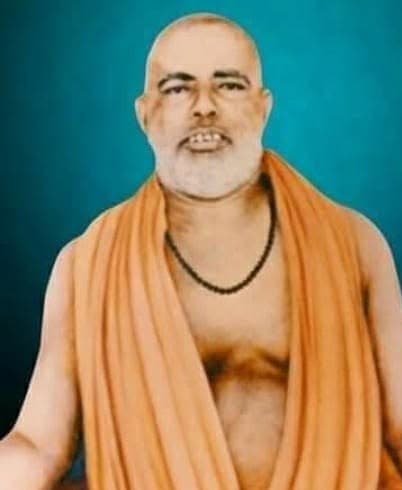
Sri Udiya Baba · Modern
Hindiभावार्थ— कृषि, गोपालन और वाणिज्य—ये वैश्य के स्वाभाविक कर्म हैं। तथा शूद्र का स्वभाविक कर्म सेवा है।
व्याख्या— इन तीनों श्लोकों में चारों वर्णों के कर्मों का वर्णन करते हुए भगवान् ने ‘स्वभावजम्’ शब्द का प्रयोग किया है। इससे निश्चय होता है कि ये चारों वर्णों के जन्मजात कर्म हैं, उपार्जित नहीं।
Swami Ramsukhdas · Modern
Hindi'कृषिगौरक्ष्यवाणिज्यं वैश्यकर्म स्वभावजम्'—खेती करना, गायोंकी रक्षा करना, उनकी वंश-वृद्धि करना और शुद्ध व्यापार करना—ये कर्म वैश्यमें स्वाभाविक होते हैं।
शुद्ध व्यापार करनेका तात्पर्य है—जिस देशमें, जिस समय, जिस वस्तुकी आवश्यकता हो, लोगोंके हितकी
'दान' शब्द क्षत्रियोंके स्वभावमें आया है।
'ईश्वरभावश्च'—क्षत्रियोंमें स्वाभाविक ही शासन करनेकी प्रवृत्ति होती है। लोगोंके नीति, धर्म और मर्यादा-विरुद्ध आचरण देखनेपर उनके मनमें स्वाभाविक ही ऐसी बात आती है कि ये लोग ऐसा क्यों कर रहे हैं और उनको नीति, धर्मके अनुसार चलानेकी इच्छा होती है। अपने शासनद्वारा सबको अपनी-अपनी मर्यादाके अनुसार चलानेका भाव रहता है। इस ईश्वरभावमें अभिमान नहीं होता; क्योंकि क्षत्रियजातिमें नम्रता, सरलता आदि गुण देखनेमें आते हैं।
'क्षात्रं कर्म स्वभावजम्'—जो मात्र प्रजाकी दुःखोंसे रक्षा करे, उसका नाम 'क्षत्रिय' है—'क्षतात् त्रायत इति क्षत्रियः।' उस क्षत्रियके जो स्वाभाविक कर्म हैं, वे क्षात्रकर्म कहलाते हैं।
भावनासे उस वस्तुको (जहाँ वह मिलती हो, वहाँसे ला करके) उसी देशमें पहुँचाना; प्रजाकी आवश्यक वस्तुओंके अभावकी पूर्ति कैसे हो, वस्तुओंके अभावमें कोई कष्ट न पाये—इस भावसे सच्चाईके साथ वस्तुओंका वितरण करना।
भगवान् श्रीकृष्ण (नन्दबाबाको लेकर) अपनेको वैश्य ही मानते हैं। इसलिये उन्होंने स्वयं गायों और बछड़ोंको
* कृषिवाणिज्यगौरक्षं कुसीदं तुर्यमुच्यते। वार्ता चतुर्विधा तत्र वयं गोवृत्तयोऽनिशम् ॥ (श्रीमद्भा० १०। २४। २९)
'वैश्योंकी वार्तावृत्ति चार प्रकारकी है—कृषि, वाणिज्य, गौरक्षा और व्याज लेना। हमलोग उन चारोंमेंसे केवल गोपालन ही सदासे करते आये हैं।'
चराया। मनु महाराजने वैश्य-वृत्तिमें 'पशूनां रक्षणम्' (मनुस्मृति १।१०) (पशुओंकी रक्षा करना) कहा है, पर यहाँ भगवान् (उपर्युक्त पदोंसे) अपने जाति-भाइयोंसे मानो यह कहते हैं कि तुमलोग सब पशुओंका पालन, उनकी रक्षा न कर सको तो कम-से-कम गायोंका पालन और उनकी रक्षा जरूर करना। गायोंकी वृद्धि न कर सको तो कोई बात नहीं; परन्तु उनकी रक्षा जरूर करना, जिससे हमारा गोधन घट न जाय। इसलिये वैश्य-समाजको चाहिये कि वह गायोंकी रक्षामें अपना तन-मन-धन लगा दे, उनकी रक्षा करनेमें अपनी शक्ति बचाकर न रखे।
गोरक्षा-सम्बन्धी विशेष बात
मनुष्योंके लिये गाय सब दृष्टियोंसे पालनीय है। गायसे अर्थ, धर्म, काम और मोक्ष-इन चारों पुरुषार्थोंकी सिद्धि होती है। आजके अर्थप्रधान युगमें तो गाय अत्यन्त ही उपयोगी है। गोपालनसे, गायके दूध, घी, गोबर आदिसे धनकी वृद्धि होती है। हमारा देश कृषिप्रधान है। अतः यहाँ खेतीमें जितनी प्रधानता बैलोंकी है, उतनी प्रधानता अन्य किसीकी भी नहीं है। भैंसेके द्वारा भी खेती की जाती है, पर खेतीमें जितना काम बैल कर सकता है, उतना भैंसा नहीं कर सकता। भैंसा बलवान् तो होता है, पर वह धूप सहन नहीं कर सकता। धूपमें चलनेसे वह जीभ निकाल देता है, जबकि बैल धूपमें भी चलता रहता है। कारण कि भैंसेमें सात्त्विक बल नहीं होता, जबकि बैलमें सात्त्विक बल होता है। बैलोंकी अपेक्षा भैंसे कम भी होते हैं। ऐसे ही ऊँटसे भी खेती की जाती है, पर ऊँट भैंसेसे भी कम होते हैं और बहुत मँहगे होते हैं। खेती करनेवाला हरेक आदमी ऊँट नहीं खरीद सकता। आजकल अच्छे-अच्छे जवान बैल मारे जानेके कारण बैल भी मँहगे हो गये हैं, तो भी वे ऊँट जितने मँहगे नहीं हैं। यदि घरोंमें गायें रखी जायें तो बैल घरोंमें ही पैदा हो जाते हैं, खरीदने नहीं पड़ते। विदेशी गायोंके जो बैल होते हैं, वे खेतीमें काम नहीं आ सकते; क्योंकि उनके कन्धे न होनेसे उनपर जुआ नहीं रखा जा सकता।
गाय पवित्र होती है। उसके शरीरका स्पर्श करनेवाली हवा भी पवित्र होती है। गायके गोबर-गोमूत्र भी पवित्र होते हैं। गोबरसे लिपे हुए घरोंमें प्लेग, हैजा आदि भयंकर बीमारियाँ नहीं आतीं। इसके सिवाय युद्धके समय गोबरसे लिपे हुए मकानोंपर बमका उतना असर नहीं होता, जितना सीमेन्ट आदिसे बने हुए मकानोंपर होता है। गोबरमें जहर खींचनेकी विशेष शक्ति होती है। काशीमें कोई व्यक्ति साँप
काटनेसे मर गया। लोग उसकी दाह-क्रिया करनेके लिये उसको गंगाके किनारे ले गये। वहाँपर एक साधु रहते थे। उन्होंने पूछा कि इस व्यक्तिको क्या हुआ? लोगोंने कहा कि यह साँप काटनेसे मरा है।
साधुने कहा कि यह मरा नहीं है, तुमलोग गायका गोबर ले आओ। गोबर लाया गया। साधुने उस व्यक्तिकी नासिकाको छोड़कर उसके पूरे शरीरमें (नीचे-ऊपर) गोबरका लेप कर दिया। आधे घण्टेके बाद गोबरका फिर दूसरा लेप किया। इससे उस व्यक्तिके श्वास चलने लगे और वह जी उठा। हृदयके रोगोंको दूर करनेके लिये गोमूत्र बहुत उपयोगी है। छोटी बछड़ीका गोमूत्र रोज तोला-दो-तोला पीनेसे पेटके रोग दूर हो जाते हैं। एक सन्तको दमाकी शिकायत थी, उनको गोमूत्र-सेवनसे बहुत फायदा हुआ है। आजकल तो गोबर और गोमूत्रसे अनेक रोगोंकी दवाइयाँ बनायी जा रही हैं। गोबरसे गैस भी बनने लगी है।
खेतोंमें गोबर-गोमूत्रकी खादसे जो अन्न पैदा होता है, वह भी पवित्र होता है। खेतोंमें गायोंके रहनेसे, गोबर और गोमूत्रसे जमीनकी जैसी पुष्टि होती है, वैसी पुष्टि विदेशी रासायनिक खादोंसे नहीं होती। जैसे, एक बार अंगूरकी खेती करनेवालेने बताया कि गोबरकी खाद डालनेसे अंगूरके गुच्छे जितने बड़े-बड़े होते हैं, उतने विदेशी खाद डालनेसे नहीं होते। विदेशी खाद डालनेसे कुछ ही वर्षोंमें जमीन खराब हो जाती है अर्थात् उसकी उपजाऊ-शक्ति नष्ट हो जाती है। परन्तु गोबर-गोमूत्रसे जमीनकी उपजाऊ-शक्ति ज्यों-की-त्यों बनी रहती है। विदेशोंमें रासायनिक खादसे बहुत-से खेत खराब हो गये हैं, जिन्हें उपजाऊ बनानेके लिये वे लोग भारतसे गोबर मँगवा रहे हैं और भारतसे गोबरके जहाज भरकर विदेशोंमें जा रहे हैं।
हमारे देशकी गायें सौम्य और सात्त्विक होती हैं। अतः उनका दूध भी सात्त्विक होता है, जिसको पीनेसे बुद्धि तीक्ष्ण होती है और स्वभाव शान्त, सौम्य होता है। विदेशी गायोंका दूध तो ज्यादा होता है, पर उन गायोंमें गुस्सा बहुत होता है। अतः उनका दूध पीनेसे मनुष्यका स्वभाव क्रूर होता है। भैंसका दूध भी ज्यादा होता है, पर वह दूध सात्त्विक नहीं होता। उससे सात्त्विक बल नहीं आता। सैनिकोंके घोड़ोंको गायका दूध पिलाया जाता है, जिससे वे घोड़े बहुत तेज होते हैं। एक बार सैनिकोंने परीक्षाके लिये कुछ घोड़ोंको भैंसका दूध पिलाया, जिससे घोड़े खूब मोटे हो गये। परन्तु जब नदी पार करनेका काम पड़ा तो वे घोड़े पानीमें बैठ गये। भैंस
पानीमें बैठा करती है; अतः वही स्वभाव घोड़ोंमें भी आ गया। ऊँटनीका दूध भी निकलता है, पर उस दूधका दही, मक्खन होता ही नहीं। उसका दूध तामसी होनेसे दुर्गति देनेवाला होता है। स्मृतियोंमें ऊँट, कुत्ता, गधा आदिको अस्पृश्य बताया गया है।
सम्पूर्ण धार्मिक कार्योंमें गायकी मुख्यता है। जातकर्म, चूड़ाकर्म, उपनयन आदि सोलह संस्कारोंमें गायका, उसके दूध, घी, गोबर आदिका विशेष सम्बन्ध रहता है। गायके घीसे ही यज्ञ किया जाता है। स्थान-शुद्धिके लिये गोबरका ही चौका लगाया जाता है। श्राद्ध-कर्ममें गायके दूधकी खीर बनायी जाती है। नरकोंसे बचनेके लिये गोदान किया जाता है। धार्मिक कृत्योंमें 'पंचगव्य' काममें लाया जाता है, जो गायके दूध, दही, घी, गोबर और गोमूत्र—इन पाँचोंसे बनता है।
कामनापूर्तिके लिये किये जानेवाले यज्ञोंमें गायका घी आदि काममें आता है। रघुवंशके चलनेमें गायकी ही प्रधानता थी। पौष्टिक, वीर्यवर्धक चीजोंमें भी गायके दूध और घीका मुख्य स्थान है।
निष्कामभावसे गायकी सेवा करनेसे मुक्ति होती है। गायकी सेवा करनेमात्रसे अन्तःकरण निर्मल होता है। भगवान् श्रीकृष्णने भी बिना जूतीके गोचारणकी लीला की थी, इसलिये उनका नाम 'गोपाल' पड़ा। प्राचीन-कालमें ऋषिलोग वनमें रहते हुए अपने पास गाय रखा करते थे। गायके दूध, घीसे उनकी बुद्धि प्रखर, विलक्षण होती थी, जिससे वे बड़े-बड़े ग्रन्थोंकी रचना किया करते थे। आजकल तो उन ग्रन्थोंको ठीक-ठीक समझनेवाले भी कम हैं। गायके दूध-घीसे वे दीर्घायु होते थे। इसलिये गायके घीका एक नाम 'आयु' भी है। बड़े-बड़े राजालोग भी उन ऋषियोंके पास आते थे और उनकी सलाहसे राज्य चलाते थे।
गोरक्षाके लिये बलिदान करनेवालोंकी कथाओंसे इतिहास, पुराण भरे पड़े हैं। बड़े भारी दुःखकी बात है कि आज हमारे देशमें पैसोंके लोभसे रोजाना हजारोंकी संख्यामें गायोंकी हत्या की जा रही है! अगर इसी तरह गो-हत्या चलती रही तो एक समय गोवंश समाप्त हो जायगा। जब गायें नहीं रहेंगी, तब क्या दशा होगी, कितनी आफतें आयेंगी—इसका अन्दाजा नहीं लगाया जा सकता। जब गायें खत्म हो जायेंगी, तब गोबर नहीं रहेगा और गोबरकी खाद न रहनेसे जमीन भी उपजाऊ नहीं रहेगी। जमीनके उपजाऊ न रहनेसे खेती कैसे होगी? खेती न होनेसे अन्न तथा वस्त्र (कपास) कैसे मिलेगा? लोगोंको
शरीर-निर्वाहके लिये अन्न-जल और वस्त्र भी मिलना मुश्किल हो जायगा। गाय और उसके दूध, घी, गोबर आदिके न रहनेसे प्रजा बहुत दुःखी हो जायगी। गोधनके अभावमें देश पराधीन और दुर्बल हो जायगा। वर्तमानमें भी अकाल, अनावृष्टि, भूकम्प, आपसी कलह आदिके होनेमें गायोंकी हत्या मुख्य कारण है। अतः अपनी पूरी शक्ति लगाकर हर हालतमें गायोंकी रक्षा करना, उनको कल्लखानोंमें जानेसे रोकना हमारा परम कर्तव्य है।
गायोंकी रक्षाके लिये भाई-बहनोंको चाहिये कि वे गायोंका पालन करें, उनको अपने घरोंमें रखें। गायका ही दूध-घी खायें, भैंस आदिका नहीं। घरोंमें गोबर-गैसका प्रयोग किया जाय। गायोंकी रक्षाके उद्देश्यसे ही गोशालाएँ बनायी जायें, दूधके उद्देश्यसे नहीं। जितनी गोचर-भूमियाँ हैं, उनकी रक्षा की जाय तथा सरकारसे और गोचर-भूमियाँ छुड़ाई जायें। सरकारकी गोहत्या-नीतिका विरोध किया जाय और सरकारसे अनुरोध किया जाय कि वह देशकी रक्षाके लिये पूरे देशमें तत्काल पूर्णरूपसे गोहत्या बन्द करे।
'परिचर्यात्मक कर्म शूद्रस्यापि स्वभावजम्'—चारों वर्णोंकी सेवा करना, सेवाकी सामग्री तैयार करना और चारों वर्णोंके कार्योंमें कोई बाधा, अड़चन न आये, सबको सुख-आराम हो—इस भावसे अपनी बुद्धि, योग्यता, बलके द्वारा सबकी सेवा करना शूद्रका स्वाभाविक कर्म है।
यहाँ एक शंका पैदा होती है कि भगवान्ने चारों वर्णोंकी उत्पत्तिमें सत्त्व, रज और तम—इन तीन गुणोंको कारण बताया। उसमें तमोगुणकी प्रधानतासे शूद्रकी उत्पत्ति बतायी और गीतामें जहाँ तमोगुणका वर्णन हुआ है, वहाँपर उसके अज्ञान, प्रमाद, आलस्य, निद्रा, अप्रकाश, अप्रवृत्ति और मोह—ये सात अवगुण बताये हैं (गीता—चौदहवें अध्यायका आठवाँ और तेरहवें अध्यायका सत्रहवाँ श्लोक)। अतः ऐसे तमोगुणकी प्रधानतावाले शूद्रसे सेवा कैसे होगी? क्योंकि वह आलस्य, प्रमाद आदिमें पड़ा रहेगा तो सेवा कैसे कर सकेगा? सेवा बहुत ऊँचे दर्जेकी चीज है। ऐसे ऊँचे कर्मका भगवान्ने शूद्रके लिये कैसे विधान किया?
यदि इस शंकापर गुणोंकी दृष्टिसे विचार किया जाय तो गीतामें आया है कि सत्त्वगुणवाले ऊँचे लोकोंमें जाते हैं, रजोगुणवाले मरकर पीछे मध्यलोक अर्थात् मृत्युलोकमें जाते हैं और तमोगुणवाले अधोगतिमें जाते हैं (गीता—चौदहवें अध्यायका अठारहवाँ श्लोक)। इसमें भी
वास्तवमें देखा जाय तो रजोगुणके बढ़नेपर जो मरता है, वह कर्मप्रधान मनुष्ययोनिमें जन्म लेता है—‘**रजसि प्रलयं गत्वा कर्मसङ्गिषु जायते**’ (गीता १४।१५)। इन सबका तात्पर्य यह हुआ कि मनुष्यमात्र रजःप्रधान (रजोगुणकी प्रधानतावाला) है। रजःप्रधानवालोंमें जो सात्त्विक, राजस और तामस—तीन गुण होते हैं, उन तीनों गुणोंसे ही चारों वर्णोंकी रचना की गयी है। इसलिये कर्म करना सबमें मुख्य होता है और इसीको लेकर मनुष्योंको कर्मयोनि कहा गया है तथा गीतामें भी चारों वर्णोंके कर्मोंके लिये ‘स्वभावज कर्म’, ‘स्वभावनियत कर्म’ आदि पद आये हैं। अतः शूद्रका परिचर्या अर्थात् सेवा करना ‘स्वभावज कर्म’ है, जिसमें उसे परिश्रम नहीं होता।
मनुष्यमात्र कर्मयोनि होनेपर भी ब्राह्मण, क्षत्रिय और वैश्यमें विवेक-विचारका विशेष तारतम्य रहता है और शुद्धि भी रहती है; परन्तु शूद्रमें मोहकी प्रधानता रहनेसे उसमें विवेक बहुत दब जाता है। इस दृष्टिसे शूद्रके सेवा-कर्ममें विवेककी प्रधानता न होकर आज्ञापालनकी प्रधानता रहती है—‘**अग्या सम न सुसाहिब सेवा**’ (मानस २।३०१।२)। इसलिये चारों वर्णोंकी आज्ञाके अनुसार सेवा करना, सुख-सुविधा जुटा देना शूद्रके लिये स्वाभाविक होता है।
शूद्रोंके कर्म परिचर्यात्मक अर्थात् सेवास्वरूप होते हैं। उनके शारीरिक, सामाजिक, नागरिक, ग्रामणिक आदि सब-के-सब कर्म ठीक तरहसे सम्पन्न होते हैं, जिनसे चारों ही वर्णोंके जीवन-निर्वाहके लिये सुख-सुविधा, अनुकूलता और आवश्यकताकी पूर्ति होती है।
स्वाभाविक कर्मोंका तात्पर्य
चेतन जीवात्मा और जड़ प्रकृति—दोनोंका स्वभाव भिन्न-भिन्न है। चेतन स्वाभाविक ही निर्विकार अर्थात् परिवर्तनरहित है और प्रकृति स्वाभाविक ही विकारी अर्थात् परिवर्तनशील है। अतः इन दोनोंका स्वभाव भिन्न-भिन्न होनेसे इनका सम्बन्ध स्वाभाविक नहीं है; किंतु चेतनने प्रकृतिके साथ अपना सम्बन्ध मानकर उस सम्बन्धकी सद्भावना कर ली है अर्थात् ‘सम्बन्ध है’ ऐसा मान लिया है। इसीको गुणोंका संग कहते हैं, जो जीवात्माके अच्छी-बुरी योनियोंमें जन्म लेनेका कारण है—‘**कारणं गुणसंगोऽस्य सदसद्योनिजन्मसु**’ (गीता १३।२१)। इस संगके कारण, गुणोंके तारतम्यसे जीवका ब्राह्मणादि वर्णमें जन्म होता है। गुणोंके तारतम्यसे
जिस वर्णमें जन्म होता है, उन गुणोंके अनुसार ही उस वर्णके कर्म स्वाभाविक, सहज होते हैं; जैसे—ब्राह्मणके लिये शम, दम आदि; क्षत्रियके लिये शौर्य, तेज आदि; वैश्यके लिये खेती, गौरक्षा आदि और शूद्रके लिये सेवा—ये कर्म स्वतःस्वाभाविक होते हैं। तात्पर्य है कि चारों वर्णोंको इन कर्मोंको करनेमें परिश्रम नहीं होता; क्योंकि गुणोंके अनुसार स्वभाव और स्वभावके अनुसार उनके लिये कर्मोंका विधान है। इसलिये इन कर्मोंमें उनकी स्वाभाविक ही रुचि होती है। मनुष्य इन स्वाभाविक कर्मोंको जब अपने लिये अर्थात् अपने स्वार्थ, भोग और आरामके लिये करता है, तब वह उन कर्मोंसे बँध जाता है। जब उन्हीं कर्मोंको स्वार्थ और अभिमानका त्याग करके निष्कामभावपूर्वक संसारके हितके लिये करता है, तब ‘कर्मयोग’ हो जाता है और उन्हीं कर्मोंसे सब संसारमें व्यापक परमात्माका पूजन करता है अथवा भगवत्परायण होकर केवल भगवत्सम्बन्धी कर्म (जप, ध्यान, सत्संग, स्वाध्याय आदि) करता है, तब वह ‘भक्तियोग’ हो जाता है। फिर प्रकृतिके गुणोंका सर्वथा सम्बन्ध-विच्छेद हो जानेपर केवल एक परमात्मतत्त्व ही रह जाता है, जिसमें सिद्ध महापुरुषके स्वरूपकी स्वतःसिद्ध स्वतन्त्रता, अखण्डता, निर्विकारताकी अनुभूति रह जाती है। ऐसा होनेपर भी उसके शरीर, मन, बुद्धि और इन्द्रियोंके द्वारा अपने-अपने वर्ण, आश्रमकी मर्यादाके अनुसार निलिप्ततापूर्वक शास्त्रविहित कर्म स्वाभाविक होते हैं, जो कि संसारमात्रके लिये आदर्श होते हैं। प्रभुकी तरफ आकृष्ट होनेसे प्रतिक्षण प्रेम बढ़ता रहता है, जो अनन्त आनन्दस्वरूप है।
जाति जन्मसे मानी जाय या कर्मसे ?
ऊँच-नीच योनियोंमें जितने भी शरीर मिलते हैं, वे सब गुण और कर्मके अनुसार ही मिलते हैं। गुण और कर्मके अनुसार ही मनुष्यका जन्म होता है; इसलिये मनुष्यकी जाति जन्मसे ही मानी जाती है। अतः स्थूलशरीरकी दृष्टिसे विवाह, भोजन आदि कर्म जन्मकी प्रधानतासे ही करने चाहिये अर्थात् अपनी जाति या वर्णके अनुसार ही भोजन, विवाह आदि कर्म होने चाहिये।
दूसरी बात, जिस प्राणीका सांसारिक भोग, धन, मान, आराम, सुख आदिका उद्देश्य रहता है, उसके लिये वर्णके अनुसार कर्तव्य-कर्म करना और वर्णकी मर्यादामें चलना आवश्यक हो जाता है। यदि वह वर्णकी मर्यादामें नहीं चलता,
तो उसका पतन हो जाता है। परन्तु जिसका उद्देश्य केवल परमात्मा ही है, संसारके भोग आदि नहीं, उसके लिये सत्संग, स्वाध्याय, जप, ध्यान, कथा, कीर्तन, परस्पर विचार-विनिमय आदि भगवत्सम्बन्धी काम मुख्य होते हैं। तात्पर्य है कि परमात्माकी प्राप्तिमें प्राणीके पारमार्थिक भाव, आचरण आदिकी मुख्यता है, जाति या वर्णकी नहीं।
तीसरी बात, जिसका उद्देश्य परमात्माकी प्राप्तिका है, वह भगवत्सम्बन्धी कार्योंको मुख्यतासे करते हुए भी वर्ण-आश्रमके अनुसार अपने कर्तव्य-कर्मोंको पूजन-बुद्धिसे केवल भगवत्प्रीत्यर्थ ही करता है।
आगे छियालीसवें श्लोकमें भगवान्ने बड़ी श्रेष्ठ बात बतायी है कि जिससे सम्पूर्ण संसार पैदा हुआ है और जिससे सम्पूर्ण संसार व्याप्त है, उस परमात्माका ही लक्ष्य रखकर, उसके प्रीत्यर्थ ही पूजन-रूपसे अपने-अपने वर्णके अनुसार कर्म किये जायें। इसमें मनुष्यमात्रका अधिकार है। देवता, असुर, पशु, पक्षी आदिका स्वतः अधिकार नहीं है; परन्तु उनके लिये भी परमात्माकी तरफसे निषेध नहीं है। कारण कि सभी परमात्माका अंश होनेसे परमात्माकी प्राप्तिके सभी अधिकारी हैं। प्राणिमात्रका भगवान्पर पूरा अधिकार है। इससे भी यह सिद्ध होता है कि आपसके व्यवहारमें अर्थात् रोटी, बेटी और शरीर आदिके साथ बर्ताव करनेमें तो 'जन्म' की प्रधानता है और परमात्माकी प्राप्तिमें भाव, विवेक और 'कर्म' की प्रधानता है। इसी आशयको लेकर भागवतकारने कहा है कि जिस मनुष्यके वर्णको बतानेवाला जो लक्षण कहा गया है, वह यदि दूसरे वर्णवालेमें भी मिले तो उसे भी उसी वर्णका समझ लेना चाहिये। अभिप्राय यह
है कि ब्राह्मणके शम-दम आदि जितने लक्षण हैं, वे लक्षण या गुण स्वाभाविक ही किसीमें हों तो जन्ममात्रसे नीचा होनेपर भी उसको नीचा नहीं मानना चाहिये। ऐसे ही महाभारतमें युधिष्ठिर और नहुषके संवादमें आया है कि जो शूद्र आचरणोंमें श्रेष्ठ है, उस शूद्रको शूद्र नहीं मानना चाहिये और जो ब्राह्मण ब्राह्मणोचित कर्मोंसे रहित है, उस ब्राह्मणको ब्राह्मण नहीं मानना चाहिये। अर्थात् वहाँ कर्मोंकी ही प्रधानता ली गयी है, जन्मकी नहीं।
शास्त्रोंमें जो ऐसे वचन आते हैं, उन सबका तात्पर्य है कि कोई भी नीच वर्णवाला साधारण-से-साधारण मनुष्य अपनी पारमार्थिक उन्नति कर सकता है, इसमें संदेहकी कोई बात नहीं है। इतना ही नहीं, वह उसी वर्णमें रहता हुआ शम, दम आदि जो सामान्य धर्म हैं, उनका सांगोपांग पालन करता हुआ अपनी श्रेष्ठताको प्रकट कर सकता है। जन्म तो पूर्वकर्मोंके अनुसार हुआ है, इसमें वह बेचारा क्या कर सकता है? परन्तु वहाँ (नीच वर्णमें) रहकर भी वह अपनी नयी उन्नति कर सकता है। उस नयी उन्नतिमें प्रोत्साहित करनेके लिये ही शास्त्र-वचनोंका आशय मालूम देता है कि नीच वर्णवाला भी नयी उन्नति करनेमें हिम्मत न हारे। जो ऊँचे वर्णवाला होकर भी वर्णोचित काम नहीं करता, उसको भी अपने वर्णोचित काम करनेके लिये शास्त्रोंमें प्रोत्साहित किया है; जैसे—
**'ब्राह्मणस्य हि देहोऽयं क्षुद्रकामाय नेष्यते।'**
(श्रीमद्भा० ११।१७।४२)
जिन ब्राह्मणोंका खान-पान, आचरण सर्वथा भ्रष्ट है, उन ब्राह्मणोंका वचनमात्रसे भी आदर नहीं करना चाहिये—ऐसा स्मृतिमें आया है। परन्तु जिनके आचरण
१-आचारहीनं न पुनन्ति वेदा यद्यप्यधीता: सह षड्भिरङ्गै:। छन्दांश्चैनं मृत्युकाले त्यजन्ति नीडं शकुन्ता इव जातपक्षाः॥
(वसिष्ठस्मृति ६।३)
'शिक्षा, कल्प, निरुक्त, छन्द, व्याकरण और ज्योतिष—इन छहों अंगोंसहित अध्ययन किये हुए वेद भी आचारहीन पुरुषको पवित्र नहीं करते। पंख पैदा होनेपर पक्षी जैसे अपने घोंसलेको छोड़ देता है, ऐसे ही मृत्युसमयमें आचारहीन पुरुषको वेद छोड़ देते हैं।'
२-यस्य यल्लक्षणं प्रोक्तं पुंसो वर्णाभिव्यंजकम्। यदन्यत्रापि दृश्येत तत् तेनैव विनिर्दिशेत्॥ (श्रीमद्भा० ७।११।३५)
३-शूद्रे तु यद् भवेल्लक्ष्म द्विजे तच्च न विद्यते। न वै शूद्रो भवेच्छूद्रो ब्राह्मणो न च ब्राह्मणः॥
यत्रैतल्लक्ष्यते सर्प वृत्तं स ब्राह्मणः स्मृतः। यत्रैतन्न भवेत् सर्प तं शूद्रमिति निर्दिशेत्॥
(महाभारत, वनपर्व १८०।२५-२६)
४-पाषण्डिनो विकर्मस्थाबैडालव्रतिकाञ्छठान्। हेतुकान्बकवृत्तीश्च वाङ्मात्रेणापि नार्चयेत्॥
(मनुस्मृति ४।३०)
'पाखण्डी, विरुद्ध कर्म करनेवाले, बैडालव्रती, शठ, हेतुवादी, बकवृत्ति ब्राह्मणोंका वचनमात्रसे भी आदर न करे।'
न वार्यापि प्रयच्छेत्तु बैडालव्रतिके द्विजे। न बकव्रतिके विप्रे नावेदविदि धर्मवित्॥
(मनुस्मृति ४।१९२)
'धर्मज्ञ गृहाश्रमी बैडालव्रती, बकव्रती और वेदको नहीं जाननेवाले ब्राह्मणके लिये पानी भी न दे।'
श्रेष्ठ हैं, जो भगवान्के भक्त हैं, उन ब्राह्मणोंकी भागवत आदि पुराणोंमें और महाभारत, रामायण आदि इतिहास-ग्रन्थोंमें बहुत महिमा गायी गयी है।
भगवान्का भक्त चाहे कितनी ही नीची जातिका क्यों न हो, वह भक्तिहीन विद्वान् ब्राह्मणसे श्रेष्ठ है।*
ब्राह्मणको विराटरूप भगवान्का मुख, क्षत्रियको हाथ, वैश्यको ऊरु (मध्यभाग) और शूद्रको पैर बताया गया है। ब्राह्मणको मुख बतानेका तात्पर्य है कि उनके पास ज्ञानका संग्रह है, इसलिये चारों वर्णोंको पढ़ाना, अच्छी शिक्षा देना और उपदेश सुनाना—यह मुखका ही काम है। इस दृष्टिसे ब्राह्मण ऊँचे माने गये।
क्षत्रियको हाथ बतानेका तात्पर्य है कि वे चारों वर्णोंकी शत्रुओंसे रक्षा करते हैं। रक्षा करना मुख्यरूपसे हाथोंका ही काम है; जैसे—शरीरमें फोड़ा-फुंसी आदि हो जाय तो हाथोंसे ही रक्षा की जाती है; शरीरपर चोट आती हो तो रक्षाके लिये हाथ ही आड़ देते हैं और अपनी रक्षाके लिये दूसरोंपर हाथोंसे ही चोट पहुँचायी जाती है; आदमी कहीं गिरता है तो पहले हाथ ही टिकते हैं। इसलिये क्षत्रिय हाथ हो गये। अराजकता फैल जानेपर तो जन, धन आदिकी रक्षा करना चारों वर्णोंका धर्म हो जाता है।
वैश्यको मध्यभाग कहनेका तात्पर्य है कि जैसे पेटमें
अन्न, जल, औषध आदि डाले जाते हैं तो उनसे शरीरके सम्पूर्ण अवयवोंको खुराक मिलती है और सभी अवयव पुष्ट होते हैं, ऐसे ही वस्तुओंका संग्रह करना, उनका यातायात करना, जहाँ जिस चीजकी कमी हो वहाँ पहुँचाना, प्रजाको किसी चीजका अभाव न होने देना वैश्यका काम है। पेटमें अन्न-जलका संग्रह सब शरीरके लिये होता है और साथमें पेटको भी पुष्टि मिल जाती है; क्योंकि मनुष्य केवल पेटके लिये पेट नहीं भरता। ऐसे ही वैश्य केवल दूसरोंके लिये ही संग्रह करे, केवल अपने लिये नहीं। वह ब्राह्मण आदिको दान देता है, क्षत्रियोंको टैक्स देता है, अपना पालन करता है और शूद्रोंको मेहनताना देता है। इस प्रकार वह सबका पालन करता है। यदि वह संग्रह नहीं करेगा, कृषि, गौरक्ष्य और वाणिज्य नहीं करेगा तो क्या देगा?
शूद्रको चरण बतानेका तात्पर्य है कि जैसे चरण सारे शरीरको उठाये फिरते हैं और पूरे शरीरकी सेवा चरणोंसे ही होती है, ऐसे ही सेवाके आधारपर ही चारों वर्ण चलते हैं। शूद्र अपने सेवा-कर्मके द्वारा सबके आवश्यक कार्योंकी पूर्ति करता है।
उपर्युक्त विवेचनमें एक ध्यान देनेकी बात है कि गीतामें चारों वर्णोंके उन स्वाभाविक कर्मोंका वर्णन है, जो कर्म
* ( १ ) अहो बत श्वपचोऽतो गरीयान् यज्जिह्वाग्रे वर्तते नाम तुभ्यम्। तेपुस्तपस्ते जुह्वुः सस्नुरायां ब्रह्मानुचुर्नाम गुणन्ति ये ते ॥ ( श्रीमद्भा० ३। ३३। ७ )
'अहो! वह चाण्डाल भी सर्वश्रेष्ठ है, जिसकी जीभके अग्रभागपर आपका नाम विराजता है। जो श्रेष्ठ पुरुष आपका नाम उच्चारण करते हैं, उन्होंने तप, हवन, तीर्थस्नान, सदाचारका पालन और वेदाध्ययन—सब कुछ कर लिया।'
( २ ) विप्राद् द्विषड्गुणयुतादरविन्दनाभपादारविन्दविमुखाच्छ्वपचं वरिष्ठम्।
मन्ये तदपितमनोवचनेहितार्थप्राणं पुनाति स कुलं न तु भूरिमानः ॥
( श्रीमद्भा० ७। ९। १० )
'मेरी समझसे बारह गुणोंसे युक्त ब्राह्मण भी यदि भगवान् कमलनाभके चरण-कमलोंसे विमुख हो तो वह चाण्डाल श्रेष्ठ है, जिसने अपने मन, वचन, कर्म, धन और प्राणोंको भगवान्के अर्पण कर दिया है; क्योंकि वह चाण्डाल तो अपने कुलतकको पवित्र कर देता है; परन्तु बड़प्पनका अभिमान रखनेवाला भगवद्विमुख ब्राह्मण अपनेको भी पवित्र नहीं कर सकता।'
( ३ ) चाण्डालोऽपि मुनेः श्रेष्ठो विष्णुभक्तिपरायणः। विष्णुभक्तिविहीनस्तु द्विजोऽपि श्वपचोऽधमः ॥
( पद्मपुराण )
'हरिभक्तिमें लीन रहनेवाला चाण्डाल भी मुनिसे श्रेष्ठ है, और हरिभक्तिसे रहित ब्राह्मण चाण्डालसे भी अधम है।'
( ४ ) अवैष्णवाद् द्विजाद् विप्र चाण्डालो वैष्णवो वरः ॥ सगणः श्वपचो मुक्तो ब्राह्मणो नरकं व्रजेत्।
( ब्रह्मवैवर्त०, ब्रह्मा० ११। ३९ )
'अवैष्णव ब्राह्मणसे वैष्णव चाण्डाल श्रेष्ठ है; क्योंकि वह वैष्णव चाण्डाल अपने बन्धुगणोंसहित भव-बन्धनसे मुक्त हो जाता है और वह अवैष्णव ब्राह्मण नरकमें पड़ता है।'
( ५ ) न शूद्रा भगवद्भक्ता विप्रा भागवताः स्मृताः। सर्ववर्णेषु ते शूद्रा ये ह्यभक्ता जनार्दने ॥ ( महाभारत )
'यदि भगवद्भक्त शूद्र है तो वह शूद्र नहीं, परमश्रेष्ठ ब्राह्मण है। वास्तवमें सभी वर्णोंमें शूद्र वह है, जो भगवान्की भक्तिसे रहित है।'
स्वतः होते हैं अर्थात् उनको करनेमें अधिक परिश्रम नहीं पड़ता। चारों वर्णोंके लिये और भी दूसरे कर्मोंका विधान है, उनको स्मृति-ग्रन्थोंमें देखना चाहिये और उनके अनुसार अपने आचरण बनाने चाहिये(गीता—सोलहवें अध्यायका चौबीसवाँ श्लोक)।
वर्तमानमें चारों वर्णोंमें गड़बड़ी आ जानेपर भी यदि चारों वर्णोंके समुदायोंको इकट्ठा करके अलग-अलग समुदायमें देखा जाय तो ब्राह्मण-समुदायमें शम, दम आदि गुण जितने अधिक मिलेंगे, उतने क्षत्रिय, वैश्य और शूद्र-समुदायमें नहीं मिलेंगे। क्षत्रिय-समुदायमें शौर्य, तेज आदि गुण जितने अधिक मिलेंगे, उतने ब्राह्मण, वैश्य और शूद्र-समुदायमें नहीं मिलेंगे। वैश्य-समुदायमें व्यापार करना, धनका उपार्जन करना, धनको पचाना (धनका भभका ऊपरसे न दीखने देना) आदि गुण जितने अधिक मिलेंगे, उतने ब्राह्मण, क्षत्रिय और शूद्र-समुदायमें नहीं मिलेंगे। शूद्र-समुदायमें सेवा करनेकी प्रवृत्ति जितनी अधिक मिलेगी, उतनी ब्राह्मण, क्षत्रिय और वैश्य-समुदायमें नहीं मिलेगी। तात्पर्य यह है कि आज सभी वर्ण मर्यादारहित और उच्छृंखल होनेपर भी उनके स्वभावज कर्म उनके समुदायोंमें विशेषतासे देखनेमें आते हैं अर्थात् यह चीज व्यक्तिगत न दीखकर समुदायगत देखनेमें आती है।
जो लोग शास्त्रके गहरे रहस्यको नहीं जानते, वे कह देते हैं कि ब्राह्मणोंके हाथमें कलम रही, इसलिये उन्होंने 'ब्राह्मण सबसे श्रेष्ठ है' ऐसा लिखकर ब्राह्मणोंको सर्वोच्च कह दिया। जिनके पास राज्य था, उन्होंने ब्राह्मणोंसे कहा—क्यों महाराज! हमलोग कुछ नहीं हैं क्या? तो ब्राह्मणोंने कह दिया—नहीं-नहीं, ऐसी बात नहीं। आपलोग भी हैं, आपलोग दो नम्बरमें हैं। वैश्योंने ब्राह्मणोंसे कहा—क्यों महाराज! हमारे बिना कैसे जीविका चलेगी आपकी? ब्राह्मणोंने कहा—हाँ, हाँ, आपलोग तीसरे नम्बरमें हैं। जिनके पास न राज्य था, न धन था, वे ऊँचे उठने लगे तो ब्राह्मणोंने कह दिया—आपके भाग्यमें राज्य और धन लिखा नहीं है। आपलोग तो इन ब्राह्मणों, क्षत्रियों और वैश्योंकी सेवा करो। इसलिये चौथे नम्बरमें आपलोग हैं। इस तरह सबको भुलावेमें डालकर विद्या, राज्य और धनके प्रभावसे अपनी एकता करके चौथे वर्णको पददलित कर दिया—यह
लिखनेवालोंका अपना स्वार्थ और अभिमान ही है।
इसका समाधान यह है कि ब्राह्मणोंने कहीं भी अपने ब्राह्मण-धर्मके लिये ऐसा नहीं लिखा है कि ब्राह्मण सर्वोपरि हैं, इसलिये उनको बड़े आरामसे रहना चाहिये, धन-सम्पत्तिसे युक्त होकर मौज करनी चाहिये इत्यादि, प्रत्युत ब्राह्मणोंके लिये ऐसा लिखा है कि उनको त्याग करना चाहिये, कष्ट सहना चाहिये; तपश्चर्या करनी चाहिये। गृहस्थमें रहते हुए भी उनको धन-संग्रह नहीं करना चाहिये, अन्नका संग्रह भी थोड़ा ही होना चाहिये—कुम्भीधान्य अर्थात् एक घड़ा भरा हुआ अनाज हो, लौकिक भोगोंमें आसक्ति नहीं होनी चाहिये, और जीवन-निर्वाहके लिये किसीसे दान भी लिया जाय तो उसका काम करके अर्थात् यज्ञ, होम, जप, पाठ आदि करके ही लेना चाहिये। गोदान आदि लिया जाय तो उसका प्रायश्चित्त करना चाहिये।
यदि कोई ब्राह्मणको श्राद्धका निमन्त्रण देना चाहे तो वह श्राद्धके पहले दिन दे, जिससे ब्राह्मण उसके पितरोंका अपनेमें आवाहन करके रात्रिमें ब्रह्मचर्य और संयमपूर्वक रह सके। दूसरे दिन वह यजमानके पितरोंका पिण्डदान, तर्पण ठीक विधि-विधानसे करवाये। उसके बाद वहाँ भोजन करे। निमन्त्रण भी एक ही यजमानका स्वीकार करे और भोजन भी एक ही घरका करे। श्राद्धका अन्न खानेके बाद गायत्री-जप आदि करके शुद्ध होना चाहिये। दान लेना, श्राद्धका भोजन करना ब्राह्मणके लिये ऊँचा दर्जा नहीं है। ब्राह्मणका ऊँचा दर्जा त्यागमें है। वे केवल यजमानके पितरोंका कल्याण करनेकी भावनासे ही श्राद्धका भोजन और दक्षिणा स्वीकार करते हैं, स्वार्थकी भावनासे नहीं; अतः यह भी उनका त्याग ही है।
ब्राह्मणोंने अपनी जीविकाके लिये ऋत, अमृत, मृत, सत्यानृत और प्रमृत—ये पाँच वृत्तियाँ बतायी हैं—
(१) ऋत-वृत्ति सर्वोच्च वृत्ति मानी गयी है। इसको शिलोच्छ या कपोत-वृत्ति भी कहते हैं। खेती करनेवाले खेतमेंसे धान काटकर ले जायें, उसके बाद वहाँ जो अन्न (ऊमी, सिट्टा आदि) पृथ्वीपर गिरा पड़ा हो, वह भूदेवों (ब्राह्मणों)-का होता है; अतः उनको चुनकर अपना निर्वाह करना 'शिलोच्छवृत्ति' है अथवा धान्यमण्डीमें जहाँ धान्य
* ऋतामृताभ्यां जीवेत्तु मुतेन प्रमुतेन वा। सत्यानृताभ्यामपि वा न श्ववृत्त्या कदाचन॥ (मनुस्मृति ४। ४)
'ऋत, अमृत, मृत, प्रमृत और सत्यानृत—इनमेंसे किसी भी वृत्तिसे जीवन-निर्वाह करे; परन्तु श्ववृत्ति अर्थात् सेवावृत्तिसे कभी भी जीवन-निर्वाह न करे।'
तीला जाता है, वहाँ पृथ्वीपर गिरे हुए दाने भूदेवोंके होते हैं; अतः उनको चुनकर जीवन-निर्वाह करना 'कपोतवृत्ति' है।
(२) बिना याचना किये और बिना इशारा किये कोई यजमान आकर देता है तो निर्वाहमात्रकी वस्तु लेना 'अमृत-वृत्ति' है। इसको 'अयाचितवृत्ति' भी कहते हैं।
(३) सुबह भिक्षाके लिये गाँवमें जाना और लोगोंको वार, तिथि, मुहूर्त आदि बताकर (इस रूपमें काम करके) भिक्षामें जो कुछ मिल जाय, उसीसे अपना जीवन-निर्वाह करना 'मृत-वृत्ति' है।
(४) व्यापार करके जीवन-निर्वाह करना 'सत्यानृत-वृत्ति' है।
(५) उपर्युक्त चारों वृत्तियोंसे जीवन-निर्वाह न हो तो खेती करे, पर वह भी कठोर विधि-विधानसे करे; जैसे— एक बैलसे हल न चलाये, धूपके समय हल न चलाये आदि, यह 'प्रमृत-वृत्ति' है।
उपर्युक्त वृत्तियोंमेंसे किसी भी वृत्तिसे निर्वाह किया जाय, उसमें पंचमहायज्ञ, अतिथि-सेवा करके यज्ञशेष भोजन करना चाहिये*।
श्रीमद्भगवद्गीतापर विचार करते हैं तो ब्राह्मणके लिये पालनीय जो नौ स्वाभाविक धर्म बताये गये हैं, उनमें जीविका पैदा करनेवाला एक भी धर्म नहीं है। क्षत्रियके लिये सात स्वाभाविक धर्म बताये हैं। उनमें युद्ध करना और शासन करना—ये दो धर्म कुछ जीविका पैदा करनेवाले हैं। वैश्यके लिये तीन धर्म बताये हैं—खेती, गोरक्षा और व्यापार; ये तीनों ही जीविका पैदा करनेवाले हैं। शूद्रके लिये एक सेवा ही धर्म बताया है, जिसमें पैदा-ही-पैदा होती है। शूद्रके लिये खान-पान, जीवन-निर्वाह आदिमें भी बहुत छूट दी गयी है।
भगवान्ने 'स्वे स्वे कर्मण्यभिरतः संसिद्धिं लभते नरः' (गीता १८।४५) पदोंसे कितनी विचित्र बात बतायी है कि शम, दम आदि नौ धर्मोंके पालनसे ब्राह्मणका जो कल्याण होता है, वही कल्याण शौर्य, तेज आदि सात धर्मोंके पालनसे क्षत्रियका होता है, वही कल्याण खेती, गोरक्षा और व्यापारके पालनसे वैश्यका होता है और वही
कल्याण केवल सेवा करनेसे शूद्रका हो जाता है।
आगे भगवान्ने एक विलक्षण बात बतायी है कि ब्राह्मण, क्षत्रिय, वैश्य और शूद्र अपने-अपने वर्णोचित कर्मोंके द्वारा उस परमात्माका पूजन करके परम सिद्धिको प्राप्त हो जाते हैं—'स्वकर्मणा तमभ्यर्च्य सिद्धिं विन्दति मानवः' (१८।४६)। वास्तवमें कल्याण वर्णोचित कर्मोंसे नहीं होता, प्रत्युत निष्कामभावपूर्वक पूजनसे ही होता है। शूद्रका तो स्वाभाविक कर्म ही परिचर्यात्मक अर्थात् पूजनरूप है; अतः उसका पूजनके द्वारा पूजन होता है अर्थात् उसके द्वारा दुगुनी पूजा होती है! इसलिये उसका कल्याण जितनी जल्दी होगा, उतनी जल्दी ब्राह्मण आदिका नहीं होगा।
शास्त्रकारोंने उद्धार करनेमें छोटेको ज्यादा प्यार दिया है; क्योंकि छोटा प्यारका पात्र होता है और बड़ा अधिकारका पात्र होता है। बड़ेपर चिन्ता-फिक्र ज्यादा रहती है, छोटेपर कुछ भी भार नहीं रहता। शूद्रको भाररहित करके उसकी जीविका बतायी गयी है और प्यार भी दिया गया है।
वास्तवमें देखा जाय तो जो वर्ण-आश्रममें जितना ऊँचा होता है, उसके लिये शास्त्रोंके अनुसार उतने ही कठिन नियम होते हैं। उन नियमोंका सांगोपांग पालन करनेमें कठिनता अधिक मालूम देती है। परन्तु जो वर्ण-आश्रममें नीचा होता है, उसका कल्याण सुगमतासे हो जाता है। इस विषयमें विष्णुपुराणमें एक कथा आती है—एक बार बहुत-से ऋषि-मुनि मिलकर श्रेष्ठताका निर्णय करनेके लिये भगवान् वेदव्यासजीके पास गये। व्यासजीने सबको आदरपूर्वक बिठाया और स्वयं गंगामें स्नान करने चले गये। गंगामें स्नान करते हुए उन्होंने कहा—'कलियुग, तुम धन्य हो! स्त्रियों, तुम धन्य हो! शूद्रों, तुम धन्य हो! जब व्यासजी स्नान करके ऋषियोंके पास आये तो ऋषियोंने कहा—महाराज! आपने कलियुग, स्त्रियों और शूद्रोंको धन्यवाद कैसे दिया!' तो उन्होंने कहा कि कलियुगमें अपने धर्मका पालन करनेसे स्त्रियों और शूद्रोंका कल्याण जल्दी और सुगमतापूर्वक हो जाता है।
यहाँ एक और बात सोचनेकी है कि जो अपने स्वार्थका
* ब्राह्मण और क्षत्रियके लिये यह निषेध आया है कि वह श्ववृत्ति अर्थात् सेवावृत्ति कभी न करे—'न श्ववृत्त्या कदाचन' (मनु० ४।४), 'सेवा श्ववृत्तिराख्याता तस्मात्ता परिवर्जयेत्' (मनु० ४।६)। वास्तवमें सेवावृत्तिका ही निषेध किया गया है, सेवाका नहीं। माता-पिताकी तरह वे नीच-से-नीच वर्णकी नीची-से-नीची सेवा कर सकते हैं। नीच वर्णकी सेवा करनेमें उनकी महत्ता ही है। इसलिये वृत्तिकी ही निन्दा की गयी है। मान, बड़ाई, उपार्जन आदि स्वार्थके लिये सेवा करनेकी निन्दा है, स्वार्थका त्याग करके सेवा करनेकी निन्दा नहीं है।
काम करता है, वह समाजमें और संसारमें आदरका पात्र नहीं होता। समाजमें ही नहीं, घरमें भी जो व्यक्ति पेटू और चट्टू होता है, उसकी दूसरे निन्दा करते हैं। ब्राह्मणोंने स्वार्थ-दृष्टिसे अपने ही मुँहसे अपनी (ब्राह्मणोंकी) प्रशंसा, श्रेष्ठताकी बात नहीं कही है। उन्होंने ब्राह्मणोंके लिये त्याग ही बताया है। सात्त्विक मनुष्य अपनी प्रशंसा नहीं करते, प्रत्युत दूसरोंकी प्रशंसा, दूसरोंका आदर करते हैं। तात्पर्य है कि ब्राह्मणोंने कभी अपने स्वार्थ और अभिमानकी बात नहीं कही। यदि वे स्वार्थ और अभिमानकी बात कहते तो वे इतने आदरणीय नहीं होते, संसारमें और शास्त्रोंमें आदर न पाते। वे जो आदर पाते हैं, वह त्यागसे ही पाते हैं।
इस प्रकार मनुष्यको शास्त्रोंका गहरा अध्ययन करके उपर्युक्त सभी बातोंको समझना चाहिये और ऋषि-मुनियोंपर, शास्त्रकारोंपर झूठा आक्षेप नहीं करना चाहिये।
ऊँच-नीच वर्णोंमें प्राणियोंका जन्म मुख्यरूपसे गुणों और कर्मोंके अनुसार होता है—‘चातुर्वर्ण्य मया सृष्टं गुणकर्मविभागशः’ (गीता ४।१३); परन्तु ऋणानुबन्ध, शाप, वरदान, संग आदि किसी कारणविशेषसे भी ऊँच-नीच वर्णोंमें जन्म हो जाता है। उन वर्णोंमें जन्म होनेपर भी वे अपने पूर्वस्वभावके अनुसार ही आचरण करते हैं। यही कारण है कि ऊँचे वर्णमें उत्पन्न होनेपर भी उनके नीच आचरण देखे जाते हैं, जैसे धुन्धुकारी आदि; और नीच वर्णमें उत्पन्न होनेपर भी वे महापुरुष होते हैं, जैसे विदुर, कबीर, रैदास आदि।
आज जिस समुदायमें जातिगत, कुलपरम्परागत, समाजगत और व्यक्तिगत जो भी शास्त्र-विपरीत दोष आये हैं, उनको अपने विवेक-विचार, सत्संग, स्वाध्याय आदिके द्वारा दूर करके अपनेमें स्वच्छता, निर्मलता, पवित्रता लानी चाहिये, जिससे अपने मनुष्यजन्मका ध्येय सिद्ध हो सके।
सम्बन्ध—स्वभावज कर्मोंका वर्णन करनेका प्रयोजन क्या है—इसको अब आगेके दो श्लोकोंमें बताते हैं।
**स्वे स्वे कर्मण्यभिरतः संसिद्धिं लभते नरः ।**
The natural duties allocated to the Vaiṣyas or agricultural, mercantile class are:
1) kṛṣi or farming. 2) go- rakṣya or cow raising and cow protecting 3) vāṇijyaṃ or acts of commerce and trade endorsed by the Vedic scriptures.
The natural duties of Śūdras or worker class are amenable service to the upper 3 classes.
Thus by defining the duties of the four classes in Vedic culture, the necessary performance of prescribed Vedic activities and the appropriate participation of each of the four classes is implied.
For example in yajña or ritualistic performance of propitiation and worship the Brahmins will perform the ceremony, the kṣatriya will donate wealth, the Vaiṣyas will supply the ingredients such as ghee or clarified butter and cow products, the Śūdras will serve the kṣatriyas and Vaiṣyas.
The Brahmins being naturally endowed with sattva guṇa the mode of goodness are allotted with samah or self-control of the mind which bestows the purity required to perform Vedic rituals and ceremonies.
Although qualified for initiation, this was not allocated to kṣatriya and Vaiṣyas due to them having a preponderance of raja guṇa mode of passion and tama guṇa mode of ignorance which is not compatible with samah.
The Brahmins exemplify by example the teachings of the Vedic scriptures instructing others the proper way to live a human existence according to the status of life they are in.
The kṣatriyas duty is to righteously govern and protect the citizens of the country. The Vaiṣyas duty is cow protection and cultivating food for the population.
The Śūdras duty is to do all the menial services for a fair compensation, necessary for the upper three classes to discharge their duties expediently and efficiently.