

Bhagavad Gītā · Chapter 2 · Sāṅkhya Yoga
विहाय कामान्यः सर्वान्पुमांश्चरति निःस्पृहः
निर्ममो निरहंकारः स शांतिमधिगच्छति
vihāya kāmānyaḥ sarvānpumāṃścarati niḥspṛhaḥ|
nirmamo nirahaṃkāraḥ sa śāṃtimadhigacchati||
Word meanings
यः = who
पुमान् = a person
सर्वान् = all
कामान् = desires
विहाय = having given up
निःस्पृहः = free from longing
निर्ममः = free from possessiveness
निरहङ्कारः = free from egoism
चरति = moves about
सः = that
शान्तिम् = peace
अधिगच्छति = attains
Translation
He who has given up all desires, and moves free from attachment, egoism and thirst for enjoyment attains peace.
Commentary
The commentators seated around this verse

Rāmānuja · Viśiṣṭādvaita
English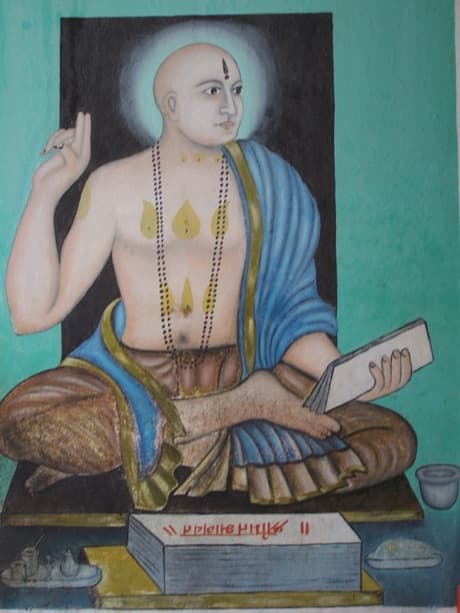
Madhvācārya · Dvaita
Madhva BhāṣyaSanskritEnglish“एतदेव प्रपञ्चयति - विहाय इति | कामान् विषयान्, निस्पृहतया विहाय यः चरति भक्षयति | भक्षयामि इत्यहङ्कारमकारवर्जितश्च | स हि पुमान् | स एव च मुक्तिमधिष्ठति इत्यर्थः ||” - This, verily, is clarified in this verse. He who enjoys the desires of sense-objects without attachment to them, he who when enjoying has no sense of Me and Mine, he verily is the real person. He alone attains deliverance, this is the meaning.
Madhvācārya · Dvaita
Gītā Tātparya NirṇayaSanskritEnglish“निषिद्धसुप्रभावमात्रेण सर्वविषयान् विहाय | अस्वरूपे स्वरूपत्वमतिरेव ह्यहङ्कृतिः | त्याज्या सर्वत्र ममता ज्ञात्वा सर्वे हरेर्वश || इति च |” - With the sense of renouncing the inappropriate objects, he abandons all the sense objects. To assume that which is not under one's control to be under one's control, is egotism. Abandoning egotism in all respects is knowing all to be under the control of Sri Hari, thus it has been further said.

Jñāneśvar · Vārkarī
English71 "That person who, renouncing all desires, walks along freed of longings and unswayed by the "my"-ness and the "I"-ness: he attains peace. (365)
He alone, know ye, is a true Sthitaprajna who has secured the knowledge of the self and is ever well-fed with the bliss of the form (of the essence) of the Supreme Self. He has dropped all egoism, renounced all desires, abides in the great bliss of the oneness in the Universal life, and is totally united with the Universe.
Swami Ramsukhdas · Modern
English'Vihāya kāmānyaḥ sarvānpumāṃścarati niḥspr̥haḥ'—An earnest wish for something is, 'kāmanā' (desire) while an earnest wish for acquiring or preserving necessities of life is, 'spr̥hā' (thirst). A man of steadfast wisdom lives devoid of longings and desires and has no thirst, for acquiring or preserving even the necessities of life, as he has attained the supreme bliss, for which the human body was bestowed upon him. So, he becomes free from all cares and does not mind even if his body lives or dies.
In this verse, as well as in the fifty-fifth verse of this chapter emphasis has been laid on renunciation of desires, because in the Discipline of Disinterested Action, without abandoning these no striver can possess steadfast wisdom. A
striver has affinity for the world, only because of desires. If desires are given up, no affinity for the world remains.
'Nirmamaḥ'—A man of stable wisdom, has not the least-sense of mine, with men, things and even his body and senses, because he has received them from the world. Therefore, they belong to the world, not to him. It is a blunder to have a sense of possession over things acquired. On rectification of this blunder the sense of possession over persons, objects, body and sense-organs is totally wiped out.
'Nirahaṅkāraḥ'—'I am this body'—to have this notion is egoism. The realized soul is, free from the egoism. The body, sense-organs, mind and intellect are visible in some light. This ego is, also perceived in this light. From the view-point of this light, all these are objects of perception. An onlooker (seer) is, quite different from the seen—this is the rule. With this realization, a man of steady wisdom, becomes quite free from egoism.
'Sa śāntimadhigacchati'—A man of steadfast wisdom attains peace. It does not mean that he attains peace after being free from desire, thirst for enjoyment, attachment and egoism. The fact is that peace is inherent and spontaneous. But a man by having desires to enjoy worldly pleasures cannot realize that peace. But, as soon as he becomes free from desire, thirst for necessities, a sense of mine and egoism, he can realize that peace.
In the verse, out of the four—(desires, thirst for necessities, the sense of mine and egoism), egoism is more important than the other three, because a striver after becoming free from egoism, becomes free from the other three also. If there is no egoism, how will the sense of mine persist, who will desire and for whom will he desire?
Now the question arises, when the renunciation of desire
etc., is also included in the renunciation of egoism, why has Lord Kṛṣṇa described the renunciation of desire separately? The answer is, that out of these four, desire is gross while thirst for necessities is subtle; the sense of mine, subtler; and egoism the subtlest. So, by abandoning desire, it becomes easy to abandon the other three.
Nothing can be gained merely by desire, what is destined, we will get. Having such a faith, we should discard desires. 'spṛhā' is a subtle form of desire. In the absence of desire even it persists. It (spṛhā) is the desire to have bare necessities of life. In its fulfilment also we are not free. Whatever is to happen, will happen. Then why should we have 'spṛhā'? When we cease to be dependent on food, water and clothing, 'spṛhā' is destroyed. After renouncing desires and 'spṛhā' the sense of mind in the body remains. It is not a rule that this possessive spirit, preserves articles and these are ruined without this spirit. Therefore, the possessive spirit serves no purpose. With renunciation of all the three—desire, 'spṛhā' (subtle desire) and possessive spirit, renunciation of ego, becomes very easy, otherwise it is very difficult.
How to get rid of Egoism & a Sense of Mine
From the standpoint of the Discipline of Disinterested Action: (Karmayoga)—'Nothing is mine; because I have no independent claim on things, persons, circumstances, incidents and situations etc. When nothing is mine, it means that I need nothing as I need food, water and clothes for the body, only if it is mine; but if it is not mine, I need nothing for it. When there is clear understanding that nothing is mine and I need nothing, there is no question of egoism (feeling of 'I'), because egoism persists by accepting affinity for the body, things and circumstances etc. The fact is that the so-called body of mine has an affinity for the world, so it should be
used to render service to the world, because I for myself need nothing. By having this sort of feeling, egoism perishes and a striver becomes free from egoism and a sense of mine.
From the standpoint of Discipline of Knowledge:—every man has the knowledge that 'I am'. In 'I am', I, is a fragment of nature and 'am' denotes 'reality' (Eternal Existence). This 'am' is used with 'I'—In the absence of 'I', 'am' will not stand, only 'Is' will remain.
'I am', 'you are', 'this is' and 'that is'—all these four, are in respect of individuals, space and time. This is limited conception. If this limited conception is not maintained, then universal 'Is' remains. When a striver is established in this universal 'Is', he becomes completely free from the sense of 'I' and 'mine'.
From the standpoint of Discipline of Devotion (Bhaktiyoga)—What is called 'I' or 'mine' actually belongs to God, because had the persons, things, body been mine, I might have protected them from decay and possessed them forever. But it is not so. It means that the so-called body of mine, senses, mind, intellect etc., are His and I am also His. By having this sort of feeling, a striver becomes free from the sense of mine and from egoism.
**Appendix**—The Lord by the expression 'so'mṛtavāya kalpate' (Gītā 2/15) explained attainment of perfection by Jñānayoga. Now by the expression 'sa śāntimadhigacchati' he mentions the perfection by Karmayoga. It means that by being established in Pure-consciousness (Self) immortality is attained and by renouncing Matter (ego), tranquillity (peace) is attained.
'Egoism' really does not exist, it is merely assumed in the self. If it had really existed, we could not have been free from egoism and the Lord would have also not told us to be free from egoism. But the Lord mentions 'nirahaṅkāraḥ',
so it means that we can be free from egoism. This is also our experience that the self is free from egoism. In sound sleep egoism disappears while the self exists—this is clearly perceived when we arise from sleep. In sound sleep egoism merges in 'avidyā' (ignorance), but the self remains. Therefore after arising from sleep (remembering that) we say 'I slept so comfortably that I knew nothing.' This memory proves that he (the self), who slept comfortably and who knew nothing, was there. Otherwise who experienced comfort and who knew nothing? In 'I knew nothing' there is no egoism and he who had this knowledge is the self, free from egoism.
A woman's nose-ring fell into a well. A man got down into the well in order to search the nose-ring out. He searched it out and was very pleased. But at that time he could not utter any word because voice (an evolute of fire) and water are opposites. Therefore after coming out of water he could speak that he had found out the nose-ring. Similarly in sound sleep at the merger of egoism in ignorance, a man feels that he enjoyed a carefree sleep but he can't express it at that time because there is no means to utter words. After arising from the sound sleep he has the memory of that joy (comfort). Memory is born of experience—'anubhavajanyaṁ jñānaṁ smṛtiḥ'.
Thus in sound sleep everyone feels that egoism does not persist but no one feels that the self does not exist. Egoism can't persist without us but we (self) can live without egoism and do live. Our self is consciousness solidified. This eternal entity is not dependent on anyone but everyone is dependent upon it. If we had not been different from egoism, we would have been only in the form of egoism, then in sound sleep at the merger of egoism we would have also no existence. But we exist, it proves that we have our existence without egoism. In wakefulness and dream, egoism appears and in
sound sleep egoism merges but we (the self) ever exist. What neither appears nor merges is our identity.
Having given up all the desires, for the maintenance of the body some requirement of things, persons is felt that is called 'sprhā' (necessity). Not to talk of the necessities for the maintenance of the body, the man of steadfast wisdom does not even need the body because the necessity of the body makes a man dependent. Necessity is born only when a man accepts a thing as his own which is not his. A Karmayogī does not accept anything as his own and for him, but he regards it as the world's and for the world only. So he has no necessity.
'Kāmanā' (desire) and 'sprhā' (necessity)—renunciation of both means that there should not be any desire for things and there should not be any necessity for the maintenance of the body. The reason is that the desire for the maintenance of the body is also enjoyment of pleasure. Not only this but even the win for peace, salvation and self-realization is 'Kāmanā' (desire). Therefore real disinterestedness consists in not having desire even for salvation.
In this verse there is prohibition (negation) of 'Aparā prakṛti' (lower or insentient nature). The 'Jīva' (the embodied soul) because of egoism has sustained 'Aparā prakṛti' (universe)—'yayedam dhāryate jagat' (Gītā 7/5). Therefore by being free from egoism, the lower nature is negated (affinity is renounced) and the self (soul) becomes free from the bondage of birth and death. If everything is renounced, even then egoism remains (persists) but if egoism is renounced, everything is renounced.
*Link:—In the next verse, there is description of a person and his condition, as a result of being free from desire, thirst*
*for necessities of life, the sense of mine and egoism, and closes the subject.*
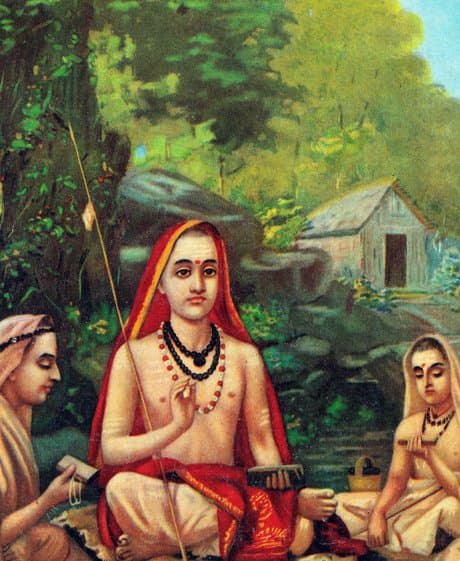
Ādi Śaṅkarācārya · Advaita
Sanskritविहाय परित्यज्य कामान् यः सन्न्यासी पुमान् सर्वान् अशेषतः कार्त्स्न्येन चरति, जीवनमात्रचेष्टाशेषः पर्यटतीत्यर्थः । निःस्पृहः शरीरजीवनमात्रेऽपि निर्गता स्पृहा यस्य सः निःस्पृहः सन्, निर्ममः शरीरजीवनमात्राक्षिप्तपरिग्रहेऽपि ममेदं इत्यपभिनिवेशवर्जितः, निरहङ्कारः विद्यावत्त्वादिनिमित्तात्मसम्भावनारहितः इत्येतत् । सः एवम्भूतः स्थितप्रज्ञः ब्रह्मवित् शान्तिं सर्वसंसारदुःखोपरमलक्षणां निर्वाणाख्याम् अधिगच्छति प्राप्नोति ब्रह्मभूतो भवति इत्यर्थः ॥ सैषा ज्ञाननिष्ठा स्तूयते --
Ādi Śaṅkarācārya · Advaita
Hindiक्योंकि ऐसा है इसलिये—
जो संन्यासी पुरुष, सम्पूर्ण कामनाओंको और भोगोंको अशेषतः त्यागकर अर्थात् केवल जीवनमात्रके निमित्त ही चेष्टा करनेवाला होकर विचरता है।
तथा जो स्पृहासे रहित हुआ है, अर्थात् शरीर- जीवनमात्रमें भी जिसकी लालसा नहीं है।
ममतासे रहित है अर्थात् शरीर-जीवनमात्रके लिये आवश्यक पदार्थोंके संग्रहमें भी 'यह मेरा है' ऐसे भावसे रहित है।
तथा अहंकारसे रहित है अर्थात् विद्वत्ता आदिके सम्बन्धसे होनेवाले आत्माभिमानसे भी रहित है।
वह ऐसा स्थितप्रज्ञ, ब्रह्मवेत्ता—ज्ञानी संसारके सर्वदुःखोंकी निवृत्तिरूप मोक्ष नामक परम शान्तिको पाता है अर्थात् ब्रह्मरूप हो जाता है
Jñāneśvar · Vārkarī
Marathiऐसा आत्मबोधें तोषला । जो परमानंदें पोखला । तोचि स्थिरप्रज्ञु भला । वोळख तूं ॥ ३६६ ॥
तो अहंकाराते दंडुनी । सकळ काम सांडोनि । विचरे विश्व होऊनि । विश्वाचिमाजीं ॥ ३६७ ॥
Jñāneśvar · Vārkarī
Hindi(2.366) ऐसा जा आत्मज्ञान से सन्तुष्ट हो, जो परमानन्द से पुष्ट हो, उसी को सच्चा स्थिरप्रज्ञ जानो। (2.367) वह अहंकार को छोड़, सकल मनोरथों का त्याग कर जगदाकार हो संचार करता है।

Sri Udiya Baba · Modern
Hindiभावार्थ— जो पुरुष इहलोक और परलोक की सम्पूर्ण कामनाओं को त्यागकर ममता और अहंकार से शून्य होकर विचरता है वह शान्ति को प्राप्त होता है।
व्याख्या— यह श्लोक निवृत्तिनिष्ठ तत्त्ववेत्ता के लिये है। इसमें संन्यास का प्रतिपादन किया गया है। अध्याय ६/२४ में भी 'सर्वान्' शब्द आया है। परन्तु वहाँ योगी का सर्वत्याग बताया गया है। इस श्लोक में समाहित चित्तवाले तत्त्ववेत्ता के लक्षण है। स्थितप्रज्ञ के लक्षणों का उपक्रम ५५ वें श्लोक से हुआ था। यहाँ उनका उपसंहार हो गया। यहाँ यह बतलाया है कि स्थितप्रज्ञ इस प्रकार विचरता है कि उसमें पुत्रैषणा वितैषणा या लोकषणा कोई भी कामना नहीं रहती। ये तीनों कामनाएँ संन्यासी की ही छूट सकती हैं। इसका विशेष विवरण अठारहवें अध्याय के उनचासवें, और पचासवें श्लोक में आया है, इस अध्याय के ५५ और ७२ वें श्लोकों से भी इस श्लोक की एकवाक्यता है। यही बात छठे अध्याय के अठारहवें श्लोक में भी आयी है। जहाँ-कहीं भी कामनाओं के त्याग की बात आई है वहाँ उनके साथ 'सर्व' शब्द अवश्य आता है। यह 'सर्व' शब्द निःशेष का वाचक है। अर्थात् उसकी कामनायें सर्वथा निर्मूल हो जाती है। यही शान्त पुरुष का मुख्य लक्षण है। यहाँ ७१ और ७२ दोनों श्लोकों में यह दिखलाया है कि जब तक विषयों का चिन्तन, दर्शन और भाषण नहीं छूटता तब तक किसी का कल्याण नहीं हो सकता। जो अपने को सांख्योक्त तुष्टियों
के कारण कृतकृत्य मानकर साधन छोड़ बैठते हैं और अपने को सिद्ध मानने लगते हैं, वे अवश्य पतित हो जाते हैं। इसलिए जब तक इन तीनों एषणाओं का सर्वथा त्याग न हो तब तक मोक्ष के लिए साधन करता रहे।
जो सम्पूर्ण कामनाओं को त्याग देता है वह सर्वथा निःसृह और निर्भय होता है। संसार में बड़े से बड़ा उपद्रव हो, वर्षा-सूखा, गर्मी-सर्दी कैसा भी द्वन्द्व हो, वह किसी से विचलित नहीं होता। उसे कैसा भी प्रलोभन दिया जाय वह लुभायमान नहीं होता। वह निःसृह क्यों है, क्योंकि बोध होने पर उसको कुछ पाना शेष नहीं रहता। उसे 'पुमान्' क्यों कहा है? क्योंकि वास्तव में यति या तत्त्ववेत्ता ही सच्चा पुरुष होता है, उसीका प्रकृति से सम्बन्ध-विच्छेद होता है। और सब तो प्रकृति के दास ही होते हैं। उसको निर्मम क्यों कहा है? क्योंकि देह के धर्म, देह के कर्म, देह के आचार और देह के सम्बन्धी स्त्री-पुत्रादि में उसकी ममता नहीं रहती। तथा जाति और विद्या का भी अभिमान नहीं रहता, इसलिये वह निरहङ्कार होता है। इस प्रकार कामनाशून्य तथा निर्मम और निरहङ्कार होने के कारण वह शान्ति को प्राप्त होता है, क्योंकि वह सम्पूर्ण चराचर को ब्रह्ममय देखता है। सब उसी का है अथवा सर्वरूप में वही है। यह 'व्रजेत् किम्' का उत्तर हुआ।
Swami Ramsukhdas · Modern
Hindi‘विहाय कामान्यः सर्वान्मुर्माश्चरति निःस्पृहः’—अप्राप्त वस्तुकी इच्छाका नाम ‘कामना’ है। स्थितप्रज्ञ महापुरुष सम्पूर्ण कामनाओंका त्याग कर देता है। कामनाओंका त्याग कर देनेपर भी शरीरके निर्वाहमात्रके लिये देश, काल, वस्तु, व्यक्ति, पदार्थ आदिकी जो आवश्यकता दीखती है अर्थात् जीवन-निर्वाहके लिये प्राप्त और अप्राप्त वस्तु आदिकी जो जरूरत दीखती है, उसका
है, असीम है, अनन्त है और सांसारिक भोग-पदार्थ जड़ हैं, अनित्य हैं, असत् हैं, सीमित हैं, अन्तवाले हैं।
दूसरा अन्तर यह है कि समुद्रमें तो नदियोंका जल पहुँचता है, पर स्थितप्रज्ञ जिस तत्त्वमें स्थित है, वहाँ ये सांसारिक भोग-पदार्थ पहुँचते ही नहीं, प्रत्युत केवल उसके कहे जानेवाले शरीर अन्तःकरणतक ही पहुँचते हैं। अतः समुद्रका दृष्टान्त केवल उसके कहे जानेवाले शरीर और अन्तःकरणकी स्थितिको बतानेके लिये ही दिया गया है। उसके वास्तविक स्वरूपको बतानेवाला कोई दृष्टान्त नहीं है।
**‘न कामकामी’**—जिनके मनमें भोग-पदार्थोंकी कामना है, जो पदार्थोंको ही महत्त्व देते हैं, जिनकी दृष्टि पदार्थोंकी तरफ ही है, उनको कितने ही सांसारिक भोगपदार्थ मिल जायें, तो भी उनकी तृप्ति नहीं हो सकती; उनकी कामना, जलन, सन्ताप नहीं मिट सकते; तो फिर उनको शान्ति कैसे मिल सकती है? कारण कि चेतन स्वरूपकी तृप्ति जड़ पदार्थोंसे हो ही नहीं सकती।
नाम ‘स्पृह’ है। स्थितप्रज्ञ पुरुष इस स्पृहका भी त्याग कर देता है। कारण कि जिसके लिये शरीर मिला था और जिसकी आवश्यकता थी, उस तत्त्वकी प्राप्ति हो गयी, वह आवश्यकता पूरी हो गयी। अब शरीर रहे चाहे न रहे, शरीर-निर्वाह हो चाहे न हो—इस तरफ वह बेपरवाह रहता है। यही उसका निःस्पृह होना है।
निःस्पृह होनेका अर्थ यह नहीं है कि वह निर्वाहकी
वस्तुओंका सेवन करता ही नहीं। वह निर्वाहकी वस्तुओंका सेवन भी करता है, पथ्य-कुपथ्यका भी ध्यान रखता है अर्थात् पहले साधनावस्थामें शरीर आदिके साथ जैसा व्यवहार करता था, वैसा ही व्यवहार अब भी करता है; परन्तु शरीर बना रहे तो अच्छा है, जीवन-निर्वाहकी वस्तुएँ मिलती रहें तो अच्छा है—ऐसी उसके भीतर कोई परवाह नहीं होती।
इसी अध्यायके पचपनवें श्लोकमें 'प्रजहाति यदा कामान्सर्वान्' पदोंसे कामना-त्यागकी जो बात कही थी, वही बात यहाँ 'विहाय कामान्यः सर्वान्' पदोंसे कही है। इसका तात्पर्य है कि कर्मयोगमें सम्पूर्ण कामनाओंका त्याग किये बिना कोई स्थितप्रज्ञ नहीं हो सकता; क्योंकि कामनाओंके कारण ही संसारके साथ सम्बन्ध जुड़ा हुआ है। कामनाओंका सर्वथा त्याग करनेपर संसारके साथ सम्बन्ध रह ही नहीं सकता।
'निर्ममः'—स्थितप्रज्ञ महापुरुष ममताका सर्वथा त्याग कर देता है। मनुष्य जिन वस्तुओंको अपनी मानता है, वे वास्तवमें अपनी नहीं हैं, प्रत्युत संसारसे मिली हुई हैं। मिली हुई वस्तुको अपनी मानना भूल है। यह भूल मिट जानेपर स्थितप्रज्ञ वस्तु, व्यक्ति, पदार्थ, शरीर, इन्द्रियाँ आदिमें ममतारहित हो जाता है।
'निरहङ्कारः'—यह शरीर मैं ही हूँ—इस तरह शरीरसे तादात्म्य मानना अहंकार है। स्थितप्रज्ञमें यह अहंकार नहीं रहता। शरीर, इन्द्रियाँ, मन, बुद्धि आदि सभी किसी प्रकाशमें दीखते हैं और जो 'मैं'-पन है, उसका भी किसी प्रकाशमें भान होता है। अतः प्रकाशकी दृष्टिसे शरीर, इन्द्रियाँ, मन, बुद्धि, अहंता ('मैं'-पन)—ये सभी दृश्य हैं। द्रष्टा दृश्यसे अलग होता है—यह नियम है। ऐसा अनुभव हो जानेसे स्थितप्रज्ञ निरहंकार हो जाता है।
'स शान्तिमधिगच्छति'—स्थितप्रज्ञ शान्तिको प्राप्त होता है। कामना, स्मृता, ममता और अहंतासे रहित होनेपर शान्ति आकर प्राप्त होती है—ऐसी बात नहीं है, प्रत्युत शान्ति तो मनुष्यमात्रमें स्वतःसिद्ध है। केवल उत्पन्न एवं नष्ट होनेवाली वस्तुओंसे सुख भोगनेकी कामना करनेसे, उनसे ममताका सम्बन्ध रखनेसे ही अशान्ति होती है। जब संसारकी कामना, स्मृता, ममता और अहंता सर्वथा छूट जाती है, तब स्वतःसिद्ध शान्तिका अनुभव हो जाता है।
इस श्लोकमें कामना, स्मृता, ममता और अहंता—इन चारोंमें अहंता ही मुख्य है। कारण कि एक अहंताके
निषेधसे सबका निषेध हो जाता है अर्थात् यदि 'मैं'-पन ही नहीं रहेगा, तो फिर 'मेरा'-पन कैसे रहेगा और कामना भी कौन करेगा और किसलिये करेगा?
जब 'निरहङ्कारः' कहनेमात्रसे कामना आदिका त्याग उसके अन्तर्गत आ जाता था, तो फिर कामना आदिके त्यागका वर्णन क्यों किया? इसका उत्तर यह है कि कामना, स्मृता, ममता और अहंता—इन चारोंमें कामना स्थूल है। कामनासे सूक्ष्म स्मृता, स्मृहासे सूक्ष्म ममता और ममतासे सूक्ष्म अहंता है। अतः साधक पहले कामना, स्मृता और ममताका त्याग कर दे तो अहंताका त्याग करना उसके लिये सुगम हो जायगा।
शास्त्रीय दृष्टिसे पहले कामनाका त्याग, फिर स्मृता, ममता और अहंकारका त्याग बताया जाता है। परन्तु साधककी दृष्टिसे पहले ममताका त्याग, फिर कामना, स्मृता और अहंकारका त्याग करना ही ठीक है। ममता प्राप्त वस्तुकी और कामना अप्राप्त वस्तुकी होती है। सबसे पहले ममताका त्याग करना सुगम पड़ता है। मनुष्य पहले ममतासे अर्थात् प्राप्त वस्तुके सम्बन्धसे ही फँसता है। पहले ममताका त्याग करनेसे निष्काम होनेकी सामर्थ्य आ जाती है, कामनाका त्याग करनेसे निःस्पृह होनेकी सामर्थ्य आ जाती है और स्मृहाका त्याग करनेसे निरहंकार होनेकी सामर्थ्य आ जाती है। शास्त्रीय दृष्टिके अनुसार चलनेसे मनुष्य पण्डित हो जाता है और साधककी दृष्टिके अनुसार चलनेसे मनुष्यको अनुभव हो जाता है।
अहंता-ममतासे रहित होनेका उपाय
कर्मयोगकी दृष्टिसे—'मेरा कुछ नहीं है'; क्योंकि मेरा किसी वस्तु, व्यक्ति, परिस्थिति, घटना, अवस्था आदिपर स्वतन्त्र अधिकार नहीं है। जब मेरा कुछ नहीं है तो 'मेरेको कुछ नहीं चाहिये'; क्योंकि अगर शरीर मेरा है तो मेरेको अन्न, जल, वस्त्र आदिकी आवश्यकता है, पर जब शरीर मेरा है ही नहीं, तो मेरेको किसीकी कुछ भी आवश्यकता नहीं है। जब मेरा कुछ नहीं और मेरेको कुछ नहीं चाहिये, तो फिर 'मैं' क्या रहा? क्योंकि 'मैं' तो किसी वस्तु, शरीर, स्थिति आदिको पकड़नेसे ही होता है।
मेरे कहलानेवाले शरीर आदिका मात्र संसारके साथ सर्वथा अभिन्न सम्बन्ध है। इसलिये अपने कहलानेवाले शरीर आदिसे जो कुछ करना है, वह सब केवल संसारके हितके लिये ही करना है; क्योंकि मेरेको कुछ चाहिये ही नहीं। ऐसा भाव होनेपर 'मैं'-का एकदेशीयपना आप-से-आप मिट
जाता है और कर्मयोगी अहंता-ममतासे रहित हो जाता है।
**सांख्ययोगी दृष्टिसे**—प्राणिमात्रको 'मैं हूँ' इस प्रकार अपने स्वरूपकी स्वतःसिद्ध सत्ता-(होनापन-) का ज्ञान रहता है। इसमें 'मैं' तो प्रकृतिका अंश है और 'हूँ' सत्ता है। यह 'हूँ' वास्तवमें 'मैं' को लेकर है। अगर 'मैं' न रहे, तो 'हूँ' नहीं रहेगा, प्रत्युत 'हूँ' रहेगा।
'मैं हूँ', 'तू है', 'यह है' और 'वह है'—ये चारों व्यक्ति और देश-कालको लेकर हैं। अगर इन चारोंको अर्थात् व्यक्ति और देश-कालको न पकड़ें तो केवल 'है' ही रहेगा—'है' में ही स्थिति रहेगी। 'है' में स्थिति होनेसे
**परिशिष्ट भाव**—पहले 'सोऽमृतत्वाय कल्पते' (२।१५) कहकर ज्ञानयोगी सिद्धि (पूर्णता) बतायी थी, अब 'स शान्तिमधिगच्छति' कहकर कर्मयोगी सिद्धि बताते हैं। तात्पर्य है कि चिन्मयता (स्वरूप) में स्थिति होनेसे अमृतकी प्राप्ति होती है और जड़ता (अहंता) के त्यागसे शान्तिकी प्राप्ति होती है।
अहंता अपने स्वरूपमें मानी हुई है, वास्तवमें है नहीं। अगर यह वास्तवमें होती तो हम कभी निरहंकार नहीं हो सकते थे और भगवान् भी निरहंकार होनेकी बात नहीं कहते। परन्तु भगवान् 'निरहङ्कारः' कहते हैं, अतः हम अहंकाररहित हो सकते हैं। हमारा अनुभव भी है कि वास्तवमें स्वरूप अहंकाररहित है। सुषुप्तिके समय अहम् के अभावका और स्वयं (अपनी सत्ता) के भावका अनुभव सबको होता है, जिसका स्पष्ट बोध जगनेपर होता है। सुषुप्तिमें अहम् अविद्यामें लीन हो जाता है, पर स्वयं रहता है। इसलिये सुषुप्तिसे जगनेपर (उसकी स्मृतिसे) हम कहते हैं कि 'मैं ऐसे सुखसे सोया कि मेरेको कुछ पता नहीं था।' इस स्मृतिसे सिद्ध होता है कि सुखका अनुभव करनेवाला और 'कुछ पता नहीं था' यह कहनेवाला तो था ही! नहीं तो सुखका अनुभव किसको हुआ और 'कुछ पता नहीं था'—यह बात किसने जानी? अतः 'कुछ पता नहीं था'—यह अहम् का अभाव है और इसका ज्ञान जिसको है, वह अहंरहित स्वरूप है।
एक स्त्रीकी नथ कुएँमें गिर गयी। उसको निकालनेके लिये एक आदमी कुएँमें उतरा और जलके भीतर जाकर उस नथको ढूँढ़ने लगा। ढूँढ़ते-ढूँढ़ते वह नथ उसके हाथ लग गयी तो उसको बड़ी प्रसन्नता हुई। परन्तु उस समय वह कुछ बोल नहीं सका; क्योंकि वाणी (अग्नि) और जलका आपसमें विरोध है। अतः जलसे बाहर आनेपर ही वह बोल सका कि 'नथ मिल गयी।' ऐसे ही सुषुप्तिमें अहम् के लीन होनेपर मनुष्य सुखका अनुभव तो करता है, पर उसको व्यक्त नहीं कर सकता; क्योंकि बोलनेका साधन नहीं रहा। सुषुप्तिसे जगनेपर ही उसको सुषुप्तिके सुखकी स्मृति होती है। स्मृति अनुभवजन्य होती है—'अनुभवजन्यं ज्ञानं स्मृतिः।'
इस प्रकार सुषुप्तिमें अहम् के अभावका अनुभव तो सबको होता है, पर अपने अभावका अनुभव किसीको कभी नहीं होता। अहंकार हमारे बिना नहीं रह सकता, पर हम (स्वयं) अहंकारके बिना रह सकते हैं और रहते ही हैं। हमारा स्वरूप चिन्मय सत्तामात्र है। इस नित्य सत्ताको किसीकी अपेक्षा नहीं है, पर सत्ताकी अपेक्षा सबको है। अगर हम अहम् से अलग न होते, अहंकाररूप ही होते तो सुषुप्तिमें अहंकारके लीन होनेपर हम भी नहीं रहते। अतः अहंकारके बिना भी हमारा होनापन सिद्ध होता है। जाग्रत् और स्वप्नमें अहम् प्रकट रहता है और सुषुप्तिमें अहम् लीन हो जाता है, पर हम स्वयं निरन्तर रहते हैं। जो प्रकट और लीन नहीं होता, वही हमारा स्वरूप है।
कामनाका त्याग होनेपर भी शरीरनिर्वाहमात्रके लिये कुछ-न-कुछ वस्तु, व्यक्ति, पदार्थ आदिकी आवश्यकता रह जाती है, जिसको 'स्पृहा' कहते हैं। स्थितप्रज्ञ महापुरुषमें शरीरनिर्वाहमात्रकी आवश्यकताका तो कहना ही क्या, शरीरकी भी आवश्यकता नहीं रहती। कारण कि शरीरकी आवश्यकता ही मनुष्यको पराधीन बनाती है। आवश्यकता तभी पैदा होती है, जब मनुष्य उस वस्तुको स्वीकार कर लेता है, जो अपनी नहीं है। कर्मयोगी किसी भी वस्तुको अपनी और अपने लिये नहीं मानता, प्रत्युत संसारकी और संसारके लिये ही मानता है। इसलिये उसको किसी भी वस्तुकी आवश्यकता नहीं रहती।
सांख्ययोगी अहंता-ममतासे रहित हो जाता है।
**भक्तियोगी दृष्टिसे**—जिसको 'मैं' और 'मेरा' कहते हैं, वह सब प्रभुका ही है। कारण कि मेरी कहलानेवाली वस्तुपर मेरा किंचिन्मात्र भी अधिकार नहीं है; परन्तु प्रभुका उसपर पूरा अधिकार है। वे जिस तरह वस्तुको रखते हैं, जैसा रखना चाहते हैं वैसा ही होता है। अतः यह सब कुछ प्रभुका ही है। इसको प्रभुकी ही सेवामें लगाना है। मेरे पास जो शरीर, इन्द्रियाँ, मन, बुद्धि है, यह भी उन्हींकी है और मैं भी उन्हींका हूँ। ऐसा भाव होनेपर भक्तियोगी अहंता-ममतासे रहित हो जाता है।
‘कामना’ और ‘सूहा’—दोनोंका त्याग करनेका तात्पर्य है कि वस्तुओंकी कामना भी न हो और निर्वाहमात्रकी कामना (शरीरकी आवश्यकता) भी न हो। कारण कि निर्वाहमात्रकी कामना भी सुखभोग ही है। इतना ही नहीं, शान्ति, मुक्ति, तत्त्वज्ञान आदिको प्राप्त करनेकी इच्छा भी कामना है। अतः निष्कामभावमें मुक्तिककी भी कामना नहीं होनी चाहिये।
इस श्लोकमें अपरा प्रकृतिका निषेध है। जीवने अहंकारके कारण अपरा प्रकृति (जगत्) को धारण किया है—‘ययेदं धार्यते जगत्’ (गीता ७।५)। अतः निरहंकार होनेपर अपरा प्रकृतिका निषेध (सम्बन्ध-विच्छेद) हो जाता है और जीव जन्म-मरणरूप बन्धनसे मुक्त हो जाता है। सबका त्याग होनेपर भी अहंकार शेष रह जाता है, पर अहंकारका त्याग होनेपर सबका त्याग हो जाता है।
सम्बन्ध—कामना, सूहा, ममता और अहंतासे रहित होनेपर उसकी क्या स्थिति होती है—इसका वर्णन आगेके श्लोकमें करते हुए इस विषयका उपसंहार करते हैं।
The word kāmas means desires or those things which one wishes to enjoy such as taste or touch.
Lord Krishna is instructing that whoever can relinquish these desires is free from craving, free from my-ness the conception that these things are mine and free from I-ness, my-ness and the conception that I am this body.
Such a one not bewildered does misidentify the physical body as being the soul, rather such a one perceives the soul and attains peace.