

Bhagavad Gītā · Chapter 2 · Sāṅkhya Yoga
न त्वेवाहं जातु नासं न त्वं नेमे जनाधिपाः
न चैव न भविष्यामः सर्वे वयमतः परम्
na tvevāhaṃ jātu nāsaṃ na tvaṃ neme janādhipāḥ|
na caiva na bhaviṣyāmaḥ sarve vayamataḥ param||
Word meanings
जातु = ever
अहम् = I
न = not
आसम् = I was
त्वम् = you
न = not
इमे = these
जनाधिपाः = kings
न = not
न, तु, एव = nor indeed
च = and
अतः = hence
परम् = hereafter
वयम् = we
सर्वे = all
न = not
भविष्यामः = shall be
एव = indeed
न = not
Translation
In fact, there was never a time when I was not, or when you or these kings were not. Nor is it a fact that hereafter we shall all cease to be.
Commentary
The commentators seated around this verse

Rāmānuja · Viśiṣṭādvaita
English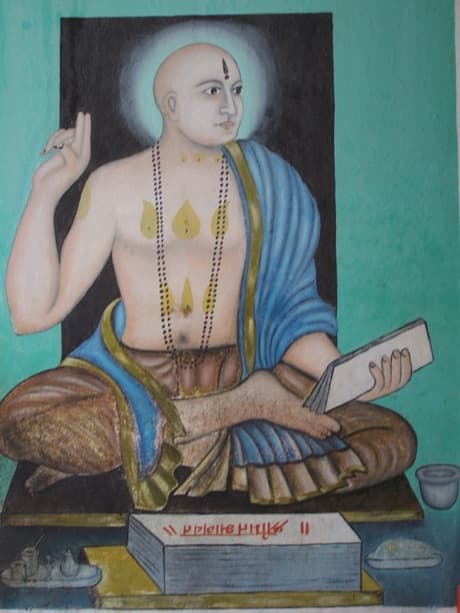
Madhvācārya · Dvaita
Madhva BhāṣyaSanskritEnglish“किम्? इति - न त्वेवहम् | ईश्वरनित्यत्वस्याप्रस्तुतत्वाद् दृष्टान्तत्वेनाऽह - नत्वेव इति | यथाऽहं नित्यः सर्वं वेदान्तेषु प्रसिद्धः, एवं त्वमेते जनाधिपाश्च नित्याः |” - Why is such statement made - नत्वेवह? The Lord being eternal, such statement is irrelevant and self evident, therefore, is made only as illustration. Even as Lord is Eternal as well confirmed by Vedanta, even so, you and these lords of men are also ever eternal.
Madhvācārya · Dvaita
Gītā Tātparya NirṇayaSanskritEnglish“बन्धुरनेहाद्वि त्वया स्वधर्मनिवृत्तिः क्रियते | तत्र देहनाशभयत् किंवा चेतननाशभयात्? देहस्य सर्वथा विनाशित्वान् तत्र भये प्रयोजनम् | न च चेतननाशभयात् | तस्यविनाशित्वादेव | न तावत् परमचेतनस्य मम नाशोऽस्ति | एवमेव तवान्येषां च - नित्यो नित्यानां चेतनश्चतनानामेको बहूनां यो विदधाति कामान् ऽ इत्यादि श्रुतेः | स्वदेहयोगविगमौ नाम जन्ममूर्ती पुरा | इष्येतेह्येव जीवस्य मुक्तेर्नतु हरेः क्वचित् | इति स्कान्दे || इदृश्वरस्यपि युद्धगतत्वान्मोहात् तस्याप्युभयविधिनित्यत्वशङ्काप्राप्तौ तदपि निवार्यते - नत्वेवाहम् इति | यद्यप्येषा शङ्काऽर्जुनस्य नास्ति तथाऽपि प्राप्तलोकोपकारार्थं भगवता निवार्यते | एकान्ते कथयन्नपि व्यासरूपेण तदेव लोके प्रकाशशिष्यति हि ||” - Because of your fraternal feelings you are sulking from your inborn behaviour according to the Perennial Principles. Is it because of the fear of loss of his body or the loss of Consciousness? The body being in all respects subject to destruction there is no purpose for being frightened, nor the possibility of destruction of the Consciousness, because it being immortal. There is no destruction for My Supreme Consciousness. Similar is the case in respect of others as well. “Eternal among eternals, Consciousness among the conscious ones, the One who desires, manifests as many”. The non-separation and separation from the body is said to be the birth and death. Such, verily, is the case with Jiva. There is never any question of deliverance for the Lord, thus, in Skanda Puraana.
Since the Lord may appear, due to delusion, to have destruction of his body and of the consciousness in the course of the battle, the same is being cleared with the word तु in the verse नत्वेवह. Even though such doubt may not arise in the case of Arjuna, the Resplendent One clarifies the same for the sake of (clarification and) the welfare of the world. Even though this dialogue is spoken in confidence, through the medium of Vyasa, the same is made known to the world.

Jñāneśvar · Vārkarī
English12 *'It is indeed not the case that I, ever before, was not; nor thou, nor these lords of men: neither is it the case that, hereafter, all of us are not going to be.* (103)
Arjuna, verily I say to you further: It is the merest delusion to feel certain that you yourself, myself, as well as all the kings whom you see assembled here will live eternally, or would as surely be dissolved into nothingness, both these are utter unrealities. The generative creation and decay are appearances caused by Māyā, Brahman (the Supreme), being assuredly in itself indestructible and immortal. Just tell me whether anything really is born when the wind causes ripples on water. Consider further if any real thing is destroyed when the gust of wind gets calm and the ripples disappear into the original stillness of water.
Swami Ramsukhdas · Modern
English[There are two things in the world, the soul (the real) and the body (the unreal) and both of these are not to be grieved for, because the soul never ceases to be and the body is ever perishable. So here it is explained that the soul is immortal, while the body is mortal.]
'Na tvevāhaṁ jātu nāsam na tvaṁ neme janādhipāḥ'—People think that I did not exist before My incarnation and you and these kings were also non-existent before our birth. But it is not so. All of us certainly existed, because the real is always existent, unaffectedly time, place and circumstances etc.
'I, you and these kings, had their previous existence'—this declaration could suffice. But contrarily it is said—'I, you and these kings had no such pre-existence—this is not true'. The reason is, that by the latter expression 'that there was no such pre-existence—is not true', the fact of their pre-existence is emphasized.
It means, that the real is eternal. It was never a naught. By the term 'Jātu', the Lord means to say that in all times—past, present and future and in all climes, circumstances, states, incidents and things etc., this real never ceases to be ever.
Here, by using the word 'Aham' Lord Kṛṣṇa identifies Himself with other people, in order to explain that the real never ceases to be, while in the fifth verse of the fourth chapter Lord Kṛṣṇa says, 'You and I have taken many births. I know them all, while you don't know', which shows that He as the Lord, is different from other. In the fifth verse of the fourth chapter, the Lord expresses His excellence, eminence and glory as compared to ordinary mortals, while in this verse He expresses His unity, with the soul of common men.
'Na caiva na bhaviṣyāmaḥ sarve vayamataḥ param'—In future, the bodies will not continue to be the same and one day they will perish, but the (soul) will never cease to be, because the real is eternal. It was, neither non-existent in the past, nor will be in, future.
Lord Kṛṣṇa has talked about the past and the future, by saying that there was never a time, when they were non-existent, nor they will cease to be. But, He has not talked about the present, because they are clearly seen at present through the bodies. In their present existence, there is no trace of doubt. But if we think seriously, we come to know that we (the soul) exist at present, but the bodies are kaleidoscopic. Therefore we should realize that the soul is different from the bodies, because we have our existence, at present as we had in the past and we will have, in future, while the bodies are perishable.
A man realises his existence, before sleep and after sleep, but he has his existence during sleep also ever while his body is undergoing changes every moment, and it will perish one day. Similarly, the bodies of all of us—I, you and these kings—did not exist in the past, nor will exist in future and presently also
perishing, every moment, but our self existed in the past, will exist in future, and exist now.
Our entity is transcendental as we living subject know time—present, past and future objectively. Subject is always distinct from object. Thus the Lord has spoken this verse to explain this transcendental entity of the Self.
An Exceptional Fact
Lord Kṛṣṇa, in this verse says that the bodies are perishable while the self is imperishable. It is a rule, that what exists in the beginning and the end, also exists in the middle, and what does not exist in the beginning and the end, does not exist in the middle, either.
But the question arises that how, in the middle these bodies are visible? The answer is that senses, mind and intellect, with which we see and worldly objects, which are seen—both are perishable and change every moment. Man (self) identifies himself, with the seen. Then, he is called a seer. When the instruments of perception and the objects of perception, are all perishable and transient, then how can the apparent onlooker, be permanent? The apparent entity of a seer (onlooker) is there, because of affinity between the seer, the senses and the seen. In case, there is no such affinity, then this apparent entity of the seer fades away. But, the base of the apparent entity which is truth, persists. That truth, is called the base of creation, preservation, destruction and illuminator of all seeming entities. These names—base and illuminator are only in relation to objects which they base and illumine. In the absence of those objects, the truth ever remains, as it is. He who has an eye for that truth, can never grieve. This way, 'I', 'you' and 'these kings', are not to be grieved at all.
**Appendix**—In this verse there is the description that God and the self both are endowed with the same characteristics. The Lord declares, 'I as Kṛṣṇa, you as Arjuna and all these people as
kings neither existed in the past nor will exist in future. But all of us as ever existent entity existed in the past and will also exist in future. It means that I, you and these kings—these three are different as far as the bodies are concerned but they are the same as far as the self is concerned. The bodies neither existed in the past nor will exist in future but the entity of the soul (self) did exist in the past, shall exist in future and does exist at present. When these bodies didn't exist, the entity of the self was there and when these bodies will cease to exist, that entity will still remain. There is nothing else except one ever existent entity.
I, you and these kings—by saying so the lord means that the entity of God and entity of the embodied self are one and the same viz., in 'Is' and 'Am' there is only one pure consciousness. It is because of 'I' (ego) that 'am' is used. If there is no affinity for 'I' (ego), then 'am' will not remain but only 'Is' will remain. That 'Is' viz., pure consciousness rather than the body is our true identity. Therefore one should not grieve for the body.
As an incident of the past and the future is perceived far away, so also is an incident of the present. The reason is that as we (the self) have no connection with the past and the future, similarly we have no connection with the present. When we (the self) have no connection at all with them, then what is the difference between the past, the future and the present for us? These three are within limits of time but the self transcends the limits of time. Time has divisions while the self is eternal and indivisible. It is only by regarding the body as self that there appears difference between the past, the future and the present. In fact the past, the future and the present don't exist for the self, it being eternal.
Many ages may change yet 'Śarīrī' (the self) doesn't undergo any change, it remains the same because it is a fragment of God. But the body does ever change, it doesn't remain the same even for a moment.
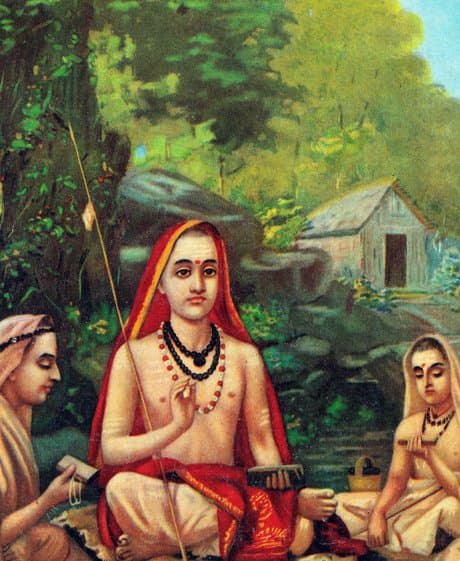
Ādi Śaṅkarācārya · Advaita
Sanskritन तु एव जातु कदाचित् अहं नासम्, किं तु आसमेव । अतीतेषु देहोत्पत्तिविनाशेषु घटादिषु वियदिव नित्य एव अहमासमित्यभिप्रायः । तथा न त्वं न आसीः, किं तु आसीरेव । तथा न इमे जनाधिपाः न आसन्, किं तु आसन्नेव । तथा न च एव न भविष्यामः, किं तु भविष्याम एव, सर्वे वयं अतः अस्मात् देहविनाशात् परं उत्तरकाले अपि । त्रिष्वपि कालेषु नित्या आत्मस्वरूपेण इत्यर्थः । देहभेदानुवृत्त्या बहुवचनम्, नात्मभेदाभिप्रायेण ॥ तत्र कथमिव नित्य आत्मेति दृष्टान्तमाह --
Ādi Śaṅkarācārya · Advaita
Hindiवे भीष्मादि अशोच्य क्यों हैं? इसलिये कि वे नित्य हैं। नित्य कैसे हैं?—
किसी कालमें मैं नहीं था, ऐसा नहीं किंतु अवश्य था अर्थात् भूतपूर्व शरीरोंकी उत्पत्ति और विनाश होते हुए भी मैं सदा ही था।
वैसे ही तू नहीं था सो नहीं किंतु अवश्य था ये राजागण नहीं थे सो नहीं किंतु ये भी अवश्य थे।
तथा न च एव न भविष्यामः, किन्तु भविष्याम एव सर्वे वयम् अतः अस्माद देह-विनाशात् परम् उत्तरकाले अपि, त्रिषु अपि कालेषु नित्या आत्मस्वरूपेण इति अर्थः।
इसके बाद अर्थात् इन शरीरोंका नाश होनेके बाद भी हम सब नहीं रहेंगे सो नहीं किंतु अवश्य रहेंगे। अभिप्राय यह है कि तीनों कालोंमें ही आत्मरूपसे सब नित्य हैं।
यहाँ बहुवचनका प्रयोग देहभेदके विचारसे किया गया है, आत्मभेदके अभिप्रायसे नहीं
Jñāneśvar · Vārkarī
Marathiअर्जुना सांगेन आइक । एथ आम्ही तुम्ही देख । आणि हे भूपति अशेख । आदिकरुनी ॥ १०३ ॥
नित्यता ऐसेचि असोनि । ना तरी निश्चित क्षया जाऊनि । हे भ्रांति वेगळी करूनी । दोन्हीं नाहीं ॥ १०४ ॥
हे उपजे आणि नाशे । ते मायावशें दिसे । येर्हवीं तत्वता वस्तु जे असे । ते अविनाशचि ॥ १०५ ॥
जैसें पवनें तोय हालविलें । आणि तरंगाकार जाहलें । तरी कवण कें जन्मलें । म्हणों ये तेथ ॥ १०६ ॥
तेंचि वायूचे स्फुरण ठेलें । आणि उदक सहज सपाटलें । तरी आता काय निमालें । विचारीं पां ॥ १०७ ॥
Jñāneśvar · Vārkarī
Hindi(2.103) हे अर्जुन! सुनो। इस संसार में हम, तुम, और ये सब राजागण इत्यादि (2.104-5) सर्वदा ऐसे ही रहेंगे अथवा निश्चय से क्षय को प्राप्त होवेंगे, ये दोनों ही बातें ठीक नहीं। वास्तव में जो परब्रह्म है वह अविनाशी ही है।
(2.106) जैसे वायु से जब पानी हिलता और तरंगाकार होता है तब कहाँ और किस की उत्पत्ति होती है?
(2.107) और जब वायु का स्फुरण बन्द हो जाता है और पानी आप ही स्थिर हो जाता है तब किस बात का लय हो जाता है, विचारो तो सही।

Sri Udiya Baba · Modern
Hindiभावार्थ— मैं कभी नहीं था— ऐसा नहीं है [अर्थात् मैं सदा से हूँ] तथा तू और ये सब राजा लोग भी पहले न हों— ऐसा नहीं है। [अर्थात् हम सर्वदा रहेंगे, हम सभी अनादि-अनन्त सच्चिदानन्दस्वरूप हैं।]
व्याख्या— परमार्थदृष्टि से ऐसा समझना चाहिये कि यह सृष्टि स्वप्नवत् है। इसका अपना अस्तित्व नहीं है। स्वप्न-दृष्टा की सत्ता से ही स्वप्न सत्यवत् भासता है। जिस प्रकार स्वप्न का आविर्भाव-तिरोभाव होता है उसी प्रकार व्यवहार-दृष्टि से सृष्टि का भी आविर्भाव-तिरोभाव होता रहता है। परिवर्तन अनात्मा में ही होता है, आत्मा में नहीं।
इस समय 'स्वप्न' शब्द को लेकर आपके साथ जो चर्चा हुई उसका सार प्रश्नोत्तर रूप से यहाँ दिया जाता है—
प्रश्न— संसार को स्वप्न क्यों कहा जाता है?
उत्तर— योगवासिष्ठ में श्रीवसिष्ठजी कहते हैं—
शेष पृष्ठ १६ पर...
प्रश्न— 'हम सब रहेंगे' ऐसा कहकर भगवान् ने बहुवचन का प्रयोग किया है। इससे तो द्वैत सिद्ध होता है।
उत्तर— यहाँ देहदृष्टि से बहुवचन का प्रयोग किया गया है। जैसे तरंग-दृष्टि से नानात्व रहता है और जलदृष्टि से एकत्व।
दीर्घस्वप्नमिमं विद्धि दीर्घं वा चित्तविभ्रमम्।
दीर्घं वापि मनोराज्यं संसारं रघुनन्दन॥
'रामजी! इस संसार को तुम दीर्घ स्वप्न, दीर्घ चित्तविभ्रम अथवा दीर्घ मनोराज्य समझो।' वास्तव में जो कुछ दिखायी-सुनायी देता है वह प्रतीतिमात्र ही है। उसकी अपनी सत्ता नहीं है। इस दृष्टि से स्वप्न सात प्रकार का माना गया है—
दृष्टं श्रुतमनुमितं प्रार्थितं कल्पितं तथा।
भावितं दोषजं चैव स्वप्नं सप्तविधं स्मृतम्॥
अर्थात् देखा हुआ, सुना हुआ, अनुमान किया हुआ, चाहा हुआ, कल्पना किया हुआ, भावना किया हुआ और बात-पित्तादि के दोष से प्रतीत होने वाला—यह सात प्रकार का स्वप्न होता है।
इस प्रकार सम्पूर्ण दृश्यवर्ग स्वप्न ही है। परन्तु प्रतीति के समय हम इसे सत्य या जाग्रत् समझते हैं और प्रतीति न होने पर इसकी स्मृति रहती है तो इसे स्वप्न मान लेते हैं। स्वप्न में जाग्रत् नहीं रहता और जाग्रत् में स्वप्न नहीं रहता। अतः वस्तुतः दोनों कल्पित ही हैं। किसे स्वप्न कहें, किसे जाग्रत्। जो इन दोनों का साक्षी है वह स्वप्नद्रष्टा है। वह चेतन और नित्य है। वह कभी किसी का दृश्य नहीं होता।
प्रश्न— स्वप्नद्रष्टा और स्वप्नपुरुष में क्या अन्तर है?
उत्तर— जो स्वप्न को देखता है वह स्वप्न-पुरुष है। फिर जगने पर जिसे स्वप्न का स्मरण होता है वह जाग्रत्-पुरुष है। किन्तु जो सम्पूर्ण स्वप्न और जाग्रत् को प्रकाशित करता है तथा जिसमें ये दोनों अवस्थाएँ अध्यस्त हैं वह द्रष्टा है। स्वप्न का प्रकाशक होने से उसे स्वप्नद्रष्टा कहते हैं और जाग्रत् का प्रकाशक होने से जाग्रत्-द्रष्टा। वास्तव में द्रष्टा एक ही है। अवस्था-भेद भी कल्पित ही है। प्रतीति के समय दोनों अवस्थाएँ सत्य जान पड़ती हैं और प्रतीति न रहने पर जब स्मृति होती है तो उसी को स्वप्न कहते हैं। स्वप्न को बनाने-बिगाड़ने वाला भी स्वप्न ही है। वास्तव में स्वप्न न बनता है न बिगड़ता है, केवल उसकी प्रतीति होती है।
अगले श्लोक में इसी बात की पुष्टि करते हुए देह और देही का विवेक करते हैं—
Swami Ramsukhdas · Modern
Hindi[मात्र संसारमें दो ही वस्तुएँ हैं—शरीरी (सत्) और शरीर (असत्)। ये दोनों ही अशोच्य हैं अर्थात् शोक न शरीरी—(शरीरमें रहनेवाले—) को लेकर हो सकता है और न शरीरको लेकर ही हो सकता है। कारण कि शरीरीका कभी अभाव होता ही नहीं और शरीर कभी रह सकता ही नहीं। इन दोनोंके लिये पूर्वश्लोकमें जो ‘अशोच्यान्’ पद आया है, उसकी व्याख्या अब शरीरीकी नित्यता और शरीरकी अनित्यताके रूपमें करते हैं।]
‘न त्वेवाहं जातु ... जनाधिपाः’—लोगोंकी दृष्टिसे मैंने जबतक अवतार नहीं लिया था, तबतक मैं इस रूपसे (कृष्णरूपसे) सबके सामने प्रकट नहीं था और तेरा जबतक जन्म नहीं हुआ था, तबतक तू भी इस रूपसे (अर्जुनरूपसे) सबके सामने प्रकट नहीं था तथा इन राजाओंका भी जबतक जन्म नहीं हुआ था, तबतक ये भी इस रूपसे (राजारूपसे) सबके सामने प्रकट नहीं थे। परन्तु मैं, तू और ये राजालोग इस रूपसे प्रकट न होनेपर भी पहले
नहीं थे—ऐसी बात नहीं है।
यहाँ 'मैं, तू और ये राजालोग पहले थे—ऐसा कहनेसे ही काम चल सकता था, पर ऐसा न कहकर 'मैं, तू और ये राजालोग पहले नहीं थे, ऐसी बात नहीं'—ऐसा कहा गया है। इसका कारण यह है कि 'पहले नहीं थे, ऐसी बात नहीं' ऐसा कहनेसे 'पहले हम सब जरूर थे'—यह बात दृढ़ हो जाती है। तात्पर्य यह हुआ कि नित्य-तत्त्व सदा ही नित्य है। इसका कभी अभाव था ही नहीं। 'जातु' कहनेका तात्पर्य है कि भूत, भविष्य और वर्तमानकालमें तथा किसी भी देश, परिस्थिति, अवस्था, घटना, वस्तु आदिमें नित्यतत्त्वका किंचिन्मात्र भी अभाव नहीं हो सकता।
यहाँ 'अहम्' पद देकर भगवान्ने एक विलक्षण बात कही है। आगे चौथे अध्यायके पाँचवें श्लोकमें भगवान्ने अर्जुनसे कहा है कि 'मेरे और तेरे बहुत-से जन्म हुए हैं, पर उनको मैं जानता हूँ, तू नहीं जानता'। इस प्रकार भगवान्ने अपना ईश्वरपना प्रकट करके जीवोंसे अपनेको अलग बताया है। परन्तु यहाँ भगवान् जीवोंके साथ अपनी एकता बता रहे हैं। इसका तात्पर्य है कि वहाँ (चौथे अध्यायके पाँचवें श्लोकमें) भगवान्का आशय अपनी महत्ता, विशेषता प्रकट करनेमें है और यहाँ भगवान्का आशय तात्त्विक दृष्टिसे नित्य-तत्त्वको जाननेमें है।
'न चैव ... वयमतः परम्'—भविष्यमें शरीरोंकी ये अवस्थाएँ नहीं रहेंगी और एक दिन ये शरीर भी नहीं रहेंगे; परन्तु ऐसी अवस्थामें भी हम सब नहीं रहेंगे—यह बात नहीं है अर्थात् हम सब जरूर रहेंगे। कारण कि नित्य-तत्त्वका कभी अभाव था नहीं और होगा भी नहीं।
मैं, तू और राजालोग—हम सभी पहले नहीं थे, यह बात भी नहीं है और आगे नहीं रहेंगे, यह बात भी नहीं है—इस प्रकार भूत और भविष्यकी बात तो भगवान्ने कह दी, पर वर्तमानकी बात भगवान्ने नहीं कही। इसका कारण यह है कि शरीरोंकी दृष्टिसे तो हम सब वर्तमानमें प्रत्यक्ष ही हैं। इसमें कोई सन्देह नहीं है। इसलिये 'हम सब अभी नहीं हैं, यह बात नहीं है'—ऐसा कहनेकी जरूरत नहीं है। अगर तात्त्विक दृष्टिसे देखा जाय, तो हम सभी वर्तमानमें हैं और ये शरीर प्रतिक्षण बदल रहे हैं—इस तरह शरीरोंसे अलगावका अनुभव हमें वर्तमानमें ही कर लेना चाहिये। तात्पर्य है कि जैसे भूत और भविष्यमें अपनी सत्ताका अभाव नहीं है, ऐसे ही वर्तमानमें भी अपनी सत्ताका अभाव नहीं है—इसका अनुभव करना चाहिये।
जैसे प्रत्येक प्राणीको नींद आनेसे पहले भी यह अनुभव रहता है कि 'अभी हम हैं' और नींद खुलनेपर भी यह अनुभव रहता है कि 'अभी हम हैं' तो नींदकी अवस्थामें भी हम वैसे-के-वैसे ही थे। केवल बाह्य जाननेकी सामग्रीका अभाव था, हमारा अभाव नहीं था। ऐसे ही मैं, तू और राजालोग—हम सबके शरीर पहले भी नहीं थे और बादमें भी नहीं रहेंगे तथा अभी भी शरीर प्रतिक्षण नाशकी ओर जा रहे हैं; परन्तु हमारी सत्ता पहले भी थी, पीछे भी रहेगी और अभी भी वैसी-की-वैसी ही है।
हमारी सत्ता कालातीत तत्त्व है; क्योंकि हम उस कालके भी ज्ञाता हैं अर्थात् भूत, भविष्य और वर्तमान—ये तीनों काल हमारे जाननेमें आते हैं। उस कालातीत तत्त्वको समझानेके लिये ही भगवान्ने यह श्लोक कहा है।
विशेष बात
मैं, तू और राजालोग पहले नहीं थे—यह बात नहीं और आगे नहीं रहेंगे—यह बात भी नहीं, ऐसा कहनेका तात्पर्य है कि जब ये शरीर नहीं थे, तब भी हम सब थे और जब ये शरीर नहीं रहेंगे, तब भी हम रहेंगे अर्थात् ये सब शरीर तो हैं नाशवान् और हम सब हैं अविनाशी। ये शरीर पहले नहीं थे और आगे नहीं रहेंगे—इससे शरीरोंकी अनित्यता सिद्ध हुई और हम सब पहले थे और आगे रहेंगे—इससे सबके स्वरूपकी नित्यता सिद्ध हुई। इन दो बातोंसे यह एक सिद्धान्त सिद्ध होता है कि जो आदि और अन्तमें रहता है, वह मध्यमें भी रहता है तथा जो आदि और अन्तमें नहीं रहता, वह मध्यमें भी नहीं रहता।
जो आदि और अन्तमें नहीं रहता, वह मध्यमें कैसे नहीं रहता; क्योंकि वह तो हमें दीखता है? इसका उत्तर यह है कि जिस दृष्टिसे अर्थात् जिन मन, बुद्धि और इन्द्रियोंसे दृश्यका अनुभव हो रहा है, उन मन-बुद्धि-इन्द्रियोंसहित वह दृश्य प्रतिक्षण बदल रहा है। वे एक क्षण भी स्थायी नहीं हैं। ऐसा होनेपर भी जब स्वयं दृश्यके साथ तादात्म्य कर लेता है, तब वह द्रष्टा अर्थात् देखनेवाला बन जाता है। जब देखनेके साधन (मन-बुद्धि-इन्द्रियाँ) और दृश्य (मन-बुद्धि-इन्द्रियोंके विषय)—ये सभी एक क्षण भी स्थायी नहीं हैं, तो देखनेवाला स्थायी कैसे सिद्ध होगा? तात्पर्य है कि देखनेवालेकी संज्ञा तो दृश्य और दर्शनके सम्बन्धसे ही है। दृश्य और दर्शनसे सम्बन्ध न हो तो देखनेवालेकी कोई संज्ञा नहीं होती, प्रत्युत उसका आधाररूप जो नित्य-तत्त्व है, वही रह जाता है।
उस नित्य-तत्त्वको हम सबकी उत्पत्ति, स्थिति और प्रलयका आधार और सम्पूर्ण प्रतीतियोंका प्रकाशक कह सकते हैं। परन्तु ये आधार और प्रकाशक नाम भी आधेय और प्रकाश्यके सम्बन्धसे ही हैं। आधेय और प्रकाश्यके
न रहनेपर भी उसकी सत्ता ज्यों-की-त्यों ही है। उस सत्य-तत्त्वकी तरफ जिसकी दृष्टि है, उसको शोक कैसे हो सकता है? अर्थात् नहीं हो सकता। इसी दृष्टिसे मैं, तू और राजालोग स्वरूपसे अशोच्य हैं।
**परिशिष्ट भाव**—इस श्लोकमें परमात्मा और जीवात्माके साधर्म्यका वर्णन है। भगवान् कहते हैं कि मैं कृष्णरूपसे, तू अर्जुनरूपसे तथा सब लोग राजारूपसे पहले भी नहीं थे और आगे भी नहीं रहेंगे, पर सत्तारूपसे हम सब पहले भी थे और आगे भी रहेंगे। तात्पर्य है कि मैं, तू तथा राजालोग—ये तीनों शरीरको लेकर तो अलग-अलग हैं, पर सत्ताको लेकर एक ही हैं। शरीर तो पहले भी नहीं थे और बादमें भी नहीं रहेंगे, पर स्वरूप (स्वयं) की सत्ता पहले भी थी, बादमें भी रहेगी और वर्तमानमें है ही। जब ये शरीर नहीं थे, तब भी सत्ता थी और जब ये शरीर नहीं रहेंगे, तब भी सत्ता रहेगी। एक सत्ताके सिवाय कुछ नहीं है।
मैं, तू तथा ये राजालोग—ऐसा कहनेका तात्पर्य है कि परमात्माकी सत्ता और जीवकी सत्ता एक ही है अर्थात् 'है' और 'हूँ'—दोनोंमें एक ही चिन्मय सत्ता है। 'मैं' (अहम्) के सम्बन्धसे ही 'हूँ' है। अगर 'मैं' (अहम्) का सम्बन्ध न रहे तो 'हूँ' नहीं रहेगा, प्रत्युत 'है' ही रहेगा। वह 'है' अर्थात् चिन्मय सत्तामात्र ही हमारा स्वरूप है, शरीर हमारा स्वरूप नहीं है। इसलिये शरीरको लेकर शोक नहीं करना चाहिये।
भूतकाल और भविष्यकालकी घटना जितनी दूर दीखती है, उतनी ही दूर वर्तमान भी है। जैसे भूत और भविष्यसे हमारा सम्बन्ध नहीं है, ऐसे ही वर्तमानसे भी हमारा सम्बन्ध नहीं है। जब सम्बन्ध ही नहीं है, तो फिर भूत, भविष्य और वर्तमानमें क्या फर्क हुआ? ये तीनों कालके अन्तर्गत हैं, जबकि हमारा स्वरूप कालसे अतीत है। कालका तो खण्ड होता है, पर स्वरूप (सत्ता) अखण्ड है। शरीरको अपना स्वरूप माननेसे ही भूत, भविष्य और वर्तमानमें फर्क दीखता है। वास्तवमें भूत, भविष्य और वर्तमान विद्यमान है ही नहीं!
अनेक युग बदल जायें तो भी शरीरी बदलता नहीं, वह-का-वह ही रहता है; क्योंकि वह परमात्माका अंश है। परन्तु शरीर बदलता ही रहता है, क्षणमात्र भी वह नहीं रहता।
“I, [Krishna] who am, as you know, the eternal Lord of all, was never non-existent, but have always existed.
There never was a time when these Selves (jīvas) like you [and the others], who are subject to My sovereignty, did not exist. You have always existed, and 'all of us' —I and you, shall never cease to be 'in the future'; we shall always exist.
Just as there is certainly no doubt that I, the Supreme Self and Lord of all, am eternal, likewise, you [and all others] who are embodied Jīvas, should never doubt your eternality either.”
The foregoing teaching implies that the difference between the Lord who is the sovereign over all, and the individual jīvas; as also the differences among the individual jīvas themselves, are real.
This has been declared by the Lord Himself because different terms like 'I', 'you', 'these', 'all' and 'we' have been used by the Lord while explaining the truth of eternality in order to remove the misunderstanding of Arjuna who is deluded by ignorance.
As regards the doctrine of Bhāskara [and the Advaitins] that the above mentioned distinctions [between the Lord and jīvas, and between the jīvas themselves] are unreal and due to some limiting condition (Māyā) — it would be highly improper [for the Lord] to make reference to distinctions at the time of imparting the [ultimate] Truth.
If we examine [Bhāskara’s] theory of upādhi (adventitious limitation), which states that the apparent differences among jīvas are due only to the bodies (adventitious limitations),
it must be admitted that discussion of differences is out of place when explaining the ultimate Truth, because according to the theory[of Bhāskara and the Advaitins] there are no such differences in reality.
The inherent differences mentioned by the Lord are taught by the Veda also:—
'Eternal among eternals, the intelligent among the intelligent, the one among many who fulfils desires’ (Sve. Up. 6:13, Ka. Up. 2:2:13).
The meaning of this text is: —‘Among the eternal sentient beings who are countless, He, who is the Supreme Spirit fulfils the desires of all.'
As regards the doctrine of the Advaitins that the perception of difference arises from ignorance (ajñāna or avidya) only, and is not actually real;
[it may be pointed out that] the Supreme Being —whose comprehension must be perfect, free from all ignorance and its effects —must therefore have a direct cognition of the true nature of the ātman; comprised of eternal consciousness, and being without any differentiation and unchangeable.
He therefore cannot possibly be aware of the so-called differences which arise from ignorance.
It is, therefore, unimaginable that He would then engage Himself in activities such as teaching which are based entirely upon such a perception of differences arising from ignorance.
It may be argued that the Supreme Being, though perfectly aware of non-duality, can still be aware of such difference which persists even after sublation.
For example a burnt piece of cloth may continue to look like a cloth, and that such continued [perception] of the nullified does not cause Him bondage.
Such a proposition is invalidated in the light of another analogy of a similar kind, namely, the perception of the mirage. When a mirage is realised to be what it is, one does not then persist in an attempt to fetch water there from.
In the same way, even if the impression of difference persists after it has been nullified by the realisation of non-dualism, it cannot impel one to activities such as teaching; for the person to whom the instruction is to be imparted is discovered to be unreal.
The idea is that just as the discovery of the non-existence of water in a mirage brings an end to all efforts to get water from it, so also when all duality is negated by enlightenment, no activity like teaching disciples etc., could take place.
Nor is it acceptable that the Supreme Lord was at one time ignorant and obtained knowledge of non-duality through the Scriptures, and is still being subject to the continuation of the suppressed experiences.
Such a contention contradicts the Veda (Śruti) and the Smṛti (Canon Law): —
'He, who is all-knowing and all wise' (Mun.Up., 1.1.9);
His supreme power is indeed revealed as varied and inherent, and consists of omniscience, omnipotence and action' (Sve. Up. 6.8);
'I know, Arjuna, all beings of the past, present and future but no one knows Me,' etc. (Gita 7:26).
And again, if the perception of difference and distinction are said to persist even after the non-dual Self has been decisively realised,
the question arises—to whom will the Lord and the succession of teachers of the tradition (Guru Paramparā) impart the knowledge in accordance with their realisation?
The question requires an answer. The realisation of non-duality cannot possibly coexist with the perception of differences.
If the Advaitins reply using the Bimba-Pratibimba (the original and the reflection) argument that teachers give instructions to their own reflections in the form of disciples such as Arjuna, it is absurd.
For, no sane person would attempt to give instructions to his own reflection seen in precious stone, the blade of a sword or a mirror, knowing, as he does, that they are non-different from himself!
The theory of the persistence of the sublated is thus impossible to maintain, because the knowledge of the non-dual Self is supposed to destroy the very ignorance in which differences external to the Self are alleged based.
'The persistence of the sublated' does indeed occur in cases where the cause is the result of some physical defect such as the seeing of two moons, in impaired eyesight known as double-vision (diplopia).
This double vision cannot be nullified by the right understanding that there is only one moon.
Even though the perception of the two moons may continue, it is rendered inconsequential on the strength of strong contrary evidence. For, it will not lead to any activity based upon a real experience.
But in the present context [in the case of Śrī Krishna teaching Arjuna], the concept of difference —where both object and cause are admittedly unreal —is negated by the knowledge of reality. So the 'persistence of the sublated' is impossible.
Thus, if the Supreme Lord and the succession of preceptors (guru-paramparā) have attained the realisation of [a non-dual] reality, their perception of duality [after realisation] and activities such as teaching proceeding from such [non-dual] realisation, are impossible.
If, on the other hand, the perception of difference persists because of the continuation of ignorance and its causes, then these teachers are themselves ignorant of the Truth, and they will be incapable of teaching the Truth.
Moreover, as the preceptor has attained the realisation of the non-dual ātman and thereby overcome the ignorance obscuring Brahman and all the effects of such ignorance, there is no purpose in instructing the disciple.
If it be argued that the preceptor and his teaching are just in the imagination of the disciple, the disciple and his knowledge are similarly the product of the imagination of the preceptor, and as such the ignorance in question cannot be overcome.
If it is maintained that the disciple's knowledge, even though imaginary, overcomes ignorance etc., because it annuls the previous state of non-enlightenment, the same can be asserted of the preceptor's knowledge.
The futility of such teachings is obvious. Enough of these unsound doctrines which have all thus been refuted!