

Bhagavad Gītā · Chapter 2 · Sāṅkhya Yoga
नेहाभिक्रमनाशोऽस्ति प्रत्यवायो न विद्यते
स्वल्पमप्यस्य धर्मस्य त्रायते महतो भयात्
nehābhikramanāśo'sti pratyavāyo na vidyate|
svalpamapyasya dharmasya trāyate mahato bhayāt||
Word meanings
इह = here
अस्य = of this
धर्मस्य = discipline
अभिक्रमनाशः = loss of what is begun
न = not
अस्ति = there is (no)
प्रत्यवायः = adverse result
न = not
विद्यते = exists
स्वल्पम् = a little
अपि = even
महतः = great
भयात् = from fear
त्रायते = saves
Translation
In this path (of disinterested action) there is no loss of effort, nor is there fear of contrary result. Even a little practice of this discipline saves one from the terrible fear of birth and death.
Commentary
The commentators seated around this verse
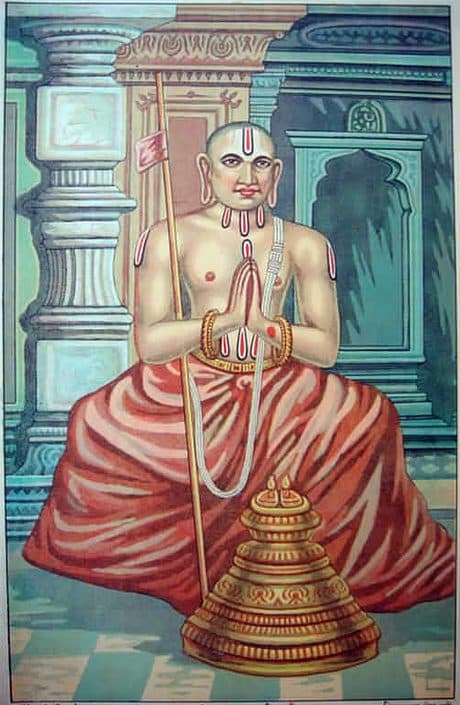
Rāmānuja · Viśiṣṭādvaita
English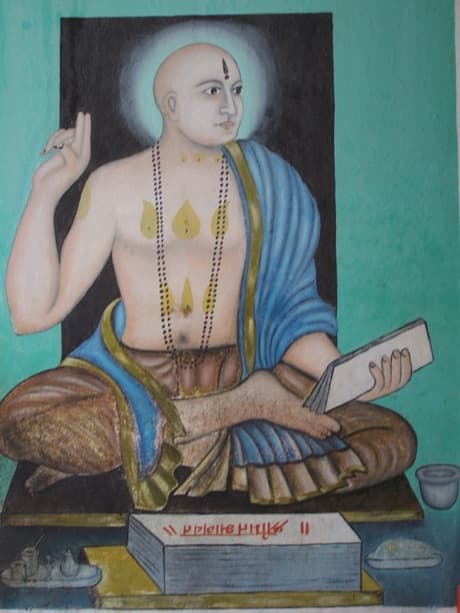
Madhvācārya · Dvaita
Madhva BhāṣyaSanskritEnglishOn verses 2.40–2.41
“योग इमां बुद्धिं श्रुणु इत्यक्तुम् । वक्ष्योगे हि बुद्धयो मतभेदात्, तत् कथमेकत्र निष्ठां करोमि इत्यत आह - व्यवसात्मिका इति । सम्यग् युक्तिनिर्णितानां मतानामैक्यमेव इत्यर्थः ॥” - Listen to these words with equanimous intellect. Thus it has been spoken. Innumerable are the opinions because of the diverse influences on mind. Therefore, 'how can I have faith in your words' to such enquiry (from Arjuna) Sri Krishna clarifies in this verse saying amongst all the recommended opinions having truthful attributes (there is) singular unity. Propitiation of Sri Vishnu is done only by few because singular and resolute is their commitment. The performances of others are disparate because of the multitude and endless are their intellectual opinions.
Madhvācārya · Dvaita
Gītā Tātparya NirṇayaSanskritEnglishOn verses 2.40–2.41
“प्रारम्भमात्रमिच्छा वा विष्णुधर्म न निष्फला न चान्यधर्माकरणाद्वेषवान्विष्णुधर्म कृत् ।” - Mere desire for worshipping Sri Vishnu in the very beginning or failure in righteous communion towards Sri Vishnu, nor on account of commitment to other righteousness and there being faults, will render devotion to Sri Vishnu fruitless, thus in Agni Puraana.
“स्वोचितेनैव धर्मेण विष्णुपूजामृते क्वचित् । नाप्रवृत्तिः प्रवृत्तिर्वा यत्र धर्मः स वैष्णवः ॥ एन धर्मं च देवाद्या वर्तन्ते सात्त्विका जनाः । एष कार्तयुगो धर्मः पाञ्चरात्रश्च वैदिकः ॥ तत्प्रीत्यर्थं विनाऽन्यस्मै नोदविन्दुं न तंदुलम् । दधान्निरासी च सदा भवेदभक्तश्च केशवे ॥ न च तत्समेऽधिके वाऽपि कुर्याच्छङ्कामपि क्वचित् । जानीयात् तदधीनं च सर्वं तत्ततत्ववित् सदा ॥ यथाक्रमं ते दएवानां तारतम्यदिदेव च । एष भागवतो मख्यस्तेतादिषु विशेषतः ॥ एष धर्मोऽतिफलदो वशेषण पुनः क्लीं । इव भागवतो यस्तु स एव हि विमुच्यते ॥”
— Where even without any intention of propitiating Sri Vishnu whatever righteous acts, through performance or non-performance, come to be performed, there comes about the Righteousness to followers of Sri Vishnu. These Perennial Principles (Dharma) were initiated in Krita Era as Pancharatra and Veda. Except for His pleasure neither a drop of water falls nor a grain of rice grows. One should always be a devotee of Keshava without any desires. One should never have any reservation that there could be some one other similar or superior to Him. One should know that according to the established principles, everything created is subservient to Him and according to the order of manifestation, the gradation of gods is determined. These Perennial Principles (Dharma) initiated by the Resplendent Lord are special especially in Treta yuga and Dvapara yuga become extremely fruitful again in Kali yuga. Thereby only those who are in communion with Resplendent Sriman Narayana, become released.
“त्रैविध्यस्वपरो धर्मो नानादेवतापूजनम् | तत्रापि विष्णुर्जातव्यः सर्वेभोऽथिको गुणैः || समर्पयति यज्ञाद्यमन्ततस्त्वोव विष्णवे | त्रैविध्यर्थः पुरष्यः स्वर्गं भुक्त्वा निवर्तते || पुनः कुर्यात्पुनः स्वर्गं याति यावद्भेदवशे | सर्वान् देवान् प्रविज्ञाय तत्कर्मैव सदा भवेत् || सम्यक् तत्त्वापरिज्ञानादन्यकर्मकृतेरपि | स्वर्गादिप्रार्थनाश्चैव रागादेश्चापरिक्षयात् || सदा विष्णोरस्मरणात् त्रैविध्यो नाऽप्नुयात् परम् | कर्मेण मुच्यते विष्णोः कमा०ण्यन्ते समर्पयन् ||” - Superior to the three Vedas is these Perennial Principles (Dharma), not the propitiation of various gods. Even superior is having the wisdom of Sri Vishnu, as the best among all the attributes. Whatever is offered at the conclusion of yajnya, the Sacrifice is verily for Sri Vishnu. The knowers of the three Vedas return to this world after enjoying the heavens and performing again they go to the heavens, always being subservient to Him. Knowing the status and gradation of the other gods and performance of actions for them brings corresponding, commensurate results. However, without having the comprehensive awareness (about the supremacy of Sri Vishnu), only the performance of various actions (like) prayers for heavens, without giving up attachments to senses and without constant remembrance of Sri Vishnu, even the three Vedas do not grant them the Supreme State. They gradually become liberated by Sri Vishnu on surrendering their action at the end, with their actions done according to injunctions, living many lives with meritorious actions.
“यदि सर्वाणि नियमाज्जन्मभिर्बहुभिः शुभैः | परं विष्णुं यो न वेत्ति कुर्वाणोऽपि त्रयीकियाः || नासौ त्रैविध्य इतुक्तो वेदवादी स उच्यते | वादो विवदः सम्प्रोक्तो वादो वचनमेव च || वेदोक्ते विष्णुमाहात्म्ये विवादपि पठनादपि | अथवा निरर्थकात् पाठद् वेदवादी स उच्यते || वेदवादरतो न स्यान्न पापण्डी न हेतुकी | तेभ्यो याति तमो घोरमन्धं तस्मान्नचोस्थितिः || अनारम्भनन्तं च नित्यदुःखं सुखोज्जितम् | ववं यद्देदगदितं यत्र यान्त्यसरादयः ||” - He who is enlightened that Sri Vishnu is the Supreme One, even if performs all the rituals of the three Vedas, he is not spoken as the real knower of the three Vedas. vaad and ivavaad means comprehensive speech. Therefore, one who speaks about Sri Vishnu by mere reading the Vedas without understanding or one who is engaged in worthless contentions both are said to be vaodvaad! – undiscerning polemic contender of the letter of the scriptures. One should not be engrossed in mere ivavaad, polemic about believers of the scriptures or with incorrigibly argumentative non-believers. Such ones attain only the worlds of obscurity and darkness, from whence there is no return and which is without beginning nor with any end. In Vedas these worlds are known as ववं, (from where there is no return), where dwell people who are not enlightened. “बुद्धिनिर्णीततत्त्वानामेका विष्णुपरायणा | बहुशाखा ह्यनन्ताश्च बुद्धयोऽव्यवसायिनाम् || इति ब्रह्मवैवर्तके ||” – singular is Sri Vishnu; worship which provides multifaced benefits, thus in Brahmavaivartaka purana.

Jñāneśvar · Vārkarī
English40 "Herein there is no destruction of initial effort; nor does there ensue any impediment (due to deficiency or non-continuation). Even a very little (practice) of this Dharma (Discipline) saves (one) from greater danger. (233)
In the same way (one) walking on this path of Yoga without damage to his worldly happiness can of certainty attain salvation in the end, thus making the best of both the worlds. This path of event-tempered activism has thus the Sāmkhya Path included in itself. The principle underlying the eventempered activism is to continue doing action but not to harbour any attachment to the fruit of action. Just as an exorcist is not liable to be possessed by ghosts, (in that way) one perfect in the enlightenment of eventempered activism is not entangled in any limitations (उपाधि) of worldly life's action. That Yoga of discernment (eventempered activism) is above deserts, good or ill and sin, and being extremely subtle and yet very firm is above the sway of the three Gunas. Should you, O Arjuna, be able to secure with the help of the merit of former good life, even in a small measure, the light of this discernment in your heart, you will have destroyed completely for yourself the danger of the cycle of life and death.
Swami Ramsukhdas · Modern
English[Lord Kṛṣṇa has explained the importance of disinterested action in the latter part of the thirty-ninth and this fortieth verse in four ways:—(i) By it, one becomes free from shackles of actions. (ii) There is no loss in effort. (iii) There is no adverse result. (iv) Even a little practice of it (dharma) protects, one from great fear.]
'Nehābhikramanāśo'sti'—In this path of disinterested action, there is no loss of attempt viz., the partial practice of this Yoga (Discipline of Disinterested Action) has its corresponding benefit. The desire to attain equanimity is the beginning of equanimity. Such a beginning never gets wasted because desire for attaining the real is also real.
'Iha' (in this) means that in this world human beings are
authorized to attain equanimity. All other bodies (births) are to enjoy worldly pains and pleasures, there is no opportunity for them to do away with attachment and aversion because pleasures can be enjoyed only by having attachment and aversion. If there are no attachment and aversion, no pleasure can be enjoyed and such actions will lead to spiritual discipline.
'Pratyavāyo na vidyate'—Actions which are performed with a desire for fruits, can give adverse result, if there is any error in the pronunciation of incantations, or in performing sacrifice, etc. Suppose, a man performs sacrifice, for the birth of a son, but if it is not performed according to scriptures, it might result in the death, of a member of the family, instead of blessing him with a son. Sometime, if the result is not quite contrary, it may be less harmful, as the son may be born crippled. But, one who performs actions, without having any desire for fruits, becomes equanimous and so there is no adverse result from his effort.
What is adverse result? Unevenness of mind, is an adverse result. Attachment and aversion, is unevenmindedness. This uneven-mindedness leads to a cycle of birth and death. But, when a man becomes equanimous, attachment and aversion, are rooted out and on annihilation of attachment and aversion, there is no unevenness of mind, and therefore any adverse result, is out of the question.
'Svalpamapyasya dharmasya trāyate mahato bhayāt'—Even a little practice, of this discipline of disinterested action, which brings about equanimity, protects one from the great fear of birth and death. So unlike action for fruits, which ends after its fruits, it does not perish viz., its fruit is not wealth or property, which are perishable. Equanimity, which a striver attains, by facing favourable and unfavourable circumstances, gets fixed in him and becomes permanent. A devotee (striver), deviating from the path of Yoga, having enjoyed heavenly pleasures for many years and having taken birth in the houses of righteous
persons, does not lose knowledge or even-mindedness gained, in his previous birth (Gītā 6/40—45) because this knowledge or even-mindedness, is real.
'Dharma' (Duty) is used in two senses—(i) Charity viz., kindness, in giving help (money, food, clothes etc.,) to the poor, and suffering people (ii) Discharging one's duty, according to the ordinance of scriptures. By performing one's duty, without desiring its fruit, one develops equanimity automatically, because it is axiomatic. Therefore, here, equanimity has been called 'Dharma' (duty).
Something Noteworthy about Equanimity
Some people opine constant remembrance of God is not useful unless there is concentration of mind. But the gospel of the Gītā, does not attach much importance to this opinion, it attaches more importance to equanimity. According to the Gītā, a striver who has attained equanimity, is an exalted soul. Even when, a man is imbued with all qualities, if he does not gain equanimity, according to the Gītā, he cannot be called, a perfect soul.
This equanimity, is of two kinds—of the mind and of the self. The Lord, pervades everywhere equally. One who gets oneself established, in Him, gains victory over the world, and is liberated.
But this equanimity of self, can be known by equanimity of the mind (Gītā 5/19). Equanimity of the mind, consists in remaining even-minded, in success and failure (Gītā 2/48). Such a person, remains even-minded in praise and reproach, success and failure, profit and loss, pleasure and pain etc., (Gītā 5/20). This sort of equanimity, never perishes and it results in nothing, but salvation.
Whatever, virtuous actions, such as penance, charity and pilgrimage etc., are performed by a man, these perish after giving fruit, but equanimity, does not perish and it leads man to salvation or God-realization (Gītā 5/3), while concentration
of mind, may lead him to accomplishments (siddhis) but not to salvation.
**Appendix**—The Lord has mentioned the glory of equanimity in four ways in the thirty-ninth and fortieth verses—
(i) ‘karmabandham prahāsyasi’—By equanimity a man shakes off the shackles of Karma (action).
‘nehābhikramanāso’sti’—There is no loss of effort.
(iii) ‘pratyavāyo na vidyate’—There is no adverse result of this effort.
(iv) ‘svalpamapyasya dharmasya trāyate mahato bhayāt’—Even a little practice of this discipline (dharma) protects one from the great danger of birth and death.
Though in the first point the three remaining points are included, yet there is a little difference in them; as—
(i) The Lord first in the normal way declares that by equanimity a man shakes off the shackles of Karma (action). The reason of bondage is the attachment to the modes viz., it is his assumed affinity with Prakṛti (Matter) and its evolutes (Gītā 13/21). In equanimity there is no affinity with Prakṛti and its evolutes; therefore the man is freed from the shackles (bondage) of action. As in the world many virtuous and sinful actions are done, but those actions don’t bind us because we have no relationship with them, similarly the even-minded person has no relationship with the actions done by his body.
(ii) If equanimity merely begins viz., there is an aim of attaining equanimity, there is inquisitiveness to attain it, then this beginning is not destroyed. The reason is that the aim to attain the imperishable is also imperishable while the aim to gain the perishable, is also perishable. The aim to gain the perishable leads to destruction (fall) while the aim to attain equanimity leads to salvation—‘jijñāsurapi yogasya śabdabrahmātivartate’ (Gītā 6/44).
(iii) There is no adverse result of this equanimity. If there
is any error in pronouncing the sacred text in the performance of actions which are done with a desire for fruits, the result of those actions can be adverse.* But if there is equanimity in life, and an error is committed, and if there is slip in carefulness, the action does not give adverse result (bondage). For example if a paid servant while lighting a lantern in the dark drops it and breaks it, we are angry with him. But if our friend who never wants anything from us, drops the lantern and it is broken, we don't get angry but ask him not to mind it as it matters little. Therefore he who performs actions with the desire for fruit, may have adverse result of his actions but how can the result of the actions of the person, who doesn't covet any fruit, he adverse? It can't be.
(iv) Even a little equanimity protects one from the great danger of birth and death viz., it results in salvation. As actions done with an interested motive perish after bearing fruit, in that way even a little equanimity does not perish after bearing fruit but it only leads to salvation. If virtuous actions such as religious sacrifice, charity and penance etc., are performed with a desire for fruit, their result is perishable (gain of money, wealth and heaven
* There is a mythological story that Tvaṣṭā performed a religious sacrifice in order to get a son who would kill Indra. In that sacrifice the sages performed the sacrifice with the sacred text 'indraśatruṃ vivardhasva'. In the word 'indraśatru' if there is 'saṣṭhitatpuruṣa' compound-word, it means 'Indra's enemy' and if there is 'bahuvrīhi' compound-word, it means 'he whose enemy is Indra.' By the difference of 'samāsa' (compound-word), there is difference in sound. Therefore in 'saṣṭhitatpuruṣa' compound word, the word 'indraśatru's' last letter 'tru' will be pronounced with 'udātta' sound while in 'bahuvrīhi' compound-word, the word 'indraśatru's' first letter 'i' will be pronounced with 'udātta' sound. The aim of the sages was to do the 'antyodātta' pronunciation of the word 'indraśatru' but they did 'ādyodātta' pronunciation. So because of the difference in sound in the pronunciation of the sacred text there was adverse result and thus Indra became the killer of Vṛtrāsura, Tvaṣṭā's son. Therefore it is said:
mantro hīnaḥ svarato varṇato vā mithyāprayukto na tamarthamāha sa vāgvajro yajamānaṃ hīnasti yathendraśatruḥ svarato'parādhāt
(Pāṇinīya Śikṣā)
etc.,) and if they are performed without the desire for fruit, their result is imperishable (salvation). Thus virtuous actions such as sacrifice, charity and penance etc., can bear two types of fruit but the fruit of equanimity is only salvation. As a traveller, while travelling stops on the way or sleeps, he has not to go back to the place from where he started his journey but he has covered the distance upto the place where he stops or sleeps. Similarly as much equanimity is attained in life, that never perishes.
‘svalpamapyasya dharmasya trāyate mahato bhayāt’—Even a little feeling of disinterest is true while fear even being great is untrue. As for a bundle of cotton, a lot of fire is not required, the cotton may be one bundle or a hundred bundles, a match stick is enough to burn it. When one match stick is applied to the cotton, the cotton itself becomes fire and helps in burning the remaining cotton. In the same way detachment is fire and the world is cotton. Being detached from the world, the world itself perishes because the world in fact has no existence at the root, so one can’t be attached to it.
The least renunciation is real and the biggest action is unreal. An action ends while renunciation is endless. Therefore actions such as sacrifice, charity and penance etc., perish after giving fruit (Gītā 8/28) but renunciation (renunciation of the fruit of action) never perishes—‘tyāgācchāntiranantaram’ (Gītā 12/12). By renouncing the egoistic notion only, infinite universes are renounced because this sense of ego has sustained the entire universe (Gītā 7/5).
There may be a big heap of grass, can it face fire? It may be very dark, can it face light? If there is a fight between darkness and light, will darkness win? Similarly if there is a fight between ignorance and knowledge, will ignorance win? Can the greatest fear face fearlessness? Equanimity even if it is a little is complete and fear even if great is incomplete. A little equanimity is great because it is true and the great fear is little (without existence) because it is untrue.
What is the import of calling equanimity or the feeling of disinterestedness 'a little.' The feeling of disinterestedness is great, but we understand and experience it a little, so it has been called a little. In fact our understanding is a little, equanimity is not a little. Our view has not grasped it fully, so there is defect in our view, not in equanimity. Similarly we have valued the unreal more, it does not mean that the unreal is great but value accorded by us is great. Therefore if we value the real more, the real will become great viz., its value will be realized and if we don't value the unreal, the unreal will become a little. In fact the unreal may be great or a little; it has no existence 'nāsato vidyate bhāvaḥ' and the real may be great or a little, its existence is ever present—'nā bhāvo vidyate sataḥ'. Therefore in Upaniṣads the Supreme Soul has been called smaller than a molecule and the biggest of all—'aṇoraṇīyān mahato mahīyān' (Kaṭha. 1/2/20, Śvetāśvatara 3/20).
Link:—In the next verse Lord Kṛṣṇa explains to Arjuna, how to attain equanimity.
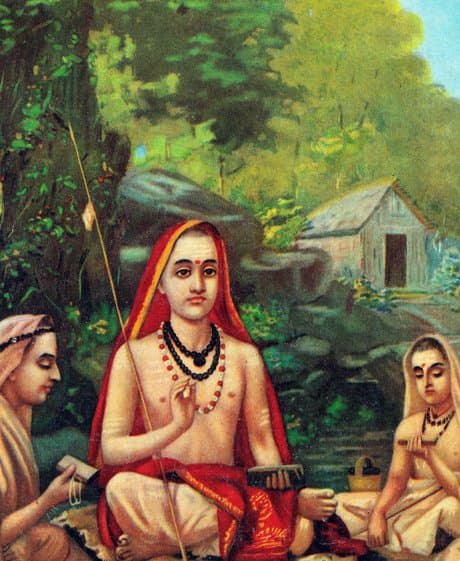
Ādi Śaṅkarācārya · Advaita
Sanskritन इह मोक्षमार्गे कर्मयोगे अभिक्रमनाशः अभिक्रमणमभिक्रमः प्रारम्भः तस्य नाशः नास्ति यथा कृष्यादेः । योगविषये प्रारम्भस्य न अनैकान्तिकफलत्वमित्यर्थः । किञ्च -- नापि चिकित्सावत् प्रत्यवायः विद्यते भवति । किं तु स्वल्पमपि अस्य धर्मस्य योगधर्मस्य अनुष्ठितं त्रायते रक्षति महतः भयात् संसारभयात् जन्ममरणादिलक्षणात् ॥
येयं साङ्ख्ये बुद्धिरुक्ता योगे च, वक्ष्यमाणलक्षणा सा --
Ādi Śaṅkarācārya · Advaita
Hindiइसके सिवा और भी सुन—
आरम्भका नाम अभिक्रम है, इस कर्मयोगरूप मोक्षमार्गमें अभिक्रमका यानी प्रारम्भका कृषि आदिके सदृश नाश नहीं होता। अभिप्राय यह कि योगविषयक प्रारम्भका फल अनेकान्तिक (संशययुक्त) नहीं है।
तथा चिकित्सादिकी तरह (इसमें) प्रत्यवाय (विपरीत फल) भी नहीं होता है।
तो क्या होता है ? इस कर्मयोगरूप धर्मका थोड़ा-सा भी अनुष्ठान (साधन) जन्म-मरणरूप महान् संसारभयसे रक्षा किया करता है
Jñāneśvar · Vārkarī
Marathiतैसें ऐहिक तरी न नशे । आणि मोक्षु तो उरला असे । जेथ पूर्वानुक्रम दिसे । चोखाळत ॥ २३३ ॥
कर्माधारे राहाटिजे । परी कर्मफळ न निरीक्षिजे । जैसा मंत्रज्ञु न बधिजे । भूतबाधा ॥ २३४ ॥
तियापरी जे सुबुद्धि । आपुलाल्या निरवधि । हां असतांचि उपाधि । आंकळू न सके ॥ २३५ ॥
जेथ न संचरे पुण्यपाप । जे सूक्ष्म अति निष्कंप । गुणत्रयादि लेप । न लगती जेथ ॥ २३६ ॥
अर्जुना ते पुण्यवशें । जरी अल्पचि हृदयीं बुद्धि प्रकाशे । तरी अशेषही नाशे । संसारभय ॥ २३७ ॥
Jñāneśvar · Vārkarī
Hindi(2.233) वैसे ही बुद्धियोग से उसके ऐहिक सुख का नाश न होते मोक्ष भी हाथ लगता है। इस बुद्धियोग से पूर्व में किया हुआ कर्म निर्मल हुआ देख पड़ता है;
(2.234) कर्म के आधार से मनुष्य व्यवहार करता है परन्तु कर्म के फल की ओर दृष्टि नहीं देता। जैसे मन्त्रज्ञ को भूतबाधा नहीं होती
(2.235) वैसे ही जिन्हें सुबुद्धि की पूर्ण प्राप्ति हो गई है उन्हें सर्वदा रहनेवाली उपाधि वश नहीं कर सकती।
(2.236) जिस बुद्धि में पुण्य और पाप का संचार नहीं होता, जो अत्यन्त सूक्ष्म और निश्चल रहती है और जिसे त्रिगुणों का लेप नहीं लग सकता
(2.237) वह बुद्धि, हे अर्जुन! पूर्व-पुण्य से यदि अल्प भी हृदय में प्रकाशित हो तो सब संसाररूपी पाप का जड़ से नाश कर देती है।
Sri Udiya Baba · Modern
Hindiसंगति— अगले श्लोक में निष्काम कर्म का महत्व बतलाते हैं।
भावार्थ— इस निष्काम कर्मयोग में क्रम का नाश नहीं होता और (पूरा या विधिपूर्वक न करने पर) प्रत्यवाय भी नहीं होता। अतः इस धर्म का थोड़ा सा आचरण भी (जन्म-मृत्यु रूप) महान् भय से रक्षा कर लेता है।
व्याख्या— इस संसार में निष्काम कर्म नष्ट नहीं होता, अर्थात् उसमें मन्त्रोच्चारणादि की अशुद्धि हो जाने पर भी कोई हानि नहीं होती। किन्तु सकाम कर्म में विधि का उल्लंघन होने पर वह नष्ट हो जाता है।
संगति— अब अगले श्लोक में निष्काम और सकाम कर्म करने वालों की बुद्धियों में अन्तर बताते हैं तथा श्लोक ३९ में कही हुई योग-बुद्धि का निरूपण करते हैं—
भगवान् के दो स्वरूप हैं—सविशेष और निर्विशेष। सविशेष ध्यानप्राप्य है और निर्विशेष ज्ञानप्राप्य। सविशेष से भेद रहता है और निर्विशेष से नित्य अभेद है। साकार-निराकार अर्थात् कार्य-ब्रह्म और कारण-ब्रह्म दोनों सविशेष या सगुण ही हैं, शुद्ध-ब्रह्म निर्विशेष या निर्गुण है। उसकी उपलब्धि विचार द्वारा ज्ञान होने पर होती है।
Swami Ramsukhdas · Modern
Hindi'नेहाभिक्रमनाशोऽस्ति'—इस समबुद्धि (समता)-का केवल आरम्भ ही हो जाय, तो उस आरम्भका भी नाश नहीं होता। मनमें समता प्राप्त करनेकी जो लालसा, उत्कण्ठा लगी है, यही इस समताका आरम्भ होना है। इस आरम्भका कभी अभाव नहीं होता; क्योंकि सत्य वस्तुकी लालसा भी सत्य ही होती है।
यहाँ 'इह' कहनेका तात्पर्य है कि इस मनुष्यलोकमें यह मनुष्य ही इस समबुद्धिको प्राप्त करनेका अधिकारी है। मनुष्यके सिवाय दूसरी सभी भोगयोनियाँ हैं। अतः उन योनियोंमें विषमता (राग-द्वेष)-का नाश करनेका अवसर नहीं है; क्योंकि भोग राग-द्वेषपूर्वक ही होते हैं। यदि राग-द्वेष न हों तो भोग होगा ही नहीं, प्रत्युत साधन ही होगा।
**'प्रत्यवायो न विद्यते'—**सकामभावपूर्वक किये गये कर्मोंमें अगर मन्त्र-उच्चारण, यज्ञ-विधि आदिमें कोई कमी रह जाय तो उसका उलटा फल हो जाता है। जैसे, कोई पुत्र-प्राप्तिके लिये पुत्रेष्टि यज्ञ करता है तो उसमें विधिकी त्रुटि हो जानेसे पुत्रका होना तो दूर रहा, घरमें किसीकी मृत्यु हो जाती है अथवा विधिकी कमी रहनेसे इतना उलटा फल न भी हो, तो भी पुत्र पूर्ण अंगोंके साथ नहीं जन्मता! परन्तु जो मनुष्य इस समबुद्धिको अपने अनुष्ठानमें लानेका प्रयत्न करता है, उसके प्रयत्नका, अनुष्ठानका कभी भी उलटा फल नहीं होता। कारण कि उसके अनुष्ठानमें फलकी इच्छा नहीं होती। जबतक फलेच्छा रहती है, तबतक समता नहीं आती और समता आनेपर फलेच्छा नहीं रहती। अतः उसके अनुष्ठानका
विपरीत फल होता ही नहीं, होना सम्भव ही नहीं।
विपरीत फल क्या है? संसारमें विषमताका होना ही विपरीत फल है। सांसारिक किसी कार्यमें राग होना और किसी कार्यमें द्वेष होना ही विषमता है, और इसी विषमतासे जन्म-मरणरूप बन्धन होता है। परन्तु मनुष्यमें जब समता आती है, तब राग-द्वेष नहीं रहते और राग-द्वेषके न रहनेसे विषमता नहीं रहती, तो फिर उसका विपरीत फल होनेका कोई कारण ही नहीं है।
**'स्वल्पमप्यस्य धर्मस्य त्रायते महतो भयात्'—**इस समबुद्धिरूप धर्मका थोड़ा-सा भी अनुष्ठान हो जाय, थोड़ी-सी भी समता जीवनमें, आचरणमें आ जाय, तो यह जन्म-मरणरूप महान् भयसे रक्षा कर लेता है। जैसे सकाम कर्म फल देकर नष्ट हो जाता है, ऐसे यह समता धन-सम्पत्ति आदि कोई फल देकर नष्ट नहीं होती अर्थात् इसका फल नाशवान् धन-सम्पत्ति आदिकी प्राप्ति नहीं होता। साधकके अन्तःकरणमें अनुकूल-प्रतिकूल वस्तु, व्यक्ति, घटना, परिस्थिति आदिमें जितनी समता आ जाती है, उतनी समता अटल हो जाती है। इस समताका किसी भी कालमें नाश नहीं हो सकता। जैसे, योगभ्रष्टकी साधन-अवस्थामें जितनी समता आ जाती है, जितनी साधन-सामग्री हो जाती है, उसका स्वर्गादि ऊँचे लोकोंमें बहुत वर्षोंतक सुख भोगनेपर और मृत्युलोकमें श्रीमानोंके घरमें भोग भोगनेपर भी नाश नहीं होता (गीता—छठे अध्यायका इकतालीसवाँ और चौवालीसवाँ श्लोक)। यह समता, साधन-सामग्री कभी
किंचिन्मात्र भी खर्च नहीं होती, प्रत्युत सदा ज्यों-की-त्यों सुरक्षित रहती है; क्योंकि यह सत् है, सदा रहनेवाली है।
‘धर्म’ नाम दो बातोंका है—(१) दान करना, प्याऊ लगाना, अन्नक्षेत्र खोलना आदि परोपकारके कार्य करना और (२) वर्ण-आश्रमके अनुसार शास्त्र-विहित अपने कर्तव्य-कर्मका तत्परतासे पालन करना। इन धर्मोंका निष्कामभावपूर्वक पालन करनेसे समतारूप धर्म स्वतः आ जाता है; क्योंकि यह समतारूप धर्म स्वयंका धर्म अर्थात् स्वरूप है। इसी बातको लेकर यहाँ समबुद्धिको धर्म कहा गया है।
समता-सम्बन्धी विशेष बात
लोगोंके भीतर प्रायः यह बात बैठी हुई है कि मन लगनेसे ही भजन-स्मरण होता है, मन नहीं लगा तो राम-राम करनेसे क्या लाभ? परन्तु गीताकी दृष्टिमें मन लगना कोई ऊँची चीज नहीं है। गीताकी दृष्टिमें ऊँची चीज है—समता। दूसरे लक्षण आर्ये या न आर्ये, जिसमें समता आ गयी, उसको गीता सिद्ध कह देती है। जिसमें दूसरे सब लक्षण आ जायें और समता न आये, उसको गीता सिद्ध नहीं कहती।
समता दो तरहकी होती है—अन्तःकरणकी समता और स्वरूपकी समता। समरूप परमात्मा सब जगह परिपूर्ण है।
उस समरूप परमात्मामें जो स्थित हो गया, उसने संसारमात्रपर विजय प्राप्त कर ली, वह जीवन्मुक्त हो गया। परन्तु इसकी पहचान अन्तःकरणकी समतासे होती है (गीता— पाँचवें अध्यायका उन्नीसवाँ श्लोक)। अन्तःकरणकी समता है—सिद्धि-असिद्धिमें सम रहना (गीता—दूसरे अध्यायका अड़तालीसवाँ श्लोक)। प्रशंसा हो जाय या निन्दा हो जाय, कार्य सफल हो जाय या असफल हो जाय, लाखों रुपये आ जायें या लाखों रुपये चले जायें पर उससे अन्तःकरणमें कोई हलचल न हो; सुख-दुःख, हर्ष-शोक आदि न हो (गीता— पाँचवें अध्यायका बीसवाँ श्लोक)। इस समताका कभी नाश नहीं होता। कल्याणके सिवाय इस समताका दूसरा कोई फल होता ही नहीं।
मनुष्य तप, दान, तीर्थ, व्रत आदि कोई भी पुण्य-कर्म करे, वह फल देकर नष्ट हो जाता है; परन्तु साधन करते-करते अन्तःकरणमें थोड़ी भी समता (निर्विकारता) आ जाय तो वह नष्ट नहीं होती, प्रत्युत कल्याण कर देती है। इसलिये साधनमें समता जितनी ऊँची चीज है, मनकी एकाग्रता उतनी ऊँची चीज नहीं है। मन एकाग्र होनेसे सिद्धियाँ तो प्राप्त हो जाती हैं, पर कल्याण नहीं होता। परन्तु समता आनेसे मनुष्य संसार-बन्धनसे सुखपूर्वक मुक्त हो जाता है (गीता—पाँचवें अध्यायका तीसरा श्लोक)।
**परिशिष्ट भाव**—समताकी महिमा भगवान्ने उन्तालीसवें-चालीसवें श्लोकोंमें चार प्रकारसे कही है—
1. (१) ‘कर्मबन्धं प्रहास्यसि’—समताके द्वारा मनुष्य कर्मबन्धनसे मुक्त हो जाता है। 2. (२) ‘नेहाभिक्रमनाशोऽस्ति’—इसके आरम्भका भी नाश नहीं होता। 3. (३) ‘प्रत्यवायो न विद्यते’—इसके अनुष्ठानका उलटा फल भी नहीं होता। 4. (४) ‘स्वल्पमप्यस्य धर्मस्य त्रायते महतो भयात्’—इसका थोड़ा-सा भी अनुष्ठान जन्म-मरणरूप महान् भयसे रक्षा कर लेता है।
यद्यपि पहली बातके अन्तर्गत ही शेष तीनों बातें आ जाती हैं, तथापि सबमें थोड़ा अन्तर है; जैसे—
(१) भगवान् पहले सामान्य रीतिसे कहते हैं कि समतासे युक्त मनुष्य कर्मबन्धनसे छूट जाता है। बन्धनका कारण गुणोंका संग अर्थात् प्रकृति और उसके कार्यसे माना हुआ सम्बन्ध है (गीता—तेरहवें अध्यायका इक्कीसवाँ श्लोक)। समता आनेसे प्रकृति और उसके कार्यसे सम्बन्ध नहीं रहता; अतः मनुष्य कर्म-बन्धनसे छूट जाता है। जैसे संसारमें अनेक शुभाशुभ कर्म होते रहते हैं, पर वे कर्म हमें बाँधते नहीं; क्योंकि उन कर्मोंसे हमारा कोई सम्बन्ध नहीं होता, ऐसे ही समतायुक्त मनुष्यका इस शरीरसे होनेवाले कर्मोंसे भी कोई सम्बन्ध नहीं रहता।
(२) समताका केवल आरम्भ हो जाय अर्थात् समताको प्राप्त करनेका उद्देश्य, जिज्ञासा हो जाय तो इस आरम्भका कभी नाश नहीं होता। कारण कि अविनाशीका उद्देश्य भी अविनाशी ही होता है, जबकि नाशवान्का उद्देश्य भी नाशवान् ही होता है। नाशवान्का उद्देश्य तो नाश (पतन) करता है, पर समताका उद्देश्य कल्याण ही करता है—‘जिज्ञासुरपि योगस्य शब्दब्रह्मातिवर्तते’ (गीता ६। ४४)।
(३) समताके अनुष्ठानका उलटा फल नहीं होता। सकामभावसे किये जानेवाले कर्ममें अगर मन्त्रोच्चारण, अनुष्ठान-
विधि आदिकी कोई त्रुटि हो जाय तो उसका उलटा फल हो जाता है*। परन्तु जितनी समता अनुष्ठानमें, जीवनमें आ गयी है, उसमें अगर व्यवहार आदिकी कोई भूल हो जाय, सावधानीमें कोई कमी रह जाय तो उसका उलटा फल (बन्धन) नहीं होता। जैसे, कोई हमारे यहाँ नौकरी करता हो और अँधेरमें लालटेन जलाते समय कभी उसके हाथसे लालटेन गिरकर टूट जाय तो हम उसपर नाराज होते हैं। परन्तु उस समय जो हमारा मित्र हो, जो हमारेसे कभी कुछ चाहता नहीं, उसके हाथसे लालटेन गिरकर टूट जाय तो हम उसपर नाराज नहीं होते, प्रत्युत कहते हैं कि हमारे हाथसे भी तो वस्तु टूट जाती है, तुम्हारे हाथसे टूट गयी तो क्या हुआ ? कोई बात नहीं। अतः जो सकामभावसे कर्म करता है, उसके कर्मका तो उलटा फल हो सकता है, पर जो किसी प्रकारका फल चाहता ही नहीं, उसके अनुष्ठानका उलटा फल कैसे हो सकता है? नहीं हो सकता।
(४) समताका थोड़ा-सा भी अनुष्ठान हो जाय, थोड़ा-सा भी समताका भाव बन जाय तो वह जन्म-मरणरूप महान् भयसे रक्षा कर लेता है अर्थात् कल्याण कर देता है। जैसे सकाम कर्म फल देकर नष्ट हो जाता है, ऐसे यह थोड़ी-सी भी समता फल देकर नष्ट नहीं होती, प्रत्युत इसका उपयोग केवल कल्याणमें ही होता है। यज्ञ, दान, तप आदि शुभ कर्म यदि सकामभावसे किये जायँ तो उनका नाशवान् फल (धन-सम्पत्ति एवं स्वर्गादिकी प्राप्ति) होता है और यदि निष्कामभावसे किये जायँ तो उनका अविनाशी फल (मोक्ष) होता है। इस प्रकार यज्ञ, दान, तप आदि शुभ कर्मोंके तो दो-दो फल हो सकते हैं, पर समताका एक ही फल—कल्याण होता है। जैसे कोई मुसाफिर चलते-चलते रास्तेमें रुक जाय अथवा सो जाय तो वह जहाँसे चला था, वहाँ पुनः लौटकर नहीं चला जाता, प्रत्युत जहाँतक वह पहुँच गया, वहाँतकका रास्ता तो कट ही गया। ऐसे ही जितनी समता जीवनमें आ गयी, उसका नाश कभी नहीं होता।
‘स्वल्पमप्यस्य धर्मस्य त्रायते महतो भयात्’—निष्कामभाव थोड़ा होते हुए भी सत्य है और भय महान् होते हुए भी असत्य है। जैसे मनभर रुई हो तो उसको जलानेके लिये मनभर अग्निकी जरूरत नहीं है। रुई एक मन हो या सौ मन, उसको जलानेके लिये एक दियासलाई पर्याप्त है। एक दियासलाई लगाते ही वह रुई खुद दियासलाई अर्थात् अग्नि बन जायगी। रुई खुद दियासलाईकी मदद करेगी। अग्नि रुईके साथ नहीं होगी, प्रत्युत रुई खुद ज्वलनशील होनेके कारण अग्निके साथ हो जायगी। इसी तरह असंगता आग है और संसार रुई है। संसारसे असंग होते ही संसार अपने-आप नष्ट हो जायगा; क्योंकि मूलमें संसारकी सत्ता न होनेसे उससे कभी संग हुआ ही नहीं।
थोड़े-से-थोड़ा त्याग भी सत् है और बड़ी-से-बड़ी क्रिया भी असत् है। क्रियाका तो अन्त होता है, पर त्याग अनन्त होता है। इसलिये यज्ञ, दान, तप आदि क्रियाएँ तो फल देकर नष्ट हो जाती हैं (गीता—आठवें अध्यायका अट्ठाईसवाँ श्लोक), पर त्याग कभी नष्ट नहीं होता—‘त्यागाच्छान्तिरनन्तरम्’ (गीता १२।१२)। एक अहम् के त्यागसे अनन्त सृष्टिका त्याग हो जाता है; क्योंकि अहम् ने ही सम्पूर्ण जगत्को धारण कर रखा है (गीता—सातवें अध्यायका पाँचवाँ श्लोक)।
जैसे, कितनी ही घास हो, क्या अग्निके सामने टिक सकती है? कितना ही अँधेरा हो, क्या प्रकाशके सामने टिक सकता है? अँधेरे और प्रकाशमें लड़ाई हो जाय तो क्या अँधेरा जीत जायगा? ऐसे ही अज्ञान और ज्ञानकी लड़ाई हो जाय तो क्या अज्ञान जीत जायगा? महान्-से-महान् भय क्या अभयके सामने टिक सकता है? समता
* ऐसी कथा आती है कि त्वष्टाने इन्द्रका वध करनेवाले पुत्रकी इच्छासे एक यज्ञ किया। उस यज्ञमें ऋषियोंने ‘इन्द्रशत्रुं विवर्धस्व’ इस मन्त्रके साथ हवन किया। ‘इन्द्रशत्रुं’ शब्दमें यदि षष्ठीतत्पुरुष समास हो तो इसका अर्थ होगा—इन्द्रस्य शत्रुः (इन्द्रका शत्रु) और यदि बहुव्रीहि समास हो तो इसका अर्थ होगा—‘इन्द्रः शत्रुर्यस्य’ (जिसका शत्रु इन्द्र है)। समासमें भेद होनेसे स्वरमें भी भेद हो जाता है। अतः षष्ठीतत्पुरुष समासवाले ‘इन्द्रशत्रुं’ शब्दका उच्चारण अन्योदात्त होगा अर्थात् अन्तिम अक्षर ‘त्रु’ का उच्चारण उदात्त स्वरसे होगा; और बहुव्रीहि समासवाले ‘इन्द्रशत्रुं’ शब्दका उच्चारण आद्योदात्त होगा अर्थात् प्रथम अक्षर ‘इ’ का उच्चारण उदात्त स्वरसे होगा। ऋषियोंका उद्देश्य तो षष्ठीतत्पुरुष समासवाले ‘इन्द्रशत्रुं’ शब्दका अन्योदात्त उच्चारण करना था, पर उन्होंने उसका आद्योदात्त उच्चारण कर दिया। इस प्रकार स्वरभेद हो जानेसे मन्त्रोच्चारणका फल उलटा हो गया, जिससे इन्द्र ही त्वष्टाके पुत्र (वृत्रासुर)-का वध करनेवाला हो गया। इसलिये कहा गया है—
मन्त्रो हीनः स्वरतो वर्णतो वा मिथ्याप्रयुक्तो न तमर्थमाह। स वाग्वन्त्रो यजमानं हिनस्ति यथेन्द्रशत्रुः स्वरतोऽपराधात्॥ (पाणिनीयशिक्षा)
थोड़ी हो तो भी पूरी है और भय महान् हो तो भी अधूरा है। स्वल्प समता भी महान् है; क्योंकि वह सच्ची है और महान् भय भी स्वल्प (सत्ताहीन) है; क्योंकि वह कच्चा है।
समताको, निष्कामभावको 'स्वल्प' कहनेका क्या तात्पर्य है? निष्कामभाव तो महान् है, पर हमारी समझमें, हमारे अनुभवमें थोड़ा आनेसे उसको स्वल्प कह दिया है। वास्तवमें समझ थोड़ी हुई, समता थोड़ी नहीं हुई। उधर हमारी दृष्टि कम गयी है तो हमारी दृष्टिमें कमी है, तत्त्वमें कमी नहीं है। इसी तरह हमने असत्को ज्यादा आदर दे दिया तो असत् महान् नहीं हुआ, प्रत्युत हमारा आदर महान् हुआ। इसलिये अगर हम सत्का अधिक आदर करें तो सत् महान् हो जायगा अर्थात् उसकी महत्ताका अनुभव हो जायगा, और असत्का आदर न करें तो असत् स्वल्प हो जायगा। वास्तवमें असत् महान् हो या स्वल्प, उसकी सत्ता ही नहीं है—**'नासतो विद्यते भावः'** और सत् महान् हो या स्वल्प, उसकी सत्ता नित्य-निरन्तर विद्यमान है—**'नाभावो विद्यते सतः'**। इसलिये उपनिषदोंमें परमात्मतत्त्वको अणुसे भी अणु और महानसे भी महान् कहा गया है—**'अणोरणीयान् महतो महीयान्'** (कठ० १। २। २०; श्वेताश्वतर० ३। २०)।
सम्बन्ध—उनतालीसवें श्लोकमें भगवान्ने जिस समबुद्धिको योगमें सुननेके लिये कहा था, उसी समबुद्धिको प्राप्त करनेका साधन आगेके श्लोकमें बताते हैं।
In this practice of Karma Yoga there is no loss of initial effort. 'Abhikrama' means invested effort. 'Nāśa' means the loss of potential to succeed.
In the practice of Karma Yoga, if some activity is begun and left unfinished, and the continuity is thus broken, it does not remain fruitless, as in the case of works undertaken expressly for their rewards.
There is no negative result if the work is not continued. Even a little of this practice known as Karma Yoga or Niṣkāma Karma (actions done without desire for any reward) gives protection from the great fear, i.e., the fear of [the continuation of] transmigratory existence.
The same purport is explained later thus:—
'Neither in this world nor the next, O Arjuna, is one annihilated'(6;40).
But in other works, religious and secular, when there is interruption, not only do they fail to produce results, but actually produce demerit.