

Bhagavad Gītā · Chapter 2 · Sāṅkhya Yoga
तानि सर्वाणि संयम्य युक्त आसीत मत्परः
वशे हि यस्येन्द्रियाणि तस्य प्रज्ञा प्रतिष्ठिता
tāni sarvāṇi saṃyamya yukta āsīta matparaḥ|
vaśe hi yasyendriyāṇi tasya prajñā pratiṣṭhitā||
Word meanings
युक्तः = the disciplined practitioner
तानि = those
सर्वाणि = all (the senses)
संयम्य = having restrained
मत्परः = devoted to me
आसीत = should sit
हि = for
यस्य = whose
इन्द्रियाणि = the senses
वशे = under control
तस्य = his
प्रज्ञा = wisdom
प्रतिष्ठिता = is established
Translation
Therefore, having controlled them all and collecting his mind one should sit for meditation, devoting oneself heart and soul to Me. For he, whose senses are mastered is known to have a stable mind.
Commentary
The commentators seated around this verse
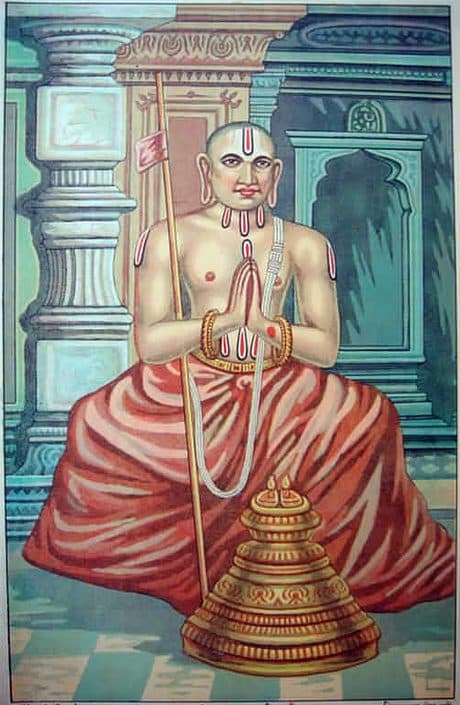
Rāmānuja · Viśiṣṭādvaita
English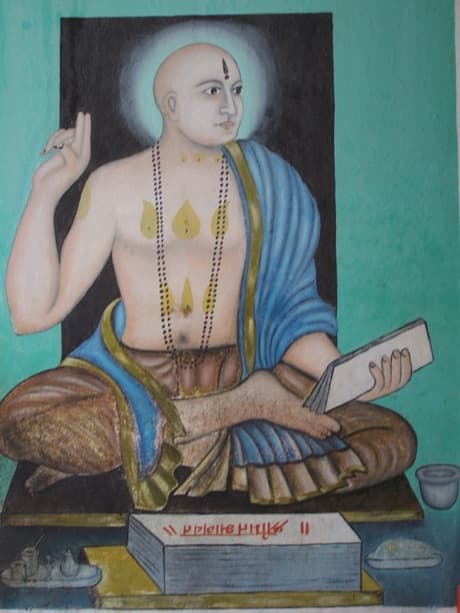
Madhvācārya · Dvaita
SanskritEnglish“तर्ह्यशक्यान्येव इत्यह आह - तानि इति । बहुयत्नवतः शशक्यानि अतो यत्नं कुर्याद् इत्याशयः । युक्तः मयि मनोयुक्त्वा । अहमेव परः सर्वस्मादुश्कृष्टो यस्य स मत्परः । फलमाह - वशे हि इति ॥” - It is not possible in normal conditions, thus Sri Krishna says in this verse. But with repeated effort it is possible. Therefore, efforts should be continued; thus it is concluded. ‘yuktah’ means one whose mind is attuned towards the Lord, for He alone is the Supreme, best amongst all.
'matparah' means the one attuned towards the Lord. The benefits of attuning, surrendering (to Him) are mentioned hereunder later.
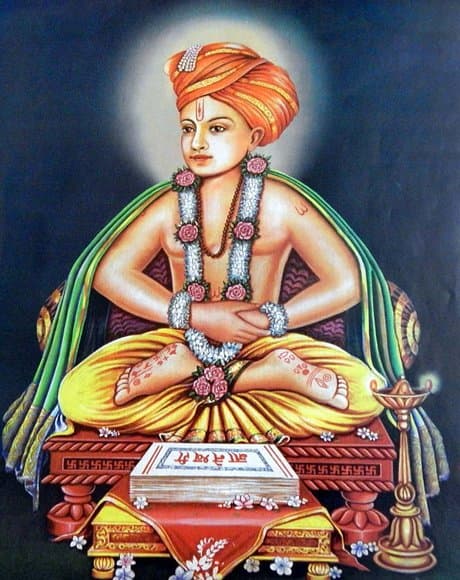
Jñāneśvar · Vārkarī
English61 "Restraining them all, one should abide in Yoga, making ME his goal; for, he who keeps his senses under control, his Discernment can be said to be perfectly-poised. (315) Therefore, O Pārtha, one who rids himself of the temptations of sense-objects and defeats the senses, is alone of certainty, fit and able to follow the path of Yoga and to be of perfectly-poised discernment. One whose heart is never tempted by any sense-objects always secures the realisation of the Self and so, never loses sight of ME in his heart. Otherwise even though such a person to all appearances never associates with the sense-objects, still should there linger in his mind the least desire for sense-objects, he must be said to be all worldly from beginning to end. Just as a single drop of poison taken, gets circulated all through the system and unmistakably results in the loss of life in that way even the slightest desire for sense-objects lingering in the mind completely destroys all sorts of right thinking.
Swami Ramsukhdas · Modern
English'Tāni sarvāṇi saṃyamya yukta āsīta matparaḥ'—By controlling the senses, a striver should devote himself, heart and soul to Me. Moreover, he should not feel proud of his sense-control, because pride goes before a fall. He should, rather, feel that it was only God's grace, which enabled him to control his senses. Generally, in a striver following the Discipline of Action, there is predominance of action. Therefore, he develops egoism. Due to this egoistic feeling, he pays little attention to the divine grace, though the endowment of human body, inclination, practice and success of this discipline, are all the result of divine grace. By His special divine grace, the Lord is exhorting the striver to be devoted to Him. Thus, he should devote himself heart and soul to Him, thinking that he is God's and God is his, while he is
* A man should not live in loneliness with a woman even though she is his mother, sister or daughter because the impetuous senses enslave even a wise man (Manu. 2/215).
neither of the world nor is the world his. He should infuse a sense of 'I' in only God, not in the world, at all.
This section deals with the Discipline of Disinterested Action. So, Lord Kṛṣṇa should have told Arjuna some method of that discipline. But Lord Kṛṣṇa time and again has laid great emphasis on devotion to Him, and has glorified it very much. So He declares— 'Among all Yogīs, he who worships Me with faith, his innermost self merged in Me, is considered by Me, to be the best Yogī—most devout (Gītā 6/47).'
'Vaśe hi yasyendriyāṇi tasya prajñā pratiṣṭhitā'—In the fifty-ninth verse, Lord Kṛṣṇa said, that even with the cessation of sense-objects, a striver does not become a man of steadfast wisdom. But, here he says that the wisdom of the striver who has controlled his senses, is stable. Why? The clarification is that, in 2/59 even at the cessation of the sense-objects the taste (relish) for sense enjoyments persists. But here in this verse, the senses of the striver are controlled and his taste has also disappeared. Thus the striver becomes stable in wisdom, (mind) at the cessation of taste.
Appendix—The Lord exhorts the striver following Karmayoga to devote himself heart and soul to Him by using the term 'matparaḥ'—this is a special feature of devotion because without being devoted to Him, total control over senses is difficult.
In Karmayoga there is renunciation and renunciation leads to peace and happiness. This happiness follows cessation of miseries. This is with a result of attaining something. A Bhaktiyogī attains eternal bliss. Therefore without the bliss attained by devotion (love), senses are not totally controlled. Secondly in Karmayoga only by intense dispassion (detachment), senses are controlled but in devotion (being devoted to God) even by a little dispassion, senses are easily controlled. Therefore the Lord has used the term 'matparaḥ'.
*Link:—When a striver devotes himself heart and soul to God, his senses are controlled and his relish (taste) for sense enjoyments disappears. But what about those who do not devote themselves to God? The answer is provided in the next two verses.*
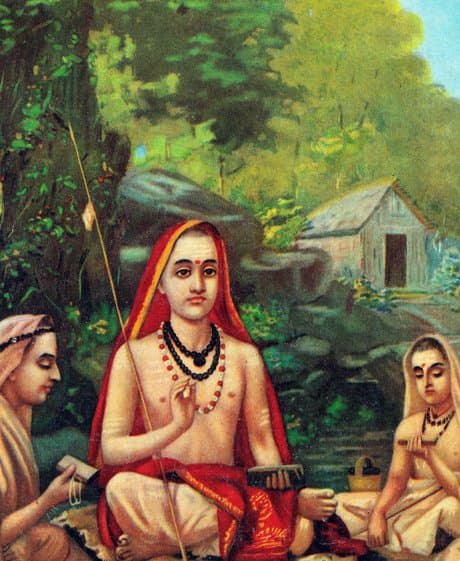
Ādi Śaṅkarācārya · Advaita
Sanskritतानि सर्वाणि संयम्य संयमनं वशीकरणं कृत्वा युक्तः समाहितः सन् आसीत मत्परः अहं वासुदेवः सर्वप्रत्यगात्मा परो यस्य सः मत्परः, ``न अन्योऽहं तस्मात्'' इति आसीत इत्यर्थः । एवमासीनस्य यतेः वशे हि यस्य इन्द्रियाणि वर्तन्ते अभ्यासबलात् तस्य प्रज्ञा प्रतिष्ठिता ॥
अथेदानीं पराभविष्यतःसर्वानर्थमूलमिदमुच्यते --
Ādi Śaṅkarācārya · Advaita
Hindiजब कि यह बात है, इसलिये—
उन सब इन्द्रियोंको रोककर यानी वशमें करके और युक्त—समाहितचित्त हो मेरे परायण होकर बैठना चाहिये। अर्थात् सबका अन्तरात्मारूप मैं वासुदेव ही जिसका सबसे पर हूँ, वह मत्पर है, अर्थात् मैं उस परमात्मासे भिन्न नहीं हूँ। इस प्रकार मुझसे अपनेको अभिन्न माननेवाला होकर बैठना चाहिये।
क्योंकि इस प्रकार बैठनेवाले जिस यतिकी इन्द्रियाँ अभ्यास-बलसे (उसके) वशमें हैं उसकी प्रज्ञा प्रतिष्ठित है
Jñāneśvar · Vārkarī
Marathiम्हणोनि आइकें पार्था । यांते निर्दळी जो सर्वथा । सर्व विषयीं आस्था । सांडूनिया ॥ ३१५ ॥
तोचि तूं जाण । योगनिष्ठेसी कारण । जयाचे विषयसुखे । अंतःकरण झकवेना ॥ ३१६ ॥
जो आत्मबोधयुक्तु । होऊनि असे सततु । जो मातें हृदयाआंतु । विसंबेना ॥ ३१७ ॥
एर्हवीं बाह्य विषय तरी नाहीं । परी मानसीं होईल जरी कांही । तरी साद्यंतुचि हा पाहीं । संसारु असे ॥ ३१८ ॥
जैसा कां विषाचा लेशु । घेतलिया होय बहुवसु । मग निभ्रांत करी नाशु । जीवितासी ॥ ३१९ ॥
तैसी या विषयांची शंका । मनीं वसती देखा । घातु करी अशेखा । विवेकजाता ॥ ३२० ॥
Jñāneśvar · Vārkarī
Hindi(2.315) इसलिए हे पार्थ, सुनो। सब विषयों की इच्छा छोड़ कर जो इन्द्रियों का सर्वथा दमन करता है (2.316) उसी को योगनिष्ठा का हेतु जानो। उसका अन्तःकरण विषय-सुख में नहीं फँसता।
(2.317) वह सर्वदा आत्मज्ञान से युक्त हो रहता है और अपने हृदय में मेरा ध्यान नहीं भूलता।
(2.318) यों चाहे कोई बाह्यतः विषय छोड़ दे, परन्तु यदि मन में विषय रह जायँ तो उसे आदि से अन्त तक संसार ही रहता है।
(2.319) जैसे विष का लेशमात्र खाने से उसका शरीर भर में विस्तार हो जाता है और निश्चय से जीवन का नाश हो जाता है,
(2.320) वैसे ही विषय की आशंका मन में रहने से कुल विचार-समूह का नाश हो जाता है।
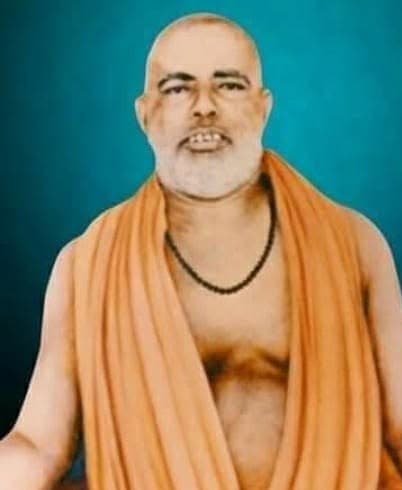
Sri Udiya Baba · Modern
Hindiसंगति— अब अर्जुन के तीसरे प्रश्न 'किमासीत' का उत्तर अगले श्लोक से देते हैं—
नीताशास्त्रलेखक
भावार्थ— उन सम्पूर्ण इन्द्रियों को विषयों से रोककर जो बोधवान् निरन्तर इष्टकार वृत्ति या आत्माकार वृत्ति करता रहता है, इन्द्रियाँ उसके अधीन हो जाती हैं और उसकी विवेकवती बुद्धि स्थिर हो जाती है।
व्याख्या— ५८ वें श्लोक में कहा है कि जिसकी इन्द्रियाँ वश में होती हैं उसकी बुद्धि स्थिर होती है। ५९ वें श्लोक में कहा कि केवल इन्द्रियनिग्रह से इन्द्रियों के विषय तो निवृत्त हो जाते हैं, परन्तु उनका राग निवृत्त नहीं होता। फिर ६० वें श्लोक में कहा है कि कितना ही हठ करो मन विषयों में खिंच ही जाता है। अब ६१ वें श्लोक में कहते हैं कि केवल इन्द्रिय निग्रह से बुद्धि स्थिर नहीं होती, उसके साथ आत्मपरायण भी होना चाहिये। उपर्युक्त ६० और ६१ वें श्लोकों में यह दिखाया है कि इन्द्रियनिग्रहवान् ही ज्ञाननिष्ठा की प्राप्ति कर सकता है।
प्रश्न— ज्ञान हो जाने पर यदि इन्द्रियाँ विषयों में जायें तो इससे आत्मा की क्या हानि है?
उत्तर— ज्ञान अन्तःकरण को होता है और मुक्ति भी अन्तःकरण की ही होती है तथा ध्यान भी अन्तःकरण ही करता है। यदि अन्तःकरण ध्यान नहीं करेगा तो विषयचिन्तन करेगा। इस प्रकार इन्द्रियाँ विषयों में जायेंगी तो संसार का चिन्तन होगा। चिन्तन से वस्तु प्रकट हो जाती है। जिस प्रकार भगवान् का चिन्तन करने से उनका साक्षात्कार हो जाता है उसी प्रकार संसार का चिन्तन करने से संसार में सत्यत्व-बुद्धि हो सकती है और फिर संसार में फँस जाना भी स्वाभाविक है। ऐसा होने पर कोई बलवती वासना जन्म-मरण के चक्कर में भी डाल देगी, क्योंकि वासना ही जन्म का कारण है। जिज्ञासु के लिये तो ज्ञान की इच्छा ही मुख्य है, परन्तु ज्ञान होने पर विषय-चिन्तन की निवृत्ति अर्थात् मनोनाश और वासनाक्षय ही मुख्य है।
जिस प्रकार स्वप्न से जग जाने पर भी उसकी स्मृति बनी रहती है वैसे ही ज्ञान होने पर प्रतीति की निवृत्ति नहीं होती। इसके लिये तो अभ्यास करना होगा। बिना मनोनाश और वासनाक्षय हुए जड़भरत आदि की तरह पुनः जन्म लेना होगा। बिना अभ्यास किये ब्रह्मानन्द की प्राप्ति नहीं होती। जैसे किसी का पिता उसे एक लाख रुपया गड़ा बताकर मर गया, किन्तु जब तक वह खोदकर उसे प्राप्त न करे उसकी दरिद्रता नहीं जा सकती। रुपये के केवल ज्ञान से काम नहीं चलेगा! उसी प्रकार केवल ज्ञान से आनन्द की अभिव्यक्ति नहीं होती। किसी धनी आदमी को जान लेने से दरिद्रता दूर नहीं होती, उससे प्रेम हो जाय तभी दूर होती है।
Swami Ramsukhdas · Modern
Hindi‘तानि सर्वाणि संयम्य युक्त आसीत मत्परः’—जो बलपूर्वक मनका हरण करनेवाली इन्द्रियाँ हैं, उन सबको वशमें करके अर्थात् सजगतापूर्वक उनको कभी भी विषयोंमें विचलित न होने देकर स्वयं मेरे परायण हो
जाय। तात्पर्य यह हुआ कि जब साधक इन्द्रियोंको वशमें करता है, तब उसमें अपने बलका अभिमान रहता है कि मैंने इन्द्रियोंको अपने वशमें किया है। यह अभिमान साधकको उन्नत नहीं होने देता और उसे भगवान्से विमुख
१-यहाँ भगवान्ने इन्द्रियोंको ‘प्रमाथीनि’ कहा है और छठे अध्यायके चौतीसवें श्लोकमें अर्जुनने मनको ‘प्रमाथि’ कहा है। अतः इन्द्रियाँ और मन दोनों ही प्रमथनशील हैं। ऐसे ही यहाँ बताया कि इन्द्रियाँ मनको हर लेती हैं और आगे इसी अध्यायके सङ्गठवें श्लोकमें बताया है कि मन बुद्धिको हर लेता है अर्थात् यहाँ तो इन्द्रियोंकी प्रबलता बतायी और वहाँ मनकी प्रबलता बतायी। तात्पर्य यह निकला कि साधकको इन दोनोंका संयमन करना चाहिये, तभी वह संयमी बन सकता है।
२-मात्रा स्वस्वा दुहिन्ना वा न विविक्तासनो भवेत्। बलवानिन्द्रियग्रामो विद्वांसमपि कर्षति ॥ (मनु० २। २१५) ‘मनुष्यको चाहिये कि वह माता, बहन अथवा पुत्रीके साथ भी एकान्तमें न बैठे; क्योंकि बलवान् इन्द्रियसमूह विद्वान्को भी अपने वशमें कर लेता है।’
करा देता है। अतः साधक इन्द्रियोंका संयमन करनेमें कभी अपने बलका अभिमान न करे उसमें अपने उद्योगको कारण न माने, प्रत्युत केवल भगवत्कृपाको ही कारण माने कि मेरेको इन्द्रियोंके संयमनमें जो सफलता मिली है, वह केवल भगवान्की कृपासे ही मिली है। इस प्रकार केवल भगवान्के परायण होनेसे उसका साधन सिद्ध हो जाता है।
यहाँ 'मत्परः' कहनेका मतलब है कि मानवशरीरका मिलना, साधनमें रुचि होना, साधनमें लगना, साधनका सिद्ध होना—ये सभी भगवान्की कृपापर ही निर्भर हैं। परन्तु अभिमानके कारण मनुष्यका इस तरफ ध्यान कम जाता है। कर्मयोगीमें तो कर्म करनेकी ही प्रधानता रहती है और उसमें वह अपना ही पुरुषार्थ मानता रहता है। अतः भगवान् विशेष कृपा करके कर्मयोगी साधकके लिये भी अपने परायण होनेकी बात कह रहे हैं।
भगवान्के परायण होनेका तात्पर्य है—केवल भगवान्में ही महत्त्वबुद्धि हो कि भगवान् ही मेरे हैं और मैं भगवान्का हूँ; संसार मेरा नहीं है और मैं संसारका नहीं हूँ। कारण कि भगवान् ही हरदम मेरे साथ रहते हैं; संसार मेरे साथ रहता ही नहीं। इस प्रकार साधकका 'मैं-पन' केवल भगवान्में ही लगा रहे।
**परिशिष्ट भाव**—कर्मयोगके साधकके लिये भी भगवान्ने 'मत्परः' पदसे अपने परायण होनेकी बात कही है, यह भक्तिकी विशेषता है! कारण कि भगवान्के परायण हुए बिना इन्द्रियोंका सर्वथा वशमें होना कठिन है।
कर्मयोगमें त्याग है और त्यागसे शान्ति, सुख मिलता है। परन्तु यह प्राप्तिका सुख नहीं है, प्रत्युत दुःख (अशान्ति) मिटनेका सुख है, जबकि भक्तिमें प्राप्तिका सुख मिलता है। अतः भक्तिका (प्रेमका) सुख मिले बिना इन्द्रियाँ सर्वथा वशमें नहीं होतीं। दूसरी बात, कर्मयोगमें तो अत्यन्त वैराग्य होनेपर इन्द्रियाँ वशमें होती हैं, पर भक्तिमें (भगवान्के परायण होनेसे) थोड़े वैराग्यसे भी इन्द्रियाँ सुगमतासे वशमें हो जाती हैं। इसलिये भगवान्ने 'मत्परः' पद दिया है।
सम्बन्ध—भगवान्के परायण होनेसे तो इन्द्रियाँ वशमें होकर रसबुद्धि निवृत्त हो ही जायगी, पर भगवान्के परायण न होनेसे क्या होता है—इसपर आगेके दो श्लोक कहते हैं।
**ध्यायतो विषयान्पुंसः सङ्गस्तेषूपजायते।**
Whosoever would wish to succeed in overcoming the dichotomous difficulty by the mutual inter-relating dependence of sense control and soul cognition as delineated previously,
must certainly master the senses, which due to their constant craving for pleasure are extremely troublesome to govern.
Lord Krishna as the Supreme Lord is instructing to make Him the sole object of one’s meditation and thus become established in undisturbed serenity in the ultimate reality.
When our minds have been evolved to realising Lord Krishna as the supreme absolute reality all impurities are eradicated and the mind is purified and clear, free from all desires.
Now at this stage for the first time the mind is free from all desires. The mind along with the senses completely under control is then capable of achieving cognition of the eternal soul.
In the Vishnu Purāṇa XI.VII.LXXIV beginning yatha adniruddhata-sikhah it is said that as a blazing fire fanned by blowing wind burns up dry wood;
in the same way Lord Krishna enthroned in the heart burns up all sins of those who link their individual consciousness with the ultimate consciousness in soul cognition.
Spiritual intelligence is confirmed in those whose senses are under control.
But it must be noted that unless devotion has developed for the Supreme Lord Krishna, whosoever attempts to master the senses by their own might and self-effort are all destined to failure.