

Bhagavad Gītā · Chapter 2 · Sāṅkhya Yoga
यततो ह्यपि कौन्तेय पुरुषस्य विपश्चितः
इन्द्रियाणि प्रमाथीनि हरन्ति प्रसभं मनः
yatato hyapi kaunteya puruṣasya vipaścitaḥ|
indriyāṇi pramāthīni haranti prasabhaṃ manaḥ||
Word meanings
हि = for
कौन्तेय = O son of Kuntī
यततः = striving
विपश्चितः = of the discerning
पुरुषस्य = of a man
अपि = also
प्रमाथीनि = turbulent
इन्द्रियाणि = the senses
मनः = the mind
प्रसभम् = forcibly
हरन्ति = carry away
Translation
Turbulent by nature, the senses even of a wise man, who is practising self-control, forcibly carry away his mind, Arjuna.
Commentary
The commentators seated around this verse

Rāmānuja · Viśiṣṭādvaita
English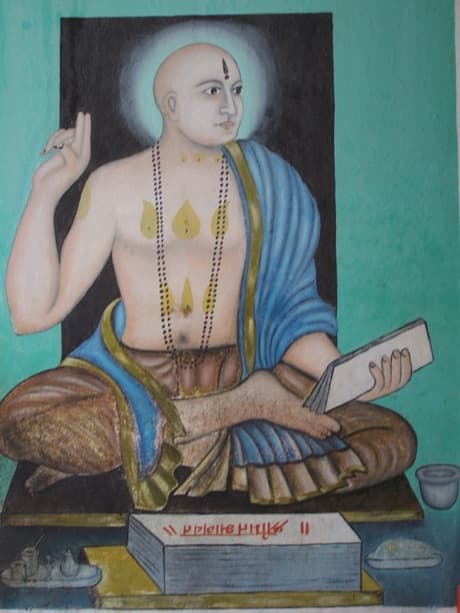
Madhvācārya · Dvaita
SanskritEnglish“अपरोक्षज्ञानरहितज्ञानिनोऽपि साधारणयत्नावतोऽपि मनो ह्यन्तीन्द्रियाणि । पुपस्य शरीरभिमानिनः । कोदेषस्ततः? प्रमाथीनि प्रमथशीलानि पुपस्य ॥” - Even the wise one without the spiritual experience and resorting to ordinary methods, is overwhelmed by senses. What then is the fault of that person who prides about his body? प्रमाथीनि means the person who is assailed by troubles.

Jñāneśvar · Vārkarī
English60 "For, O son of Kunti, (even) of a person of understanding, (and) even when he is making effort, his impetuous senses forcibly carry away his mind. (310)
Even to those that always try to control the senses, O Arjuna, they become uncontrollable. Those that devote themselves to Yoga with vigilant study and put around themselves a fencing of Yama and Niyama, and control over their minds, are also oppressed with the irresistible power of the senses; even an exorcist is deluded by spirits, in that the manner the desires taking the garb of Riddhi-Siddhi (occult powers) overwhelm the senses and delude the persons. On such occasions faced with the power of the senses the mind gets uncontrolled and remains prostrate at the mercy of the Senses, making study futile. O Arjuna, such is the strength of senses.
Swami Ramsukhdas · Modern
English'Yatato hyapi kaunteya puruṣasya vipāscitaḥ indriyāṇi pramāthīni haranti prasabhaṁ manaḥ'—The term, 'wise man' has been used, for the man who practises self-control, who performs his duty without attachment and desire for its fruit, one who discriminates between the real and the unreal and who thinks of the welfare of all creatures. The turbulent senses of even such a wise man carry away his mind towards pleasures. The reason is, that so long as mind is not permanently established in God, the past influences of enjoyment of pleasures, attract the senses and mind towards pleasures, forcibly. Even, some sages could
* Here Lord Kṛṣṇa has called the senses turbulent and in the thirty-fourth verse of the sixth chapter Arjuna has called the mind turbulent. It means that both the senses and the mind are turbulent. Similarly here it is explained that senses carry away the mind, while in the sixty-seventh verse of this chapter it is explained that the mind carries away discrimination. It means that both senses and mind are impetuous. So a striver should control both of them.
not control this temptation. Therefore, a striver should never trust his senses and should be always on his guard.* Moreover, he should never feel proud of sense-control.
Link:— In the next verse, Lord Kṛṣṇa explains, how to control the turbulent senses, which forcibly carry away the mind of even a wise man, in whom the taste for sense-objects still persists.
Ādi Śaṅkarācārya · Advaita
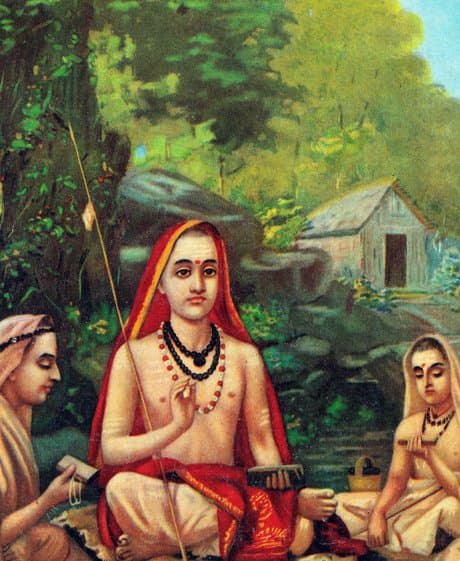
Sanskritयततः प्रयत्नं कुर्वतः हि यस्मात् कौन्तेय पुरुषस्य विपश्चितः मेधाविनः अपि इति व्यवहितेन सम्बन्धः । इन्द्रियाणि प्रमाथीनि प्रमथनशीलानि विषयाभिमुखं हि पुरुषं विक्षोभयन्ति आकुलीकुर्वन्ति, आकुलीकृत्य च हरन्ति प्रसभं प्रसह्य प्रकाशमेव पश्यतो विवेकविज्ञानयुक्तं मनः ॥ यतः तस्मात् --
Ādi Śaṅkarācārya · Advaita
Hindiयथार्थ ज्ञानरूप बुद्धिकी स्थिरता चाहनेवाले पुरुषोंको पहले इन्द्रियोंको अपने वशमें कर लेना चाहिये; क्योंकि उनको वशमें न करनेसे दोष बतलाते हैं—
हे कौन्तेय! जिससे कि प्रयत्न करनेवाले विचारशील—बुद्धिमान् पुरुषकी भी प्रमथनशील इन्द्रियाँ, उस विषयाभिमुख हुए पुरुषको क्षुब्ध कर देती हैं—व्याकुल कर देती हैं और व्याकुल करके, (उस) केवल प्रकाशको ही देखनेवाले विद्वान्के विवेकविज्ञान-युक्त मनको (भी) बलात् विचलित कर देती हैं
Jñāneśvar · Vārkarī
Marathiयेर्हवीं तरी अर्जुना । हें आया नये साधना । जे रहाटताती जतना । निरंतर ॥ ३१० ॥
जयातें अभ्यासाची घरटी । यमनियमांची ताटी । जे मनाते सदा मुठी । धरूनि आहाती ॥ ३११ ॥
तेही किजती कासाविसी । या इंद्रियांची प्रौढी ऐसी । जैसी मंत्रज्ञातें विवसी । भुलवी कां ॥ ३१२ ॥
देखे विषय हे तैसे । पावती ऋद्धिसिद्धीचेनि मिषें । मग आकळती स्पर्शें । इंद्रियांचेनि ॥ ३१३ ॥
तिये संधी मन जाये । मग अभ्यासां ठोठावलें ठाये । ऐसें बळकटपण आहे । इंद्रियांचे ॥ ३१४ ॥
Jñāneśvar · Vārkarī
Hindi(2.310) हे अर्जुन! साधारणतः ये विषय निरन्तर यत्न से साधना के पीछे लगनेवालों के भी हाथ नहीं आते।
(2.311) अभ्यास जिनकी गश्त दे रहा है, यम-नियमों की जिनके बागुर लगी है, और जो मन को सर्वदा मुट्ठी में रक्खे हुए हैं,
(2.312) वे भी इन इन्द्रियों से व्याकुल हो जाते हैं। ऐसा इनका प्रताप है। भूत जैसे मन्त्रज्ञ को भुलाता है
(2.313) जैसे ऋषि-सिद्धि के मिस से साधकों को ये विषय ही प्राप्त हो जाते हैं, और इन्द्रियों का स्पर्श होते ही वे उन्हें वश कर लेते हैं,
(2.314) मन उस विषय-समुदाय में लग जाता है और अभ्यास में निर्बल हो रहता है। इन्द्रियों की शक्ति इतनी दृढ़ है।

Sri Udiya Baba · Modern
Hindiसंगति— अगले श्लोक में बतलाते हैं कि विवेकी और हठपूर्वक इन्द्रियों को विषयों से रोकने वाले प्रायः इन्द्रियनिग्रह में असमर्थ हैं—
भावार्थ— हे कुन्तीपुत्र! यत्न करने पर भी जिज्ञासु, विवेकी या विद्वान् के मन को ये मन्थन करने वाली इन्द्रियाँ बलात्कार से हरण कर लेती हैं।
व्याख्या— यहाँ मन का हरण यही है कि निदिध्यासन में लगे हुए पुरुष की भी देह-बुद्धि हो जाती है। इन इन्द्रियों में इतना बल है कि समाधि के अभ्यास में लगे विचारवान् के मन को भी बलात्कार से खींच लेती हैं, फिर अविवेकी का तो कहना ही क्या है? वह तो इन्द्रियों का दास ही होता है। इसलिये बोध होने पर जो इन्द्रिय संयम नहीं करते वे बड़ा अनर्थ करते हैं। परन्तु 'बोध' शब्द से यहाँ अदृढ़ बोध समझना चाहिये। दृढ़ बोधवान् पर तो शास्त्र का शासन ही नहीं है। शास्त्र तो जिज्ञासु के लिये है। दृढ़ बोधवान् से तो सम्पूर्ण शास्त्र प्रकट ही हुए हैं, उसकी दृष्टि में इन्द्रिय और उनके विषयों की अपने से भिन्न कोई सत्ता ही नहीं है। वह किसका किससे निग्रह करेगा?
Swami Ramsukhdas · Modern
Hindi‘यततो ह्यपि ... प्रसभं मनः’—जो स्वयं यत्न करता है, साधन करता है, हरेक कामको विवेकपूर्वक करता है, आसक्ति और फलेच्छाका त्याग करता है, दूसरोंका हित हो, दूसरोंको सुख पहुँचे, दूसरोंका कल्याण हो—ऐसा भाव रखता है और वैसी क्रिया भी करता है, जो स्वयं कर्तव्य-अकर्तव्य, सार-असारको जानता है और कौन-कौन-से कर्म करनेसे उनका क्या-क्या परिणाम होता है—इसको भी जाननेवाला है, ऐसे विद्वान् पुरुषके लिये यहाँ ‘यततो ह्यपि पुरुषस्य विपश्चितः’ पद आये हैं। प्रयत्न करनेवाले ऐसे विद्वान् पुरुषकी भी प्रमथनशील इन्द्रियाँ उसके मनको बलपूर्वक हर लेती हैं, विषयोंकी तरफ खींच लेती हैं अर्थात् वह विषयोंकी तरफ खिंच जाता है, आकृष्ट हो जाता है। इसका कारण यह है कि
जबतक बुद्धि सर्वथा परमात्मतत्त्वमें प्रतिष्ठित (स्थित) नहीं होती, बुद्धिमें संसारकी यत्किंचित् सत्ता रहती है, विषयेन्द्रिय-सम्बन्धसे सुख होता है, भोगे हुए भोगोंके संस्कार रहते हैं, तबतक साधनपरायण बुद्धिमान् विवेकी पुरुषकी भी इन्द्रियाँ सर्वथा वशमें नहीं होतीं। इन्द्रियोंके विषय सामने आनेपर भोगे हुए भोगोंके संस्कारोंके कारण इन्द्रियाँ मन-बुद्धिको जबर्दस्ती विषयोंकी तरफ खींच ले जाती हैं। ऐसे अनेक ऋषियोंके उदाहरण भी आते हैं, जो विषयोंके सामने आनेपर विचलित हो गये। अतः साधकको अपनी इन्द्रियोंपर कभी भी ‘मेरी इन्द्रियाँ वशमें हैं’, ऐसा विश्वास नहीं करना चाहिये और कभी भी यह अभिमान नहीं करना चाहिये कि ‘मैं जितेन्द्रिय हो गया हूँ।’
सम्बन्ध—पूर्वश्लोकमें यह बताया कि रसबुद्धि रहनेसे यत्न करते हुए विद्वान् मनुष्यकी भी इन्द्रियाँ उसके मनको हर लेती हैं, जिससे उसकी बुद्धि परमात्मामें प्रतिष्ठित नहीं होती। अतः रसबुद्धिको दूर कैसे किया जाय—इसका उपाय आगेके श्लोकमें बताते हैं।
Until and unless self-realisation is attained by direct soul cognition the cravings and attachments for sensual experiences will never entirely cease to exist subtly or physically.
The concerted exertions of even the persevering yogi can all be to no avail against the restless and powerful senses of which any one of them can forcibly decoy the mind astray.
Thus the conquest of the senses is ultimately dependent upon realisation of the eternal soul and the perception of the soul is dependent upon control of the senses.
Thus Lord Krishna alludes to the difficulty there is in striving for soul cognition following jñāna-niṣṭhā by knowledge only.