

Bhagavad Gītā · Chapter 2 · Sāṅkhya Yoga
व्यवसायात्मिका बुद्धिरेकेह कुरुनन्दन
बहुशाखा ह्यनन्ताश्च बुद्धयोऽव्यवसायिनाम्
vyavasāyātmikā buddhirekeha kurunandana|
bahuśākhā hyanantāśca buddhayo'vyavasāyinām||
Word meanings
कुरुनन्दन = O joy of the Kurus
इह = here (in this path)
व्यवसायात्मिका = resolute
बुद्धिः = understanding
एका = is one
अव्यवसायिनाम् = of the irresolute
बुद्धयः = understandings
अनन्तः = endless
च = and
बहुशाखा = many-branched
हि = indeed
Translation
Arjuna, in this Yoga (of disinterested action) the intellect is determinate and directed singly towards one ideal; whereas the intellect of the undecided (ignorant men moved by desires) wandes in all directions, after innumerable aims.
Commentary
The commentators seated around this verse
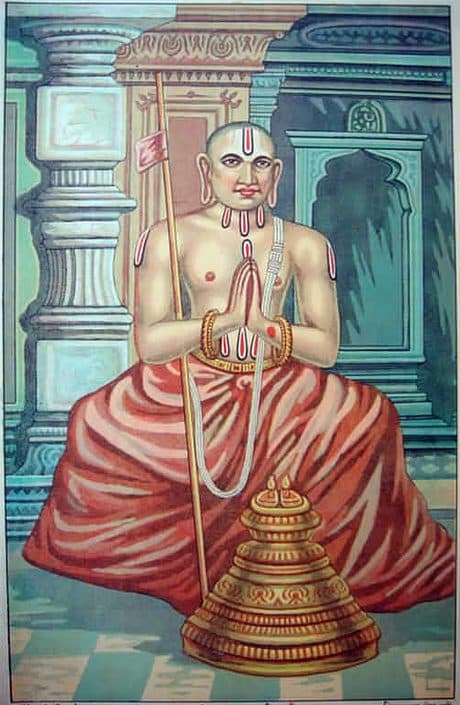
Rāmānuja · Viśiṣṭādvaita
English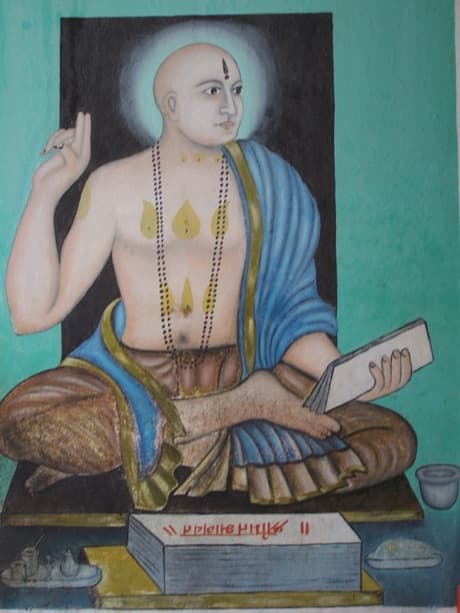
Madhvācārya · Dvaita
Madhva BhāṣyaSanskritEnglishOn verses 2.40–2.41
“योग इमां बुद्धिं श्रुणु इत्यक्तुम् । वक्ष्योगे हि बुद्धयो मतभेदात्, तत् कथमेकत्र निष्ठां करोमि इत्यत आह - व्यवसात्मिका इति । सम्यग् युक्तिनिर्णितानां मतानामैक्यमेव इत्यर्थः ॥” - Listen to these words with equanimous intellect. Thus it has been spoken. Innumerable are the opinions because of the diverse influences on mind. Therefore, 'how can I have faith in your words' to such enquiry (from Arjuna) Sri Krishna clarifies in this verse saying amongst all the recommended opinions having truthful attributes (there is) singular unity. Propitiation of Sri Vishnu is done only by few because singular and resolute is their commitment. The performances of others are disparate because of the multitude and endless are their intellectual opinions.
Madhvācārya · Dvaita
Gītā Tātparya NirṇayaSanskritEnglishOn verses 2.40–2.41
“प्रारम्भमात्रमिच्छा वा विष्णुधर्म न निष्फला न चान्यधर्माकरणाद्वेषवान्विष्णुधर्म कृत् ।” - Mere desire for worshipping Sri Vishnu in the very beginning or failure in righteous communion towards Sri Vishnu, nor on account of commitment to other righteousness and there being faults, will render devotion to Sri Vishnu fruitless, thus in Agni Puraana.
“स्वोचितेनैव धर्मेण विष्णुपूजामृते क्वचित् । नाप्रवृत्तिः प्रवृत्तिर्वा यत्र धर्मः स वैष्णवः ॥ एन धर्मं च देवाद्या वर्तन्ते सात्त्विका जनाः । एष कार्तयुगो धर्मः पाञ्चरात्रश्च वैदिकः ॥ तत्प्रीत्यर्थं विनाऽन्यस्मै नोदविन्दुं न तंदुलम् । दधान्निरासी च सदा भवेदभक्तश्च केशवे ॥ न च तत्समेऽधिके वाऽपि कुर्याच्छङ्कामपि क्वचित् । जानीयात् तदधीनं च सर्वं तत्ततत्ववित् सदा ॥ यथाक्रमं ते दएवानां तारतम्यदिदेव च । एष भागवतो मख्यस्तेतादिषु विशेषतः ॥ एष धर्मोऽतिफलदो वशेषण पुनः क्लीं । इव भागवतो यस्तु स एव हि विमुच्यते ॥”
— Where even without any intention of propitiating Sri Vishnu whatever righteous acts, through performance or non-performance, come to be performed, there comes about the Righteousness to followers of Sri Vishnu. These Perennial Principles (Dharma) were initiated in Krita Era as Pancharatra and Veda. Except for His pleasure neither a drop of water falls nor a grain of rice grows. One should always be a devotee of Keshava without any desires. One should never have any reservation that there could be some one other similar or superior to Him. One should know that according to the established principles, everything created is subservient to Him and according to the order of manifestation, the gradation of gods is determined. These Perennial Principles (Dharma) initiated by the Resplendent Lord are special especially in Treta yuga and Dvapara yuga become extremely fruitful again in Kali yuga. Thereby only those who are in communion with Resplendent Sriman Narayana, become released.
“त्रैविध्यस्वपरो धर्मो नानादेवतापूजनम् | तत्रापि विष्णुर्जातव्यः सर्वेभोऽथिको गुणैः || समर्पयति यज्ञाद्यमन्ततस्त्वोव विष्णवे | त्रैविध्यर्थः पुरष्यः स्वर्गं भुक्त्वा निवर्तते || पुनः कुर्यात्पुनः स्वर्गं याति यावद्भेदवशे | सर्वान् देवान् प्रविज्ञाय तत्कर्मैव सदा भवेत् || सम्यक् तत्त्वापरिज्ञानादन्यकर्मकृतेरपि | स्वर्गादिप्रार्थनाश्चैव रागादेश्चापरिक्षयात् || सदा विष्णोरस्मरणात् त्रैविध्यो नाऽप्नुयात् परम् | कर्मेण मुच्यते विष्णोः कमा०ण्यन्ते समर्पयन् ||” - Superior to the three Vedas is these Perennial Principles (Dharma), not the propitiation of various gods. Even superior is having the wisdom of Sri Vishnu, as the best among all the attributes. Whatever is offered at the conclusion of yajnya, the Sacrifice is verily for Sri Vishnu. The knowers of the three Vedas return to this world after enjoying the heavens and performing again they go to the heavens, always being subservient to Him. Knowing the status and gradation of the other gods and performance of actions for them brings corresponding, commensurate results. However, without having the comprehensive awareness (about the supremacy of Sri Vishnu), only the performance of various actions (like) prayers for heavens, without giving up attachments to senses and without constant remembrance of Sri Vishnu, even the three Vedas do not grant them the Supreme State. They gradually become liberated by Sri Vishnu on surrendering their action at the end, with their actions done according to injunctions, living many lives with meritorious actions.
“यदि सर्वाणि नियमाज्जन्मभिर्बहुभिः शुभैः | परं विष्णुं यो न वेत्ति कुर्वाणोऽपि त्रयीकियाः || नासौ त्रैविध्य इतुक्तो वेदवादी स उच्यते | वादो विवदः सम्प्रोक्तो वादो वचनमेव च || वेदोक्ते विष्णुमाहात्म्ये विवादपि पठनादपि | अथवा निरर्थकात् पाठद् वेदवादी स उच्यते || वेदवादरतो न स्यान्न पापण्डी न हेतुकी | तेभ्यो याति तमो घोरमन्धं तस्मान्नचोस्थितिः || अनारम्भनन्तं च नित्यदुःखं सुखोज्जितम् | ववं यद्देदगदितं यत्र यान्त्यसरादयः ||” - He who is enlightened that Sri Vishnu is the Supreme One, even if performs all the rituals of the three Vedas, he is not spoken as the real knower of the three Vedas. vaad and ivavaad means comprehensive speech. Therefore, one who speaks about Sri Vishnu by mere reading the Vedas without understanding or one who is engaged in worthless contentions both are said to be vaodvaad! – undiscerning polemic contender of the letter of the scriptures. One should not be engrossed in mere ivavaad, polemic about believers of the scriptures or with incorrigibly argumentative non-believers. Such ones attain only the worlds of obscurity and darkness, from whence there is no return and which is without beginning nor with any end. In Vedas these worlds are known as ववं, (from where there is no return), where dwell people who are not enlightened. “बुद्धिनिर्णीततत्त्वानामेका विष्णुपरायणा | बहुशाखा ह्यनन्ताश्च बुद्धयोऽव्यवसायिनाम् || इति ब्रह्मवैवर्तके ||” – singular is Sri Vishnu; worship which provides multifaced benefits, thus in Brahmavaivartaka purana.
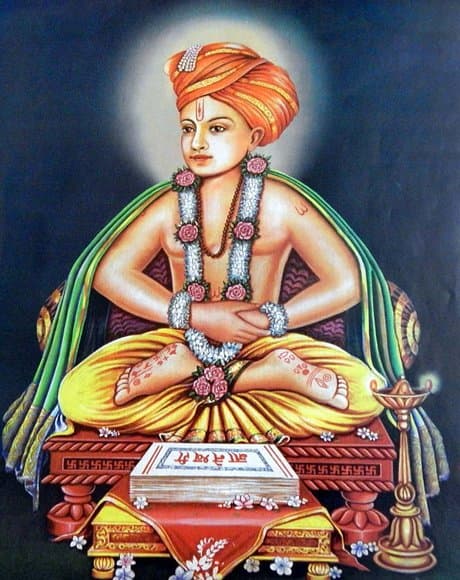
Jñāneśvar · Vārkarī
English41 'Herein, O Joy of the Kurus, the Intellect which forms the discriminative-determination is one and final; whereas many-branched and void of finality are the intellects of those not forming (such) determination. (238)
The jet of a lamp although small (in size) gives light to a greater area: so is an enlightened mind, not to be treated lightly: O Pārtha, those that are thoughtful greatly wish for this discernment and vision and it is rarely met with in the world. A 'Parīs' (philosophers stone) is not to be had in a huge quantity like other things, or a droplet of nectar is obtainable by sheer good luck. In that way a truth discerning vision which ultimately aims at absorption in the Supreme Being like the Ganges meeting the ocean, is difficult to be had. O Arjuna, only one thing in the world is real intellect viz. intellectual passion for God which has no other goal but that of reaching God Almighty. Besides these there are other thoughts (evil wishes) which being liable to be perverted, only the thoughtless always remain pleased with them (evil wishes). And therefore, O Pārtha, they always desire for and get the Heavenly pleasures, worldly pleasures, and also Hell. They never get even a glimpse of the bliss of the self.
Swami Ramsukhdas · Modern
English'Vyavasāyātmikā buddhirekeha kurunandana'—To a seeker of God-realization, the intellect is determinate and single-pointed viz., he has only one decision and that is to attain equanimity,
in the form of God-realization. Attachment to the world, is the main obstacle to this attainment of equanimity, and that can be removed, through determinate intellect.
Why is determinate intellect one? The reason is, that in it there is renunciation of desire, for worldly objects etc. This renunciation of desire is singular, whether it pertains to wealth and riches or honour and praise. But, there are objects of different types and a person wants to acquire these. Just as, there are different kinds of objects, such as different kinds of sweets, in the same way, there are endless desires for acquiring numerous objects of various types in various ways. Therefore, a desirous person cannot have one intellect.
In the Discipline of Action (in this verse), and in the Discipline of Devotion (in 9/30), there is mention of intellect, which is determinate and single-pointed, but it is not so, in the Discipline of Knowledge. The reason is, that in the Discipline of Knowledge, one comes to know the self first, and then his intellect becomes determinate and pointed, while in the Discipline of Action, as well as Devotion, it is the determinate intellect which comes first and then it is followed by self-realization. Therefore, in the Discipline of Knowledge there is importance of knowledge, while in the Disciplines of Devotion and Action, there is importance of a single-minded pursuit.
**'Bahuśākhā hyanantāśca buddhayo'vyavasāyinām**—The infirm in mind being desire-ridden, clings to pleasure and prosperity, and so the intellect of such persons, grow endlessly. For example, they may have a desire to get a son, the means adopted for the fulfilment of other desire, such as medicine, incantation, oblation and blessings of a saint etc., are branches of the same desire. Similarly, a man wants to get money of this is one desire (intellect) and to get it through business, service, theft, robbery, cheating etc., are many branches, of that intellect. Such a man, with endless desires, having many branches cannot even take
decision about God-realization.
**Appendix**—The real aim is only one. Unless a man has a singular aim, he has endless aims and there are numerous branches of each aim. He has endless desires and the means for the fulfilment of each desire are also many.
*Link:—The ways of the infirm-in-mind (worldly people) have been described in the next three verses.*
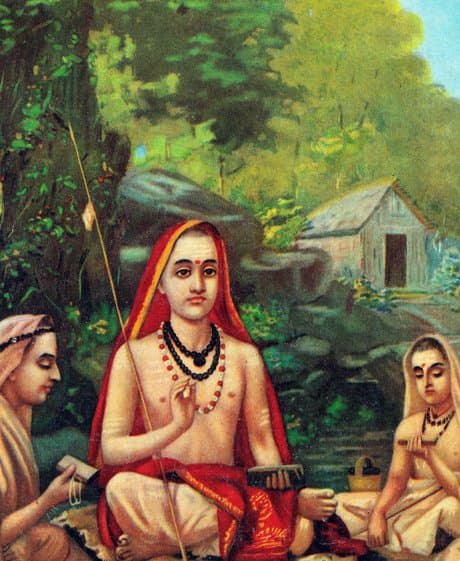
Ādi Śaṅkarācārya · Advaita
Sanskritव्यवसायात्मिका निश्चयस्वभावा एका एव बुद्धिः इतरविपरीतबुद्धिशाखाभेदस्य बाधिका, सम्यक्प्रमाणजनितत्वात्, इह श्रेयोमार्गे हे कुरुनन्दन । याः पुनः इतरा विपरीतबुद्धयः, यासां शाखाभेदप्रचारवशात् अनन्तः अपारः अनुपरतः संसारो नित्यप्रततो विस्तीर्णो भवति, प्रमाणजनितविवेकबुद्धिनिमित्तवशाच्च उपरतास्वनन्तभेदबुद्धिषु संसारोऽप्युपरमते ता बुद्धयः बहुशाखाः बह्वयः शाखाः यासां ताः बहुशाखाः, बहुभेदा इत्येतत् । प्रतिशाखाभेदेन हि अनन्ताश्च बुद्धयः । केषाम् ? अव्यवसायिनां प्रमाणजनितविवेकबुद्धिरहितानामित्यर्थः ॥
येषां व्ववसायात्मिका बुद्धिर्नास्ति ते --
Ādi Śaṅkarācārya · Advaita
Hindiजो यह बुद्धि सांख्यके विषयमें कही गयी है और जो योगके विषयमें अब कही जानेवाली है वह—
व्यवसायात्मिका निश्चयस्वभावा एका एव बुद्धिः इतरविपरीतबुद्धिशाखाभेदस्य बाधिका सम्यक्प्रमाणजनितत्वाद् इह श्रेयोमार्गे हे कुरुनन्दन।
हे कुरुनन्दन ! इस कल्याण-मार्गमें व्यवसायात्मिका—निश्चय स्वभाववाली बुद्धि एक ही है, यानी यथार्थ प्रमाणजनित होनेके कारण अन्य विपरीत बुद्धियोंके शाखाभेदोंकी बाधक है।
जो इतर (दूसरी) बुद्धियाँ हैं, जिनके शाखा-भेदके विस्तारसे संसार अनन्त, अपार और अनुपरत होता है अर्थात् निरन्तर अत्यन्त विस्तृत होता है, उन अनन्त भेदोंवाली बुद्धियोंका, प्रमाणजनित विवेक-बुद्धिके बलसे, अन्त हो जानेपर संसारका भी अन्त हो जाता है।
परंतु जो अव्यवसायी हैं, जो प्रमाणजनित विवेक-बुद्धिसे रहित हैं उनकी वे बुद्धियाँ बहुत शाखा अर्थात् बहुत भेदोंवाली और प्रति-शाखाभेदसे अनन्त होती हैं
Jñāneśvar · Vārkarī
Marathiजैसी दीपकळिका धाकुटी । परी बहु तेजातें प्रगटी । तरी सद्बुद्धि हे थेकुटी । म्हणों नये ॥ २३८ ॥
पार्था बहुतीं परी । हे अपेक्षिजे विचारशूरी । जे दुर्लभ चराचरीं । सद्वासना ॥ २३९ ॥
आणिकासारिखा बहुवसु । जैसा न जोडे परिसु । कां अमृताचा लेशु । दैवगुणें ॥ २४० ॥
तैसी दुर्लभ जे सद्बुद्धि । जिये परमात्माचि अवधि । जैसा गंगेसी उदधि । निरंतर ॥ २४१ ॥
तैसी ईश्वरावांचूनि कांही । जिये आणिक लाणी नाहीं । ते एकचि बुद्धि पाहीं । अर्जुना जगीं ॥ २४२ ॥
येरी ते दुर्मति । जे बहुधा असे विकरती । तेथ निरंतर रमती । अविवेकिये ॥ २४३ ॥
म्हणोनि तया पार्था । स्वर्ग संसार नरकावस्था । आत्मसुख सर्वथा । दृष्ट नाहीं ॥ २४४ ॥
Jñāneśvar · Vārkarī
Hindi(2.238) जैसे दीपक की ज्योति छोटी-सी रहती है परन्तु अत्यन्त प्रकाश प्रकट करती है, उसी प्रकार इस सद्बुद्धि को अल्प मत समझो
(2.239) हे पार्थ! विचारवान् मनुष्यों को सब प्रकार से इस सद्बुद्धि की अपेक्षा करनी चाहिए। क्योंकि सद्वासना चराचर में दुर्लभ है।
(2.240) जैसे अन्य पत्थरों के समान पारस बहुतेरा नहीं मिलता, अथवा अमृतबिन्दु कभी दैवयोग से ही प्राप्त होता है,
(2.241) वैसे ही परमात्मा में जिसका पर्यवसान होता है, वह सद्बुद्धि दुर्लभ है। गंगा को सर्वदा जैसे समुद्र
(2.242) वैसे जिसे ईश्वर के सिवाय और कुछ प्राप्तव्य नहीं है ऐसी हे अर्जुन! संसार में एक ही बुद्धि है।
(2.243) दूसरी जो बुद्धि है, जिससे विकार उत्पन्न होते हैं, वह दुर्बुद्धि है। इसमें निरन्तर अविचारी लोग रमण करते हैं।
(2.244) इसलिए हे पार्थ! उन्हें स्वर्ग, संसार, अथवा नरक यही गति प्राप्त होती है, परन्तु आत्म-सुख कभी दिखाई नहीं देता।
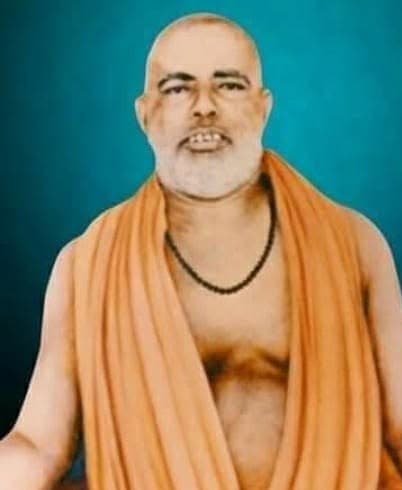
Sri Udiya Baba · Modern
Hindiभावार्थ— हे कुरुनन्दन! इस निष्काम कर्मयोग में एक ही निश्चयात्मिका बुद्धि होती है और अनिश्चयात्मा (सकाम) पुरुषों की बुद्धियाँ अनेक शाखाओं वाली अनन्त प्रकार की होती हैं।
व्याख्या— दृढ़ निश्चय करके किसी काम में लगने वाले पुरुष की बुद्धि व्यवसायात्मिका होती है। परमार्थ की ओर अग्रसर होने वाला पुरुष कामनारहित और शुद्धचित्त होने पर ही आत्म-वस्तु का निश्चय कर पाता है। ऐसा निश्चय करने वाली बुद्धि ही व्यवसायात्मिका कहलाती है। चञ्चल बुद्धि वाले पुरुष गुरु और शास्त्र में विश्वास नहीं करते। उनकी विवेक-शून्य, अनेक भोगों की इच्छा करने वाली और अनेकों भेदों वाली बुद्धि ही अव्यवसायात्मिका होती है। ऐसे मनुष्य की क्या दशा होती है, यह बात अगले तीन श्लोकों में बताते हैं—
Swami Ramsukhdas · Modern
Hindi'व्यवसायात्मिका बुद्धिरेकेह कुरुनन्दन'—कर्मयोगी साधकका ध्येय (लक्ष्य) जिस समताको प्राप्त करना रहता है, वह समता परमात्माका स्वरूप है। उस परमात्मस्वरूप समताकी प्राप्तिके लिये अन्तःकरणकी समता साधन है, अन्तःकरणकी समतामें संसारका राग बाधक है। उस रागको हटानेका अथवा परमात्मतत्त्वको प्राप्त करनेका जो एक निश्चय है, उसका नाम है—व्यवसायात्मिका बुद्धि। व्यवसायात्मिका बुद्धि एक क्यों होती है? कारण कि इसमें सांसारिक वस्तु, पदार्थ आदिकी कामनाका त्याग होता है। यह त्याग एक ही होता है, चाहे धनकी कामनाका त्याग करें, चाहे मान-बड़ाईकी कामनाका त्याग करें। परन्तु ग्रहण करनेमें अनेक चीजें होती हैं; क्योंकि एक-एक चीज अनेक तरहकी होती है; जैसे—एक ही मिठाई अनेक तरहकी होती है। अतः इन चीजोंकी कामनाएँ भी अनेक, अनन्त होती हैं।
गीतामें कर्मयोग (प्रस्तुत श्लोक) और भक्तियोग (नवें अध्यायका तीसवाँ श्लोक)-के प्रकरणमें तो व्यवसायात्मिका बुद्धिका वर्णन आया है, पर ज्ञानयोगके प्रकरणमें व्यवसायात्मिका बुद्धिका वर्णन नहीं आया। इसका कारण यह है कि ज्ञानयोगमें
पहले स्वरूपका बोध होता है, फिर उसके परिणामस्वरूप बुद्धि स्वतः एक निश्चयवाली हो जाती है और कर्मयोग तथा भक्तियोगमें पहले बुद्धिका एक निश्चय होता है, फिर स्वरूपका बोध होता है। अतः ज्ञानयोगमें ज्ञानकी मुख्यता है और कर्मयोग तथा भक्तियोगमें एक निश्चयकी मुख्यता है।
'बहुशाखा ह्यनन्ताश्च बुद्धयोऽव्यवसायिनाम्'—अव्यवसायी वे होते हैं, जिनके भीतर सकामभाव होता है, जो भोग और संग्रहमें आसक्त होते हैं। कामनाके कारण ऐसे मनुष्योंकी बुद्धियाँ अनन्त होती हैं और वे बुद्धियाँ भी अनन्त शाखाओंवाली होती हैं अर्थात् एक-एक बुद्धिकी भी अनन्त शाखाएँ होती हैं। जैसे, पुत्र-प्राप्ति करनी है—यह एक बुद्धि हुई और पुत्र-प्राप्तिके लिये किसी औषधका सेवन करें, किसी मन्त्रका जप करें, कोई अनुष्ठान करें, किसी सन्तका आशीर्वाद लें आदि उपाय उस बुद्धिकी अनन्त शाखाएँ हुई। ऐसे ही धन-प्राप्ति करनी है—यह एक बुद्धि हुई और धन-प्राप्तिके लिये व्यापार करें, नौकरी करें, चोरी करें, डाका डालें, धोखा दें, ठगाई करें आदि उस बुद्धिकी अनन्त शाखाएँ हुई। ऐसे मनुष्योंकी बुद्धिमें परमात्मप्राप्तिका निश्चय नहीं होता।
**परिशिष्ट भाव**—वास्तविक उद्देश्य एक ही होता है। जबतक मनुष्यका एक उद्देश्य नहीं होता, तबतक उसके अनन्त उद्देश्य रहते हैं और एक-एक उद्देश्यकी अनेक शाखाएँ होती हैं। उसकी अनन्त कामनाएँ होती हैं और एक-एक कामनाकी पूर्तिके लिये उपाय भी अनेक होते हैं।
*सम्बन्ध—अव्यवसायी मनुष्योंकी बुद्धियाँ अनन्त क्यों होती हैं—इसका हेतु आगेके तीन श्लोकोंमें बताते हैं।*
**यामिमां पुष्पितां वाचं प्रवदन्त्यविपश्चितः ।**
The Supreme Lord Krishna is reaffirming that the science of yoga rather than the various methods of action prescribed in the Vedic scriptures is the one path that has guaranteed certainty.
The word vyavasāya derived from niṣchāyā means certainty. The unshakeable conviction one has of such a decisive nature is that which the aspirant of salvation possesses and which can be understood by the actions they perform.
The strength of this unshakeable conviction is directly connected to one's understanding of the eternal reality of the soul's immortality.
Fragmented and not evolved is that mind which entertains ideas of performing actions for the reaping of results.
People of this type vaguely know that the soul exists, although mistakenly attributing it as being part of the body and no more knowledge is required in their case
as their material wishes for wealth and fame and even heaven can be obtained without having accurate, precise knowledge of the actual transcendental position of the eternal soul.
But on the other hand the conviction of certainty is unique in its singleness of purpose and focused aim.
All actions executed by such a living entity have for its sole objective salvation and the means is yoga which is the science of the individual consciousness attaining communion with the Ultimate Consciousness.
This is the essence of the Vedic scriptures which lead to this conclusion and such being the case there can arise only one unshakeable conviction to one possessing spiritual insight.
For the fulfilment of one single attainment being salvation all actions are dedicated by one fixed in the firm resolve for salvation.
Hence as the primary objective of the Vedic scriptures is one, the firm resolve as regarding the purpose of all actions can be but one as in the case for example of the six different kinds of rituals called Darsa-purnamasa.
Three rituals are to be performed on the new moon and three are to be performed on the full moon:
In their performance they all differ in regards to execution yet they may be said to constitute a single aim for when all are directed to obtaining a single fruit all there separate differences may be understood as part of a whole.
Whereas in the case of those with fragmented and unfocused minds who engage in various activities each intended to acquire some result such as heaven, wealth, fame, power and so forth and so on the schemes are endless as the desires are endless.
Even the results are diverse as in the case again of the Darsa-purnamasa, for although the rituals are directed to be performed for the obtainment of a specific goal, yet they confer minor benefits as well such as good health, vigour and long life.
Thus it is stated that the mentality of those not evolved is endless and ramifying.
The conclusion of this verse is that all nitya or daily rites and all naimittika or occasional rites for specific times prescribed in the Vedic scriptures shall be performed with the sole aim of ultimate salvation as the purpose.
Although each rite individually is capable of giving its own temporary, material reward; but all such rewards are to be ignored while holding focus solely on salvation.
As for fruitive rites and rituals desiring some material benediction, these shall be performed in the manner prescribed for the four varṇas or classes of cultured life being brāhmaṇa, kṣatriya, Vaiṣya, and Śūdra in the four āśramas or stages of cultured life being brahmacharya or celibate life, Gṛihastha or married life, Vānaprastha or renounced life and sannyāsa or dedication and focus solely on the Supreme Lord.
Accordingly they should also resign the acquired results of their efforts in favour of salvation.
In the next three verses will be seen that those who engage solely in fruitive activities are condemned.