

Bhagavad Gītā · Chapter 2 · Sāṅkhya Yoga
अविनाशि तु तद्विद्धि येन सर्वमिदं ततम्
विनाशमव्ययस्यास्य न कश्चित् कर्तुमर्हति
avināśi tu tadviddhi yena sarvamidaṃ tatam|
vināśamavyayasyāsya na kaścit kartumarhati||
Word meanings
अविनाशि = imperishable
तु = but
तत् = that
विद्धि = know
येन = by which
इदम् = this
सर्वम् = all (this)
ततम् = is pervaded
अस्य = of this
अव्ययस्य = imperishable
विनाशम् = destruction
कश्चित् = anyone
न = not
कर्तुम् = to bring about
अर्हति = is able
Translation
Know that alone to be imperishable, which pervades this universe; for no one has power to destroy this indestructible substance.
Commentary
The commentators seated around this verse
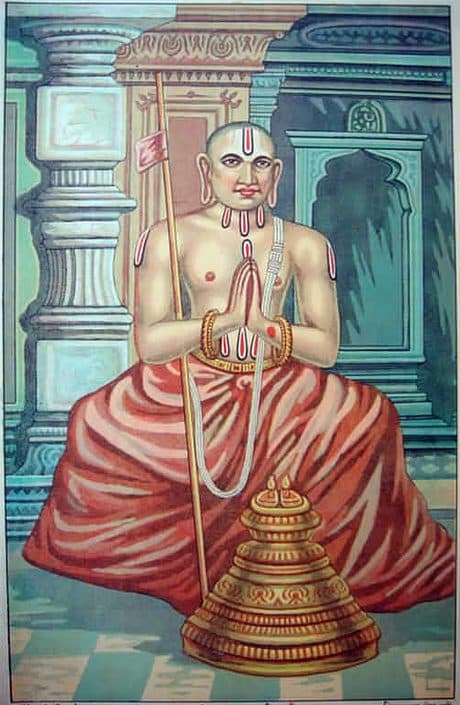
Rāmānuja · Viśiṣṭādvaita
English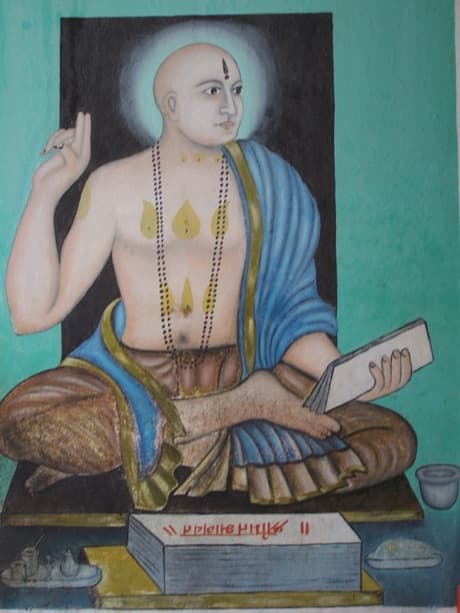
Madhvācārya · Dvaita
Madhva BhāṣyaSanskritEnglish“किं बहुना? यद् देशतोऽनन्तं तन्नित्यमेव वेदाद्यन्यदपि इत्याह - अविनाशि इति | नापि शापादिना विनाशा इत्याह - विनाशम् इति | अव्ययं चतत् ||” - In how many ways? Without end, not limited by space; eternal, thus is spoken by the Vedas etc. and also as the indestructible. It cannot be destroyed by curses, undestroyable. And also immutable.
Madhvācārya · Dvaita
Gītā Tātparya NirṇayaSanskritEnglish“यद्यपि नित्यत्वं जीवस्याप्यस्ति | तथाऽपि सर्वप्रकारेण विनाशित्वं विष्णोरेव इति तु शब्दः | अनित्यत्वात्वं देहहानिर्दुःखप्रापितरपूर्णता | नाशश्चतुर्विधः प्रोक्तस्तदभावो हरेः सदा || तदन्येषां तु सर्वेषां नाशाः केचिदभवन्ति हि || इति महावराहे || देशतः कालतश्चैव गुणतश्च त्रिधाः ततिः | सा समस्ता हरैरेव नखान्ये पूर्णसद्गुणाः || इति परमश्रुतेः || शरीरिणां तु देहहायादिनाशो विद्यत एव | येन सर्वमिदं ततम् इति तस्यैव लक्षणकथनान् जीवानां देशतो गुणतश्च पूर्णता ||” - Even though the Jiva is eternal, the word 'tu' confirms in all respects that Eternity is associated with Sri Vishnu alone. The four attributes of destruction - non-eternal, destruction of the Body, having pain, and incompleteness are never spoken in reference to Sri Hari. However in relation to all other things, there surely results loss, thus, in Maha Varaha Puraana. Attributes are threefold - relating to place, to Time and to Being Complete in oneself. All those attributes are found in full only in Sri Hari, thus, in Parama Scripture. For 'शरीरिणाः' is the indweller, there is the appearance of the destruction of the body. 'By which all this is enveloped' thus being its identification (of the indwelling Self). There is no Space, Attribute or Completeness for the Jiva.
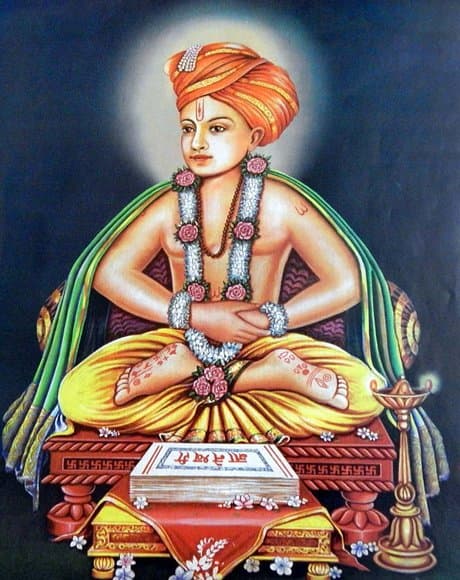
Jñāneśvar · Vārkarī
English17 "Understand THAT to be indestructible by which all this has been permeated. Of this indestructible one, none can achieve destruction. (133)
Considering the nature of the essential and the unessential, you will realize that delusion and error is related to the unessential while what is called real substance is by its very nature, eternal. That Brahman from which the entire Universe has shaped and bodied itself forth has neither any name nor form, nor colour, nor any characteristic. It is the timeless, all pervasive Being, without birth or death and cannot be destroyed even if an attempt is made.
Swami Ramsukhdas · Modern
English'Avināśī tu tadviddhi'—Here 'tu' (indeed), has been used to explain 'Sat' the real out the two 'sat' (real) and 'asat' (unreal), described in the preceding verse.
The Lord advises Arjuna, to realise that imperishable entity. He explains that this entity is abstract. By calling it abstract, (parokṣa), the Lord means to say, that this abstract imperishable entity, is pervading the whole world, which appears as separate, from that entity. In reality, only this all-pervading entity exists, while the world which appears to exist, does not exist really.
By the term 'tat' (that), it is not meant to say that 'sat tattva' (the real), stands afar, but it means, that it is not a subject of senses and inner sense.
'Yena sarvamidaṁ tatam'*—The abstract-entity is described here. This whole world, is pervaded by that imperishable entity. As ornaments made of gold have nothing but gold, weapons made of iron, have nothing but iron, pots of clay have nothing but clay, and in ice, there is nothing but water, similarly, this world is pervaded by 'sat' (real) (imperishable). So, in the world, there is nothing to be realised except the real.
'Vināśamavyayasyāsya na kaścitkartumarhati'—The spirit
* Yena sarvamidaṁ tatam' has been used in the Gītā three times. Here it has been used for the imperishable by which the whole world is pervaded. It is described with the view of 'Sāṅkhyayoga' (the Discipline of Knowledge). In the twenty-second verse of the eighth chapter it has been used for God (Supreme Puruṣa) Who can be attained by exclusive devotion. Again in the forty-sixth verse of the eighteenth chapter there is the description, 'By whom all this is pervaded' which also is with the point of view of devotion.
(Soul), is imperishable,* while the body is perishable, and is perishing every moment. No one, can check its process of destruction. But whether you wage war or withdraw from it, the imperishable cannot be destroyed and the perishable cannot be saved.
Here the word 'asya' means, that whatever reality appears in the kaleidoscopic body, is because of real entity (self), and that self (spirit), is different from the body.
**Appendix**—In practical life we say, 'This is a man, this is an animal, this is a tree, this is a house' etc. In these expressions 'man, animal, tree, house' etc., neither existed in the past nor will exist in future and at present also they are perishing every moment. But in them the eternal reality 'Is' ever remains the same. It means that 'man, animal, tree, house' etc., are the world (unreal) and 'Is' is the imperishable Self (the real). Therefore 'man, animal, tree, house' etc., are different but in all of them 'Is' (Eternal reality) remains the same. Similarly in 'I am a man, I am an animal, I am a god' etc., bodies are different but 'am' or 'is' remains the same.
**'Yena sarvamidaṁ tatam'**—This expression here has been used for the embodied soul while in the twenty-second verse of the eighth chapter and in the forty-sixth verse of the eighteenth chapter, this expression has been used for God. It means that the self has the same characteristics as all-pervading God has. Therefore as God is detached from the world, so is the self naturally detached from the body and the world—'asaṅgo hyayaṁ puruṣaḥ' (Bṛhadā. 4/3/15), 'dehe'sminpuruṣaḥ paraḥ' (Gītā 13/22). The self is not seated in a particular body. It is not attached to any body. But without realizing this detachment, it is following the cycle of birth and death.
* In the Gītā the Lord has called the spirit as well as Himself imperishable. But the difference is that the Lord incarnates and conceals Himself by His free-will while the spirit seated in Matter takes birth and dies because it identifies itself with the body.
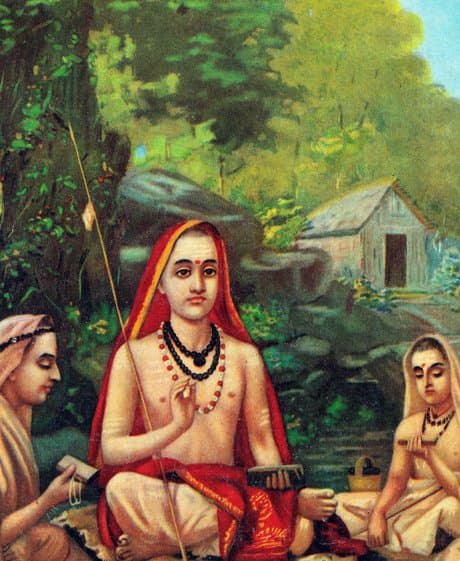
Ādi Śaṅkarācārya · Advaita
Sanskritअविनाशि न विनष्टुं शीलं यस्येति । तुशब्दः असतो विशेषणार्थः । तत् विद्धि विजानीहि । किम् ? येन सर्वं इदं जगत् ततं व्याप्तं सदाख्येन ब्रह्मणा साकाशम्, आकाशेनेव घटादयः । विनाशं अदर्शनं अभावम् । अव्ययस्य न व्येति उपचयापचयौ न याति इति अव्ययं तस्य अव्ययस्य । नैतत् सदाख्यं ब्रह्म स्वेन रूपेण व्येति व्यभिचरति, निरवयवत्वात्, देहादिवत् । नाप्यात्मीयेन, आत्मीयाभावात् । यथा देवदत्तो धनहान्या व्येति, न तु एवं ब्रह्म व्येति । अतः अव्ययस्य अस्य ब्रह्मणः विनाशं न कश्चित् कर्तुमर्हति, न कश्चित् आत्मानं विनाशयितुं शक्नोति ईश्वरोऽपि । आत्मा हि ब्रह्म, स्वात्मनि च क्रियाविरोधात् ॥ किं पुनस्तदसत्, यत्स्वात्मसत्तां व्यभिचरतीति, उच्यते --
Ādi Śaṅkarācārya · Advaita
Hindiतो, जो निस्सन्देह सत् है और सदैव रहता है वह क्या है ? इसपर कहा जाता है—
नष्ट न होना जिसका स्वभाव है, वह अविनाशी है । ‘तु’ शब्द असत् से सत् की विशेषता दिखानेके लिये है ।
उसको तू (अविनाशी) जान—समझ, किसको ? जिस सत् शब्दवाच्य ब्रह्मसे यह आकाशसहित सम्पूर्ण विश्व आकाशसे घटादिके सदृश व्याप्त है ।
इस अव्ययका अर्थात् जिसका व्यय नहीं होता जो घटता-बढ़ता नहीं उसे अव्यय कहते हैं, उसका विनाश-अभाव (करनेके लिये कोई भी समर्थ नहीं है) ।
क्योंकि यह सत् नामक ब्रह्म अवयवरहित होनेके कारण देहादिकी तरह अपने स्वरूपसे नष्ट नहीं होता अर्थात् इसका व्यय नहीं होता ।
तथा इसका कोई निजी पदार्थ नहीं होनेके कारण निजी पदार्थोंके नाशसे भी इसका नाश नहीं होता, जैसे देवदत्त अपने धनकी हानिसे हानिवाला होता है, ऐसे ब्रह्म नहीं होता।
इसलिये कहते हैं कि इस अविनाशी ब्रह्मका विनाश करनेके लिये कोई भी समर्थ नहीं है। कोई भी अर्थात् ईश्वर भी अपने-आपका नाश नहीं कर सकता।
क्योंकि आत्मा ही स्वयं ब्रह्म है और अपने-आपमें क्रियाका विरोध है
Jñāneśvar · Vārkarī
Marathiदेखें सारासार विचारितां । भ्रांति जे पाहीं असारता । तरी सार तें स्वभावता । नित्य जाणें ॥ १३३ ॥
हा लोकत्रयाकारु । तो जयाचा विस्तारु । तेथ नाम वर्ण आकारु । चिन्ह नाही ॥ १३४ ॥
जो सर्वदा सर्वगतु । जन्मक्षयातीतु । तया केलियाहि घातु । कदाचि नोहे ॥ १३५ ॥
Jñāneśvar · Vārkarī
Hindi(2.133) सार और असार का विचार कर देखो तो असारता भ्रम है और सार सहज ही नित्य है। (2.134) जिससे इस त्रैलोक्य का विस्तार हुआ है उसके नाम, रूप, आकार, चिह्न कुछ भी नहीं है।
(2.135) जो सर्वदा सर्वव्यापी है, जन्म-मरण से रहित है, उसका नाश करने जाइए तो कदापि नहीं हो सकता है।
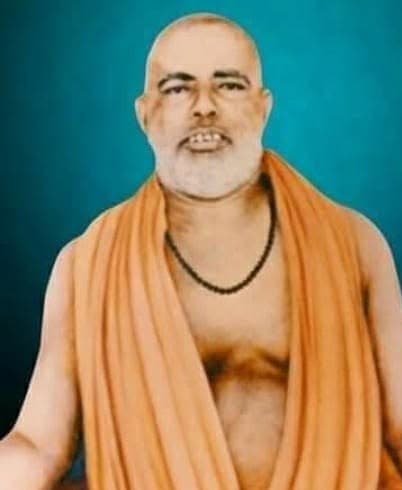
Sri Udiya Baba · Modern
Hindiसंगति— अब यह बतलाकर कि सत् सदा रहता है, उसका कभी अभाव नहीं होता, अगले ५ श्लोकों में उसके स्वरूप का वर्णन करते हैं—
भावार्थ— जिससे यह सम्पूर्ण जगत् व्याप्त है उसे तू अविनाशी जान। उस अविनाशी का नाश करने में कोई समर्थ नहीं है।
व्याख्या—
प्रश्न— वह अविनाशी संसार में किस प्रकार व्याप्त है?
उत्तर— व्याप्त दो प्रकार का होता है— संयोग-व्याप्त और स्वरूप-व्याप्त। आत्मा स्वरूपतः व्याप्त है। वह इस प्रकार व्याप्त नहीं है जैसे दूध में मीठा। दूध में मीठा संयोग-व्याप्त होता है। दूध और मीठा दो पदार्थ हैं। आत्मा तो संसार में इस प्रकार व्याप्त है जैसे चीनी के खिलौनों में चीनी अथवा घट में मृत्तिका। यहाँ वास्तव में 'घट' नाम का कोई पदार्थ है ही नहीं, केवल मृत्तिका ही मृत्तिका है। इसी प्रकार सम्पूर्ण जगत्-प्रपञ्चरूप से आत्मा ही विस्तृत हुआ है, वही इस रूप में भास रहा है इसी से कहा है कि आत्मा का नाश करने में कोई समर्थ नहीं है।
प्रश्न— आत्मा का नाश करने में कोई क्यों समर्थ नहीं है?
उत्तर— आत्मा से भिन्न जब कोई दूसरी सत्ता है ही नहीं तो उसका नाश कौन करेगा। प्रलयकाल में यद्यपि ईश्वर सबका नाश कर देता है, तथापि आत्मा का नाश वह भी नहीं कर सकता, क्योंकि आत्मा तो उसका भी स्वरूप ही है। इसके सिवा अक्रिय और निरवयव होने के कारण भी उसका नाश नहीं हो सकता। इसीलिये यहाँ 'कश्चित्'
(कोई) शब्द का प्रयोग हुआ है। अर्थात् कश्चित् (ईशरोऽपि) ईश्वर भी उसका नाश नहीं कर सकता।
यहाँ 'येन सर्वमिदं ततम्' अर्थात् 'जिससे यह सब व्याप्त है'—ऐसा कहने से आत्मा और प्रपञ्च दोनों की सत्ता जान पड़ती है। परन्तु यह व्याप्य-व्यापकता केवल जिज्ञासु को समझाने के लिये है। यदि कहें कि आत्मा जगत् में इस प्रकार व्याप्त है जैसे घट में मृत्तिका, वस्त्र में सूत अथवा बर्फ में जल, तो यह भी ठीक नहीं, क्योंकि ये सब सावयव पदार्थ हैं और आत्मा निरवयव है। जिसकी दृष्टि में प्रपञ्च का अत्यन्ताभाव है उसके लिये व्याप्य-व्यापकता भी नहीं है। उसकी दृष्टि में तो एकमात्र आत्मा ही है।
Swami Ramsukhdas · Modern
Hindi'अविनाशि तु तद्विद्धि'—पूर्वश्लोकमें जो सत्-असत्की बात कही थी, उसमेंसे पहले 'सत्' की व्याख्या करनेके लिये यहाँ 'तु' पद आया है।
'उस अविनाशी तत्त्वको तू समझ'—ऐसा कहकर भगवान्ने उस तत्त्वको परोक्ष बताया है। परोक्ष बतानेमें तात्पर्य है कि इदंतासे दीखनेवाले इस सम्पूर्ण संसारमें वह परोक्ष तत्त्व ही व्याप्त है, परिपूर्ण है। वास्तवमें जो परिपूर्ण है, वही 'है' और जो सामने संसार दीख रहा है,
यह 'नहीं' है।
यहाँ 'तत्' पदसे सत्-तत्त्वको परोक्ष रीतिसे कहनेका तात्पर्य यह नहीं है कि वह तत्त्व बहुत दूर है; किन्तु वह इन्द्रियों और अन्तःकरणका विषय नहीं है, इसलिये उसको परोक्ष रीतिसे कहा गया है।
'येन सर्वमिदं ततम्'—जिसको परोक्ष कहा है, उसीका वर्णन करते हैं कि यह सब-का-सब संसार उस नित्य-तत्त्वसे व्याप्त है। जैसे सोनेसे बने हुए गहनोंमें सोना,
* 'येन सर्वमिदं ततम्'—ये पद गीतामें तीन बार आये हैं। उनमेंसे यहाँ (२।१७ में) ये पद शारीरीके लिये आये हैं कि इस शारीरीसे यह सम्पूर्ण संसार व्याप्त है। यह बात सांख्ययोगकी दृष्टिसे कही गयी है। दूसरी बार ये पद आठवें अध्यायके बाईसवें श्लोकमें आये हैं। वहाँ कहा गया है कि जिस ईश्वरसे यह सम्पूर्ण संसार व्याप्त है, वह अनन्यभक्तिसे मिलता है। अतः भक्तिका वर्णन होनेसे उपर्युक्त पद ईश्वरके विषयमें आये हैं। तीसरी बार ये पद अठारहवें अध्यायके छियालीसवें श्लोकमें आये हैं। वहाँ कहा गया है कि जिससे यह सम्पूर्ण संसार व्याप्त है, उसका चारों वर्ण अपने-अपने कर्मद्वारा पूजन करें। यह वर्णन भी भक्तिकी दृष्टिसे हुआ है।
नवें अध्यायके चौथे श्लोकमें राजविद्याका वर्णन करते हुए भगवान्ने 'मया ततमिदं सर्वम्' पदोंसे कहा है कि यह सम्पूर्ण संसार मेरेसे व्याप्त है। इस प्रकार तीन जगह तो 'येन' पद देकर उस तत्त्वको परोक्षरूपसे कहा है, और एक जगह 'अस्मत्' शब्द—'मया' देकर स्वयं भगवान्ने अपरोक्षरूपसे अपनी बात कही है।
लोहेसे बने हुए अस्त्र-शस्त्रोंमें लोहा, मिट्टीसे बने हुए बर्तनोंमें मिट्टी और जलसे बनी हुई बर्फमें जल ही व्याप्त (परिपूर्ण) है, ऐसे ही संसारमें वह सत्-तत्त्व ही व्याप्त है। अतः वास्तवमें इस संसारमें वह सत्-तत्त्व ही जाननेयोग्य है।
‘विनाशमव्ययस्यास्य न कश्चित्कर्तुमर्हति’—यह शरीरी अव्यय* अर्थात् अविनाशी है। इस अविनाशीका कोई विनाश कर ही नहीं सकता। परन्तु शरीर विनाशी है—क्योंकि वह नित्य-निरन्तर विनाशकी तरफ जा रहा है। अतः इस विनाशीके विनाशको कोई रोक ही नहीं
परिशिष्ट भाव—व्यवहारमें हम कहते हैं कि ‘यह मनुष्य है, यह पशु है, यह वृक्ष है, यह मकान है’ आदि, तो इसमें ‘मनुष्य, पशु, वृक्ष, मकान’ आदि तो पहले भी नहीं थे, पीछे भी नहीं रहेंगे तथा वर्तमानमें भी प्रतिक्षण अभावमें जा रहे हैं। परन्तु इनमें ‘है’ रूपसे जो सत्ता है, वह सदा ज्यों-की-त्यों है। तात्पर्य है कि ‘मनुष्य, पशु, वृक्ष, मकान’ आदि तो संसार (असत्) है और ‘है’ अविनाशी आत्मतत्त्व (सत्) है। इसलिये ‘मनुष्य, पशु, वृक्ष, मकान’ आदि तो अलग-अलग हुए, पर इन सबमें ‘है’ एक ही रहा। इसी तरह मैं मनुष्य हूँ, मैं पशु हूँ, मैं देवता हूँ आदिमें शरीर तो अलग-अलग हुए पर ‘हूँ’ अथवा ‘है’ एक ही रहा।
‘येन सर्वमिदं ततम्’—ये पद यहाँ जीवात्माके लिये आये हैं और आठवें अध्यायके बाईसवें श्लोकमें तथा अठारहवें अध्यायके छियालीसवें श्लोकमें यही पद परमात्माके लिये आये हैं। इसका तात्पर्य है कि जीवात्माका सर्वव्यापक परमात्माके साथ साधर्म्य है। अतः जैसे परमात्मा संसारसे असंग हैं, ऐसे ही जीवात्मा भी शरीर-संसारसे स्वतः-स्वाभाविक असंग हैं—‘असङ्गो ह्ययं पुरुषः’ (बृहदः ४। ३। १५), ‘देहेऽस्मिन्पुरुषः परः’ (गीता १३। २२)। जीवात्माकी स्थिति किसी एक शरीरमें नहीं है। वह किसी शरीरसे चिपका हुआ नहीं है। परन्तु इस असंगताका अनुभव न होनेसे ही जन्म-मरण हो रहा है।
It should be understood that the soul is indestructible and is the principle by which the physical body is permeated. The insentient body is completely distinct from the sentient soul.
By reason of its pervasive nature the soul is very subtle, in fact so exceedingly subtle is the soul that it is verily incapable of being destroyed being subatomic in essence.
There is no thing which is of different or of a dissimilar nature from it which in any way is capable of destroying the soul.
For whatever there is existing is pervaded by the soul as well and being pervaded by the soul itself verifies its less gross and most subtle position of all being subatomic.
Such things as weapons, water, fire, air, cold etc. cannot influence or be the agents of destruction for the imperishable soul, being all pervaded by it.
The rationale of a hammer striking an object and disintegrating it is now given:
When a hammer strikes an object with excessive force an extreme vibration produces a molecular disruption which causes the destruction of the object.
But in the case of the soul there is no destruction as when light penetrates a glass jar and is not destroyed when the glass is destroyed; similarly the soul is like unto this in relation to the body.
Thus it can be understood the imperishable nature of the soul.
Now the next verse explains that being perishable is the very nature of the physical body.