

Bhagavad Gītā · Chapter 2 · Sāṅkhya Yoga
त्रैगुण्यविषया वेदा निस्त्रैगुण्यो भवार्जुन
निर्द्वन्द्वो नित्यसत्त्वस्थो निर्योगक्षेम आत्मवान्
traiguṇyaviṣayā vedā nistraiguṇyo bhavārjuna|
nirdvandvo nityasattvastho niryogakṣema ātmavān||
Word meanings
वेदाः = the Vedas
त्रैगुण्यविषयाः = concerned with the three guṇas
अर्जुन = O Arjuna
निस्त्रैगुण्यः = free from the three guṇas
रहित = beyond
भव = be
निर्द्वन्द्वः = free from the pairs of opposites
नित्यसत्त्वस्थः = ever established in the eternal
निर्योगक्षेमः = free from concern for gain and safekeeping
आत्मवान् = self-possessed
Translation
Arjuna, the Vedas thus deal with evolutes of the three Gunas (modes of Prakriti); viz., worldly enjoyments and the means of attaining such enjoyments; be thou indifferent to these enjoyments and their means, rising above pairs of opposites like pleasur and pain etc., established in the Eternal Existence (God), absolutely unconcerned about the supply of wants and the preservation of what has been already attained, and self-controlled.
Commentary
The commentators seated around this verse
Rāmānuja · Viśiṣṭādvaita
English
Madhvācārya · Dvaita
Madhva BhāṣyaSanskritEnglish“तां योगबुद्धिमाह त्रैगुण्यविषया इत्यादिनेतरदपोद्य | वेदानां परोक्षार्थत्वात् त्रिगुणसम्बन्धि स्वर्गादि प्रतीतितोऽर्थ इव भवति | परोक्षवादी वेदोऽयम् इति ह्युक्तम् | अतः प्रतीतिकेऽर्थे भान्ति मा कुरु इत्यर्थः | वादी विषयकृत्यं व मुखतो वचनम् स्मृतम् | इत्यभिधानम् | वेदे रामायणं चैव पुराणे भारते तथा | अदावन्ते च मध्ये च विष्णुः सर्वत्र गीयते || सर्वे वेदाः | वेदोऽखिलाप धर्ममूलं स्मृतिशीले च तद्विदान् | अचाराश्चैव साधूनामात्मनस्तुष्टिरेव च ॥ वेदप्रणिशितो धर्मो ह्यधर्मस्तद्विपर्यय इति वेदानां सर्वात्मना विष्णुपरत्वोक्तैः । तद्विहितस्य तद्विदुद्व्यस्य च धर्माधत्वोदक्तैश्च ॥ - Now speaks about the Intelligence of Yoga (Equanimity) and the other matters relating to the three modes. The Vedas appear outwardly as having the purpose relating to the three-fold modes of enjoyment of heavens. But “the Vedas contain secret meaning”, thus has it been said. Therefore, do not become deluded by the outward form (of the Vedas). This is the meaning. It is declared that interpretations could be about the doubts, not that they deny the truths of the Vedas. In the Vedas, Ramayana, Puraanas and similarly in (Maha) Bharata, in the beginning, middle and in the end, Sri Vishnu alone is ever eulogized. ‘All the Vedas speak of his form alone’. The whole of the Vedas, the Scriptures and their recollections, the action of the noble people and the love for self are the foundations of the Perennial Principles. what the Vedas speak is righteousness and what is contrary to that is unrighteousness. Thus in Vedas, the supremacy of Sri Vishnu, as ever abiding self is so declared. Anything in support or against this is spoken as righteousness or unrighteousness
Madhvācārya · Dvaita
Gītā Tātparya NirṇayaSanskritEnglish“त्रैगुण्याख्यं विपं यापयन्ति अपगमयन्तीति त्रैगुण्यविषयाः - आश्रित्य वेदांस्तु पुमांत्रैगुण्यविषहारिणः । नित्रैगुण्यो भवेन्नित्यं वासुदेवैकसंश्रयः ॥ इति च । सत्त्वं साधुगुणाद्विष्णुरात्मा सन्ततिहेतुतः । इति च । सन्ततिविष्णुमरणं नित्यसत्त्वस्थत्वम् । परमात्मा मम स्वामि इति ज्ञानमात्मवत्त्वम् । तेनैकज्ञानं निवारयति । विदुद्वयोगक्षेमेच्छावर्जितः । अन्यथोत्थानादेरप्ययोगात् ॥” - Amelioration of the effect of the three-fold modes is the subject matter of the three-fold Vedas. Taking protection under Vedas, the wise becomes greed from the effect of threefold modes and taking refuge in Sri Vasudeva. Because of his luminous attributes Sri Vishnu is known as Truth and also continuously remembering him as the perennial comprehensive presence and as the Supreme Being is one’s master. This means that the idea of being united with Him, is negated. This does not mean denying the need to acquire or possess things, but only the desire (for such acquisition and possession). Else one would be required to conclude that the words like arise and be equanimous etc are meaningless.
Jñāneśvar · Vārkarī
English45 “The triad of Guṇas (constituent-aspects) make up the (entire) subject-matter of the Vedas: rid of that Guṇa-triad do thou become: O Arjuna, rid of dualities, ever abiding in pure essence (Satva), of gaining and guarding, and master of the (true) Self.” (256)
Know ye for certainty that these Vedas are all pervaded by the three Guṇas in combination (constituent-aspects) (सत्त्व-रजस्-तमस्) and there- fore only the Upanishads are to be considered as possessing the quality of Satva. The rest, involved in the Rājas and Tāmas qualities-enjoin, O Dhanurdhara, the performance of actions like sacrificial rites etc. leading to enjoyment in the other world. Therefore know this ye Pārtha, that this path of ritualistic action constitutes the very root of suffering, joy and sorrow and so do not allow the mind to be moved in their direction. You do rid yourself of the three qualities and their tendencies, never allow any sort of egoistic *meum et tuum* to pollute your mind, and never lose sight of, even for a single moment, the thought of the ecstatic bliss of self-realisation.
Swami Ramsukhdas · Modern
English'Traiguṇyaviṣayā vedā—Here, the reference, is to the ritualistic portions of the Vedas, which deal with the three guṇas (attributes) and their evolutes, in the form of worldly and heavenly enjoyment. The purpose is not to censure the Vedas, but to glorify the selfless spirit. In reference to a diamond a piece of glass is compared the aim is to eulogize the diamond, rather than to censure glass. The Vedas do not only deal with means to satisfy desires of the worldly minded people, but they also contain sublime and elevating ideas on God and the means to realize Him.
'Nistraiguṇyo bhavārjuna'—O Arjuna, be free from the evolutes of these attributes viz., be free from worldly enjoyment, as well as, means of attaining such enjoyment.
'Nirdvandvaḥ'—For a striver to transcend the worldly enjoyment, it is inevitable to be free from the pairs of opposites such as attachment and aversion etc., because these
are his real enemies and are the stumbling block, in his spiritual progress (Gītā 3/34).*
Here, Lord Kṛṣṇa orders Arjuna to rise above the pairs of opposites, because through their deluding nature, human beings are enveloped in utter ignorance (Gītā 7/27). When a striver gets rid of this delusion, he can worship Him with a firm resolve (Gītā 7/28). By transcending these pairs of opposites, he is easily freed from bondage (5/3), one becomes undeluded (15/5) and he is not bound (4/22). So the Lord, wants him to be free from the pairs of opposites.
Another aspect is that if a person develops attachment for one person or a thing, he is sure to develop aversion to other persons or things. By having such attachment to the world, an aspirant turns indifferent to God. This indifference is a sort of aversion to God. But if one develops true devotion to God, without having any attachment or aversion to the world, he develops total disinclination for it.
This total disinclination has three stages. In the first stage, the aspirant has no hatred for unfavourable circumstances but there is 'Upekṣā (neglect), in the second stage, there is 'Udāsīnatā' (unconcernedness), while in the third stage, there is total disinclination. In the last stage, (total disinclination), attachment and aversion, are totally wiped out. If this process is considered minutely, we find that in 'Upekṣā' there remain impressions of attachment and aversion, in 'Udāsīnatā' the feelings of attachment and aversion remain, while in total disinclination there are neither impressions nor feelings of attachment and aversion. In this state, attachment and aversion are totally wiped out.
'Nityasattvasthaḥ'—The advice is to rise above the pairs of opposites and to get established in the omnipresent and everlasting God.
* 'Dvandva' means having opposite feelings for something as the feelings of attachment and aversion, pleasure and pain etc., for the world. This misleads an aspirant to bondage.
'Niryogakṣema*'—Do not have the desire even for the provision of the means required (Yoga) and the preservation of what has already been attained, because I provide for and preserve all for those who have exclusive devotion for me† (Gītā 9/22).
'Ātmavān'—Having the aim of God-realization, get established in the self (Eternal existence or God).
Appendix—'Nirdvandvaḥ'—In fact the discrimination between the insentient-sentient, real-unreal, eternal-transitory, perishable-imperishable etc., is also a pair of opposites. The desire for gain and security is also a duality. Because of duality 'All is God'—this reality is not realized. The reason is when all is God, then how can duality between the sentient (self) and the insentient (Matter) subsist? Therefore the Lord has declared Himself both immortality as well as death, and 'Sat' as well as 'Asat' (unreal)—'amṛtaṃ caiva mṛtyuśca sadasaccāhamarjuna' (Gītā 9/19).
Link:—In the next verse, Lord Kṛṣṇa explains what one achieves by transcending the three guṇas (attributes).
Ādi Śaṅkarācārya · Advaita
Sanskritत्रैगुण्यविषयाः त्रैगुण्यं संसारो विषयः प्रकाशयितव्यः येषां ते वेदाः त्रैगुण्यविषयाः । त्वं तु निस्त्रैगुण्यो भव अर्जुन, निष्कामो भव इत्यर्थः । निर्द्वन्द्वः सुखदुःखहेतू सप्रतिपक्षौ पदार्थौ द्वन्द्वशब्दवाच्यौ, ततः निर्गतः निर्द्वन्द्वो भव । नित्यसत्त्वस्थः सदा सत्त्वगुणाश्रितो भव । तथा निर्योगक्षेमः अनुपात्तस्य उपादानं योगः, उपात्तस्य रक्षणं क्षेमः, योगक्षेमप्रधानस्य श्रेयसि प्रवृत्तिर्दुष्करा इत्यतः निर्योगक्षेमो भव । आत्मवान् अप्रमत्तश्च भव । एष तव उपदेशः स्वधर्ममनुतिष्ठतः ॥
सर्वेषु वेदोक्तेषु कर्मसु यान्युक्तान्यनन्तानि फलानि तानि नापेक्ष्यन्ते चेत्, किमर्थं तानि ईस्वरायेत्यनुष्ठीयन्ते इत्युच्यते ; शृणु --
Ādi Śaṅkarācārya · Advaita
Hindiजो इस प्रकार विवेक-बुद्धिसे रहित हैं, उन कामपरायण पुरुषोंके—
वेद त्रैगुण्यविषयक हैं अर्थात् तीनों गुणोंके कार्यरूप संसारको ही प्रकाशित करनेवाले हैं। परंतु हे अर्जुन! तू असंसारी हो—निष्कामी हो।
तथा निर्द्वन्द्व हो अर्थात् सुख-दुःखके हेतु जो परस्पर विरोधी (युग्म) पदार्थ हैं उनका नाम द्वन्द्व है, उनसे रहित हो और नित्य सत्त्वस्थ हो अर्थात् सदा सत्त्वगुणके आश्रित हो।
तथा निर्योगक्षेम हो। अप्राप्त वस्तुको प्राप्त करनेका नाम योग है और प्राप्त वस्तुके रक्षणका नाम क्षेम है, योगक्षेमको प्रधान माननेवालेकी कल्याणमार्गमें प्रवृत्ति होनी अत्यन्त कठिन है, अतः तू योगक्षेमको न चाहनेवाला हो।
तथा आत्मवान् हो अर्थात् (आत्मविषयोंमें) प्रमादरहित हो। तुझ स्वधर्मानुष्ठानमें लगे हुएके लिये यह उपदेश है
Jñāneśvar · Vārkarī
Marathiतिन्हीं गुणीं आवृत्त । हे वेद जाणे निभ्रांत । म्हणोनि उपनिषदादि समस्त । सात्विक ते ॥ २५६ ॥
येर रजतमात्मक । जेथ निरुपिजे कर्मादिक । जे केवळ स्वर्गसूचक । धनुर्धरा ॥ २५७ ॥
म्हणोनि तूं जाण । हे सुखदुःखासीच कारण । एथ झणे अंतःकरण । रिगों देसी ॥ २५८ ॥
तूं गुणत्रयातें अव्हेरीं । मी माझें हें न करीं । एक आत्मसुख अंतरी । विसंब झणीं ॥ २५९ ॥
Jñāneśvar · Vārkarī
Hindi(2.256) यह निश्चय जानो कि वेद तीनों गुणों से वेष्टित है। उपनिषदादि सात्विक है, (2.257) और हे धनुर्धर! दूसरे भाग जिनमें कर्मादिकों का वर्णन किया गया और जो केवल स्वर्ग की सूचना करते हैं, सो रज-तमात्मक है।
(2.258) इसलिए वेद सुख-दुःख के ही हेतु हैं। इनमें अपना अन्तःकरण मत लगने दो।
(2.259) तीनों गुणों का त्याग करो, अहंकार और ममता को छोड़ दो और एक अन्तर्यामी आत्मसुख को मत भूलो।
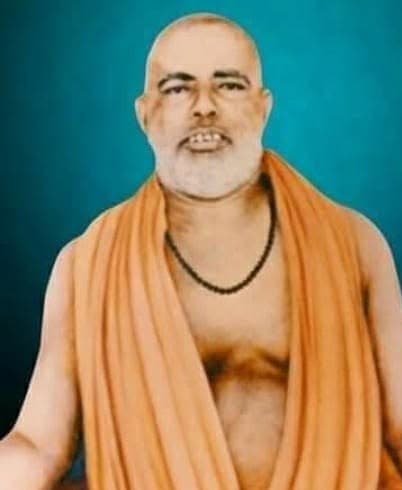
Sri Udiya Baba · Modern
Hindiसंगति— अगले श्लोक में भगवान् अर्जुन को सकाम कर्म से उपराम होकर आत्मपरायण होने की आज्ञा देते हैं—
भावार्थ— अर्जुन! वेद तीनों गुणों के कार्यरूप संसार को विषय करने वाले हैं; अतः तुम असंसारी, द्वन्द्वहीन, सर्वदा सत्त्व में स्थित, योग-क्षेम न चाहने वाले और आत्मपरायण होओ।
व्याख्या— श्रुति कहती है—“यः वेदानपि संन्यसति स तरति स तरति लोकांस्तारयति” अर्थात् जो वेदों (वेदों के कर्मकाण्ड) को भी त्याग देता है वह स्वयं तो तरता ही है, सम्पूर्ण लोकों को भी तार देता है। तीनों गुणों के कार्यरूप संसार का प्रतिपादन करने वाले वैदिक कर्मकाण्ड के चक्कर में मत फँसो। कर्मकाण्ड तो संसार को ही बढ़ाता है। अतः भगवान् मुमुक्षु को लक्ष्य करके कहते हैं कि हे अर्जुन! तुम तीनों गुणों से रहित हो जाओ, निर्द्वन्द्व हो जाओ अर्थात् नाम-रूप में आसक्त मत होओ अथवा राग-द्वेषादि द्वन्द्वों में मत पड़ो। नित्य सत्त्व में स्थित रहो। आनन्द रूप कोश ही नित्य सत्त्व है अतः चलते—
फिरते प्रत्येक समय सत्त्वगुण में स्थित रहो। योग अर्थात् शरीर के भोग्य पदार्थों की चिन्ता मत करो तथा क्षेम अर्थात् शरीर को सर्पादि के उपद्रव से सुरक्षित रखने की भी चेष्टा मत करो, क्योंकि शरीर के योग-क्षेम प्रारब्धाधीन हैं और आत्मदृष्टि से तो इनका अभाव ही है।
अथवा अप्राप्त वस्तु की प्राप्ति का नाम योग और प्राप्त की रक्षा का नाम क्षेम है। अप्राप्त तो केवल भगवान् की भक्ति ही है, अन्य पदार्थ तो प्रारब्धानुसार प्राप्त हो ही जाते हैं। भक्ति तो केवल भगवान् की कृपा से ही प्राप्त होती है और उनकी कृपा से ही सुरक्षित रहती है। अतः 'निर्योगक्षेम' का अर्थ है कि तू यह चिन्ता भी छोड़ कि भगवान् कृपा करें। तू आत्मवान् हो अर्थात् अनात्मा में अहंबुद्धि न रख। जिसको सम्पूर्ण प्रपञ्च केवल प्रतीतिमात्र अनुभव होता है, केवल स्वरूपसत्ता ही भान होती है वही आत्मवान् है। जिसे आत्मरति होती है उसकी आत्मा में वैसी ही अहंबुद्धि हो जाती है जैसी कि बोध होने से पहले शरीर में थी। प्रत्येक कर्म करते हुए भी उसे आत्मबुद्धि बनी रहती है। वह अपने को शरीर नहीं मानता। इस प्रकार भगवान् अर्जुन को आत्मनिष्ठ होने का आदेश देते हैं।
प्रश्न— श्री विद्यारण्य स्वामी ने तो कहा है कि भोजनादि के समय अपने स्वरूप की विस्मृति हो जाय तो कोई हानि नहीं। परन्तु आप कहते हैं कि उसे हर समय स्वरूप की स्मृति रहती है।
उत्तर— ऐसे ही अनेकों प्रमाण हैं। अध्याय ४ श्लोक ३५ में भगवान् ही कहते हैं— 'यज्ज्ञात्वा न पुनर्मोहमेवं यास्यसि पाण्डव।' अतः उसे स्वरूप की विस्मृति नहीं होती। निस्त्रैगुण्य होने पर ही निर्द्वन्द्व हो सकता है। जब वेदोक्त सकाम कर्म का त्याग करेगा तभी निर्द्वन्द्व होगा, निर्द्वन्द्व होने पर ही नित्य सत्त्वस्थ होगा, नित्यसत्त्वस्थ होने से निर्योगक्षेम होगा और निर्योगक्षेम होने पर ही आत्मवान् होगा। अथवा यहाँ निस्त्रैगुण्य ही सिद्धान्त है, शेष सब साधन है।
प्रश्न— नित्यसत्त्वस्थ और आत्मवान् में क्या अन्तर है?
उत्तर— जो त्रिगुणातीत होते हुए भी तीनों गुणों में रहता है, परन्तु गुण उस पर अपना प्रभाव नहीं डालते वही नित्यसत्त्वस्थ है; जैसाकि कहा है—“निस्त्रैगुण्ये पथि विचरतां को विधिः को निषेधः।” और तीनों गुणों से रहित तब होगा जब आत्मा में स्थिति होगी। वही आत्मवान् है। अर्थात् ‘नित्यसत्त्वस्थ’ बोधवान् के अन्तःकरण की वृत्ति को लक्ष्य करके कहा गया है और ‘आत्मवान्’ स्वरूप-स्थिति की दृष्टि से। ऐसा होने पर फिर उसे कोई कर्तव्य नहीं रह जाता।
प्रश्न— क्या बोधवान् को कोई कर्तव्य नहीं रह जाता?
उत्तर— राजा अजातशत्रु ने ऋषियों के मुख से सुना कि संसार के सारे कर्मों का फल रैक्व को प्राप्त होता है, क्योंकि रैक्व बोधवान् है और सारा संसार बोधवान् का शरीर है। अतः सब कुछ वही तो करता है। ऐसा कौन कर्म है जो वह नहीं करता, अतः उसे क्या कर्तव्य शेष रहेगा।
Swami Ramsukhdas · Modern
Hindi'त्रैगुण्यविषया वेदाः'—यहाँ वेदोंसे तात्पर्य वेदोंके उस अंशसे है, जिसमें तीनों गुणोंका और तीनों गुणोंके कार्य स्वर्गादि भोग-भूमियोंका वर्णन है।
यहाँ उपर्युक्त पदोंका तात्पर्य वेदोंकी निन्दामें नहीं है,
* वास्तवमें असली सेवा त्यागीके द्वारा ही होती है अर्थात् भोग और संग्रहकी इच्छा सर्वथा मिटनेसे ही असली सेवा होती है, अन्यथा नकली सेवा होती है। परन्तु उद्देश्य असली (सबके हितका) होनेसे नकली सेवा भी असलीमें बदल जाती है।
वेदोंके सकामभावका वर्णन आया है, निन्दाके लिये नहीं। वेद केवल तीनों गुणोंका कार्य संसारका ही वर्णन करनेवाले हैं, ऐसी बात भी नहीं है। वेदोंमें परमात्मा और उनकी प्राप्तिके साधनोंका भी वर्णन हुआ है।
‘निस्वैगुण्यो भवार्जुन’—हे अर्जुन! तू तीनों गुणोंके कार्यरूप संसारकी इच्छाका त्याग करके असंसारी बन जा अर्थात् संसारसे ऊँचा उठ जा।
‘निर्द्वन्द्वः’—संसारसे ऊँचा उठनेके लिये राग-द्वेष आदि द्वन्द्वोंसे रहित होनेकी बड़ी भारी आवश्यकता है; क्योंकि ये ही वास्तवमें मनुष्यके शत्रु हैं अर्थात् उसको संसारमें फँसानेवाले हैं (गीता—तीसरे अध्यायका चौतीसवाँ श्लोक)। इसलिये तू सम्पूर्ण द्वन्द्वोंसे रहित हो जा।
यहाँ भगवान् अर्जुनको निर्द्वन्द्व होनेकी आज्ञा क्यों दे रहे हैं? कारण कि द्वन्द्वोंसे सम्मोह होता है, संसारमें फँसावट होती है (गीता—सातवें अध्यायका सत्ताईसवाँ श्लोक)। जब साधक निर्द्वन्द्व होता है, तभी वह दृढ़ होकर भजन कर सकता है (गीता—सातवें अध्यायका अट्ठाईसवाँ श्लोक)। निर्द्वन्द्व होनेसे साधक सुखपूर्वक संसार-बंधनसे मुक्त हो जाता है (गीता—पाँचवें अध्यायका तीसरा श्लोक)। निर्द्वन्द्व होनेसे मृदुता चली जाती है (गीता—पन्द्रहवें अध्यायका पाँचवाँ श्लोक)। निर्द्वन्द्व होनेसे साधक कर्म करता हुआ भी बँधता नहीं (गीता—चौथे अध्यायका बाईसवाँ श्लोक)। तात्पर्य है कि साधककी साधना निर्द्वन्द्व होनेसे ही दृढ़ होती है। इसलिये भगवान् अर्जुनको निर्द्वन्द्व
होनेकी आज्ञा देते हैं।
दूसरी बात, अगर संसारमें किसी भी वस्तु, व्यक्ति आदिमें राग होगा, तो दूसरी वस्तु, व्यक्ति आदिमें द्वेष हो जायगा—यह नियम है। ऐसा होनेपर भगवान्की उपेक्षा हो जायगी—यह भी एक प्रकारका द्वेष है। परन्तु जब साधकका भगवान्में प्रेम हो जायगा, तब संसारसे द्वेष नहीं होगा, प्रत्युत संसारसे स्वाभाविक उपरति हो जायगी। उपरति होनेकी पहली अवस्था यह होगी कि साधकका प्रतिकूलतामें द्वेष नहीं होगा; किन्तु उसकी उपेक्षा होगी। उपेक्षाके बाद उदासीनता होगी और उदासीनताके बाद उपरति होगी। उपरतिमें राग-द्वेष सर्वथा मिट जाते हैं। इस क्रममें अगर सूक्ष्मतासे देखा जाय तो उपेक्षामें राग-द्वेषके संस्कार रहते हैं, उदासीनतामें राग-द्वेषकी सत्ता रहती है, और उपरतिमें राग-द्वेषके न संस्कार रहते हैं, न सत्ता रहती है; किन्तु राग-द्वेषका सर्वथा अभाव हो जाता है।
‘नित्यसत्त्वस्थः’—द्वन्द्वोंसे रहित होनेका उपाय यह है कि जो नित्य-निरन्तर रहनेवाला सर्वत्र परिपूर्ण परमात्मा है, तू उसीमें निरन्तर स्थित रह।
‘निर्योगक्षेमः’—तू योग और क्षेमकी इच्छा भी मत रख; क्योंकि जो केवल मेरे परायण होते हैं, उनके योगक्षेमका वहन में स्वयं करता हूँ (गीता—नवें अध्यायका बाईसवाँ श्लोक)।
‘आत्मवान्’—तू केवल परमात्माके परायण हो जा। एक परमात्मप्राप्तिका ही लक्ष्य रख।
**परिशिष्ट भाव—‘निर्द्वन्द्वः’**—वास्तवमें जड़-चेतन, सत्-असत्, नित्य-अनित्य, नाशवान्-अविनाशी आदिका भेद भी द्वन्द्व है। योग और क्षेमकी चाहना भी द्वन्द्व है। द्वन्द्व होनेसे ‘सब कुछ भगवान् ही हैं’—इस वास्तविकताका अनुभव नहीं होता। कारण कि जब सब कुछ भगवान् ही हैं, तो फिर जड़-चेतन आदिका द्वन्द्व कैसे रह सकता है? इसलिये भगवान्ने अमृत और मृत्यु, सत् और असत् दोनोंको अपना स्वरूप बताया है—‘अमृतं चैव मृत्युश्च सदसच्चाहमर्जुन’ (गीता ९। १९)।
सम्बन्ध—तीनों गुणोंसे रहित, निर्द्वन्द्व आदि हो जानेसे क्या होगा—इसे आगेके श्लोकमें बताते हैं।
१-एक ही विषयमें, एक ही वस्तुमें दो भाव कर लेना ‘द्वन्द्व’ है। परन्तु जहाँ विषय, वस्तु अलग-अलग होते हैं, वहाँ द्वन्द्व नहीं होता; जैसे—‘प्रकृति’ और ‘पुरुष’, ‘जड़’ और ‘चेतन’—इन दोनोंको अलग-अलग समझना द्वन्द्व नहीं है। ऐसे ही संसारसे विमुख होकर भगवान्के सम्मुख हो जाना द्वन्द्व नहीं है। परन्तु केवल संसारमें ही दो भाव (राग-द्वेष, हर्ष-शोक, सुख-दुःख आदि) हो जायें, तो यह द्वन्द्व हो जाता है और इसी द्वन्द्वमें मनुष्य फँसता है।
२-अप्राप्त वस्तुकी प्राप्तिका नाम ‘योग’ है और प्राप्त वस्तुकी रक्षाका नाम ‘क्षेम’ है।
३-यद्यपि यहाँ कर्मयोगका प्रकरण है, तथापि यहाँ ‘निर्योगक्षेमः’ पद भक्तियोगका वाचक मानना ठीक मालूम देता है। कारण कि भगवान्ने अर्जुनको जगह-जगह भक्त होनेके लिये आज्ञा दी है और अर्जुनको भक्तरूपसे स्वीकार भी किया है (४। ३)। भगवान्ने अपनेको भक्तोंका योग-क्षेम वहन करनेवाला भी बताया है (९। २२)।
Here we see the word traiguṇya indicating the three qualities of material nature being goodness, passion and ignorance. This term refers to the three groups of living entities characterised under the influence of these three aforementioned qualities.
If the Vedic scriptures did not address these three classes according to their predilections by prescribing the appropriate method for attainment of the heavenly spheres,
then those living entities under the influence of passion and ignorance would be adverse to goodness unwittingly hindering their own progress.
Also they would be in the dark as to how to advance themselves from their present position and being lost compounded by being full of desires they would fall into degradation falsely fancying it to lead the way to their goal; and in vain they would be ruined.
Hence the Vedic scriptures contain all that the threefold classification of living entities possessing different qualities could desire.
But ideally one should free themselves from passion and ignorance and devote oneself to increasing the quality of goodness fully. This increase should be pure without any dilution of passion and ignorance; all intermixture should be fully purged.
The word nirdvandvah means free from duality, devoid of any influence of material nature. Nitya-sattva- sthah is one who is ever wedded to increasing goodness without any trace of passion and ignorance.
How is this to be accomplished?
By being nir-yoga- ksema meaning one is completely unconcerned about acquiring any other advantage apart from the realisation of the soul and the means to effect that end. By this method one becomes ātmavan or established in the soul.
If one conducts oneself in this manner and remains fixed, the influence of passion and ignorance will cease and goodness will become predominant.