

Bhagavad Gītā · Chapter 2 · Sāṅkhya Yoga
अथ चैनं नित्यजातं नित्यं वा मन्यसे मृतम्
तथापि त्वं महाबाहो नैवं शोचितुमर्हसि
atha cainaṃ nityajātaṃ nityaṃ vā manyase mṛtam|
tathāpi tvaṃ mahābāho naivaṃ śocitumarhasi||
Word meanings
महाबाहो = O mighty-armed one
अथ = if
एनम् = this (embodied self)
नित्यजातम् = constantly born
वा = or
नित्यम् = constantly
मृतम् = dying
च = even
मन्यसे = you think
तथापि = even so
त्वम् = you
एवम् = thus
शोचितुम् = to grieve
न = not
अर्हसि = should
Translation
And, Arjuna, if you should suppose this soul to be subject to constant birth and death, even than you should not grieve like this.
Commentary
The commentators seated around this verse
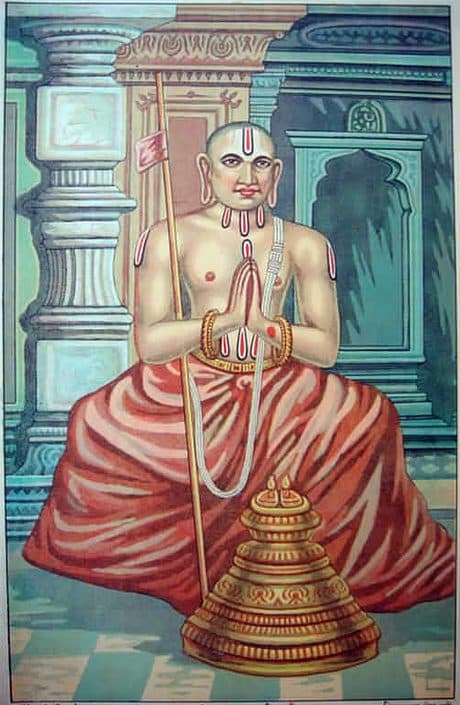
Rāmānuja · Viśiṣṭādvaita
English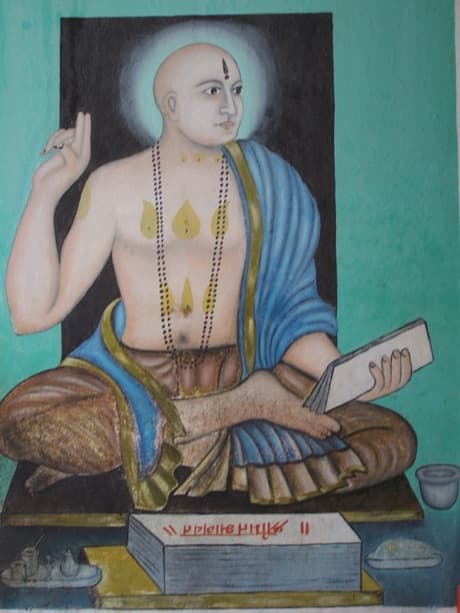
Madhvācārya · Dvaita
Madhva BhāṣyaSanskritEnglishOn verses 2.26–2.28
“अस्त्वेवमात्मनो नित्यत्वम् । तथाऽपि देहसंयोगवियोगात्मकजुनमूर्तीस्त एव । इत्यत अह अथ इति । कुतोऽशोकः? नियतत्वादित्याह – जातस्य पति । तदेव स्पष्टयति – अव्यक्तादीनि इति ।” – Thus even though the self is eternal, because of its association and dis-association with body (experiences as it were), birth and death as being certain. Thus He speaks in the verse. Why should one not grieve? Because of it (death) being according to Cosmic Order, thus he says in the verse. In this manner, He explains in the verse ‘अव्यक्तादीनि’.
Madhvācārya · Dvaita
Gītā Tātparya NirṇayaSanskritEnglishOn verses 2.26–2.28
“तिष्ठतु यावदयं विस्तारः । यावन्मोक्षं जीवस्य जन्ममरणे स्वयमेव मन्यसे, न तु नियमेन । तथापि तावन्मात्रेणापि ज्ञानेन शेच्छुं नाहसि ॥ नित्यं सनातनं प्रोक्तं नित्यं नियतमेव च । इति शब्दनिर्णये ॥ अत्र तु नियतम् । जातस्य हि ध्रुव । इति प्रकाशमानात् । तस्माद् नात्राऽश्चर्यवृद्धिः कर्तव्या ॥” –
Thus exists this expansive samsara. Until the Jiva finds deliverance, birth and death (of the body) are according to (Cosmic) order, and which you, Arjuna, would agree as the natural order. Therefore, even after such little knowledge, you do not deserve to get worried. “Eternal, permanent (it is) said to be, and also eternal and ever according to Cosmic order” thus according to Shabda Nirnaya. Here (also) it is according to Cosmic Order. . ‘For one who is born,(death) is certain...’ thus having been expressed. Therefore, in this context there is no cause to be surprised.
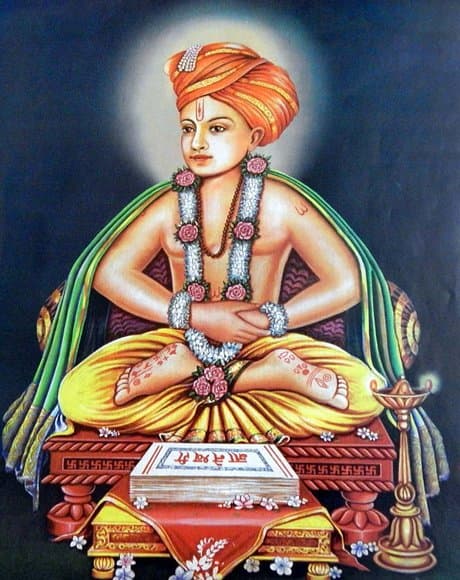
Jñāneśvar · Vārkarī
English26 "And even wert thou to conceive him as constantly being born and as constantly dying, even so, O Longarmed, thou dost not do well to grieve. (152)
Or, even were you not to hold the soul to be indestructible but hold him to be destructible, still there is no reason for you, O Pārtha, to feel distressed. The waters of the Ganges always flow uninterruptedly. They flow at its source and even though they ultimately join the sea they continue flowing all through its course. So (the three conditions) the beginning, the continuance, and the decay, go on eternally and are, know Ye Pārtha, entirely inevitable to all the beings. This state of things (exists) from time immemorial and therefore you should not in vain lament for it. Or if this reasoning does not appeal to you, know Ye then that all beings are subject to birth and death. The birth and death being inevitable, there is no reason for you to feel distressed.
Swami Ramsukhdas · Modern
English'Atha cainaṁ nityajātaṁ nityaṁ vā manyase mṛtam tathāpi tvaṁ mahābāho naivaṁ śocitumarhasi'—Lord Kṛṣṇa, by using the
terms, such as 'atha ca' and 'manyase' means that it is a fact that the soul is unborn (Gītā 2/20), yet if you accept the contrary, you should not grieve, because one who is born is bound to die, and one who dies, is bound to be reborn. None can escape this eternal rule.
A seed sown in the earth, assumes different shapes—sprout, plant, tree and then it dries up and decays. The fact is, that the seed undergoes change, every moment. If this seed had remained the same, even for a moment; how had it passed different stages upto the last one of its drying up, as a tree? It gave up its prior form—it is its death; and it assumes a new shape—it is its birth. Thus it passes, through birth and death, every moment. Similarly, this body also undergoes a change, every moment. Sperm gets mixed with ovum and the mixture, grows into a baby which is born. With its birth, the process of death sets in, which culminates in death. Thus, this body undergoes a continuous change i.e., it is born, it decays and dies.
Therefore Lord Kṛṣṇa says to Arjuna that even if he holds the view that the soul undergoes birth and death like a body, there is still no ground for grieving.
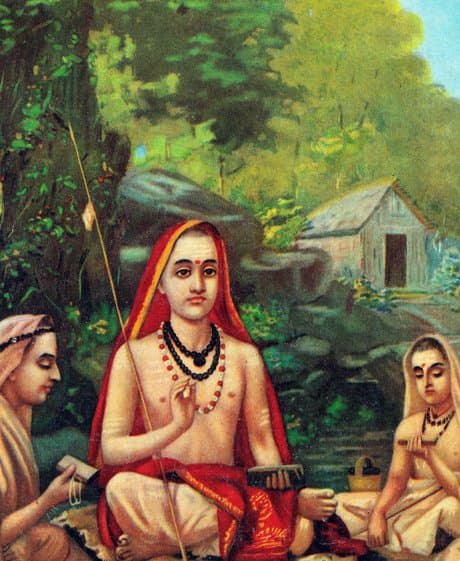
Ādi Śaṅkarācārya · Advaita
Sanskritअथ च इति अभ्युपगमार्थः । एनं प्रकृतमात्मानं नित्यजातं लोकप्रसिद्ध्या प्रत्यनेकशरीरोत्पत्ति जातो जात इति मन्यसे प्रतितत्तद्विनाशं नित्यं वा मन्यसे मृतं मृतो मृत इति ; तथापि तथाभावेऽपि आत्मनि त्वं महाबाहो, न एवं शोचितुमर्हसि, जन्मवतो जन्म नाशवतो नाशश्चेत्येताववश्यम्भाविनाविति ॥ तथा च सति --
Ādi Śaṅkarācārya · Advaita
Hindiऔपचारिक रूपसे आत्माकी अनित्यता स्वीकार करके यह कहते हैं—
'अथ' 'च' ये दोनों अव्यय औपचारिक स्वीकृतिके बोधक हैं ।
यदि तू इस आत्माको सदा जन्मनेवाला अर्थात् लोकप्रसिद्धिके अनुसार अनेक शरीरोंकी प्रत्येक उत्पत्तिके साथ-साथ उत्पन्न हुआ माने तथा उनके प्रत्येक विनाशके साथ-साथ सदा नष्ट हुआ माने ।
तो भी अर्थात् ऐसे नित्य जन्मने और नित्य मरनेवाले आत्माके निमित्त भी हे महाबाहो! तुझे इस प्रकार शोक करना उचित नहीं है; क्योंकि जन्मनेवालेका मरण और मरनेवालेका जन्म, यह दोनों अवश्य ही होनेवाले हैं
Jñāneśvar · Vārkarī
Marathiअथवा ऐसा नेणसी । तूं अंतवंतचि हें मानिसी । तर्ही शोचूं न पवसी । पंडुकुमरा ॥ १५२ ॥
जे आदि-स्थिती- अंतु । हा निरंतर असे नित्यु । जैसा प्रवाहो अनुस्यूतु । गंगाजळाचा ॥ १५३ ॥
तें आदि नाहीं खंडले । समुद्रीं तरी असे मिनलें । आणि जातचि मध्यें उरले । दिसे जैसें ॥ १५४॥
इये तिन्हीं तयापरी । सरसींच सदा अवधारीं । भूतांसी कवणीं अवसरीं । ठाकती ना ॥ १५५ ॥
म्हणोनि हे आघवें । एथ तुज न लगे शोचावें । जे स्थितीची हे स्वभावें । अनादि ऐसी ॥ १५६ ॥
ना तरी हे अर्जुना । न येचि तुझिया मना । जे देखोनि लोकु अधीना । जन्मक्षया ॥ १५७ ॥
तरी येथ कांही । तुज शोकासि कारण नाहीं । जे जन्ममृत्यु हे पाहीं । अपरिहर ॥ १५८ ॥
Jñāneśvar · Vārkarī
Hindi(2.152) अथवा यदि यह न मानो, यदि जगत् को नाशवन्त मानो तथापि हे अर्जुन, शोक करना उचित नहीं है।
(2.153) क्योंकि जैसे गंगा के जल का प्रवाह अखण्ड है वैसे ही उत्पत्ति, स्थिति, और लय सर्वदा है।
(2.154) जैसे गंगाजल उद्गम में अखण्डित है, समुद्र में भी सदा मिला हुआ बना है और बीच में भी प्रवाह में बहता हुआ दिखाई देता है;
(2.155) वैसे ही प्राणिमात्र में ये तीनों अवस्थाएँ सर्वदा एक के अनन्तर एक आती ही रहती है, कभी रुकती नहीं।
(2.156) इसलिए इस सब जगत् के विषय तुम्हें शोक करने की आवश्यकता नहीं है। क्योंकि अनादि काल से सृष्टिक्रम स्वभावतः ऐसा ही चला आता है। (2.157) अथवा, हे अर्जुन! संसार को जन्म-मृत्यु के अधीन देख कर यदि तुम उपर्युक्त बात न मानो
(2.158) तो भी तुम्हें शोक करने का कारण नहीं है; क्योंकि जन्म और मृत्यु कभी टल नहीं सकते।
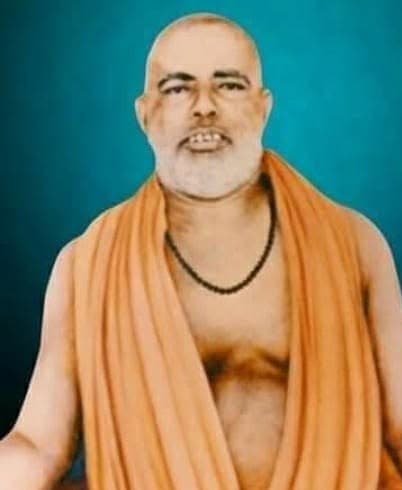
Sri Udiya Baba · Modern
Hindiसंगति— यहाँ तक परमार्थ दृष्टि से शोक न करने की बात कही गयी। अब विशुद्ध व्यावहारिकी दृष्टि से भी शोक नहीं करना चाहिये— यह बात अगले श्लोक से कहते हैं—
भावार्थ— यदि तुम इस आत्मा को नित्य जन्मने और मरने वाला समझते हो तो भी हे महाबाहो! तुम्हें इस प्रकार शोक नहीं करना चाहिये।
व्याख्या— यहाँ युद्ध के लिये आज्ञा देने का प्रसंग है। भगवान् अर्जुन का शोक दूर करके उसे युद्ध में लगाना चाहते हैं, क्योंकि यह उसका कर्तव्य है। इसलिये वे 'महाबाहो' कहकर सम्बोधन करते हैं। इससे वे अर्जुन को उत्साहित करते हुए कहते हैं कि तुम महाबाहु हो, इसलिए युद्ध करो, तुम्हारी विजय होगी।
Swami Ramsukhdas · Modern
Hindi‘अथ चैनं ...शोचितुमर्हसि’—भगवान् यहाँ पश्चान्तरमें ‘अथ च’ और ‘मन्यसे’ पद देकर कहते हैं कि यद्यपि सिद्धान्तकी और सच्ची बात यही है कि देही किसी भी कालमें जन्मने-मरनेवाला नहीं है (गीता—दूसरे अध्यायका बीसवाँ श्लोक), तथापि अगर तुम सिद्धान्तसे बिलकुल विरुद्ध बात भी मान लो कि देही नित्य जन्मनेवाला और नित्य मरनेवाला है, तो भी तुम्हें शोक नहीं होना चाहिये। कारण कि जो जन्मेगा, वह मरेगा ही और जो मरेगा, वह जन्मेगा ही—इस नियमको कोई टाल नहीं सकता।
अगर बीजको पृथ्वीमें बो दिया जाय, तो वह फूलकर अंकुर दे देता है और वही अंकुर क्रमशः बढ़कर वृक्षरूप हो जाता है। इसमें सूक्ष्म दृष्टिसे देखा जाय कि क्या वह बीज एक क्षण भी एकरूपसे रहा? पृथ्वीमें वह पहले अपने कठोररूपको छोड़कर कोमलरूपमें हो गया, फिर कोमलरूपको छोड़कर अंकुररूपमें हो गया, इसके बाद
अंकुररूपको छोड़कर वृक्षरूपमें हो गया और अन्तमें आयु समाप्त होनेपर वह सूख गया। इस तरह बीज एक क्षण भी एकरूपसे नहीं रहा, प्रत्युत प्रतिक्षण बदलता रहा। अगर बीज एक क्षण भी एकरूपसे रहता, तो वृक्षके सूखनेतककी क्रिया कैसे होती? उसने पहले रूपको छोड़ा—यह उसका मरना हुआ, और दूसरे रूपको धारण किया—यह उसका जन्मना हुआ। इस तरह वह प्रतिक्षण ही जन्मता-मरता रहा। बीजकी ही तरह यह शरीर है। बहुत सूक्ष्मरूपसे वीर्यका जन्तु रजके साथ मिला। वह बढ़ते-बढ़ते बच्चेके रूपमें हो गया और फिर जन्म गया। जन्मके बाद वह बढ़ा, फिर घटा और अन्तमें मर गया। इस तरह शरीर एक क्षण भी एकरूपसे न रहकर बदलता रहा अर्थात् प्रतिक्षण जन्मता-मरता रहा।
भगवान् कहते हैं कि अगर तुम शरीरकी तरह शरीरीको भी नित्य जन्मने-मरनेवाला मान लो, तो भी यह शोकका विषय नहीं हो सकता।
Here the Supreme Lord Krishna gives Arjuna another reason not to lament for He states that even if one considers the eternal soul to be the same as the physical body which is subject to incessant births and deaths and not a separate and distinct reality;
then still there is no need for grief because from birth the ageing of the physical body due to the passage of time leads to death and birth and death is a law of nature in the material existence and unavoidable.