

Bhagavad Gītā · Chapter 2 · Sāṅkhya Yoga
अच्छेद्योऽयमदाह्योऽयमक्लेद्योऽशोष्य एव च
नित्यः सर्वगतः स्थाणुरचलोऽयं सनातनः
acchedyo'yamadāhyo'yamakledyo'śoṣya eva ca|
nityaḥ sarvagataḥ sthāṇuracalo'yaṃ sanātanaḥ||
Translation
For this soul is incapable of being cut; it is proof against fire, impervious to water and undriable as well. This soul is eternal, omnipresent, immovable, constant and everlasting.
Commentary
The commentators seated around this verse

Rāmānuja · Viśiṣṭādvaita
EnglishOn verses 2.23–24
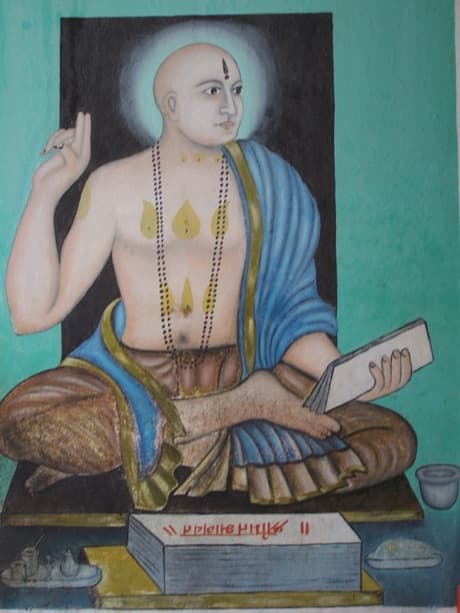
Madhvācārya · Dvaita
Madhva BhāṣyaSanskritEnglish“वर्तमाननिषेधात् स्याद् उत्तरत्र? इत्याह – अच्छेद्या इति | वर्तमानदर्शनाद् युक्तमयोग्यत्वम् इति सूचयति वर्तमानापदेशेन | कुतोऽयोग्यता? नित्यसर्वगतादिविसपणेश्वरसरूपत्वात् | शाश्वत इत्येकरूपत्वमात्रं उक्तम् | स्थाणु शब्देन नैमित्तिकमन्यथात्वं निवारयति | नित्यत्वं सर्वगतत्वविशेषणम् | अन्यथा पुनरुक्तेः | ऐक्योक्तापि अनुक्तविशेषणोपादानान् नैप्येक्ये पुनरुक्तिः | युक्ताश्च विम्बधर्माः प्रतिविम्बोऽविरोधे | तत्ता च - रूपं रूपं प्रतिरूपो वभूव | आभास एव च इत्यादि श्रुतिस्मृतिसिद्धा | नचांशत्वविरोधः | तस्यैवांशत्वात् | नचैकरूपैवांशता | प्रमाणं चोभयविधवचनमेव | नचांशस्य प्रतिविम्बत्वं कल्प्यम् | गाध्याधिष्वपि अंशवाहुल्यदृष्टेरितरत्र अदृष्टेः | स्थाणुत्वेपि ऐक्षत इत्याद्यविरुद्धमीश्वरस्य | उभयविधश्वाक्यात् | अचिन्त्यशक्तेश्च | न च माययैकम् - त्वयीश्वरे ब्रह्मणि नो विरुद्ध्यते | न योगित्वादीश्वरत्वात् चित्रं नचेतत् त्वयि कार्यकारो इत्यादैश्वर्येणैव विरुद्धधर्माविरोधोक्ते ||” - By denying indestructibility (of Jiva) in the present instance, possibility of such destruction in future is here indicated by the words अच्छेद्य. By showing the present instance the incapability of destruction (of Jiva) the future also is suggested. How is it incapable of destruction? By considering the essential constituent of Jiva as being eternal and all-pervading, reflecting those of the Lord. By the word स्थानु- immoveable, any other common doubt is removed. (Similarly) by such words like नित्यः - the everlasting, सनातनः - eternal, सर्वागतः - all-pervading and such other attributes. Otherwise all these will be merely repetitive. Having once said that Jiva is the reflection of the Lord, the attributes once spoken but not repeated will not be considered as defect. Because of the capability of the attributes of the बिम्ब (original) being evident in प्रतिबिम्ब (reflection), without any deviation. By (Upanishadic) statements रूप रूप प्रतिरूपो बभूव in each and every form he creates reflection, or आभास एव च - like reflection, as it were, (in Brahmasutra) it is further established. There is no contradiction that Jiva is a fragment (अंश of the Lord). (In stating that Jiva) is fragment, because it is reflection, it is in that manner a fragment Reflection is but a fragment of the Complete, अंश has been used in both the senses. (For instance), Vishvamitra (Gadhi) has been said to be the fragment (of Indra). Because of many similar other examples. Similarly words like स्थानु and ऐक्षत are not contradictory due to His being the Supreme One, both the words having been used (in the scriptures) because of the incapability of conceptualizing Him. (Such statements) are not because of the effect of illusion. 'In You being the Supreme Lord, in Brahman, there can be no contradiction'. 'No (contradiction) because of His being Yogi and Supreme Lord'. 'Since You are the Primary Cause and the Effect of all these varied manifestation'. By many such statements, the possibility of His having seeming contradictory attributes, though they are not so in themselves. Because of the final conclusion (that in Him alone are all contradictions resolved). In deliverance alone is the human's great achievement (fulfilled). 'Therein alone is the deliverance that is the final goal'. In the (two) ends alone they will revel, not in the (two) middle ones. In the (two) ends alone, they will find happiness not in the (two) middle ones. 'The worlds gained from merits dissipate.' Due to such statements in the scriptures.
“महातात्पर्याश्च | मापक्षो हि महापुरुषार्थः | तत्रापि मोक्ष एवार्थः | अन्तेषु रेमिरे धीराः न ते मध्येषु रेमिरे | अन्तप्राप्तिं सुखं प्राहुर्दुर्बलमन्तरमेतयोः || पुण्यचित्तो लोकः क्षीयते | - इत्यादिश्रुतिस्मृतिभ्यः || स च विष्णुप्रसादादेव सिद्धयति - वासुदेवमनाराध्यं को मोक्षं समवाप्नुयात् | तुष्टे तु तत्र किमलभ्यमनन्त ईशे | तत्प्रसादावाप्नोभि परां सिद्धिं न संशयः || येषां स एव भगवान् दययेदनन्तः सर्वात्मना श्रितपदी यदि निर्व्यळीक्रम | ते वै विदन्त्यतितरन्ति च देवमायां येषां ममाहमिति श्वमुगालभक्ष्ये || तमिन् प्रसन्ने किमिहास्त्यलभ्यं धर्मार्थं कर्मिरलमल्पकारते | ऋते यदस्मिन् भव ईश जीवास्तापत्रयेणोपहृता न शर्म | आत्मन् लभन्ते भगवस्तदाद्विच्छायांशविद्यामतं आश्रयेम् || ऋते भवत्प्रसादाद्वि कस्यथ मोक्षो भवेदिह, तमेव विद्वान् इत्यादिश्रुतिस्मृतिभ्यः ||” - That (deliverance) is available only when the grace of Sri Vishnu is well established. 'When Vasudeva is adored, how could deliverance be not achieved?' 'If the eternal Lord is pleased what could not be possible I' 'By receiving the grace of the Lord one gets the deliverance, of this there is no doubt'. In whom the very Lord has everlasting compassion, if he cleanses the Self of all deceptions, he will surely not have the arrogance as 'mine' or as 'I' regarding the body which is food for the dogs and foxes. He, verily, realizing the supremacy of the Lord, win be able to transgress the illusory life'. 'If He is pleased, what, verily, is not possible? Then even Dharma, artha, kaama are not needed, because they, grant, without doubt, the fruits which are permanent'. 'O Lord! Always be my protector, because one does not enjoy life which is burning with three-fold miseries. Therefore I seek refuge in the Lord's feet, which is the source of happiness.' 'When the Lord's eternal support is available to him, how can there be no deliverance?' 'You, verily, are the Knower'. Thus declare the Scriptures and the rest
“सा चोत्कर्षज्ञानादेव भवति | लोकसिद्धेः | लोकसिद्धविदुरं अत्रापि अङ्गीकार्यम् | अहल्याजारत्याद्यपि दोषकृतोऽपि ते न बहुतारो लेप आसीदित्युक्तर्षमेव वक्तिः | बहुमरकफलो ह्यसौ | तस्य लोम च न मीयते | इति श्रुत्यान्तराश्च || यो मामेव सम्मूढो जानाति पुरुषोत्तमम् | इति तदुक्तेश्च || सत्यं सत्यं पुनः सत्यं शपथेश्चापि कोटिभिः | विष्णुमाहात्म्यलेपस्य विभक्तस्य च कोटिधा | पुनश्चानन्तधा तस्य पुनश्चापि ह्यनन्तधा | नैकांशसममाहात्म्याः श्रीशेषवक्षशङ्कराः || इति नारादीये || अन्योत्कर्ष ऐक्यां च तथैव सर्वशास्त्रेषु महाभारतमुत्तमम् | को ह्यन्यः | इदादिग्न्याध्नरसिद्ध उत्कर्षमहाभारतविदुरम् || तत्र हि - नास्ति नारायणमृतं न भूतं न भविष्यति | एतेन सत्यवाक्येन सर्वार्थान् साधयाम्यहम् || यस्य प्रसादजो ब्रह्मा रुद्रश्च क्रोधसम्भवः | न त्वसमोऽस्ति | इत्यादिषु साधारणप्रश्नावसर एव महान्तमुक्तर्ष विष्णोर्वक्तिः | अन्यत्र यत्किञ्चिद् उक्तावप्यसाधारणः एवावसरे || - That (grace resulting in deliverance) is possible only with increase in knowledge. This is well-established in the worlds. This well-established fact in the world should be accepted here itself as uncontroverted fact. (Even the statement) 'the illicit-lover of Ahalya' becomes also a praise, because, 'even though illicit-love is reprehensible in normal cases, it does not bring demerit to you' this mantra is taken as eulogy of Indra. Normally, such demerit will take one to the worst of the hells. 'But his even one hair was not affected' says the scripture. '(Because) he who knows Me without any delusion as the Supreme Person, is, verily, the man of wisdom' (XV. 19), thus has been said (by the Lord in Gita). Thus, in Narada Puraana. Truth, Truth and again (it is) Truth, indeed, hundredth part of One hundred thousand, and even if innumerable parts are made of that hundredth part, and further innumerable parts made up again of that part, is the greatness of Sri, Shesha, Brahma or Shankara. This is the reason why the greatness of the heavenly gods is spoken only due to their relationship with the Supreme Lord Even if the greatness of or the similarity of other gods has been spoken - 'Even then, among all the scriptures, the best is Mahabharata. Who other than Sriman Narayan could compose such document similar to Mahabharata?' By such statements, the greatness of Mahabharata is established. Even there, it is mentioned that 'Equal to Sriman Narayana there was none in the past nor ever will be in future. All my desires, I will fulfill with this knowledge'. 'With whose pleasant face Brahma was born and Rudra through anger'. 'No one a-similar nor any superior (to Him)'. This statement was not in normal context but in reply to specific query. In other cases, the statement was made in exceptional circumstances in respect of those gods alone.
“तद्व्याग्न्यादेरपि वेदादवस्ति - त्वम् अग्न इन्द्रो वृषभः सताम् असि त्वं विष्णुर् उरुगायो नमस्यः | विश्वस्याफिन्द्रः उत्तरः | इत्यादिषु || तद्गन्धविरोधाच्च | तथा हि स्कान्दे शैवे - यदन्तरं व्याघ्रहरीन्द्रोवने यदन्तरं मेरुगिरीन्द्रोविन्ध्ययोः | यदन्तरं सूर्यसुरेद्र्यविम्बयोस्तदन्तरं रुद्रमहेन्द्रयोरपि | यदन्तरं सिगजेन्द्रयोरपि यदन्तरं सूर्यशशाङ्कयोर्दिवि | यदन्तरं जान्हवीसीयकन्ययोस्तन्तरं ब्रह्मगिरीशयोरपि | यदन्तरं प्रलयजवारिविप्रयोर्यदन्तरं स्तम्बहिरण्यगर्भयोः | स्फुल्लिङ्गसंवर्तकयोर्यदन्तरं विष्णुहिरण्यगर्भयोः | अनन्तत्वामहाविष्णोस्तन्तरमनन्तकम् | माहात्म्यसूचनार्थाय ह्युदाहरणनीरितम् । तत्समोऽभ्यधिको वापि नास्ति कश्चिद् कदाचन । एतेन सत्यवाञ्छेन तमेव पविशाम्यहम् ॥ इत्यादाह ॥” - In such circumstances Agni and others have been referred to - “You are Agni, Indra, the supreme, the embodiment of Truth; You are the adorable Vishnu.” In Universe, Indra is the Supreme One’, thus in similar Vedic statements. The supremacy of Shiva and others has been told in their respective puraanaas. Even in Skanda Puraana, it has been said: The difference which exists between the tiger and the lion, between the mountains Meru and Vindhya, between Sun and its great reflections, the same difference exists in Rudra and Indra. The difference which exists between lion and the elephant in the forests, that which exists between the Sun and the Moon in the sky, that which exists between the Ganga and Yamuna in rivers, the same difference also exists in Brahma and Girisha. The difference which exists between the waters at the time of Dissolution and the little drops of water, that which exists in the Pillar (Brahman) and Hiranyagarbha, that which exists between the spark and the Fire at the time of Dissolution, the same difference exists between Sri Vishnu and the Hiranyagarbha. Being Eternal, the difference between the Supreme Sri Vishnu and others is incomparable. To indicate the supremacy, examples like none similar or none superior, One exists everywhere and every moment. By such statements You alone are adored.
“तत्रैव शिवं प्रति मार्कण्डेयवचनम् - संसारार्णवनिर्मल इदानी मुक्तिमेष्यसि । इत्यादि । पादमे शैवे मार्कण्डेयकथाप्रबन्धे शिवान्निषिध्य विष्णोरेव मुक्तिमाह अहं भोगप्रदो वत्स मोक्षदस्तु जनार्दनः । इत्यादि । समबाह्मविरोधाश्च । वेदैश्चितिहासाद्यविरोधेन योज्यः । यदि विद्यात् इत्यादि वचनात् । अनिर्णयाच्चेदादिशङ्कथाऽन्यथा । तत्रापीष्टसिद्धिः । नामवैशेष्यात् । अतो भगवदुत्कर्ष एव सर्वागममहाताध्वर्यम् । तथापि स्वतः प्रामाण्यात् सन्नेवोच्यते । अविरोधात् । न च प्रमाणसिद्धस्यान्यत्र अदृष्ट्याऽपन्नावो युक्तः । धमपवैचित्र्याद् अर्थानाम् । स्वतः प्रामाण्यर्नीकारे मानोक्तावदोपत्वं च साधयेद् इत्यतिप्रसङ्गः । अनन्यपेक्षया च तत्परत्वं सिद्धमागमानाम् - नारायणापरा वेदाः, सर्वे वेदाः यत्पदमानन्ति, वासुदेवपरा वेदाः इति । नचैतद् विरुद्धम् । ईश्वरनियमात् । अनादौच तत् सिद्धम् । द्रव्यं कर्म च कालश्च इत्यादौ । प्रयोजकत्वं तु पूर्वोक्तन्यायेन । अतः सिद्धमेतत् ॥” - Even the statement of Markandeya referring to Shiva: “You, who are submerged in the sea of Samsara, will by this be delivered.” In Padma Puraana, in the section relating to Shiva, in the episode of Markaandeya it is said, “अहं भोगप्रदो वत्स मोक्षप्रदोस्तु जनार्दनः ।” - I grant the pleasures to be enjoyed by senses; deliverance is granted only by Janardhana. Such statements opposing equality (of others) with Brahman. Vedas should be interpreted with the assistance of Itihas (Mahabharata) without any contradiction. As clarified in the statement यदि विद्यात्. Otherwise doubt will arise about (the status) of Indra and the rest. The distinctive nature will be established by the special attribute of Sri Vishnu's name. Thus the supremacy of the Resplendent Lord is the conclusion from all the scriptures. Even then by well established premises, the truth (about Sri Vishnu's supremacy) is established. There being no other opposition (to this premise). For things which are established conclusively, it is not proper to submit other evidences. Since strange attributes are common in things, seeing them in others should not make one conclude their absence in Sri Vishnu. In establishing one premise if assistance of another premise is required, then there is possibility of demerit in such approach. Without purposeful intent but because of His being Supreme due to scriptures, Sriman Narayan is the conclusion of all Vedas. “All the Vedas, speak of only Sriman Narayana”, “Sri Vasudeva is the goal of all Vedas'. This not contradiction. It is so ordained by the Lord. And being Eternal. It is so established, like elements, actions, time etc. Therefore Vedas exist without any ascertained purpose other than the adoration of the Lord. By this also it is established (that final goal of Vedas is the adoration of Sri Vishnu).
“तच्चानन्यपेक्षाचिन्त्यशक्तित्व एव युक्तम् | अतो न मायामयमेकम् | अचलत्वं तु अपहर्षमानन्दम् अदुःखमसुखम् | न प्रज्ञम् | असहै | इत्यादिवत् | क्रियादृष्टेः - तपो मे हृदयं साक्षात् कर्तुर्विद्या क्रियाऽऽकृतिः | इत्यादुक्तेः | अतश्च न मायामयं सर्वम् | ऐश्वर्यवाची भग शब्देनैव सम्बोधनाच्च तं त्वा भग इत्यादि स्वरूपात्वान्न मायामयत्वं युक्तम् | विज्ञानशक्तिरहमासमनन्तशक्तेः | मय्यनन्तगुणेऽनन्ते गुणतोऽनन्तविग्रहेऽ पराऽस्य शक्तिर्वि विधैव श्रूयते स्वाभाविकी ज्ञानबलक्रिया इत्यादिवचनात् ||” - For the formless Lord, Wisdom is the form. It is endowed by His own inalienable power of independence. It is not product of Illusion. 'Immovable' should be understood like the statements: non-elated, non-pleased, non-painful, non-happy, non-knowing, non-truth. From the point of view of action: 'Austerity is my Heart and the body itself is the Learning, and action, verily, is my form', (the Lord is active agency). Therefore it is not like an Illusion. Due to the statements in Veda like, 'You are that wealth (Bhaga)' where the Lord is referred as Bhaga. (All these) being His forms, it is not proper to term them as Illusion. 'I, endowed with the form of science and power, was born of that unlimited (source of) power'. 'By one who has unlimited wisdom, unlimited attributes 'and unlimited forms, I (four-faced Brahma) was created'. 'His supreme power of multi faced form is heard to be of Wisdom, Power and Action' - by such other statements.
Madhvācārya · Dvaita
Gītā Tātparya NirṇayaSanskritEnglish“अच्छेद्यादिकं जीवस्यापि तत्समम् | अच्छेद्योऽयम् इति | नित्यं सर्वगते स्थितः अणुश्चायम् इति | सर्वं गतस्थाणुः | सर्वगतो विष्णुः | तदधीनत्वादिकं तत्समत्वम् || हेतुतोऽपि तत्समत्वात् चलति इति अचलः | नादेन शब्देन सह वर्तत इति सनातनः | नित्यं सर्वगते विष्णावणुर्जीवो व्यवस्थितः | नचास्य तदधीनत्वं हेतुतोऽपि विचाल्यते || निषेधविधिपात्रत्वात् सनतन इति स्मृतिः || इति महाविष्णुपुराणे || अच्छेद्योऽयम् इत्यादि पुनरुक्तिचान्यथा | यस्मिन्नयं स्थितः सोऽव्यक्ताचिन्त्यादिरूपः | एवं ज्ञातः परमेश्वरः सर्वदुःखनाशं करोति | इति नानुशोचितुमर्हसि | तेषामहं समुद्भूता इत्यादेः ||” - Jiva is uncleavable even as तत् - the Lord is. Eternal, dwelling in every side firmly established as an atom. is Sri Vishnu is firmly established on all sides, with all else subservient to him. Though the the ultimate goal never ceasing to be is his being immovable, identified by the Primal Sound, Jiva is ever resonant, perennial. Eternally exists under the control of the all-pervading Sri Vishnu; being under His control, makes him (the Jiva) immovable. Being attributed with inviolable rules (of Veda) be is known as सनातन - perennial, thus, in Maha Vishnu Puraana. He is said to be one who cannot be cut, again (to show similarity with Lord not equality). In whom this one (Jiva) is established, He is indescribable, unthinkable, without form. One who knows the Lord thus, all his miseries are destroyed. (Therefore) you need not sorrow. (Because), 'I always deliver them', as variously said.
“न त्वेवाहं जातु नाऽसं न त्वम् इत्युभयोरपि प्रस्तुतवत् | देहिनः शरीरिणः देही इति विशेषितत्वाच्च जीवस्य तत्र तत्र | अविनाशी तु येन सर्वमिदं ततम् अनशिनोऽप्रमेयस्य न प्रियते भूत्वा भविता न अविनाशीनम् अव्ययम् अव्यक्तोऽयमचिन्त्योऽयमविकार्योऽयम् || इति परमात्मनच्य | नहि जीवेन तत्तं सर्वम् | न च मख्यतो अप्रमेयो असौ | न च न म्रियते | न च अविनाशीनं नित्यम् इति नित्यत्वातिरिक्तमविनाशित्वं तस्य | न चान्यक्त्वमविकार्यत्वं च मुख्यम् | न च भूत्वा भविता वा न | इति देहस्याप्यनुत्पत्तिः | परमात्मनस्तु देहवियोगादिक्रमपि नास्ति | इति अविनाशी तु इत्यादिविशेषणम् ||” - Not that I was not; nor that you were not, thus both (Lord and Jiva) are mentioned, देहिनः, शरीरिणः, देही - in this manner by special attributes Jiva (Individual Self) are refereed from place to place. Words like अविनाशी (indestructible), येन सर्वमिदं ततम् (by whom all this pervaded), अनाशिनो अप्रमेयस्य (indestructible and incomprehensible), न म्रियते (does not die), भूत्वा न भविता (once born, never ceasing to be), अविनाशिनाम् (indestructible), अव्ययम् (immutable), अव्यक्तो अयं अचिन्त्यो अयं अविकारो अयम् (indescribable, unthinkable, immutable) etc. are the attributes of the Supreme Self. Jiva does not pervade everywhere, nor is neither be primarily incomprehensible, nor be is eternally indestructible. He is not destructible his attribute being eternal. Neither is he primarily indescribable nor immutable. Nor once born, ceases to be born again in the form of body. (Jiva need not be born again in human body alone.) Because there is no separation from human body for the Lord, the word अविनाशि is applicable attribute to Him.
“यस्मदेवभूतस्मात् स एव स्वतन्त्रस्तधीनमन्यत्सर्वम् | अतः स एव सर्वपुरुषार्थदः | अतस्तत्पूजा सत्कर्मैव | अतस्तदर्थं युद्धयस्व | अन्येषान्त्वन्तवन्त एव देहाः | प्राकृतदेहिनश्च | अतोऽस्वतन्त्रान् हन्तुं तेषां सामर्थ्यम् | नित्यत्वान् हन्यते च | तस्माद्भक्ता हत इति मन्यमानो न विज्ञानीतः | यस्मद्यमेव परमेश्वरः शरीरावियोगरूपेणापि न म्रियते तत्संयागिरूपेणापि न जायते जीववत् कदापि, अतः स एव स्वतन्त्रवात् सर्वस्य हन्ता | जीवस्ते तेन शरीरे हन्यमाने स्वयं न हन्यत इत्येतावत् | अत एवमविनाशीत्वादेः स्वतन्त्रवात् सर्वकर्तारं परमात्मानं यो वेद स कथं घातयति हन्ति वा? वाससो जरावत् स्वशरीरजरादावस्वातन्त्र्यदर्शनात् सर्वस्वातन्त्र्यं ज्ञातव्यं जीवस्य | ईश्वरस्य तु देहस्यापि च्छेदभावात् स्वातन्त्र्यम् || नैनं छिन्दन्ति इति च्छेदनाद्यभावः साक्षादेव दर्शयितं शक्यते स्वदेहस्योति वर्तमानापदेशः | छेदनादिकं त्वीश्वरो मोहाय मृषैव दर्शयति ||” - By whom the gods are born and yet remains independent of them; all others are subservient to whom, that One (Sri Vishnu) alone is capable of granting the human values (Purushaartha). Therefore His adoration is meritorious act. Therefore, similar is the meaning of the word बुद्ध the battle. For all the others, their bodies are such as would have their end. Because their bodies are of Nature (consisting of eight gross elements). Therefore, they being not independent they are not capable of killing (on their initiative). Since they are eternal they cannot be killed also. Therefore it is not wisdom to say he is killed or will kill etc. But the Lord has no death separating the body; because He was not born with association of the body; never like the Jiva. Therefore, He alone being Independent, is independently kilter of all the rest. As far as Jiva is concerned, even though his body is destroyed, his essential nature does not get destroyed; to that extent he is eternal. Therefore, when one knows the essential nature of the Lord as indestructible, as Independent and as the Creator of all, how can one think him as the killer or as being killed? Like the clothes which get torn and old, even so one's body is similar due to old age etc.; seeing himself dependent in all circumstances, Jiva realizes his being not independent. Since there are no such variations in the body for the Lord, he is Independent. In the verse नैनं छिन्दन्ति (II.23) - never is (he) cleaved - is possible to be shown by present example of human body, (because the subject for discussion here is the individual soul). Cleaving of the body of Lord appears only because of the effect of Illusion.

Jñāneśvar · Vārkarī
EnglishOn verses 2.22–2.25
22 "Just as, laying aside out-worn vestments, a person puts on others, new ones; so laying aside out-worn bodies, the body's owner passes on into others, new ones. 23 "Him cleave not weapons; him burns not fire; neither do the waters drench him, nor does the wind desiccate him. 24 "He is uncleavable; he is unburnable; he is undrenchable, as also undesiccatable. Eternal all-pervading, stable, immobile is he, enduring from yore. 25 "Non-manifest-unthinkable-immutable is he called, hence as thus knowing him, thou dost not do well to grieve after him. (144)
Just as we cast off worn out vestments and put on new ones, in the same way does the soul cast off worn out bodies and take on new ones. He being without origin, eternal, extremely pure without any limitations is ever beyond the reach of destruction with any mortal weapons. This soul can never be drenched in torrential waters, nor can fire burn him, nor can the wind desiccate him. O Arjuna, the soul is eternal, stable, immobile and all-pervading. O Kiriti, he is non-manifest and unthinkable. Meditation is ever eager to be able to see him. He is difficult to be comprehended by mere mental act nor can he be realized through any practical means. O Arjuna, he is limitless and the best of all the best. He is unaffected by the three Gunas (सत्व, रजस्, तमस्), has neither a beginning, nor an end, nor any manifested form, nor attribute, but is all-pervading. O Arjuna, once you come to know him as such, you will cease to grieve after him.
Swami Ramsukhdas · Modern
English[In this verse it is described why weapons etc., cannot hurt this soul.]
'Acchedyo'yam'—This soul is incapable of being cut. Even incantation and curse cannot cut this soul, while they can cut the body, as Śākalya was beheaded by Yājñavalkya's curse, because the former could not answer the latter's questions.
'Adāhyo'yam'—This soul cannot be burnt by fire, because it is impervious to fire. It cannot be burnt even by incantation and curses, as the hunter was burnt to ashes, by Damayanti's curse. Only that can be burnt by fire, which is prone to fire. The soul is beyond burning.
'Akledyaḥ'—The soul is impervious to water. Water, incantation, curse and medicines etc., cannot drench it. As it is said, that the tune of 'Mālakośa song wets a stone, and moon-light wets the moon-gem. But the soul cannot be wetted by them.
'Aśoṣyaḥ'—The soul cannot be dried by wind, incantation, curse and medicines etc., as sage Agastya dried the sea.
'Eva ca'—By using these two words, Lord Kṛṣṇa means to say, that the soul is beyond the reach of any action. So it should not be grieved for.
'Nitya'—The soul is eternal, it remains the same all the time.
'Sarvagataḥ'—The soul pervades all men, things and bodies etc., equally.
'Acalaḥ'—It is immovable, there is no movement in it.
'Sthāṇuḥ'—It is stable. It does not even shake or vibrate.
'Sanātanaḥ'—It is everlasting and beginningless.
Something Noteworthy
The world is transitory, while the soul is eternal. Matter is kaleidoscopic, while the soul is stable. All things and persons etc., of the world are movable, while the soul is immovable and all worldly objects, are subject to birth and decay, while the soul is everlasting.
Lord Kṛṣṇa says that men identify themselves with bodies and material things, and so they do not realize, that they are different from worldly things, but even then, the soul remains uniform and constant, all the time.
**Appendix**—'Sarvagataḥ' (All-pervading)—the self does not mere pervade a body but it is all-pervading—realization of this fact is salvation (liberation from worldly bondage). As the body is seated in the world, we are not seated in the body. We (the self) have never had our union with the body, we have no union, won't have any union and it is not possible to have a union with the body. The body is quite afar from us. But because of desire, the sense of mine and identification with the body it appears as if we have union with the body.
In fact the Śarīrī doesn't need the body at all. The Śarīrī without the body, also remains in bliss.
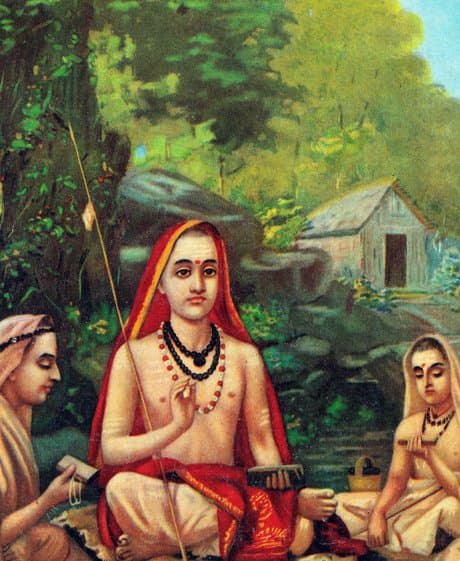
Ādi Śaṅkarācārya · Advaita
Sanskritयस्मात् अन्योन्यनाशहेतुभूतानि एनमात्मानं नाशयितुं नोत्सहन्ते अस्यादीनि तस्मात् नित्यः । नित्यत्वात् सर्वगतः । सर्वगतत्वात् स्थाणुः इव, स्थिर इत्येतत् । स्थिरत्वात् अचलः अयं आत्मा । अतः सनातनः चिरन्तनः, न कारणात्कुतश्चित् निष्पन्नः, अभिनव इत्यर्थः ॥ नैतेषां श्लोकानां पौनरुक्त्यं चोदनीयम्, यतः एकेनैव श्लोकेन आत्मनः नित्यत्वमविक्रियत्वं चोक्तं ``न जायते म्रियते वा'' (भ. गी. २-२०) इत्यादिना । तत्र यदेव आत्मविषयं किञ्चिदुच्यते, तत् एतस्मात् श्लोकार्थात् न अतिरिच्यते ; किञ्चिच्छब्दतः पुनरुक्तम्, किञ्चिदर्थतः इति । दुर्बोधत्वात् आत्मवस्तुनः पुनः पुनः प्रसङ्गमापाद्य शब्दान्तरेण तदेव वस्तु निरूपयति भगवान् वासुदेवः कथं नु नाम संसारिणामसंसारित्वबुद्धिगोचरतामापन्नं सत् अव्यक्तं तत्त्वं संसारनिवृत्तये स्यात् इति ॥ किं च --
Ādi Śaṅkarācārya · Advaita
Hindiऐसा होनेके कारण—
(यह आत्मा न कटनेवाला, न जलनेवाला, न गलनेवाला और न सूखनेवाला है)। आपसमें एक-दूसरेका नाश कर देनेवाले पञ्चभूत इस आत्माका नाश करनेके लिये समर्थ नहीं हैं। इसलिये यह नित्य है।
नित्य होनेसे सर्वगत है। सर्वव्यापी होनेसे स्थाणु है अर्थात् स्थाणु (दूँठ)-की भाँति स्थिर है। स्थिर होनेसे यह आत्मा अचल है और इसीलिये सनातन है अर्थात् किसी कारणसे नया उत्पन्न नहीं हुआ है, पुराना है।
इन श्लोकोंमें पुनरुक्तिके दोषका आरोप नहीं करना चाहिये, क्योंकि 'न जायते प्रियते वा' इस एक श्लोकके द्वारा ही आत्माकी नित्यता और निर्विकारता तो कही गयी, फिर आत्माके विषयमें जो भी कुछ कहा जाय वह इस श्लोकके अर्थसे अतिरिक्त नहीं है। कोई शब्दसे पुनरुक्त है और कोई अर्थसे (पुनरुक्त है)।
परंतु आत्मतत्त्व बड़ा दुर्बोध है—सहज ही समझमें आनेवाला नहीं है, इसलिये बारंबार प्रसंग उपस्थित करके दूसरे-दूसरे शब्दोंसे भगवान् वासुदेव उसी तत्त्वका निरूपण करते हैं, यह सोचकर कि किसी भी तरह वह अव्यक्त तत्त्व इन संसारी पुरुषोंके बुद्धिगोचर होकर संसारकी निवृत्तिका कारण हो
Jñāneśvar · Vārkarī
MarathiOn verses 2.23–2.24
हा अनादि नित्यसिद्धु । निरुपाधि विशुद्धु । म्हणऊनि शस्त्रादिकीं छेदु । न घडे यया ॥ १४५ ॥
Jñāneśvar · Vārkarī
HindiOn verses 2.23–2.24
(2.145) यह आत्मा उत्पत्ति-रहित और नित्य है, उपाधि-रहित और अत्यन्त शुद्ध है। इसलिए शस्त्रादि से उसका छेदन नहीं हो सकता;
(2.146) प्रलय के जल में यह डूब नहीं सकता, अग्नि से जल नहीं सकता और वायु की महाशोषण-शक्ति भी इसके विषय समर्थ नहीं होती।
(2.147) हे अर्जुन! यह तीनों कालों में अवाध्य है, अचल है, शाश्वत है, सर्वत्र है, और सदा परिपूर्ण है।
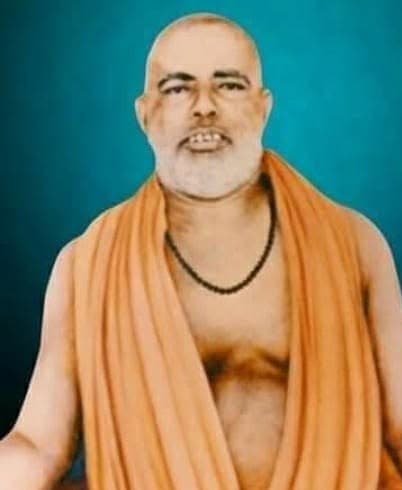
Sri Udiya Baba · Modern
Hindiभावार्थ— यह आत्मा अच्छेद्य है, अदाह्य है, अक्लेद्य (गीला न होने वाला) है और अशोष्य है। तथा यह नित्य, सर्वगत, स्थिर रहनेवाला, और अचल सनातन है।
व्याख्या— इस श्लोक में 'अच्छेद्य' से 'सर्वगत' तक छः विशेषण जीव के हैं तथा 'स्थाणु' और 'अचल' आत्मा के। आत्मा का पञ्चभूत कुछ नहीं बिगाड़ सकते, क्योंकि व्यतिरेक से तो उनकी सत्ता ही नहीं है और अन्वयदृष्टि से वे आत्मा ही हैं।
प्रश्न— यदि २३वें श्लोक में 'नैनं छिन्दन्ति शस्त्राणि' आदि कह चुके हैं तो यहाँ 'अच्छेद्य' आदि कहने की क्या आवश्यकता थी। यह तो अनावश्यक पुनरुक्ति ही है।
उत्तर— अध्यात्म विषय-वस्तु बहुत सूक्ष्म है, इसलिये उसमें एक बात को पुनः पुनः कहनादोष नहीं है; क्योंकि यह विषय कठिनता से समझ में आता है।
प्रश्न— 'नित्य' कहकर फिर सनातन क्यों कहा?
उत्तर— नित्य तो प्रकृति भी है, परन्तु महाप्रलय में उसका नाश हो जाता है, किन्तु आत्मा तब भी रहता है। इसलिये उसे 'सनातन' कहा है।
प्रश्न— यदि जीव नित्य और सर्वगत है तथा ऐसा ही आत्मा भी है तो इन दोनों में अन्तर क्या है?
उत्तर— जीव व्यक्त (मन-बुद्धि का विषय है) और आत्मा अव्यक्त है।
प्रश्न— अव्यक्त तो ईश्वर और प्रकृति भी हैं।
उत्तर— ईश्वर और प्रकृति चिन्त्य हैं और आत्मा अचिन्त्य है।
प्रश्न— क्या जीव चिन्त्य नहीं है?
उत्तर— नहीं, क्योंकि वह ईश्वर और प्रकृति का चिन्तन करता है।
प्रश्न— 'स्थाणु' और 'अचल' इन दोनों विशेषणों का प्रयोग क्यों किया गया है?
उत्तर— अचल तो वृक्ष भी है, परन्तु अपने शाखा-पत्रादि के द्वारा वह हिलने भी लगता है, किन्तु स्थाणु (वृक्ष का टूँठ) सर्वथा स्थिर रहता। अतः आत्मा को यहाँ स्थाणु के समान स्थिर रहने वाला कहा है।
Swami Ramsukhdas · Modern
Hindi[शस्त्र आदि इस शरीरीमें विकार क्यों नहीं करते—यह बात इस श्लोकमें कहते हैं।]
**'अच्छेद्योऽयम्'**—शस्त्र इस शरीरीका छेदन नहीं कर सकते। इसका मतलब यह नहीं है कि शस्त्रोंका अभाव है या शस्त्र चलानेवाला अयोग्य है, प्रत्युत छेदनरूपी क्रिया शरीरीमें प्रविष्ट ही नहीं हो सकती, यह छेदन होनेके योग्य ही नहीं है।
शस्त्रके सिवाय मन्त्र, शाप आदिसे भी इस शरीरीका छेदन नहीं हो सकता। जैसे, याज्ञवल्क्यके प्रश्नका उत्तर न दे सकनेके कारण उनके शापसे शाकल्यका मस्तक कटकर गिर गया (बृहदारण्यक०)। इस प्रकार देह तो मन्त्रोंसे, वाणीसे कट सकता है, पर देही सर्वथा अच्छेद्य है।
**'अदाह्योऽयम्'**—यह शरीरी अदाह्य है; क्योंकि इसमें जलनेवाली योग्यता ही नहीं है। अग्निके सिवाय मन्त्र, शाप आदिसे भी यह देही जल नहीं सकता। जैसे, दमयन्तीके शाप देनेसे व्याध बिना अग्निके जलकर भस्म हो गया। इस प्रकार अग्नि, शाप आदिसे वही जल सकता है, जो जलनेयोग्य होता है। इस देहीमें तो दहन-क्रियाका प्रवेश ही नहीं हो सकता।
**'अक्लेद्यः'**—यह देही गीला होनेयोग्य नहीं है अर्थात् इसमें गीला होनेकी योग्यता ही नहीं है। जलसे एवं मन्त्र,
शाप, ओषधि आदिसे यह गीला नहीं हो सकता। जैसे, सुननेमें आता है कि 'मालकोश' रागके गाये जानेसे पत्थर भी गीला हो जाता है; चन्द्रमाको देखनेसे चन्द्रकान्तमणि गीली हो जाती है। परन्तु यह देही राग-रागिनी आदिसे गीली होनेवाली वस्तु नहीं है।
**'अशोष्यः'**—यह देही अशोष्य है। वायुसे इसका शोषण हो जाय, यह ऐसी वस्तु नहीं है; क्योंकि इसमें शोषण-क्रियाका प्रवेश ही नहीं होता। वायुसे तथा मन्त्र, शाप, ओषधि आदिसे यह देही सूख नहीं सकता। जैसे अगस्त्य ऋषि समुद्रका शोषण कर गये, ऐसे इस देहीका कोई अपनी शक्तिसे शोषण नहीं कर सकता।
**'एव च'**—अर्जुन नाशकी सम्भावनाको लेकर शोक कर रहे थे। इसलिये शरीरीको अच्छेद्य, अदाह्य, अक्लेद्य और अशोष्य कहकर भगवान् 'एव च' पदोंसे विशेष जोर देकर कहते हैं कि यह शरीरी तो ऐसा ही है। इसमें किसी भी क्रियाका प्रवेश नहीं होता। अतः यह शरीरी शोक करनेयोग्य है ही नहीं।
**'नित्यः'**—यह देही नित्य-निरन्तर रहनेवाला है। यह किसी कालमें नहीं था और किसी कालमें नहीं रहेगा—ऐसी बात नहीं है; किन्तु यह सब कालमें नित्य-निरन्तर ज्यों-का-त्यों रहनेवाला है।
‘सर्वगतः’—यह देही सब कालमें ज्यों-का-त्यों ही रहता है, तो यह किसी देशमें रहता होगा? इसके उत्तरमें कहते हैं कि यह देही सम्पूर्ण व्यक्ति, वस्तु, शरीर आदिमें एकरूपसे विराजमान है।
‘अचलः’—यह सर्वगत है, तो यह कहीं आता-जाता भी होगा? इसपर कहते हैं कि यह देही स्थिर स्वभाववाला है अर्थात् इसमें कभी यहाँ और कभी वहाँ—इस प्रकार आने-जानेकी क्रिया नहीं है।
‘स्थाणुः’—यह स्थिर स्वभाववाला है, कहीं आता-जाता नहीं—यह बात ठीक है, पर इसमें कम्पन तो होता होगा? जैसे वृक्ष एक जगह ही रहता है, कहीं भी आता-जाता नहीं, पर वह एक जगह रहता हुआ ही हिलता है, ऐसे ही इस देहीमें भी हिलनेकी क्रिया होती होगी? इसके उत्तरमें कहते हैं कि यह देही स्थाणु है अर्थात् इसमें हिलनेकी क्रिया नहीं है।
‘सनातनः’—यह देही अचल है, स्थाणु है—यह बात तो ठीक है, पर यह कभी पैदा भी होता होगा? इसपर कहते हैं कि यह सनातन है, अनादि है, सदासे है। यह किसी समय नहीं था, ऐसा सम्भव ही नहीं है।
विशेष बात
यह संसार अनित्य है, एक क्षण भी स्थिर रहनेवाला नहीं है। परन्तु जो सदा रहनेवाला है, जिसमें कभी किंचिन्मात्र भी परिवर्तन नहीं होता, उस देहीकी तरफ
परिशिष्ट भाव—‘सर्वगतः’ स्वयं देहगत नहीं है, प्रत्युत सर्वगत है—ऐसा अनुभव होना ही जीवन्मुक्ति है। जैसे शरीर संसारमें बैठा हुआ है, ऐसे हम शरीरमें बैठे हुए नहीं हैं। शरीरके साथ हमारा मिलन कभी हुआ ही नहीं, है ही नहीं, होगा ही नहीं, हो सकता ही नहीं। शरीर हमारेसे बहुत दूर है। परन्तु कामना-ममता-तादात्म्यके कारण हमें शरीरके साथ एकता प्रतीत होती है।
वास्तवमें शरीरकी शरीरकी जरूरत ही नहीं है। शरीरके बिना भी शरीर मौजसे रहता है।
Weapons are powerless to inflict any injury by cutting or piercing, fire is powerless to burn, water is powerless to wet and air is powerless to dry the eternal soul.
The soul having the propensity of pervading everything being capable by its nature of interpenetrating all substances. It is subtler than any substance and no substance can penetrate it.
The effects of cutting, burning, soaking, drying and others which takes place by weapons, fire, water, air and the rest penetrate the object which is the focus of their direction;
but due to its impregnable nature the soul is uninfluenced being beyond the scope of the material substratum. Hence the eternal soul is unchangeable, immovable and everlasting.