

Bhagavad Gītā · Chapter 2 · Sāṅkhya Yoga
आश्चर्यवत्पश्यति कश्चिदेन
माश्चर्यवद्वदति तथैव चान्यः
आश्चर्यवच्चैनमन्यः श्रृणोति
श्रुत्वाप्येनं वेद न चैव कश्चित्
āścaryavatpaśyati kaścidena
māścaryavadvadati tathaiva cānyaḥ|
āścaryavaccainamanyaḥ śrṛṇoti
śrutvāpyenaṃ veda na caiva kaścit||
Word meanings
कश्चित् = someone
एनम् = this (embodied self)
आश्चर्यवत् = as a marvel
पश्यति = sees
च = and
तथा = likewise
एव = indeed
अन्यः = another
आश्चर्यवत् = as a marvel
वदति = speaks of
च = and
अन्यः = another
एनम् = this
आश्चर्यवत् = as a marvel
शृणोति = hears
च = and
एनम् = this
श्रुत्वा = having heard
अपि = also
कश्चित्, एव = someone
न = not
वेद = knows
Translation
Hardly anyone perceives this soul as marvellous, scarce another likewise speaks thereof as marvellous, and scarce another hears of it as marvellous; while there are some who know it not even on hearing of it.
Commentary
The commentators seated around this verse
Rāmānuja · Viśiṣṭādvaita
English
Madhvācārya · Dvaita
Madhva BhāṣyaSanskritEnglishOn verses 2.29–2.30
“देहयोगवियोगस्य नियतत्वात्, आत्मनश्वेश्वरसरूपत्वात् सर्वथा अनाशान्त शोकः कार्य इत्युपसंहर्तुमैश्वरत् सामर्थ्यं पुनर्दर्शयति – आश्चर्यवद् इति । दुर्लभत्वेन इत्यर्थः । तद्व्याश्चर्य लोके । दुर्लभोऽपीश्वरसरूपत्वात् सूक्ष्मत्वाच्च आत्मनस्तदृष्टा ॥” – With association or dis-association of the body according to Cosmic Order, the self, being the infinitesimal reflection of the form of the Lord, is never destroyed (even during the repetitious connection and disconnection with the body); therefore, no reason for grief. Thus as summarized conclusion. The power of the Lord is again shown as ‘अश्चर्यवद्’.
'With rare possibility' being the meaning. Therefore, in this world it is a marvel. Even though rare, being reflection of the form of the Lord, and being subtle, the self being aware of it, is (also rare).
Madhvācārya · Dvaita
Gītā Tātparya NirṇayaSanskritEnglishOn verses 2.29–2.30
“किं तद्याश्चर्यः? भगवानेवेत्याह - आश्चर्यवद् इति | आश्चर्यमेव सन्तमेन आश्चर्यवत् पश्यति | न पुनराश्चर्यम् - गगनं गगनाकारं सागरः सागरोपमम् | इत्यदिवत् | आश्चर्यं भगवान्विष्णुर्यमानैतादृशः क्वचित् | तस्मात्तदगोचरं ज्ञानं तदगोचरवदेव तु || इति ब्रह्मतर्कं | अनाश्चर्यवदप्यसुरादयः पश्यन्ति | इति क्वचित् इति विशेषणम् ||” - What is there to be marveled for the Lord to say - 'This is marvel?' Marvelous, verily, is this self. Therefore, (the wise one) sees this (Jiva) as marvelous, as reflection (of the Lord) and again (on realization) being marveled. Similar to the manner (of seeing) the eye being the form of the sky, the ocean being the form of the ocean. “अश्चर्यं भगवान्विष्णुर्यमानैतादृशः क्वचित् | तस्मात्तदगोचरं ज्ञानं तदगोचरवदेव तु ||” thus, in Brahma Tarka. Marvel is also the Lord Vishnu Himself; another one similar to Him is difficult to be seen. Therefore, the wisdom about Him is, verily, similar to perceiving Him. Not being marveled is the sign of those who are unenlightened. Therefore, the use of the word कश्चिद्.
Jñāneśvar · Vārkarī
English29 “Rarely does some-one perceive him; rarely like-wise does another discourse on him; and rarely does anyone hear of him: and, even after hearing, not one (we can almost say) has knowledge of him. (172)
Viewing that (Supreme Power) Brahman, several attained peace of mind having renounced all worldly possessions; some, while singing (His) praise, got converted in mind and became completely absorbed permanently: others hearing his praise became peaceful (in mind), forgot their own bodily existence and getting experience of the soul, were absorbed in the All. Just as all rivers flow into the sea, none flowing back because they could not be contained, in the same way the great Yogins become of one spirit when their minds reach the Supreme Power, Brahman, and then on the strength of their spiritual power they rid themselves of re-birth.
Swami Ramsukhdas · Modern
English'Āścaryavatpaśyati kaścidenam'—The knowledge of the wondrous self is not achieved through the senses. The self can be known by the self itself, it is beyond the realm of senses. As 'I am'—this knowledge requires no proof, no instrument, it is self-evident. Its consciousness cannot be experienced as separate from 'I'. This is intuited by the person himself. This is not a subject of senses and intellect. Therefore, the knowledge of self is said to be a marvel.
The term 'paśyati' has two meanings—to see with eyes and to know the self by one's own self. Here it has been used in the sense of knowing the self by one's own self (Gītā 2/55; 6/20 etc.).
When one sees with one's eyes, there are three things necessary—the onlooker, the object to be seen and sight i.e., the power to see. But while knowing the self these three are not necessary. 'I am'—this cannot be perceived by senses, mind and intellect, but by one's own self.
When we want to search for a thing in a dark room, we need
eye-sight as well as light. But if there is light-lamp, there is no need for another lamp to see the lamp which is lit. Similarly, there is no need for other means to perceive the self. The self has its own light by which it can be lit and known.
A body is of three kinds—physical (gross), subtle and causal. The body which is nourished by food and water for its growth, is physical (gross) body. This gross body is the object of senses. The subtle body consists of seventeen elements—five senses, five organs of action, five vital airs, mind and intellect. The subtle body can be perceived by intellect and not by senses. The latencies (vāsanās) form the causal body. If we reflect, on the three kinds of bodies, it is evident that the gross body is not the self, as it changes every moment and it is an object of knowledge. Similar, is the case with the subtle body. The causal body, is an evolute of nature. But the self is beyond nature, therefore the causal body, is also not the self. As far as, the knowledge of the self, is concerned, it is beyond them and this knowledge is marvellous. This is 'āścaryavatpaśyati.' When the soul ceases its identification with the body, it knows itself and therefore, it has been said that one perceives the soul as a wonder.
Here in this verse, as well as, in the third verse of the seventh chapter, Lord Kṛṣṇa has used the term 'Kaścit' i.e., 'Someone knows Me in reality.' It means, that it is very difficult to know the imperishable, but actually it is not so. The fact is, that it seems difficult, only because there are a few aspirants, who sincerely want to know the soul.
'Āścaryavadvadati tathaiva cānyaḥ'—Other persons speak of it as marvellous, because it is beyond the reach of words. Speech is illumined, by the self, then, how can it describe the illuminator? The great souls who speak of it, can just give a kind of hint to draw the attention of the listeners.
Here, the term 'Aṇyaḥ' has been used to emphasize the
fact, that only a few liberated souls who possess metaphysical knowledge, can explain it fully to an aspirant and enable him, to attain the imperishable. All do not possess the ability to remove his doubts and give satisfactory answers, to his arguments.
'Āścaryavaccainamanyah śrṇoti'—Other persons hear of it, as marvellous. Listening to scriptures and advice of other worlds, is quite different from voice of the soul. It means, that this soul is something marvellous and uncommon and is beyond the reach of senses, mind and intellect etc. It illuminates these.
Here, the term 'Anyah' has been used to explain the fact, that the person who hears is different, from the one who knows, and from other who is capable of explaining it to an aspirant in such a manner, that its full nature, is revealed to him.
'Śrutvāpyenaṃ veda na caiva kaścit'—There are some who do not know it, even on hearing. It means that, merely hearing, will not help one to know it. On hearing, when one gets established in one's own self, one will know one's own self* by oneself.
Now a question arises, that an aspirant on hearing the words of scriptures and a preceptor, gets knowledge, why has it been said then, that there are some who do not know it, even on hearing of it? The answer is, that it is the aspirant himself, who by having faith in the words of scriptures and preceptor, gains knowledge. Otherwise there have been several incarnations of God, and there also have been liberated souls, who held discourses on metaphysics, and by hearing their discourses the people should have gained metaphysical knowledge. But, actually it has not happened. Their discourses, can be helpful to a striver having faith, but he, will also have to get himself established in his own self. This expression does not mean to convey, that knowledge of the self is impossible; it rather conveys that it is beyond the senses. However hard efforts by a man may make him to know
* This fact has been pointed out in the Gītā several times—(2/55; 3/17; 6/20; 15/11).
it, ultimately he will have to know himself, by his own self.
What is knowing of the self, by the self? There is a difference between doing, perceiving and knowing. Doing involves organs of action, perceiving involves senses, while knowing is done by the self itself.
The senses actually do not know; rather they only perceive which is useful in daily activity.
This knowledge, of knowing oneself by one's ownself, is of two kinds—'I am different from the body and the world;' and secondly, 'I have identity with God.' In other words, it can be said, 'I have no affinity with the kaleidoscopic, perishable world, while I have constant affinity with unchangeable, imperishable God.' After possessing this kind of knowledge, one can know the soul in reality. This knowledge, is beyond the reach of speech and intellect.
**Appendix**—The self cannot be known merely by hearing viz., by practice but can be known by having inquisition, by hearing from enlightened and experienced exalted souls—'yatatāmapi siddhānām kaścinnām vetti tattvataḥ' (Gītā 7/3). 'Āścaryavadvadati tathaiva cānyaḥ'—it means that out of the enlightened exalted souls, only someone can explain its true nature to others. All the enlightened souls can't explain it.
As in the world a couple doesn't get married merely by hearing but the man and the woman accept each other as wife and husband and then they are married. Similarly no one can know God merely by hearing but after hearing, when he accepts Him himself and gets established in Him, then he will know Him by his own self. Therefore by hearing a man can learn the facts pertaining to knowledge, can narrate them to others, can write them, can lecture on them, can discuss them but can't realize the self or God.
One can't know God merely by hearing but can know Him by worshipping Him after hearing from others—'śrutvānyebhya
upāsate' (Gītā 13/25). If the person, who describes the Supreme Soul, is a God-realized soul and the listener (striver) has esteemed faith and inquisition, there can be immediate Self-realization.
Link:—The next, is the concluding verse, about discrimination between the body and the soul.
Ādi Śaṅkarācārya · Advaita
Sanskritआश्चर्यवत् आश्चर्यं अदृष्टपूर्वं अद्भुतं अकस्माद्दृश्यमानं तेन तुल्यं आश्चर्यवत् आश्चर्यमिति एनं आत्मानं पश्यति कश्चित् । आश्चर्यवत् एनं वदति तथैव च अन्यः । आश्चर्यवच्च एनमन्यः शृणोति । श्रुत्वा दृष्ट्वा उक्त्वापि एनमात्मानं वेद न चैव कश्चित् । अथवा योऽयमात्मानं पश्यति स आश्चर्यतुल्यः, यो वदति यश्च शृणोति सः अनेकसहस्रेषु कश्चिदेव भवति । अतो दुर्बोध आत्मा इत्यभिप्रायः ॥
अथेदानीं प्रकरणार्थमुपसंहरन्ब्रूते --
Ādi Śaṅkarācārya · Advaita
Hindiजिसका प्रकरण चल रहा है यह आत्मतत्त्व दुर्विज्ञेय है। सर्वसाधारणको भ्रान्ति करा देनेवाले विषयमें केवल एक तुझे ही क्या उलाहना दूँ ? यह आत्मा दुर्विज्ञेय कैसे है ? सो कहते हैं—
पहले जो नहीं देखा गया हो अकस्माद् दृष्टिगोचर हुआ हो ऐसे अद्भुत पदार्थका नाम आश्चर्य है, उसके सदृशका नाम आश्चर्यवत् है, इस आत्माको कोई (महापुरुष) ही आश्चर्यमय वस्तुकी भाँति देखता है।
वैसे ही दूसरा (कोई एक) इसको आश्चर्यवत् कहता है, अन्य (कोई) इसको आश्चर्यवत् सुनता है एवं कोई इस आत्माको सुनकर, देखकर और कहकर भी नहीं जानता।
अथवा जो इस आत्माको देखता है वह आश्चर्यके तुल्य है, जो कहता है और जो सुनता है वह भी (आश्चर्यके तुल्य है)। अभिप्राय यह कि अनेक सहस्रोंमेंसे कोई एक ही ऐसा होता है। इसलिये आत्मा बड़ा दुर्बोध है
Jñāneśvar · Vārkarī
Marathiएक अंतरी निश्चळ । जें निहाळितां केवळ । विसरले सकळ । संसारजात ॥ १७२ ॥
एकां गुणानुवादु करितां । उपरती होऊनि चिता । निरवधि तल्लीनता । निरंतर ॥ १७३ ॥
एक ऐकतांचि निवाले । ते देहभावीं सांडले । एक अनुभवें पातले । तद्रुपता ॥ १७४ ॥
जैसा सरिता ओघ समस्त । समुद्रामाजिं मिळत । परी माघौते न समात । परतले नाहीं ॥ १७५ ॥
तैसिया योगीश्वरांचिया मती । मिळणीसवें एकवटती । परी जे विचारूनि पुनरावृत्ति । भजतीचिना ॥ १७६ ॥
Jñāneśvar · Vārkarī
Hindi(2.172) जिसके अन्तःकरण निश्चल कर निहारने से कोई संसार की सब खटपट भूल जाते हैं;
(2.173) जिसके गुणानुवाद गाते-गाते किसी को चित्त में उपरति उत्पन्न होकर निरन्तर निस्सीम निमग्नता प्राप्त हो जाती है;
(2.174) जिसका श्रवण करते-करते कोई शान्ति प्राप्त कर लेता लेते हैं और देहाभिमान से छूट जाते हैं; जिसके अनुभव के बल कोई तद्रूप हो जाते हैं;
(2.175) – जैसे नदी का समग्र प्रवाह समुद्र में मिलता है तथा कभी समुद्र में न समाते पीछे नहीं हटता,
(2.176) वैसे ही — जिसके स्वरूप से मिलते ही योगीश्वरों की बुद्धि तद्रूप हो जाती है तथा जिसका विचार करने से वे कभी पुनर्जन्म नहीं पाते;
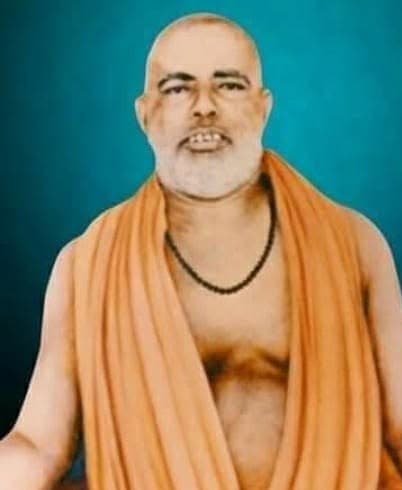
Sri Udiya Baba · Modern
Hindiसंगति— अब अगले श्लोक में आत्मतत्त्व के ज्ञाता, श्रोता और वक्ता की दुर्लभता बतलाते हैं—
भावार्थ— अर्जुन! यह आत्मतत्त्व अत्यन्त गहन और सूक्ष्म है। अतः कोई महान् पुरुष ही आश्चर्य के समान इसे देखता है, कोई आश्चर्य के समान इसे कहता है और कोई आश्चर्य के समान इसे सुनता है तथा सुनकर भी इसे कोई जान नहीं पाता।
व्याख्या— इस श्लोक में श्रोता और वक्ता दोनों ही दुर्लभ बताये गये हैं। यह आत्म-विषय अत्यन्त दुर्विज्ञेय है। इसलिये इसे कहने-सुनने और समझने वाले को आश्चर्यरूप ही कहा है। यह ज्ञान का प्रकरण है। यहाँ साकार भगवान् के दर्शनों को आश्चर्यरूप नहीं कहा। वे तो मन तथा इन्द्रियों द्वारा देखे जा सकते हैं। जो वस्तु इदंरूप से देखी कही या सुनी जा सकती है वह आश्चर्यवत् नहीं होती। आत्मा इदंरूप से देखा-सुना नहीं जाता, इसलिए वह आश्चर्यवत् है। वह शुद्ध-बुद्धिरूप ज्ञान-नेत्रों से ही देखा जा सकता है। अथवा इसे
जानना इसलिये भी आश्चर्यरूप है क्योंकि यहाँ नित्य-प्राप्त की ही प्राप्ति होती है। जिस प्रकार दशम पुरुष को अपना ज्ञान तो पहले ही होता है, केवल भ्रान्ति से भूल हो रही थी। जब कोई आप्त पुरुष कहता है कि दशवाँ तू है तो वह आश्चर्य में रह जाता है। इसी प्रकार आत्मा तो अपना स्वरूप होने के कारण नित्य प्राप्त है, केवल उस ओर दृष्टि नहीं है, इसलिये जब श्री गुरुदेव से 'तत्त्वमसि' आदि महावाक्य श्रवण करता है तो आश्चर्य-चकित हो जाता है। अथवा यह इसलिये भी आश्चर्यरूप है कि जिस प्रपञ्च को हम अनन्तकाल से सत्य समझ रहे हैं, आत्मज्ञान होने पर तत्क्षण उसका अत्यन्ताभाव हो जाता है तथा जिन विषयों के हम दास होते हैं उनसे निर्भय हो जाते हैं और जिन भोगों के लिये लालायित रहते थे वे सत्ताशून्य जान पड़ते हैं। आत्मा अखण्ड अद्वय और प्रत्यक् है— यह बात सामान्य पुरुषों की समझ से परे है; अतः ऐसा बोध होना आश्चर्य ही है।
प्रथम तो भोग्य वस्तुओं से वैराग्य होना ही कठिन है, फिर धर्माध्यास छूटकर संन्यास लेना कठिन, फिर सद्गुरु का मिलना कठिन, फिर तीव्र बुद्धि होना कठिन, फिर कर्तापन का अभिमान छूटना कठिन और फिर ब्रह्माकार वृत्ति होना कठिन। ऐसा होने पर भी किसी समाधिनिष्ठपुरुष की ही ऐसी निष्ठा होती है कि इतने बड़े संसार और पाप-पुण्य का मुझसे कोई सम्बन्ध नहीं है, यह रस्सी में सर्प के समान मुझमें मिथ्या ही भास रहा है। ऐसा अनुभव करके वह आश्चर्यचकित रह जाता है।
प्रश्न— यहाँ 'कश्चित्' शब्द आया है, तो क्या इसे कोई नहीं जानता?
उत्तर— हाँ, कोई नहीं जानता, क्योंकि जो वस्तु अपने से भिन्न होती है वही जानी जाती है, और जो भिन्न होती है वह जड़ होती है। आत्मा अपने से भिन्न नहीं, इसलिये वह ज्ञेय भी नहीं हो सकता। अतः सिद्धान्त तो यही है कि आत्मा का ज्ञान किसी को नहीं होता। आज तक न किसी को हुआ, न होगा। हाँ, संशय की निवृत्ति होती है, वस्तु तो स्वयं है ही। गीता के अन्त में अर्जुन ने भी कहा है
कि मेरा मोह नष्ट हो गया और स्मृति प्राप्त हो गयी। यह नहीं कहा कि मुझे ज्ञान हो गया।
Swami Ramsukhdas · Modern
Hindi‘आश्चर्यवत्पश्यति कश्चिदेनम्’—इस देहीको कोई आश्चर्यकी तरह जानता है। तात्पर्य यह है कि जैसे दूसरी चीजें देखने, सुनने, पढ़ने और जाननेमें आती हैं, वैसे इस देहीका जानना नहीं होता। कारण कि दूसरी वस्तुएँ इदंतासे (‘यह’ करके) जानते हैं अर्थात् वे जाननेका विषय होती हैं, पर यह देही इन्द्रिय-मन-बुद्धिका विषय नहीं है। इसको तो स्वयंसे, अपने-आपसे ही जाना जाता है। अपने-आपसे जो जानना होता है, वह जानना लौकिक ज्ञानकी तरह नहीं होता, प्रत्युत बहुत विलक्षण होता है।
‘पश्यति’ पदके दो अर्थ होते हैं—नेत्रोंसे देखना और स्वयंके द्वारा स्वयंको जानना। यहाँ ‘पश्यति’ पद स्वयंके द्वारा स्वयंको जाननेके विषयमें आया है (गीता—दूसरे अध्यायका पचपनवों, छठे अध्यायका बीसवों आदि)।
जहाँ नेत्र आदि करणोंसे देखना (जानना) होता है, वहाँ द्रष्टा (देखनेवाला), दृश्य (दीखनेवाली वस्तु) और दर्शन (देखनेकी शक्ति)—यह त्रिपुटी होती है। इस त्रिपुटीसे ही सांसारिक देखना—जानना होता है। परन्तु स्वयंके ज्ञानमें यह त्रिपुटी नहीं होती अर्थात् स्वयंका ज्ञान करण-सापेक्ष नहीं है। स्वयंका ज्ञान तो स्वयंके द्वारा ही होता है अर्थात् वह ज्ञान करण-निरपेक्ष है। जैसे, ‘मैं हूँ’—ऐसा जो अपने होनेपनका ज्ञान है, इसमें किसी प्रमाणकी या किसी करणकी आवश्यकता नहीं है। इस अपने होनेपनको ‘इदंता’ से अर्थात् दृश्यरूपसे नहीं देख सकते। इसका ज्ञान अपने-आपको ही होता है। यह ज्ञान इन्द्रियजन्य या बुद्धिजन्य नहीं है। इसलिये स्वयंको (अपने-आपको) जानना आश्चर्यकी तरह होता है।
जैसे अँधेरे कमरेमें हम किसी चीजको लाने जाते हैं, तो हमारे साथ प्रकाश भी चाहिये और नेत्र भी चाहिये
अर्थात् उस अँधेरे कमरेमें प्रकाशकी सहायतासे हम उस चीजको नेत्रोंसे देखेंगे, तब उसको लायेंगे। परन्तु कहीं दीपक जल रहा है और हम उस दीपकको देखने जायेंगे, तो उस दीपकको देखनेके लिये हमें दूसरे दीपककी आवश्यकता नहीं पड़ेगी; क्योंकि दीपक स्वयंप्रकाश है। वह अपने-आपको स्वयं ही प्रकाशित करता है। ऐसे ही अपने स्वरूपको देखनेके लिये किसी दूसरे प्रकाशकी आवश्यकता नहीं है; क्योंकि यह देही (स्वरूप) स्वयंप्रकाश है। अतः यह अपने-आपसे ही अपने-आपको जानता है।
स्थूल, सूक्ष्म और कारण—ये तीन शरीर हैं। अन्न-जलसे बना हुआ ‘स्थूलशरीर’ है। यह स्थूलशरीर इन्द्रियोंका विषय है। इस स्थूलशरीरके भीतर पाँच ज्ञानेन्द्रियाँ, पाँच कर्मेन्द्रियाँ, पाँच प्राण, मन और बुद्धि—इन सत्रह तत्त्वोंसे बना हुआ ‘सूक्ष्मशरीर’ है। यह सूक्ष्मशरीर इन्द्रियोंका विषय नहीं है, प्रत्युत बुद्धिका विषय है। जो बुद्धिका भी विषय नहीं है, जिसमें प्रकृति—स्वभाव रहता है, वह ‘कारणशरीर’ है। इन तीनों शरीरोंपर विचार किया जाय तो यह स्थूलशरीर मेरा स्वरूप नहीं है; क्योंकि यह प्रतिक्षण बदलता है और जाननेमें आता है। सूक्ष्मशरीर भी बदलता है और जाननेमें आता है; अतः यह भी मेरा स्वरूप नहीं है। कारणशरीर प्रकृतिस्वरूप है, पर देही (स्वरूप) प्रकृतिसे भी अतीत है, अतः कारणशरीर भी मेरा स्वरूप नहीं है। यह देही जब प्रकृतिको छोड़कर अपने स्वरूपमें स्थित हो जाता है, तब यह अपने-आपसे अपने-आपको जान लेता है। यह जानना सांसारिक वस्तुओंको जाननेकी अपेक्षा सर्वथा विलक्षण होता है, इसलिये इसको ‘आश्चर्यवत् पश्यति’ कहा गया है।
यहाँ भगवान्ने कहा है कि अपने-आपका अनुभव
करनेवाला कोई एक ही होता है—‘कश्चित्’ और आगे सातवें अध्यायके तीसरे श्लोकमें भी यही बात कही है कि कोई एक मनुष्य ही मेरेको तत्त्वसे जानता है—‘कश्चित्मा वेत्ति तत्त्वतः।’ इन पदोंसे ऐसा मालूम होता है कि इस अविनाशी तत्त्वको जानना बड़ा कठिन है, दुर्लभ है। परन्तु वास्तवमें ऐसी बात नहीं है। इस तत्त्वको जानना कठिन नहीं है, दुर्लभ नहीं है, प्रत्युत इस तत्त्वको सच्चे हृदयसे जाननेवालेकी इस तरफ लगनेवालेकी कमी है। यह कमी जाननेकी जिज्ञासा कम होनेके कारण ही है।
‘आश्चर्यवद्वदति तथैव चान्यः’—ऐसे ही दूसरा पुरुष इस देहीका आश्चर्यकी तरह वर्णन करता है; क्योंकि यह तत्त्व वाणीका विषय नहीं है। जिससे वाणी भी प्रकाशित होती है, वह वाणी उसका वर्णन कैसे कर सकती है? जो महापुरुष इस तत्त्वका वर्णन करता है, वह तो शाखा-चन्द्रन्यायकी तरह वाणीसे इसका केवल संकेत ही करता है, जिससे सुननेवालेका इधर लक्ष्य हो जाय। अतः इसका वर्णन आश्चर्यकी तरह ही होता है।
यहाँ जो ‘अन्यः’ पद आया है, उसका तात्पर्य यह नहीं है कि जो जाननेवाला है, उससे यह कहनेवाला अन्य है; क्योंकि जो स्वयं जानेगा ही नहीं, वह वर्णन क्या करेगा? अतः इस पदका तात्पर्य यह है कि जितने जाननेवाले हैं, उनमें वर्णन करनेवाला कोई एक ही होता है। कारण कि सब-के-सब अनुभवी तत्त्वज्ञ महापुरुष उस तत्त्वका विवेचन करके सुननेवालेको उस तत्त्वतक नहीं पहुँचा सकते। उसकी शंकाओंका, तर्कोंका पूरी तरह समाधान करनेकी क्षमता नहीं रखते। अतः वर्णन करनेवालेकी विलक्षण क्षमताका द्योतन करनेके लिये ही यह ‘अन्यः’ पद दिया गया है।
‘आश्चर्यवच्चैनमन्यः शृणोति’—दूसरा कोई इस देहीको आश्चर्यकी तरह सुनता है। तात्पर्य है कि सुननेवाला शास्त्रोंकी, लोक-लोकान्तरोंकी जितनी बातें सुनता आया है, उन सब बातोंसे इस देहीकी बात विलक्षण मालूम देती है। कारण कि दूसरा जो कुछ सुना है, वह सब-का-सब इन्द्रियाँ, मन, बुद्धि आदिका विषय है; परन्तु यह देही इन्द्रियाँ आदिका विषय नहीं है, प्रत्युत यह इन्द्रियाँ आदिके
विषयको प्रकाशित करता है। अतः इस देहीकी विलक्षण बात वह आश्चर्यकी तरह सुनता है।
यहाँ ‘अन्यः’ पद देनेका तात्पर्य है कि जाननेवाला और कहनेवाला—इन दोनोंसे सुननेवाला (तत्त्वका जिज्ञासु) अलग है।
‘श्रुत्वाप्येन वेद न चैव कश्चित्’—इसको सुन करके भी कोई नहीं जानता। इसका तात्पर्य यह नहीं है कि उसने सुन लिया, तो अब वह जानेगा ही नहीं। इसका तात्पर्य यह है कि केवल सुन करके (सुननेमात्रसे) इसको कोई भी नहीं जान सकता। सुननेके बाद जब वह स्वयं उसमें स्थित होगा, तब वह अपने-आपसे ही अपने-आपको जानेगा*।
यहाँ कोई कहे कि शास्त्रों और गुरुजनोंसे सुनकर ज्ञान तो होता ही है, फिर यहाँ ‘सुन करके भी कोई नहीं जानता’—ऐसा कैसे कहा गया है? इस विषयपर थोड़ी गम्भीरतासे विचार करके देखें कि शास्त्रोंपर श्रद्धा स्वयं शास्त्र नहीं कराते और गुरुजनोंपर श्रद्धा स्वयं गुरुजन नहीं कराते; किन्तु साधक स्वयं ही शास्त्र और गुरुपर श्रद्धा-विश्वास करता है, स्वयं ही उनके सम्मुख होता है। अगर स्वयंके सम्मुख हुए बिना ही ज्ञान हो जाता, तो आजतक भगवान्के बहुत अवतार हुए हैं, बड़े-बड़े जीवनमुक्त महापुरुष हुए हैं, उनके सामने कोई अज्ञानी रहना ही नहीं चाहिये था। अर्थात् सबको तत्त्वज्ञान हो जाना चाहिये था! पर ऐसा देखनेमें नहीं आता। श्रद्धा-विश्वासपूर्वक सुननेसे स्वरूपमें स्थित होनेमें सहायता तो जरूर मिलती है, पर स्वरूपमें स्थित स्वयं ही होता है। अतः उपर्युक्त पदोंका तात्पर्य तत्त्वज्ञानको असम्भव बतानेमें नहीं, प्रत्युत उसे करण-निरपेक्ष बतानेमें है। मनुष्य किसी भी रीतिसे तत्त्वको जाननेका प्रयत्न क्यों न करे, पर अन्तमें अपने-आपसे ही अपने-आपको जानेगा। श्रवण, मनन आदि साधन तत्त्वके ज्ञानमें परम्परागत साधन माने जा सकते हैं, पर वास्तविक बोध करण-निरपेक्ष (अपने-आपसे) ही होता है।
अपने-आपसे अपने-आपको जानना क्या होता है? एक होता है करना, एक होता है देखना और एक होता है जानना। करनेमें कर्मन्द्रियोंकी, देखनेमें ज्ञानेन्द्रियोंकी और जाननेमें स्वयंकी मुख्यता होती है।
* अपने-आपसे ही अपनेको जाननेकी बात गीतामें कई जगह आयी है; जैसे—
(१) आत्म्येवात्मना तुष्टः स्थितप्रज्ञस्तदोच्यते। (२।५५)
(२) यस्त्वात्मरतिरेव स्यादात्मतृप्तश्च मानवः। आत्म्येव च संतुष्टस्तस्य कार्यं न विद्यते॥ (३।१७)
(३) यत्र चैवात्मनात्मानं पश्यन्तात्मनि तुष्यति॥ (६।२०)
(४) यतन्तो योगिनश्चैनं पश्यन्तात्मन्यवस्थितम्। (१५।११)
ज्ञानेन्द्रियोंके द्वारा जानना नहीं होता, प्रत्युत देखना होता है, जो कि व्यवहारमें उपयोगी है। स्वयंके द्वारा जो जानना होता है, वह दो तरहका होता है—एक तो शरीर-संसारके साथ मेरी सदा भिन्नता है और दूसरा, परमात्माके साथ मेरी सदा अभिन्नता है। दूसरे शब्दोंमें, परिवर्तनशील नाशवान्
पदार्थोंके साथ मेरा किंचिन्मात्र भी सम्बन्ध नहीं है और अपरिवर्तनशील अविनाशी परमात्माके साथ मेरा नित्य सम्बन्ध है। ऐसा जाननेके बाद फिर स्वतः अनुभव होता है। उस अनुभवका वाणीसे वर्णन नहीं हो सकता। वहाँ तो बुद्धि भी चुप हो जाती है।
**परिशिष्ट भाव**—शरीरीको सुननेमात्रसे अर्थात् अभ्यासके द्वारा नहीं जान सकते, पर जिज्ञासापूर्वक तत्त्वज्ञ, अनुभवी महापुरुषोंसे सुनकर जान सकते हैं—‘यततामपि सिद्धानां कश्चिन्मां वेत्ति तत्त्वतः’ (गीता ७।३)। ‘आश्चर्यवद्वदति तथैव चान्यः’ कहनेका तात्पर्य है कि तत्त्वका अनुभव करनेवालोंमें भी वर्णन करनेवाला कोई एक ही होता है। सब-के-सब अनुभव करनेवाले उसका वर्णन नहीं कर सकते।
जैसे संसारमें सुननेमात्रसे विवाह नहीं होता, प्रत्युत स्त्री और पुरुष एक-दूसरेको पति-पत्नीरूपसे स्वीकार करते हैं, तब विवाह होता है, ऐसे ही सुननेमात्रसे परमात्मतत्त्वको कोई भी नहीं जान सकता, प्रत्युत सुननेके बाद जब स्वयं उसको स्वीकार करेगा अथवा उसमें स्थित होगा, तब स्वयंसे उसको जानेगा। अतः सुननेमात्रसे मनुष्य ज्ञानकी बातें सीख सकता है, दूसरोंको सुना सकता है, लिख सकता है, व्याख्यान दे सकता है, विवेचन कर सकता है, पर अनुभव नहीं कर सकता।
परमात्मतत्त्वको केवल सुननेमात्रसे नहीं जान सकते, प्रत्युत सुनकर उपासना करनेसे जान सकते हैं—‘श्रुत्वान्येभ्य उपासते...’ (गीता १३।२५)। अगर परमात्मतत्त्वका वर्णन करनेवाला अनुभवी हो और सुननेवाला श्रद्धालु तथा जिज्ञासु हो तो तत्काल भी ज्ञान हो सकता है।
सम्बन्ध—अबतक देह और देहीका जो प्रकरण चल रहा था, उसका आगेके श्लोकमें उपसंहार करते हैं।
Among innumerable living entities rarely is one to be found who determinedly absolved themselves of all sinful reactions and has accumulated sufficient merit as to become self-realised enabling one to perceive the separate nature and the distinct aspect of the eternal soul within.
Such a realised soul may attempt to give this understanding to another similarly disposed or one may make an attempt to understand it by hearing about it and so forth as examples in this verse.
But only one who has acquired enough merit to realise the eternal soul within can possess the true understanding of the eternal soul and no other.
The conjunctive particle ca used at the end of the verse denotes that even among the philosophers, speakers and seekers of knowledge about the eternal soul,
the transference of bona fide information given and received concerning factual knowledge of what the eternal soul actually is, is very rare.