

Bhagavad Gītā · Chapter 2 · Sāṅkhya Yoga
अन्तवन्त इमे देहा नित्यस्योक्ताः शरीरिणः
अनाशिनोऽप्रमेयस्य तस्माद्युध्यस्व भारत
antavanta ime dehā nityasyoktāḥ śarīriṇaḥ|
anāśino'prameyasya tasmādyudhyasva bhārata||
Word meanings
अनाशिनः = imperishable
अप्रमेयस्य = immeasurable
नित्यस्य = eternal
शरीरिणः = of the embodied self
इमे = these
देहाः = bodies
अन्तवन्तः = having an end
उक्ताः = are said (to be)
तस्मात् = therefore
भारत = O Bhārata
युध्यस्व = fight
Translation
All these bodies pertaining to the imperishable, indefinable and eternal soul are spoken of as perishable; therefore, Arjuna, fight.
Commentary
The commentators seated around this verse

Rāmānuja · Viśiṣṭādvaita
English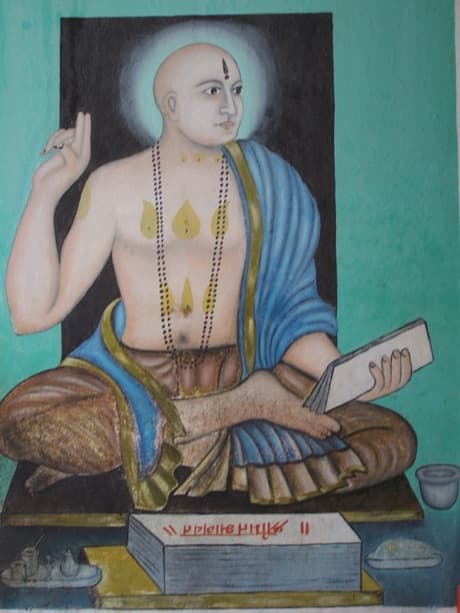
Madhvācārya · Dvaita
Madhva BhāṣyaSanskritEnglish“भवतु देहास्यापि कस्यचिन्तित्व इति - नेत्याह - अन्तवन्त इति | अस्तु तर्हि दर्पणनशात् प्रतिबिम्बनाशवद् आत्मनाश इत्यत आह - नित्यस्य इति | शरीरिणः इति ईश्वरव्यावृत्तये | न च नैमित्तिक इत्याह - अनाशिन इति | कृतः? अप्रमेयेश्वरसरूपत्वात् | नद्युपाधिविम्बसन्निध्यनाशे प्रतिबिम्बनाशः सति च प्रदर्शके | स्वयमेवात्र प्रदर्शकः | चित्वात् | नित्यश्चोपाधिः कश्चिदस्ति - प्रतिपांति विमोक्षस्य नित्योपाध्या स्वरूपया | चिद्रूपया युतो जीवः केशवप्रतिबिम्बकः || इति भगवद्वचनात् ||” - This verse speaks that there is nothing like eternal existence for the body. Even as with the destruction of the mirror the reflection is also destroyed, but not so with the destruction of the Self. It is not so, because Self is called as Eternal. शरीरिणः means the Lord, the Indweller. There is no destruction for him in the ordinary sense of meaning. Because he is referred as Indestructible. Why? Because of the incomprehensible nature of the Supreme Lord. But (in his case) there is no उपाधि limitation, as in the case of the destruction of the mirror, where the reflection is destroyed. Here the Self is the Reflector through the medium of Mind. There exists no 'उपाधि' limitation for the Eternal One. Thus says the Lord. For the Realized One after deliverance, Eternal is the form of his Self. Thereafter, form of consciousness of the Jiva becomes the reflection of Keshava.
Madhvācārya · Dvaita
Gītā Tātparya NirṇayaSanskritEnglish“अनिच्छया देहहान्यादेरेव दुःखावाधिः सिद्धा | तस्मात् अनासिनोऽप्रमेयस्य विष्णोः पूजार्थं यध्यस्व | तत्प्रसादाधीनत्वात् दुःनिवृत्तेः सुखस्य च | ये तु सर्वाणि कर्माणि मयि सन्यस्य मत्परः | तेषामहं समुद्वर्धा || इत्यादेः | जीवपक्षे नित्यस्योक्ता इत्युक्त्वात् अनाशिनः इति पुनरुक्तिः | अविनाशी, येन सर्वमिदं ततम् इत्युक्तस्यैव अनाशिनोऽप्रमेयस्य इति प्रत्यधिज्ञानाच्च | इमे देहा इति विशेषणान् नित्यश्चिदानन्दात्मकः स्वरूपभूतो देही मुक्तामपि विद्यत इति ज्ञायते ||” - Since without choice, the body has other attributes; it is covered in pain, thus in Parama Shruti. Its (body's) destruction in war is also a form of worship of the Incomprehensible Lord. It (destruction of the body being under His control, (it leads to the) relief from both pain and pleasure. “By surrendering all actions to Me and devoted to Me, you shall be protected by Me”. By such words (of the Lord). Spoken as eternal referring the Jiva, and the word अविनाशी is repeated, then, the statement “Know that by Indestructible all this is enveloped” and the words अविनाशिनोऽप्रमेयस्य - indestructible, incomprehensible being in reference to the Lord. By specifying इमे देहा, the eternal transcendental form of Consciousness and Blissful state of the realized souls, is made known.
“न वर्तते यत्र रजस्तमस्तयोः सत्त्वं च मिश्रं न च कालविक्रमः | न यत्र माया किमुतापरे हरेरनुव्रता यत्र सुरासराचिताः || श्यामवदाताः शतपत्रलोचनाः || सुरूचः सुपेशसः || प्रवाळवैदूर्यमुणालवर्चसां परिष्कुरुकुंडलमौळीमालिनाम् | भ्राजिष्णुभिर्यः परितो विराजते लसद्विमानावळिभिर्महात्मनाम् | विद्योतमानप्रमदातमाभिः सविद्युदभावळिभिर्यथा नभः || इति हि भागवते | चिदानन्दशरीरेण सर्वे मुक्ता यथा हरिः | भुञ्जते कामतो धौगांस्तदन्तर्वहिरेव च || इति परमश्रुतिः || न च जीवेश्वरक्यां मुक्तावपि | दि ज्ञानमुपाश्रित्य मम साधर्म्यमागताः | सर्गोपि नोपजायन्ते प्रळये न व्यथन्ति च || यो वेद निहित गुहायां परमे व्योमन् | सोऽश्नुते सर्वान् कामान्तसह ब्रह्मणा विपश्चिता || एतमानन्दमयमानामपसङ्क्रम्य इमाल्लोकान्कामान्नी कामरूप्यनुस्मरन् | एतत् साम गायन्तरे || सर्वे नन्दन्ति यशसागतैन समसाहेन स्थ्या सखायः | किल्विपस्युत पितृपाणिर स एषाम रं हितो भवति वाजिनाय | “परं ज्योतिस्वरूप संपद्य स्वेन रूपेणाभिनिपद्यते || स तत्र पर्येति जक्षन् क्रीडन् रममाणः | तदा विद्वान्पुण्यपापे विधुर निरमनः परमं साम्यमुपैति ||” - “Where rajas and tamas do not have any effect, Truth, the Light, nor influence of the Time, there Illusion does not exist; except as Supreme Lord, whom aspirants, noble and ignoble, propitiate as having dark colour, eyes like hundred lotuses, wearing yellow robes, splendorous and having good form, with four arms and best of the bracelets, adorned with ornaments and shining Self-luminous, where souls delivered (from Samsara) dwell, adorned with shining ear rings and the flowing garlands thus, in Bhagavat Puraana. With Consciousness and Bliss the delivered souls become similar to Sri Hari, inside and outside, enjoying the pleasures according to their own capacity (and the state) thus, in Parama Scripture. But even in deliverance, there is no unity between Jiva and the Lord. “Realizing this wisdom, they acquire similarity with Myself. They will never be born again in the creation of the world nor are they aggrieved at the time of dissolution” “He who knows Brahman as the Real, as the Knowledge and as the Infinite, placed in the secret place of the heart and in the highest heaven, realizes all desires along with Brahman, the Intelligent” and “Transcending to that Self which consists of Bliss, going up and down these worlds, eating the food he desires, assuming the form he desires, he sits singing the chant” thus in Taittiriya Upanishad. All friends rejoice in a friend who comes triumphant having had success in an assembly. He divests blame from being attached, provides nourishment, ever vigilant for deed and daring. One enriches himself constantly by reciting hymns; others sing in Shakavari metres. Still one another lays own the rules for performance of sacrifices, thus in Rigveda. “Realizing the Lord and acquiring one's true form, he enjoys and revels in the pleasing state of liberation”, “Then the Wise one overcoming the merits demerits, acquires the immaculate, supreme affinity (with the Lord)”, thus in Chaandogya Upanishad.
“मुक्ताः प्राप्य परं विष्णुं तद्देहं संश्रिता अपि | तारतम्येन तिष्ठन्ति गुणैरानन्दपूर्वकैः | भूपा मनुष्यगन्धर्वा देवाः पितर एव च | आजानेयाः कर्मदेवास्तत्वदेवाः पुरन्दरः | शिवो वशिष्ठ इत्येते कमाच्छतगुणोत्तराः | मुक्तदपि तदन्ये ये भूपाच्छतगुणवराः | न समो ब्रह्मणः कश्चिन्मुक्तावपि कथञ्चन | ततः सहस्रगुणिता श्रीस्ततः परमो हरिः | अनन्तगुणतत्समः परमोऽपि न ||” - Acquiring in that transcendental state of liberation, the similarity with the form of Sri Vishnu, being completely protected in that state, he resides in blissful state in full consciousness according to the gradation, determined by his attributes. The kings, humans, celestial beings, gods, ancestors, in that manner, the immortals, the deities of actions and those of the elements, Indra, Shiva, Brahma in that order having hundred fold attributes than the delivered. Superior by thousand-fold attributes of Brahma is Sri Lakshmi who resides as the pleasure potency of each and every incarnation and superior to her is Sri Hari.
“अक्षणवन्तः कमङ्गवन्तः सखायो मनोजवेष्व असमा वभूवुः |, कामस्य यत्राप्ता कामास तत्र मामथ अमृतं कृधि | इति मोक्षानन्तरमपि भेवचनेभ्यः | न च - यद्वै तन्न पश्यति पश्यन्ते तन्न पश्यति | न हि द्रष्टुदृष्ट्वि परिलोपो विद्यते | अविनाशशीत्वान्तु तद्विद्वितीयमस्ति | ततोऽन्यद् विभक्तं यत् पश्येत् || परमं ब्रह्म वेद ब्रह्मैव भवति |, तत् त्वमसि |, अहं ब्रह्मास्मि | इत्यादिश्रुतिविरोधः |” - Endowed with innumerable attributes, none is there superior to Him. But those possessing noble eyes and ears and having fraternal feelings, become alike in mind with each other and with Him. Where all the desires are fulfilled in that state let me be delivered. By such words of separation with one another, the state of gradation (taratamya) is confirmed even after the deliverance “Where in deliverance everything has become even like the Self then whom does one see by whom ? Verily, when there (in that state of deliverance) he does not see, he is verily seeing, seeing though he does not see for there is no seeing. Because of (his being) imperishable there is none other than himself. There is nothing else separate from which he can see” – thus in Brihad Aranyak Upanishad. Consequently, with proper understanding the statements “Knowing the Supreme Brahman one become like Brahman”, “That, you are”, “I am Brahman” do not speak anything contrary to the scriptures.
“सञ्ज्ञानाशो यदि भवेत् किं मुक्त्या न प्रयोजनम् | मोहं मां प्रापयामास भवान्तेति चोदितिः || याज्ञवल्क्यः प्रियं ह नाहं मोहं ववीमि ते | भूतज्ञानलोपः स्यान्निजं ज्ञानं न लुप्यते || न च ज्ञेयविनाशः स्यादात्मनाशः कुतः पुनः | स्वभावतः पराद् विष्णुमपि स्फुटम् || अस्वातन्त्र्याद् भिन्नमिव स्थितमेव यदेदृशम् | तदा घ्राणादिभोगः स्यात् स्वप्नज्ञानशक्तिः || तदाऽऽत्मानुभवोऽपि स्यादेश्वरज्ञानमेव च | यदात्मानं विज्ञानाति नात्मनं नेश्वरं तथा || पुरुषार्थता कुतस्तु स्यात् तदभावाय को यतेत् | तस्मात् स्वभावज्ञानेन भिन्नं विष्णुमपि पगाः || भुजते सर्वं भोगाश्च मुक्तिरेषा न चान्यथा | यन्न पश्येत् परो विष्णुद्वितीयत्वेन स स्वतः || तद् द्वितीयं न भवति प्रादुर्भावात्मकः वपुः | प्रधानुरुषादन्यद् यत् तस्माद् भिन्नमीश्वरः || विभक्तत्वेन नियतं यस्मात्पश्यति सर्वदा | पश्यन्तेव यतो विष्णुस्तदभेदं न पश्यति || चेतनाचेतनस्यस्य नाभरेदोऽस्ति ततोऽमुना | नहि ज्ञानविलोपोस्ति सर्वज्ञस्य परेक्षितुः || - “If (in deliverance) Consciousness ceases to be, then does it mean that deliverance has no purpose? Saying thus do not confuse me with bewilderment; impart me, O Revered One!” Yajnyavalkya said, “Dear One, I do not speak to you any thing bewildering. In his presence, there is destruction of empirical knowledge (of the Mind) but not the Real Wisdom. When the empirical knowledge of the Mind is destroyed how could there be simultaneous destruction of the Real Self ?”. Essentially the Supreme Self is different from the manifest Creation and because manifestation is dependent upon on Creation, it is different. Since smell etc. are said to be due to presence of the Supreme Self the empirical experience of the self is said to be similar to the wisdom of the Supreme Lord. In (spiritual) experience nothing else is known; neither one's own self nor the Supreme Self, the how can there be human enterprise, and in its absence who will strive for (deliverance)? Therefore there is variance in the empirical knowledge in the presence of Sri Vishnu and all pleasures are enjoyed even in deliverance. It is not otherwise. When the self does not see anything as different from his own self, then he does not become separate even in the many manifestations. By their very nature Brahma and all others are different from the Lord, therefore distinct from the Lord. The Lord does not see any difference in them, there being no difference between the conscious and the non-conscious. There is no delusion regarding the knowledge of Lord's supremacy. When one attains this state of perception there is no separateness between the individual consciousness and the ultimate consciousness and there is no delusion ever regarding knowledge of the Lord's supreme position.
“ब्रह्माणि जीवाः सर्वेऽपि परब्रह्माणि भक्तिगाः । प्रकृतिः परमं ब्रह्म परमं महदुस्तुतः ॥ नैव मुक्ता न प्रकृतिः क्वापि तद्विष्णुवैभवम् । प्राप्नुवन्तापि तज्ज्ञानानिजं ब्रह्मत्वमाप्यते ॥ यद्यस्य परमेशित्वं तदा स्याद् दुःखिता कृतः । दुःखी चेत् कृत ईश्वमनीशो ह्येव दुःखभाक् ॥ कृतः सर्वविदोऽज्ञात्वं क्व भ्रमोऽप्यज्ञतां विना । तस्मान्नैश्वरः जीवस्तत्प्रसादात्तु मुच्यते ॥” - Technically all living entities can be designated as brahman and all liberated souls can be designated as para brahman. Sri Vishnu is the Supreme among the greats (paramam mahad) Brahman. Neither delivered souls, nor Prakriti can have the grandeur of Sri Vishnu. But by the knowledge of His Wisdom each one will experience the essence of Brahman according to their capability and qualification. When he acquires the essence of the Lord, then how could he have any pains? How could there be ignorance? How could there be delusion in the absence of ignorance? He would not be similar to Lord who is not delivered by the grace of the Lord.
“अहेयत्वादहनमा भगवान् हरिरव्ययः । ब्रह्मासौ गुणपूर्णत्वदस्यसावसनामितेः । असनादसिनामाऽसौ तेजस्त्वात्त्वमितीरतः । सर्वैः क्रियापदैश्चैव वाच्य एको हरिः स्वयम् । युष्मत्पदैः प्रतियोग्यात् तद्युतैश्च क्रियापदैः ॥ अस्मत्पदैः रान्तरत्वात् क्रियापदैश्च तदन्वयः । परोक्षत्वात् तत्पदैश्च मुख्यवाच्यः स एव तु ॥” - From the word अहेय the word अहम् is derived, which symbolizes the immutable Sri Hari. Since He possesses all attributes He is para Brahman. He is known as अस्मि since he exists eternally and destroys evil. Being resplendent, he is known as अस्मि. All these words suggesting verbs, elements and all attributes speak of Sri Hari alone. Since He is in the forefront along with His activity he is called युष्मात्. Since he abides in the heart with His activity, He is called by the word अस्मात् and since He is invisible, by the word तत्. On realization one will know that all these symbols represent only His predominant role.
“सर्वान् वेदानधीत्वैव प्रज्ञाधिक्येन हेतुना । शेतकेतुरहङ्कारात् प्रायशो नास्मि मानुषः ॥ देवा वा केशवांशे वा नैषा प्रज्ञाऽन्यथा भवेत् । श्र्वं महात्ववृद्धैव दर्पणोऽभ्यगात् पितुः ॥ सकाशमकृताताचारं तं दृष्ट्वा स्तब्धमज्ञवत् । पितोवाच कृत पुत्र स्तब्धता त्वामुपागता ॥ प्रायो नारायां देवं नैव त्वं पृष्टवानसि । यस्मिन् ज्ञाते त्वविज्ञातज्ञानादिनां फलं भवेत् ॥ प्राधान्यात् सदृशत्वच्च तथदीनमिति स्फुटम् । तत्सूयत् चेति विज्ञातं फलवृद्धि भवेज्जगत् ॥ श्वतन्त्रयोस्य विज्ञानं मिथ्याऽनमनर्थकृत् । यथा चैत्रैकमृतपिण्डज्ञानादेः सदृशत्वतः ॥ मृन्मयं तदकार्यं च ज्ञातं मुदिति वै भवेत् । यथैव मृत्तिकेत्यादिनित्यनामप्रवेदनात् ॥ वाचाऽरब्धमनित्यं तु ज्ञातं तन्मूलमित्यपि । एवं कारणभूतोऽसौ भगवान्पुरुषोत्तमः ॥ प्रथमश्च स्वतन्त्रश्च तन्मूकामखिलं जगत् । तदाधारं विमुक्तौ च तदाधीनं च सदा स्थितम् ॥ स सूक्ष्मो व्यापकः पूर्णस्तदीयस्त्वमसि नौवोऽपि कथञ्चन ॥ यथा पक्षी च सूत्रं च ननावृक्षरसा अपि । यथा नद्यः समुद्रश्च यथा वृक्षपरावपि ॥ यथा धानाः परश्चैव यथैव लवणोदके । यथा पुरुषदेशौ च यथाऽऽज्ञानदावपि ॥ यथा स्तेनपहार्थे तथा त्वं च परस्तथा । भिन्नो स्वभावतो नित्यं नानयोरैकता क्वचित् ॥ एवं भेदोऽखिलस्यापि स्वतन्त्रात् परमेश्वरात् । परतन्त्रं स्वतन्त्रेण कथमैक्यमवाप्नुयात् ॥ स जविनामा भगवान् प्राणधारणहेतुतः । उपचारेण जीवाख्या संसातिणि निगद्यते ॥ तदधीनं सर्वं नान्याधीनस ईश्वरः ॥” - Having learnt all the Vedas and being greatly conceited and arrogant, Svetaketu assuming I am not a human being, I am either a God or part manifestation of Keshava. Otherwise I would not have been so wise?' Thinking thus highly about himself, he approached his father who seeing him devoid of proper manners due to ignorance asked: 'How is it, son, you are behaving in improper manner? Perhaps you have not possibly enquired of Lord Narayan, knowing whom the benefit of unknowable, knowledge accrues? Being the dominant in Himself and the World being similar to Him to some extent and knowing that the World is subservient to Him, and knowing Him thus, one acquires undisputed wisdom. Knowing the world to be independent of Him is mere delusion. Such delusion will bring untold misery. Even as knowing the clod of earth, the benefits of pots and other similar objects made therefrom also come to be known, even as from knowing the word मृत्तिका, which is eternal, benefits of knowing the non-eternal and subsidiary elements like dust come to be known? Even so by knowing the Supreme Person, the Prime Existence, who is the Cause, though Independent in Himself, all the benefits of knowing the entire world, also accrue. Even in deliverance, every one is in His shelter and ever subservient to Him. He is subtle, all pervading, and complete in all attributes. In Him does rest the entire Universe (therefore) you will never can be like Him. Even as the bird and the thread, the essences of different flowers and the trees, the essence and the from of the tree, the rivers and the ocean, the salt and the water, the human being and the place of his dwelling, the dead one not being able to recognize his relatives, the robber and the robbed, even so you and the Lord, even though eternal are different entirely, the Lord being ever Independent. How can the dependent be united with One who is Independent (of all else). The Lord having dwelt in all Jivas with the intention of giving the life- Breath, is called Primary Jiva in the normal parlance in Samsara. Every thing is subservient to Him, He is subservient to no one.
“जीवेश्वरभिदा चैव जडेश्वरभिदा तथा | जैवभेदो मिथेश्चैव जडाजीवाभिदा तथा || जडाभेदो मिथेश्चैव प्रपञ्चो भेदपञ्चः | स नित्य एव नोत्पाद्य उत्पाद्यश्चोन्नशेदपि || तस्मादनादिमानेव प्रपञ्चो भेदपञ्चकः | विष्णोः प्रज्ञामितं यस्मात् द्वैतं न भ्रान्तिलिप्तम् || अद्वैतः परमाथाऽसौ भगवान् विष्णुरव्ययः | परतत्वं स्वतन्त्रत्वं सर्वशक्तित्वमेव च || सर्वज्ञत्वं परानन्दः सर्वस्य त्वधीनतता | इत्यादयो गुणाविष्णोनेवान्यस्य कथञ्चन | अभावः परमद्वैते सन्ध्येव ह्यपराणि तु || विकल्पो विनिवर्तते कल्पितो यदि केनाचित् | अद्वैतं ज्ञानिना पक्षे न तस्माद्विद्यते क्वचित् || - इत्यदिश्रुतिभ्योऽर्थान्तरस्यैवावगतत्वात् || ” - Difference between Jiva and the Lord exists and similarly difference between Gross (world) and the Lord; difference between Jiva and Jiva and similarly between Gross (world) and Jiva, and also difference between the Gross (world) and the Gross (world) are mentioned as the five-fold differences. They are eternal because they are unborn, if born, they would be capable of destruction. Therefore eternal are these five types of differences. Since these differences were created by Sri Vishnu they are the Eternal Truths, not imagined due to hallucination. Being the Supreme Goal, Resplendent Sri Vishnu is immutable and One without the Second (a-dvaita). In essence the Supreme, being Independent and in attributes all powerful. He is the knowledge of the Knowers. Being supremely blissful, all others become aware of their subservience to Him. Such are the attributes of Sri Vishnu and none others. Such attribute of being Supreme One without Second (a-dvaita) does not make others irrelevant. They also exist. If difference was the result of mere imagination, it would have been harmful. But this difference is not imagined. Therefore, among the wise, there is never any occasion to doubt the non-dual aspect of the Supreme Lord.
“एक, पिंड, नामधेय, इति शब्दानां वैयर्थ्य चान्यथा | न चैकविज्ञानेन सर्वविज्ञानं तत्पक्षे | न हि शक्तिज्ञो रजतज्ञ - इति व्यवहारः | नवकत्वोऽपि भेद एव दृष्टान्तोक्तेश्च | तस्मात् अतत्वमसि इत्येवोच्यते || ऐतदात्म्यम् इत्येतदात्मसम्बन्धि | तत्त्वामिकम् | त्वमपि तदैतदात्मसम्बन्धोऽसि न सोऽसि इति वा | तत् इति लिङ्गसाम्यं चात्र |”
- The meaning ascribed to the words like एक, पिंड, नामधेय suggest difference, otherwise erroneous conclusions may be arrived. From knowledge of one, the knowledge of all will not then arise. By knowing oyster-pearl, one will in normal instances conclude that he has known about silver. The difference alone has been spoken using nine examples. Therefore, अतत्वमसि - You are not That, has it been explained. It is not proper for you to think that you are the Supreme Self. There is only similarity of class. It is sign of ignorance having said that the Lord created the World, Jiva etc. how can one now speak contrary (that Lord and the Jiva are the same) ? Jiva etc. are separate from Him.
“अविद्यमानमेवेश्वरं मुष्ट्यादिकं चाधापत्मेवाऽत्मनो भिन्नत्वेन प्रापयित्वा तन्निषेधे कथं श्रुतेरुन्मत्तवाक्यत्वं न स्यात्? अनुवादोऽपि यदिदं वदाति तन्न युज्यते ऽ इत्यादिवाक्यं परिहारे विशेषयुक्तिं च विना न दृष्टः | अतिप्रसंगश्चान्यथा | अभेदानुवादेन भेदोपदेशः किं इति न स्यात्? | सर्वशास्त्रान्ते भदोक्तैश्चैततदेव युक्तम् - नासंवत्सरवासिने प्रबूयात् नाप्रवक्त इत्याचार्या आचार्याः || अहं विश्वं भुवनमभ्यभवाम् | अनन्ते स्वर्गं लोके ज्येये प्रतितिष्ठति प्रतितिष्ठति | ब्रह्मविदो विदुः | नमो विष्णवे महते करोमि ऽ पश्यन्त्यात्मन्यवस्थितम् | इत्यादि |” - It would be irrational and irresponsible to speak otherwise. If this (creation) is to be spoken as descriptive statement then the statement that from Him are all these created, would not be clear without much devious methods. That would be too much to expect. How can the non-dual nature of the Lord be accepted after accepting the statements showing the duality or difference between the Lord and His creation ? At the end of every section, the difference alone has been propounded, making a condition that ‘To one who has stayed continuously for one year should this knowledge be given, not to one who is not initiated, thus say the Teachers’. ‘I am the Universe, transcending these worlds’, ‘In the everlasting heavens the Wise one dwells’. ‘Thus the knowers of Brahman, realize’. ‘I offer obeisance to the Great Sri Vishnu’. ‘(they) see the Self established’. etc.
“नचेश्वरस्तदभेदो वा प्रत्यक्षादिसिद्धः | तत्पक्षे त्वैक्यदिरपि मिथ्यात्वात् स्वरूपस्य च सिद्धत्वाद्यर्थं श्रुतिः | लक्षितस्वरूपस्यापि न स्वरूपाद् विशेषः | निर्विशेषत्वोक्तैः | मिथ्याविशेषोक्तौ चाप्रामाण्यं श्रतेः | मिथ्यात्वं च मिथ्यैव तेषाम् | अतः सत्यत्वं सत्यं स्यात् | उपाधिकृतभेदोऽप्युपाथोर्मिथ्यात्वे त्वप्राप्तमेवोपाधिभेदं प्रापयित्वा पुनर्नि पिध्यत इति स एव दोषः | सत्योपाधिपक्षेऽपि हस्तपादाद्युपाधिभेदेऽपि भोक्तुरेकत्वदृष्टेरकेनैवेश्वरेण सर्वापाधिगतं सुखं दुःखं युज्येत - इत्येवमादयो देषाः समा एव | अचेतनानामनुववाभावान् तत्साम्यम् | अतो जीवेश्वरयोर्भेद एव सिद्धम् ||” - If it is submitted that neither is the Lord distinct nor is He self-evident, nor is He is averred as the Unitary (no-dual) and all manifestation but mere Illusion, then Scriptures will be proved illogical. The seeming appearances itself will not be superior to real appearance nor can anything special be attributed about it. If the scriptures subscribe to illusion, then there will be without any proof. The Illusion will continue to remain as illusion and Truth will remain truth. Even if it be conceded that the differences are qualified by limitations, then the Lord, acquiring such limitations, will also be subject to illusion. This would be defect (in the arguments). If it be said that the Lord having many feet, hands, mouths also enjoys through them, then the difference in these feet, hands etc. will also be defects and the Lord will be subject to the of defects in enjoyment and suffering. Since the great space does not have any experiences, it is not possible to make any comparisons. Therefore, the difference between Jiva and the Lord can only be established based on the evidence of the scriptures.

Jñāneśvar · Vārkarī
EnglishOn verses 2.18–2.21
18 "These perishable bodies are said to belong to that eternal body-owner, the indestructible one that passes comprehension. Therefore, do fight, O Scion of Bharata. 19 "He who understands him as the slayer, and he who deems him as the slain: both these do not truly know. This one slays not, nor is slain. 20 "He is not born, nor does he at any time die: nor, having once 'been', is he once again not going to 'be.' Unborn, eternal, everlasting and primeval is he: he is not destroyed when the body comes to be destroyed." 21 "Who-so realises him as the indestructible, eternal, unborn, and immutable: how and whom can such a person, O son of Pṛthā, cause to be slain, or slay?" (136)
Everything that has taken a body-form and shape is naturally perishable and therefore you should face fighting. With your self-conceit fastened on the body and fixing your erroneous gaze on the body, you are the slave of the belief that you are the slayer while the Kauravas are the slain. You do not realise the essential truth. Were you to consider carefully (you will realise) that neither you are the slayer, nor they the slain. Just as in a dream you feel the dream all real, but when you awake and look out, you find nothing; in the same way being the victim of delusion and Māyā you are enmeshed in this error for nothing. Just see that striking at the shadow with a weapon does not cause hurt to the body; or that the disappearance of the Sun's reflection from an overturned pitcher full of water does not make the Sun himself to disappear along with the reflection, or that the interior of any finite thing gives form to infinite space, but merges into general space (Ākāsh-Sky) as soon as the finite thing tumbles down; even so although the body gets destroyed is the soul indestructible and therefore, O Arjuna, be not under any illusion like that.
Swami Ramsukhdas · Modern
English'Anāśinaḥ'—A thing, which never changes, never decays and never gets extinct, in the least, by any cause, under any circumstances, is called 'anāśī'. The soul (spirit), is not exposed to, destruction or change. So, it is indestructible or imperishable.
'Aprameyasya'—The soul, is beyond the domain of senses, speech and mind, so it is indefinable. It can be experienced, only by having faith in scriptures, and saints and their gospels.
The scriptures and saints, do not compel anyone to have faith in them. One, is free to have such faith or not to have it. In case one reposes faith in them, that 'tattva' (reality), is the object of his faith, otherwise it is not the object of, his faith.
'Nityasya'—The soul, does not undergo any change, it never ceases to be, it exists all the time.
'Antavanta ime dehā uktāḥ śarīriṇaḥ'—These bodies, of imperishable, indefinable and eternal soul, are spoken of as perishable i.e., they have an end. It means that these are perishing, every moment. They are nothing but, a mass of decay.
In the above sentence, a singular number, has been used for the soul, while plural for the bodies. Firstly it is so because the bodies of every embodied soul are of three kinds—physical, subtle and causal and secondly because a single soul, pervades all worldly bodies. Further in the twenty-fourth verse, the Lord calls it all-pervading viz., omnipresent. It means, that all the bodies are perishable, while soul is imperishable.

An Exceptional Fact
All the bodies which, are perceptible, are perishable, while the soul is imperishable and eternal. But this immortal soul, though different from body, identifies itself with the body and develops 'an ego' or 'I'ness with it, and thus regards its death, as self's (soul's) death. He who identifies himself, with wealth and learning etc., calls himself as wealthy and learned etc. Similarly, when one accepts a body, as one's own, one develops the feeling of attachment or mineness for it, and this attachment, extends to wealth and family etc., because he accepts these as his own, by having affinity with these. By this affinity of 'I'ness and 'Mineness', all evils are born, one cannot discriminate, between the real and the unreal, and is thus grieved, while the wise are not grieved, because they realize that the real cannot perish and the unreal cannot exist.
'Tasmāt* yudhyasva'—Lord Kṛṣṇa directs Arjuna, to fight i.e., discharge his duty, by discriminating between the real and unreal. He means to say, that he should not grieve but wage war, because the soul is imperishable, while bodies are perishable.
An Exceptional Fact
In the seventeenth and eighteenth verses, there is a notable explanation of the real and the unreal, because the Lord wants Arjuna, to realize the real. By realizing the essence, one gets rid of the unreal, spontaneously. Thus by realizing this fact, he would discharge his duty. It shows, that every human being, without any distinction of caste, creed, colour or stage of life, can freely follow either the Discipline of Action, or Discipline of Knowledge, for his salvation. But, in practical life, a duty should be discharged,
* Here the word 'Tasmāt', has been used for drawing a conclusion after reasoning. In the Gītā 'Tasmāt' has been used either for drawing the conclusion after reasoning or at the end of a context. In 2/30, 3/19, 8/7 and 8/27 verses it has been used at the end of a context while in 2/25, 2/27, 2/37, 2/68, and 11/33 it has been used to conclude reasoning.
according to one's *varṇa* (caste) and *āśrama* (stage of life), by following the ordinance of scriptures. Therefore, here while discussing the real and the unreal according to the discipline of knowledge Lord Kṛṣṇa, orders Arjuna to fight or in other words he advises Arjuna to discharge his duty even if he follows discipline of knowledge.
Further, in the thirteenth chapter, where there is a description of virtues of knowledge Lord Kṛṣṇa in 13/9, also lays emphasis on non-attachment, and non-identification of the self, with a son, wife, home etc. If only hermits, had deserved the Discipline of knowledge (*Sāṅkhyayoga*), the Lord would not have mentioned, the need for non-attachment and non-identification of the self, with a son, wife, home etc., because hermits, have no sons, wives and homes etc.
Thus, by meditating on the *Gītā*, both the Disciplines of Knowledge, as well as Action (*Karma*), have proved to be independent means, for God-realization for all human beings, without distinction of any *varṇa* or stage of life.
**Appendix**—The Lord at the outset of His gospel explained that both '*gatāsūn*' (dead) and '*agatāsūn*' (living) are not to be grieved for. Then in the twelfth and thirteenth verses in order to explain that '*gatāsūn*' is not to be grieved, He explained the real (the eternal) and in the fourteenth and fifteenth verses in order to explain that '*agatāsūn*' is not to be grieved, He described the unreal (the transitory). Then He explained both '*Sat*' (the real) and '*Asat*' (the unreal) in the sixteenth verse. After that by discussing the existence of the real and non-existence of the unreal specially in the seventeenth and eighteenth verses, He completes this sub-topic.
Though there is existence only of the soul, not of the body, yet a man commits an error that he first sees the body and then perceives the soul in it; first sees the form (appearance), then perceives the existence. How long will this outward polish stay?
A striver should reflect upon whether the soul (self) existed first or the body existed first. On reflection it is proved that first there is the self and then there is the body, the existence is first and the appearance is afterwards. Therefore a striver first should perceive the self as existent, not the body.
*Link:— Upto the previous verse, there is description of seers who know the soul, as imperishable. In the next verse, Lord Kṛṣṇa to emphasize the same fact, speaks of those, who do not regard the soul as indestructible, by a negative inference.*
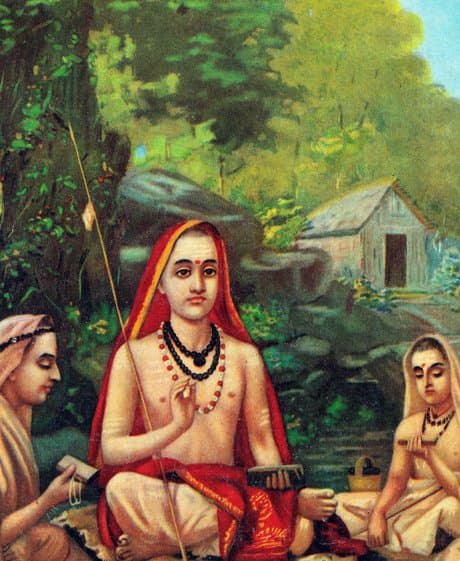
Ādi Śaṅkarācārya · Advaita
Sanskritअन्तः विनाशः विद्यते येषां ते अन्तवन्तः । यथा मृगतृष्णिकादौ सद्बुद्धिः अनुवृत्ता प्रमाणनिरूपणान्ते विच्छिद्यते, स तस्य अन्तः ; तथा इमे देहाः स्वप्नमायादेहादिवच्च अन्तवन्तः नित्यस्य शरीरिणः शरीरवतः अनाशिनः अप्रमेयस्य आत्मनः अन्तवन्त इति उक्ताः विवेकिभिरित्यर्थः । ``नित्यस्य'' ``अनाशिनः'' इति न पुनरुक्तम् ; नित्यत्वस्य द्विविधत्वात् लोके, नाशस्य च । यथा देहो भस्मीभूतः अदर्शनं गतो नष्ट उच्यते । विद्यमानोऽपि यथा अन्यथा परिणतो व्याध्यादियुक्तो जातो नष्ट उच्यते । तत्र ``नित्यस्य'' ``अनाशिनः'' इति द्विविधेनापि नाशेन असम्बन्धः अस्येत्यर्थः अन्यथा पृथिव्यादिवदपि नित्यत्वं स्यात् आत्मनः ; तत् मा भूदिति ``नित्यस्य'' ``अनाशिनः'' इत्याह । अप्रमेयस्य न प्रमेयस्य प्रत्यक्षादिप्रमाणैः अपरिच्छेद्यस्येत्यर्थः ॥ ननु आगमेन आत्मा परिच्छिद्यते, प्रत्यक्षादिना च पूर्वम् । न ; आत्मनः स्वतःसिद्धत्वात् । सिद्धे हि आत्मनि प्रमातरि प्रमित्सोः प्रमाणान्वेषणा भवति । न हि पूर्वम् ``इत्थमहम्'' इति आत्मानमप्रमाय पश्चात् प्रमेयपरिच्छेदाय प्रवर्तते । न हि आत्मा नाम कस्यचित् अप्रसिद्धो भवति । शास्त्रं तु अन्त्यं प्रमाणं अतद्धर्माध्यारोपणमात्रनिवर्तकत्वेन प्रमाणत्वं आत्मनः प्रतिपद्यते, न तु अज्ञातार्थ- ज्ञापकत्वेन । तथा च श्रुतिः -- ``यत्साक्षादपरोक्षाद्ब्रह्म य आत्मा सर्वान्तरः'' (बृ. उ. ३-५-१) इति ॥ यस्मादेवं नित्यः अविक्रियश्च आत्मा तस्मात् युध्यस्व, युद्धात् उपरमं मा कार्षीः इत्यर्थः ॥ न हि अत्र युद्धकर्तव्यता विधीयते, युद्धे प्रवृत्त एव हि असौ शोकमोहप्रतिबद्धः तूष्णीमास्ते । अतः तस्य प्रतिबन्धापनयनमात्रं भगवता क्रियते । तस्मात् ``युध्यस्व'' इति अनुवादमात्रम्, न विधिः ॥ शोकमोहादिसंसारकारणनिवृत्त्यर्थः गीताशास्त्रम्, न प्रवर्तकं इत्येतस्यार्थस्य साक्षिभूते ऋचौ आनीनाय भगवान् । यत्तु मन्यसे ``युद्धे भीष्मादयो मया हन्यन्ते'' ``अहमेव तेषां हन्ता'' इति, एषा बुद्धिः मृषैव ते । कथम् ? --
Ādi Śaṅkarācārya · Advaita
Hindiतो फिर वह असत् पदार्थ क्या है जो अपनी सत्ताको छोड़ देता है? (जिसकी स्थिति बदल जाती है) इसपर कहते हैं—
जिनका अन्त होता है—विनाश होता है वे सब अन्तवाले हैं। जैसे मृगतृष्णादिमें रहनेवाली जल- विषयक सत्-बुद्धि प्रमाणद्वारा निरूपण की जानेके बाद विच्छिन्न हो जाती है वही उसका अन्त है, वैसे ही ये सब शरीर अन्तवान् हैं तथा स्वप्न और मायाके शरीरादिकी भाँति भी ये सब शरीर अन्तवाले हैं।
इसलिये इस अविनाशी, अप्रमेय, शरीरधारी नित्य आत्माके ये सब शरीर विवेकी पुरुषोंद्वारा अन्तवाले कहे गये हैं। यह अभिप्राय है।
‘नित्य’ और ‘अविनाशी’ यह कहना पुनरुक्ति नहीं है, क्योंकि संसारमें नित्यत्वके और नाशके दो-दो भेद प्रसिद्ध हैं।
जैसे, शरीर जलकर भस्मीभूत हुआ अदृश्य होकर भी ‘नष्ट हो गया’ कहलाता है और रोगादिसे युक्त हुआ विपरीत परिणामको प्राप्त होकर विद्यमान रहता हुआ भी ‘नष्ट हो गया’ कहलाता है।
अतः 'अविनाशी' और 'नित्य' इन दो विशेषणोंका यह अभिप्राय है कि इस आत्माका दोनों प्रकारके ही नाशसे सम्बन्ध नहीं है।
ऐसे नहीं कहा जाता तो आत्माका नित्यत्व भी पृथ्वी आदि भूतोंके सदृश होता। परंतु ऐसा नहीं होना चाहिये इसलिये इसको 'अविनाशी' और 'नित्य' कहा है।
प्रत्यक्षादि प्रमाणोंसे जिसका स्वरूप निश्चित नहीं किया जा सके वह अप्रमेय है।
पू०—जब कि शास्त्रद्वारा आत्माका स्वरूप निश्चित किया जाता है, तब प्रत्यक्षादि प्रमाणोंसे उसका जान लेना तो पहले ही सिद्ध हो चुका (फिर वह अप्रमेय कैसे है?)।
उ०—यह कहना ठीक नहीं, क्योंकि आत्मा स्वतः सिद्ध है। प्रमातारूप आत्माके सिद्ध होनेके बाद ही जिज्ञासुकी प्रमाणविषयक खोज (शुरु) होती है।
क्योंकि 'मैं अमुक हूँ' इस प्रकार पहले अपनेको बिना जाने ही अन्य जाननेयोग्य पदार्थको जाननेके लिये कोई प्रवृत्त नहीं होता। तथा अपना आपा किसीसे भी अप्रत्यक्ष (अज्ञात) नहीं होता है।
शास्त्र जो कि अन्तिम प्रमाण है वह आत्मामें किये हुए अनात्मपदार्थोंके अध्यारोपको दूर करनेमात्रसे ही आत्माके विषयमें प्रमाणरूप होता है, अज्ञात वस्तुका ज्ञान करवानेके निमित्तसे नहीं।
ऐसे ही श्रुति भी कहती है कि 'जो साक्षात् अपरोक्ष है वही ब्रह्म है जो आत्मा सबके हृदयमें व्याप्त है' इत्यादि।
जिससे कि आत्मा इस प्रकार नित्य और निर्विकार सिद्ध हो चुका है, इसलिये तू युद्ध कर, अर्थात् युद्धसे उपराम न हो।
प्रत्यक्ष, अनुमान और आगम—इन तीन प्रमाणोंमें आगम अर्थात् शास्त्र अन्तिम प्रमाण है। जो वस्तु शास्त्रद्वारा बतलायी जाती है, वह पहलेसे किसी-न-किसीद्वारा प्रत्यक्ष की हुई होती है या अनुमानसे समझी हुई होती है, यह युक्तियुक्त बात है, इस युक्तिको लेकर ही उपर्युक्त शंका है। उसका यह उत्तर दिया गया है।
यहाँ (उपर्युक्त कथनसे) युद्धकी कर्तव्यताका विधान नहीं है, क्योंकि युद्धमें प्रवृत्त हुआ ही वह (अर्जुन) शोक-मोहसे प्रतिबद्ध होकर चुप हो गया था, उसके कर्तव्यके प्रतिबन्धमात्रको भगवान् हटाते हैं। इसलिये 'युद्ध कर' यह कहना अनुमोदनमात्र है, विधि (आज्ञा) नहीं है
Jñāneśvar · Vārkarī
Marathiआणि शरीरजात हे आघवें । हें नाशवंत स्वभावें । म्हणोनि तुवा झुंजावें । पंडुकुमरा ॥ १३६ ॥
Jñāneśvar · Vārkarī
Hindi(2.136) और यह जो सब शरीरमात्र है वह स्वभावतः नाशवन्त है। इसलिए, हे पाण्डुकुँवर! युद्ध करो।

Sri Udiya Baba · Modern
Hindiसंगति— आत्मा को इसलिए भी अविनाशी कहा है, क्योंकि वह नित्य है, शरीरी है, अप्रमेय (प्रमाणों का अविषय) है और निष्क्रिय है। यह बात अगले श्लोक में कहते हैं—
भावार्थ— इस नाशरहित, अप्रमेय, नित्यस्वरूप देही आत्मा के ये सब शरीर नाशवान् कहे गये हैं, इसलिये हे भरत-वंशी अर्जुन! तू युद्ध कर।
व्याख्या— प्रश्न— यदि संसार तीनों कालों में नहीं हुआ तो भगवान् युद्ध करने के लिये क्यों कहते हैं? इससे तो संसार की सत्यता सिद्ध होती है, क्योंकि युद्ध तो तभी हो सकता है जब संसार में सत्यत्व-बुद्धि हो।
उत्तर— यदि कोई पुरुष किसी से कोई वस्तु माँगे और उसके पास वह हो नहीं तो उसे विश्वास दिलाने के लिये वह कह देता है कि मेरे पास तो वह वस्तु है नहीं, तुम्हें दिखायी दे तो ले जाओ। इसी प्रकार भगवान् कहते हैं कि ये देहादि पदार्थ तीनों कालों में नहीं हैं—ऐसा अनुभव करो यदि दिखायी देते हैं तो युद्ध करो।
प्रश्न— जब आत्मा को 'नित्य' कह दिया तो 'अविनाशी' कहने की क्या आवश्यकता रह गयी?
उत्तर— नित्य तो माया भी है, परन्तु वह अविनाशी नहीं है, बोध होने पर उसका नाश हो जाता है। किन्तु आत्मा नित्य भी है और अविनाशी भी है।
प्रश्न— आत्मा को 'अप्रमेय' क्यों कहा? उसकी सिद्धि में तो शास्त्र प्रमाण है—'शास्त्रयोनित्वात्'। (ब्र० सू० १/१/३)
उत्तर— शास्त्र तो केवल अध्यास की निवृत्ति करता है। वह केवल यह बतलाता है कि तू शरीर नहीं है। वह आत्मा को दिखा नहीं सकता। इस श्लोक में 'शरीरणः' और उसके सब विशेषण षष्ठी-एकवचनान्त हैं। इससे सिद्ध होता है कि आत्मा एक है तथा 'देहाः' बहुवचन है, क्योंकि शरीर अनेक हैं। वे सब शरीर एक ही आत्मा के हैं। इस प्रकार सम्पूर्ण विश्व आत्मा का शरीर है और आत्मा- उसका द्रष्टा है। ज्ञान-दृष्टि से तीनों शरीर अन्तवाले अर्थात् सत्ताशून्य हैं। जब तक मरुभूमि का बोध नहीं होता जल बना ही रहता है। अतः जब तक अज्ञान की निवृत्ति नहीं होती तब तक जन्म-मरण या आविर्भाव-तिरोभाव बने ही रहते हैं। 'अन्तवन्तः' का भाव यही है कि ये हुए ही नहीं हैं, इनका अत्यन्ताभाव है; जिस प्रकार मरुभूमि का बोध होने पर उसमें प्रतीत होने वाला जल नहीं रहता, स्वप्न से जगने पर स्वप्न के पदार्थ दुःखदायी प्रतीत होने पर भी सत्ताशून्य जान पड़ते हैं।
अतः भगवान् कहते हैं कि यदि तुझे ऐसा अनुभव है तो युद्ध कर, क्योंकि युद्ध करना कर्तव्य है, धर्म है। यहाँ भगवान् का तात्पर्य युद्ध कराने में नहीं है, किन्तु यह बताने में है कि जिसका जो शास्त्रोक्त कर्तव्य हो उसका वह बोध होने पर भी पालन करता रहे, क्योंकि फिर तो इस मनोराज्य की सृष्टि का रहना न रहना समान ही है।
इस श्लोक में अर्जुन के लिये जो 'भारत' सम्बोधन दिया है उसका अर्थ है—भा-ज्ञान+रत= निमग्न अर्थात् जो ज्ञान-प्राप्ति में संलग्न है। अब अगले श्लोक में इसी की पुष्टि करते हैं—
Swami Ramsukhdas · Modern
Hindi‘अनाशिनः’—किसी कालमें, किसी कारणसे कभी किंचिन्मात्र भी जिसमें परिवर्तन नहीं होता, जिसकी क्षति नहीं होती, जिसका अभाव नहीं होता, उसका नाम ‘अनाशी’ अर्थात् अविनाशी है।
‘अप्रमेयस्य’—जो प्रमा-(प्रमाण-)का विषय नहीं है अर्थात् जो अन्तःकरण और इन्द्रियोंका विषय नहीं है,
सकता। तू सोचता है कि मैं युद्ध नहीं करूँगा तो ये नहीं मरेंगे, पर वास्तवमें तेरे युद्ध करनेसे अथवा न करनेसे इस अविनाशी और विनाशी तत्त्वमें कुछ फर्क नहीं पड़ेगा अर्थात् अविनाशी तो रहेगा ही और विनाशीका नाश होगा ही।
यहाँ ‘अस्य’ पदसे सत्-तत्त्वको इदंतासे कहनेका तात्पर्य है कि प्रतिक्षण बदलनेवाले शरीरोंमें जो सत्ता दीखती है, वह इसी सत्-तत्त्वकी ही है। ‘मेरा शरीर है और मैं शरीरधारी हूँ’—ऐसा जो अपनी सत्ताका ज्ञान है, उसीको लक्ष्य करके भगवान्ने यहाँ ‘अस्य’ पद दिया है।
उसको ‘अप्रमेय’ कहते हैं। जिसमें अन्तःकरण और इन्द्रियाँ प्रमाण नहीं होतीं, उसमें शास्त्र और सन्त-महापुरुष ही प्रमाण होते हैं, शास्त्र और सन्त-महापुरुष उन्हींके लिये प्रमाण होते हैं, जो श्रद्धालु हैं। जिसकी जिस शास्त्र और सन्तमें श्रद्धा होती है, वह उसी शास्त्र और सन्तके वचनोंको मानता है। इसलिये यह तत्त्व
* भगवान्ने गीतामें जगह-जगह शरीरीको भी अव्यय कहा है और अपनेको भी अव्यय कहा है। स्वरूपसे दोनों अव्यय होनेपर भी भगवान् तो प्रकृतिको अपने वशमें करके (स्वतन्त्रतापूर्वक) प्रकट और अन्तर्धान होते हैं और यह शरीरी प्रकृतिके परवश होकर जन्मता और मरता रहता है; क्योंकि इसने शरीरको अपना मान रखा है।
केवल श्रद्धाका विषय है, प्रमाणका विषय नहीं।
शास्त्र और सन्त किसीको बाध्य नहीं करते कि तुम हमारेमें श्रद्धा करो। श्रद्धा करने अथवा न करनेमें मनुष्य स्वतन्त्र है। अगर वह शास्त्र और सन्तके वचनोंमें श्रद्धा करेगा, तो यह तत्त्व उसकी श्रद्धाका विषय है; और अगर वह श्रद्धा नहीं करेगा, तो यह तत्त्व उसकी श्रद्धाका विषय नहीं है।
‘नित्यस्य’—यह नित्य-निरन्तर रहनेवाला है। किसी कालमें यह न रहता हो—ऐसी बात नहीं है अर्थात् यह सब कालमें सदा ही रहता है।
‘अन्तवन्त इमे देहा उक्ताः शरीरिणः’—इस अविनाशी, अप्रमेय और नित्य शरीरिके सम्पूर्ण संसारमें जितने भी शरीर हैं, वे सभी अन्तवाले कहे गये हैं। अन्तवाले कहनेका तात्पर्य है कि इनका प्रतिक्षण अन्त हो रहा है। इनमें अन्तके सिवाय और कुछ है ही नहीं, केवल अन्त-ही-अन्त है।
उपर्युक्त पदोंमें शरीरिके लिये तो एकवचन दिया है और शरीरिके लिये बहुवचन दिया है। इसका एक कारण तो यह है कि प्रत्येक प्राणीके स्थूल, सूक्ष्म और कारण—ये तीन शरीर होते हैं। दूसरा कारण यह है कि संसारके सम्पूर्ण शरीरोंमें एक ही शरीर व्याप्त है। आगे चौबीसवें श्लोकमें भी इसको ‘सर्वगतः’ पदसे सबमें व्यापक बतायेंगे। यह शरीर तो अविनाशी है और इसके कहे जानेवाले सम्पूर्ण शरीर नाशवान् हैं। जैसे अविनाशीका कोई विनाश नहीं कर सकता, ऐसे ही नाशवान्को कोई अविनाशी नहीं बना सकता। नाशवान्का तो विनाशीपना ही नित्य रहेगा अर्थात् उसका तो नाश ही होगा।
विशेष बात
यहाँ ‘अन्तवन्त इमे देहाः’ कहनेका तात्पर्य है कि ये जो देह देखनेमें आते हैं, ये सब-के-सब नाशवान् हैं। पर ये देह किसके हैं? ‘नित्यस्य’, ‘अनाशिनः’—ये देह नित्यके हैं, अविनाशीके हैं। तात्पर्य है कि नित्य-तत्त्वने, जिसका कभी नाश नहीं होता, इनको अपना मान रखा है। अपना माननेका अर्थ है कि अपनेको शरीरमें रख दिया और शरीरको अपनेमें रख लिया। अपनेको शरीरमें रखनेसे
‘अहंता’ अर्थात् ‘मैं’-पन पैदा हो गया और शरीरको अपनेमें रखनेसे ‘ममता’ अर्थात् ‘मेरा’-पन पैदा हो गया।
यह स्वयं जिन-जिन चीजोंमें अपनेको रखता चला जाता है, उन-उन चीजोंमें ‘मैं’-पन होता ही चला जाता है; जैसे—अपनेको धनमें रख दिया तो ‘मैं धनी हूँ’; अपनेको राज्यमें रख दिया तो ‘मैं राजा हूँ’; अपनेको विद्यामें रख दिया तो ‘मैं विद्वान् हूँ’; अपनेको बुद्धिमें रख दिया तो ‘मैं बुद्धिमान् हूँ’; अपनेको सिद्धियोंमें रख दिया तो ‘मैं सिद्ध हूँ’; अपनेको शरीरमें रख दिया तो ‘मैं शरीर हूँ’; आदि-आदि।
यह स्वयं जिन-जिन चीजोंको अपनेमें रखता चला जाता है, उन-उन चीजोंमें ‘मेरा’-पन होता ही चला जाता है; जैसे—कुटुम्बको अपनेमें रख लिया तो ‘कुटुम्ब मेरा है’; धनको अपनेमें रख लिया तो ‘धन मेरा है’; बुद्धिको अपनेमें रख लिया तो ‘बुद्धि मेरी है’; शरीरको अपनेमें रख लिया तो ‘शरीर मेरा है’; आदि-आदि।
जड़ताके साथ ‘मैं’ और ‘मेरा’-पन होनेसे ही मात्र विकार पैदा होते हैं। तात्पर्य है कि शरीर और मैं (स्वयं)—दोनों अलग-अलग हैं, इस विवेकको महत्त्व न देनेसे ही मात्र विकार पैदा होते हैं। परन्तु जो इस विवेकको आदर देते हैं, महत्त्व देते हैं, वे पण्डित होते हैं। ऐसे पण्डितलोग कभी शोक नहीं करते; क्योंकि सत् सत् ही है और असत् असत् ही है—इसका उनको ठीक अनुभव हो जाता है।
‘तस्मात्’ युध्यस्व’—भगवान् अर्जुनके लिये आज्ञा देते हैं कि सत्-असत् को ठीक समझकर तुम युद्ध करो अर्थात् प्राप्त कर्तव्यका पालन करो। तात्पर्य है कि शरीर तो अन्तवाला है और शरीर अविनाशी है। इन दोनों—शरीर-शरीरीकी दृष्टिसे शोक बन ही नहीं सकता। अतः शोकका त्याग करके युद्ध करो।
विशेष बात
यहाँ सत्रहवें और अठारहवें—इन दोनों श्लोकोंमें विशेषतासे सत्-तत्त्वका ही विवेचन हुआ है। कारण कि इस पूरे प्रकरणमें भगवान्का लक्ष्य सत् का बोध करानेमें ही है। सत् का बोध हो जानेसे असत् की निवृत्ति स्वतः हो जाती है।
१-आरम्भमें तो यह तत्त्व श्रद्धाका विषय है, पर आगे चलकर जब इसका प्रत्यक्ष अनुभव हो जाता है, तब यह श्रद्धाका विषय नहीं रहता।
२-यहाँ ‘तस्मात्’ पद युक्ति समझनेमें आया है अर्थात् युक्ति समझमें आ गयी तो अब युद्ध करो। इसी तरह गीतामें ‘तस्मात्’ पदका प्रयोग प्रायः प्रकरणकी समाप्तिपर अथवा युक्तिकी समाप्तिपर किया गया है; जैसे—दूसरे अध्यायके तीसवें, तीसरे अध्यायके उन्नीसवें, आठवें अध्यायके सातवें तथा सत्ताईसवें आदि श्लोकोंमें ‘तस्मात्’ पद प्रकरणकी समाप्तिके लिये आया है और दूसरे अध्यायके पचीसवें, सत्ताईसवें, सैंतीसवें, अड़सठवें तथा ग्यारहवें अध्यायके तैंतीसवें आदि श्लोकोंमें ‘तस्मात्’ पद युक्तिकी समाप्तिके लिये आया है।
फिर किसी प्रकारका किंचिन्मात्र भी सन्देह नहीं रहता। इस प्रकार सत्का अनुभव करके निःसंदिग्ध होकर कर्तव्यका पालन करना चाहिये। इस विवेचनसे यह बात सिद्ध होती है कि सांख्ययोग एवं कर्मयोगमें किसी विशेष वर्ण और आश्रमकी आवश्यकता नहीं है। अपने कल्याणके लिये चाहे सांख्ययोगका अनुष्ठान करे, चाहे कर्मयोगका अनुष्ठान करे, इसमें मनुष्यकी पूर्ण स्वतन्त्रता है। परन्तु व्यावहारिक काम करनेमें वर्ण और आश्रमके अनुसार शास्त्रीय विधानकी परम आवश्यकता है, तभी तो यहाँ सांख्ययोगके अनुसार सत्-असत्का विवेचन करते हुए भगवान् युद्ध करनेकी अर्थात् कर्तव्य-कर्म करनेकी आज्ञा देते हैं।
**परिशिष्ट भाव**—भगवान्ने अपने उपदेशके आरम्भमें 'गतासून्' (मृत) और 'अगतासून्' (जीवित)—दोनों प्राणियोंको अशोच्य बताया। फिर बारहवें-तेरहवें श्लोकोंमें 'गतासून्' को अशोच्य बतानेके लिये 'सत्' (नित्य) का वर्णन किया और चौदहवें-पन्द्रहवें श्लोकोंमें 'अगतासून्' को अशोच्य बतानेके लिये 'असत्' (अनित्य) का वर्णन किया। फिर सत् और असत्—दोनोंका वर्णन सोलहवें श्लोकमें किया। इसके बाद सत्के भाव और असत्के अभावका विवेचन मुख्यरूपसे सत्रहवें-अठारहवें श्लोकोंमें करके एक प्रकरण पूरा करते हैं।
यद्यपि भाव (होनापन) आत्माका ही है, शरीरका नहीं, तथापि मनुष्यसे भूल यह होती है कि वह पहले शरीरको देखकर फिर उसमें आत्माको देखता है, पहले आकृतिको देखकर फिर भावको देखता है। ऊपर लगायी हुई पालिश कबतक टिकेगी ? साधकको विचार करना चाहिये कि आत्मा पहले थी या शरीर पहले था ? विचार करनेपर सिद्ध होता है कि आत्मा पहले है, शरीर पीछे है; भाव पहले है, आकृति पीछे है। इसलिये साधककी दृष्टि पहले भावरूप आत्मा या स्वयंकी तरफ जानी चाहिये, शरीरकी तरफ नहीं।
सम्बन्ध—पूर्वश्लोकतक शरीरकी अविनाशी जाननेवालोंकी बात कही। अब उसी बातको अन्य और व्यतिरेकरीतिसे दृढ़ करनेके लिये, जो शरीरकी अविनाशी नहीं जानते, उनकी बात आगेके श्लोकमें कहते हैं।
The term deha meaning body is derived from the word dih meaning to increase and correspondingly those bodies having increase must also have decrease and therefore are of a perishable nature.
The elements combine to form the body dictated by karma to render service to the imperishable soul to enable the living entity to experience the positive and negative fruits of their actions.
In the Brihadāraṇyaka Upaniṣad it is stated: by accruing merit one becomes meritorious.
A living entity is forced to accept a body only until all ones positive and negative karma is exhausted and then the physical body is no longer bound to exist in the physical plane.
As for the soul - it is indestructible, it is imperishable and it is inconceivable.
As the aggregate of all facets of consciousness the soul is the subject and all individual facets of consciousness are the object.
All pervading throughout the body of every living entity the soul as the cognizer is perceived by its unique distinction of being transcendental from the body. Nor can the soul be perceived as of a mutable nature as in the case of the senses.
Thus by the fact of its all-pervading nature it is verified that the soul is not something which can increase or decrease because of or due to aggregation. By reason of its all pervasiveness the factual reality of the souls eternality is apparent.
As regarding the body because it is subject to decrease and increase, because it is for the felicitation of the embodied soul in the experiencing the results of karma, because it is of multiple forms and because it is subject to decay it is destructible.
So it can be clearly seen that because the body is of a perishable nature and because the soul is of an eternal nature neither of the two can be just reason for regret.
Therefore the Supreme Lord instructs Arjuna to bear with fortitude the unavoidable sharp contact of piercing arrows upon him and upon others and thus going to battle as a matter of duty, without the desire for any results, prepare his way for immortality.