

Bhagavad Gītā · Chapter 2 · Sāṅkhya Yoga
वासांसि जीर्णानि यथा विहाय
नवानि गृह्णाति नरोऽपराणि
तथा शरीराणि विहाय जीर्णा-
न्यन्यानि संयाति नवानि देही
vāsāṃsi jīrṇāni yathā vihāya
navāni gṛhṇāti naro'parāṇi|
tathā śarīrāṇi vihāya jīrṇā-
nyanyāni saṃyāti navāni dehī||
Word meanings
नरः = a man
यथा = just as
जीर्णानि = worn out
वासांसि = garments
विहाय = discarding
अपराणि = other
नवानि = new (ones)
गृह्णाति = takes up
तथा = so too
देही = the embodied self
जीर्णानि = worn out
शरीराणि = bodies
विहाय = discarding
अन्यानि = other
नवानि = new (ones)
संयाति = goes on to
Translation
As a man shedding worn-out garments, takes other new ones, likewise the embodied soul, casting off worn-out bodies, enters into others which are new.
Commentary
The commentators seated around this verse
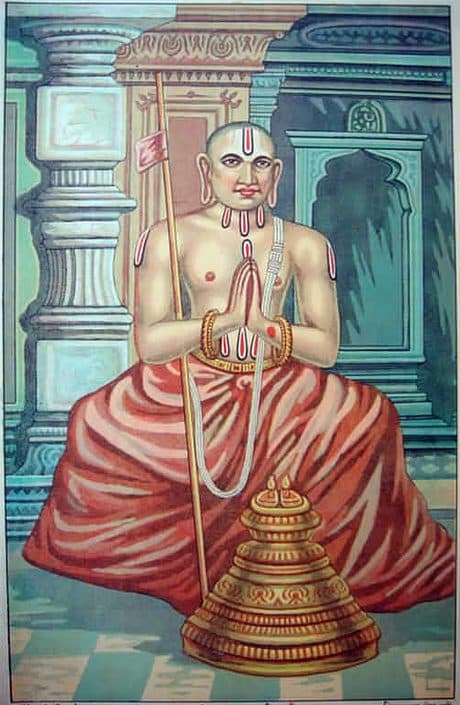
Rāmānuja · Viśiṣṭādvaita
English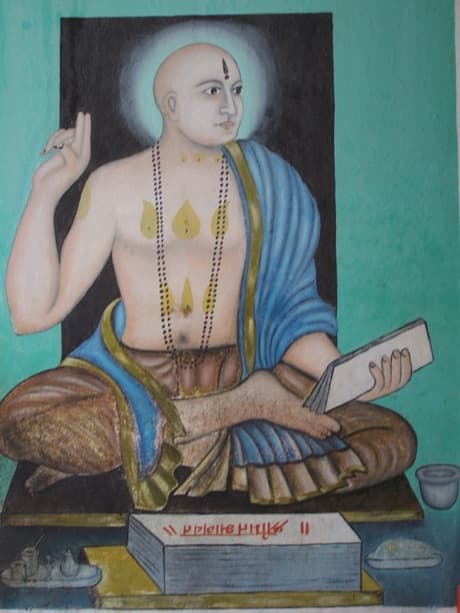
Madhvācārya · Dvaita
Madhva BhāṣyaSanskritEnglish“देहात्मविवेकानुभवार्थं दृष्टान्तमाह – वांसासि इति ||” – In this verse, the Lord clarifies the difference in experience about the body and the self, as an illustration.
Madhvācārya · Dvaita
Gītā Tātparya NirṇayaSanskritEnglish“जीवस्यापि शरीरसंयोगवियोगावेव जनिमुती यतस्ततो न दुःखकारणं इत्याह | वांसासि इति ||” – For self acquiring and discarding the body is like birth and death; therefore it need not be the cause of sorrow. Hence the explanation contained in verse 22.
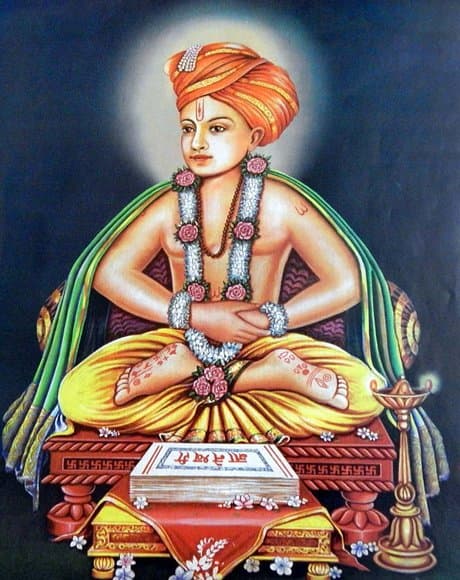
Jñāneśvar · Vārkarī
EnglishOn verses 2.22–2.25
22 "Just as, laying aside out-worn vestments, a person puts on others, new ones; so laying aside out-worn bodies, the body's owner passes on into others, new ones. 23 "Him cleave not weapons; him burns not fire; neither do the waters drench him, nor does the wind desiccate him. 24 "He is uncleavable; he is unburnable; he is undrenchable, as also undesiccatable. Eternal all-pervading, stable, immobile is he, enduring from yore. 25 "Non-manifest-unthinkable-immutable is he called, hence as thus knowing him, thou dost not do well to grieve after him. (144)
Just as we cast off worn out vestments and put on new ones, in the same way does the soul cast off worn out bodies and take on new ones. He being without origin, eternal, extremely pure without any limitations is ever beyond the reach of destruction with any mortal weapons. This soul can never be drenched in torrential waters, nor can fire burn him, nor can the wind desiccate him. O Arjuna, the soul is eternal, stable, immobile and all-pervading. O Kiriti, he is non-manifest and unthinkable. Meditation is ever eager to be able to see him. He is difficult to be comprehended by mere mental act nor can he be realized through any practical means. O Arjuna, he is limitless and the best of all the best. He is unaffected by the three Gunas (सत्व, रजस्, तमस्), has neither a beginning, nor an end, nor any manifested form, nor attribute, but is all-pervading. O Arjuna, once you come to know him as such, you will cease to grieve after him.
Swami Ramsukhdas · Modern
English'Vāsāṁsi jīrṇāni yathā vihāya navāni grhṇāti naro'parāṇi tathā śarīrāṇi vihāya jīrṇānyanyāni saṁyāti navāni dehī'—In the thirteenth verse of this chapter, it has been mentioned in brief that a wiseman does not get deluded, when the soul, transmigrates from one body to another. Now, Lord Kṛṣṇa by giving an illustration explains, that as a man by casting off old clothes is not grieved, so a man casting off worn-out bodies, should not grieve.
Here the word nara' (man), has been used for a human being, including men-women, boys-girls, young-old etc., all.
As a man discarding old clothes, puts on new ones, so does an embodied soul, casting off worn-out bodies, enter into new bodies. The casting off, of worn-out bodies is called death, while its acquiring new bodies, is called birth. So long as, this embodied soul has connection with prakṛti, it goes on acquiring new bodies, according to actions of the past, or according to thoughts at the moment of death.
Here the term 'śarīrāṇi' (bodies), has been used in plural
form. It means, that so long as an embodied soul, does not get emancipated, it goes on acquiring new bodies, upto eternity. The bodies, it has acquired are countless. The term 'dehi' has been used, to indicate, all embodied souls.
In the first half of this verse, there is mention of discarding of worn-out clothes, while in the second half, there is reference to casting off worn-out bodies.* So, how can the illustration of old clothes befit bodies, when bodies of even children and young men, die? The answer is, that end of age, means the worn-out bodies, whether they are of children, youngmen or old men.
In this verse, the Lord by using the terms, 'yathā' (as) and 'tathā' (so), has explained that as a man, discarding worn-out clothes, puts on new ones, so does an embodied soul, casting off worn-out bodies, acquire other bodies, which are new.
Here, a doubt arises, that a man is free in casting off old clothes and putting on new ones, but he is not free to cast off an old body and enter into a new one. The answer is, that Lord Kṛṣṇa does not mean to talk about freedom and dependence. His aim is to dispel the grief, arising from the separation of a body. One should not grieve, over the death of a body, because the soul remains unattached and unchanged. From this angle, this example is appropriate.
Another question that arises is, that a man is happy by discarding old clothes and putting on new ones, whereas he feels grieved, while casting off an old body and getting into a new one. The reason is, that a man by identifying himself with a body, wants to live long and thinks of the death of the body, as his own death. Thus, he gets sad. The grief (sadness), is the result of the desire to live, not because of death. 'I may
* If we perceive by applying our discrimination we come to know that the body is wearing out every moment and it reaches a stage when it completely dies. But we don't realize this fact because we don't pay attention to it. This is darkness or ignorance (lack of discrimination).
live'—this desire is latent, and he has to die, and that causes grief. But if he were to discriminate between the real and the unreal, he need not be sad, he rather rejoices. Thus, it is because of his ignorance, that he weeps. In his ignorance, he is like a child, who weeps, while his old clothes are taken away and he is made to put on new ones. To remove this ignorance, the Lord has used 'yathā' (as) and 'tathā' (so) words, by giving an illustration of clothes.
Lord Kṛṣṇa, has used the verb 'grhṇāti' for putting on clothes and 'saṃyāti' (enter), for embodied soul, because people generally think out of ignorance, that man changes clothes, living at his own place while an embodied soul has to go and enter new bodies. So Lord Kṛṣṇa, has used these two verbs, keeping the worldly point of view in mind.
Something Noteworthy
In the Gītā in 'Yena sarvāmidaṃ tātam' (2/17), in 'Nityaḥ sarvagataḥ sthānuḥ' (2/24) phrases, the soul has been described as all-pervading, eternal, omnipresent and constant, while in phrases such as 'Saṃyāti navāni dehī' (2/22) and 'Śarīraṃ yadavāpnoti' (15/8), it is said that the soul migrates (enters) into another body. So, there seems to be a contrast, but in fact, there is none. For example, when a person grows from his babyhood to youth, he says that he has grown young. But the fact is, that he is the same, it is the body which has grown young. By identifying himself with the body, he grafts the change of his body upon himself. Therefore, in fact the soul does not migrate. But, because of Its identification with bodies, It seems to migrate.
Now, a question arises, why this cycle of birth and death, has been going on from times, immemorial. From the view-point of the Discipline of Action, to reap the fruit of virtuous and evil actions, and from the view-point of the Discipline of Knowledge due to ignorance, and from the view-point of the Discipline of Devotion, due to disinclination for God, this cycle of birth and
death goes on. The basic factor behind these three is, that God has granted liberty to living beings, to make proper use of their lives, but they misuse it and so they have to go through a cycle of birth and death. They can be free from this cycle, by making proper use of this liberty. It means, that if they start working for the welfare of others, by renouncing their selfishness, they will be free from this cycle. Moreover negligence in discrimination* is the root cause of birth and death. If we attach importance to discrimination, we can be free from the shackles of birth and death. Similarly, disinclination for God, is the cause of birth and death, which can be eliminated by having an inclination for Him.
**Appendix**—A man wants new articles, so the Lord also gives him new articles (body etc., material). When the body grows old, God bestows upon him the new body. Therefore 'having new desires' is the cause of his birth and death. Those who have new desires, will get new things times without number. In a man there is one power of the will and another of the life-breath. If he has power of the will and his life-breath ends, he has to be re-born. If he has no will (desire), he has not to take re-birth when his life-breath ends.
An illustration is applicable only to a certain extent, not to the full extent. Here the illustration of casting off old clothes and putting on new ones is applicable to the extent that as a man, by changing several clothes, remains the same, similarly the self, by casting off worn-out bodies and by acquiring several new bodies, remains the same. As by casting off old clothes we don't die and by putting on new clothes we are not born,
* Negligence in discrimination means that we don't act according to what we know. We know that it is wrong to tell a lie. But still we do so in order to achieve selfish ends. We know that it is wrong to give pain to others. But we derive sadistic pleasure in torturing others. Similarly we know that bodies are perishable but we have attachment and infatuation for them. This is known as an affront to our knowledge.
similarly by casting off worn-out bodies, we don't die and by acquiring new bodies, we are not born. It means that the body dies, we (the self) don't die. If we die, who will reap the fruit of virtuous and sinful actions? Who will acquire new bodies? Who will be in bondage? Who will attain salvation?
*Link:—In the next three verses, there is the description that the soul is super-mundane.*
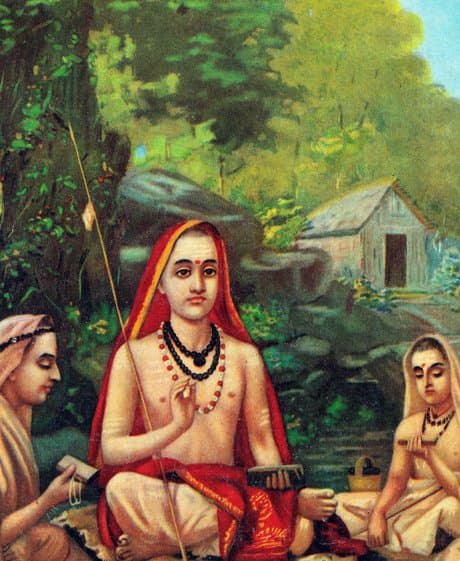
Ādi Śaṅkarācārya · Advaita
Sanskritवासांसि वस्त्राणि जीर्णानि दुर्बलतां गतानि यथा लोके विहाय परित्यज्य नवानि अभिनवानि गृह्णाति उपादत्ते नरः पुरुषः अपराणि अन्यानि, तथा तद्वदेव शरीराणि विहाय जीर्णानि अन्यानि संयाति सङ्गच्छति नवानि देही आत्मा पुरुषवत् अविक्रिय एवेत्यर्थः ॥ कस्मात् अविक्रिय एवेति, आह --
Ādi Śaṅkarācārya · Advaita
Hindiअब हम प्रकृत विषय वर्णन करेंगे। यहाँ (प्रकरणमें) आत्माके अविनाशित्वकी प्रतिज्ञा की गयी है वह किसके सदृश है ? सो कहा जाता है—
जैसे जगत्में मनुष्य पुराने—जीर्ण वस्त्रोंको त्यागकर अन्य नवीन वस्त्रोंको ग्रहण करते हैं, वैसे ही जीवात्मा पुराने शरीरको छोड़कर अन्यान्य नवीन शरीरोंको प्राप्त करता है। अभिप्राय यह कि (पुराने वस्त्रोंको छोड़कर नये धारण करनेवाले) पुरुषकी भाँति जीवात्मा सदा निर्विकार ही रहता है
Jñāneśvar · Vārkarī
Marathiजैसें जीर्ण वस्त्र सांडिजे । मग नूतन वेढिजे । तैसे देहांतराते स्वीकारिजे । चैतन्यनाथें ॥ १४४ ॥
Jñāneśvar · Vārkarī
Hindi(2.144) जैसे कोई अपना जीर्ण वस्त्र छोड़ दे और नया वस्त्र पहने वैसे ही आत्मा एक छोड़ दूसरे शरीर का स्वीकार करता है।
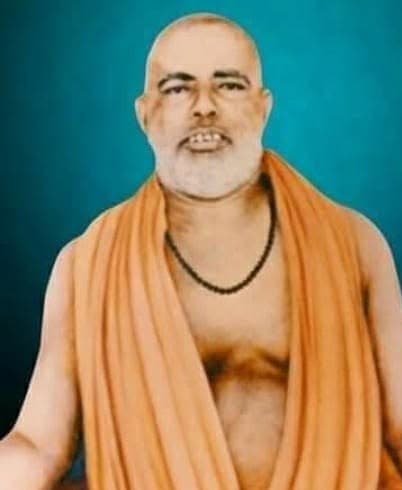
Sri Udiya Baba · Modern
Hindiसंगति— इस श्लोक में आत्मा को अविनाशी अजन्मा और अव्यय कहा है। अब प्रश्न होता है कि जन्म-मरण किसके होते हैं और वे हैं क्या? इस पर कहते हैं—
भावार्थ— जैसे मनुष्य पुराने वस्त्रों को उतारकर अन्य नये वस्त्र ग्रहण कर लेता है उसी प्रकार यह जीवात्मा पुराने शरीर को त्यागकर अन्य नवीन शरीरों को प्राप्त होजाता है।
व्याख्या— यहाँ यह भाव नहीं है कि जीवात्मा को शरीर त्याग करते ही दूसरा शरीर मिल जाता है। इससे यही आशय समझना चाहिए कि उसे शास्त्रोक्त विधान के अनुसार नये शरीर की प्राप्ति होती है। हाँ, वैकुण्ठ या स्वर्गादि लोकों को तो वह तुरन्त चला जाता है। इसीलिये संन्यासी और सिद्ध-भक्तों का अन्त्येष्टि संस्कार नहीं किया जाता। उन्हें देहत्याग करने पर ही दिव्य देह प्राप्त हो जाता है। वे इस लोक के कर्म-चक्र में नहीं पड़ते।
इस श्लोक में जीवात्मा की निर्विकारता भी बतलायी है। विकार वस्त्रों में ही होता है, उन्हें पहनने वाले में नहीं।
प्रश्न— यहाँ कहा है कि जीव पुराने शरीर को त्यागकर नष्ट शरीर को धारण कर लेता है, तो जो बच्चे पैदा होते ही मर जाते हैं उनमें इस श्लोक की संगति कैसे लगेगी, क्योंकि पुराना शरीर तो वृद्ध पुरुषों का होता है।
उत्तर— शरीर उत्पन्न होने के एक क्षण पश्चात् भी एक क्षण पुराना हो जाता है, अतः उसे पुराना ही समझना चाहिये।
Swami Ramsukhdas · Modern
Hindi‘वासांसि जीर्णानि...संयाति नवानि देही’—इसी अध्यायके तेरहवें श्लोकमें सूत्ररूपसे कहा गया था कि देहान्तरकी प्राप्तिके विषयमें धीर पुरुष शोक नहीं करते। अब उसी बातको उदाहरण देकर स्पष्टरूपसे कह रहे हैं कि जैसे पुराने कपड़ोंके परिवर्तनपर मनुष्यको शोक नहीं होता, ऐसे ही शरीरोंके परिवर्तनपर भी शोक नहीं होना चाहिये।
कपड़े मनुष्य ही बदलते हैं, पशु-पक्षी नहीं; अतः यहाँ कपड़े बदलनेके उदाहरणमें ‘नरः’ पद दिया है। यह ‘नरः’ पद मनुष्ययोनिका वाचक है और इसमें स्त्री-पुरुष, बालक-बालिकाएँ, जवान-बूढ़े आदि सभी आ जाते हैं।
जैसे मनुष्य पुराने कपड़ोंको छोड़कर दूसरे नये कपड़ोंको धारण करता है, ऐसे ही यह देही पुराने शरीरोंको छोड़कर दूसरे नये शरीरोंको धारण करता है। पुराना शरीर छोड़नेको ‘मरना’ कह देते हैं, और नया शरीर धारण करनेको ‘जन्मना’ कह देते हैं। जबतक प्रकृतिके साथ सम्बन्ध रहता है, तबतक यह देही पुराने शरीरोंको छोड़कर कर्मोंके अनुसार या अन्तकालीन चिन्तनके अनुसार नये-नये शरीरोंको प्राप्त होता रहता है।
यहाँ ‘शरीराणि’ पदमें बहुवचन देनेका तात्पर्य है कि जबतक शरीरोंको अपने वास्तविक स्वरूपका यथार्थ बोध नहीं होता, तबतक यह शरीर अनन्तकालतक शरीर धारण करता ही रहता है। आजतक इसने कितने शरीर धारण किये हैं, इसकी गिनती भी सम्भव नहीं है। इस बातको लक्ष्यमें रखकर ‘शरीराणि’ पदमें बहुवचनका प्रयोग किया गया है तथा सम्पूर्ण जीवोंका लक्ष्य करानेके लिये यहाँ ‘देही’ पद आया है।
यहाँ श्लोकके पूर्वार्धमें तो जीर्ण कपड़ोंकी बात कही है और उत्तरार्धमें जीर्ण शरीरोंकी। जीर्ण कपड़ोंका दृष्टान्त शरीरोंमें कैसे लागू होगा? कारण कि शरीर तो बच्चों और जवानोंके भी मर जाते हैं। केवल बूढ़ोंके जीर्ण शरीर मर जाते हों, यह बात तो है नहीं! इसका उत्तर यह है कि शरीर तो आयु समाप्त होनेपर ही मरता है और आयु समाप्त होना ही शरीरका जीर्ण होना है*। शरीर चाहे बच्चोंका हो, चाहे जवानोंका हो, चाहे बूढ़ोंका हो, आयु समाप्त होनेपर वे सभी जीर्ण ही कहलायेंगे।
इस श्लोकमें भगवान्ने ‘यथा’ और ‘तथा’ पद देकर कहा है कि जैसे मनुष्य पुराने कपड़ोंको छोड़कर नये कपड़े धारण कर लेता है, वैसे ही यह देही पुराने शरीरोंको छोड़कर नये शरीरोंमें चला जाता है। यहाँ एक शंका होती है। जैसे कुमार, युवा और वृद्ध अवस्थाएँ अपने-आप होती हैं, वैसे ही देहान्तरकी प्राप्ति अपने-आप होती है (दूसरे अध्यायका तेरहवाँ श्लोक)— यहाँ तो ‘यथा’ (जैसे) और ‘तथा’ (वैसे) घट जाते हैं। परन्तु (इस श्लोकमें) पुराने कपड़ोंको छोड़नेमें और नये कपड़े धारण करनेमें तो मनुष्यकी स्वतन्त्रता है, पर पुराने शरीरोंको छोड़नेमें और नये शरीर धारण करनेमें देहीकी स्वतन्त्रता नहीं है। इसलिये यहाँ ‘यथा’ और ‘तथा’ कैसे घटेंगे? इसका समाधान है कि यहाँ भगवान्का तात्पर्य स्वतन्त्रता-परतन्त्रताकी बात कहनेमें नहीं है, प्रत्युत शरीरके वियोगसे होनेवाले शोकको मिटानेमें है। जैसे पुराने कपड़ोंको छोड़कर नये कपड़े धारण करनेपर भी धारण करनेवाला (मनुष्य) वही रहता है, वैसे ही पुराने शरीरोंको छोड़कर नये शरीरोंमें चले जानेपर भी देही ज्यों-का-त्यों निलिप्तरूपसे रहता है; अतः शोक करनेकी कोई बात है ही नहीं। इस दृष्टिसे यह दृष्टान्त ठीक ही है।
दूसरी शंका यह होती है कि पुराने कपड़े छोड़नेमें और नये कपड़े धारण करनेमें तो सुख होता है, पर पुराने शरीर छोड़नेमें और नये शरीर धारण करनेमें दुःख होता है। अतः यहाँ ‘यथा’ और ‘तथा’ कैसे घटेंगे? इसका समाधान यह है कि शरीरोंके मरनेका जो दुःख होता है, वह मरनेसे नहीं होता, प्रत्युत जीनेकी इच्छासे होता है। ‘मैं जीता रहूँ’—ऐसी जीनेकी इच्छा भीतरमें रहती है और मरना पड़ता है, तब दुःख होता है। तात्पर्य यह हुआ कि जब मनुष्य शरीरके साथ एकात्मता कर लेता है, तब वह शरीरके मरनेसे अपना मरना मान लेता है और दुःखी होता है। परन्तु जो शरीरके साथ अपनी एकात्मता नहीं मानता, उसको मरनेमें दुःख नहीं होता, प्रत्युत आनन्द होता है! जैसे, मनुष्य कपड़ोंके साथ अपनी एकात्मता नहीं मानता, तो कपड़ोंको बदलनेमें उसको दुःख नहीं होता। कारण कि वहाँ उसका यह विवेक स्पष्टतया जाग्रत् रहता है कि कपड़े अलग हैं और मैं अलग हूँ। परन्तु वही कपड़ोंका बदलना अगर छोटे बच्चेका किया जाय, तो वह पुराने कपड़े उतारनेमें और नये कपड़े धारण
* विवेक-विचारपूर्वक देखा जाय तो आयु प्रतिक्षण समाप्त हो रही है अर्थात् शरीर प्रतिक्षण जीर्ण हो रहा है, प्रतिक्षण मर रहा है। यह एक क्षण भी स्थिर नहीं है। जैसे, जवान होनेसे बालकपन मर जाता है, तो वास्तवमें वह बालकपन निरन्तर मरता ही रहा है। परन्तु उधर दृष्टि न होनेसे प्रतिक्षण होनेवाली मौतकी तरफ खयाल नहीं जाता। यही वास्तवमें बेहोशी है।
करनेमें भी रोता है। उसका यह दुःख केवल मूर्खतासे, नासमझीसे होता है। इस मूर्खताको मिटानेके लिये ही भगवान्ने यहाँ 'यथा' और 'तथा' पद देकर कपड़ोंका दृष्टान्त दिया है।
यहाँ भगवान्ने कपड़ोंके धारण करनेमें तो 'गृह्णाति' (धारण करता है) क्रिया दी, पर शरीरोंके धारण करनेमें 'संयाति' (जाता है) क्रिया दी, ऐसा क्रियाभेद भगवान्ने क्यों किया? लौकिक दृष्टिसे बेसमझीके कारण ऐसा दीखता है कि मनुष्य अपनी जगह रहता हुआ ही कपड़ोंको धारण करता है और देहान्तरकी प्राप्तिमें देहीको उन-उन देहोंमें जाना पड़ता है। इस लौकिक दृष्टिको लेकर ही भगवान्ने क्रियाभेद किया है।
विशेष बात
गीतामें 'येन सर्वमिदं ततम्' (२।१७), 'नित्यः सर्वगतः स्थाणुः' (२।२४) आदि पदोंसे देहीको सर्वत्र व्याप्त, नित्य, सर्वगत और स्थिर स्वभाववाला बताया तथा 'संयाति नवानि देही' (२।२२), 'शरीरं यदवाप्नोति' (१५।८) आदि पदोंसे देहीको दूसरे शरीरोंमें जानेकी बात कही गयी है। अतः जो सर्वगत है, सर्वत्र व्याप्त है, उसका जाना-आना कैसे? क्योंकि जो जिस देशमें न हो, उस देशमें चला जाय, तो इसको 'जाना' कहते हैं और जो दूसरे देशमें है, वह इस देशमें आ जाय, तो इसको 'आना' कहते हैं। परन्तु देहीके विषयमें तो ये दोनों ही बातें नहीं घटतीं! इसका समाधान यह है कि जैसे किसीकी बाल्यावस्थासे युवावस्था हो जाती है तो वह कहता है कि 'मैं जवान हो गया हूँ'। परन्तु वास्तवमें वह स्वयं जवान नहीं हुआ है,
**परिशिष्ट भाव**—मनुष्य नयी-नयी वस्तु चाहता है तो भगवान् भी उसको नयी-नयी वस्तु (शरीरादि सामग्री) देते रहते हैं। शरीर बूढ़ा हो जाता है तो भगवान् उसको नया शरीर दे देते हैं। अतः नयी-नयी इच्छा करना ही जन्म-मरणका हेतु है। नयी-नयी इच्छा करनेवालेको अनन्तकालतक नयी-नयी वस्तु मिलती ही रहेगी। मनुष्यमें एक इच्छाशक्ति है, एक प्राणशक्ति है। इच्छाशक्तिके रहते हुए प्राणशक्ति नष्ट हो जाती है, तब नया जन्म होता है। अगर इच्छाशक्ति न रहे तो प्राणशक्ति नष्ट होनेपर भी पुनः जन्म नहीं होता।
कोई भी दृष्टान्त केवल एक अंशमें घटता है, सर्वथा नहीं घटता। यहाँ पुराने कपड़े छोड़कर नये कपड़े बदलनेका दृष्टान्त केवल इस अंशमें है कि जैसे आदमी अनेक कपड़े बदलनेपर भी एक ही रहता है, ऐसे ही स्वयं अनेक योनियोंमें अनेक शरीर धारण करनेपर भी एक (वही-का-वही) रहता है। जैसे पुराने कपड़ोंको छोड़नेसे हम मर नहीं जाते और नये कपड़े धारण करनेसे हम पैदा नहीं हो जाते, ऐसे ही पुराने शरीरको छोड़नेसे हम मर नहीं जाते और नया शरीर धारण
प्रत्युत उसका शरीर जवान हुआ है। इसलिये बाल्यावस्थामें जो वह था, युवावस्थामें भी वह वही है। परन्तु शरीरसे तादात्म्य माननेके कारण वह शरीरके परिवर्तनको अपनेमें आरोपित कर लेता है। ऐसे ही आना-जाना वास्तवमें शरीरका धर्म है, पर शरीरके साथ तादात्म्य होनेसे वह अपनेमें आना-जाना मान लेता है। अतः वास्तवमें देहीका कहीं भी आना-जाना नहीं होता, केवल शरीरोंके तादात्म्यके कारण उसका आना-जाना प्रतीत होता है।
अब यह प्रश्न होता है कि अनादिकालसे जो जन्म-मरण चला आ रहा है, उसमें कारण क्या है? कर्मोंकी दृष्टिसे तो शुभाशुभ कर्मोंका फल भोगनेके लिये जन्म-मरण होता है, ज्ञानकी दृष्टिसे अज्ञानके कारण जन्म-मरण होता है और भक्तिकी दृष्टिसे भगवान्की विमुखताके कारण जन्म-मरण होता है। इन तीनोंमें भी मुख्य कारण है कि भगवान्ने जीवको जो स्वतन्त्रता दी है, उसका दुरुपयोग करनेसे ही जन्म-मरण हो रहा है। अब वह जन्म-मरण मिटे कैसे? मिली हुई स्वतन्त्रताका सदुपयोग करनेसे जन्म-मरण मिट जायगा। तात्पर्य है कि अपने स्वार्थके लिये कर्म करनेसे जन्म-मरण हुआ है; अतः अपने स्वार्थका त्याग करके दूसरोंके हितके लिये कर्म करनेसे जन्म-मरण मिट जायगा। अपनी जानकारीका अनादर करनेसे* जन्म-मरण हुआ है; अतः अपनी जानकारीका आदर करनेसे जन्म-मरण मिट जायगा। भगवान्से विमुख होनेसे जन्म-मरण हुआ है; अतः भगवान्के सम्मुख होनेसे जन्म-मरण मिट जायगा।
* अपनी जानकारीका अनादर करनेका तात्पर्य है कि हम जितना जानते हैं, उसके अनुसार कार्य न करना। जैसे, सत्य बोलना ठीक है, झूठ बोलना ठीक नहीं—ऐसा जानते हुए भी स्वार्थके लिये झूठ बोल देते हैं। कोई हमें सुख देता है तो अच्छा लगता है और दुःख देता है तो बुरा लगता है—ऐसा जानते हुए भी अपने सुखके लिये दूसरोंको दुःख देते हैं। ऐसे ही हम जानते हैं कि शरीर आदि सब जानेवाले हैं, रहनेवाले नहीं हैं, फिर भी इनमें मोह-ममता करते हैं। यही अपनी जानकारीका अनादर है।
करनेसे हम पैदा नहीं हो जाते। तात्पर्य है कि शरीर मरता है, हम नहीं मरते। अगर हम मर जायें तो फिर पुण्य-पापका फल कौन भोगेगा? अन्य योनियोंमें कौन जायगा? बन्धन किसका होगा? मुक्त कौन होगा?
सम्बन्ध—पहले दृष्टान्तरूपसे शरीरकी निर्विकारताका वर्णन करके अब आगेके तीन श्लोकोंमें उसीका प्रकारान्तरसे वर्णन करते हैं।
नैनं छिन्दन्ति शस्त्राणि नैनं दहति पावकः ।
We learn from the Vedic scriptures that those who lose their physical bodies fighting for righteousness receive superior physical bodies in heavenly spheres of blessedness.
Such a transition can be compared to discarding old, used, worn out clothes and attiring oneself in fresh, new raiment.
So from another angle of vision it is being confirmed that the eternal soul is indestructible changing its embodied form for another when the physical body perishes.
Now in the next verse some examples are emphasised to give a more developed and comprehensive understanding of this indestructibility in the next verse.