

Bhagavad Gītā · Chapter 2 · Sāṅkhya Yoga
दुःखेष्वनुद्विग्नमनाः सुखेषु विगतस्पृहः
वीतरागभयक्रोधः स्थितधीर्मुनिरुच्यते
duḥkheṣvanudvignamanāḥ sukheṣu vigataspṛhaḥ|
vītarāgabhayakrodhaḥ sthitadhīrmunirucyate||
Word meanings
दुःखेषु = amid sorrows
अनुद्विग्नमनाः = whose mind is not agitated
सुखेषु = amid pleasures
विगतस्पृहः = free from longing
वीतरागभयक्रोधः = free from attachment, fear and anger
मुनिः = the sage
Translation
The sage, whose mind remains unperturbed amid sorrows, whose thirst for pleasure has altogether disappeared, and who is free from passion, fear and anger, is called stale of mind.
Commentary
The commentators seated around this verse
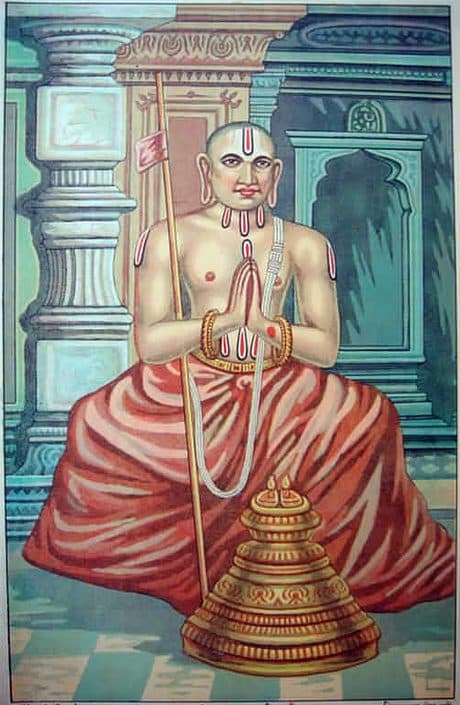
Rāmānuja · Viśiṣṭādvaita
English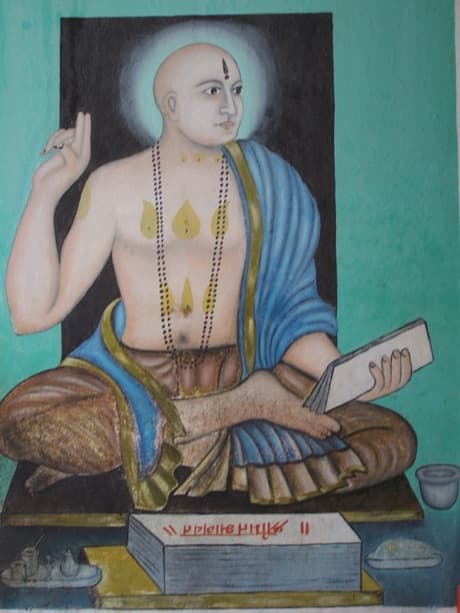
Madhvācārya · Dvaita
SanskritEnglish“तदेव स्पष्टयत्युत्तरैः त्रिधिः लोकैः | एतान्येव ज्ञानोपायानि च | तच्चोक्तम् - तद्वै जिज्ञासुभिः साध्यं ज्ञानिनां यत्तु लक्षण इति | शोभनाध्यासो रागः | रसो रागस्तथा रक्तिः शोभनाध्यास इच्छते | इत्यभिधाने ||” - The same has been clarified in the (next) three verses. For the men of wisdom also, these are the means. It has been said that whatever is recommended for the seeker that is also the distinctive mark of the man of wisdom. Assuming some thing erroneously as the pleasant becomes the source of attachment रस (sentiment) राग (attachment) and रक्तिः (loveliness) are said to be erroneous assumptions.
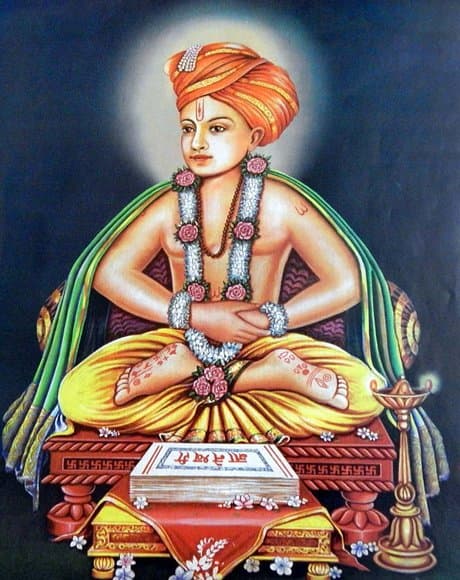
Jñāneśvar · Vārkarī
English56 “With a mind undejected in the midst of sorrows, and immune from cravings in the midst of joys—he from whom passion, fear, and anger have fled away—he is said to be the man of perfectly-poised Discernment: a Sage. (294)
One whose mind remains undejected in the midst of diverse sorrows and who never gets entangled in the craving for pleasures, in such a man there hardly remains any passion and wrath and he never knows any fear, his mind being ever full with the bliss of the Self. One ever remaining in such a state is Sthitaprajna. Such a right-thinking man abides with no diversity, having overcome all mundane difficulties.
Swami Ramsukhdas · Modern
English[Arjuna puts a question, attaching importance to action, while Lord Kṛṣṇa answers, attaching importance to feelings, because a change in feeling brings about a corresponding change in action.* The Lord is discussing here, the feeling or the motive which change the character of action throughout outwardly, it may seem quite different.]
* Whenever in the Gītā Arjuna puts a question attaching importance to action, Lord Kṛṣṇa answers it attaching importance to feelings and understanding because an action is performed according to the feelings and understanding. For example Arjuna in the fourteenth chapter asked, "What are the marks of him who has transcended the three modes?" Lord Kṛṣṇa attaching importance to feelings replies, "He remains even-minded."
**'Duḥkheṣvanudvignamanāḥ'**—There is no end to sorrow, calumny, dishonour and unfavourable circumstances, in this world. But a man of wisdom, remains unperturbed, because the aim of his life is to discharge his duty to the best of his ability and capacity, for the welfare to others, without having any desire for its fruit. So, he always remains happy and unperturbed even in the most unfavourable circumstances.
**'Sukheṣu vigataspṛhaḥ'**—He does not crave for any kind of pleasure such as praise, honour and favourable circumstances etc., nor does he have a desire to prolong, such a state. He remains unruffled in the midst of favourable or hostile circumstances.
**'Vitarāgabhayakrodhaḥ'**—Our entanglement with worldly things, is known as attachment (rāga). If a stronger person tries to deprive us of worldly possessions, it arouses fear in us, whereas if a weaker person does so, it arouses anger in us. But a person who is keen to do good to others, automatically gets rid of attachment. This freedom from attachment, leads him to fearlessness and calmness. Thus he becomes free from attachment, fear and anger.
So long as there are perturbations, cravings, attachment, fear and anger, even in a small measure, a man is called a striver. But when he is totally free from them, he becomes an enlightened soul.
[Lust, desire, craving and greed etc., are forms of attachment. In attachment there is an attraction, for the perishable worldly objects.]
**'Sthitadhirmunirucyate'**—The mind of such a follower of the Discipline of Selfless Action, becomes stable. Here, the term 'muni' has not been used, for a person who keeps silent. The Lord has also not used the term 'mauma' for penance of speech, but He has used it for mental penance (Gītā 17/16). So here, 'muni' has been used for a contemplative person, free from desire and attachment. He contemplates to remain unattached, like an
enlightened soul. Throughout his practice he is very cautious to remain unattached. Such cautiousness automatically persists in an enlightened soul. That awareness leads him to attainment of beatitude (Gītā 3/19). It is because of this virtue of awareness, that he has been described by the term 'muni.'
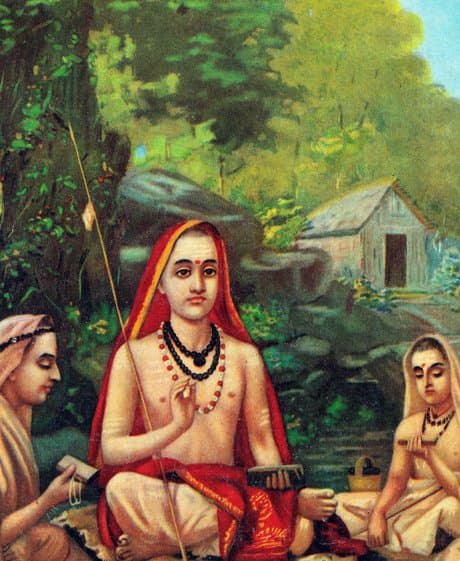
Ādi Śaṅkarācārya · Advaita
Sanskritदुःखेषु आध्यात्मिकादिषु प्राप्तेषु न उद्विग्नं न प्रक्षुभितं दुःखप्राप्तौ मनो यस्य सोऽयं अनुद्विग्न- मनाः । तथा सुखेषु प्राप्तेषु विगता स्पृहा तृष्णा यस्य, न अग्निरिव इन्धनाद्याधाने सुखान्यनु विवर्धते स विगतस्पृहः । वीतरागभयक्रोधः रागश्च भयं च क्रोधश्च वीता विगता यस्मात् स वीतरागभयक्रोधः । स्थितधीः स्थितप्रज्ञो मुनिः सन्न्यासी तदा उच्यते ॥ किञ्च --
Ādi Śaṅkarācārya · Advaita
Hindiआध्यात्मिक आदि तीनों प्रकारके दुःखोंके प्राप्त होनेमें जिसका मन उद्विग्न नहीं होता अर्थात् क्षुभित नहीं होता उसे 'अनुद्विग्रमनाः' कहते हैं।
तथा सुखोंकी प्राप्ति में जिसकी स्मृहा-तृष्णा नष्ट हो गयी है अर्थात् ईंधन डालनेसे जैसे अग्नि बढ़ती है वैसे ही सुखके साथ-साथ जिसकी लालसा नहीं बढ़ती वह 'विगतस्पृह' कहलाता है।
एवं आसक्ति, भय और क्रोध जिसके नष्ट हो गये हैं, वह 'वीतरागभयक्रोध' कहलाता है, ऐसे गुणोंसे युक्त जब कोई हो जाता है तब वह स्थितधी यानी स्थितप्रज्ञ और मुनि यानी संन्यासी कहलाता है
Jñāneśvar · Vārkarī
Marathiनाना दुःखी प्राप्तीं । जयासी उद्वेगु नाहीं चित्तीं । आणि सुखाचिया आर्ती । अडपैजेना ॥ २९४ ॥
अर्जुना तयाचां ठायीं । कामक्रोधु सहजें नाहीं । आणि भयातें नेणें कहीं । परिपूर्ण तो ॥ २९५ ॥
ऐसा जो निरवधि । तो जाण पां स्थिरबुद्धि । जो निरसूनि उपाधि । भेदरहितु ॥ २९६ ॥
Jñāneśvar · Vārkarī
Hindi(2.294) अनेक दुःख प्राप्त होने से भी जिसके चित्त में विकलता नहीं उपजती और जो सुख की आशा में नहीं फँसता
(2.295) उसमें हे अर्जुन! काम और क्रोध नहीं रहते; और उस पहुँचे हुए पुरुष को कभी भय भी नहीं होता।
(2.296) इस प्रकार जो निःसीम है, जो संसार का त्याग कर भेद-रहित हो गया है, उसे स्थिर-बुद्धि जानो।
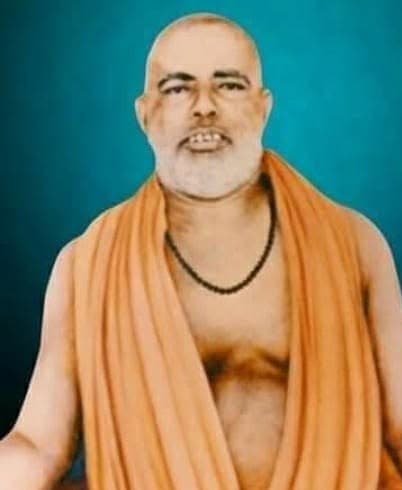
Sri Udiya Baba · Modern
Hindiसंगति— उपर्युक्त श्लोक का सम्बन्ध निवृत्तिनिष्ठ तत्त्ववेत्ता से है। अगले श्लोक में प्रवृत्तिपरायण सिद्ध के लक्षण बतलाये जाते हैं। इसके द्वारा अर्जुन के दूसरे प्रश्न का कि वह किस प्रकार बोलता है, उत्तर दिया गया है—
भावार्थ— [आध्यात्मिक आधिभौतिक और आधिदैविक—तीनों प्रकार के] दुःख उपस्थित होने पर जो उद्विग्न नहीं होता और सुखों में भी जिसकी लोलुपता नहीं है तथा जिसके राग भय और क्रोध समाप्त हो गये हैं वह स्थितधी मुनि कहा जाता है।
व्याख्या— वह सुख-दुःख से चलायमान नहीं होता, शान्त ही रहता है— यही उसका बोलना है। अर्थात् ऐसी स्थिति में वह मौन रहता है। दुःखों में वह इसलिये उद्विग्न नहीं होता क्योंकि उसकी वृत्ति निरन्तर आत्माकार रहती है। तथा सुख में उसको इसलिये इच्छा नहीं होती क्योंकि सभी को वह नाशवान् देखता है; जैसा कि कहा है—
रम्भे धनेऽथ दारादौ हर्षस्यावसरो हि कः। वृद्धायां मृगतृष्णायां किमानन्दौ जलार्थिनाम्॥
अर्थात् रमणीक पदार्थों में, धन में और स्त्रियों में भला हर्षित होने का क्या कारण है? जिन्हें जल की आवश्यकता है उन्हें मृगतृष्णा की वृद्धि हो जाने से क्या सुख होगा। इसी विचार के कारण बोधवानों को सुख की इच्छा नहीं होती, किन्तु अविचारी की इच्छा सुख-सामग्री मिलने पर और भी बढ़ जाती है जैसे कि घृत डालने से अग्नि।
वह वीतराग है, क्योंकि आत्मानुरागी है, इसलिये संसार में उसका राग नहीं है। वह निर्भय है, क्योंकि आत्मा अविनाशी है तथा अन्य वस्तुओं का अत्यन्ताभाव है। उसे क्रोध नहीं होता, क्योंकि क्रोध इच्छा की पूर्ति न होने पर ही होता है और उसकी दृष्टि से स्वसत्ता से भिन्न कोई वस्तु है ही नहीं, फिर वह किसकी इच्छा करेगा। जिसकी दृश्य में सत्यत्व, सुखत्व तथा रमणीयत्व बुद्धि होती है उसीको सुख की इच्छा और रागादि होते हैं। जिसमें ये नहीं होते वही स्थितधीः है और स्थितधीः होने से वह मुनि है। वह निरन्तर सबका अत्यन्ताभाव देखता है, अथवा जो भी सुना या देखा जाता है उस सबको वह ब्रह्म ही देखता है। वह राग-द्वेष आदि चर्चा ही नहीं आने देता, इसलिये वह स्थितधीः और मुनि है।
इस श्लोक में असमाहित-चित्त तत्त्ववेत्ता के लक्षण बतलाये गये हैं। परन्तु चित्त समाहित न होने पर भी उसके ज्ञान में कमी नहीं होती। स्थितधी व्यवहार भी करता है और उसे सुख-दुःख भी अनुभव होते हैं, परन्तु राग, भय या क्रोधादि उसमें नहीं होते। ७१वें श्लोक में समाहित-चित्त वाले बोधवान् के लक्षण बतलावेंगे। उसे तो इनकी प्रतीति भी नहीं होती। वह तो शरीर क्या, सम्पूर्ण संसार के नष्ट होने पर भी मस्त रहता है। वह रोगादि को भी अपना स्वरूप ही समझता है। इसी प्रकार सुखाकारा वृत्ति के विषय में भी समझना चाहिये। अतः
सुख-दुःख में उसकी समान वृत्ति रहती है। यदि किसी को सुख की इच्छा और दुःख में घबराहट होती है तो समझना चाहिये कि उसे ज्ञाननिष्ठा नहीं हुई।
Swami Ramsukhdas · Modern
Hindi[अर्जुनने तो 'स्थितप्रज्ञ कैसे बोलता है?' ऐसा क्रियाकी प्रधानताको लेकर प्रश्न किया था, पर भगवान् भावकी प्रधानताको लेकर उत्तर देते हैं; क्योंकि क्रियाओंमें भाव ही मुख्य है। क्रियामात्र भावपूर्वक ही होती है। भाव बदलनेसे क्रिया बदल जाती है अर्थात् बाहरसे क्रिया वैसी ही दीखनेपर भी वास्तवमें क्रिया वैसी नहीं रहती। उसी भावकी बात भगवान् यहाँ कह रहे हैं*।]
**'दुःखेष्वनुद्विग्नमनाः'**—दुःखोंकी सम्भावना और उनकी प्राप्ति होनेपर भी जिसके मनमें उद्देश्य नहीं होता अर्थात् कर्तव्य-कर्म करते समय कर्म करनेमें बाधा लग जाना, निन्दा-अपमान होना, कर्मका फल प्रतिकूल होना आदि-आदि प्रतिकूलताएँ आनेपर भी उसके मनमें उद्देश्य नहीं होता।
कर्मयोगीके मनमें उद्देश्य, हलचल न होनेका कारण यह है कि उसका मुख्य कर्तव्य होता है—दूसरोंके हितके लिये कर्म करना, कर्मोंको सांगोपांग करना, कर्मोंके फलमें कहीं आसक्ति, ममता, कामना न हो जाय—इस विषयमें सावधान रहना। ऐसा करनेसे उसके मनमें एक प्रसन्नता रहती है। उस प्रसन्नताके कारण कितनी ही प्रतिकूलता आनेपर भी उसके मनमें उद्देश्य नहीं होता।
**'सुखेषु विगतस्पृहः'**—सुखोंकी सम्भावना और उनकी प्राप्ति होनेपर भी जिसके भीतर स्पृहा नहीं होती अर्थात् वर्तमानमें कर्मोंका सांगोपांग हो जाना, तात्कालिक आदर और प्रशंसा होना, अनुकूल फल मिल जाना आदि-आदि अनुकूलताएँ आनेपर भी उसके मनमें 'यह परिस्थिति ऐसी ही बनी रहे; यह परिस्थिति सदा मिलती रहे'—ऐसी स्पृहा नहीं होती। उसके अन्तःकरणमें अनुकूलताका कुछ भी
असर नहीं होता।
**'वीतरागभयक्रोधः'**—संसारके पदार्थोंका मनपर जो रंग चढ़ जाता है उसको 'राग' कहते हैं। पदार्थोंमें राग होनेपर अगर कोई सबल व्यक्ति उन पदार्थोंका नाश करता है, उनसे सम्बन्ध-विच्छेद कराता है, उनकी प्राप्तिमें विघ्न डालता है, तो मनमें 'भय' होता है। अगर वह व्यक्ति निर्बल होता है, तो मनमें 'क्रोध' होता है। परन्तु जिसके भीतर दूसरोंको सुख पहुँचानेका, उनका हित करनेका, उनकी सेवा करनेका भाव जाग्रत हो जाता है, उसका राग स्वाभाविक ही मिट जाता है। रागके मिटनेसे भय और क्रोध भी नहीं रहते। अतः वह राग, भय और क्रोधसे सर्वथा रहित हो जाता है।
जबतक आंशिकरूपसे उद्देश्य, स्पृहा, राग, भय और क्रोध रहते हैं, तबतक वह साधक होता है। इनसे सर्वथा रहित होनेपर वह सिद्ध हो जाता है।
[वासना, कामना आदि सभी एक रागके ही स्वरूप हैं। केवल वासनाका तारतम्य होनेसे उसके अलग-अलग नाम होते हैं; जैसे अन्तःकरणमें जो छिपा हुआ राग रहता है, उसका नाम 'वासना' है। उस वासनाका ही दूसरा नाम 'आसक्ति' और प्रियता है। मेरेको वस्तु मिल जाय—ऐसी जो इच्छा होती है, उसका नाम 'कामना' है। कामना पूरी होनेकी जो सम्भावना है, उसका नाम 'आशा' है। कामना पूरी होनेपर भी पदार्थोंके बढ़नेकी तथा पदार्थोंके और मिलनेकी जो इच्छा होती है, उसका नाम 'लोभ' है। लोभकी मात्रा अधिक बढ़ जानेका नाम 'तृष्णा' है। तात्पर्य है कि उत्पत्ति-विनाशशील पदार्थोंमें जो खिंचाव है,
* गीतामें अर्जुनने जहाँ-कहीं भी क्रियाकी प्रधानताको लेकर प्रश्न किया है, उसका उत्तर भगवान्ने भाव और बोधकी प्रधानताको लेकर ही दिया है। कारण कि क्रियाओंमें भाव और बोध ही मुख्य हैं। भाव और बोधके अनुसार ही क्रियाएँ होती हैं। जैसे, अर्जुनने चौदहवें अध्यायमें पूछा कि गुणातीत पुरुषके आचरण कैसे होते हैं ? तो भगवान्ने भावकी मुख्यताको लेकर उत्तर दिया कि उसके आचरण समतापूर्वक होते हैं।
श्रेष्ठ और महत्त्व-बुद्धि है, उसीको वासना, कामना आदि नामोंसे कहते हैं।]
‘स्थितधीर्मुनिरुच्यते’—ऐसे मननशील कर्मयोगीकी बुद्धि स्थिर, अटल हो जाती है। ‘मुनि’ शब्द वाणीपर लागू होता है, इसलिये भगवान्ने ‘कि प्रभाषेत’ के उत्तरमें ‘मुनि’ शब्द कह दिया है। परंतु वास्तवमें ‘मुनि’ शब्द केवल वाणीपर ही अवलम्बित नहीं है। इसीलिये भगवान्ने सत्रहवें अध्यायमें ‘मौन’ शब्दका प्रयोग मानसिक तपमें किया है,
वाणीके तपमें नहीं (सत्रहवें अध्यायका सोलहवाँ श्लोक)। कर्मयोगका प्रकरण होनेसे यहाँ मननशील कर्मयोगीको मुनि कहा गया है। मननशीलताका तात्पर्य है— सावधानीका मनन, जिससे कि मनमें कोई कामना-आसक्ति न आ जाय। निरन्तर अनासक्त रहना ही सिद्ध कर्मयोगीकी सावधानी है; क्योंकि पहले साधक-अवस्थामें उसकी ऐसी सावधानी रही है (गीता—तीसरे अध्यायका उन्नीसवाँ श्लोक) और इसीसे वह परमात्मतत्त्वको प्राप्त हुआ है।
To be free from an agitated mind is not to become aggrieved when situations arise of impending affliction and difficulty or bereavement for something cherished and lost.
To not be elated in happiness is to remain in an unattached and passive state even when joyous events occur.
Desire is the longing for things not obtained. One must learn to be free from this.
Fear is worrying for prospective sorrow which may be caused by bereavement of what is cherished and the projection of the coming of unwanted things. One must learn to be free from this.
Anger is that disturbed state of mind and irritated feelings produced of pain from others causing separation from what is cherished or giving the experience of things not cherished. One must learn to be free from this.
Such a being is a muni or one of profound contemplation on the soul. This being is known as sthita-prājña situated in perfect knowledge of transcendental consciousness.
Lord Krishna describes the next lower stage in the next verse.