

Bhagavad Gītā · Chapter 2 · Sāṅkhya Yoga
योगस्थः कुरु कर्माणि सङ्गं त्यक्त्वा धनञ्जय
सिद्ध्यसिद्ध्योः समो भूत्वा समत्वं योग उच्यते
yogasthaḥ kuru karmāṇi saṅgaṃ tyaktvā dhanañjaya|
siddhyasiddhyoḥ samo bhūtvā samatvaṃ yoga ucyate||
Word meanings
धनञ्जय = O Dhanañjaya
सङ्गम् = attachment
त्यक्त्वा = having given up/risking
सिद्ध्यसिद्ध्योः = in success
असिद्धिमें = and failure
समः = even-minded
भूत्वा = having become
योगस्थः = established in yoga
कुरु = perform
समत्वम् = evenness (of mind)
योगः = is called yoga
Translation
Arjuna, perform your duties established in Yoga, renouncing attachment, and even-tempered in success and failure; envenness of temper is called Yoga.
Commentary
The commentators seated around this verse
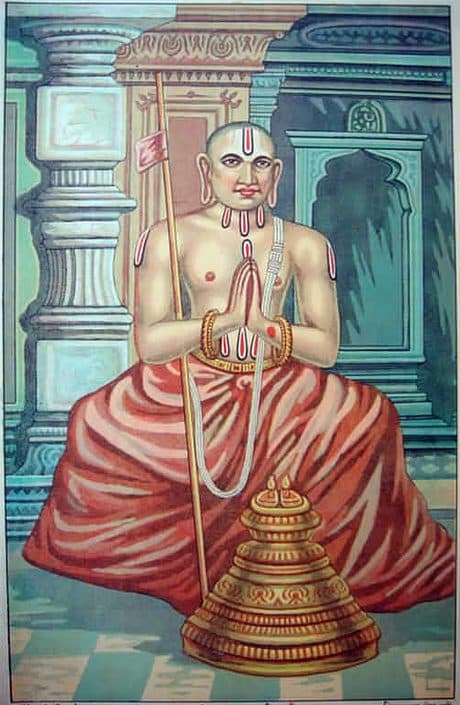
Rāmānuja · Viśiṣṭādvaita
English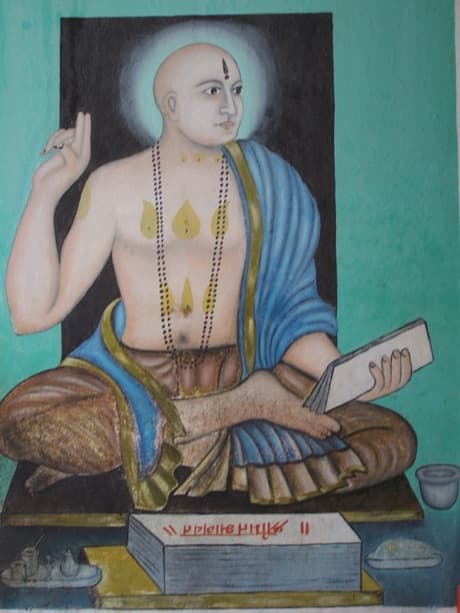
Madhvācārya · Dvaita
Madhva BhāṣyaSanskritEnglish“पूर्वोक्तोक्तत्वं स्पष्टयति | योगस्थ इति उपायस्थः | सङ्गं फलस्नेहं त्यक्त्वा || तत एव सिद्धसिद्धयोः समो भूत्वा | स एव च मयोक्तो योगः ||” - The previous verse is further clarified here. Yoga, equanimity, is the method suggested here. Giving up desire and attachment to the fruits, and then being equanimous both in success and failure. This, verily, is the Yoga, equanimity, spoken by Me (says the Lord).
Madhvācārya · Dvaita
Gītā Tātparya NirṇayaSanskritEnglish“सङ्गं फलस्नेहम् |” - सङ्गम् means attachment, love for the fruits (of desire).
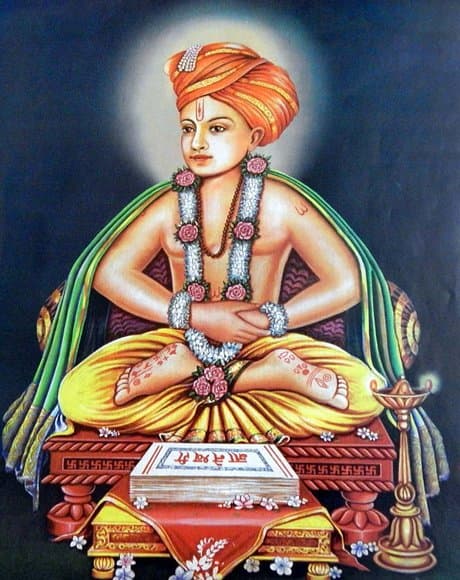
Jñāneśvar · Vārkarī
English48 *'Steadfast in Yoga, do thy actions, O Dhanamjaya, relinquishing attachment and becoming even-tempered (alike) in attainment or in non-attainment: (such) Evenness is called 'Yoga,'.* (267)
Be steadfast in Yoga (of duty) with a single-minded devotion without expectation of any fruit. And so let not your performance of duty resulting in success lead you to excessive rejoicing. On the other hand, if for some reason or the other, the action remains incomplete, and infructuous, do not be perturbed in mind and down- cast. An action that succeeds is certainly serviceable, but even when it remains incomplete it should also be taken in mind as successful. Whatever is attained by following one's duty should be dedicated to the primeval author—the Supreme Being (आदिपुरुष) and then take it that it will be completed. Mental equipoise (equanimity) in the face of both success and defeat in an action is described by the learned as the greatest Yoga.
Swami Ramsukhdas · Modern
English'Saṅgaṁ tyaktvā'—You can become indifferent, only if you have no attachment for actions, their fruits; place, time, incidents, circumstances, bodies and minds etc., which belong to matter, because without being indifferent to actions, these cannot lead you to salvation.
'Siddhyasiddhyoḥ samo bhūtvā'—Renunciation of attachment will result in evenness of mind. A man should be even-minded, in favourable and unfavourable circumstances, in honour and dishonour, and in praise and reproach.*
A follower of the Discipline of Disinterested Action, should be so even-minded while performing actions, that he should not bother about their accomplishment or non-accomplishment, for getting the fruit or not, for getting salvation or not. He should remain devoted to his duty. If an aspirant has not realized detachment and equanimity, he should aim at evenness of mind. By having this approach, a striver will attain equanimity finally, which will lead to God-realization or Self-realization (2/53).
'Yogasthaḥ kuru karmāṇi'—Lord Kṛṣṇa says, that the essence of true Yoga lies in even-mindedness, in success, as well as, failure. The person who keeps the mind ever in the poised state
* While explaining this verse Śrī Śaṅkarācārya writes—O Dhanañjaya, being established in Yoga perform actions only for God without even having the desire to please Him. Knowledge gained by purification of mind as a result of the desireless (without the desire for fruits) actions is called 'Siddhi' (Success) and whatever is contrary to it (lack of knowledge) is 'Asiddhi' (Failure). Perform actions being even-minded amidst success or failure. This evenness of mind or equanimity is called 'Yoga'.
is called steadfast in Yoga. The sameness of mind should remain intact from the beginning of an action, to its end. It should not be a temporary phase, otherwise the propensities of attraction and repulsion, will go on coming up. We should never allow such propensities to develop.
'Samatvaṃ yoga ucyate'—Yoga is, nothing but equanimity i.e., equanimity is the embodiment of Lord Himself. Further, in the nineteenth verse of the fifth chapter, Lord Kṛṣṇa says, 'Those whose mind is established in equanimity, have conquered the mortal plane, because Brahma (the Absolute) is flawless and equanimous, hence they are established in the Eternal.'
Here, Yoga has been defined as equanimity, while in the twenty-third verse of the sixth chapter, it will be defined as, the state which is free from the contact of pain. Actually, both the definitions are the same. When a man suffers from ring-worm or itching eczema, he gets satisfaction by scratching it. The pleasure of itching, is followed by the painful sensation of burning. Being the result of a disease both these sensations are really painful. Similarly, the pleasure and pain received from attachment to the world, are equally painful. Therefore, Yoga can either be defined as the state, free from the contact of pain viz., free from pleasure and pain or equanimity in pleasure and pain; both are the same.
It means that through all actions performed by physical, subtle and causal bodies should render service to the world, without having any selfish motive. This alone will lead to equanimity.
Something Noteworthy about Intellect and Equanimity
Intellect is of two kinds—indeterminate and determinate. The intellect of those whose aim is to enjoy worldly pleasure and prosperity, is indeterminate (Gītā 2/44) while the intellect of those whose aim is equanimity and salvation is determinate. Indeterminate intellects are endlessly diverse, while the determinate
one, is single. Those whose intellects are endlessly diverse, are themselves undecided (Gītā 2/41) and are worldly. But those whose intellect is single, have rightly resolved (Gītā 9/30) and they are strivers.
Equanimity is of two kinds—of the mind and of the self. To remain even, in favourable or unfavourable circumstances, without having any attachment or aversion, is equanimity of the mind, while equanimity of the self is union with God (2/53).
There is a distinction between the worldly people and strivers. The goal of the worldly people, is to enjoy pleasure and prosperity and their intellects are not determinate but are scattered in many directions and are endlessly diverse. On the other hand, the striver's intellects are determinate and the strivers in their practical life maintain equanimity in success and failure, profit and loss, and favourable and unfavourable circumstances, without having attachment and aversion. Such strivers conquer the mortal plane and are established in the Eternal (Gītā 5/19).
**Appendix—**In Pātañjala Yogadarśana the control of the mind has been called 'yoga'—'yogaścittavṛtti nirodhaḥ' (1/2). As a result of this yoga the seer rests in the self—'tadā draṣṭuḥ svarūpe'vasthānam' (1/3). Thus in Pātañjala Yogadarśana what has been called the result of yoga, the Gītā declares the same as 'yoga'—'samatvaṁ yoga ucyate'; 'taṁ vidyād duḥkhasaṁyogaviyogaṁ yogasaṁjñitam' (Gītā 6/23). It means that the Gītā declares that when a man (self) is totally detached from the mind and naturally rests in the self, that state is called 'yoga'. By getting established in this yoga (equanimity), there is no deviation from it; therefore it is also called 'Nityayoga' (eternal union). When the mind is controlled 'Nirvikalpa avasthā' (state of cessation of thoughts) ensues. But when by equanimity a man rests in the Self that is 'Nirvikalpa bodha' (knowledge of Truth) or 'sahajāvasthā' (Self-realization). 'Nirvikalpa bodha' is not a state but it transcends all states, it is their illuminator and is
the result of all yoga-disciplines. The states are both 'nirvikalpa' (without distraction) and 'savikalpa' (with distraction) but 'bodha' is only 'nirvikalpa'. Thus the yoga of the Gītā is more remarkable than that of Pātañjala yogadarśana.
The person who is not of 'mūḍha' (deluded) and 'kṣipta' (volatile) inclination but is of 'vikṣipta' (sometimes constant, sometimes volatile) inclination is eligible (qualified) for yoga of Pātañjala Yogadarśana. But all the persons who want to attain God are eligible for the yoga of the Gītā (God-realization). Not only this but the person who, instead of attaching importance to pleasure and prosperity, attaches importance to this yoga—such a seeker of the yoga (equanimity) also transcends the fruit of Vedic rituals performed with some motive—'jijñāsurapi yogasya śabdabrahmātivartate' (Gītā 6/44).
*Link:— In the next verse, Lord Kṛṣṇa explains the superiority of equanimity (which has been described from the thirty-ninth verse to the forty-eighth verse) to a motivated action viz., action with a selfish motive.*
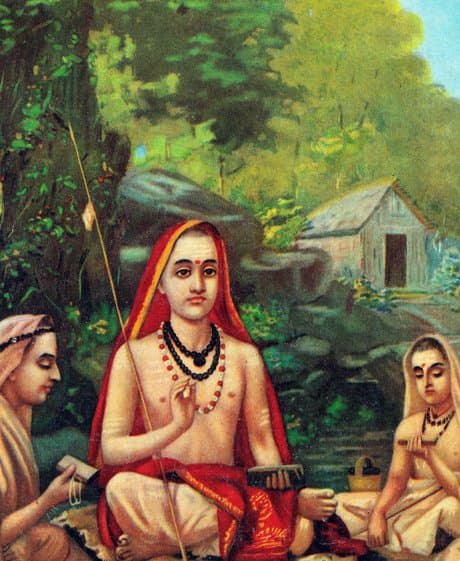
Ādi Śaṅkarācārya · Advaita
Sanskritयोगस्थः सन् कुरु कर्माणि केवलमीश्वरार्थम् ; तत्रापि ``ईश्वरो मे तुष्यतु'' इति सङ्गं त्यक्त्वा धनञ्जय । फलतृष्णाशून्येन क्रियमाणे कर्मणि सत्त्वशुद्धिजा ज्ञानप्राप्तिलक्षणासिद्धिः, तद्विपर्ययजा असिद्धिः, तयोः सिद्ध्यसिद्ध्योः अपि समः तुल्यः भूत्वा कुरु कर्माणि । कोऽसौ योगः यत्रस्थः कुरु इति उक्तम् ? इदमेव तत् -- सिद्ध्यसिद्ध्योः समत्वं योगः उच्यते ॥ यत्पुनः समत्वबुद्धियुक्तमीश्वराराधनार्थं कर्मोक्तम्, एतस्मात्कर्मणः --
Ādi Śaṅkarācārya · Advaita
Hindiयदि कर्मफलसे प्रेरित होकर कर्म नहीं करने चाहिये तो फिर किस प्रकार करने चाहिये? इसपर कहते हैं—
हे धनंजय! योगमें स्थित होकर केवल ईश्वरके लिये कर्म कर। उनमें भी ‘ईश्वर मुझपर प्रसन्न हों।’ इस आशारूप आसक्तिको भी छोड़कर कर।
फलतुष्णारहित पुरुषद्वारा कर्म किये जानेपर अन्तःकरणकी शुद्धिसे उत्पन्न होनेवाली ज्ञानप्राप्ति तो सिद्धि है और उससे विपरीत (ज्ञानप्राप्तिका न होना) असिद्धि है, ऐसी सिद्धि और असिद्धिमें भी सम होकर अर्थात् दोनोंको तुल्य समझकर कर्म कर।
वह कौन-सा योग है, जिसमें स्थित होकर कर्म करनेके लिये कहा है? यही जो सिद्धि और असिद्धिमें समत्व है, इसीको योग कहते हैं
Jñāneśvar · Vārkarī
Marathiतूं योगयुक्त होऊनी । फळाचा संग सांडुनी । मग अर्जुना चित्त देऊनी । करीं कर्में ॥ २६७ ॥
परी आदरिले कर्म दैवें । जरी समाप्तीतें पावे । तरी विशेषें तेथ तोषावें । हेही नको ॥ २६८ ॥
कां निमित्तें कोणे एकें । तें सिद्धी न वचतां ठाकें । तरी तेथिंचेनि अपरितोखें । क्षोभावें ना ॥ २६९ ॥
आचरता सिद्धी गेलें । तरी काजाचि कीर आलें । परी ठेलियाही सगुण जहालें । ऐसेंचि मानीं ॥ २७० ॥
देखें जेतुलालें कर्म निपजे । तेतुलें आदिपुरुषीं जरी अर्पिजे । तरी परीपूर्ण सहजें । जहालें जाणे ॥ २७१ ॥
देखें संतासंती कर्मीं । हें जे सरिसेपण मनोधर्मीं । तेचि योगस्थिति उत्तमीं । प्रशंसिजे ॥ २७२ ॥
Jñāneśvar · Vārkarī
Hindi(2.267) योगयुक्त होकर फल का संग छोड़ दो और फिर मन लगाकर कर्म करो।
(2.268) परन्तु यदि आरम्भ किया हुआ कर्म सुदैव से सिद्ध हो जाय तो उसके विषय अधिक सन्तोष भी मत मानो,
(2.269) अथवा यदि किसी कारण से वह कर्म सिद्ध न होते हुए रह जाय तो असन्तोष से क्षुब्ध भी मत हो। (2.270) कर्म करते करते यदि सिद्ध हो जाय तो निःसन्देह भला ही हुआ; परन्तु न भी सिद्ध हो तो सफल ही हुआ सा समझो।
(2.271) जितना कुछ कर्म उत्पन्न होता है उतना सब ईश्वर को समर्पण किया जाय तो सहज ही परिपूर्ण हुआ सा समझना चाहिए।
(2.272) ऐसी जो भले-बुरे कर्म के विषय मनोधर्म की समानता होती है उसी योगस्थिति की श्रेष्ठ जन प्रशंसा करते हैं।
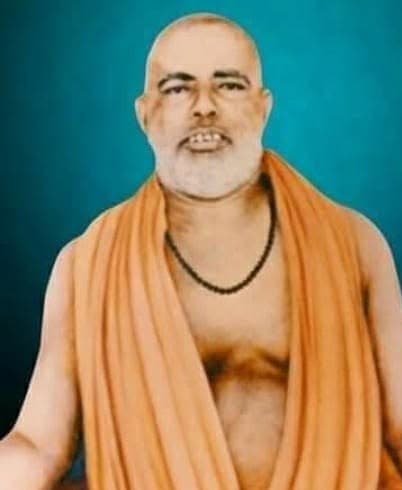
Sri Udiya Baba · Modern
Hindiसंगति— अगले श्लोक में निष्काम कर्म का स्वरूप बतलाते हैं—
भावार्थ— हे धनञ्जय! आसक्ति को त्यागकर तथा सिद्धि-असिद्धि में समान रहकर योग में स्थित हुआ कर्म कर। इस समत्व को ही योग कहते हैं।
व्याख्या— प्रश्न— सिद्धि-असिद्धि में सम रहना रूप समत्व योग क्या है तथा योगस्थ किसे कहते हैं?
उत्तर— इष्ट-अनिष्ट फल होने पर हर्ष-शोक से रहित रहना तथा ऐसा संकल्प न होना कि अमुक पुण्य कर्म करते-करते बहुत समय हो गया, अभी तक न तो भगवान् मिले और न कोई अन्य फल ही मिला। यही सिद्धि-असिद्धि में समान रहना है। यहाँ तक कि भगवत्कृपा का भी स्मरण न हो, बस भजन में तत्पर रहे। यही समत्वयोग अथवा निष्काम कर्मयोग है। इस प्रकार कोई इच्छा न रखकर केवल भगवद्भजन में ही तत्पर रहने वाला साधक योगस्थ कहा जाता है।
Swami Ramsukhdas · Modern
Hindi‘सङ्गं त्यक्त्वा’—किसी भी कर्ममें, किसी भी कर्मके फलमें, किसी भी देश, काल, घटना, परिस्थिति, अन्तःकरण, बहिःकरण आदि प्राकृत वस्तुमें तेरी आसक्ति न हो, तभी तू निलिप्ततापूर्वक कर्म कर सकता है। अगर तू कर्म, फल आदि किसीमें भी चिपक जायगा, तो निलिप्तता कैसे रहेगी ? और निलिप्ता रहे बिना वह कर्म मुक्तिदायक कैसे होगा ?
‘सिद्ध्यसिद्ध्योः समो भूत्वा’—आसक्तिके त्यागका परिणाम क्या होगा ? सिद्धि और असिद्धिमें समता हो जायगी।
कर्मका पूरा होना अथवा न होना, सांसारिक दृष्टिसे उसका फल अनुकूल होना अथवा प्रतिकूल होना, उस कर्मको करनेसे आदर-निरादर, प्रशंसा-निन्दा होना, अन्तःकरणकी शुद्धि होना अथवा न होना आदि-आदि जो सिद्धि और असिद्धि है, उसमें सम रहना चाहिये।
कर्मयोगीकी इतनी समता अर्थात् निष्कामभाव होना चाहिये कि कर्मोंकी पूर्ति हो चाहे न हो, फलकी प्राप्ति हो चाहे न हो, अपनी मुक्ति हो चाहे न हो, मुझे तो केवल कर्तव्य-कर्म करना है। साधकको असंगताका अनुभव न हुआ हो, उसमें समता न आयी हो, तो भी उसका उद्देश्य असंग होनेका, सम होनेका ही हो। जो बात उद्देश्यमें आ
जाती है, वही अन्तमें सिद्ध हो जाती है। अतः साधनरूप समतासे अर्थात् अन्तःकरणकी समतासे साध्यरूप समता स्वतः आ जाती है—‘तदा योगमवाप्स्यसि’ (२।५३)।
‘योगस्थः कुरु कर्माणि’—सिद्धि-असिद्धिमें सम होनेके बाद उस समतामें निरन्तर अटल स्थित रहना ही ‘योगस्थ’ होना है। जैसे किसी कार्यके आरम्भमें गणेशजीका पूजन करते हैं, तो उस पूजनको कार्य करते समय हरदम साथमें नहीं रखते, ऐसे ही कोई यह न समझ ले कि आरम्भमें एक बार सिद्धि-असिद्धिमें सम हो गये तो अब उस समताको हरदम साथमें नहीं रखना है, राग-द्वेष करते रहना है, इसलिये भगवान् कहते हैं कि समतामें हरदम स्थित रहते हुए ही कर्तव्य-कर्मको करना चाहिये।
‘समत्वं योग उच्यते’—समता ही योग है अर्थात् समता परमात्माका स्वरूप है। वह समता अन्तःकरणमें निरन्तर बनी रहनी चाहिये। आगे पाँचवें अध्यायके उन्नीसवें श्लोकमें भगवान् कहेंगे कि ‘जिनका मन समतामें स्थित हो गया है, उन लोगोंने जीवित अवस्थामें ही संसारको जीत लिया है; क्योंकि ब्रह्म निर्दोष और सम है; अतः उनकी स्थिति ब्रह्ममें ही है।’
‘समताका नाम योग है’—यह योगकी परिभाषा है। इसीको आगे छठे अध्यायके तेईसवें श्लोकमें कहेंगे कि
* इस विषयमें श्रीशंकराचार्यजी महाराज (गीता २।४८ की व्याख्या करते हुए) कहते हैं—
‘योगस्थः सन् कुरु कर्माणि केवलमीश्वरार्थं तत्रापीश्वरो मे तुष्यविधि सङ्गं त्यक्त्वा धनञ्जय! फलतुष्णाशून्येन क्रियमाणे कर्माणि सत्त्वशुद्धिजा ज्ञानप्राप्तिलक्षणं सिद्धिस्तद् विपर्ययजा असिद्धिस्तयोः सिद्ध्यसिद्ध्योरपि समस्तुल्यो भूत्वा कुरु कर्माणि। कोऽसौ योगो यत्रस्थः कुर्वित्पुत्रमिदमेव तत् सिद्ध्यसिद्ध्योः समत्वं योग उच्यते।’
‘हे धनंजय! योगमें स्थित होकर केवल ईश्वरके लिये कर्म कर। उसमें भी ‘ईश्वर मेरेपर प्रसन्न हो जाय’—इस संग (कामना) को छोड़कर कर्म कर। फलतुष्णारहित पुरुषके द्वारा कर्म किये जानेपर अन्तःकरणकी शुद्धिसे उत्पन्न होनेवाली ज्ञानप्राप्ति तो सिद्धि है और उससे विपरीत (ज्ञानप्राप्तिका न होना) असिद्धि है। ऐसी सिद्धि-असिद्धिमें सम होकर अर्थात् दोनोंको तुल्य समझकर कर्म कर। वह कौन-सा योग है, जिसमें स्थित होकर कर्म करनेके लिये कहा है ? यही जो सिद्धि और असिद्धिमें सम होना है, इसीको योग कहते हैं।’
‘दुःखोंके संयोगका जिसमें वियोग है, उसका नाम योग है।’ ये दोनों परिभाषाएँ वास्तवमें एक ही हैं। जैसे दादकी बीमारीमें खुजलीका सुख होता है और जलनका दुःख होता है, पर ये दोनों ही बीमारी होनेसे दुःखरूप हैं, ऐसे ही संसारके सम्बन्धसे होनेवाला सुख और दुःख—दोनों ही वास्तवमें दुःखरूप हैं। ऐसे संसारसे सम्बन्ध-विच्छेदका नाम ही ‘दुःख-संयोग-वियोग’ है। अतः चाहे दुःखोंके संयोगका वियोग अर्थात् सुख-दुःखसे रहित होना कहें; चाहे सिद्धि-असिद्धिमें अर्थात् सुख-दुःखमें सम होना कहें, एक ही बात है।
इस श्लोकका तात्पर्य यह हुआ कि स्थूल, सूक्ष्म और कारण-शरीरसे होनेवाली मात्र क्रियाओंको केवल संसारकी सेवारूपसे करना है, अपने लिये नहीं। ऐसा करनेसे ही समता आयेगी।
बुद्धि और समता-सम्बन्धी विशेष बात
बुद्धि दो तरहकी होती है—अव्यवसायात्मिका और व्यवसायात्मिका। जिसमें सांसारिक सुख, भोग, आराम, मान-बड़ाई आदि प्राप्त करनेका ध्येय होता है, वह बुद्धि ‘अव्यवसायात्मिका’ होती है (गीता—दूसरे अध्यायका चौवालीसवाँ श्लोक)। जिसमें समताकी प्राप्ति करनेका, अपना कल्याण करनेका ही उद्देश्य रहता है, वह बुद्धि ‘व्यवसायात्मिका’ होती है (गीता—दूसरे अध्यायका इकतालीसवाँ श्लोक)। अव्यवसायात्मिका बुद्धि अनन्त होती है और व्यवसायात्मिका बुद्धि एक होती है। जिसकी बुद्धि अव्यवसायात्मिका होती है, वह स्वयं अव्यवसायी (अव्यवसित) होता है—‘बुद्धयोऽव्यवसायिनाम्’ (२।४१) तथा वह संसारी होता है। जिसकी बुद्धि व्यवसायात्मिका होती है, वह स्वयं व्यवसायी (व्यवसित) होता है—
**परिशिष्ट भाव**—पातंजलयोगदर्शनमें चित्तवृत्तिनिरोध-रूप साधनको ‘योग’ कहा गया है—‘योगश्चित्तवृत्ति-निरोधः’ (१।२)। इस योगके परिणामस्वरूप द्रष्टाकी स्वरूपमें स्थिति हो जाती है—‘तदा द्रष्टुः स्वरूपेऽवस्थानम्’ (१।३)। इस प्रकार पातंजलयोगदर्शनमें योगका जो परिणाम बताया गया है, उसीको गीता ‘योग’ कहती है—‘समत्वं योग उच्यते’, ‘तं विद्यादुःखसंयोगवियोगं योगसञ्चितम्’ (६।२३)। तात्पर्य है कि गीता चित्तवृत्तियोंसे सर्वथा सम्बन्ध-विच्छेदपूर्वक स्वतःसिद्ध सम-स्वरूपमें स्वाभाविक स्थितिको ‘योग’ कहती है। इस योग अर्थात् समतामें स्थित होनेपर फिर कभी इससे वियोग अर्थात् व्युत्थान नहीं होता, इसलिये इसको ‘नित्ययोग’ भी कहते हैं। चित्तवृत्तियोंका निरोध होनेपर तो ‘निर्विकल्प अवस्था’ होती है, पर समतामें स्वतःसिद्ध स्थितिका अनुभव होनेपर ‘निर्विकल्प बोध’ (सहजावस्था) होता है। निर्विकल्प बोध अवस्था नहीं है, प्रत्युत सम्पूर्ण अवस्थाओंसे अतीत तथा उनका प्रकाशक एवं सम्पूर्ण योग-साधनोंका फल है। अवस्था तो निर्विकल्प और सविकल्प दोनों होती है, पर बोध निर्विकल्प ही होता है। इस प्रकार गीताका योग पातंजलयोगदर्शनके योगसे बहुत विलक्षण है।
‘व्यवसितो हि सः’ (१।३०) तथा वह साधक होता है।
समता भी दो तरहकी होती है—साधनरूप समता और साध्यरूप समता। साधनरूप समता अन्तःकरणकी होती है और साध्यरूप समता परमात्मस्वरूपकी होती है। सिद्धि-असिद्धि, अनुकूलता-प्रतिकूलता आदिमें सम रहना अर्थात् अन्तःकरणमें राग-द्वेषका न होना साधनरूप समता है, जिसका वर्णन गीतामें अधिक हुआ है। इस साधनरूप समतासे जिस स्वतःसिद्ध समताकी प्राप्ति होती है, वह साध्यरूप समता है, जिसका वर्णन इसी अध्यायके तिरपनवें श्लोकमें ‘तदा योगमवाप्स्यसि’ पदोंसे हुआ है।
अब इन चारों भेदोंको यों समझें कि एक संसारी होता है और एक साधक होता है, एक साधन होता है और एक साध्य होता है। भोग भोगना और संग्रह करना—यही जिसका उद्देश्य होता है, वह संसारी होता है। उसकी एक व्यवसायात्मिका बुद्धि नहीं होती, प्रत्युत कामनारूपी शाखाओंवाली अनन्त बुद्धियाँ होती हैं।
मेरेको तो समताकी प्राप्ति ही करनी है, चाहे जो हो जाय—ऐसा निश्चय करनेवालेकी व्यवसायात्मिका बुद्धि होती है। ऐसा साधक जब व्यवहारक्षेत्रमें आता है, तब उसके सामने सिद्धि-असिद्धि, लाभ-हानि, अनुकूल-प्रतिकूल परिस्थिति आदि आनेपर वह उनमें सम रहता है, राग-द्वेष नहीं करता। इस साधनरूप समतासे वह संसारसे ऊँचा उठ जाता है—‘इहैव तैर्जितः सर्गो येषां साम्ये स्थितं मनः’ (गीता ५।१९ का पूर्वार्ध)। साधनरूप समतासे स्वतःसिद्ध समरूप परमात्माकी प्राप्ति हो जाती है—‘निर्दोषं हि समं ब्रह्म तस्माद्ब्रह्मणि ते स्थिताः’ (गीता ५।१९ का उत्तरार्ध)।
पातंजलयोगदर्शनके योगका अधिकारी वह है, जो मूढ़ और क्षिप्त वृत्तिवाला नहीं है, प्रत्युत विशिष्ट वृत्तिवाला है। परन्तु भगवान्की प्राप्ति चाहनेवाले सब-के-सब मनुष्य गीताके योगके अधिकारी हैं। इतना ही नहीं, जो मनुष्य भोग और संग्रहको महत्त्व न देकर इस योगको ही महत्त्व देता है और इसको प्राप्त करना चाहता है—ऐसा योगका जिज्ञासु भी वेदोंमें वर्णित सकाम कर्मोंका अतिक्रमण कर जाता है—‘जिज्ञासुरपि योगस्य शब्दब्रह्मातिवर्तते’ (गीता ६। ४४)।
सम्बन्ध—उनतालीसवेंसे अड़तालीसवें श्लोकतक जिस समबुद्धिका वर्णन हुआ है, सकामकर्मकी अपेक्षा उस समबुद्धिकी श्रेष्ठता आगेके श्लोकमें बताते हैं।
Abandoning the attachment to kingdom, relatives etc., establish yourself in Yoga, engage in your prescribed duties and other such activities.
Perform these with equanimity as regards success and failure resulting from victory or defeat which are inherent in them. Yoga is defined in this verse as "equanimity with regard to success and failure.”
Śrī Krishna explains why He constantly repeats this teaching: —