

Bhagavad Gītā · Chapter 2 · Sāṅkhya Yoga
कर्मण्येवाधिकारस्ते मा फलेषु कदाचन
मा कर्मफलहेतुर्भूर्मा ते सङ्गोऽस्त्वकर्मणि
karmaṇyevādhikāraste mā phaleṣu kadācana|
mā karmaphalaheturbhūrmā te saṅgo'stvakarmaṇi||
Word meanings
कर्मणि = in action
एव = indeed
ते = your
अधिकारः = right
फलेषु = in the fruits
कदाचन = ever
मा = never
कर्मफलहेतु = the cause of the fruit of action
मा = do not
भूः = become
ते = your
अकर्मणि = to inaction
सङ्गः = attachment
मा = not
अस्तु = let there be
Translation
Your right is to work only, but never to the fruit thereof. Be not instrumental in making your actions bear fruit, nor let your attachment be to inaction.
Commentary
The commentators seated around this verse
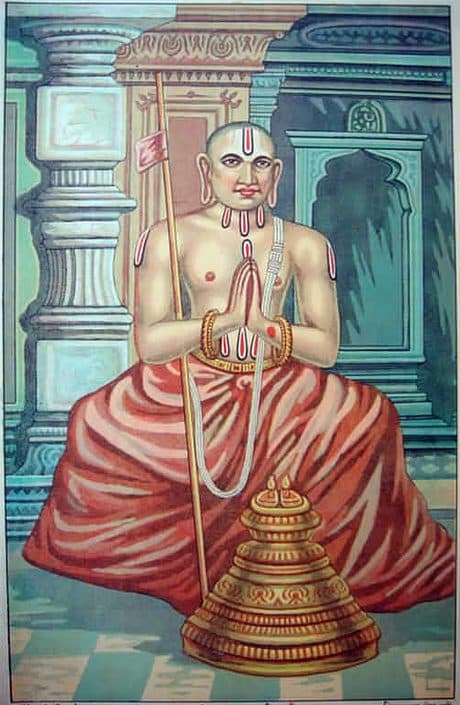
Rāmānuja · Viśiṣṭādvaita
English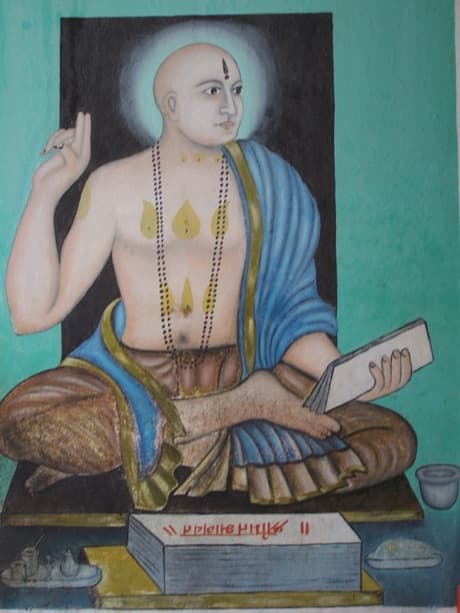
Madhvācārya · Dvaita
Madhva BhāṣyaSanskritEnglish“कामात्मानं निन्दा कृता कथमेषाम्? स्वर्गकामो यजेत् इत्यादौ कामस्यापि विहितत्वाद् इत्यत आह - कर्म ण्येव इति | त इत्युपलक्षणम् | तत्र ज्ञानिनोऽपि न फलकामकर्तव्यता | किमन्येषाम् | नत्वस्ति केषाञ्छिन्ना तेऽस्तीति | स हि ज्ञानी नरांश इन्द्रश्च | महोदिस्वभिभवदेः | यदि तेषां शुद्धसत्त्वानां न स्याज्ज्ञानम् क्वान्येषाम्? उपदेशदेश्य सिद्धं ज्ञानं तेषाम् | पार्थाष्टिषेण - इत्यादिज्ञानिगणनाश्च |” - Desire bound self is reprehensible. How? In whom ‘desire for heavens originates’, by such words as desires are recommended to be avoided. Such words have the stamp of secondary importance. Therefore, even for the wise, the desire for fruits is not advisable. How then (could it be) for others! It is also not that others can, but (a man of wisdom) Arjuna can. Though wise and partial manifestation of Indra, even he can be affected by greed and comforts. If one can expect no satva (luminosity) in him, then how can one expect wisdom in others? For receiving necessary instructions, he has all the necessary wisdom and qualifications. Arjuna is one of those who are considered amongst the most qualified person, an अधिकारी.
“कामनिषेध एवाच्च – फलानि ह्यस्वतन्त्येण भवन्ति | नहि फलानि कर्माभावे यत्नतोपि भवन्ति | भवन्ति च काम्यकर्मिणो विपर्ययप्रयत्ते अपि अविरोधे | अतः कर्माकरण एव प्रत्यवायः | न तु ज्ञानादिनावाऽकमनया फलप्राप्तौ | अतः कर्मण्येवाधिकारः | अतस्तदेव कार्यम् | न तु कामेन ज्ञानादिनिषेधेन वा फलप्राप्तिः |” - Only those actions (prompted by desire for fruit) is prohibited because fruits are independently ordained by the Lord. It is not that the fruits of actions are possible by one's own efforts alone. Similarly, desire for fruits of actions is also provided even though not aspired. Therefore, non-performance of any actions may bring opposite result. The fruits are available neither through Wisdom nor through Desire. Persons are entitled only for performance of action. Such, verily, is the way of action. Neither by having desire, nor by avoiding the means of wisdom, does one gain the fruits.
“कामवचनानां तु तात्पर्यं भगवतीवोक्तम् | - रोचनार्थं फलश्रुतिः, यथा भैषज्यरोचनम् | इत्यादी भागवते | अत एव, कामी, यजेत, इत्यर्थः | न तु कामी भूत्वा इत्यर्थः | निष्कामं ज्ञानपूर्वम् च | इति वचनात् | वक्ष्यमाणेभ्यश्च | वसन्ते वसन्ते ज्योतिषां यजेत, इत्यादिभ्यश्च | अतो माकामफलहेतुभूः - कर्मफलं तत्कृतौ हेतुर्यस्य स कर्मफलहेतुः | स मामूः | तर्हि न करोमि इत्यत आह - मा त इति | कर्माकरणे स्नेहो माऽस्तु इत्यर्थः | अन्यथा फलाभावेऽपि, मत्स्यसादाख्यफलभावात् | इच्छा च तस्य युक्ता - वृणीमहे ते परितोषणाय इत्यादिमहादस्वरात् | अनिन्दात्, विशेषत इतरनिन्दनाच्च | सामान्यं विशेषो बाधत इति च प्रसिद्धम् - सर्वानानय नैकं मैत्रम् इत्यादी | अतः नैकालतां मे स्फुट्यन्ति केचित्, भक्तिमन्विच्छातः, वक्ष्यजिज्ञासा, विज्ञाय प्रज्ञां कुर्वित, द्रष्टव्यः इत्यादिवचनेभ्यः | स्वार्थसेवलं प्रति न तथा स्नेहः किं ददामि? इत्युक्ते, सेवादियाच्चके प्रति बहुतरः स्नेह इति लौकिकन्यायाच्च भक्तिज्ञानादिप्रार्थना कार्या इति सिद्धः ||” - The result of desire, has been explained by the Lord Himself by the words “Result of fruits should be such as would make it desirable” “Like the eatables which are made desirable”. Thus, in Bhagavat Puraana. Also in this manner – “One who desires, he performs sacrifices”. Not merely by becoming desirous. This is the meaning. “Actions without having desires and being full of wisdom” - by such explanatory statements (of Manu). “In spring (should be performed) the Jyoti-sacrifice”. Therefore, do not become bound by the desire for fruits. He performs desire-bound-action whose actions are performed with the corresponding fruits as his objective. You do not become like him. In that case, I will not act, thus one may say. For which (the Lord) says ‘मा ते’ - do not. Do not have attachment to the fruits, this is the meaning. Other desires for fruits are also the result of My grace. All desires as ordained appear according to Divine Will. “For your proper satisfaction alone; do I perform action” thus by his supreme behaviour. ‘अनिन्दनात्’ means specifically, not hating others. When special reference is made it affects some in special sense, which is well-known. “All are invited but not Maitra”. (Therefore, all desires should be given up except that for the Lord). Therefore, ‘Because of their love for Me, they repudiate even similarity with Me’, ‘Do not desire communion with Me’. ‘Desire for the knowledge of Brahman’, ‘Knowing (Me) desire realization’, ‘(Lord) is to be perceived’ by such and other statements. When one's own servant inquires ‘What shall I give you’, the desire of being served by him makes one show more love towards him. Since such is the common occurrence, combination of wisdom and devotion to the Lord appears proper.
Madhvācārya · Dvaita
Gītā Tātparya NirṇayaSanskritEnglish“कर्माधिकारिण एव त्वदादयो जीवाः | फलं तु मदायतम् इति भवः | मार्क्मते फलहेतुर्भूः - नेश्वरोऽहम् इति भावं कुरु | एष उ एव शुभशुभैः कर्मफलैर्न संयोजयति न स्वयं संयुक्तो भवति तस्मादन्य एवासौ भगवान्वेदितव्यः | इति पेडगीश्रुतिः |” - For actions alone are you and other Jivas entitled. The fruit, however, is within My power to give, this is the purport. Do not be governed by desire for the fruits. Do not have the feeling that you are the Lord. “He, verily, is the One who ordains the meritorious and de-meritorious fruits, does not one acquire the fruits from one's actions. By this it is clarified that he (Jiva) is different from the Supreme Lord”, thus, in Paingi Scripture.
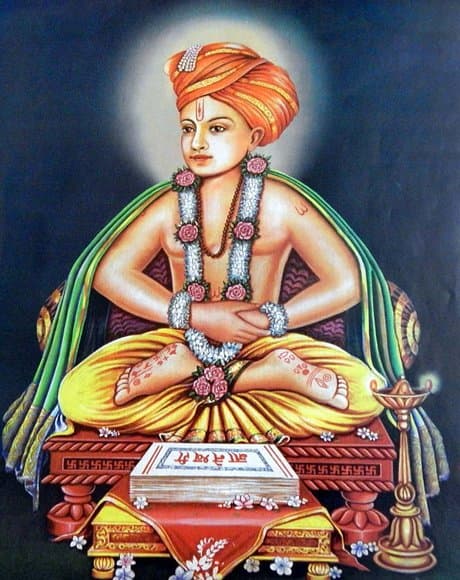
Jñāneśvar · Vārkarī
English47 *'Thou hast a (rightful) title to action, but only to action: never at all to its fruitions. Let not the fruits of actions be thy (inspiring-) motive. Nor let thy attachment be to inaction.* (264)
Therefore O Pārtha, viewed from all these considerations the only course proper for you to follow is your own duty (in this Warfare). We have considered this problem in all ways and have come to the conclusion that you should not abandon your own duties as enjoined. You should not harbour any desire for the fruit of the action, nor have any tendency towards evil actions, but you should go on doing good actions with no motive whatever for enjoyment except doing your duty.
Swami Ramsukhdas · Modern
English'Karmaṇyevādhikāraste'—Your right is to perform your duty, you are free in it, because no other bodies as those of animals and birds etc., are free to perform new actions. Only human beings are eligible to perform new actions. The gods can perform new actions and can bestow money and material upon human beings, according to the ordinance of the Lord but they are so steeped in enjoyment, that it is not possible for them to perform new actions. They are destined only to reap the fruit of their meritorious deeds. The creatures in hell also cannot perform new actions as they suffer the fruits of their actions. God has bestowed this human birth, the very last of all births so that by performing new actions in the form of selfless service to others, a person may achieve salvation and be freed from the bondage of the cycle of birth and death. If he remains engaged in selfish actions, these will result in bondage. In case he is given to indolence and heedlessness, he will follow a cycle of birth and death. Therefore, the Lord advises human beings, to render selfless services for common good.
The term 'Karmaṇi' has been used in singular number, to emphasize the fact that though man has to perform several
duties in his life, he can perform only one at a particular time. Arjuna, belonging to the warrior class, has several duties, such as fighting, generosity and bravery etc., but presently he could perform only one of these—to wage the war.
A Vital Fact
In the births of others i.e., those of birds, animals, insects and even gods, the creatures can reap the fruits of their actions but cannot perform new actions. However there are two things about human life viz., reaping the fruits of deeds of earlier lives, and secondly performing new ones. God has bestowed upon man this human body, so that by performing new virtuous actions without having a desire for their fruits, he may attain God-realization or salvation. As far as the fruit of his previous actions is concerned, it may come in the form of favourable and unfavourable circumstances. He cannot change those circumstances, but can make proper use of these and these can lead him to salvation, if he uses these properly.
An important fact, which needs attention, is that favourable or unfavourable circumstances cannot make a man happy or sad. It is merely his ignorance, which makes him happy or sad as he identifies himself with those circumstances and becomes the experiencer of happiness or sadness. If he gives a serious thought, he will come to know that the external circumstances cannot make his internal self, either happy or sad. He should make proper use of the favourable circumstances by serving others and of the undesirable ones, by renouncing the desire to enjoy pleasure.
In unfavourable circumstances, a man should not be perturbed but should think that the sins committed to get pleasure, are perishing in the form of unfavourable circumstances and this thought is a kind of repentance for the sins committed. Secondly, it is a fore-warning to us that we shall have to face adverse consequences if we commit sins again. So, we should perform actions for
the welfare of all creatures, rather than for our own pleasure.
For insects, birds and animals etc., the fruit of past actions and also the present actions are only to work out their destinies. But in case of human beings the fruit of past actions as also the present activities, are the means for their salvation.
'Mā phaleṣu kadācana'—You cannot claim the fruit of action, because you are not free in getting it, which is dispensed by the Lord. If you perform actions with a desire for fruits, you will get into bondage (Gītā 5/12). It is the desire for fruit which makes a person an agent for actions. With the passing away of desire, a sense of doership is gone. Obliteration of the sense of doership, does not lead a man to bondage. It means that a man is much more entangled in desires.*
Secondly, all actions are performed with the help of worldly objects and persons. So it is dishonest, to desire the fruit of those actions, for only one's own self.
The desire for fruit of actions is not beneficial for human beings. 'Never lay claim to its fruit'—this expression proves that it is upto a man whether he lays claim to the fruit of an action or not. He is free in this respect. The term 'Phaleṣu' has been used in the plural, because a man by performing an action desires several fruits such as riches, respect and reputation etc.
The means to be free, from the desire for fruits of actions are as follows—(i) Desire causes a feeling of lacking something. Its fulfilment makes one a slave. Its non-fulfilment causes suffering. The pleasure derived out of fulfilment of desire, gives birth to new desires and a man goes on getting interested in performing new actions, in order to reap their fruit. By understanding this fact in the right perspective, a man becomes free from the desire for the fruit of action.
* Actually God-realization does not depend on actions but on feelings and knowledge because He is ever attained. It is the desire for fruits which is an obstacle to God-realization.
(ii) Actions have a beginning and an end, these are not eternal. So, how can their fruits be eternal? But the self is eternal. How can the eternal get any benefit from the perishable? By understanding this fact, one becomes detached from the world and attains God-realization.
In order to be free from the desire for fruits of actions, an aspirant should have discrimination as well as feelings to serve others. Discrimination will be helpful to an aspirant in renouncing his comforts, while the feelings of service to others, will enable him to do good to others. By doing so a striver can follow the Discipline of Disinterested Action, in the right sense.
**'Mā karmaphalaheturbhūḥ'**—Let you not be responsible for the fruits of action. It means, that you should not have the least attachment for the body, senses, mind and intellect etc., because attachment for these will make you responsible for the fruit of action. In the eleventh verse of the fifth chapter also, Lord Kṛṣṇa by using the term 'Kevalaiḥ' (only) wants to say that the follower of the Discipline of Disinterested Action, should abandon feeling of mineness for the body, mind, intellect and senses.
If a striver becomes the agent (doer) of a virtuous action, even without having a desire for its fruit, he is held responsible for the fruit of the action, because by doing so he has accepted his affinity for the mind, intellect and senses etc., which are unreal. Actually, we have no affinity with them, they have their affinity with the world. When anybody else performs action for the good of others, we do not accept our affinity for the action and its fruit and so are not held responsible. We should adopt the same attitude in the case of our own actions also, so that we may not be held responsible for the fruit of actions.
**'Mā te saṅgo'stvakarmaṇi'**—Let your attachment not be to inaction, because by leaning towards inaction, you will become lazy and idle, and like the desire for fruit it will also mislead you to bondage. The reason is that, indolence and prolonged sleep
etc., also give pleasure viz., Tāmasika joy, (Gītā 18/39) which misleads either to the lower births of insects, birds and beasts etc., or to infernal regions (Gītā 14/18). It means that, attachment misleads to bondage and is the cause of birth in good and evil wombs (Gītā 13/21).
You should not be attached to inaction by thinking that it will lead you to progress, here and hereafter, because the real essence is beyond action or inaction.
In this verse, the Lord means to say that a striver should remain detached from objects, men, action, incidents, circumstances and physical, subtle, causal bodies etc., without having the least affinity for them.
In this verse there are four points which need attention—(i) Your right is to perform your duty (action) only. (ii) Never lay claim to its fruit. (iii) Do not be the cause of the fruit of action. (iv) Let your attachment be not to inaction. Out of these four points, the first and the fourth, have the same theme as both of these lay emphasis on the performance of duty or action. Similarly, the second and the third points have the same theme, as in both of these it is mentioned, that you should not desire or be the cause of the fruit of action.
It means that, by leaning towards inaction you will have affinity to tāmasika temperament, such as idleness and laziness. By having attachment for action and its fruit you will have affinity for rājasika temperament. But when a striver is free from laziness, idleness, actions, fruit of actions, etc., he gets the joy born of knowledge and light and having attachment for it, he has affinity to sāttvika temperament. Affinity with these is the cause of birth and death. Therefore, a striver should not have attachment for either of them. Doing one's duty without having any attachment to them, is called the Discipline of Disinterested Action.
**Appendix**—One is the division of actions and one is the division of fruit (result). A man's right is in the division of
actions (performance of duty), not in the division of fruit. The reason is that performance of duty is under the control of a man while awarding the result of past actions is ordained by destiny viz., 'Prārabdha'. If we perceive from the view-point of Karmayoga whatever material (thing, ability and power) we have obtained, that is 'Prārabdha' and their proper use viz., by assuming them not as ours or for us, but by assuming them as others' and for them, and rendering service with them to others is 'Puruṣārtha'.
The important fact about Karmayoga is—protection of the rights of others by performing one's duty and renouncing the fruit of action viz., renouncing one's right. By protecting the right of others, old attachment is wiped out and by renouncing one's own right, new attachment is not born. Thus when old attachment is wiped out and new attachment is not born, a man becomes 'vitarāga' (free from attachment). By becoming 'vitarāga' one realizes the self. The reason is in attaining Self-realization, attachment to the unreal things is the only obstacle—
**rāgo liṅgamabodhasya cittavyāyāma bhūmiṣu** **kutaḥ śādvalatā tasya yasyāgniḥ koṭare taraḥ**
It means that attachment (attraction) of the mind to objects, persons and actions is the main sign (mark) of ignorance. As when the hollow of a tree catches fire, it does not remain green any more but it is dried up, similarly he who has caught fire in the form of attachment, can't attain peace.
*Link:—After asking Arjuna to perform his duty, in the preceding verse, the Lord describes how he should remain even-minded, while performing actions.*
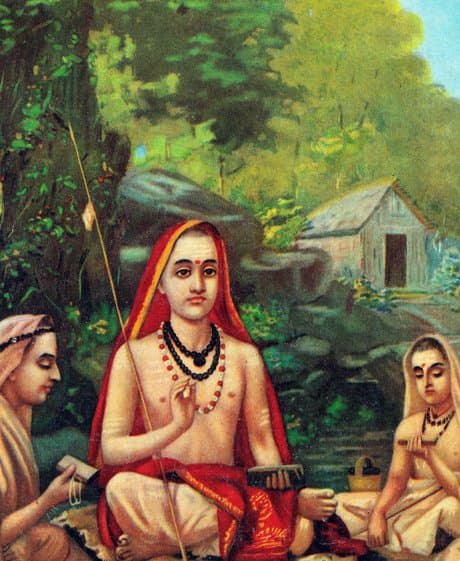
Ādi Śaṅkarācārya · Advaita
Sanskritकर्मण्येव अधिकारः न ज्ञाननिष्ठायां ते तव । तत्र च कर्म कुर्वतः मा फलेषु अधिकारः अस्तु, कर्मफलतृष्णा मा भूत् कदाचन कस्याञ्चिदप्यवस्थायामित्यर्थः । यदा कर्मफले तृष्णा ते स्यात् तदा कर्मफलप्राप्तेः हेतुः स्याः, एवं मा कर्मफलहेतुः भूः । यदा हि कर्मफलतृष्णाप्रयुक्तः कर्मणि प्रवर्तते तदा कर्मफलस्यैव जन्मनो हेतुर्भवेत् । यदि कर्मफलं नेष्यते, किं कर्मणा दुःखरूपेण ? इति मा ते तव सङ्गः अस्तु अकर्मणि अकरणे प्रीतिर्मा भूत् ॥ यदि कर्मफलप्रयुक्तेन न कर्तव्यं कर्म, कथं तर्हि कर्तव्यमिति ; उच्यते --
Ādi Śaṅkarācārya · Advaita
Hindiतेरा कर्ममें ही अधिकार है, ज्ञाननिष्ठामें नहीं। वहाँ (कर्ममार्गमें) कर्म करते हुए तेरा फलमें कभी अधिकार न हो, अर्थात् तुझे किसी भी अवस्थामें कर्मफलकी इच्छा नहीं होनी चाहिये।
यदि कर्मफलमें तेरी तृष्णा होगी तो तू कर्मफल-प्राप्तिका कारण होगा। अतः इस प्रकार कर्मफलप्राप्तिका कारण तू मत बन।
क्योंकि जब मनुष्य कर्मफलकी कामनासे प्रेरित होकर कर्ममें प्रवृत्त होता है तब वह कर्मफलरूप पुनर्जन्मका हेतु बन ही जाता है।
‘यदि कर्मफलकी इच्छा न करें तो दुःखरूप कर्म करनेकी क्या आवश्यकता है?’ इस प्रकार कर्म न करनेमें भी तेरी आसक्ति—प्रीति नहीं होनी चाहिये
Jñāneśvar · Vārkarī
Marathiम्हणौनि आइकें पार्था । याचिवरी पाहतां । तुज उचित होय आतां । स्वकर्म हें ॥ २६४ ॥
आम्हीं समस्तही विचारिलें । तंव ऐसेंचि हें मना आलें । जे न संडिजे तुवा आपुलें । विहित कर्म ॥ २६५ ॥
परी कर्मफळीं आस न करावी । आणि कुकर्मी संगति न व्हावी । हे सत्क्रियाचि आचरावी । हेतूविण ॥ २६६ ॥
Jñāneśvar · Vārkarī
Hindi(2.264) इसलिए हे पार्थ! इसी प्रकार तुम्हें भी स्वकर्म करना उचित है।
(2.265) खूब विचार कर देखने पर हमारे ध्यान में यही आता है कि तुम्हें अपना कर्तव्य-कर्म नहीं छोड़ना चाहिए।
(2.266) परन्तु कर्म के फल की आशा नहीं रखनी चाहिए और निषिद्ध कर्म की ओर प्रवृत्त न होना चाहिए। किन्तु हेतु-रहित हो सत्कर्म का आचरण करना चाहिए।
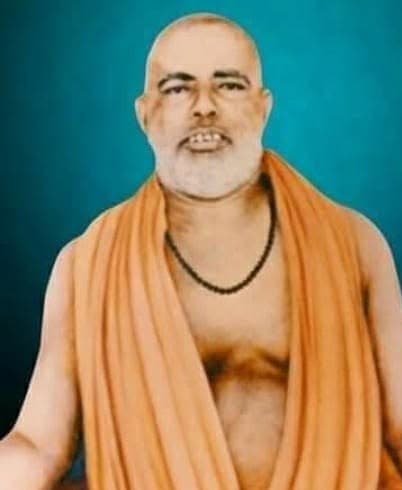
Sri Udiya Baba · Modern
Hindiसंगति— यहाँ तक सांख्यनिष्ठा और कर्मनिष्ठा का वर्णन करते हुए सकाम कर्म को तुच्छ बतलाया है। परन्तु यह कर्म की निन्दा जिज्ञासु की दृष्टि से है, संसारी विषयी पुरुषों की दृष्टि से नहीं। अब अगले श्लोक में निष्काम कर्म करने की विधि बतलाते हैं—
भावार्थ— तेरा कर्म करने मात्र में ही अधिकार है, कर्मफल में कभी नहीं। अतः कर्म करते समय तू कर्मफल को हेतु न बना। और न तेरी कर्म न करने में ही आसक्ति हो।
व्याख्या— यहाँ तेरा कर्म करने में ही अधिकार है, यह बात उस जिज्ञासु के लिये कही गयी है जो तीव्र वैराग्यवान् नहीं है। उसका केवल नित्य-नैमित्तिक अथवा निष्काम कर्मों में ही अधिकार होता है, ज्ञाननिष्ठारूप संन्यास में नहीं। तीव्र जिज्ञासु को ही संन्यास करके श्रवणादि करने का अधिकार प्राप्त होता है। अतः तू केवल कर्मों के फल की इच्छा का ही त्याग कर।
प्रश्न— फल की इच्छा न रहने पर तो कर्म हो ही नहीं सकता, उससे लाभ भी क्या है?
उत्तर— इच्छा ही जन्म का कारण है। इसलिए मुमुक्षु को कर्मफल की इच्छा नहीं रखनी चाहिये। कर्म न करने पर अकर्मण्य हो जाने से भी अधःपतन ही होगा, क्योंकि निष्काम कर्म सत्त्वगुण, सकाम कर्म रजोगुण और अकर्मण्यता तमोगुण है।
Swami Ramsukhdas · Modern
Hindi‘कर्मण्येवाधिकारस्ते’—प्राप्त कर्तव्य-कर्मका पालन करनेमें ही तेरा अधिकार है। इसमें तू स्वतन्त्र है। कारण कि मनुष्य कर्मयोनि है। मनुष्यके सिवाय दूसरी कोई भी योनि नया कर्म करनेके लिये नहीं है। पशु-पक्षी आदि जंगम और वृक्ष, लता आदि स्थावर प्राणी नया कर्म नहीं कर सकते। देवता आदिमें नया कर्म करनेकी सामर्थ्य तो है, पर वे केवल पहले किये गये यज्ञ, दान आदि शुभ कर्मोंका फल भोगनेके लिये ही हैं। वे भगवान्के विधानके अनुसार मनुष्योंके लिये कर्म करनेकी सामग्री दे सकते हैं, पर केवल सुखभोगमें ही लिप्त रहनेके कारण स्वयं नया कर्म नहीं कर सकते। नारकीय जीव भी भोगयोनि होनेके कारण अपने दुष्कर्मोंका फल भोगते हैं, नया कर्म नहीं कर सकते। नया कर्म करनेमें तो केवल मनुष्यका ही अधिकार है। भगवान्ने सेवारूप नया कर्म करके केवल अपना उद्धार करनेके लिये ही यह अन्तिम मनुष्यजन्म दिया है। अगर यह कर्मोंको अपने लिये करेगा तो बन्धनमें पड़ जायगा और अगर कर्मोंको न करके आलस्य-प्रमादमें पड़ा रहेगा तो बार-बार जन्मता-मरता रहेगा। अतः भगवान् कहते हैं कि तेरा केवल सेवारूप कर्तव्य-कर्म करनेमें ही अधिकार है।
**‘कर्मणि’** पदमें एकवचन देनेका तात्पर्य है कि मनुष्यके सामने देश, काल, घटना, परिस्थिति आदिको लेकर शास्त्रविहित कर्म तो अलग-अलग होंगे, पर एक समयमें एक मनुष्य किसी एक कर्मको ही तत्परतापूर्वक कर सकता है। जैसे, क्षत्रिय होनेके कारण अर्जुनके लिये युद्ध करना, दान देना आदि कर्तव्य-कर्मोंका विधान है, पर वर्तमानमें युद्धके समय वह एक युद्धरूप कर्तव्य-कर्म ही कर सकता है, दान आदि कर्तव्य-कर्म नहीं कर सकता।
मार्मिक बात
मनुष्यशरीरमें दो बातें हैं—पुराने कर्मोंका फलभोग और नया पुरुषार्थ। दूसरी योनियोंमें केवल पुराने कर्मोंका फलभोग है अर्थात् कीट-पतंग, पशु-पक्षी, देवता, ब्रह्म-लोकतककी योनियाँ भोग-योनियाँ हैं। इसलिये उनके लिये ‘ऐसा करो और ऐसा मत करो’—यह विधान नहीं है। पशु-पक्षी, कीट-पतंग आदि जो कुछ भी कर्म करते हैं, उनका वह कर्म भी फलभोगमें है। कारण कि उनके द्वारा किया जानेवाला कर्म उनके प्रारब्धके अनुसार पहलेसे ही रचा हुआ है। उनके जीवनमें अनुकूल-प्रतिकूल परिस्थितिका जो कुछ भोग होता है, वह भोग भी फलभोगमें ही है।
परन्तु मनुष्यशरीर तो केवल नये पुरुषार्थके लिये ही मिला है, जिससे यह अपना उद्धार कर ले।
इस मनुष्यशरीरमें दो विभाग हैं—एक तो इसके सामने पुराने कर्मोंके फलरूपमें अनुकूल-प्रतिकूल परिस्थिति आती है और दूसरा यह नया पुरुषार्थ (नये कर्म) करता है। नये कर्मोंके अनुसार ही इसके भविष्यका निर्माण होता है। इसलिये शास्त्र, सन्त-महापुरुषोंका विधि-निषेध, राज्य आदिका शासन केवल मनुष्योंके लिये ही होता है; क्योंकि मनुष्यमें पुरुषार्थकी प्रधानता है, नये कर्मोंको करनेकी स्वतन्त्रता है। परन्तु पिछले कर्मोंके फलस्वरूप मिलनेवाली अनुकूल-प्रतिकूल परिस्थितिको बदलनेमें यह परतन्त्र है। तात्पर्य है कि मनुष्य कर्म करनेमें स्वतन्त्र और फल-प्राप्तिमें परतन्त्र है। परन्तु अनुकूल-प्रतिकूलरूपसे प्राप्त परिस्थितिका सदुपयोग करके मनुष्य उसको अपने उद्धारकी साधन-सामग्री बना सकता है; क्योंकि यह मनुष्यशरीर अपने उद्धारके लिये ही मिला है। इसलिये इसमें नया पुरुषार्थ भी उद्धारके लिये है और पुराने कर्मोंके फलरूपसे प्राप्त परिस्थिति भी उद्धारके लिये ही है।
इसमें एक विशेष समझनेकी बात है कि इस मनुष्य-जीवनमें प्रारब्धके अनुसार जो भी शुभ या अशुभ परिस्थिति आती है, उस परिस्थितिको मनुष्य सुखदायी या दुःखदायी तो मान सकता है, पर वास्तवमें देखा जाय तो उस परिस्थितिसे सुखी या दुःखी होना कर्मोंका फल नहीं है, प्रत्युत मूर्खताका फल है। कारण कि परिस्थिति तो बाहरसे बनती है और सुखी-दुःखी होता है यह स्वयं। उस परिस्थितिके साथ तादात्म्य करके ही यह सुख-दुःखका भोक्ता बनता है। अगर मनुष्य उस परिस्थितिके साथ तादात्म्य न करके उसका सदुपयोग करे, तो वही परिस्थिति उसका उद्धार करनेके लिये साधन-सामग्री बन जायगी। सुखदायी परिस्थितिका सदुपयोग है—दूसरोंकी सेवा करना और दुःखदायी परिस्थितिका सदुपयोग है—सुखभोगकी इच्छाका त्याग करना।
दुःखदायी परिस्थिति आनेपर मनुष्यको कभी भी घबराना नहीं चाहिये, प्रत्युत यह विचार करना चाहिये कि हमने पहले सुख-भोगकी इच्छासे ही पाप किये थे और वे ही पाप दुःखदायी परिस्थितिके रूपमें आकर नष्ट हो रहे हैं। इसमें एक लाभ यह है कि उन पापोंका प्रायश्चित्त हो रहा है और हम शुद्ध हो रहे हैं। दूसरा लाभ यह है कि हमें इस बातकी
चेतावनी मिलती है कि अब हम सुखभोगके लिये पाप करेंगे तो आगे भी इसी प्रकार दुःखदायी परिस्थिति आयेगी। इसलिये सुखभोगकी इच्छासे अब कोई काम करना ही नहीं है, प्रत्युत प्राणिमात्रके हितके लिये ही काम करना है।
तात्पर्य यह हुआ कि पशु-पक्षी, कीट-पतंग आदि योनियोंके लिये पुराने कर्मोंका फल और नया कर्म—ये दोनों ही भोगरूपमें हैं और मनुष्यके लिये पुराने कर्मोंका फल और नया कर्म (पुरुषार्थ)—ये दोनों ही उद्धारके साधन हैं।
‘मा फलेषु कदाचन’—फलमें तेरा किंचिन्मात्र भी अधिकार नहीं है अर्थात् फलकी प्राप्तिमें तेरी स्वतन्त्रता नहीं है; क्योंकि फलका विधान तो मेरे अधीन है। अतः फलकी इच्छा न रखकर कर्तव्य-कर्म कर। अगर तू फलकी इच्छा रखकर कर्म करेगा तो तू बँध जायगा—‘फले सक्तो निबध्यते’ (गीता ५। १२)। कारण कि फलेच्छा अर्थात् भोक्तृत्वपर ही कर्तृत्व टिका हुआ है अर्थात् भोक्तृत्वसे ही कर्तृत्व आता है। फलेच्छा सर्वथा मिटनेसे कर्तृत्व मिट जाता है और कर्तृत्व मिटनेसे मनुष्य कर्म करता हुआ भी नहीं बँधता। भाव यह हुआ कि वास्तवमें मनुष्य कर्तृत्वमें उतना फँसा हुआ नहीं है, जितना फलेच्छा अर्थात् भोक्तृत्वमें फँसा हुआ है।
दूसरी बात, जितने भी कर्म होते हैं, वे सभी प्राकृत पदार्थों और व्यक्तियोंके संगठनसे ही होते हैं। पदार्थों और व्यक्तियोंके संगठनके बिना स्वयं कर्म कर ही नहीं सकता; अतः इनके संगठनके द्वारा किये हुए कर्मका फल अपने लिये चाहना ईमानदारी नहीं है। अतः कर्मका फल चाहना मनुष्यके लिये हितकारक नहीं है।
फलमें तेरा अधिकार नहीं है—इससे यह बात सिद्ध हो जाती है कि फलके साथ सम्बन्ध जोड़नेमें अथवा न जोड़नेमें मात्र मनुष्य स्वतन्त्र हैं, सबल हैं। इसमें वे पराधीन और निर्बल नहीं हैं।
‘फलेषु’ पदमें बहुवचन देनेका तात्पर्य है कि मनुष्य कर्म तो एक करता है, पर उस कर्मके फल अनेक चाहता है। जैसे, मैं अमुक कर्म कर रहा हूँ तो इससे मेरेको पुण्य हो जाय, संसारमें मेरी कीर्ति हो जाय, लोग मेरेको अच्छा समझें, मेरा आदर-सत्कार करें, मेरेको इतना धन प्राप्त हो जाय आदि-आदि।
निष्काम होनेके उपाय—(१) कामना पैदा होनेसे अभाव होता है, कामनाकी पूर्ति होनेसे परतन्त्रता और पूर्ति न होनेसे दुःख होता है तथा कामना-पूर्तिका सुख लेनेसे नयी कामनाकी उत्पत्ति होती है और सकामभावपूर्वक नये-नये कर्म करनेकी रुचि बढ़ती चली जाती है—ऐसा ठीक-ठीक समझ लेनेसे निष्कामता स्वतः आ जाती है।
(२) कर्म नित्य नहीं हैं; क्योंकि उनका आरम्भ और अन्त होता है तथा उन कर्मोंका फल भी नित्य नहीं है; क्योंकि उनका भी संयोग और वियोग होता है। परन्तु स्वयं नित्य है। अनित्य कर्म और कर्मफलसे नित्य स्वरूपको कोई लाभ नहीं होता। ऐसा ठीक समझ लेनेसे निष्कामता आ जाती है। निष्काम होनेसे संसारका सम्बन्ध छूट जाता है और परमात्मतत्त्वकी प्राप्ति हो जाती है।
कर्मोंमें निष्काम होनेके लिये साधकमें तेजीका विवेक भी होना चाहिये और सेवाभाव भी होना चाहिये; क्योंकि इन दोनोंके होनेसे ही कर्मयोग ठीक तरहसे आचरणमें आयेगा, नहीं तो ‘कर्म’ हो जायेंगे, पर ‘योग’ नहीं होगा। तात्पर्य है कि अपने सुख-आरामका त्याग करनेमें तो ‘विवेक’ की प्रधानता होनी चाहिये और दूसरोंको सुख-आराम पहुँचानेमें ‘सेवाभाव’ की प्रधानता होनी चाहिये।
‘मा कर्मफलहेतुर्भूः’—तू कर्मफलका हेतु भी मत बन। तात्पर्य है कि शरीर, इन्द्रियाँ, मन, बुद्धि आदि कर्म-सामग्रीके साथ अपनी किंचिन्मात्र भी ममता नहीं रखनी चाहिये; क्योंकि इनमें ममता होनेसे मनुष्य कर्म-फलका हेतु बन जाता है। आगे पाँचवें अध्यायके ग्यारहवें श्लोकमें भी भगवान्ने शरीर, मन, बुद्धि और इन्द्रियोंके साथ ‘केवलैः’ पद देकर बताया है कि शरीर आदिके साथ किंचिन्मात्र भी ममता नहीं होनी चाहिये।
शुभ क्रियाओंमें फलकी इच्छा न होनेपर भी ‘मेरे द्वारा किसीका उपकार हो गया, किसीका हित हो गया, किसीको सुख पहुँचा’—ऐसा भाव हो जाता है तो यह कर्मफलका हेतु बनना है। कारण कि ऐसा भाव होनेसे शुभ कर्मके साथ और मन, बुद्धि, इन्द्रियाँ आदिके साथ सम्बन्ध हो जाता है, जो कि असत्का संग है। वास्तवमें अन्तःकरण, बहिःकरण और क्रियाओंके साथ हमारा कोई सम्बन्ध नहीं है। इनका सम्बन्ध समष्टि संसारके साथ है। जैसे दूसरे किसी व्यक्तिके
* अन्तःकरणमें भोक्तृत्व (फलेच्छा, फलासक्ति) अधिक रहनेके कारण ही मनुष्य भगवत्प्राप्ति, तत्त्वज्ञान, प्रेमप्राप्ति आदिमें कर्मोंको कारण मानता है। वास्तवमें भगवत्प्राप्ति आदि कर्मोंपर निर्भर नहीं है, प्रत्युत भाव और बोधपर ही निर्भर है। कारण कि अप्राप्त पदार्थोंकी प्राप्ति तो कर्मोंपर निर्भर है, पर नित्यप्राप्त तत्त्वकी प्राप्ति कर्मोंपर निर्भर नहीं है।
द्वारा दूसरे किसीका हित होता है, तो उसमें हम अपना सम्बन्ध नहीं मानते, उसमें अपनेको निमित्त नहीं मानते। ऐसे ही अपने कहलानेवाले शरीर आदिसे किसीका हित हो जाय, तो उसमें अपनेको निमित्त न माने। जब अपनेको किसी भी क्रियामें निमित्त, हेतु नहीं मानेंगे, तो कर्म-फलका हेतु भी नहीं बनेंगे।
‘मा ते सङ्गोऽस्त्वकर्मणि’—कर्म न करनेमें भी तेरी आसक्ति नहीं होनी चाहिये। कारण कि कर्म न करनेमें आसक्ति होनेसे आलस्य, प्रमाद आदि होंगे। कर्मफलमें आसक्ति रहनेसे जैसा बन्धन होता है, वैसा ही बन्धन कर्म न करनेमें आलस्य, प्रमाद आदि होनेसे होता है; क्योंकि आलस्य-प्रमादका भी एक भोग होता है अर्थात् उनका भी एक सुख होता है, जो तमोगुण है—‘निद्रालस्यप्रमादोत्थं तत्तामसमुदाहृतम्’ (गीता १८।३९) और जिसका फल अधोगति होता है—‘अधो गच्छन्ति तामसाः’ (गीता १४।१८)। तात्पर्य यह हुआ कि राग, आसक्ति कहीं भी होगी तो वह बाँधनेवाली हो ही जायगी—‘कारणं गुणसङ्गोऽस्य सदसद्योनिजन्मसु’ (गीता १३।२१)।
कर्मरहित होनेसे हमें लौकिक लाभ होगा, संसारमें हमारी प्रसिद्धि होगी आदि कोई सांसारिक प्रयोजन भी नहीं होना चाहिये और समाधि लग जानेसे आध्यात्मिक तत्त्वमें हमारी स्थिति होगी आदि कोई पारमार्थिक प्रयोजन भी नहीं होना चाहिये। तात्पर्य है कि ‘कर्म न करनेसे सांसारिक और पारमार्थिक उन्नति होगी’—यह भी कर्म न करनेमें आसक्ति है; क्योंकि वास्तविक तत्त्व कर्म करने और न करनेसे अतीत है।
**परिशिष्ट भाव**—एक कर्म-विभाग है और एक फल-विभाग है। मनुष्यका कर्म-विभागमें ही अधिकार है, फल-विभागमें नहीं। कारण कि नया पुरुषार्थ होनेसे कर्म-विभाग (करना) मनुष्यके अधीन है और पूर्वकृत कर्मोंका भोग होनेसे फल-विभाग (होना) प्रारब्धके अधीन है। कर्मयोगकी दृष्टिसे देखें तो मनुष्यको जो साधन-सामग्री (वस्तु, योग्यता और सामर्थ्य) मिली है, वह ‘प्रारब्ध’ है और उसका सदुपयोग करना अर्थात् उसको अपना और अपने लिये न मानकर, प्रत्युत दूसरीका और दूसरीके लिये मानकर उनकी सेवामें लगाना ‘पुरुषार्थ’ है।
कर्मयोगमें मुख्य बात है—अपने कर्तव्यके द्वारा दूसरेके अधिकारकी रक्षा करना और कर्मफलका अर्थात् अपने अधिकारका त्याग करना। दूसरेके अधिकारकी रक्षा करनेसे पुराना राग मिट जाता है और अपने अधिकारका त्याग करनेसे नया राग पैदा नहीं होता। इस प्रकार पुराना राग मिटनेसे और नया राग पैदा न होनेसे कर्मयोगी वीतराग हो जाता है। वीतराग होनेपर उसको तत्त्वज्ञान हो जाता है। कारण कि तत्त्वज्ञानकी प्राप्तिमें नाशवान् असत् वस्तुओंका राग ही बाधक है—
**रागो लिङ्गमबोधस्य चित्तव्यायामभूमिषु। कुतः शाद्वलता तस्य यस्याग्निः कोटरे तरोः॥**
तात्पर्य है कि वस्तु, व्यक्ति और क्रियामें मनका जो राग, खिंचाव है, यह अज्ञानका खास चिह्न है। जैसे किसी वृक्षके कोटरमें आग लगी हो तो वह वृक्ष हरा-भरा नहीं रहता, सूख जाता है, ऐसे ही जिसके भीतर राग-रूपी आग लगी हो, उसको शान्ति नहीं मिल सकती।
इस श्लोकमें भगवान्का यह तात्पर्य मालूम देता है कि परिवर्तनशील वस्तु, व्यक्ति, पदार्थ, क्रिया, घटना, परिस्थिति, अवस्था, स्थूल-सूक्ष्म-कारण शरीर आदिके साथ साधककी सर्वथा निलिप्तता होनी चाहिये। इनके साथ किंचिन्मात्र भी किसी तरहका सम्बन्ध नहीं होना चाहिये।
इस श्लोकके चार चरणोंमें चार बातें आयी हैं—(१) कर्म करनेमें ही तेरा अधिकार है, (२) फलमें कभी तेरा अधिकार नहीं है, (३) तू कर्मफलका हेतु भी मत बन और (४) कर्म न करनेमें भी तेरी आसक्ति न हो। इनमेंसे पहले और चौथे चरणकी बात एक है तथा दूसरे और तीसरे चरणकी बात एक है। पहले चरणमें कर्म करनेमें अधिकार बताया है और चौथे चरणमें कर्म न करनेमें आसक्ति होनेका निषेध किया है। दूसरे चरणमें फलकी इच्छाका निषेध किया है और तीसरे चरणमें फलका हेतु बननेका निषेध किया है।
तात्पर्य यह हुआ कि अकर्मण्यतामें रुचि होनेसे प्रमाद, आलस्य आदि ‘तामसी वृत्ति’ के साथ तेरा सम्बन्ध हो जायगा। कर्म एवं कर्मफलके साथ सम्बन्ध जोड़नेसे तेरा ‘राजसी वृत्ति’ के साथ सम्बन्ध हो जायगा। प्रमाद, आलस्य, कर्म, कर्मफल आदिका सम्बन्ध न रहनेपर जो विवेकजन्य सुख होता है, प्रकाश मिलता है, ज्ञान मिलता है, उसके साथ सम्बन्ध जोड़नेसे ‘सात्त्विकी वृत्ति’ के साथ सम्बन्ध हो जायगा। इनके साथ सम्बन्ध होना ही जन्म-मरणका कारण है। अतः साधक कर्म, कर्मफल और इनके त्यागका सुख—इनमेंसे किसीके भी साथ अपना सम्बन्ध न जोड़े, इनमें राग या आसक्ति न करे। कर्म करते हुए इनके साथ सम्बन्ध न रखना ही कर्मयोग है।
सम्बन्ध—पूर्वश्लोकमें कर्म करनेकी आज्ञा देनेके बाद अब भगवान् कर्म करते हुए सम रहनेका प्रकार बताते हैं।
As regards obligatory, periodic and desiderative acts taught in the Vedas and associated with some result or other, you, the aspirant established in Sattva, have the right only to perform them [as duty].
You have no right to the rewards known to be derived from such acts. It is works done with a motivation for some reward which is the cause of bondage.
But acts done without motivation are a form of worship and a means for Liberation. Do not initiate works with the idea of reaping their fruits.
Even when you, who are established in pure Sattva and are desirous of Liberation, perform acts, you should not look upon yourself as the agent.
Likewise, you should not regard yourself as being the cause of even appeasing your own hunger and other such physical necessities.
Later on it will be taught that both the idea of being an agent and the results of action, should be considered as belonging to the Modes of Material nature (Gunas) or to Me who am the Lord of all —This is the attitude one should have towards all work.
With regard to inaction, i.e., abstaining from performance of duties, let there be no attachment to such inaction. Śrī Krishna makes this clear in the following verse:—