

Bhagavad Gītā · Chapter 2 · Sāṅkhya Yoga
कामात्मानः स्वर्गपरा जन्मकर्मफलप्रदाम्
क्रियाविशेषबहुलां भोगैश्वर्यगतिं प्रति
kāmātmānaḥ svargaparā janmakarmaphalapradām|
kriyāviśeṣabahulāṃ bhogaiśvaryagatiṃ prati||
Word meanings
for verses 2.42–2.43
पार्थ = O Pārtha
कामात्मानः = given over to desire
स्वर्गपराः = holding heaven as the highest
वेदवादरताः = delighting in the word of the Vedas
अन्यत् = anything else
न, अस्ति = there is not
इति = thus (saying)
वादिनः = who declare
अविपश्चितः = undiscerning
इमाम् = this
याम् = which
पुष्पिताम् = flowery
वाचम् = speech
प्रवदन्ति = utter
फलप्रदाम् = yielding fruit (in rebirth)
प्रति = toward (enjoyment and power)
बहुलाम् = abounding in rites
Translation
Arjuna, those who are full of worldly desires and devoted to the letter of the Vedas, who look upon heaven, as the supreme goal and argue that there is nothing beyond heaven are unwise. They utter flowery speech recommending many ritual of various kinds for the attainment of pleasure and power with rebirth as their fruit. Those whose minds are carried away by such words, and who are deeply attached to pleasure and worldly power, cannot attain the determinate intellect concentrated on God.
verses 42–44
Commentary
The commentators seated around this verse

Rāmānuja · Viśiṣṭādvaita
EnglishOn verses 2.43–44
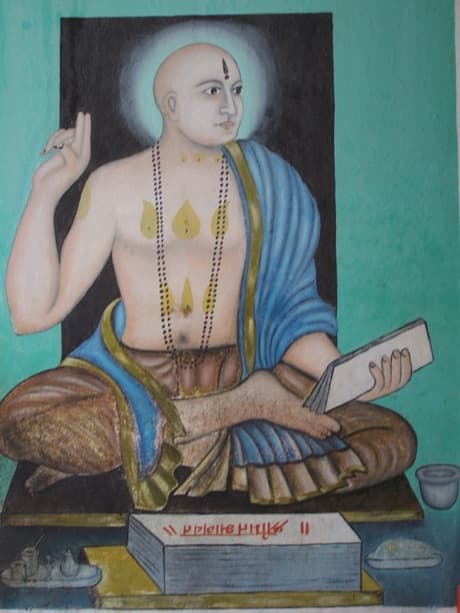
Madhvācārya · Dvaita
Madhva BhāṣyaSanskritEnglishOn verses 2.42–2.44
“स्वरूपवैदिकानि मतान्यव्यवसायकानि, न तु वैदिकानि | तेऽपि हि केचित् स्वर्गादिफलान्यवाऽहुः इत्यत आह - यामिमाम् इति | यामाहुस्तया इत्यन्वयः | मोक्षफलमपेक्ष्य स्वर्गादिपुष्पयुक्तां वचं प्रवदन्ति | वेदवादरताः कर्मवाचकवेदरताः | वेदैर्मुख्यत उच्यते तत्रैव रताः, नायदस्तीति वादिनः | परोक्षविषया वेदाः, परोक्षप्रिया इव हि देवाः, मां विधत्तेऽभिधत्ते इत्यादिभिः परोक्षेण हि प्रायः भगवन्तं वदन्ति | भोगैश्वर्यगतिं प्रति, गतिं तत्प्राप्तिं प्रति - तत्प्राप्तिफला एव वेदा इति वदन्ति - इत्यर्थः |” - The opinions of those who are irresolute are contrary to Vedas; but not so of those who (understand and) are resolute in Vedas. Even then you (O Lord) speak about some things providing pleasures of heavens. (To this query of Arjuna) the Lord clarifies in the above verse. If deliverance is the fruit, then the heavenly pleasures are said to be like flowers. Those who revel in the words of Vedas speak only of the pleasures from the actions. Those who speak about Vedas (with expectation of fruits) are said to be वेदवादरताः - reveling in vedic hymns ; nothing else exists for them (thus speak) the disputants. “The subject matter of Vedas is knowledge of the Supreme”. “The Gods are, verily, pleased with the Supreme Experience”. “The instructions as well as the injunctions are with reference to Me alone”. With such and other words primarily the experience of the Lord is spoken.
“तेषां सम्यग् युक्तिनिर्णयात्मिका बुद्धिः, समाधौ समाध्यर्थं न विधीयते | सम्यग्निर्णितार्थानां हीश्चरे मनःसमाधानं सम्यग् भवति | तद्धि मोक्षसाधनम् | उक्तं चेतदन्यत्र - न तस्य तत्त्वग्रहणाय साक्षाद् वरीयसीरपि वाचः समासन् | स्वपने निरुक्तया गृहमेधसौख्यं न यस्य हेयानुमितं स्वयं स्यात् | इति ||” - In reference to the goal, the Wisdom of the Vedas and in reference to the means of acquiring the same, the pleasures and splendour are the fruits thereof, thus they declare. For them, intelligence of comprehensive discrimination does not come about in equanimous intellect or for the sake of equanimous intellect. Only to those who have comprehensive wisdom in the Supreme Lord, the satisfaction of mind comes about. And that, verily, is the means of deliverance. It has also been said in Bhagavat Puraana - “Not for him is the realization of the Supreme Truth spoken in Vedas, in all its entirety, for whom realization does not dawn that the empirical world is similar to the world seen in dreams”.
Madhvācārya · Dvaita
Gītā Tātparya NirṇayaSanskritEnglishOn verses 2.42–2.44
“अव्यवसायबुद्धिः केषाम्ब्रू यं वाचमविपश्चितः प्रवदन्ति | तयाऽपहतचेतसाम् | बुद्धिव्यवसायात्मिकत्वेन समाधाने न वर्तते || यथा वस्तु तथा ज्ञानं तत्साम्यात् सममीरितम् | विषमं त्वन्यथाज्ञानं समधानं समस्थितिः || न तद् भवत्यसद्वाक्यैर्विषमीकृतचेतसाम् | स्वर्गादिपुष्पवाचेव वचनं यदचेतसाम् || न मन्यन्ते फलं मोक्षं विष्णुसामीप्यरूपकम् | फलदं च न मन्यन्ते तं विष्णुं जगतः पतिम् || भोगैश्वर्यानुगत्यर्थं क्रियावाहुल्यसन्तताम् | बहुसंसारफलदामन्ते तमसि पातिनीम् || यं वदन्ति दुरात्मानो वेदवाक्यविवदिनः | तया सम्मोहितधियां कथं तत्त्वज्ञता भवेत् || इति च |” - In whom then, does exist this irresolute intelligence? In them who listen to the words of those who are not wise; their conscious mind being robbed by the impractical words, no satisfaction of mind does come about. Even as the things are, similar is their wisdom. Wisdom which becomes distorted, the satisfaction is also similar thereto. Noble thoughts do not arise in mind which is influenced by improper wisdom. Such mind speaks only of the heavens which are flowery. They do not consider deliverance and proximity to Lord Vishnu as the (desirable) fruit: nor they consider that Sri Vishnu, the Lord of the Worlds, to be the dispenser of the fruits. For enjoyment of the pleasures and splendour. He performs repeated sacrifices, which become the cause of birth and death, reaching in the end the world of darkness. When the minds (of such persons) become deluded by the words of evil minded men who talk words contrary to the Vedas, how can there arise wisdom which is beneficial, thus having been said.
“इष्टापूर्तं मन्यमाना वरिष्ठं नन्यच्छेयो वेदयन्ते प्रमूढाः | नाकस्य पृष्ठे मुकुते तेऽनुभूत्वा इमं लोकं हीनतरं व विशन्ति || इति चार्थवर्णीयश्रुतिः | वेदवादरतो न स्यान्न पाषण्डी न हेतुकी || इति ह भागवते ||” - Those who consider that fulfilling desired objects is supreme and nothing else is more virtuous, they are the deluded ones. Enjoying the heaven's pleasure for some time they return to his world or even to the worlds which are worse, thus having been said in Athryana scripture. One should, therefore, not become argumentative of the Vedas or fall prey to the heretics.
“यो न जानन्ति तं विष्णुं याथार्थेन वा संशयात् | जिज्ञासवच्च नितरां श्रद्धावन्तः सुसाधयः || निर्णे तृणामभावेन केवलं ज्ञानवर्जिताः | ते याज्ञिकाः स्वगपभगक्षये यान्ति मनुष्यताम् || वैर्निश्चितं परत्वं तु विष्णोः प्रायो न यातनाम् | ब्रह्महत्याभिरपि यान्ताधिक्ये चिरं न तु || विशेष एव तेषां तु तदन्येषां विपर्ययः | ये तु भागवताचार्यैः सम्यग् यज्ञादि कुर्वते || बहिर्मुख्या भागवतोऽनिवृत्ताश्च विकर्मणः | दक्षिणातर्पितानां तु ह्याचार्याणां तु तेजसा || यान्ति स्वर्गं ततः क्षिप्रं तामोऽन्यं प्राप्नुवन्ति च | तदन्ये नैव च स्वर्गं यान्ति विष्णुबहिर्मुखाः || इति नारदीयो ||” - Those though qualified enquirers, receptive and also noble, having no proper instruction do not realize Sri Vishnu, being in doubt of his supremacy become devoid of wisdom, enjoying the pleasures of heavens returning again in human form. But those who realize the supreme reality of Sri Vishnu do not suffer any pain, even the de-merits caused by killing the knower of Brahman. Even if they do, it would not be for long; this is their special feature. But for others, it is quite contrary. Those who perform comprehensive sacrificial acts through the Teachers, devoted to the Resplendent Lord, even though they have become alien to Sri Vishnu, though have not acquired any de-merits, they having satisfied the Teachers with gifts, attain the heavens through their splendour. But (even then) they come back soon to the world of darkness. Others having turned their face against Sri Vishnu do not even enjoy the little of the heavens thus having been said in Narada Puraana.

Jñāneśvar · Vārkarī
English43 *'With their souls ridden with desires and yearning for (the goal of) Heaven—(the speech) concerning (prati) the attainment (gatim) of (diverse) enjoyments and lordships through multifarious specific performances, yielding births (upon births) and fruition of karman (action).* (248)
They give themselves up to desires, and perform acts, their hearts being always full with the passion for enjoyment of the objects of the senses. While performing the diverse actions they never neglect the prescribed forms and procedure, and are very particular in performing religious acts in an expert way.
Swami Ramsukhdas · Modern
EnglishOn verses 2.42–2.43
'Kāmātmānaḥ'—Desire-ridden are those, whose sole aim in life is to hunt after enjoyment. They think that it is nothing but desire, which inspires a man to action and without it, a man is stone-dead. Moreover, they identify themselves with desires.
But the fact is, that a man himself is a fragment of God and thus, is eternal while desires are fleeting and these increase and decrease. The self and desire, are totally distinct. But desire-
ridden people, never realize this distinction and it is only out of delusion that they identify themselves with desire.
'Svargaparā'—They look upon heaven and its pleasure, as their supreme goal and all their efforts are directed towards that base end. Here the term 'Svargaparā', refers to such men, who have faith and belief in heaven etc., as described, in the Vedas and scriptures.
'Vedavādaratāḥ pārtha nānyadastīti vādinaḥ'—They are interested in the Vedas, only for the sake of the ritualistic contents, which deal with earthly and heavenly pleasure. The aim of their life, is to enjoy celestial pleasure here, and hereafter, rather than to attain God-realization, or emancipation.
'Yāmimām puṣpitām vācam pravadantyavipaścitaḥ'—They cannot discriminate between, the real and the unreal, the perishable and the imperishable. Such unwise persons utter flowery words of the Vedas, which describe and recommend various acts, for the attainment of pleasure and prosperity.
Here, the word 'puṣpitām' has been used to show that such speech is just flowery with an attractive appearance, without bearing any permanent fruit. Satisfaction, comes out of fruit only, not from flowers and leaves.
'Janmakarmaphalapradām'—That flowery way instead of giving any permanent and eternal fruit, gives fruit which prolongs the wheel of birth. In language flowery importance is attached to pleasure, and attachment to pleasure is the cause of birth (Gītā 13/21).
'Kriyāviśeṣabahulām bhogaiśvaryagatiṃ prati'—That, flowery utterance deals with a number of rituals for the attainment of pleasure and prosperity. In these rituals there is abundance of different kinds of rites, involving various methods, actions, objects and much strenuous physical labour (Gītā 13/21).
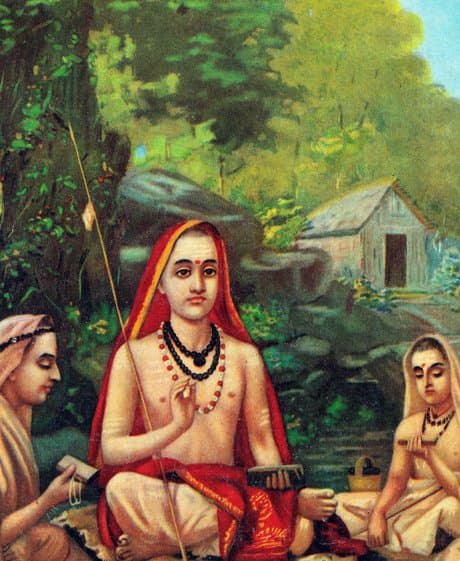
Ādi Śaṅkarācārya · Advaita
Sanskritकामात्मानः कामस्वभावाः, कामपरा इत्यर्थः । स्वर्गपराः स्वर्गः परः पुरुषार्थः येषां ते स्वर्गपराः स्वर्गप्रधानाः । जन्मकर्मफलप्रदां कर्मणः फलं कर्मफलं जन्मैव कर्मफलं जन्मकर्मफलं तत् प्रददातीति जन्मकर्मफलप्रदा, तां वाचम् । प्रवदन्ति इत्यनुषज्यते । क्रियाविशेषबहुलां क्रियाणां विशेषाः क्रियाविशेषाः ते बहुला यस्यां वाचि तां स्वर्गपशुपुत्राद्यर्थाः यया वाचा बाहुल्येन प्रकाश्यन्ते । भोगैश्वर्यगतिं प्रति भोगश्च ऐश्वर्यं च भोगैश्वर्ये, तयोर्गतिः प्राप्तिः भोगैश्वर्यगतिः, तां प्रति साधनभूताः ये क्रियाविशेषाः तद्बहुलां तां वाचं प्रवदन्तः मूढाः संसारे परिवर्तन्ते इत्यभिप्रायः ॥
तेषां च --
Ādi Śaṅkarācārya · Advaita
Hindiतथा वे—
कामात्मा—जिन्होंने भोगकामनाको ही अपना स्वभाव बना लिया है ऐसे भोगपरायण और स्वर्गको प्रधान माननेवाले यानी स्वर्ग ही जिनका परम पुरुषार्थ है ऐसे पुरुष जन्मरूप कर्मफलको देनेवाली ही बातें किया करते हैं। कर्मके फलका नाम 'कर्मफल' है, जन्मरूप कर्मफल 'जन्मकर्मफल' कहलाता है, उसको देनेवाली वाणी 'जन्मकर्मफलप्रदा' कही जाती है। ऐसी वाणी कहा करते हैं।
इस प्रकार भोग और ऐश्वर्यकी प्राप्तिके लिये जो क्रियाओंके भेद हैं वे जिस वाणीमें बहुत हों अर्थात् स्वर्ग, पशु, पुत्र आदि अनेक पदार्थ जिस वाणीद्वारा अधिकतासे बतलाये जाते हों, ऐसी बहुत-से क्रियाभेदोंको बतलानेवाली वाणीको बोलनेवाले वे मूढ़ बारंबार संसार-चक्रमें भ्रमण करते हैं, यह अभिप्राय है
Jñāneśvar · Vārkarī
Marathiदेखें कामना अभिभूत । होऊनि कर्में आचरत । ते केवळ भोगीं चित्त । देऊनियां ॥ २४८ ॥
क्रियाविशेषें बहुतें । न लोपितीं विधीतें । निपुण होऊनि धर्मातें । अनुष्ठिती ॥ २४९ ॥
Jñāneśvar · Vārkarī
Hindi(2.248) देखो, वे काम के अधीन हो कर तथा केवल भोग की ओर चित्त दे कर्म कर्म करते हैं।
(2.249) वे अनेक प्रकार की क्रियाओं का अनुष्ठान करते हैं, विधि को नहीं टालते और निपुणता से धर्म का आचरण करते हैं;

Sri Udiya Baba · Modern
HindiOn verses 2.42–2.43
भावार्थ— पार्थ! जिन्हें कामना ही अभीष्ट है और जो स्वर्ग को ही सर्वश्रेष्ठ पुरुषार्थ मानते हैं वे वेद की फलश्रुति में आसक्त अविवेकी पुरुष भोग और ऐश्वर्य प्राप्ति के लिये जन्म और कर्मफल प्रदान करने वाली ऐसी क्रियाकलाप-बहुल आपातरमणीय बातें कहा करते हैं और ऐसा कहते हैं कि इससे बढ़कर और कुछ नहीं है।
व्याख्या— हे पार्थ! कामना ही है आत्मा (इष्ट) जिनकी, वेद में प्रतिपादित सकाम कर्म ही ठीक हैं— ऐसा जिनका निश्चय हो गया है, अर्थात् जो कट्टर मीमांसक हैं, ईश्वर को भी नहीं मानते, स्वर्ग ही जिनका परम पुरुषार्थ है और जो कहते हैं कि स्वर्ग सुख से श्रेष्ठ और कुछ नहीं है वे विवेकहीन हैं। वे वेद के तात्पर्य को नहीं समझते, विवेकवती बुद्धि के प्रभाव को नहीं जानते, इसलिये कहते हैं कि कर्म
करो, स्वर्ग मिलेगा। वे भोग और ऐश्वर्य की प्राप्ति के लिए अनेक क्रिया-कलाप वाले कर्मों का प्रतिपादन करते हैं। उनकी वह वाणी सेमल के फूल के समान देखने में ही मनोहर होती है। उसके परिणाम में जो स्वर्गादि मिलते हैं वे जन्म-मरण ही को देने वाले होते हैं। इससे वे पुनः अधोगति को प्राप्त होते हैं। इसी की पुष्टि अगले श्लोक में करते हैं—
Swami Ramsukhdas · Modern
HindiOn verses 2.42–2.43
‘कामात्मानः’—वे कामनाओंमें इतने रचे-पचे रहते हैं कि वे कामनारूप ही बन जाते हैं। उनको अपनेमें और कामनामें भिन्नता ही नहीं दीखती। उनका तो यही भाव होता है कि कामनाके बिना आदमी जी नहीं सकता, कामनाके बिना कोई भी काम नहीं हो सकता, कामनाके बिना आदमी पत्थरकी तरह जड़ हो जाता है, उसको चेतना भी नहीं रहती। ऐसे भाववाले पुरुष ‘कामात्मानः’ हैं।
स्वयं तो नित्य-निरन्तर ज्यों-का-त्यों रहता है, उसमें कभी घट-बढ़ नहीं होती, पर कामना आती-जाती रहती है और घटती-बढ़ती है। स्वयं परमात्माका अंश है और कामना संसारके अंशको लेकर है। अतः स्वयं और कामना—ये दोनों सर्वथा अलग-अलग हैं। परन्तु कामनामें रचे-पचे लोगोंको अपने स्वरूपका अलग भान ही नहीं होता।
**‘स्वर्गपरा’**—स्वर्गमें बढ़िया-से-बढ़िया दिव्य भोग मिलते हैं, इसलिये उनके लक्ष्यमें स्वर्ग ही सर्वश्रेष्ठ होता है और वे उसकी प्राप्तिमें ही रात-दिन लगे रहते हैं।
यहाँ **‘स्वर्गपरा’** पदसे उन मनुष्योंकी बात कही गयी
है, जो वेदोंमें, शास्त्रोंमें वर्णित स्वर्गादि लोकोंमें आस्था रखनेवाले हैं।
**‘वेदवादरताः पार्थ नान्यदस्तीति वादिनः’**—वे वेदोंमें कहे हुए सकाम कर्मोंमें प्रीति रखनेवाले हैं अर्थात् वेदोंका तात्पर्य वे केवल भोगोंमें और स्वर्गकी प्राप्तिमें मानते हैं, इसलिये वे **‘वेदवादरताः’** हैं। उनकी मान्यतामें यहाँके और स्वर्गके भोगोंके सिवाय और कुछ है ही नहीं अर्थात् उनकी दृष्टिमें भोगोंके सिवाय परमात्मा, तत्त्वज्ञान, मुक्ति, भगवत्प्रेम आदि कोई चीज है ही नहीं। अतः वे भोगोंमें ही रचे-पचे रहते हैं। भोग भोगना उनका मुख्य लक्ष्य रहता है।
**‘यामिमां पुष्पितां वाचं प्रवदन्त्यविपश्चितः’**—जिनमें सत्-असत्, नित्य-अनित्य, अविनाशी-विनाशीका विवेक नहीं है, ऐसे अविवेकी मनुष्य वेदोंकी जिस वाणीमें संसार और भोगोंका वर्णन है, उस पुष्पित वाणीको कहा करते हैं।
यहाँ **‘पुष्पिताम्’** कहनेका तात्पर्य है कि भोग और ऐश्वर्यकी प्राप्तिका वर्णन करनेवाली वाणी केवल फूल-पत्ती ही है, फल नहीं है। तृप्ति फलसे ही होती है, फूल-पत्तीकी शोभासे नहीं। वह वाणी स्थायी फल देनेवाली नहीं है। उस
वाणीका जो फल—स्वर्गादिका भोग है, वह केवल देखनेमें ही सुन्दर दीखता है, उसमें स्थायीपना नहीं है।
‘जन्मकर्मफलप्रदाम्’—वह पुष्पित वाणी जन्मरूपी कर्मफलको देनेवाली है; क्योंकि उसमें सांसारिक भोगोंको ही महत्व दिया गया है। उन भोगोंका राग ही आगे जन्म होनेमें कारण है (गीता—तेरहवें अध्यायका इक्कीसवाँ श्लोक)।
‘क्रियाविशेषबहुलां भोगैश्वर्यगतिं प्रति’—वह पुष्पित
अर्थात् दिखाऊ शोभायुक्त वाणी भोग और ऐश्वर्यकी प्राप्तिके लिये जिन सकाम अनुष्ठानोंका वर्णन करती है, उनमें क्रियाओंकी बहुलता रहती है अर्थात् उन अनुष्ठानोंमें अनेक तरहकी विधियाँ होती हैं, अनेक तरहकी क्रियाएँ करनी पड़ती हैं, अनेक तरहके पदार्थोंकी जरूरत पड़ती है एवं शरीर आदिमें परिश्रम भी अधिक होता है (गीता—अठारहवें अध्यायका चौबीसवाँ श्लोक)।
With regard to those who crave pleasure and power and whose understanding is led astray by that grandiloquent speech about sense-gratification and controlling power,
the attitude of determination mentioned earlier, will not arise in their minds [Samādhi]. Samādhi in this context means the [clear] mind in which enlightenment arises.
These minds cannot develop the insight that all Vedic rituals are a means to attain Mokṣa when based on the conviction of the real nature of the Self. Hence, an aspirant for Liberation should not be attached to rituals from a desire to attain material goals.
It may be questioned why the Vedas, which have more love for the jīvas than thousands of parents, and which are endeavouring to Liberate the jīvas, should thus prescribe rites which have trifling results and which produce only rebirth.
It can also be asked if it is proper to abandon what is revealed in the Vedas.
Śrī Krishna replies to these questions:—