

Bhagavad Gītā · Chapter 6 · Dhyāna Yoga
उद्धरेदात्मनाऽऽत्मानं नात्मानमवसादयेत्
आत्मैव ह्यात्मनो बन्धुरात्मैव रिपुरात्मनः
uddharedātmanā''tmānaṃ nātmānamavasādayet|
ātmaiva hyātmano bandhurātmaiva ripurātmanaḥ||
Word meanings
आत्मना = by the self
आत्मानम् = oneself
उद्धरेत् = should uplift
आत्मानम् = oneself
न, अवसादयेत् = should not degrade
हि = for
आत्मा = the self
एव = indeed
आत्मनः = of oneself
बन्धुः = is the friend
Translation
One should lift oneself by one's own efforts and should not degrade oneself; for one's own self is one's friend, and ones own self is one's enemy.
Commentary
The commentators seated around this verse
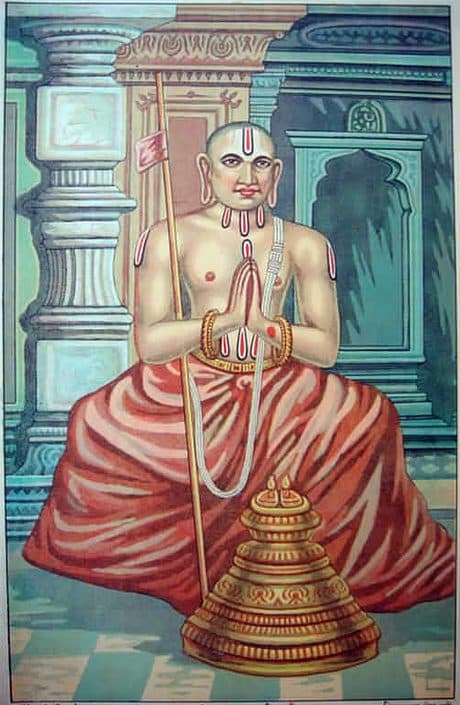
Rāmānuja · Viśiṣṭādvaita
English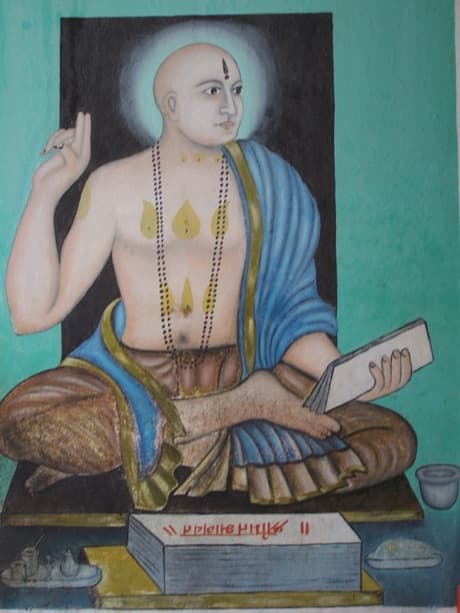
Madhvācārya · Dvaita
Madhva BhāṣyaSanskritEnglishOn verses 6.5–6.6
“स च योगारोहः प्रयत्नेन कर्तव्य इत्याह - उद्धरेत् इत्यादिना | कस्य बन्धुरात्मा ? इत्याह बन्धुरात्मा इति | आत्मा मनः | आत्मनः जीवस्य | आत्मना मनसा | आत्मानम् जीवम् | आत्मैव मनः | आत्मना बुद्ध्या जीवैवैव वा | स हि बुद्ध्या विजयति ||” - Only by constant endeavour and action can one abide in equanimity, thus has been spoken. For whom is the self a kinsman? Here आत्मा means the mind, आत्मनः means Jiva. आत्मना means by mind, आत्मानम् means to the Jiva, आत्मैव means mind and आत्मना means by the Jiva, because by his intellect only does the human being succeed.
“मनः परं कारणमामनन्ति, मन एव मनुष्याणां कारणं बन्धमोक्षयोः, उद्धरेन्मनसा जीवं न जीवमवसादयेत् | जीवस्य बन्धुः शत्रुश्च मन एव न संशयः || जीवेन बुद्ध्या हि यदा मनो जितं तदा बन्धुः शत्रुरन्यत्र चास्य | ततो जयेद्बुद्धिवलो नरस्तद् देवे च भक्त्या मधुकैटभारी || इत्यदि ब्रह्मवैवर्तकं ||” - Mind is called the superior instrument. Mind alone is the instrument for human beings for being bound or being delivered. By mind should the self be elevated, not degraded. Mind is the friend as well as the foe; of this there is no doubt. When human being wins over his mind on the strength of the intellect and with devotion to Sri Hari, then it becomes his friend; there are no other enemies, thus in Brahmavaivartaka Puraana.
“अनात्मनः अजितात्मनः पुरुषस्य | अजितमनस्कस्य | सदपि मनोनुपकारी इति अनात्मा | सन्नपि गृत्यो यस्य भृत्यपदे न वर्तते स ह्यभृत्यः | तस्यात्मा मन एव शत्रुवत् शत्रुत्वे वर्तते ||” - अनात्मनः means unconquered, unrestrained mind. If the mind is not restrained, then it is not likely to be helpful; just as one having a servant who does no work, like one having no servant at all. His self, the mind becomes an adversary like an enemy.
Madhvācārya · Dvaita
Gītā Tātparya NirṇayaSanskritEnglishOn verses 6.5–6.6
“उद्धरैतैव संसाराज्जीवात्मानं परात्मना | विष्णुर्बन्धुः सतां नित्यं परात्मा ह्यसतामरिः | तत्प्रसादाजया भक्त्या जितो यस्य वशे त्विव | वर्तते तस्य मित्रं सदन्यस्य च शत्रुवत् || इति च ||” - Jiva, the self elevates himself from this life with the help of the Supreme Self. Sri Vishnu, ever a kinsman to the noble ones and enemy for the evil ones. That means, to the one who is devoted to the Lord, he acts as his friend through grace; for others he is enemy. “परमात्मा समाहितः इति वाक्यशेषेणात् ||” - In the latter part of the sentence it is shown that Supreme Self abides within (such person).

Jñāneśvar · Vārkarī
English5 'By his own self should he raise his self; he should not cause his self to sink low. For, the self alone is the self's help-mate, and the self alone is the self's enemy. (67)
Lord Krishna smiled at this and said, 'Your query surprises me. Who could give, and to whom, and what, where there abides the one being without a second? Lying on the bed of illusion, the soul falls into the sleep of ignorance and suffers from evil dreams of birth and death. And when suddenly he wakes up he realises the emptiness of the subject-matter of the dream. This realisation too like the original delusion is truth in his own being. Thus, O Dhananjaya, he becomes the cause of his own ruin through the error of self-conceit of his bodily existence.
Swami Ramsukhdas · Modern
English'Uddharedātmanātmānam'—A man should lift himself by his own self. It means, that he should lift himself, above the body, senses, mind, intellect and life-breath, because all of these belong to matter (nature) and have identity with matter, while his self, is a fragment of God and has identity with Him. It also means, that he should lift himself from the limited T, to the unlimited 'Self'. So, for God-realization, there is no need to depend, on the insentient, the unreal, because attachment for the unreal, or dependence on the unreal, is the main obstacle to God-realization. There is no need of the body, senses, mind and intellect, to attain God Who is one's own. He, is in him, exists now and here, because the real cannot be attained by the unreal, the real, can be attained by renouncing connection with the unreal.
Secondly, as it was explained in the previous verse, a man should cease to have any attachment for objects, actions and thoughts, and raise himself above them. It is everyone's experience, that objects, actions and thoughts, have a beginning and an end. They are born and decay; are united and disunited, but his self remains the same, without the least modification. Therefore; detachment from these means, lifting himself by his own self.
Man possesses discrimination, by utilizing which, a striver
can lift himself and can realize God. A striver, by following the Discipline of Knowledge, can discriminate between the real and the unreal, and thus get established in his own self. A striver, following the Discipline of Devotion, accepts that he is God's and God is his, and this feeling leads him to God-realization. A striver, following the Discipline of Action, by using discrimination, utilizes the so-called body, senses, mind and intellect in rendering service to others and thus by breaking off his affinity with them, gets established, in his own self. Thus, his discrimination leads him to God-realization, whatever discipline, he may follow.
An Exceptional Fact About God-realization
Think of—'I am not body', because the body changes, while I remain the same; 'This body is not mine', because I cannot keep this body healthy, and in my possession, as long as I wish; 'This body is not for me', because if it had been for me, I might have not had any other desire. Secondly, this body is changeful, while I am eternal. How can this kaleidoscopic body, be of any use to the eternal 'Self'? Thirdly, if it had been for me, it would have lived with me forever, but it does not live. Therefore, if a man thinks seriously, and sticks to the thought, 'I am not body', 'The body is not mine' and 'The body is not for me', he will realize God spontaneously.
Now, a question arises, why Lord Kṛṣṇa has said, that a man should lift himself by his own self, when God, preceptors, saints and scriptures, also lead a man to God-realization. The answer is, that all of them will lead us to God-realization, only if we have faith in them; and it depends upon us, whether we have faith or we do not. It is, because of the lack of faith and desire, that several incarnations of the Lord, and many saints and liberated souls, could not enable us to realize God. But, those who had faith in them, realized Him. Therefore, a striver by having faith in them and by obeying them should realize God. It
is an unique opportunity for us, that this human body has been bestowed upon us in this Kali-Age, so that we may realize God, not only once, but several times during this life. But, we can realize Him, only when we ourselves want to do so.
Secondly, man has degraded himself, as he has accepted his affinity for the world, the world has not accepted that affinity, which breaks off, every moment. If one does not accept any new affinity, he may realize God.
**'Nātmānamavasādayet'**—He, should not degrade himself. It means that he himself being uniform and sentient, should not enslave himself, by having dependence on the transient and insentient worldly objects, such as riches, ranks etc. By virtue of his riches and ranks, he assumes himself to be elevated. This elevation, is of his virtues rather than his own. This dependence amounts to his degradation. But, how shocking and surprising it is, that he regards this degradation as promotion, and dependence as independence!
**'Ātmaiva hyātmano bandhuh'**—A man, himself is his friend, when he accepts that there is no need for mundane things, such as body, senses, mind, intellect etc., in God-realization. Secondly, he should have faith in his guide, in God, saints and scriptures. They will lead him to God-realization. By having this faith, he himself is his friend.
**'Ātmaiva ripurātmanaḥ'**—He himself, is his enemy, when he accepts his affinity with the worldly body, senses and mind etc.
In the second line of the verse, the term 'Eva' (only), has been used twice, to emphasize the fact, that he and only he himself, is his friend and foe; anyone else, neither is, nor can be his friend and foe. By accepting his affinity with the world, he is his enemy and by accepting no affinity in the least, with the world, he is his friend.
**Appendix**—A man himself, rather than anybody else, is
responsible for his salvation (God-realization) or for his downfall. God has bestowed upon us this human body and he has also gifted us with all the requisites. Therefore for salvation no other person is needed, similarly no one else is responsible for our fall. The person himself by becoming attached to the modes, takes repeated birth and death (Gītā 13/21).
Preceptor (spiritual guides), saints and God lead a man to salvation when a man himself has faith and belief in them, accepts them, has an inclination towards them, takes refuge in them and carries out their orders. If he does not accept them as their own, how will they lead him to salvation? They can’t. If he does not became a disciple, what will the ‘guru’ (spiritual guide) do? As other persons will provide food to a (hungry) man but the hunger should be his own. If he has no hunger of his own, what is the use of the food provided to him by others? Similarly if a striver is not sincerely devoted to his aim, what is the utility of the gospel preached by the spiritual guide, saints and exalted souls?
There is never lack of spiritual guides, saints and God. There have been many great saints, preceptors and incarnations, but we have not attained salvation. It proves that we have not accepted them. Therefore we ourselves are responsible for our salvation and ruin. He, who thinks others responsible for his salvation and fall, can never attain salvation.
In fact God is present, the preceptor is present, the supreme truth is present and ability and strength in a striver are also present. The only obstacle to their revelation, is the attachment to the perishable pleasures. The responsibility to wipe out this attachment to pleasures, goes to the striver because he himself has been attached to them.
Initiation (initiating or being initiated) is not the principle of the Gītā. A man is his own preceptor, therefore he has to preach the gospel to his own self. When all is God (Vāsudevaḥ sarvam),
then who except God is a preceptor and who will preach the gospel and to whom will he preach it? Therefore the expression 'uddharedātmanātmānaṁ' means that instead of perceiving defects in others, a man should perceive defects in his own self and try to get rid of them and preach the gospel to himself. He himself should become his preceptor, he himself should become his leader and he himself should become his ruler.
*Link:—In the preceding verse, Lord Kṛṣṇa declared that a man himself is his friend and he himself is his enemy. How is he himself, his friend or enemy? The Lord, provides an answer, in the verse that follows.*
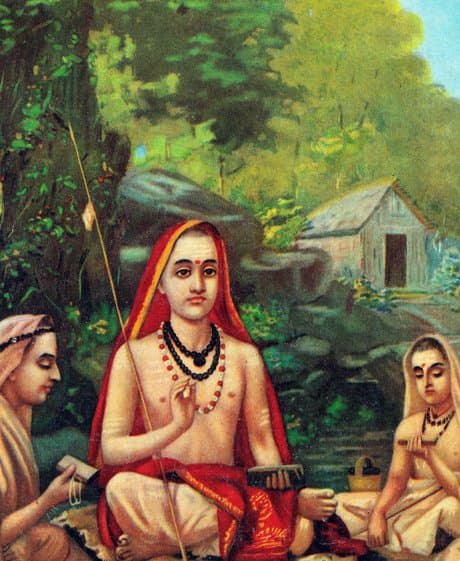
Ādi Śaṅkarācārya · Advaita
Sanskritउद्धरेत् संसारसागरे निमग्नं आत्मना आत्मानं ततः उत् ऊर्ध्वं हरेत् उद्धरेत्, योगारूढतामापादयेदित्यर्थः । न आत्मानं अवसादयेत् न अधः नयेत्, न अधः गमयेत् । आत्मैव हि यस्मात् आत्मनः बन्धुः । न हि अन्यः कश्चित् बन्धुः, यः संसारमुक्तये भवति । बन्धुरपि तावत् मोक्षं प्रति प्रतिकूल एव, स्नेहादिबन्धनायतनत्वात् । तस्मात् युक्तमवधारणम् ``आत्मैव ह्यात्मनो बन्धुः'' इति । आत्मैव रिपुः शत्रुः । यः अन्यः अपकारी बाह्यः शत्रुः सोऽपि आत्मप्रयुक्त एवेति युक्तमेव अवधारणम् ``आत्मैव रिपुरात्मनः'' इति ॥ आत्मैव बन्धुः आत्मैव रिपुः आत्मनः इत्युक्तम् । तत्र किंलक्षण आत्मा आत्मनो बन्धुः, किंलक्षणो वा आत्मा आत्मनो रिपुः इत्युच्यते --
Ādi Śaṅkarācārya · Advaita
Hindiजब मनुष्य इस प्रकार योगारूढ़ हो जाता है तब वह अनर्थोंके समूह इस संसारसमुद्रसे स्वयं अपना उद्धार कर लेता है, इसलिये—
संसार-सागरमें डूबे पड़े हुए अपने-आपको उस संसारसमुद्रसे आत्मबलके द्वारा ऊँचा उठा लेना चाहिये अर्थात् योगारूढ़ अवस्थाको प्राप्त कर लेना चाहिये।
अपना अधःपतन नहीं करना चाहिये अर्थात् अपने आत्माको नीचे नहीं गिरने देना चाहिये।
क्योंकि यह आप ही अपना बन्धु है। दूसरा कोई (ऐसा) बन्धु नहीं है जो संसारसे मुक्त करनेवाला हो। प्रेमादि भाव बन्धनके स्थान होनेके कारण सांसारिक बन्धु भी (वास्तवमें) मोक्षमार्गका तो विरोधी ही होता है। इसलिये निश्चयपूर्वक यह कहना ठीक ही है कि आप ही अपना बन्धु है।
तथा आप ही अपना शत्रु है। जो कोई दूसरा अनिष्ट करनेवाला बाह्य शत्रु है वह भी अपना ही बनाया हुआ होता है, इसलिये आप ही अपना शत्रु है, इस प्रकार केवल अपनेको ही शत्रु बतलाना भी ठीक ही है
Jñāneśvar · Vārkarī
Marathiतंव हांसोनि श्रीकृष्ण म्हणे । तुझें नवल ना हें बोलणें । कवणासि काय दिजेल कवणें । अद्वैतीं इये ॥ ६७ ॥
पै व्यामोहाचिये शेजे । बळिया अविद्या निद्रित होइजे । ते वेळी दुःस्वप्न हा भोगिजे । जन्ममृत्यूंचा ॥ ६८ ॥
पाठीं अवसांत ये चेवो । तैं तें अवघेंचि होय वावो । ऐसा उपजे नित्य सद्भावो । तोहि आपणपांचि ॥ ६९ ॥
म्हणऊनि आपणचि आपणपेया । घातु कीजतु असे धनंजया । चित्त देऊनि नाथिलिया । देहाभिमाना ॥ ७० ॥
Jñāneśvar · Vārkarī
Hindi(6.67) तब श्रीकृष्ण ने हँसकर कहा कि क्या तुम्हारा यह प्रश्न आश्चर्यकारक नहीं है? इस अद्वैत में कौन किसे क्या दे सकता है?
(6.68) भ्रमरूप शय्या पर दृढ़ अज्ञानरूपी निद्रा आती है तब यह जन्ममृत्युरूपी दुःस्वप्न का भोग प्राप्त होता है।
(6.69) अनन्तर जब अकस्मात् चेत आता है तब वे सब बातें मिथ्या प्रतीत होती हैं। इस प्रकार जो सद्भाव उत्पन्न होता है वह भी निज में ही उत्पन्न होता है।
(6.70) हे धनंजय! फल यह हुआ कि हम मिथ्या देहाभिमान पर चित्त देकर आप ही अपना घात करते हैं।
Sri Udiya Baba · Modern
Hindiसंगति— आगे के दो श्लोक पुरुषार्थवाद का समर्थन करते हैं। उनमें यह बताया गया है कि जो गुरु और शास्त्र के अनुसार आचरण करता है उसी का उद्धार होता है। अतः सर्वदा आत्मोद्धार का प्रयत्न करता रहे—
भावार्थ— आत्मा (जीव) का उद्धार आत्मा (मन) से करे। आत्मा (जीव) का पतन न होने दे, क्योंकि [गुरु और शास्त्र के अनुसार चलने पर] आत्मा (मन) ही आत्मा (जीव) का बन्धु है और [अशुभ कर्म करने पर] आत्मा ही आत्मा का शत्रु है।
व्याख्या— स्त्री-पुत्रादि के लालन-पालन में लगा रहना ही यहाँ आत्मा का पतन है और इसी को अवसादन कहा है। अतः जिस मन ने इन्द्रियों को जीत लिया है वह मन ही आत्मा का बन्धु है और
आत्मा में प्रेम न करने पर मन ही आत्मा का शत्रु है। इसी को अगले श्लोक में स्पष्ट करते हैं—
Swami Ramsukhdas · Modern
Hindi‘उद्धरेदात्मानामानम्’— अपने-आपसे अपना उद्धार करे—इसका तात्पर्य है कि शरीर, इन्द्रियाँ, मन, बुद्धि, प्राण आदिसे अपने-आपको ऊँचा उठाये। अपने स्वरूपसे जो एकदेशीय ‘मैं’-पन दीखता है, उससे भी अपनेको ऊँचा उठाये। कारण कि शरीर, इन्द्रियाँ आदि और ‘मैं’-पन—ये सभी प्रकृतिके कार्य हैं; अपना स्वरूप नहीं है। जो अपना स्वरूप नहीं है, उससे अपनेको ऊँचा उठाये।
अपना स्वरूप परमात्माके साथ एक है और शरीर, इन्द्रियाँ आदि तथा ‘मैं’-पन प्रकृतिके साथ एक है। अगर यह अपना उद्धार करनेमें, अपनेको ऊँचा उठानेमें शरीर, इन्द्रियाँ, मन, बुद्धि आदिकी सहायता मानेगा, इनका सहारा लेगा तो फिर जड़ताका त्याग कैसे होगा? क्योंकि जड़ वस्तुओंसे सम्बन्ध मानना, उनकी आवश्यकता समझना, उनका सहारा लेना ही खास बन्धन है। जो अपने हैं, अपनेमें हैं, अभी हैं और यहाँ हैं, ऐसे परमात्माकी प्राप्तिके लिये शरीर, इन्द्रियाँ, मन, बुद्धिकी आवश्यकता नहीं है। कारण कि असत् के द्वारा सत् की प्राप्ति नहीं होती, प्रत्युत असत् के त्यागसे सत् की प्राप्ति होती है।
दूसरा भाव, अभी पूर्वश्लोकमें आया है कि प्राकृत पदार्थ, क्रिया और संकल्पमें आसक्त न हो, उनमें फँसे नहीं, प्रत्युत उनसे अपने-आपको ऊपर उठाये। यह सबका प्रत्यक्ष अनुभव है कि पदार्थ, क्रिया और संकल्पका आरम्भ तथा अन्त होता है, उनका संयोग तथा वियोग होता है, पर अपने (स्वयंके) अभावका और परिवर्तनका अनुभव किसीको नहीं होता। स्वयं सदा एकरूप रहता है। अतः उत्पन्न और नष्ट होनेवाले पदार्थ आदिमें न फँसना, उनके अधीन न होना, उनसे निर्लिप्त रहना ही अपना उद्धार करना है।
मनुष्यमात्रमें एक ऐसी विचारशक्ति है, जिसको काममें लानेसे वह अपना उद्धार कर सकता है। ‘ज्ञानयोग’का साधक उस विचारशक्तिसे जड़-चेतनका अलगाव करके चेतन (अपने स्वरूप) में स्थित हो जाता है और जड़ (शरीर-संसार) से सम्बन्ध-विच्छेद कर लेता है। ‘भक्तियोग’ का साधक उसी विचारशक्तिसे ‘मैं भगवान्का हूँ और भगवान् मेरे हैं’ इस प्रकार भगवान्से आत्मीयता करके अपना उद्धार कर लेता है। ‘कर्मयोग’ का साधक उसी विचारशक्तिसे मिले हुए शरीर, इन्द्रियाँ, मन, बुद्धि आदि पदार्थोंको संसारका ही मानते हुए संसारकी सेवामें लगाकर
उन पदार्थोंसे सम्बन्ध-विच्छेद कर लेता है और अपने स्वरूपमें स्थित हो जाता है। इस दृष्टिसे मनुष्य अपनी विचारशक्तिको काममें लेकर किसी भी योग-मार्गसे अपना कल्याण कर सकता है।
उद्धार-सम्बन्धी विशेष बात
विचार करना चाहिये कि ‘मैं’ शरीर नहीं हूँ; क्योंकि शरीर बदलता रहता है और मैं वही रहता हूँ। यह शरीर ‘मेरा’ भी नहीं है; क्योंकि शरीरपर मेरा वश नहीं चलता अर्थात् शरीरको मैं जैसा रखना चाहूँ, वह वैसा नहीं रह सकता; जितने दिन रखना चाहूँ, उतने दिन नहीं रह सकता और जैसा सबल बनाना चाहूँ, वैसा बन नहीं सकता। यह शरीर ‘मेरे लिये’ भी नहीं है; क्योंकि यदि यह मेरे लिये होता तो इसके मिलनेपर मेरी कोई इच्छा बाकी नहीं रहती। दूसरी बात, यह परिवर्तनशील है और मैं अपरिवर्तनशील हूँ। परिवर्तनशील अपरिवर्तनशीलके काम कैसे आ सकता है? नहीं आ सकता। तीसरी बात, यदि यह मेरे लिये होता तो सदा मेरे पास रहता। परन्तु यह मेरे पास नहीं रहता। इस प्रकार शरीर मैं नहीं, मेरा नहीं और मेरे लिये नहीं—इस वास्तविकतापर मनुष्य दृढ़ रहे, तो अपने-आपसे अपना उद्धार हो जायगा।
अब शंका होती है कि ईश्वर, सन्त-महात्मा, गुरु, शास्त्र—इनसे भी तो मनुष्योंका उद्धार होता है; फिर अपने-आपसे अपना उद्धार करे—ऐसा क्यों कहा? इसका समाधान है कि ईश्वर, सन्त-महात्मा आदि हमारा उद्धार तभी करेंगे, जब उनमें हमारी श्रद्धा होगी। वह श्रद्धा हमें खुद ही करनी पड़ेगी। खुद श्रद्धा किये बिना क्या वे अपनेमें श्रद्धा करा लेंगे? नहीं करा सकते। अगर ईश्वर, सन्त आदि हमारे श्रद्धा किये बिना ही अपनेमें हमारी श्रद्धा कराकर हमारा उद्धार करते तो हमारा उद्धार कभीका हो गया होता। कारण कि आज दिनतक भगवान्के अनेक अवतार हो चुके हैं, कई तरहके सन्त-महात्मा, जीवन्मुक्त, भगवत्प्रेमी हो चुके हैं; परन्तु अभीतक हमारा उद्धार नहीं हुआ है। इससे भी सिद्ध होता है कि हमने स्वयं उनमें श्रद्धा नहीं की, हम स्वयं उनके सम्मुख नहीं हुए, हमने स्वयं उनकी बात नहीं मानी, इसलिये हमारा उद्धार नहीं हुआ। परन्तु जिन्होंने उनपर श्रद्धा की, जो उनके सम्मुख हो गये, जिन्होंने उनकी बात मानी, उनका उद्धार हो गया। अतः साधकको शास्त्र, भगवान्, गुरु आदिमें श्रद्धा-विश्वास करके तथा उनकी
आज्ञाके अनुसार चलकर अपना उद्धार कर लेना चाहिये। भगवान्, सन्त-महात्मा आदिके रहते हुए हमारा उद्धार नहीं हुआ है तो इसमें उद्धारकी सामग्रीकी कमी नहीं रही है अथवा हम अपना उद्धार करनेमें असमर्थ नहीं हुए हैं। हम अपना उद्धार करनेके लिये तैयार नहीं हुए, इसीसे वे सब मिलकर भी हमारा उद्धार करनेमें समर्थ नहीं हुए। अगर हम अपना उद्धार करनेके लिये तैयार हो जायें, सम्मुख हो जायें तो मनुष्यजन्म-जैसी सामग्री और कलियुग-जैसा मौका प्राप्त करके हम कई बार अपना उद्धार कर सकते हैं! पर यह तब होगा, जब हम स्वयं अपना उद्धार करना चाहेंगे।
दूसरी बात, स्वयंने ही अपना पतन किया है अर्थात् इसने ही संसारके सम्बन्धको पकड़़ा है, संसारने इसको नहीं पकड़़ा है। जैसे, बाल्यावस्थाको इसने छोड़ा नहीं, प्रत्युत वह स्वाभाविक ही छूट गयी। फिर इसने जवानीके सम्बन्धको पकड़ लिया कि 'मैं जवान हूँ', पर इसका जवानीके साथ भी सम्बन्ध नहीं रहेगा। तात्पर्य यह हुआ कि अगर यह नया सम्बन्ध नहीं जोड़े तो पुराना सम्बन्ध स्वाभाविक ही छूट जायगा, जो कि स्वतः छूट ही रहा है। पुराना सम्बन्ध तो रहता नहीं और नया सम्बन्ध यह जोड़ लेता है—इससे सिद्ध होता है कि सम्बन्ध जोड़ने और छोड़नेमें यह स्वतन्त्र और समर्थ है। अगर यह नया सम्बन्ध न जोड़े, तो अपना उद्धार आप ही कर सकता है।
शरीर-संसारके साथ जो संयोग (सम्बन्ध) है, उसका प्रतिक्षण स्वतः वियोग हो रहा है। उस स्वतः होते हुए वियोगको संयोग-अवस्थामें ही स्वीकार कर ले तो यह अपने-आपसे अपना उद्धार कर सकता है।
**'नात्मानमवसादयेत्'**—यह अपने-आपको पतनकी तरफ न ले जाय—इसका तात्पर्य है कि परिवर्तनशील प्राकृत पदार्थोंके साथ अपना सम्बन्ध न जोड़े अर्थात् उनको महत्त्व देकर उनका दास न बने, अपनेको उनके अधीन न माने, अपने लिये उनकी आवश्यकता न समझे। जैसे किसीको धन मिला, पद मिला, अधिकार मिला, तो उनके मिलनेसे यह अपनेको बड़ा, श्रेष्ठ और स्वतन्त्र मानता है, पर विचार करके देखें कि यह स्वयं बड़ा हुआ
**परिशिष्ट भाव**—अपने उद्धार और पतनमें मनुष्य स्वयं ही कारण होता है, दूसरा कोई नहीं। भगवान्ने मनुष्य-शरीर दिया है तो अपने कल्याणकी सामग्री भी पूरी दी है। इसलिये अपने कल्याणके लिये दूसरेकी जरूरत नहीं है। पतन भी दूसरा नहीं करता। जीव खुद ही गुणोंका संग करके जन्म-मरणमें पड़ता है (गीता—तेरहवें अध्यायका इक्कीसवाँ श्लोक)।
कि धन, पद, अधिकार बड़े हुए? स्वयं चेतन और एकरूप रहते हुए भी इन प्राकृत चीजोंके पराधीन हो जाता है और अपना पतन कर लेता है। बड़े आश्चर्यकी बात है कि इस पतनमें भी यह अपना उत्थान मानता है और उनके अधीन होकर भी अपनेको स्वाधीन मानता है!
**'आत्मैव ह्यात्मनो बन्धुः'**—यह आप ही अपना बन्धु है। अपने सिवाय और कोई बन्धु है ही नहीं। अतः स्वयंको किसीकी जरूरत नहीं है, इसको अपने उद्धारके लिये किसी योग्यताकी जरूरत नहीं है, शरीर-इन्द्रियाँ-मन-बुद्धि आदिकी जरूरत नहीं है और किसी वस्तु, व्यक्ति, परिस्थिति आदिकी भी जरूरत नहीं है। तात्पर्य है कि प्राकृत पदार्थ इसके साधक (सहायक) अथवा बाधक नहीं है। यह स्वयं ही अपना उद्धार कर सकता है, इसलिये यह स्वयं ही अपना बन्धु (मित्र) है।
हमारे जो सहायक हैं, रक्षक हैं, उद्धारक हैं, उनमें भी जब हम श्रद्धा-भक्ति करेंगे, उनकी बात मानेंगे, तभी वे हमारे बन्धु होंगे, सहायक आदि होंगे। अतः मूलमें हम ही हमारे बन्धु हैं; क्योंकि हमारे माने बिना, हमारे श्रद्धा-विश्वास किये बिना वे हमारा उद्धार नहीं कर सकते—यह नियम है।
**'आत्मैव रिपुरात्मनः'**—यह आप ही अपना शत्रु है अर्थात् जो अपने द्वारा अपने-आपका उद्धार नहीं करता, वह अपने-आपका शत्रु है। अपने सिवाय इसका कोई दूसरा शत्रु नहीं है। प्रकृतिके कार्य शरीर, इन्द्रियाँ, मन, बुद्धि आदि भी इसका अपकार करनेमें समर्थ नहीं हैं। ये शरीर, इन्द्रियाँ आदि जैसे इसका अपकार नहीं कर सकते, ऐसे ही इसका उपकार भी नहीं कर सकते। जब स्वयं उन शरीरादिको अपना मान लेता है, तो यह स्वयं ही अपना शत्रु बन जाता है। तात्पर्य है कि उन प्राकृत पदार्थोंसे अपनेपनकी स्वीकृति ही अपने साथ अपनी शत्रुता है।
श्लोकके उत्तरार्धमें दो बार 'एव' पद देनेका तात्पर्य है कि अपना मित्र और शत्रु आप ही है, दूसरा कोई मित्र और शत्रु हो ही नहीं सकता और होना सम्भव भी नहीं है। प्रकृतिके कार्यके साथ किंचिन्मात्र भी सम्बन्ध न माननेसे यह आप ही अपना मित्र है और प्रकृतिके कार्यके साथ किंचिन्मात्र भी सम्बन्ध माननेसे यह आप ही अपना शत्रु है।
गुरु, सन्त और भगवान् भी तभी उद्धार करते हैं, जब मनुष्य स्वयं उनपर श्रद्धा-विश्वास करता है, उनको स्वीकार करता है, उनके सम्मुख होता है, उनके शरण होता है, उनकी आज्ञाका पालन करता है। अगर मनुष्य उनको स्वीकार न करे तो वे कैसे उद्धार करेंगे? नहीं कर सकते। खुद शिष्य न बने तो गुरु क्या करेगा? जैसे, दूसरा व्यक्ति भोजन तो दे देगा, पर भूख खुदकी चाहिये। खुदकी भूख न हो तो दूसरेके द्वारा दिया गया भोजन किस कामका? ऐसे ही खुदकी लगन न हो तो गुरुका, सन्त-महात्माओंका उपदेश किस कामका?
गुरु, सन्त और भगवान्का कभी अभाव नहीं होता। अनेक बड़े-बड़े सन्त होते आये हैं, गुरु होते आये हैं, भगवान्के अवतार होते आये हैं, पर अभीतक हमारा उद्धार नहीं हुआ है तो इससे सिद्ध होता है कि हमने ही उनको स्वीकार नहीं किया। अतः अपने उद्धार और पतनमें हम ही हेतु हैं। जो अपने उद्धार और पतनमें दूसरेको हेतु मानता है, उसका उद्धार कभी हो ही नहीं सकता।
वास्तविक दृष्टिसे देखें तो भगवान् भी विद्यमान हैं, गुरु भी विद्यमान है, तत्त्वज्ञान भी विद्यमान है और अपनेमें योग्यता, सामर्थ्य भी विद्यमान है। केवल नाशवान् सुखकी आसक्तिसे ही उनके प्रकट होनेमें बाधा लग रही है। नाशवान् सुखकी आसक्ति मिटानेकी जिम्मेवारी साधकपर है; क्योंकि उसीने आसक्ति की है।
गुरु बनना या बनाना गीताका सिद्धान्त नहीं है। मनुष्य आप ही अपना गुरु है। इसलिये उपदेश अपनेको ही देना है। जब सब कुछ परमात्मा ही हैं ( वासुदेवः सर्वम् ), तो फिर दूसरा गुरु कैसे बने और कौन किसको उपदेश दे? अतः ' उद्धारदात्मानात्मानम् ' का तात्पर्य है कि दूसरेमें कमी न देखकर अपनेमें ही कमी देखे और उसको दूर करनेकी चेष्टा करे, अपनेको ही उपदेश दे। आप ही अपना गुरु बने, आप ही अपना नेता बने और आप ही अपना शासक बने।
सम्बन्ध—पूर्वश्लोकमें भगवान्ने बताया कि यह स्वयं ही अपना मित्र है और स्वयं ही अपना शत्रु है। अतः स्वयं अपना मित्र और शत्रु कैसे हैं—इसका उत्तर आगेके श्लोकमें देते हैं अर्थात् पूर्वश्लोकके उत्तरार्धकी व्याख्या आगेके श्लोकमें करते हैं।
The word ātmāna refers to the mind.
The mind must detach itself from the infatuation of sense objects by association from those wise in Vedic knowledge who possess spiritual knowledge. In this way the mind will be elevated and gravitate towards spiritual objectives.
But if the mind is pointed in the reverse direction subject to worldly pursuits and deluded by sense objects then the mind will become agitated and harassed.
Lord Krishna is confirming the truth that the mind has the potential to give the most benefit as the greatest friend to the ātma or eternal soul
and also that the mind has the potential to be the most destructive as the greatest enemy to the ātma or eternal soul depending upon how the mind is influenced.