

Bhagavad Gītā · Chapter 6 · Dhyāna Yoga
यथा दीपो निवातस्थो नेङ्गते सोपमा स्मृता
योगिनो यतचित्तस्य युञ्जतो योगमात्मनः
yathā dīpo nivātastho neṅgate sopamā smṛtā|
yogino yatacittasya yuñjato yogamātmanaḥ||
Word meanings
यथा = just as
निवातस्थः = situated in a windless place
दीपः = a lamp
न, इङ्गते = does not flicker
योगम् = yoga
युञ्जतः = practicing
यतचित्तस्य = of one whose mind is controlled
Translation
As a light does not flicker in a windless place, such is stated to be the picture of the disciplined mind of the Yogi practising meditation on God.
Commentary
The commentators seated around this verse
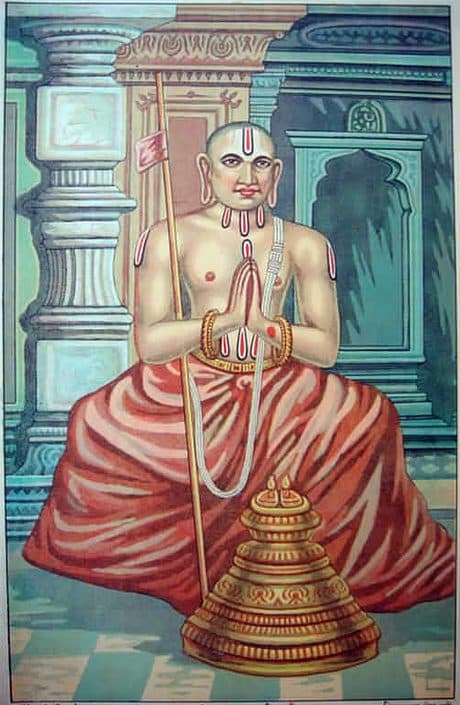
Rāmānuja · Viśiṣṭādvaita
English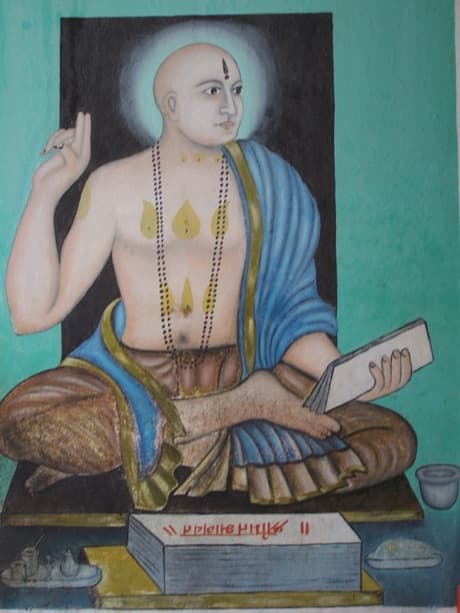
Madhvācārya · Dvaita
Madhva BhāṣyaSanskritEnglish“आत्मनः भगवद्विषये | योगम् |” - आत्मनः means any thing related to the Supreme Lord.
Madhvācārya · Dvaita
Gītā Tātparya NirṇayaSanskritEnglish“यस्य यत्र वृत्तिर्विहता वर्तनं तथा | ज्ञानं वाऽपि समत्वं तद्विषमत्वमतोऽन्यथा || इति महाविषुपुराणे | अभिमित्तस्नेहवास्तु मुहृत् ज्ञात्वोपकारकृत् | मित्रं वधादिकृदरिद्रेष्यस्त्वप्रियमात्रकृत् | उदासीनः स्नेहवतोऽप्यस्नेही तत्कृतानुकृत् | मध्यस्थ इति विज्ञेयः मुहृदेषु विशिष्यते || इति नारदीये |” — Even as one’s inclination even so would be his behavior, wisdom would be well balanced or would be distorted, thus in Mha Vishnu Purana. Unreserved friendship will encourage endearing companionship. Even though appears indifferent friendship flowers in companionship. Friend should be understood as the intermediary increasing companionship, thus in Narada Purana.
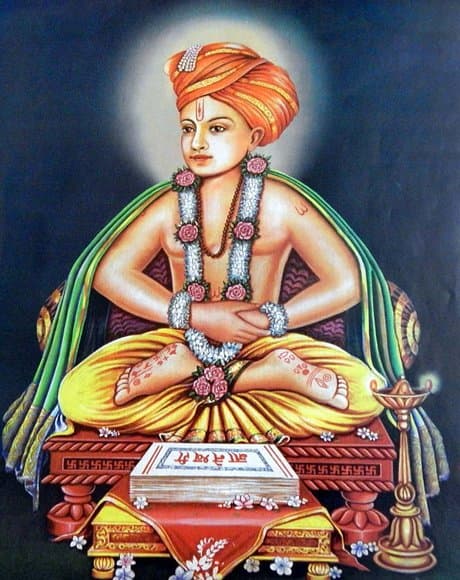
Jñāneśvar · Vārkarī
English19 *'Like a lamp in windless region that flickers not'—such is the simile declared for the man of Discipline who has curbed his mind, and is practising concentration on the Self. (357)*
When the regulated activism joins hands with the study of 'Yoga', the body becomes the very holy place “Prayāga”, and one who steadies his mind in such a body, with the firm determination not to leave it till the body meets its fall, should be called by you as one “steadied in the ‘Yoga’ Discipline,” and I say further, as the occasion demands it, that such a one, steadied in the ‘Yoga’ Discipline, is compared to a lamp-flame in a breezeless region. Now reading your mind, I shall tell you one thing more and do hear it attentively. In your mind, you wish for success with the study of ‘Yoga’, and yet are not prepared to undergo the hardships of that study. Why? What is the difficulty about it, that you should be afraid of? O Pārtha, you need not entertain in your mind any such fear in the least. These wicked organs are for no reason ever creating a goblin (to frighten you). Does not the tongue rebelling against its noxious enemy, even refuse an efficacious and divine medicine that has got the power of (holding out) longevity and of bringing back the very departing soul? Even so, the senses always feel troublesome, in doing such actions as help the attainment of the greatest good! Otherwise, nothing is so simple as (success in the study of) ‘Yoga’.
Swami Ramsukhdas · Modern
English'Yathā dipo nivātastho neṅgate sopamā smṛtā, yogino yatacittasya yuñjato yogamātmanaḥ'—As a flame of a lamp, in a place perfectly sheltered against wind, does not flicker, but remains steady, in the same way when the mind of a striver, rests in the Self alone, it becomes free, from all desires.
The Yogi, who has subdued his mind, is called 'Yatacittasya'. In the preceding verse, such controlled mind has been described as 'Viniyata'.
There is no place without wind, which exists everywhere. Somewhere, it is in its active form, while at other places, it is inactive. Here, the term 'Nivātasthaḥ', does not refer to total lack of wind, it rather refers, to the absence of its active state.
Now, a question may arise, why the mind has been compared, to the flame of a lamp which may flicker, and not to a mountain which neither flickers nor shakes. The answer is, that unlike a mountain, the mind does flicker like a flame. It is very difficult, to keep a flickering item steady. So, it has been compared to a flame. Secondly, as there is light in a flame, there is awareness of God, in the mind. Though, in sound sleep and a trance, there is an equal forgetfulness, of the world, yet, in sound sleep mind merges in ignorance, and so there is no awareness, of the self. In a trance the mind remains conscious of the Self. Due to these reasons, an illustration of the flame has been given, here. This fact, has also been pointed out, in the twenty-seventh verse of
the fourth chapter, by 'jñānadīpite'.
*Link:—The state, in which perfection is attained, is described in the next verse.*
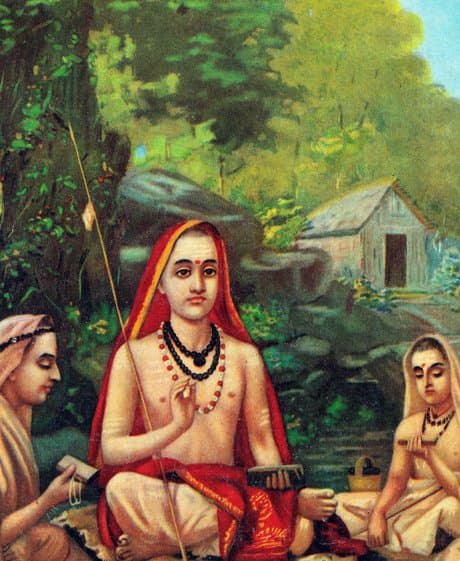
Ādi Śaṅkarācārya · Advaita
Sanskritयथा दीपः प्रदीपः निवातस्थः निवाते वातवर्जिते देशे स्थितः न इङ्गते न चलति, सा उपमा उपमीयते अनया इत्युपमा योगज्ञैः चित्तप्रचारदर्शिभिः स्मृता चिन्तिता योगिनो यतचित्तस्य संयतान्तःकरणस्य युञ्जतो योगं अनुतिष्ठतः आत्मनः समाधिमनुतिष्ठत इत्यर्थः ॥ एवं योगाभ्यासबलादेकाग्रीभूतं निवातप्रदीपकल्पं सत् --
Ādi Śaṅkarācārya · Advaita
Hindiउस योगीका जो समाधिस्थ चित्त है उसकी उपमा कही जाती है—
जैसे वायुरहित स्थानमें रखा हुआ दीपक विचलित नहीं होता, वही उपमा आत्मध्यानका अभ्यास करनेवाले समाधिमें स्थित हुए योगीके जीते हुए अन्तःकरणकी, चित्त-गतिको प्रत्यक्ष देखनेवाले योगवेत्ता पुरुषोंने मानी है। जिससे किसीकी समानता की जाय उसका नाम उपमा है
Jñāneśvar · Vārkarī
Marathiयुक्ती योगाचे आंग पावे । ऐसें प्रयाग जें होय बरवें । तेथ क्षेत्रसंन्यासें स्थिरावें । मानस जयाचें ॥ ३५७ ॥
तयातें योगायुक्त म्हण । हेंही प्रसंगे जाण । तें दीपांचे उपलक्षण । निर्वातींचिया ॥ ३५८ ॥
आतां तुझें मनोगत जाणोनि । कांही एक आम्ही म्हणोनि । तें निकें चित्त देउनी । परिसावें गा ॥ ३५९ ॥
तूं प्राप्तीची चाड वाहसी । परि अभ्यासीं दक्ष नव्हसी । तें सांग पा काय बिहसी । दुवाडपणा ॥ ३६० ॥
तरी पार्था हें झणें । सायास घेशीं हो मनें । वायां बागूल इये दुर्जनें । इंद्रिये करिती ॥ ३६१ ॥
पाहें पां आयुष्याचा अढळ करी । जें सरतें जीवित वारी । तया औषधातें वैरी । काय जिव्हा न म्हणे ॥ ३६२ ॥
ऐसें हितासि जें जें निकें । तें सदाचि या इद्रिंयां दुःखे । एऱ्हवी सोपें योगासारिखें । कांही आहे ॥ ३६३ ॥
Jñāneśvar · Vārkarī
Hindi(6.357) युक्ति से योग का मेल होकर जहाँ ऐसा उत्तम प्रयोग बन जाता है वहाँ जिसका मन क्षेत्र-संन्यास की रीति से स्थिर रहे
(6.358) उसे योगयुक्त समझो। और प्रसंगानुसार यह भी जानो कि उसे निर्वात स्थान में रखे हुए दीपक की उपमा दी जा सकती है।
(6.359) अब तुम्हारे मन की बात पहचान करे हम कुछ और भी कहते हैं सो अच्छी तरह ध्यान देकर सुनो।
(6.360) तुम प्राप्ति की इच्छा रखते हो परन्तु अभ्यास में नियुक्त नहीं होते, तो कहो क्या योग की कठिनता से डरते हो?
(6.361) हे पार्थ! मन में ऐसा डर मत रखो। ये दुष्ट इन्द्रियाँ वृथा भय बताती हैं।
(6.362) देखो, जो आयुष्य को स्थिर करती है और समाप्त होते हुए जीवन को बचाती है, उस औषधि को जिह्वा क्या बैरी नहीं समझती? (6.363) इसी प्रकार जो जो विषय कल्याण के लिए हितकारी हैं वे सर्वदा इन इन्द्रियों को दुःखकारी हैं। अन्यथा योग के समान सुलभ और क्या है?
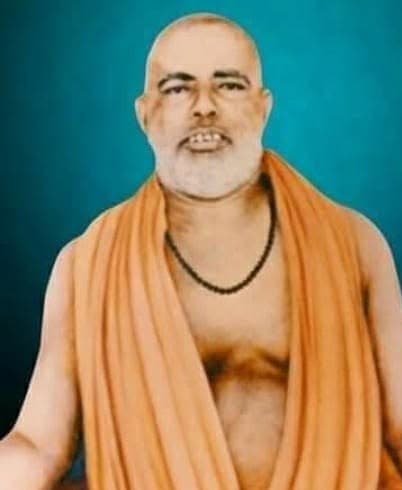
Sri Udiya Baba · Modern
Hindiसंगति— अगले श्लोक में यह बतलाते हैं कि सिद्धावस्था आने पर आरम्भ में चित्त कैसा होता है—
भावार्थ— जैसे वायुरहित स्थान में रखे हुए दीपक में कोई हलचल नहीं होती, वही उपमा आत्मयोग का अभ्यास करने वाले संयतचित्त योगी के चित्त की कही गयी है।
व्याख्या— योगी अनेक प्रकार के होते हैं; जैसे—हठयोगी, राजयोगी, भक्तियोगी, लययोगी, सांख्ययोगी और ज्ञानयोगी इत्यादि। परन्तु यहाँ ब्रह्माभ्यास में तत्पर योगी के विषय में कहा जा रहा है। जब उसके चित्त की चिन्मात्र वृत्ति उदित होती है तो उसका चित्त विषयों से चलायमान नहीं होता। जो ऐसा योगारूढ़ महापुरुष है वह स्वयं ही देखने वाला है स्वयं ही दीखने वाला है और अपने आपको ही देख रहा है। वह परमानन्द में मग्न है। ऐसे महापुरुष का लक्षण अगले श्लोक में कहते हैं—
Swami Ramsukhdas · Modern
Hindi‘यथा दीपो निवातस्थो...युञ्जतो योगमात्मनः’—जैसे सर्वथा स्पन्दनरहित वायुके स्थानमें रखे हुए दीपककी लौ थोड़ी भी हिलती-डुलती नहीं है, ऐसे ही जो योगका अभ्यास करता है, जिसका मन स्वरूपके
चित्तनमें लगता है और जिसने चित्तको अपने वशमें कर रखा है, उस ध्यानयोगीके चित्तके लिये भी दीपककी लौकी उपमा दी गयी है। तात्पर्य है कि उस योगीका चित्त स्वरूपमें ऐसा लगा हुआ है कि उसमें एक स्वरूपके सिवाय दूसरा
कुछ भी चिन्तन नहीं होता।
पूर्वश्लोकमें जिस योगीके चित्तको विनियत कहा गया है, उस वशीभूत किये हुए चित्तवाले योगीके लिये यहाँ 'यतचित्तस्य' पद आया है।
कोई भी स्थान वायुसे सर्वथा रहित नहीं होता। वायु सर्वत्र रहती है। कहींपर वायु स्पन्दनरूपसे रहती है और कहींपर निःस्पन्दनरूपसे रहती है। इसलिये यहाँ 'निवातस्थः' पद वायुके अभावका वाचक नहीं है, प्रत्युत स्पन्दित वायुके अभावका वाचक है।
यहाँ उपमेय चित्तको पर्वत आदि स्थिर, अचल पदार्थोंकी उपमा न देकर दीपककी लौकी ही उपमा क्यों दी गयी? दीपककी लौ तो स्पन्दित वायुसे हिल भी सकती है, पर पर्वत कभी हिलता ही नहीं। अतः पर्वतकी ही उपमा देनी चाहिये थी? इसका उत्तर यह है कि पर्वत स्वभावसे ही स्थिर, अचल
और प्रकाशहीन है, जब कि दीपककी लौ स्वभावसे चंचल और प्रकाशमान है। चंचल वस्तुको स्थिर रखनेमें विशेष कठिनता पड़ती है। चित्त भी दीपककी लौके समान स्वभावसे ही चंचल है, इसलिये चित्तको दीपककी लौकी उपमा दी गयी है।
दूसरी बात, जैसे दीपककी लौ प्रकाशमान होती है, ऐसे ही योगीके चित्तकी परमात्मतत्त्वमें जागृति रहती है। यह जागृति सुषुप्तिसे विलक्षण है। यद्यपि सुषुप्ति और समाधि—इन दोनोंमें संसारकी निवृत्ति समान रहती है, तथापि सुषुप्तिमें चित्तवृत्ति अविद्यामें लीन हो जाती है। अतः उस अवस्थामें स्वरूपका भान नहीं होता। परन्तु समाधिमें चित्तवृत्ति जाग्रत् रहती है अर्थात् चित्तमें स्वरूपकी जागृति रहती है। इसीलिये यहाँ दीपककी लौका दृष्टान्त दिया गया है। इसी बातको चौथे अध्यायके सत्ताईसवें श्लोकमें 'ज्ञानदीपिते' पदसे कहा है।
सम्बन्ध—जिस अवस्थामें पूर्णता प्राप्त होती है, उस अवस्थाका आगेके श्लोकमें स्पष्ट वर्णन करते हैं।
As a candle flame when sheltered from the wind will not flicker but burns bright and steady.
The word smṛtā means evidenced and is cited by those who are experienced in the science of meditation and used as a simile to illustrate how meditation on the ātma or soul becomes steady and effulgent
to that yogi or one perfected in the science of the individual consciousness attaining communion with the ultimate consciousness who concentrates upon the ātma after withdrawing the mind from every other objects of attention.
Lord Krishna is stating that the ātma shines steady and radiant in the light of meditative spiritual intelligence by reason that all extraneous and miscellaneous distractions of the mind have been sequestered out exactly as a candle flame shines constant and bright when all wind has been sequestered out from around it.