

Bhagavad Gītā · Chapter 6 · Dhyāna Yoga
तत्रैकाग्रं मनः कृत्वा यतचित्तेन्द्रियक्रियः
उपविश्यासने युञ्ज्याद्योगमात्मविशुद्धये
tatraikāgraṃ manaḥ kṛtvā yatacittendriyakriyaḥ|
upaviśyāsane yuñjyādyogamātmaviśuddhaye||
Word meanings
तत्र = there
आसने = on the seat
उपविश्य = sitting
यतचित्तेन्द्रियक्रियः = whose activities of mind and senses are controlled
आत्मविशुद्धये = for the purification of the self
मनः = mind
एकाग्रम् = one-pointed
योगम् = yoga
कृत्वा = having made
युज्यात् = should practice
Translation
And occupying that seat, concentrating the mind and controlling the functions of the mind and senses, he should practise Yoga for self-purification.
Commentary
The commentators seated around this verse
Rāmānuja · Viśiṣṭādvaita
EnglishOn verses 6.11–12
Madhvācārya · Dvaita
SanskritEnglishOn verses 6.12–6.14
“योगम् समाधियोगम् युज्ज्यात् ||” - For the sake of equanimity, meditation should be undertaken.
Jñāneśvar · Vārkarī
English12 “There, making the mind one-pointed, restraining all movements of the mind and the sense-centres, seated upon his seat, he should practise (Yogic) concentration for the attainment of the Self.” (186)
Then sitting on that seat, the mind is to be concentrated by meditation of your preceptor with a view to self-realisation. This meditation on the master is to continue till the finer essence of pious love spreads through the entire compass of inward and outward being, and the hard inertia of egotism melts away, the sense-objects are forgotten, the restless anguish of the senses is calmed, the outgoing mind is lulled into a quiet within, and the quiet state of one still being settles down in the soul. One should abide in this sitting posture in this state of self-realisation. In this state, one begins to feel that his body automatically balances itself, while the life-breaths in the body hold together. In this state, the impulse towards activity turns back its face and lapses, while the state of rapt concentration of mind or the balanced state of mind comes to stay undisturbed, thus bringing the very means for the study of Yoga. I shall now tell you, and do hear how the visible posture of the part of the body below the waist is to be fixed. The calves of the legs should make contact with the thighs, while the soles should be (made) flat and pressed against the bottom of anus. The right sole (under-surface of the foot) should be at the base and should press against the middle of the seam and the left one should automatically rest on the right one. There lies a space four inches between the anus and the testicles. Leaving an inch and a half on either side there remains a space of one inch in the middle. Against this should be pressed the heel (lower edge) of the right sole and the entire body is to be gathered up and held up balanced. The lower end of the back-bone should be raised so slightly that one should not even come to know that the upper half of the body (above the waist) gets raised up and sustained. Then, both the ankles should be raised and held hanging. By this process, O Arjuna, the entire human (body) frame would remain suspended on the ankles. This is, O Arjuna, the description of the (Yoga) posture named “Mūlabandha” which is called “Vajrāsana” otherwise. When the upper half of the body remains balanced on the “Ādhāra-chakra” which lies in the middle of the anus and the testicles, the lower half gets pressed, and the life-breath called Apāna in the intestines moves backwards towards the interior of the body.
Swami Ramsukhdas · Modern
English[After explaining the kind of a seat, now Lord Kṛṣṇa, in the twelfth and thirteenth verses, explains the process, how one should practise meditation.]
'Tatra āsane'—This phrase, has been used for the seat with a Kuśa-grassmat, a deer-skin and a cloth, described in the previous verse.
'Upaviśya'—He should sit still on the seat, in a comfortable posture, as 'Siddhāsana', 'Padmāsana' or 'Sukhāsana', etc., without moving the body. It is said, about the posture that a striver should be able to sit in that posture continuously for three hours, without moving the body. By doing so, the mind and life-breath
naturally become calm, and free from volatility. Volatility of mind, does not allow the body to remain motionless. The motion of the body and urge for action do not allow the mind, to remain steady and calm. Therefore, it is very essential that the body should remain motionless.
**'Yatacittendriyakriyaḥ'**—While seated, the mind and the senses should be kept under control. A striver should control his body, senses and mind, even in practical life, otherwise they cannot be controlled easily, while he meditates. It means, that he should lead a regulated and disciplined life, as has also been pointed out, in the sixteenth and seventeenth verses of this chapter.
**'Ekāgraṇ manah kṛtvā'**—While meditating, he should make a firm resolve, that he has to engage himself only in meditation. If however, worldly thoughts crop up, he should think, that it is time only for meditation and not for worldly thoughts. If time passes in worldly thoughts, no useful purpose will be served, and he will be a loser, both ways. Thus, he should concentrate his mind, on God, without having any thought of mundane affairs. Even then, if a worldly thought comes to the mind, he should neither support it nor oppose it. By doing so, the thought will disappear as it is transitory. The thought, affects him, only if he accepts his affinity with it, but if he remains indifferent to it will automatically perish, because it is perishable and transient. In the world, there are good and bad actions. If we do not have any affinity with them, they would not affect us. Similarly during meditation, if we do not have any affinity, with thoughts, our mind will not get tainted. It will remain calm and composed.
**'Yuñjyādyogamātmaviśuddhaye'**—One should practise the Yoga of meditation for self-purification. Desire for worldly things, pleasures, honour, praise, name and fame etc., is impurity of the self, and by renouncing all the desires, to have the only aim of God-realization, is self-purification.
Yoga, is a power which can be used either for accomplishing
worldly pleasures, or for God-realization. If it is used for worldly accomplishments, it cannot be helpful in self-purification or God-realization. But if it is used for God-realization, it will be conducive to God-realization.
Ādi Śaṅkarācārya · Advaita
Sanskritतत्र तस्मिन् आसने उपविश्य योगं युञ्ज्यात् । कथम् ? सर्वविषयेभ्यः उपसंहृत्य एकाग्रं मनः कृत्वा यतचित्तेन्द्रियक्रियः चित्तं च इन्द्रियाणि च चित्तेन्द्रियाणि तेषां क्रियाः संयता यस्य सः यतचित्तेन्द्रियक्रियः । स किमर्थं योगं युञ्ज्यात् इत्याह -- आत्मविशुद्धये अन्तःकरणस्य विशुद्ध्यर्थमित्येतत् ॥ बाह्यमासनमुक्तम् ; अधुना शरीरधारणं कथं इत्युच्यते --
Ādi Śaṅkarācārya · Advaita
Hindi(आसनको) स्थिर स्थापन करके क्या करे (सो कहते हैं)—
उस आसनपर बैठकर योगका साधन करे।
कैसे करे? मनको सब विषयोंसे हटाकर एकाग्र करके तथा यतचित्तेन्द्रियक्रिय यानी चित्त और इन्द्रियोंकी क्रियाओंको जीतनेवाला होकर योगका साधन करे। जिसने मन और इन्द्रियोंकी क्रियाओंका संयम कर लिया हो उसको यतचित्तेन्द्रियक्रिय कहते हैं।
वह किसलिये योगका साधन करे? सो कहते हैं—
आत्मशुद्धिके लिये अर्थात् अन्तःकरणकी शुद्धिके लिये करे
Jñāneśvar · Vārkarī
Marathiमग तेथ आपण । एकाग्र अंतःकरण । करुनि सद्गुरुस्मरण । अनुभविजे ॥ १८६ ॥
तैसें स्मरतेनि आदरें । सबाह्य सात्विकें भरे । जंव काठिणपण विरे । अहंभावाचे ॥ १८७ ॥
विषयांचा विसरु पडे । इंद्रियांची कसमस मोडे । मनाची घडी घडे । हृदयामाजीं ॥ १८८ ॥
ऐसें ऐक्य हें सहजें । फावें तंव राहिजे । मग तेणेंचि बोधें बैसिजे । आसनावरी ॥ १८९ ॥
आतां आंगाते आंग करी । पवनातें पवनु धरी । ऐसी अनुभवाची उजरी । होंचि लागे ॥ १९० ॥
प्रवृत्ती माघौति मोहरे । समाधि ऐलाडि उतरे । आघवें अभ्यासु सरे । बैसतखेंवो ॥ १९१ ॥
मुद्रेची प्रौढी ऐशी । तेचि सांगिजेल आतां परियेसीं । तरी उरु या जघनासी । जडोनि घालीं ॥ १९२ ॥
चरणतळें देव्हडी । आधारद्रुमाचा बुडीं । सुघटितें गाढीं । संचरीं पां ॥ १९३ ॥
सव्य तो तळीं ठेविजे । तेणें सिवणीमध्यु पीडिजे । वरी बैसे तो सहजें । वामचरणु ॥ १९४ ॥
गुद मेंढ्राआंतौति । चारी अंगुळें निगुतीं । तेथ सार्ध सार्ध प्रांती । सांडुनियां ॥ १९५ ॥
माजि अंगुळ एक निगे । तेथ टांचेचेनि उत्तराभागें । नेहेटिजे वरि आंगें । पेललेनि ॥ १९६ ॥
उचलिले कां नेणिजे । तैसें पृष्ठांत उचलिजे । गुल्फद्वय धरिजे । तेणेंचि मानें ॥ १९७ ॥
मग शरीर संचु पार्था । अशेषुही सर्वथा । पार्ष्णीचा माथा । स्वयंभु होय ॥ १९८ ॥
अर्जुना हें जाण । मूळबंधाचें लक्षण । वज्रासन गौण । नाम यासी ॥ १९९ ॥
ऐसी आधारीं मुद्रा पडे । आणि आधींचा मार्गु मोडे । तेथ अपानु आंतलीकडे । वोहोंटो लागे ॥ २००॥
Jñāneśvar · Vārkarī
Hindi(6.186) फिर योगी को वहाँ एकान्त अन्तःकरण कर सद्गुरु का स्मरण-रूपी अनुभव लेना चाहिए।
(6.187) प्रेम से स्मरण करते ही सवाह्य अन्तःकरण सात्विक भावों से भर जाय, अहंकाररूपी जड़ता चली जाय, (6.188) विषयों की विस्मृति हो जाय, हृदय में मनरूपी वस्त्र की तह बन जाय,
(6.189) ऐसी एकता जब तक सहज ही प्राप्त न हो जाय तब तक स्मरण करते रहना चाहिए। इस प्रकार के अनुभव-रहित आसन पर बैठना चाहिए।
(6.190) उस समय ऐसी प्रतीति होने लगती है कि शरीर ही शरीर को सँभालता है, तथा प्राण ही प्राण को सँभालता है,
(6.191) प्रवृत्ति पीछे फिरती है। समाधि इस पार ही रह जाती है। आसन पर बैठते ही सब अभ्यास सुकर हो जाते हैं।
(6.192) आसन की ऐसी महिमा है। अब हम आसन की विधि का वर्णन करते हैं, सुनो। जंघा को पिंडुली से मिला दो।
(6.193) पाँव के तलुए एक पर ड्योढ़ा कर गुदस्थान के मूल में स्थिर रख जोर से दबाओ।
(6.194) दहना पाँव नीचे रखो और वृषण से गुदस्थान तक जो रेखा है उसे उससे दबाओ। इस कृति में बायाँ पाँव आप ही ऊपर रहेगा।
(6.195) गुदा और शिशन के बीच जो केवल चार अंगुल जगह है उसमें से दोनों ओर डेढ़ डेढ़ अंगुल छोड़ कर (6.196) बीच में जो एक अंगुल रह जाती है वहाँ एड़ी के उत्तर भाग से दबाओ और शरीर तौल धरो।
(6.197) पीठ के नीचे का भाग इस प्रकार उठाओ कि उठाया न उठाया मालूम हो तथा दोनों घुटनों का भी तौल सँभालो।
(6.198) तब हे पार्थ! सम्पूर्ण शरीर का ढाँचा एड़ी के माथे पर स्थिर हो रहेगा।
(6.199) हे अर्जुन! यह मूलबन्ध का लक्षण है। इसे गौण वज्रासन कहते हैं।
(6.200) इस प्रकार जब मूलाधार का बन्ध सिद्ध होता है और अपान वायु का अधोमार्ग बन्द हो जाता है तब वह वायु भीतर की ओर संकुचित होने लगती है।
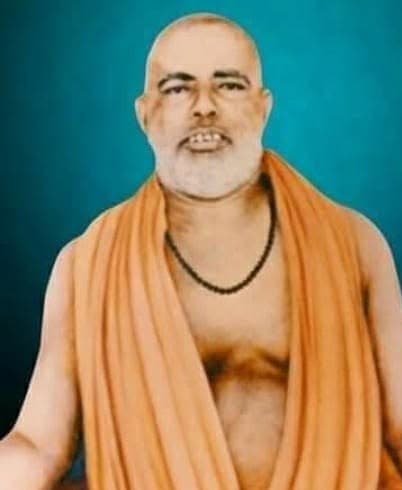
Sri Udiya Baba · Modern
Hindiभावार्थ— उस आसन पर बैठकर साधक मन को एकाग्र कर, चित्त और इन्द्रियों की क्रियाओं को रोककर आत्म-शुद्धि के लिये योग करे।
व्याख्या— यहाँ चित्त की एकाग्रता का प्रसंग है, इसलिये आत्मशुद्धि का अर्थ यहाँ अन्तःकरण की शुद्धि नहीं, अपितु आनात्म वृत्ति को निःशेष कर देना है। अथवा बोध होने पर भी जो नाम-रूप की प्रतीति होती है उसको दूर करके जीवन्मुक्ति के विलक्षण सुख के लिये ध्यानस्थ होना है। ध्यान का प्रकरण निवृत्ति-निष्ठों के लिये है, क्योंकि श्लोक १० में इसका सतत अभ्यास करने तथा निराशी और
अपरिग्रही होने के लिए कहा गया है। इन नियमों का पालन प्रवृत्ति-भार्गियों के लिये कठिन है।
Swami Ramsukhdas · Modern
Hindi[पूर्वश्लोकमें बिछाये जानेवाले आसनकी विधि बतानेके बाद अब भगवान् बारहवें और तेरहवें श्लोकमें बैठनेवाले आसनकी विधि बताते हैं।]
‘तत्र आसने’—जिस आसनपर क्रमशः कुश, मृगछाला और वस्त्र बिछाया हुआ है, ऐसे पूर्वश्लोकमें वर्णित आसनके लिये यहाँ ‘तत्र आसने’ पद आये हैं।
‘उपविश्य’—उस बिछाये हुए आसनपर सिद्धासन, पद्मासन, सुखासन आदि जिस किसी आसनसे सुखपूर्वक बैठ सके, उस आसनसे बैठ जाना चाहिये। आसनके विषयमें ऐसा आया है कि जिस किसी आसनसे बैठे, उसीमें लगातार तीन घंटेतक बैठा रहे। उतने समयतक इधर-उधर हिले-डुले नहीं। ऐसा बैठनेका अभ्यास सिद्ध होनेसे मन और प्राण स्वतः-स्वाभाविक शान्त (चंचलता-रहित) हो जाते हैं। कारण कि मनकी चंचलता शरीरको स्थिर नहीं होने देती और शरीरकी चंचलता, क्रिया-प्रवणता मनको स्थिर नहीं होने देती। इसलिये ध्यानके समय शरीरका स्थिर रहना बहुत आवश्यक है।
‘यतचित्तेन्द्रियक्रियः’—आसनपर बैठनेके समय चित्त और इन्द्रियोंकी क्रियाएँ वशमें रहनी चाहिये। व्यवहारके समय भी शरीर, मन, इन्द्रियों आदिकी क्रियाओंपर अपना अधिकार रहना चाहिये। कारण कि व्यवहारकालमें चित्त और इन्द्रियोंकी क्रियाएँ वशमें नहीं होंगी तो ध्यानके समय भी वे क्रियाएँ जल्दी वशमें नहीं हो सकेंगी। अतः व्यवहारकालमें भी चित्त आदिकी क्रियाओंको वशमें रखना आवश्यक है। तात्पर्य है कि अपना जीवन ठीक तरहसे संयत होना चाहिये। आगे सोलहवें-सत्रहवें श्लोकोंमें भी
संयत जीवन रखनेके लिये कहा गया है।
‘एकाग्रं मनः कृत्वा’—मनको एकाग्र करे अर्थात् मनमें संसारके चिन्तनको बिलकुल मिटा दे। इसके लिये ऐसा विचार करे कि अब मैं ध्यान करनेके लिये आसनपर बैठा हूँ। यदि इस समय मैं संसारका चिन्तन करूँगा तो अभी संसारका काम तो होगा नहीं और संसारका चिन्तन होनेसे परमात्माका चिन्तन, ध्यान भी नहीं होगा। इस तरह दोनों ओरसे मैं रीता रह जाऊँगा और ध्यानका समय बीत जायगा। इसलिये इस समय मेरेको संसारका चिन्तन नहीं करना है, प्रत्युत मनको केवल परमात्मामें ही लगाना है। ऐसा दृढ़ निश्चय करके बैठ जाय। ऐसा दृढ़ निश्चय करनेपर भी संसारकी कोई बात याद आ जाय तो यही समझे कि यह चिन्तन मेरा किया हुआ नहीं है; किंतु अपने-आप आया हुआ है। जो चिन्तन अपने-आप आता है, उसको हम पकड़ें नहीं अर्थात् न तो उसका अनुमोदन करें और न उसका विरोध ही करें। ऐसा करनेपर वह चिन्तन अपने-आप निर्जीव होकर नष्ट हो जायगा अर्थात् जैसे आया, वैसे चला जायगा; क्योंकि जो उत्पन्न होता है, वह नष्ट होता ही है—यह नियम है। जैसे संसारमें बहुत-से अच्छे-मन्दे कार्य होते रहते हैं, पर उनके साथ हम अपना सम्बन्ध नहीं जोड़ते तो उनका हमारेपर कोई असर नहीं होता अर्थात् हमें उनका पाप-पुण्य नहीं लगता। ऐसे ही अपने-आप आनेवाले चिन्तनके साथ हम सम्बन्ध नहीं जोड़ेंगे, तो उस चिन्तनका हमारेपर कोई असर नहीं होगा, उसके साथ हमारा मन नहीं चिपकेगा। जब मन नहीं चिपकेगा तो वह स्वतः एकाग्र, शान्त हो जायगा।
‘युज्याद्योगमात्मविशुद्धये’— अन्तःकरणकी शुद्धिके लिये ही ध्यानयोगका अभ्यास करे। सांसारिक पदार्थ, भोग, मान, बड़ाई, आराम, यश-प्रतिष्ठा, सुख-सुविधा आदिका उद्देश्य रखना अर्थात् इनकी कामना रखना ही अन्तःकरणकी अशुद्धि है और सांसारिक पदार्थ आदिकी प्राप्तिका उद्देश्य, कामना न रखकर केवल परमात्मप्राप्तिका उद्देश्य रखना ही अन्तःकरणकी शुद्धि है।
ऋद्धि, सिद्धि आदिकी प्राप्तिके लिये और दूसरोंको दिखानेके लिये भी योगका अभ्यास किया जा सकता है, पर उनसे अन्तःकरणकी शुद्धि हो जाय—ऐसी बात नहीं है। ‘योग’ एक शक्ति है, जिसको सांसारिक भोगोंकी प्राप्तिमें लगा दें तो भोग—ऋद्धियाँ और सिद्धियाँ प्राप्त हो जायेंगी और परमात्माकी प्राप्तिमें लगा दें तो परमात्मप्राप्तिमें सहायक बन जायगी।
Lord Krishna begins with the words śucau deśe means pure or sanctified place. Purity is to be found in nature due to its being unoccupied and unfrequented by unclean and contaminated persons.
The word sthitam means firm infers the āsana or seat should not be overly soft neither should it be so high that one may fall from it nor too low as in a hole.
One should by all means have a mat of Kuśa grass which is sacred in Vishnu tattva and then should be covered by a deerskin which deters poisonous pests like snakes and scorpions from approaching one while in concentrated meditation.
On top should be placed a wool or cotton cloth.
Such a seat should be aesthetic to look at and inviting.
Sitting upon such a seat one should withdraw the senses and freeing the mind from all external distractions to focus the mind exclusively upon the ātma or soul within until upon its realisation one is freed from samsāra or the endless cycle of birth and death.