

Bhagavad Gītā · Chapter 6 · Dhyāna Yoga
तत्र तं बुद्धिसंयोगं लभते पौर्वदेहिकम्
यतते च ततो भूयः संसिद्धौ कुरुनन्दन
tatra taṃ buddhisaṃyogaṃ labhate paurvadehikam|
yatate ca tato bhūyaḥ saṃsiddhau kurunandana||
Word meanings
कुरुनन्दन = O joy of the Kurus
तत्र = there
तम् = that
पौर्वदेहिकम् = belonging to the previous birth
बुद्धिसंयोगम् = union with the understanding gained before
लभते = obtains
च = and
ततः = then
संसिद्धौ = for perfection
भूयः = again, further
यतते = strives
Translation
Arjuna, he automatically regains in that birth the spiritual insight of his previous birth; and through that he strives, harder than ever, for perfection (in the form of God-Realization)
Commentary
The commentators seated around this verse
Rāmānuja · Viśiṣṭādvaita
English
Madhvācārya · Dvaita
Madhva BhāṣyaSanskritEnglishOn verses 6.37–6.43
“अयति – अप्रयलः |” - अयति means absence of exertion
Madhvācārya · Dvaita
Gītā Tātparya NirṇayaSanskritEnglishOn verses 6.37–6.43
“अयतिः अप्रयलः | प्रयलाद्यतमानस्तु इति वाक्यविशेषात् | योगशब्दस्योपायार्थत्वेऽप्यत्रोपायविशेष एव ध्यानयोगादविवक्षित इति न विरोधः |” - अयति means one who does not endeavor, प्रयलाद्यतमानस्तु means endeavouring with practice, such is the special meaning. For the word yoga equanimity of meditation is the suggested meaning here even though there is a more comprehensive meaning. Failure in equanimous meditation is not contradictory term.
Jñāneśvar · Vārkarī
EnglishOn verses 6.42–6.43
42 "Or, haply, he is reborn in the house of the Yogins themselves who are endowed with wisdom; for, that one should have in this world a birth like this, is a lot much more difficult to attain. 43 "In that birth does he recover contact with the consciousness that belonged to him in the preceding life; and thereafter, once again, does he, O Joy of the Kurus, put forth endeavour to achieve Yogic perfection. (449) (Or) the 'Yoga-bhrashta', takes birth in a family of the 'Yogins' where the sacred fire in the form of knowledge is worshipped; where the Supreme Brahman forms the subject of all discourses; where the 'Yogins' are the hereditary enjoyers of Self-bliss; where they (the Yogins) having mastered the secrets of the great (established) truths have become, as it were, the very kings of three worlds; where they are felt as if they were the very birds, nightingales, singing the 'Panchama' tune, the words of contentment; and where they are sitting at the foot of ever fruit-bearing trees in the form of right thinking. A small body gets created of him and with it dawns the knowledge of Self: just as the light spreads out before the Sun (actually) rises, in that way, the state of being the 'all-knowing' weds him in his childhood before he gets fully developed (physically) and without waiting for his mature age. With the attainment of mature intellect, his mind automatically gets learned, with the result that Scriptures of all sorts emanate from his mouth. Such a birth—a birth, for securing which, even the Gods dwelling in the Heavens ardently perform worship and sacrifices, and sing praises of the glory of this mortal world like bards—such birth, Oh Pārtha, the 'Yoga-bhrashta' secures.
Swami Ramsukhdas · Modern
English'Tatra taṁ buddhisaṃyogaṃ labhate paurvadehikam'—The term 'Tatra' (there) has been used to describe the condition of the dispassionate striver after his birth in the family of the enlightened souls.
'Paurvadehikam'—(Acquired in the former body) and 'Buddhisaṃyogaṃ' (spiritual discernment) phrases mean, that the dispassionate striver, does not go to heaven, but is born in a family of enlightened Yogīs, where he regains knowledge of the previous birth, and is naturally drawn towards God, because of the impressions and latencies of the previous birth and continues to practise Yoga. A traveller, while travelling on foot feels tired, and sleeps on one side of a footpath. But, when he awakes, he has not to cover the distance, which he has already covered. Similarly a striver, regains the knowledge of the previous birth. He is like a student, who goes through old lessons and grasps
these immediately. Thus, favourable impressions of the previous birth, are aroused in him.
'Yatate ca tato bhūyaḥ saṃsiddhau'—In favourable surroundings, a striver tries harder, than before, for perfection.
If we interpret, that both kinds of strivers, who deviate from Yoga, go to heaven, and out of them, the one who has desire for pleasure is born, in the house of pious and prosperous, while the other who has no lust is born in a family of enlightened Yogis, will it make any difference? Yes, it will. We cannot call the striver, 'Paurvadehika' (of the former body) if he is reborn after going to heaven, because the duration of his stay in heaven, will come in between the two births. Moreover, in heaven he cannot have union with knowledge, because there is abundance of pleasure, in heaven.
There is one more point, which needs attention. A striver, having lust goes to heaven. But why should a striver who is free from passion and lust, go to heaven? It is a kind of punishment to send, such a striver to heaven, which is fully unjustified.
**Appendix**—The spiritual progress pertains to the self and the mundane progress pertains to the non-self. Therefore the worldly wealth gets destroyed but the spiritual wealth is not destroyed even by falling (deviating) from Yoga. The spiritual progress can be veiled but cannot be destroyed and is revealed at times.
The impressions of the spiritual practice of the previous life that are settled (left) in a striver's intellect, have been called here 'buddhisamyoga'.
*Link:—In the previous verse, Lord Kṛṣṇa explained that a striver who is born in a family of enlightened Yogis regains, knowledge of the previous birth and strives more than before, for perfection. Now he describes the striver who deviates from Yoga, and is born in the house of the pious and prosperous.*
Ādi Śaṅkarācārya · Advaita
Sanskritतत्र योगिनां कुले तं बुद्धिसंयोगं बुद्ध्या संयोगं बुद्धिसंयोगं लभते पौर्वदेहिकं पूर्वस्मिन् देहे भवं पौर्व- देहिकम् । यतते च प्रयत्नं च करोति ततः तस्मात् पूर्वकृतात् संस्कारात् भूयः बहुतरं संसिद्धौ संसिद्धिनिमित्तं हे कुरुनन्दन ॥ कथं पूर्वदेहबुद्धिसंयोग इति तदुच्यते --
Ādi Śaṅkarācārya · Advaita
Hindiक्योंकि—
वहाँ योगियोंके कुलमें पहले शरीरमें होनेवाले उस बुद्धिके संयोगको पाता है—अर्थात् योगी-कुलमें जन्म लेते ही उसका पूर्वजन्ममें प्राप्त हुई बुद्धिसे सम्बन्ध हो जाता है और हे कुरुनन्दन! वह उस पूर्वकृत संस्कारके बलसे पूर्ण सिद्धि प्राप्त करनेके लिये फिर और भी अधिक प्रयत्न करता है
Jñāneśvar · Vārkarī
MarathiOn verses 6.42–6.43
अथवा ज्ञानाग्निहोत्री । जे परब्रह्मण्य श्रोत्री । महासुखक्षेत्रीं । आदिवंत ॥ ४४९ ॥
जे सिद्धांताचिया सिंहासनीं । राज्य करिती त्रिभुवनीं । जे कूंजते कोकिल वनीं । संतोषाचां ॥ ४५० ॥
जे विवेकग्रामींचां मुळीं । बैसले आहाति नित्य फळीं । तया योगियांचिया कुळीं । जन्म पावे ॥ ४५१ ॥
मोटकी देहाकृती उमटे । आणि निजज्ञानाची पाहांट फुटे । सूर्यापुढें प्रगटे । प्रकाशु जैसा ॥ ४५२ ॥
तैसी दशेची वाट न पहातां । वयसेचिया गांवा न येतां । बाळपणींच सर्वज्ञता । वरी तयातें ॥ ४५३ ॥
तिये सिद्धप्रज्ञेचेनि लाभें । मनचि सारस्वतें दुभे । मग सकळ शास्त्रे स्वयंभें । निघती मुखें ॥ ४५४ ॥
ऐसें जे जन्म । जयालागीं देव सकाम । स्वर्गीं ठेले जप होम । करिती सदा ॥ ४५५ ॥
अमरीं भाट होईजे । मग मृत्युलोकातें वानिजे । ऐसें जन्म पार्था गा जे । तें तो पावे ॥ ४५६ ॥
Jñāneśvar · Vārkarī
HindiOn verses 6.42–6.43
(6.449) अथवा जो ज्ञानरूप अग्नि में हवन करनेहारे हैं, जो परब्रह्मरूपी यज्ञ करनेहारे हैं, और जो महासुखरूपी क्षेत्र के वतनदार हैं;
(6.450) जो त्रिभुवन में आत्मप्राप्ति के सिंहासन पर विराजमान हो राज्य करते हैं, जो सन्तोष के वन में शब्द करनेहारे कोकिल हैं और
(6.451) जो नित्य फलनेहारे विवेकरूपी वृक्ष की जड़ में बैठे हैं, उन योगियों के कुल में उसका जन्म होता है।
(6.452) शरीर की छोटी सी अवस्था में ही उसे आत्मज्ञान का प्रातःकाल हो जाता है। जैसे सूर्योदय होते ही प्रकाश प्रकट हो जाता है (6.453) वैसे ही अवस्था की बाट न जोहते, प्रौढ़ आयु के नगर को न जाते, बाल्यावस्था में ही उसे सर्वज्ञता जयमाल डालती है।
(6.454) उस बुद्धिदेवता के लाभ से उसके मन में सब विद्याएँ उत्पन्न होती हैं और मुख से सब शास्त्र आप ही आप निकलते हैं।
(6.455) हे पार्थ! इस प्रकार का जन्म — जिसके लिए देव भी सकाम हो सर्वदा जप-होम करते हुए स्वर्ग में रहते हैं,
(6.456) अमर भाट बनकर जिसके लिए मृत्यु लोक की स्तुति करते हैं — उस योगभ्रष्ट को प्राप्त होता है।
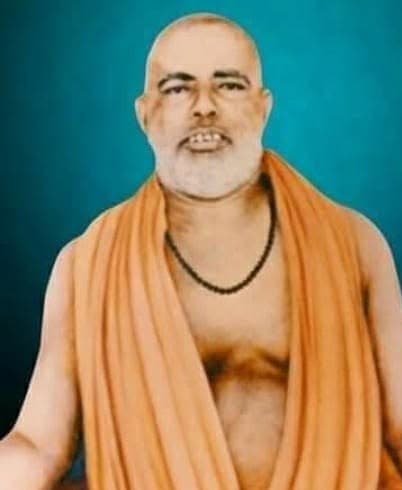
Sri Udiya Baba · Modern
Hindiभावार्थ— हे कुरुनन्दन! वहाँ वह योगभ्रष्ट अपने पूर्वजन्म की बुद्धि का संयोग प्राप्त करता है और फिर सम्यक् सिद्धि के लिये पुनः प्रयत्न करता है।
व्याख्या— कुछ लोगों का विचार है कि ज्ञानमात्र से पूर्णता प्राप्त हो जाती है। यदि ऐसा होता तो भगवान् 'बुद्धिसंयोगं लभते, इतना कहकर ही समाप्त कर देते; 'यतते च ततो भूयः' यह कहने की आवश्यकता नहीं थी। पुनः प्रयत्न की बात कही है, इससे जान पड़ता है कि ज्ञान हो जाने पर भी सम्यक् सिद्धि (जीवन्मुक्ति) के लिये अभ्यास की आवश्यकता है। इसी की पुष्टि अगले श्लोक में भी करते हैं—
Swami Ramsukhdas · Modern
Hindi'तत्र तं बुद्धिसंयोगं लभते पौर्वदेहिकम्'—तत्त्वज्ञ जीवन्मुक्त महापुरुषोंके कुलमें जन्म होनेके बाद उस वैराग्यवान् साधककी क्या दशा होती है? इस बातको बतानेके लिये यहाँ 'तत्र' पद आया है।
'पौर्वदेहिकम्' तथा 'बुद्धिसंयोगम्' पदोंका तात्पर्य है कि संसारसे विरक्त उस साधकको स्वर्ग आदि लोकोंमें नहीं
जाना पड़ता, उसका तो सीधे योगियोंके कुलमें जन्म होता है। वहाँ उसको अनायास ही पूर्वजन्मकी साधन-सामग्री मिल जाती है। जैसे, किसीको रास्तेपर चलते-चलते नींद आने लगी और वह वहाँ किनारेपर सो गया। अब जब वह सोकर उठेगा, तो उतना रास्ता उसका तय किया हुआ ही रहेगा; अथवा किसीने व्याकरणका प्रकरण पढ़ा और बीचमें कई वर्ष पढ़ना
१-दुर्लभो मानुषो देहो देहिनां क्षणभङ्गुरुः। तत्रापि दुर्लभं मध्ये वैकुण्ठप्रियदर्शनम् ॥ (श्रीमद्भा० ११। २। २९)
२-जब द्रवै दीनदयालु राघव साधु संगति पाइये। (विनयपत्रिका १३६। १०)
छूट गया। जब वह फिरसे पढ़ने लगता है, तो उसका पहले पढ़ा हुआ प्रकरण बहुत जल्दी तैयार हो जाता है, याद हो जाता है। ऐसे ही पूर्वजन्ममें उसका जितना साधन हो चुका है, जितने अच्छे संस्कार पड़ चुके हैं, वे सभी इस जन्ममें प्राप्त हो जाते हैं, जाग्रत हो जाते हैं।
‘यतते च ततो भूयः संसिद्धौ’—एक तो वहाँ उसको पूर्वजन्मकृत बुद्धिसंयोग मिल जाता है और वहाँका संग अच्छा होनेसे साधनकी अच्छी बातें मिल जाती हैं, साधनकी युक्तियाँ मिल जाती हैं। ज्यों-ज्यों नयी युक्तियाँ मिलती हैं, त्यों-त्यों उसका साधनमें उत्साह बढ़ता है। इस तरह वह सिद्धिके लिये विशेष तत्परतासे यत्न करता है।
अगर इस प्रकरणका अर्थ ऐसा लिया जाय कि ये दोनों ही प्रकारके योगभ्रष्ट पहले स्वर्गादि लोकोंमें जाते हैं। उनमेंसे जिसमें भोगोंकी वासना रही है, वह तो शुद्ध श्रीमानोंके घरमें जन्म लेता है, और जिसमें भोगोंकी वासना नहीं है, वह योगियोंके कुलमें जन्म लेता है, तो प्रकरणके पदोंपर विचार करनेसे यह बात ठीक नहीं बैठती। कारण कि ऐसा अर्थ लेनेसे ‘योगियोंके’ कुलमें जन्म लेनेवालेको
**परिशिष्ट भाव**—पारमार्थिक उन्नति ‘स्व’ की है और सांसारिक उन्नति ‘पर’ की है। इसलिये सांसारिक पूँजी तो नष्ट हो जाती है, पर पारमार्थिक पूँजी (साधन) योगभ्रष्ट होनेपर भी नष्ट नहीं होती। पारमार्थिक उन्नति ढक सकती है, पर मिटती नहीं और समय पाकर प्रकट हो जाती है।
पूर्वजन्ममें किये साधनके जो संस्कार बुद्धिमें बैठे हुए हैं, उनको यहाँ ‘बुद्धिसंयोग’ कहा गया है।
**सम्बन्ध**—पूर्वश्लोकमें भगवान्ने यह बताया कि तत्त्वज्ञ योगियोंके कुलमें जन्म लेनेवालेको पूर्वजन्मकृत बुद्धिसंयोग प्राप्त हो जाता है और वह साधनमें तत्परतासे लग जाता है। अब शुद्ध श्रीमानोंके घरमें जन्म लेनेवाले योगभ्रष्टको क्या दशा होती है—इसका वर्णन आगेके श्लोकमें करते हैं।
In the very next reincarnation such a practitioner of yoga is propelled by the impressions of the previous birth and is drawn by the habits cultivated in their previous existence.
Like one who while performing a task slumbers briefly but when roused from sleep enthusiastically continues onwards to finishing it.
In the same way in their next birth such a practitioner of yoga enthusiastically continues onwards in perfecting yoga from where they left off in the previous life.
Lord Krishna is declaring that the influence of yoga and the past life habits including yoga are so potent that they impel such a person in their next life to gravitate towards yoga instinctively and intuitively as if it were not in one's power to resist.
Verily the majesty and greatness of yoga is well known to be such.