

Bhagavad Gītā · Chapter 6 · Dhyāna Yoga
प्रशान्तात्मा विगतभीर्ब्रह्मचारिव्रते स्थितः
मनः संयम्य मच्चित्तो युक्त आसीत मत्परः
praśāntātmā vigatabhīrbrahmacārivrate sthitaḥ|
manaḥ saṃyamya maccitto yukta āsīta matparaḥ||
Word meanings
प्रशान्तात्मा = whose self is perfectly calm
विगतभीः = free from fear
ब्रह्मचारिव्रते = in the vow of celibacy
स्थितः = established
युक्तः = disciplined
मनः = mind
संयम्य = restraining
मच्चित्तः = with mind fixed on Me
मत्परः = devoted to me
आसीत = should sit
Translation
Firm in the vow of complete chastity and fearless, keeping himself perfectly calm and with the mind held in restraint and fixed on Me, the vigilant Yogi should sit absorbed in Me.
Commentary
The commentators seated around this verse
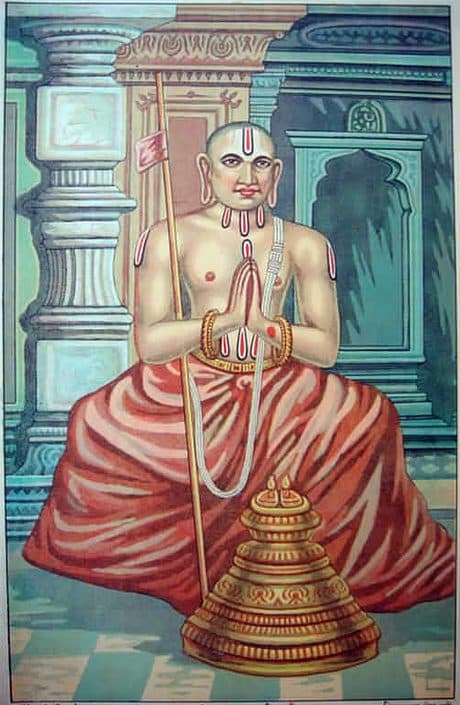
Rāmānuja · Viśiṣṭādvaita
EnglishOn verses 6.13–14
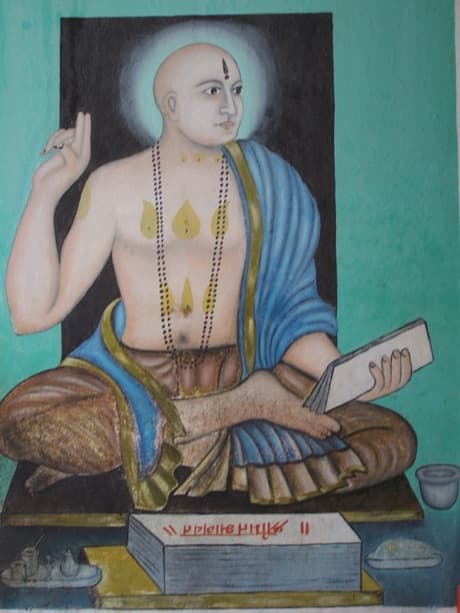
Madhvācārya · Dvaita
SanskritEnglishOn verses 6.12–6.14
“योगम् समाधियोगम् युज्ज्यात् ||” - For the sake of equanimity, meditation should be undertaken.
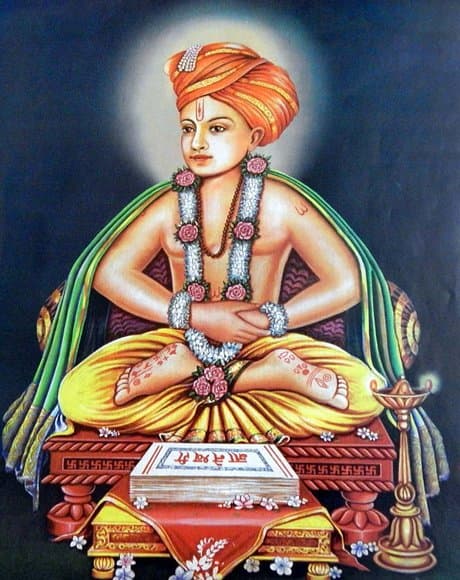
Jñāneśvar · Vārkarī
English14 “With the self serene, freed of fear, constant in the Vedic-student’s rule-of-life, restraining the mind, one should practise Yogic-discipline entering all thoughts upon Me, (conceived as) the Highest Goal; (212)
Thus mind’s fancy is brought to rest, the active propensities are brought home to peace, while the mind becomes automatically stilled in a rhythm, and insensible to the body’s actions. There remains no feeling of the pang of hunger, or of sleep etc. The life-breath named “Apāna” which is shut up by the ‘Mūlabandha’ posture, turns back and being pressed, gets accumulated and swollen. It then gets all excited and becomes uncontrolled and begins to make a grumbling noise where shut up, and begins to struggle with the wheel called “Manipūra” inside the navel. When the storm gets lulled down, it (wind) stirs up the entire house in the form of the body and expels from the body the entire filth that had got accumulated therein since childhood. Owing to the impossibility of its being confined in the (limited) space of the stomach, it escapes from it and enters into and spreads all over the (interior of) the abdomen (कोठा), defeating completely the asthmatic and bilious tendencies. It then overturns the oceans of “Saptadhātus” (the seven elementary substances of the body) and reduces to dust, the mountains in the form of ‘Meda’ (fat) and drives out the marrow from the cavities of the bones. It then clears the arteries and similarly lulls the senses, frightening the novices in the study of Yoga, although there is nothing to fear. Even though it creates malady, it soon removes it. It mixes together the fluids formed from cough and bile, as also the element of earth in the form of flesh, and marrow from the bones etc. Meanwhile, on account of the heat created in the body, by the Yogic posture, the power known as the “Kundalini” gets awakened. Just as a young (female) cobra (as if) bathed in the red kunkum (powder prepared from turmeric and coloured red with lemon juice etc.) should coil itself asleep, in the same way, the power “Kundalini” abides in sleeping condition with her face down-wards, in three coils and a half, like a female cobra. She abides tied up with string bonds in a socket in navel region, appearing (brilliant) like a ring of lightning or like a roll of fire-flames or like a bar of finely polished gold. She (Kundalini) gets awakened getting pinched on account of the posture called “Vajrāsana”. The “Kundalinī” uncoils herself, shakes off her lethargy, and stands erect in the navel, as if she was a bright star getting dislodged from its place and shooting down, or as if the very seat of the Sun should get snapped, or as if the very seed of brilliance should germinate and blossom forth (in the form of sparks). Being naturally hungry for days together, and over and above that, getting squeezed in and irritated, she wrathfully opens out her mouth and stands erect with the open mouth upturned. Just then the life breath “Apāna” which has by then reached the regions of the heart, falls a prey to “Kundalinī”, and get gulped up and swallowed all round in the flames of fire emanating from “Kundalinī’s” mouth. The “Kundalinī” then starts devouring lumps of flesh torn off from the fleshy parts, and finally swallows a couple of morsels of flesh, even from the region of the heart. She then reaches the palms and soles, tears open their upper parts and goes on searching joint after joint and other parts of the body. She does not leave off the lower portions. It sucks the vitality from the nails, and twists the skin and finally reaches the bones. She scrapes out the cavity of bones and carves out the (interior of) the veins and arteries, with the result that the external growth of the hair-roots gets withered. The “Kundalinī” being very thirsty, drinks in a single gulp, all the seven elementary substances in the body called “Saptadhātu,” creating a draught resulting from the dryness of the body. The breath passing out over a length of dozen inches through the nostrils is restrained and forced back inside. Thus the life-breath “Apāna” rising up from the lower region and another (named “Prāna”) getting forced down are both pressed on (in the opposite directions), making them meet (in the middle), but are obstructed (in their meeting) by the intervening connecting chains of the wheels in the body¹. They could otherwise easily meet together but the “Kundalinī” getting displeased remarks that the (life-breaths) are the only ones yet left out. “Kundalinī” in fact consumes completely the element of earth in the body and then consumes similarly the fluids in the body. Consuming in this way both the kinds of elements in the body, she gets fully satisfied and then feeling a bit content rests near “Sushumnā” (सुषुम्ना)². Feeling
¹ These wheels or Chakras (also named “Padmas”—lotuses) are supposed to be plexuses formed by nerves and ganglia at different places of the body. They rise one above another along the middle of the body and are linked together. Their names and places are as under:— (1) “Ādhāra” (आधार) at the anus. (2) “Adhishthāna” (अधिष्ठान) between the navel and the penis. (3) “Manipūra” (मणिपुर) at the navel. (4) “Anahata” (अनहृत) at the heart. (5) “Vishuddha” (विशुद्ध) in the throat, and (6) “Agni” satisfied and contented she vomits out water rising in the mouth, but that very water turns itself into nectar and saves the life-wind “Prāna”. The life-wind emerges out of the fire of the vomit and creates a cooling sensation in the body internally as also externally. With this, it begins to recoup the lost strength in the different parts of the body. But the pulsation being stopped, all the nine winds moving in the body disappear, leaving only one life-wind, causing the stoppage of all the functions of the body. Then the air passages named “Idā” and “Pingalā” running through the left and right nostrils meet together, while the three knots get loosened and the connecting links between the six wheels get snapped. Then the wind running through the passages of the nostrils, which are likened to the Sun and the Moon, gets calmed down, to such an extent, that it cannot cause to flicker even the flame of a lighted lamp. The activities of the intellect cease altogether while the smelling (inhaling) power left in nostrils gets extinguished in the power “Kundalinī,” which then enters into the central air passage called “Sushumnā.” Just then, the lake filled with the nectar of the seventeenth phase of the Moon, located in the upper region of the body, slowly gets turned on one side, meets the power “Kundalinī” and pours into her mouth the nectar. This fluid running through the “Kundalinī” vein spreads throughout the body and gets absorbed wherever she spreads out along with the life-wind. Just as tallow gets completely reduced to ashes in a heated mould, leaving the mould with the melted metal alone, in that way, there emerges (out) the seventeenth phase of the moon, namely nectar in the form of the body, with only the skin covering it all around. The Sun gets screened by cloud, but with the removal of the screen he resumes the brilliance; in the same way, the skin is only a dry covering over the brilliant form of the seventeenth phase, and that skin too gets dusted out like chaff. Then the brilliance of the lustre
(अग्नि) between the eyebrows. These are supposed to be located behind the stomach etc. i.e. along the front of the spinal chord from the head downwards. These six wheels find no place in the modern science of bodily structure, but it might not be altogether incorrect to give their place to the six plexuses in modern science as suggested by some writers.
2 Sushumnā (सुषुम्ना), the air passage of breath or air in the human body between two others named “Idā” and “Pingalā”. In the anatomy of the Yoga school are particularised three great passages of the breath or air running from oscoccygis to the head. Of these, Idā is the passage on the right side proceeding through (or springing from) the “Nābhi-chakra” or umbilical region and through the nose, and “Pingalā”, that on the left; “Sushumnā” ascends between the two, entering into the middle of the head (इडा पिंगला बाहती बोध दोन्ही). of the different parts of body, begins to shine out like the form of the pure, spotless crystal or the blossom of the germinated jewel seed; or it appears as if, the body is made out of the colour of the sky at sunset or as if it is a spotless image of the brilliance of the internal sentience; or as if the body is filled with red powder of turmeric called “Kumkum”; or is a statue of molten sentience; (or) I think the body is an incarnation of tranquillity, or it is a colourful piece of the work in the picture of joy, or the form of the self-bliss, or the young plant of the tree of contentment getting strengthened, or a bud of golden tree (named) “Champaka”, (or of a neck-ornament called “Champak”), or an idol of nectar, or a fruit-bearing garden of tenderness, or as if the Moon has blossomed forth through the moisture of the winter season, or the very brilliance incarnate seated on a seat. The body gets full of brilliance in this way, when the “Kundalani” drinks the nectar of the seventeenth phase of the Moon and then even the God of Destruction feels afraid of such a body. Both the states of old age and of youth disappear and childhood is born in their place. If judged, only from the point of age, one appears a child, but the reservoir of physical strength is so unique that the word ‘Bāla’ (बाळ—a child) will have to be interpreted as “Bāla” (बळ—strength). Just as the foliage of the golden tree issues forth a bud of jewel, ever fresh and unfading, in that way new shining nails begin to sprout (out). New teeth also come out; they are very small in size and form a double row of diamonds set in both the jaws. The entire body gets spread over with bristles, appearing like particles of gems called “Mānik” (ruby). The soles of the feet as also both the palms get reddish like lotuses; who would describe the brilliance of the eye washed in this “Yoga” practice? Just as pearls getting fully developed cannot be contained in the oyster shell and the joints of the two parts of the shell burst out open, in the same way, the vision not getting fully contained in the two eye-lids, tries vigorously to get out, and although apparently half shut, in that state even, it embraces the entire atmosphere. Remember, the body of the “Yogin” possesses the splendour of gold, yet its weight is (light) like the wind, since it has not got the massiveness of earth-element, or the liquidity of water in it. Then he (“Yogin”) can see (things) beyond the seas and can hear sounds from the very heavens, and can read the mind even of an ant. He then rides the horse, in the form of the wind, and walks on the surface of water, without getting his feet wet and in this way attains great many powers (सिद्धि). Do hear more: taking the supporting hand of the life-wind, and making the base region of the heart as a step, the power “Kundalini” scales the ladder of the middle air passage called “Sushumnā”, and reaches the heart. That Goddess “Kundalini” is verily like the very mother of the universe, as also the grandeur of the Supreme Majesty of Soul, and the (protecting) shade for the blossom of sprouting “Om”. She is the very seat of the ‘Profundum’ Great Naught (शून्य—void), the casket image of the God Shiva, and the very birth-place of “Om-kār”. When the delicate minded “Kundalini,” as described above, reaches the interior of the heart, there arises the sound of the wheel named “Anāhat”, which is in the heart. The spiritual sentience too is linked up with “Kundalini” and is active, and it partially hears that uncreated sound. There are ten kinds of sounds heard through the “Yogic” postures, the first of which is called “Parā” (परा), and which is of the nature of “Ghosha” (low roar of the ocean or the rumbling of the low thunder), emanates from the “Anāhata” wheel and is heard first. In the basin (कुंडो) of this sound, begin to get impressed the forms of different stages of low whispering, sketched on the pattern of the sacred ‘Om’. All this must (of course) be known by mere imagination; but how an imaginative person is to know it? In fact, it cannot be known what the sounds that arise are made of. But I forgot, O Arjuna, one thing altogether. So long as the life-wind called “Prāna” has not ceased to exist, there is to be a sound in the heart region and this keeps on rumbling. When the entire heart region, gets filled up with this rumbling of the low thunder of the “Anāhata” wheel, the window in the form of “Brahmarandhra” (ब्रह्मरंध्र the aperture supposed to be at the crown of the head through which the soul takes its flight on death) gets opened. O Arjuna, there is another greater void of space above the heart cavity which is called “Brahmarandhra”, in which abides the sentience without any substratum. The Goddess “Kundalini” on entering that greater void of space gives the sentience food in the form of her splendour. There then remains not a trace of otherness with the completion of the offering of the pure food along with the cooked food in the form of intellect. There then, the “Kundalini” parts with all her brilliance and assumes the form of life-wind called “Prāna”. And how does she look now? (She looks) as if she is cast in the image of the life-breath clad in a yellow coloured cloth of gold, but just discarding it and getting exposed, or as a lamp-flame getting extinguished by a breeze of wind, or as a lightning just flashing in the sky and then disappearing. In that way the “Kundalini,” appearing like the golden neck-ornament called “Sari” or like a flowing spring of water in the form of light on the lotus of the heart, gets soaked up in the cavity of the heart and then power merges into power. Even in this state she ought to be called a power, but she abides only as the life-wind named “Prāna”, the sound, the brilliance, and the splendour in her, all ceasing to be perceptible. There then remains nothing like conquering the mind, or shutting up the wind, or any reliance on meditation. There also remains nothing like fancies or ideas. This state should, in reality, be regarded as a mould for melting all the five gross elements. Absorption of the body by the body through the way—“Yoga” discipline, is the secret path of the “Nāth”-sect. But the Great God Vishnu (Lord Krishna) has just intimated it here. And with such a worthy band of customers in the form of hearers, I unfold the real significance, unpacking the bundle of the implications of Lord Krishna’s directions.
Swami Ramsukhdas · Modern
English'Praśāntātmā'—Serene-minded, is he who is free from attachment and aversion. Attachment and aversion of the striver, whose aim is only God-realization, without having any worldly desire, (by becoming languid) perish, and with the disappearance of attachment and aversion, a striver attains peace, which is spontaneous. It means, that attachment and aversion, born of
the affinity for the world, disturb serenity or peace. One, who attains this peace, is serene-minded.
'Vigatabhiḥ'—Fear of disease, censure, dishonour and death arise, only because man accepts the affinity of 'T'ness and Mineness, with the body. But when he abandons this affinity, he becomes free from all fears, because he thinks that even if the body perishes, it will make no difference as his mind dedicated to God, he will attain salvation, the ultimate goal of life.
'Brahmacārīvrāte sthitaḥ'—Here, it does not mean only vow of continence, but also includes that a celibate should lead a disciplined and controlled life, according to the order of his preceptor, free from sensual pleasures, honour, praise and comforts etc. He should not in the least, enjoy worldly things in any state, under any circumstance, either during meditation, or in practical life, but use them only as necessities of life.
'Manāḥ saṃyāma maccittāḥ'—Having controlled the mind of all worldly affairs, he should think of God's form, play, virtues, glory and excellence etc. It means, that by shutting out all worldly thoughts, he should devote his mind to God only. The thoughts that come to mind, are either of the past or the present. So he should neglect them, by thinking that these have no existence at present. Moreover, the world actually does not exist, it merely seems to exist, while God existed in the past, exists now and will also exist, in future. So, he should think of Him, instead of thinking about the world.
'Yuktaḥ'—He should remain vigilant, in diverting his mind from worldly affairs and concentrate it on God, even while engaged in worldly affairs, because vigilance during engagement in worldly affairs, will help him in meditation, and that awareness during meditation will be helpful to him, in his practical life.
'Āsīta matparaḥ'—While sitting, he should have the only aim of God-realization, without having any other desire, or lust or attachment or mineness, in the least, as has also been pointed
out, in the tenth verse of this chapter.
**Appendix**—To consider any special trait as one's own is to invite demoniac nature in oneself. Therefore the Lord by the term 'matparaḥ' mentions that the striver following the path of meditation should depend on Him. By depending on God, evils (flaws) are quickly removed and the striver is not proud of his speciality. This is the special trait of devotion.
In this verse 'mana' and 'citta'—these are two terms which are synonyms have been used. With 'mana' anything is reflected upon time and again and with 'citta' only one thing is thought of. Therefore here the expression 'manaḥ saṃyamya maccitaḥ' means that the world should not be reflected upon viz., detach 'mana' from the world and with 'citta' he should think of God viz., concentrate 'citta' on God.
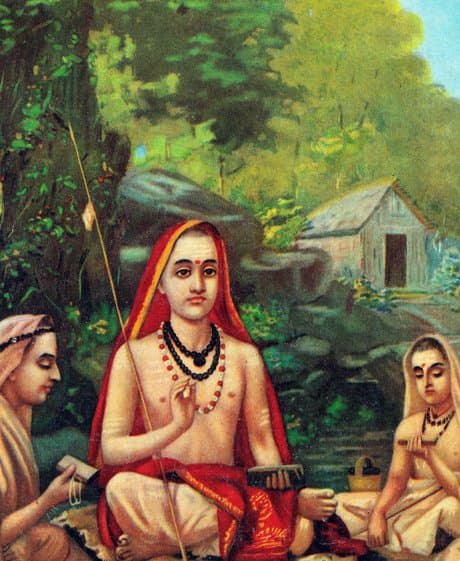
Ādi Śaṅkarācārya · Advaita
Sanskritप्रशान्तात्मा प्रकर्षेण शान्तः आत्मा अन्तःकरणं यस्य सोऽयं प्रशान्तात्मा, विगतभीः विगतभयः, ब्रह्मचारिव्रते स्थितः ब्रह्मचारिणो व्रतं ब्रह्मचर्यं गुरुशुश्रूषाभिक्षान्नभुक्त्यादि तस्मिन् स्थितः, तदनुष्ठाता भवेदित्यर्थः । किञ्च, मनः संयम्य मनसः वृत्तीः उपसंहृत्य इत्येतत्, मच्चित्तः मयि परमेश्वरे चित्तं यस्य सोऽयं मच्चित्तः, युक्तः समाहितः सन् आसीत उपविशेत् । मत्परः अहं परो यस्य सोऽयं मत्परो भवति । कश्चित् रागी स्त्रीचित्तः, न तु स्त्रियमेव परत्वेन गृह्णाति ; किं तर्हि ? राजानं महादेवं वा । अयं तु मच्चित्तो मत्परश्च ॥
अथेदानीं योगफलमुच्यते --
Ādi Śaṅkarācārya · Advaita
Hindiप्रशान्तात्मा—अच्छी प्रकारसे शान्त हुए अन्तः- करणवाला, विगतभी—निर्भय और ब्रह्मचारियोंके व्रतमें स्थित हुआ अर्थात् ब्रह्मचर्य, गुरुसेवा, भिक्षा-भोजन आदि जो ब्रह्मचारीके व्रत हैं उनमें स्थित हुआ उनका अनुष्ठान करनेवाला होकर और मनका संयम करके अर्थात् मनकी वृत्तियोंका उपसंहार करके तथा मुझमें चित्तवाला अर्थात् मुझ परमेश्वरमें ही जिसका चित्त लग गया है ऐसा मच्चित्त होकर तथा समाहितचित्त होकर और मुझे ही सर्वश्रेष्ठ माननेवाला, अर्थात् मैं ही जिसके मतमें सबसे श्रेष्ठ हूँ, ऐसा होकर बैठे।
कोई स्त्रीप्रेमी स्त्रीमें चित्तवाला हो सकता है; परंतु वह स्त्रीको सबसे श्रेष्ठ नहीं समझता। तो किसको समझता है? वह राजाको या महादेवको स्त्रीकी अपेक्षा श्रेष्ठ समझता है? परंतु यह साधक तो चित्त भी मुझमें ही रखता है और मुझे ही सबसे अधिक श्रेष्ठ भी समझता है
Jñāneśvar · Vārkarī
Marathiऐसी शरीराबाहेरलीकडे । अभ्यासाची पांखर पडे । तंव आंतु त्राय मोडे । मनोधर्माची ॥ २११ ॥
कल्पना निमे । प्रवृत्ती शमे । आंग मन विरमे । सावियाचि ॥ २१२॥
क्षुधा काय जाहाली । निद्रा केउती गेली । हे आठवणही हारपली । न दिसे वेगां । २१३ ॥
जो मुळबंधे कोंडला । अपानु माघौता मुरडला । तो सवेंचि वरी सांकडला । फुगु धरी ॥ २१४ ॥
क्षोभलेपणें माजे । उवाइला ठायी गाजे । मणिपुरेंसी झुंजे । राहोनियां ॥ २१५ ॥
मग थांवली ते वाहटुळी । सैंघ घेऊनि घर डहुळी । बाळपणींची कुहीटुळी । बाहेर घाली ॥ २१६ ॥
भीतरीं वळी न धरे । कोठ्यामाजीं संचरे । कफपित्ताचे थारे । उरों नेदी॥ २१७ ।।
धांतुचे समुद्र उलंडी । मेदाचे पर्वत फोडी । आंतली मज्जा काढी । अस्थिगत ॥ २१८ ॥
नाडीतें सोडवी । गात्रांतें विघडवी । साधकांते भेडसावी । परि बिहावें ना ॥ २१९ ॥
व्याधीतें दावी । सवेंचि हरवी । आप पृथ्वी कालवी । एकवाट ॥ २२० ॥
तंव येरीकडे धनुर्धरा । आसनाचा उबारा । शक्ती करी उजगरा । कुंडलिनीते ॥ २२१ ॥
नागाचें पिलें । कुंकुमें नाहलें । वळण घेऊनि आलें । सेजे जैसें ॥ २२२ ।।
तैशी ते कुंडलिनी । मोटकी औट वळणी । अधोमुख सर्पिणी । निजैली असे ॥ २२३ ॥
विद्युलतेची विडी । वन्हिज्वाळांची घडी । पंधरेयाची चोखडी । घोंटीव जैशी ॥ २२४ ॥
तैसी सुबध्द आटली । पुटीं होती दाटली । तें वज्रासनें चिमुटली । सावधु होय ॥ २२५ ॥
तेथ नक्षत्र जैसें उलंडलें । कीं सुर्याचें आसन मोडलें । तेजाचे बीज विरुढलें । अंकुरेशीं ॥ २२६ ॥
तैशी वेढियातें सोडती । कवतिकें आंग मोडिती । कंदावरी शक्ती । उठली दिसे ॥ २२७ ॥
सहजें बहुतां दिवसांची भूक । वरी चेवविलीं तें होय मिष । मग आवेशें पसरी मुख । ऊर्ध्वा उजू ॥ २२८ ॥
तेथ हृदयकोशातळवटीं । जो पवनु भरे किरीटी । तया सगळेयाचि मिठी । देऊनि घाली ॥ २२९ ॥
मुखींच्या ज्वाळीं । तळीं वरी कवळी । मांसाची वडवाळी ।आरोगुं लागे ॥ २३० ॥
जे जे ठाय समांस । तेथ आहाच जोडे घाउस । पाठी एकदोनी घांस । हियाही भरी ॥ २३१ ॥
मग तळवे तळहात शोधी । उर्ध्वीचे खंड भेदी । झाडा घे संधी । प्रत्यंगाचा ॥ २३२ ॥
आधार तरी न संडी । परि नखींचेंही सत्त्व काढी । त्वचा धुवूनि जडी । पांजरेशीं ॥ २३३ ॥
अस्थींचे नळे निरपे । शिरांचे हीर वोरपे । तंव बाहेरी विरुढी करपे । रोमबीजांची ॥ २३४ ॥
मग सप्तधांतूच्या सागरीं । ताहानेली घोंट भरी । आणि सवेंचि उन्हाळा करी । खडखडीत ॥ २३५ ॥
नासापुटौनि वारा । जो जातसे अंगुळे बारा । तो गचिये धरुनि माघारा । आंतु घाली ॥ २३६ ॥
तेथ अध वरौतें आकुंचे । ऊर्ध्व तळौतें खांचे । तया खेंवामाजि चक्राचे । पदर उरती ॥ २३७ ॥
एऱ्हवीं तरी दोन्ही तेव्हांचि मिळती । परि कुंडलिनी नावेकु दुश्चित्त होती । ते तयांतें म्हणे परौती । तुम्हीचि कायसीं एथें ॥ २३८ ॥
आइकें पार्थिव धातु आघवी । आरोगितां काहीं नुरवी । आणि आपातें तंव ठेवी । पुसोनियां ॥ २३९ ॥
ऐसी दोनी भुतें खाये । ते वेळी संपूर्ण धाये । मग सौम्य होऊनि राहे । सुषुम्नेपाशीं ॥ २४० ॥
तेथ तृप्तीचेनि संतोषें । गरळ जें वमी मुखें । तेणें तियेचेनि पीयूषे । प्राणु जिये ॥ २४१ ॥
तो अग्नि आंतूनि निघे । परि सबाह्य निववूंचि लागे । ते वेळी कसु बांधिती आंगे । सांडिला पुढती ॥ २४२ ॥
मार्ग मोडिती नाडीचे । नवविधपण वायुचें । जाय म्हणऊनि शरीराचे । धर्मु नाहीं ॥ २४३ ॥
इडा पिंगळा एकवटती । गांठी तिन्ही सुटती । साही पदर फुटती । चक्रांचे हे ॥ २४४॥
मग शशी आणि भानु । ऐसा कल्पिजे जो अनुमानु । तो वातीवरी पवनु । गिवसितां न दिसे ॥ २४५ ॥
बुध्दीची पुळिका विरे । परिमळु घ्राणी उरे । तोही शक्तिसवें संचरे । मध्यमेमाजी ॥ २४६ ॥
तंव वरिलेकडोनि ढाळें । चंद्रामृताचें तळें । कानवडोनि मिळे । शक्तिमुखीं ॥ २४७ ॥
तेणें नातकें रस भरे । तो सर्वांगामाजीं संचरे । जेथिंचा तेथ मुरे । प्राणपवनु ॥ २४८ ॥
तातलिये मुसें । मेण निघोनि जाय जैसें । कोंदली राहे रसें । वोतलेनि ॥ २४९ ॥
तैसे पिंडाचेनि आकारें । ते कळाचि कां अवतरे । वरी त्वचेचेनि पदरें । पांगुरली असे ॥ २५० ॥
जैसी आभाळाची बुंथी । करुनि राहे गभस्ती । मग फिटलिया दीप्ति । धरूं नये ॥ २५१ ॥
तैसा आहाचवरि कोरडा । त्वचेचा असे पातवडा । तो झडोनि जाय कोंडा । जैसा होय ॥ २५२ ॥
मग काश्मीराचे स्वयंभ । कां रत्नबीजा निघाले कोंभ । अवयवकांतीचि भांब | तैसी दिसे ॥ २५३ ॥
नातरि संध्यारागींचे रंग । काढूनि वळिलें तें आंग । की अंतर्जोतीचें लिंग । निर्वाळिलें ॥ २५४ ॥
कुंकुमाचे भरींव । सिध्दरसांचे वोतींव । मज पाहतां सावेव । शांतिचि ते ॥ २५५ ॥
तें आनंदचित्रींचें लेप । नातरी महासुखाचें रूप । कीं संतोषतरूचें रोप । थांवलें जैसें ॥ २५६ ॥
तो कनकचंपकाचा कळा । कीं अमृताचा पुतळा । नाना सासिंनला मळा । कोंवळिकेचा ॥ २५७ ॥
हो कां जे शारदियेचे वोलें । चंद्रबिंब पाल्हेलें । कां तेजचि मूर्त बैसलें । आसनावरी ॥ २५८ ॥
तैसें शरीर होये । जे वेळीं कुंडलिनी चंद्र पिये । मग देहाकृति बिहे । कृतांतु गा ॥ २५९ ॥
वृध्दाप्य तरी बहुडे । तारुण्याची गांठी विघडे । लोपली उघडे । बाळदशा ॥ २६० ॥
वयसा तरी येतुलेवरी । एऱ्हवी बळाचा बळार्थु करी । धैर्याची थोरी । निरुपम ॥ २६१ ॥
कनकद्रुमाचां पालवीं । रत्नकळिका नित्य नवी । नखें तैसीं बरवीं । नवीं निघती ॥ २६२ ॥
दांतही आन होती । परि अपाडें सानेजती । जैसी दुबाहीं बैसे पांती । हिरेयांची ॥ २६३ ॥
माणिकुलियांचिया कणिया । सावियाची अणुमानिया । तैसिया सर्वांगीं उधवती अणिया । रोमांचियां ॥ २६४ ॥
करचरणतळें । जैसीं कां रातोत्पळें । पाखाळीं होती डोळे । काय सांगो ॥ २६५ ॥
निडाराचेनि कोंदाटें । मोतियें नावरती संपुटें । मग शिवणी जैशी उतटे । शुक्तिपल्लवांची ॥ २६६ ॥
तैशीं पातिचिये कवळिये न समाये । दिठी जाकळोनि निघों पाहे । आधिलीची परि होये । गगना कळिती ॥ २६७ ॥
आइके देह होय सोनियाचें । परि लाघव ये वायूचें । जे आपा आणि पृथ्वीचे । अंशु नाहीं ॥ २६८ ॥
मग समुद्रपैलाडी देखे । स्वर्गींचा आलोचु आइके । मनोगत ओळखे । मुंगियेचे ।। २६९ ॥
पवनाचा वारिका वळघे । चाले तरी उदकीं पाऊल न लागे । येणें येणें प्रसंगे । येती बहुता सिध्दी ॥ २७० ॥
आइकें प्राणाचा हातु धरुनि । गगनाची पाउटी करुनी । मध्यमेचेनि दादराहुनी । हृदया आली ॥ २७१ ॥
ते कुंडलिनी जगदंबा । जे चैतन्यचक्रवर्तीची शोभा । जया विश्वबीजाचिया कोंभा । साउली केली ॥ २७२ ॥
जे शून्यलिंगाची पिंडी । जे परमात्मया शिवाची कंरडी । जे प्राणाची उघडी । जन्मभूमी ॥ २७३ ॥
हें असो ते कुंडलिनी बाळी । हृदयाआंतु आली । तंव अनाहताचां बोलीं । चावळे ते ॥ २७४ ॥
शक्तीचिया आंगा लागलें । बुद्धीचें चैतन्य होतें जाहलें । तें तेणें आइकिलें । अळुमाळु ॥ २७५ ॥
घोषाच्या कुंडी । नादचित्रांची रुपडीं । प्रणवाचिया मोडी । रेखिलीं ऐसीं ॥ २७६ ॥
हेंचि कल्पावें तरी जाणिजे । परि कल्पितें कैचें आणिजे । तरी नेणों काय गाजे । तिये ठायीं ॥ २७७ ॥
विसरोनि गेलों अर्जुना । जंव नाशु नाही पवना । तंव वाचा आथी गगना । म्हणोनि घुमे ॥ २७८ ॥
तया अनाहताचेनि मेघें । आकाश दुमदुमों लागे । तंव ब्रह्मस्थानींचें बेगें । फिटलें सहजें ॥ २७९ ॥
आइकें कमळगर्भाकारें । जें महदाकाश दुसरें । जेथ चैतन्य आधातुरें । करुनि असिजे ॥ २८० ॥
तया हृदयाच्या परिवरीं । कुंडलिनियां परमेश्वरी । तेजाची शिदोरी । विनियोगिली ।। २८१ ॥
बुध्दीचेनि शाकें । हातबोनें निकें । द्वैत जेथ न देखे । तैसें केलें ॥ २८२ ॥
ऐसी निजकांती हारविली । मग प्राणुचि केवळ जाहली । ते वेळी कैसी गमली । म्हणावी पां ॥ २८३ ॥
हो कां जे पवनाची पुतळी । पांघुरली होती सोनेसळी । ते फेडुनियां वेगळी । ठेवली तिया ॥ २८४ ॥
नातरी वारयाचेनि आंगें झगटली । दीपाची दिठी निमटली । कां लखलखोनि हारपली । वीजु गगनीं ॥ २८५ ॥
तैशी हृदयकमळवेऱ्हीं । दिसे सोनियाची जैशी सरी । नातरी प्रकाशजळाची झरी । वाहत आली ॥ २८६ ॥
मग ते हृदयभूमी पोकळे । जिराली कां एके वेळे । तैसें शक्तीचे रुप मावळे । शक्तीचिमाजीं ।। २८७ ॥
तेव्हां तरी शक्तीचि म्हणिजे । एऱ्हवी तो प्राणु केवळ जाणिजे । आतां नाद बिंदु नेणिजे । कला ज्योती ॥ २८८ ॥
मनाचा हन मारु । कां पवनाचा धरु । ध्यानाचा आदरु । नाहीं परी ॥ २८९ ॥
हे कल्पना घे सांडी । तें नाहीं इये परवडी । हे महाभूतांची फुडी । आटणी देखां ॥ २९० ॥
पिंडे पिंडाचा ग्रासु । तो हा नाथसंकेतीचा दंशु । परि दाऊनि गेला उद्देशु । महाविष्णु ॥ २९१ ॥
तया ध्वनिताचें केणें सोडुनी । यथार्थाची घडी झाडुनी । उपलविली म्यां जाणुनि । ग्राहीक श्रोते ॥ २९२ ॥
Jñāneśvar · Vārkarī
Hindiतब भीतर मनोधर्म का ठाँव मिट जाता है,
(6.212) कल्पना बन्द हो जाती है, प्रवृत्ति शान्त हो जाती है, और शरीर, भाव तथा मन सहज ही विराम पाते हैं।
(6.213) क्षुधा क्या हुई, निद्रा कहाँ गई इत्यादि का विस्मरण हो जाता है और पुनः शीघ्र स्मरण नहीं होता।
(6.214) जो अपान वायु मूलबन्ध के द्वारा बन्द कर दी जाती है वह पीछे पलटती है और संकुचित होते ही तत्काल फूलती है,
(6.125) सन्ताप से मत्त हो जाती है, मनमानी जगह गरजती है, और ठहर ठहर कर मणिपुर (नाभि के तृतीय चक्र) से झगड़ने लगती है।
(6.216) अनन्तर यह तूफान शान्त होते ही वह सब पेट खोज डालती है और छुटपन का सड़ा हुआ कीच बाहर निकाल फेंकती है। (6.217) वह केवल भीतर ही घिरी हुई नहीं रहती वरन कोठे में भी संचार करती है, तथा कफ और पित्त का ठाँव नहीं रहने देती।
(6.218) धातु के समुद्रों को उलट देती है। मेदा के पर्वतों को फोड़ डालती है और भीतरी हड्डी से मिली हुई मज्जा को बाहर निकालती है।
(6.219) नाड़ियाँ छुड़ा देती है। अवयवों को ढीला कर देती है। इस प्रकार वह अपान-वायु साधकों को डराती है, परन्तु डरना नहीं चाहिए।
(6.220) वह व्याधि प्रकट करती है, परन्तु साथ ही उसकी नाश करती है। वह जलतत्त्व और पृथ्वीतत्त्व एक में सानती है।
(6.221) इतने में, हे धनुर्धर 1 दूसरी ओर आसन की उष्णता कुण्डलिनी नामक शक्ति को जागृत करती है।
(6.222) जैसे कोई नागिन का सँपोला कुंकुम में नहाया हो और गिण्डी मार कर सो रहा हो,
(6.223) वैसी ही यह छोटी-सी कुण्डलिनी साढ़े तीन गिण्डी मारकर नीचे मुँह किये हुए सर्पिनी सी सोई रहती है। (6.224) विद्युत का बना हुआ कंकण अथवा अग्नि की ज्वालाओं की घरी अथवा घोंटे हुए सोने के पाँसे
(6.225) की सी उत्तम बँधी हुई और कसी हुई जो कुण्डलिनी छोटे से संकुचित स्थान में दबी हुई रहती है सो वज्रासन के दबाव से जाग जाती है।
(6.226) मानों कोई नक्षत्र उलट पड़ा हो, अथवा सूर्य का आसन छूट गया हो, अथवा चहुँओर तेज के बीच में से अंकुर फूटे हों,
(6.227) वैसी वह शक्ति, गिण्डी को छोड़ कौतुक से अँगड़ाई लेती हुई उठी हुई, नाभिस्थान पर दिखाई देती है।
(6.228) पहले ही उसे बहुत दिनों की भूख लगी रहती है, तिस पर जगाने का मिस हो जाता है। इसलिए वह आवेश से ठीक ऊपर की ओर मुँह फाड़ती है।
(6.229) हे किरीटी! हृदय-कमल के नीचे जो पवन भरी रहती है वह सब को चपेट लेती है।
(6.230) ऊपर नीचे मुँह की ज्वाला फैला कर माँस के कौर खाने लगती है।
(6.231) जो जो स्थल मांसल है वहाँ सहज ही कौर मिल जाते हैं। तदनन्तर एक-दो कौर हृदय के भी भर लेती है। (6.232) फिर तलुवों और हथेलियों का भी भेद करती है। इस प्रकार वह हरएक अवयव की गाँठों को खोल लेती है।
(6.233) अधोभाग भी नहीं छोड़ती वरन् नख का भी सत्त्व निकाल देती है, और त्वचा को धोकर हड्डी के ढाँचे से जोड़ देती है।
(6.234) हड्डियों की नलियों का रस निकालती है। नसों के जाले धो डालती है, जिससे रोममूलों की बाह्य-बुद्धि बन्द हो जाती है।
(6.235) अनन्तर वह प्यासी कुण्डलिनी सप्तधातुओं के समुद्र का घूँट पीती है, जिससे शरीर का हरएक भाग अत्यन्त शुष्क हो जाता है।
(6.236) नाक के छेदों में से जो हवा बारह अंगुल तक निकलती है उसे घिचिया कर पीछे हटा वह फिर भीतर घुसाती है।
(6.237) तब नीचे की वायु ऊपर चढ़ती है और ऊपर की नीचे उतरती है। और, जिस समय दोनों का मिलाप होता है तब चक्रों के केवल पुरजे ही बचते हैं।
(6.238) यों तो ये दोनों वायु तभी मिल जायें परन्तु कुण्डलिनी क्षण भर व्यग्र हो मानों इनसे कहती है कि जाओ तुम्हारा यहाँ क्या है? (6.239) इस प्रकार यह शरीर की सब पृथ्वीमय धातु खाकर कुछ नहीं बचने देती। अनन्तर जल का भाग भी पोछ डालती है।
(6.240) इस प्रकार वह दोनों महाभूतों को खा डालती है तब पूर्ण तृप्त होती है और सुषुम्ना नामक नाड़ी के पास शान्त हो रहती है।
(6.241) और तृप्ति के सन्तोष से जो गरल मुँह से उगलती है उस अमृत से प्राणवायु जीवन धारण करती है।
(6.242) भीतर से वह विष अग्निरूप हो निकलता है परन्तु सवाहय शीतल करने लगता है। तब कहीं पहले गले हुए अवयव दृढ़ होने लगते हैं।
(6.243) जब कि नाड़ियों के मार्ग बन्द हो गये हैं, नवों प्रकार की वायु चलना बन्द हो गया है इसलिए शरीर के धर्म नहीं रहे हैं,
(6.244) इडा और पिंगला नाड़ियाँ एक में मिल गई हैं, तीनों गाँठें छूट गई और चक्रों की छहों कलियाँ खिल गई हैं,
(6.245) चन्द्र और सूर्य नामक जो कल्पित वायु है वे दीपक से भी खोजते नहीं मिलतीं, (6.246) बुद्धि का विकास बन्द हो गया है और घ्राणेंद्रिय में जो सुगन्धि रहती है, वह भी कुण्डलिनी के संग सुषुम्ना नाड़ी में प्रविष्ट हो गई है,
(6.247) उस अवस्था में ऊपर की ओर से चन्द्रामृत का सरोवर धीरे से कनिया कर कुण्डलिनी के मुँह में गिरता है।
(6.248) उससे नली में जो रस भर जाता है वह सब शरीर में फैलता है और प्राणवायु के योग से जहाँ का तहाँ सूख जाता है।
(6.249) तपाये हुए मोम के साँचे का मोम निकल जाने पर जैसे वह उसमें डाले हुए रस का ही बना रह जाता है,
(6.250) वैसे ही उस शरीर के रूप से मानों कान्ति ही अवतार लेती है और ऊपर से त्वचारूपी ओढ़नी ओढ़ लेती है।
(6.251) जैसे सूर्य मेघरूपी घूँघट काढ़े रहता है और फिर मेघ निकल जाने पर तेजस्वी दिखाई देता है
(6.252) वैसे ही ऊपर से जो शरीर का त्वचारूपी सूखा पपड़ा रहता है वह भुस की तरह झड़ जाता है।
(6.253) तब अवयवकान्ति की शोभा ऐसी दिखाई देती है कि मानों वह स्फटिक का ही हो; अथवा रत्नरूपी बीज में अंकुर निकले हों, (6.254) अथवा सन्ध्याकाल के आकाश के रंग निकाल कर उन्हीं का वह शरीर बनाया गया हो; अथवा आत्मज्योति का लिंग ही स्वच्छ किया रक्खा हो;
(6.255) अथवा वह शरीर कुंकुम से भरा हुआ हो, आत्मरस से ढला हुआ हो, अथवा मैं समझता हूँ कि वह मूर्तिमान् शान्ति का ही स्वरूप हो;
(6.256) अथवा वह आनन्दरूपी चित्र की लिखावट हो, महासुख की प्रतिमा हो वा सन्तोषरूपी वृक्ष का रोपा स्थिर किया गया हो;
(6.257) अथवा वह सुवर्ण-चम्पक की कली हो, वा अमृत की मूर्ति हो, वा कोमलता के बरेजे में बहार आई हों;
(6.257) अथवा वह सुवर्ण-चम्पक की कली हो, वा अमृत की मूर्ति हो, वा कोमलता के बरेजे में बहार आई हों;
(6.258) अथवा शरद ऋतु की आर्द्रता से चन्द्रबिम्ब पल्लवित हुआ हो वा मूर्तिमान् तेज ही स्वयं आसन पर बैठा हुआ हो।
(6.259) कुण्डलिनी जब चन्द्रामृत पीती है तब ऐसा शरीर हो जाता है। कृतान्त भी उस देहाकृति से भय खाता है।
(6.260) वार्धक्य पीछे हटता है। यौवन की गाँठ खुल जाती है, और लुप्त हुई बालदशा फिर प्रकट होती है। (6.261) उसकी आयु ही छोटी दिखाई देती है। वास्तव में उसके धैर्य की निरूपम महिमा बढ़ जाती है। बाल शब्द का अर्थ बालक नहीं, बल करना चाहिए।
(6.262) उस शरीर में ऐसे नये और उत्तम नख निकलते हैं मानों सुवर्ण-वृक्ष के पल्लवों में नित्य रत्नों की कलियाँ निकली हों।
(6.263) दाँत भी नये हो जाते हैं परन्तु बहुत छोटे-छोटे होते हैं, मानों दुतरफा हीरों की पंक्तियाँ बैठी हों।
(6.264) माणिक के कण जैसे सहज ही नोकदार होते हैं वैसे ही सब शरीर पर रोमों की नोकें उगती हैं।
(6.265) हथेलियाँ और तलुवे रक्तकमल के समान हो जाते हैं और नेत्र, क्या वर्णन करूँ, अत्यन्त स्वच्छ हो जाते हैं।
(6.266) पक्वदशा के कारण मोती के सीप में न समाने से जैसे सीप के ढकनों की सियन खुल जाती है
(6.267) वैसे ही उसकी दृष्टि पलकों में नहीं समाती और निकलकर व्यापक होना चाहती है। वह अर्द्धोन्मीलित रहती है परन्तु आकाश तक व्याप्त रहती है।
(6.268) शरीर सुवर्ण का हो जाता है, परन्तु वह वायु का लघुत्व रखता है, क्योंकि उसमें पृथ्वी और जल के अंश नहीं रहते। (6.269) उसे समुद्र का परतीर दिखाई देता है, स्वर्ग का मन्द शब्द सुन पड़ता है, और चींटी के भी मन का हाल मालूम हो जाता है।
(6.270) वह पवन के घोड़े पर सवार हो सकता है, जल पर चले तो उसके तलुवे नहीं भीगते। प्रसंगानुसार उसे ऐसी ही अनेक सिद्धियाँ प्राप्त होती हैं।
(6.271) सुनो, प्राण का हाथ पकड़, हृदयाकाश की सीढ़ी बनाकर सुषुम्ना नाड़ी के जीने से हृदय में पहुँची हुई,
(6.272-73) वह जगदम्बा कुण्डलिनी, जो चैतन्यरूपी चक्रवर्ती की शोभा है, जिसने जगदीज ओंकार के अंकुररूप जीव पर छाया की है, जो निराकार ब्रह्म का साकार शरीर है, जो परमात्मा शिव का सम्पुट है, जो ओंकार की केवल जन्मभूमि है,
(6.274) और क्या वर्णन करें, वह कुण्डलिनी वाला जब हृदय में प्रवेश करती है तब वह अनाहत ध्वनि करने लगती है।
(6.275) कुण्डलिनी के साथ ही बुद्धि की चेतना उपस्थित रहती है। इससे उस बुद्धि को वह ध्वनि धीरे से सुनाई देती है।
(6.276) वह ध्वनि ऐसी रहती है मानों घोषाकार कुण्ड में ध्वनि के चिह्न के आकार और ओंकार के रूप लिखे हुए हों। (6.277) यह बात कल्पना से जानी जा सकती है। परन्तु उस समय कल्पना करनेहारा भी कहाँ रहता है? अतएव वहाँ काहे की ध्वनि हो रही है यह जान नहीं पड़ता।
(6.278) हे अर्जुन! मैं एक बात भूल गया। जब तक पवनतत्त्व का नाश नहीं होता तब तक आकाश में वाचा होती है, इसलिए वह गरजता है।
(6.279) जब उस अनाहतरूपी मेघ के कारण आकाश गरजने लगता है तब सहज ही ब्रह्मरन्ध्र की खिड़की खुल जाती है।
(6.280) सुनो, जो कमलगर्भ के आकार के समान है, जो दूसरा महदाकाश ही है, जहाँ चैतन्य अधर निवास करता है,
(6.281) उस हृदयरूपी भुवन में यह कुण्डलिनी परमेश्वरी मानों तेजरूपी कलेवा अर्पण कर देती है।
(6.282) बुद्धिरूपी शाक का इस प्रकार उत्तम नैवेद्य करती है कि द्वैत न दिखाई दे।
(6.283) कुण्डलिनी अपना तेज छोड़ देती है और केवल प्राणरूप हो रहती है। उस समय कैसी दिखाई देती है,
(6.284) मानों किसी पवन की पुतली ने अपनी ओढ़ी हुई सोने की सारी उतार कर अलग रख दी हो; (6.285) अथवा किसी दीपक की दृष्टि वायु से भिड़कर लुप्त हो गई हो; अथवा विद्युत चमक कर आकाश में विलीन हो गई हो।
(6.286) इस प्रकार हृदय-कमल में कुण्डलिनी ऐसी दिखाई देती है मानों सोने की शलाका हो; अथवा जैसे प्रकाशरूपी जल का झरना बहता हुआ आवे
(6.287) और हृदय-भूमि के दर्रे में एक दम समा जाये वैसे ही उस शक्ति का रूप शक्ति में ही लुप्त हो जाता है
(6.288) तथापि उसे शक्ति ही कहना चाहिए। अन्यथा उसे केवल प्राण ही समझो। उस समय नाद, बिन्दु, कला, ज्योति ये नहीं रहते।
(6.289) अथवा मन का वश करना, वा पवन का आश्रय करना वा ध्यान का अभ्यास करना इत्यादि बातें नहीं रहती।
(6.290) यह भी नहीं रहता कि कोई कल्पना की जाय या कोई छोड़ दी जाय। इसे महाभूतों का स्पष्ट निर्मल रूप ही जानो।
(6.291) पिण्ड से पिण्ड का ग्रास जो नाथसम्प्रदाय का मर्म है वही अभिप्राय श्रीमहाविष्णु ने वर्णन किया।
(6.292) उसी ध्वनि की मानों गठरी छोड़ कर श्रोताओं को ग्राहक जान मैंने यथार्थरूपी वस्त्र की तह झटकार कर दिखाई है।
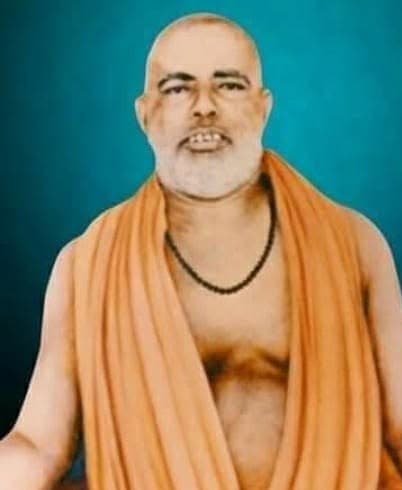
Sri Udiya Baba · Modern
HindiOn verses 6.13–6.14
भावार्थ— शरीर सिर और ग्रीवा को एक-सीध में रखकर उन्हें अचल और स्थिर रखे, अपनी नासिका के अग्र-भाग पर दृष्टि रखे, इधर-उधर न देखे, पूर्णतया शान्त-चित्त और निर्भय रहे तथा ब्रह्मचर्य व्रत में स्थित रहे। इस प्रकार चित्त को निग्रह कर मेरे में चित्त रखकर मेरे परायण हुआ योग में स्थित रहे।
व्याख्या— जिस नासिका की नोक को हम नासिकाग्र समझते हैं वह तो नाक है। अग्रभाग तो दोनों भौहों के बीच में है, जहाँ से नासिका आरम्भ होती है।
प्रश्न— तो क्या नासिकाग्र को ही देखता रहे? यही इष्ट की प्राप्ति है।
उत्तर— यह तो दृष्टि को स्थिर करने के लिये है, जिससे दृष्टि इधर-उधर न जाकर अपने लक्ष्य में लगी रहे।
इस श्लोक से 'अचल' शब्द शरीर के लिये और 'स्थिर' शब्द दृष्टि के लिये प्रयोग किया गया है। अथवा 'अचल' शब्द का प्रयोग आसन के लिये और 'स्थिर' शब्द का प्रयोग शरीर के अंग हाथ-पाँव आदि के लिये समझना चाहिये। यह ध्यान का बहिरंग साधन कहा, अब अन्तरंग साधन बतलाते हैं।
योगी प्रशान्तात्मा—शान्त अन्तःकरण वाला, भय से रहित और ब्रह्मचर्य में स्थित होना चाहिये। मन को सब और से हटा कर मुझमें ही लगा दे। उसमें राग-द्वेष उठते ही नहीं, क्योंकि दृश्य का अत्यन्ताभाव हो चुका है। शान्त तो अन्य पुरुष भी हो सकते हैं, किन्तु प्रशान्त तत्त्ववेत्ता ही होता है। कर्मकाण्ड का भय संन्यास के सिवा और
किसी आश्रम में निवृत्त नहीं होता, अतः संन्यासाश्रम ही निर्भय है। यहाँ जो ब्रह्मचारी के व्रत में स्थित रहने को कहा है वह केवल स्त्री-सहवास त्यागने की दृष्टि से नहीं कहा। यह प्रकरण संन्यासी और योगी का है। स्त्री-सेवन तो संन्यासी करता ही नहीं। केवल भिक्षा के समय ही वह माताओं के सम्पर्क में आता है, अतः संन्यासी के लिए जो पाँच प्रकार की भिक्षा विहित है उसमें से भी चार को छोड़कर केवल माधुकरी का व्रत ले। उसमें जो मिले उसी से उदर-पूर्ति करे। पेट भरने से बचे हुए अन्न को कहीं सुरक्षित स्थान में टाँग दे। या गंगाजी की रेती में गाढ़ दे। दूसरे दिन पहले उस अन्न को ग्रहण करे। अथवा बचे हुए अन्न को रखता जाय। यदि एक दिन का अन्न एकत्रित हो जाय तो उस दिन भिक्षा को न जाकर उसी को काम में लावे।
प्रश्न— ऐसा सुना जाता है कि भिक्षा पाँच या सात घरों से माँगनी चाहिये।
उत्तर— जब तक पेट न भरे माँगता रहे, चाहे सौ घरों में जाना पड़े।
प्रश्न— भजन करने वाले को भोजन दिन में एक बार करना चाहिये या दो बार।
उत्तर— यदि एक बार भोजन करनेसे भजन अच्छा होता है तो एक बार, दो बार करनेसे अच्छा हो तो दो बार और दो दिन में एक बार करने से अच्छा हो तो दो दिन में एक बार करना चाहिये, क्योंकि हमारा लक्ष्य भोजन नहीं भजन है।
अथवा प्रत्येक इन्द्रिय का जो अपने-अपने विषय से सम्बन्ध है वही भोग है। अतः पाँचों इन्द्रियों को जीत लेना ही ब्रह्मचर्य
‘माधुकरमसंकल्पं प्राक्प्रणीतमयाचितम्। तात्कालिकं चोपपन्नं च भैक्ष्यं पञ्चविधं स्मृतम्॥
बिना संकल्प की हुई माधुकरी, प्राक्प्रणीत (निमन्त्राण) अयाचित (अजगरवृत्ति), तात्कालिक (माधुकरी के समय किसी एक घर में ही भिक्षा पा लेना) और उपपन्न (पूर्व सूचना के बिना भिक्षा के समय कुटी पर आया हुआ अन्न)—यह पाँच प्रकार की भिक्षा है।
है। अथवा जो आठों प्रकार के मैथुनों से बचा हुआ है वही ब्रह्मचर्य है। भगवान् मनु ने आठ प्रकार के मैथुन बताये हैं—
दर्शनं स्पर्शनं केलि रहस्यं गृह्यभाषणं। सकल्पोऽध्यवसायश्च क्रियानिर्वृत्तिरेव च॥
अर्थात् स्त्री को देखना, स्पर्श करना, उसके साथ खिलवाड़ करना, हंसी करना, एकान्त में बात करना, मन में संकल्प करना, सहवास का प्रयत्न करना और उसे क्रिया-रूप में परिणत करना।
अथवा जिसकी इहलोक और परलोक दोनों से तथा दोनों के भोगों से घृणा है तथा भगवान् या आत्मा में अनुराग है वही ब्रह्मचारी है। तथा पूर्ण ब्रह्मचारी तो वही है जिसे इहलोक और परलोक आकाश-कुसुम के समान सत्ताशून्य अथवा स्व-स्वरूप ही जान पड़ें। इसका साधन यही है कि निरन्तर भगवदाकार या ब्रह्माकार वृत्ति करता रहे। धीरे-धीरे सभी अनुभव हो जायगा। परन्तु प्रथम साधन तो यही है कि पाँचों इन्द्रियों से असंग हो जाय।
‘मनःसंयम्य’—मैं मन का साक्षी हूँ—ऐसा भाव रखे अर्थात् क्षण-क्षण में आत्माकार वृत्ति करता रहे, क्योंकि ऐसा अभ्यासी अग्निहोत्री को भी पवित्र कर देता है।
‘मत्परः’—मेरे में ही निरन्तर चित्त रखे। ऐसा योग ब्रह्मचर्य की स्थिरता हुए बिना नहीं होता, क्योंकि वायु कुपित होने से रोगादि की आशंका रहती है। इसी से ब्रह्मचर्य व्रत में स्थिर रहने को कहा है।
इन्द्रियों का अपने विषयों के प्रति स्वभाव से ही आकर्षण है। इन्द्रियों का आधार प्राण है। अतः विषयों की आसक्ति से छूटने के लिए प्राण को वश में करना चाहिये और इसके लिये ब्रह्मचर्य व्रत अनिवार्य है।
प्रश्न— सभी शास्त्र कहते हैं कि ब्रह्मचर्य ही पुण्य है तथा ब्रह्मचर्य नष्ट करना ही पाप है। किन्तु पाप तो किसी को दुःख पहुँचाने में है। ब्रह्मचर्य न रखने पर तो स्त्री-पुरुष दोनों ही को सुख होता है। फिर इसमें पाप क्यों माना जाता है?
उत्तर— संसार में सबसे अधिक आसक्ति स्त्री में ही होती है। और किसी भी अन्य वस्तु में आसक्ति रहे तो आत्मा या परमात्मा में अनुराग नहीं हो सकता। इसलिए ब्रह्मचर्य बहुत आवश्यक है।
ये सब गुण होंगे तभी साधक प्रशान्तात्मा हो सकता है।
Swami Ramsukhdas · Modern
Hindi‘प्रशान्तात्मा’—जिसका अन्तःकरण राग-द्वेषसे रहित है, वह ‘प्रशान्तात्मा’ है। जिसका सांसारिक विशेषता प्राप्त करनेका, ऋद्धि-सिद्धि आदि प्राप्त करनेका उद्देश्य न होकर केवल परमात्मप्राप्तिका ही दृढ़ उद्देश्य होता है, उसके राग-द्वेष शिथिल होकर मिट जाते हैं। राग-द्वेष मिटनेपर स्वतः शान्ति आ जाती है, जो कि स्वतःसिद्ध है। तात्पर्य है कि संसारके सम्बन्धके कारण ही हर्ष, शोक, राग-द्वेष आदि द्वन्द्व होते हैं और इन्हीं द्वन्द्वोंके कारण शान्ति भंग होती है। जब ये द्वन्द्व मिट जाते हैं, तब स्वतःसिद्ध शान्ति प्रकट हो जाती है। उस स्वतःसिद्ध शान्तिको प्राप्त करनेवालेका नाम ही ‘प्रशान्तात्मा’ है।
‘विगतभीः’—शरीरको ‘मैं’ और ‘मेरा’ माननेसे ही रोगका, निन्दाका, अपमानका, मरने आदिका भय पैदा होता है। परन्तु जब मनुष्य शरीरके साथ ‘मैं’ और ‘मेरे’-पनकी मान्यताको छोड़ देता है, तब उसमें किसी भी प्रकारका भय नहीं रहता। कारण कि उसके अन्तःकरणमें यह भाव दृढ़ हो जाता है कि इस शरीरको जीना हो तो जीयेगा ही, इसको कोई मार नहीं सकता और इस शरीरको मरना हो तो मरेगा ही, फिर इसको कोई बचा नहीं सकता। यदि यह मर भी जायगा तो बड़े आनन्दकी बात है; क्योंकि मेरी चित्तवृत्ति परमात्माकी तरफ होनेसे मेरा कल्याण तो हो ही जायगा! जब कल्याणमें कोई सन्देह ही नहीं, तो फिर भय किस बातका? इस भावसे वह सर्वथा भयरहित हो जाता है।
‘ब्रह्मचारिव्रते स्थितः’—यहाँ ‘ब्रह्मचारिव्रत’ का तात्पर्य केवल वीर्यक्षासे ही नहीं है, प्रत्युत ब्रह्मचारीके व्रतसे है। तात्पर्य है कि जैसे ब्रह्मचारीका जीवन गुरुकी आज्ञाके अनुसार संयत और नियत होता है, ऐसे ही ध्यानयोगीको अपना जीवन संयत और नियत रखना चाहिये। जैसे
ब्रह्मचारी शब्द, स्पर्श, रूप, रस और गन्ध—इन पाँच विषयोंसे तथा मान, बड़ाई और शरीरके आरामसे दूर रहता है, ऐसे ही ध्यानयोगीको भी उपर्युक्त आठ विषयोंमेंसे किसी भी विषयका भोगबुद्धिसे, रसबुद्धिसे सेवन नहीं करना चाहिये, प्रत्युत निर्वाहबुद्धिसे ही सेवन करना चाहिये। यदि भोगबुद्धिसे उन विषयोंका सेवन किया जायगा, तो ध्यानयोगकी सिद्धि नहीं होगी। इसलिये ध्यान-योगीको ब्रह्मचारिव्रतमें स्थित रहना बहुत आवश्यक है।
व्रतमें स्थित रहनेका तात्पर्य है कि किसी भी अवस्था, परिस्थिति, आदिमें किसी भी कारणसे कभी किंचिन्मात्र भी सुखबुद्धिसे पदार्थोंका सेवन न हो, चाहे वह ध्यानकाल हो, चाहे व्यवहारकाल हो। इसमें सम्पूर्ण इन्द्रियोंका ब्रह्मचर्य आ जाता है।
‘मनः संयम्य मच्चित्तः’—मनको संयत करके मेरेमें ही लगा दे अर्थात् चित्तको संसारकी तरफसे सर्वथा हटाकर केवल मेरे स्वरूपके चिन्तनमें, मेरी लीला, गुण, प्रभाव, महिमा आदिके चिन्तनमें ही लगा दे। तात्पर्य है कि सांसारिक वस्तु, व्यक्ति, परिस्थिति, घटना आदिको लेकर मनमें जो कुछ संकल्प-विकल्परूपसे चिन्तन होता है, उससे मनको हटाकर एक मेरेमें ही लगाता रहे।
मनमें जो कुछ चिन्तन होता है, वह प्रायः भूतकालका होता है और कुछ भविष्यकालका भी होता है तथा वर्तमानमें साधक मन परमात्मामें लगाना चाहता है। जब भूतकालकी बात याद आ जाय, तब यह समझे कि वह घटना अभी नहीं है और भविष्यकी बात याद आ जाय, तो वह भी अभी नहीं है। वस्तु, व्यक्ति, पदार्थ, घटना, परिस्थिति आदिको लेकर जितने संकल्प-विकल्प हो रहे हैं, वे उन्हीं वस्तु, व्यक्ति आदिके हो रहे हैं, जो अभी नहीं हैं।
हमारा लक्ष्य परमात्माके चिन्तनका है, संसारके चिन्तनका नहीं। अतः जिस संसारका चिन्तन हो रहा है, वह संसार पहले नहीं था, पीछे नहीं रहेगा और अभी भी नहीं है। परन्तु जिन परमात्माका चिन्तन करना है, वे परमात्मा पहले भी थे, अब भी हैं और आगे भी रहेंगे। इस तरह सांसारिक वस्तु आदिके चिन्तनसे मनको हटाकर परमात्मामें लगा देना चाहिये। कारण कि भूतकालका कितना ही चिन्तन किया जाय, उससे लाभ तो कुछ होगा नहीं और भविष्यका चिन्तन किया जाय तो वह काम अभी कर सकेंगे नहीं तथा भूत-भविष्यका चिन्तन होता रहनेसे जो अभी ध्यान करते हैं, वह भी होगा नहीं तो सब ओरसे रीते ही रह जायेंगे।
‘युक्तः’—ध्यान करते समय सावधान रहे अर्थात् मनको संसारसे हटाकर भगवान्में लगानेके लिये सदा सावधान, जाग्रत् रहे। इसमें कभी प्रमाद, आलस्य आदि न करे। तात्पर्य है कि एकात्ममें अथवा व्यवहारमें भगवान्में
**परिशिष्ट भाव**—अपनी विशेषता माननेसे आसुरी सम्पत्ति आ जाती है। इसलिये भगवान्ने ‘मत्परः’ पदसे ध्यानयोगीके लिये भी अपने परायण होनेकी बात कही है। भगवत्परायणतामें भगवान्का बल रहनेसे विकार शीघ्र दूर हो जाते हैं और अभिमान भी नहीं होता। यह भक्तिकी विशेषता है।
इस श्लोकमें ‘मन’ और ‘चित्त’—ये दो समानार्थक पद आये हैं। ‘मन’ से किसी वस्तुका बार-बार मनन किया जाता है और ‘चित्त’ से किसी एक ही वस्तुका चिन्तन किया जाता है। अतः यहाँ आये ‘मनः संयम्य मच्चित्तः’ पदोंका तात्पर्य है कि संसारका मनन नहीं करे अर्थात् मनको संसारसे हटा ले और चित्तसे केवल भगवान्का चिन्तन करे अर्थात् चित्तको केवल भगवान्में लगा दे।
The word saman means straight this denotes that the back, neck and body should be erect and balanced in a straight posture. By sitting with legs crossed in the lotus position or half lotus position assists in keeping this straight position.
The word sthiraḥ means firm this denotes that the seat while being comfortable should not be overly soft.
The eyes should not be allowed to flit hither and thither in different directions on objects near or far but should fix their focus either on the tip of the nose or on the space between the eyebrows.
That was the discipline for the body, now Lord Krishna gives the discipline for the mind:
The mind being tranquil connotes contentment along with freedom from all fears.
The compound word brahmacāri vrate means total celibacy and is an indispensable component insuring the containment and preservation of the vital energy of the physical body which is so essential for development.
Keeping the mind attentive and fixed internally one should meditate on the Supreme Lord.