

Bhagavad Gītā · Chapter 11 · Viśvarūpa Darśana Yoga
पश्यादित्यान्वसून्रुद्रानश्विनौ मरुतस्तथा
बहून्यदृष्टपूर्वाणि पश्याऽश्चर्याणि भारत
paśyādityānvasūnrudrānaśvinau marutastathā|
bahūnyadṛṣṭapūrvāṇi paśyā'ścaryāṇi bhārata||
Word meanings
भारत = O Arjuna
आदित्यान् = the Ādityas
वसून् = the Vasus
रुद्रान् = the Rudras
अश्विनौ = the two Aśvins
तथा = and likewise
मरुतः = the Maruts
पश्य = behold
अदृष्टपूर्वाणि = never seen before
बहूनि = many
आश्चर्याणि = wonders
पश्य = behold
Translation
Behold in Me, Arjuna, the twelve sons of Aditi, the eight Vasus, the eleven Rudras (gods of destruction), the two Asvinikumaras (the twin-born physicians of gods) and the fortynine Maruts (winds-gods), and witness many more wonderful forms never seen before.
Commentary
The commentators seated around this verse
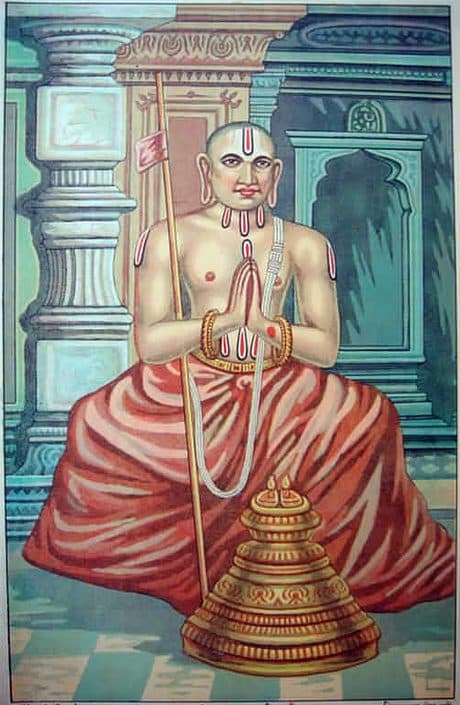
Rāmānuja · Viśiṣṭādvaita
English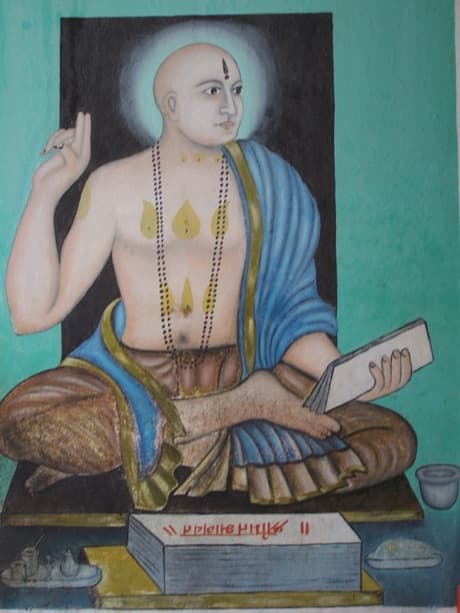
Madhvācārya · Dvaita
Madhva BhāṣyaSanskritEnglishOn verses 11.5–11.9
“हरिः सर्वयज्ञादिभागहरत्वात् - इडोपहृतं गेहेषु हरे भागं कृतघ्नम् । वर्णो मे हरितः श्रेष्ठस्तस्माद्धुरिति स्मरतः ॥ इति मोक्षधर्मे ।” - He is known as Hari, since he partakes the libations in all the sacrifices. “In the sacrificial hall, I partake share of the oblation called ida and in the households the offerings of the food given. Among the colours the best of the blue shade is Mine. Therefore, I am known as Hari”, thus, in Moksha Dharma.
Madhvācārya · Dvaita
Gītā Tātparya NirṇayaSanskritEnglishOn verses 11.5–11.9
“आत्मानमव्ययम् परमं रूपमेश्वरम् ।” - form of his Self, which was immutable and of supreme resplendence.
“सर्वाश्चर्यमयं देवमनन्तं विश्वतोमुखम् । इत्यादिरूपविशेषणाच्च रूपस्येश्वरसाक्षात्स्वरूपत्वं नित्यत्वं तत एव चिदानन्दाद्यात्मकत्वं च सिद्धम् ॥ मम देहे इत्युक्तत्वाच्चाऽदित्यादीनां भदेः सिद्धः । मे रूपाणि, सर्वं तोऽनन्तरूपम्, द्रष्टुमिच्छामि ते रूपम् इत्यादैश्चैकस्यैवाभिन्नानन्तरूपत्वं च ॥” - wonderful was the form of the Lord, infinite and of universally extensive. Enumerating in this manner the various special forms the diversity of the manifest forms of the Lord's blissful consciousness is conclusively established. Having used the statement - In my body the difference between him and the forms like Aditya, sun and others is concluded. Aving used statements like My forms, entirely innumerable form, would like to see your forms, the difference between the Lord and His forms is firmly established.
“एकं रूपं हरिर्नित्यनचिन्त्यैश्वर्ययोगतः | बहुसंख्यागोचरं च विशेषादेव केवलम् || अभावो यत्र भेदस्य प्रमाणवासितो भवेत् | विशेषो नामा तत्रैव विशेषव्यवहारवान् || विशेषोऽपि स्वरूपं स स्वनिर्वाहक एव च | द्रव्यात्मना स नित्योऽपि विशेषात्मैव जायते || नित्य एव विशेषश्च कश्चिदेवं द्विधैव सः | वस्तुस्वरूपमत्वेवेत्येवमादिष्वभेदिनः || विशेषोऽनुभवादेव ज्ञायते सर्ववस्तुषु | नचाविशेषितं किञ्चिद् वाच्यं लक्ष्यं तथा मितम् || विशिष्टस्य स्वतोऽन्यत्वे स्वस्यामेयत्वहेतुतः | नैव ज्ञेयं विशिष्टं च मानाभावाच्च नो भवेत् || स्वयमित्यपि हि स्वत्वविशेषेण विवर्जितम् | न ज्ञेयं तद्विशेष्यं च तथैवेत्यनवस्थितिः ||” - Even though Hari is singular eternal and inconceivable, He comes to perceived in many distinct forms. Even where there is absence of separation they becomes evidence of special activity is common usage with special attributes. Even though forms appear distinctly special, He Himself is the ultimate controller, His essence being especially one, though in some cases it appears divided in the various manifest multi-forms. The manifest multi-forms should be considered as identical and eternal similar to the essence within the different forms. Through experience the essence in every manifest multi-forms comes to be known. It may be known through speech, through marks, or through reasoning. The essence within the distinct forms does not become distinct or separate from the essence. If the form of the essence is considered to be separate from the essence, then the essence will not remain as such. If the form of essence is not knowable then the essence also will not be knowable. The essence, if it is not knowable, then it may as well be said to be non-existent.
“अभेदे न विरोधोऽस्ति ज्ञाताज्ञातं यतोऽखिलम् | तदेव ज्ञातरूपेण ज्ञातमज्ञातमन्यथा || अभिन्नस्य विशिष्टत्वान् दोषद्वयमप्युत | एकत्वानुभवाच्चैव विशेषानुभवादपि || तज्ज्ञानानुभवाच्चैव न दोषद्वयसम्भवः | भेदाभेदो च तौ नैव कर्तुभोक्तुविशेषेण || मदन्य इत्यनुभवो यतो नैवार्ति कस्यचित् | भेदो विशेषणस्यापि नान्तरस्य क्वचिद् भवेत् ||” - Even though there is no contradiction in the statement that the essence and the form are distinct and different, the knowledge of the form will not lead to the knowledge of nature of the essence itself. While the one is knowable from its form, the knowledge of the essence is known only from different mediums. Even though there is difference in the mediums this by itself does not constitute any drawback. The thing knowable from one medium can also be knowable from other methods. This does not result in the possibility of any error in knowledge. One is not distinct from the other because of their special activities or special enjoyments. The one who experiences no separation from the Lord does not feel himself to be different on that account.
“शुद्धस्वरूप इत्यादावभेदस्यैव दर्शनात् | अपृथगदृष्टिनियमाद् बलज्ञानाधिकस्य च | ऐक्यं बाह्यविशेषेण पृथगदृष्टैव तन्न तु | विशेषहेत्वभावेऽपि द्वैविध्यं कल्प्यते यदि | कल्पनागौरवादास्तु दोषस्तत्रातिसङ्गताः | नैकत्वं नापि नानात्वं नियमादस्यचेतने | भेदाभेदावनुभावादतस्तत्रान्यथागतैः | एकोऽहमन्यतोऽन्यश्चेत्येवमेव व्यवस्थितौ | भेदाभेदो चेतनेषु तस्मैनेकप्रकारता | एकमित्येव यज्ञातं बहुल्येनैव तत् पुनः | पटाद्यं ज्ञायते यस्माद् भेदाभेदो कुतो न तत् । तन्तुभ्योऽन्य पटः साक्षात् कस्य दृष्टिपथं गतः । अनन्यश्चेत् तन्तुभावे पटाभावः कुतो भवेत् । न चात्मनि विशेषोऽत्र दृष्टान्तत्वं गमिष्यति ॥” - Therefore, of pure form - such adjective there can be never any difference between the essence and the form, showing non-separation between the two. Similarly, even as in the case of performance of action, strength of the essence and wisdom never come to be experienced as separate from the essence itself. Such non-distinction, however, is seen as separate or distinct only when it is perceived in the gross physical bodies. Even if distinction is experienced in the essence as two-fold, then it is largely due to one's imagination, due to the defect caused by one's close association. In the non-sentient objects there is neither distinction nor any non-distinction. The experience of distinction and non-distinction therein does not come about when one conceptualizes, because there is separation between essence and the form. In the case of the sentient, however, even though there is awareness of being non-distinct, there arise multitude of experiences of distinction between self and the form (like pots and pans). The yarn in the cloth appear as non-distinct from the cloth and between them each one is different from the other. How does there being distinction in the yarn, the non-distinction in the cloth comes about? Here even though the self has many distinct forms of essence, these distinct forms are not comparable with yam, because the separate identity of yarns will continue to exist as distinctive.
“शुद्धोऽहम्पत्ययो यस्मात् तत्राभेदप्रदशकः । अत्रावयवभेदेन स्यादेव ह्यनवस्थितिः । न चानवयवं वस्तु क्वचित् स्यान्मानगोचरम् । पूर्वापारदिभेदेन यतोऽशोऽस्यावगम्यते । उपाधिरप्येकदेशसम्बद्धः संतमेव हि । ज्ञापयेद् भेदमखिलं गमनः स विभजेत् कथम् ॥ तस्माद् गुणादिक्रमपि नास्त्यनशतया क्वचित् । भावाभावव्यवहतेर्विद्यमानेऽपि वस्तुनि । भेदाभेदो गुणादेक्ष्य जडे वस्तुनिर्संस्थितौ ॥” - I am Pure - due to such experience of the self each self can be identified as distinct and separate. In the case of yarn each yam being distinct and separate cannot experience the common identity with the cloth. Therefore, separate identity for the yam and the cloth has to be accepted. Nothing ever exists which has no parts at all. Even for atoms, there exist prior and a later state. But by this one cannot conclude that the atom is made of parts. They remind one only of the totality of its existence. This would make the parts, in fact, incompatible. With the change in the attribute of the parts the change in the entirety could also be predicated. If we accept such change, then it would be difficult to deny the existence of difference even in gross objects.
“चेतने शक्तिरूपेण गुणदेभाव इष्यते । गुप्तोऽयं बलवान् विद्वानित्यादिव्यवहारतः । न चैवं शक्तिरूपेण जडे व्यवहतिः क्वचित् । एकमेवाद्वितीयं तन्नेह नानाऽस्ति किञ्चन । मृत्योः स मृत्युमाप्नोति य इह नानेव पश्यति । यथोदकं दुर्गे वृष्टं पर्वतेषु विधावति । एवं धर्मान् पृथक् पश्यन्तानेवानुविधावति । इत्यादिश्रुतिमानाच्च परमेश्वर्य तस्तथा । सर्वे तु घटते विष्णो यत् कल्याणगुणात्मकम् ॥ इत्यादि ब्रह्मतर्के ॥” - In the sentient things the attributes etc. exist in deep sleep, in potential form, powerful and wise. Therefore, between the sentient things and the attributes there exists an unbroken connection. In the gross objects there exists nothing else as energy save the one without the second. Besides Him nothing else exists. The Death gives death for him who perceives this as otherwise. Like the rain water falling on the top flows down from the mountains, he who thinks Perennial Principles of the Lord distinct and separate from Him will also go down likewise. Thus, since all the scriptures accordingly so make it evident and the supreme splendour of the Lord also similarly declares all the events terminate in Sri Vishnu alone, through His beneficent attributes. Thus, in Brahma Tarka.
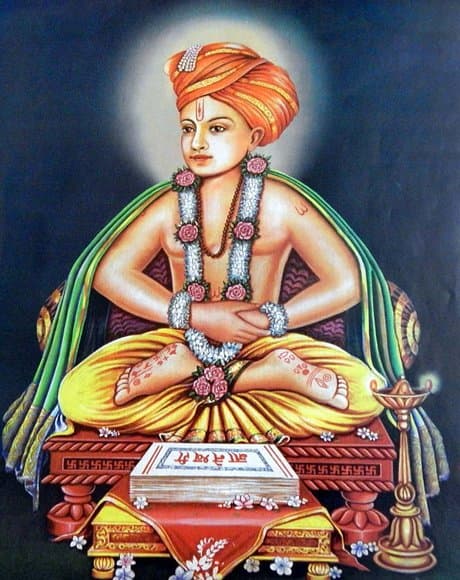
Jñāneśvar · Vārkarī
English6 "Behold the Adityas, the Vasus, the Rudras, the Asvins Twain, as also the Maruts; many wonders that hitherto have not been seen, behold (now) O Scion of Bharata. (141)
Where the merest blinking casts its gleam, there unfolds a whole creation of a brilliant array of Suns; and as the eye shuts, all is forthwith swallowed up in final extinction. A hot puff of breath from the mouth wraps every thing in flames from which, emerge the groups of all (eight) Vasus, including Pawak and others, and when the closely- knit eyebrows frown their wrath, bands of the terrific Rudras swoop down. And when tender mercy moistens my face, innumerable givers of life like “Ashwinikumaras” spring forth; and from the ears are set going all winds and air currents. In this way are begotten races of Gods and perfect celestial beings from the mere sporting of a single Divine Presence, and the essences are indeed without end. Just see them. The very Vedas babble poetry of these; for beholding them, the whole of eternal duration shrinks into but a span, while the creator himself is baffled in fathoming its depths. Thou behold now with thine eyes what the three Vedas could not hear of; and feast thine eyes on these greatest of miracles and wonders of my sportive creation.
Swami Ramsukhdas · Modern
English'Paśyādityānvasūnrudrānaśvinau marutastathā'—The twelve sons of Aditi are—Dhātā, Mitra, Aryamā, Śakra, Varuṇa, Arīśa, Bhaga, Vivasvān, Pūṣā, Savitā, Tvaṣṭā and Viṣṇu (Mahā. Ādi. 65/ 15-16).
The eight vasus are—Dhara, Dhruva, Soma, Ahaḥ, Anila, Anala, Pratyūṣa and Prabhāsa (Mahā. Ādi. 66/18).
The eleven Rudras are—Hara, Bahurūpa, Tryambaka, Aparājita, Vṛṣākapi, Śambhu, Kapardi, Raivata, Mṛgavyādha, Śarva and Kapāli (Harivaṃśa. 1/3/51-52).
Aśvinīkumāras, are the twin born physicians of gods. The forty-nine Maruts (wind-gods) are—Sattvajyoti, Āditya, Satyajyoti, Tiryagjyoti, Sajyoti, Jyotiṣmān, Harita, Rtajit, Satyajit, Suṣeṇa, Senajit, Satyamitra, Abhimitra, Harimitra, Kṛta, Satya, Dhruva, Dhartā, Vidhartā, Vidhāraya, Dhvānta, Dhuni, Ugra, Bhīma, Abhiyu, Sākṣipa, Īdrk, Anyādrk, Yādrk, Pratikṛt, Rk, Samiti, Samrambha, Īdrkṣa, Puruṣa, Anyādrkṣa, Cetasa, Samitā.
Samidṛkṣa, Pratidṛkṣa, Maruti, Sarata, Deva, Diśa, Yajuh, Anudṛk, Sāma, Mānuṣa and Viś (Vāyupurāṇa 67/123—130).
The Lord, calls upon Arjuna to behold them all, in His Cosmic Form.
These thirty-three varieties of gods, are the principal ones. The forty-nine Maruts (wind-gods), are regarded as separate from the thirty-three varieties of gods, because they were transformed from demons to gods. So the Lord, has separated them from other gods, by using the term 'tatha' (and) (also).
'Bahūnyadrṣṭapūrvāṇi paśyāścaryāṇi bhārata'— The Lord, asks Arjuna to behold such marvels in those forms, which he might have neither seen, nor heard of nor imagined, nor thought of. After beholding such forms, a person is wonder-struck and left aghast.
Appendix—In the preceding verse the Lord asked Arjuna to behold His forms of various kinds, colours, sizes and shapes in His cosmic form; now in this verse He mentions the same in detail.
The Lord means to say that all gods are His manifestations only viz., He has revealed Himself in the forms of those gods (Gītā 9/23).
Link:—After hearing the Lord's order to behold His cosmic form, Arjuna may be curious to know where to behold it. So the Lord declares.
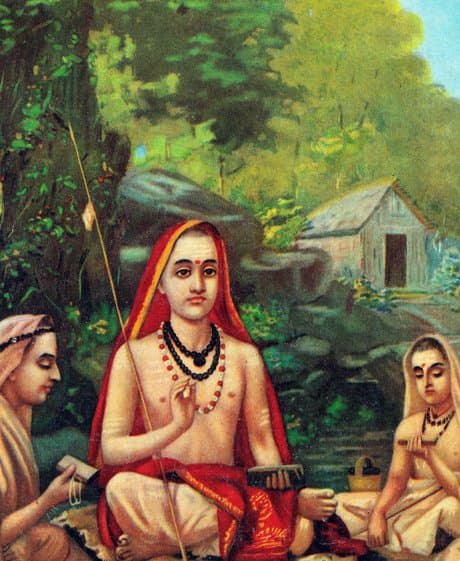
Ādi Śaṅkarācārya · Advaita
Sanskritपश्य आदित्यान् द्वादश, वसून् अष्टौ, रुद्रान् एकादश, अश्विनौ द्वौ, मरुतः सप्त सप्त गणाः ये तान् । तथा च बहूनि अन्यान्यपि अदृष्टपूर्वाणि मनुष्यलोके त्वया, त्वत्तः अन्येन वा केनचित्, पश्य आश्चर्याणि अद्भुतानि भारत ॥ न केवलं एतावदेव --
Ādi Śaṅkarācārya · Advaita
Hindiहे भारत! तू द्वादश आदित्योंको, आठ वसुओंको, एकादश रुद्रोंको, दोनों अश्विनीकुमारोंको और उनचास मरुद्रोंको देख। तथा और भी जिन्हें मनुष्यलोकमें तूने अथवा और किसीने भी कभी नहीं देखा, ऐसे बहुत-से आश्चर्यमय—अद्भुत दृश्य देख
Jñāneśvar · Vārkarī
Marathiजेथ उन्मीलन होत आहे दिठी । तेथ पसरती आदित्यांचिया सृष्टी । पुढती निमीलनीं मिठीं । देत आहाती ॥ १४१ ॥ वदनींचिया वाफेसवें । होत ज्वाळामय आघवें । जेथ पावकादिक पावे । समूह वसूंचा ॥ १४२ ॥ आणि भ्रूलतांचे शेवट । कोपें मिळों पाहतीं एकवट । तेथ रुद्रगणांचे संघाट । अवतरत देखें ॥ १४३ ॥ पैं सौम्यतेचा बोलावा । मिती नेणिजे अश्विनौदेवां । श्रोत्रीं होती पांडवा । अनेक वायु ॥ १४४ ॥ यापरी एकेकाचिये लीळे । जन्मती सुरसिद्धांचीं कुळें । ऐसीं अपारें आणि विशाळें । रूपें इयें पाहीं ॥ १४५ ॥ जयांतें सांगावया वेद बोबडे । पहावया काळाचेंही आयुष्य थोकडें । धातयाही परी न सांपडे । ठाव जयांचा ॥ १४६ ॥ जयांतें देवत्रयी कधीं नायके । तियें इयें प्रत्यक्ष देख अनेकें । भोगीं आश्चर्याची कवतिकें । महासिद्धी ॥ १४७ ॥
Jñāneśvar · Vārkarī
Hindi(11.141) ज्योंही मैं दृष्टि खोलता हूँ त्योंही आदित्यों की सृष्टि उत्पन्न होती है, और बन्द करने से लय को प्राप्त होती है।
(11.142) मेरे मुख की भाँफ निकलते ही सर्वत्र ज्वालामय हो जाता है जिससे पावक इत्यादि आठ वसुओं का समुदाय उत्पन्न होता है।
(11.143) और क्रोध से जहाँ भौहों की नोकें मिलती हैं वहाँ से रुद्रगणों के समुदाय उपजते हुए दिखाई देते हैं।
(11.144) मेरी सौम्यता का जीवन ऐसा है कि उससे अनेक अश्विनीकुमार उत्पन्न होते हैं। हे पाण्डव! मेरे कानों से अनेक वायु उत्पन्न होते हैं।
(11.145) इस प्रकार एक एक अवयव की लीला से देवों और सिद्धों के कुल उत्पन्न होते हैं। ये ऐसे अपार और विशाल रूप हैं
(11.146) कि जिनका वर्णन करते वेद भी बौर हो गये हैं, जिन्हें देखने के लिए काल का आयुष्य भी थोड़ा है और जिनका ठाँव ब्रह्मदेव के भी हाथ नहीं लगता; (11.147) तीनों वेदों ने जिन्हें कभी नहीं सुना वे ये मेरे अनेक रूप हैं; इन्हें प्रत्यक्ष देखकर आश्चर्य की लीलाओं का और महासुख का उपभोग लो।
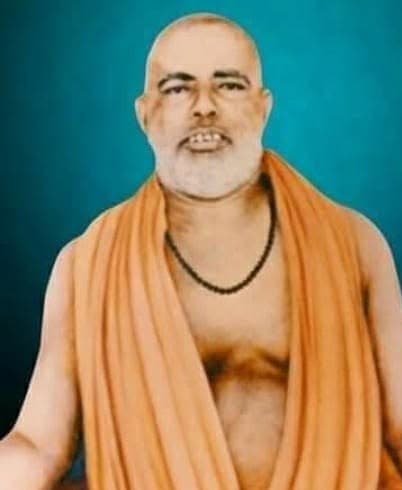
Sri Udiya Baba · Modern
Hindiभावार्थ— हे भारत! मेरे इन रूपों में तुम सूर्य, वसुगण, रुद्रगण, दोनों अश्विनीकुमार और मरुद्रगण को तथा और भी पहले कभी न देखे हुए अनेकों आश्चर्यों को देख लो।
Swami Ramsukhdas · Modern
Hindiपश्यादित्यान्वसूरुद्रानशिवनौ मरुतस्तथा’—अदितिके पुत्र धाता, मित्र, अर्यमा, शक्र, वरुण, अंश, भग, विवस्वान्, पूषा, सविता, त्वष्टा और विष्णु—ये बारह ‘आदित्य’ हैं (महा०, आदि० पैंसठवाँ अध्याय,
पन्द्रहवाँ-सोलहवाँ श्लोक)। धर, ध्रुव, सोम, अहः, अनिल, अनल, प्रत्युष और प्रभास—ये आठ ‘वसु’ हैं (महा०, आदि० छाछठवाँ अध्याय, अठारहवाँ श्लोक)।
हर, बहुरूप, त्र्यम्बक, अपराजित, वृषाकपि, शम्भु, कपर्दी, रैवत, मृगव्याध, शर्व और कपाली—ये ग्यारह 'रुद्र' हैं (हरिवंश पहला पर्व, तीसरा अध्याय, इक्यावनवाँ-बावनवाँ श्लोक)।
'अश्विनीकुमार' दो हैं। ये दोनों भाई देवताओंके वैद्य हैं।
सत्त्वज्योति, आदित्य, सत्यज्योति, तिर्यज्योति, सज्योति, ज्योतिष्मान्, हरित, ऋतजित्, सत्यजित्, सुषेण, सेनजित्, सत्यमित्र, अभिमित्र, हरिमित्र, कृत, सत्य, ध्रुव, धर्ता, विधर्ता, विधारय, ध्वान्त, धुनि, उग्र, भीम, अभिमु, साक्षिप, ईदृक्, अन्यादृक्, यादृक्, प्रतिकृत, ऋक्, समिति, संरम्भ, ईदृक्, पुरुष, अन्यादृक्, चेतस, समिता, समिदृक्, प्रतिदृक्, मरुति, सरत, देव, दिश, यजुः, अनुदृक्, साम, मानुष और विशु—ये उनचास 'मरुत' हैं (वायुपुराण, सड़सठवाँ अध्याय, एक सौ तेईसवेंसे एक सौ तीसवें
श्लोकतक)—इन सबको तू मेरे विराट् रूपमें देख।
बारह आदित्य, आठ वसु, ग्यारह रुद्र और दो अश्विनीकुमार—ये तैंतीस कोटि (तैंतीस प्रकारके) देवता सम्पूर्ण देवताओंमें मुख्य हैं। देवताओंमें मरुद्गणोंका नाम भी आता है, पर वे उनचास मरुद्गण इन तैंतीस प्रकारके देवताओंसे अलग माने जाते हैं; क्योंकि वे सभी दैत्योंसे देवता बने हैं। इसलिये भगवान्ने भी 'तथा' पद देकर मरुद्गणोंको अलग बताया है।
'बहून्यदृष्टपूर्वाणि पश्याश्चर्याणि भारत'—तुमने इन रूपोंको पहले कभी आँखोंसे नहीं देखा है, कानोंसे नहीं सुना है, मनसे चिन्तन नहीं किया है, बुद्धिसे कल्पना नहीं की है। इन रूपोंकी तरफ तुम्हारी कभी वृत्ति ही नहीं गयी है। ऐसे बहुत-से अदृष्टपूर्व रूपोंको तू अब प्रत्यक्ष देख ले। इन रूपोंके देखते ही आश्चर्य होता है कि अहो! ऐसे भी भगवान्के रूप हैं! ऐसे अद्भुत रूपोंको तू देख।
**परिशिष्ट भाव**—पिछले श्लोकमें भगवान्ने विराट् रूपमें अनेक तरहके और अनेक रंगों तथा आकृतियोंवाले रूपोंको देखनेकी बात कही थी, अब उसी बातको इस श्लोकमें विस्तारसे कहते हैं।
भगवान्के कथनका तात्पर्य है कि सभी देवता मेरे स्वरूप हैं अर्थात् उन देवताओंके रूपमें मैं ही हूँ (गीता—नवें अध्यायका तेईसवाँ श्लोक)।
सम्बन्ध—भगवान्द्वारा विश्वरूप देखनेकी आज्ञा देनेपर अर्जुनकी यह जिज्ञासा हो सकती है कि मैं इस रूपको कहाँ देखूँ? अतः भगवान् कहते हैं—
Lord Krishna explains that within His Viśvarūpa or divine universal form the 12 Ādityas, the 8 Vāsus, the 11 Rudras, the 2 Aśvīns, the 49 Maruts etc. can all be seen.
It can be perceived in His magnificent extraordinarily phenomenal universal form, unlimited wonders and marvels.
They are marvels that can be manifest in this world, marvels that can manifest in other worlds and all those marvels mentioned and described in the Vedic scriptures which may include some or all of the previous two categories.
All of these wonders have never before been seen.