

Bhagavad Gītā · Chapter 11 · Viśvarūpa Darśana Yoga
मत्कर्मकृन्मत्परमो मद्भक्तः सङ्गवर्जितः
निर्वैरः सर्वभूतेषु यः स मामेति पाण्डव
matkarmakṛnmatparamo madbhaktaḥ saṅgavarjitaḥ|
nirvairaḥ sarvabhūteṣu yaḥ sa māmeti pāṇḍava||
Word meanings
पाण्डव = O son of Pāṇḍu
यः = who
मत्कर्मकृत् = one who does my work
मत्परमः = intent on me
मद्भक्तः = my devotee
सङ्गवर्जितः = free of attachment
निर्वैरः = free of hostility
सः = he
माम् = me
एति = attains
Translation
Arjuna, he who performs all his duties for My sake, depends on Me, is devoted to Me; has no attachment, and is free from malice towards all beings, reaches Me.
Commentary
The commentators seated around this verse
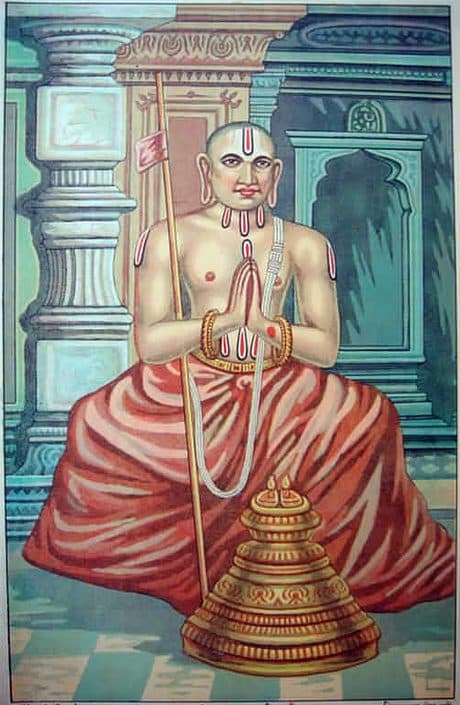
Rāmānuja · Viśiṣṭādvaita
English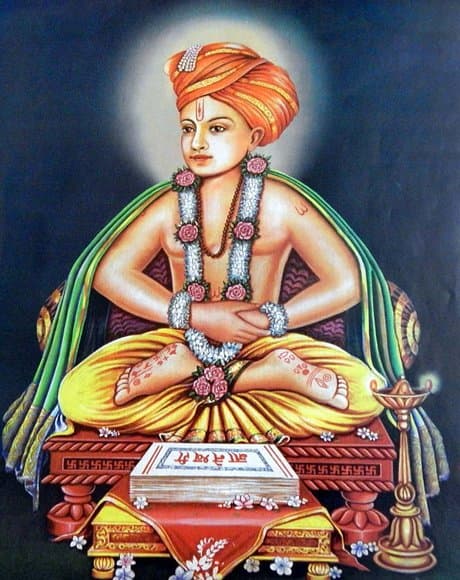
Jñāneśvar · Vārkarī
English55 "One who performs acts dedicated to Me, conceiving Me as the Highest Goal: My devotee who is bereft of every attachment (and) is without the least enmity towards any being whatsoever: he comes unto Me, O Son of Pāndu". (696)
"Verily, into my Divine Being does that devotee enter, all whose deeds are dedicated to my service and in whose eyes the entire universe holds nothing of such supreme worth and beauty as my Being. To such a devotee, all the joys of the earth and in the other world flow into my Divine Being; to him the supreme worth of life is but another name of Divine life. No object ever meets his eyes, but what is my Divinity, and therefore, he is a stranger to all sense of otherness and created beings. Therefore, is he free from all ill-will to all creations. And seeing me in all beings, he worships me in them all. And on the dissolution of his body made up of the three fluids, he is merged into My Being, Oh son of Pāndu.", Samjaya then said, "thus spake Lord Krishna, the supreme Godhead made big-bellied by the creation of the universe, whose utterance is sweetened by his Divine love." Thereon, the son of Pāndu swelled with the wealth of blissful re- joicing; and in the entire world, he remains the unsurpassed master of wisdom of adoring Lord Krishna. As he cast the meditative glance at the Omnipresent Vision of the image incarnate, he reckoned the Image Incarnate of (God) Bhagwan in turn as of superior worth. But the God did not bear out his preference; for, Omnipresent Being is all-pervading. The Image Incarnate was limited to a given body. And Lord Krishna illumined the talk with proper reasons. Hearing these, the husband of Subhadrā, thought over in his mind and decided to question the Lord further, for guidance in choosing between the two. Reflecting, Arjuna now sets out towards his query in a sweet manner. This part of the story is well worthy of being heard in easy 'ovi' rhymes that are delightful to the hearing, and I shall narrate by the grace of my master Shri Nivritti. At the feet of the Omnipresent Deity, do I dedicate these flowers of 'ovi'—rhymes, freely scattered from the palm made by my feelings of piety and faith.
विश्वरूपदर्शनं नामैकादशोऽध्यायः ॥ ११ ॥
Swami Ramsukhdas · Modern
English[The five points mentioned in this verse, can be divided into two parts (i) Attachment to the Lord (ii) Detachment from the world. The first part includes, the first three points 'works for Me', 'depends on Me' and is 'devoted to Me', while the second part, includes the last two points—'no attachment' and 'freedom from malice'.]
'Matkarmakṛt'—It means, that all the spiritual pursuits, such as utterance of the Lord's name, loud chanting, meditation, good company and study of the sacred books, as well as, performing mundane duties, according to one's caste, creed and stage (order) of life, should be performed, for the Lord's sake.
Actually, the division of actions into spiritual ones and mundane ones, is external. All the actions, whether spiritual or mundane, should be performed for the Lord's sake, only because the body, senses, mind and intellect etc., with which one performs actions, have been given to him by God, and they are His. So he should perform actions, with the power given by Him, according to His ordinance, in order to please Him, by becoming merely an instrument in His hands.
'Matparamaḥ'—'Matparamaḥ', is he who regarding the Lord as the Supreme, depends, only on Him.
'Madbhaktaḥ'—He is devoted to the Lord i.e., he has admitted his relationship with the Lord, that only He is his and he only
is His. This relationship, develops devotion for Him.
Such a devotee, beholds the Lord pervading everywhere, all the time in all persons, things and his own self. From the angle, that God is everywhere, He is also here. Being at all times, He is now. Pervading all beings and things, He is also in him. As He belongs to all, He is also his. He, who has such a belief, is the Lord's devotee.
'Saṅgavarjitah nirvairah sarvabhūteṣu yah'—The devotee, who works for the Lord's sake, depends on Him and is devoted to Him, he becomes free from attachment and desires.
Further, when a devotee realizes, that he is a fragment of the Lord, his devotion for Him is aroused, and then he becomes free from attachment. Having detachment and conviction, that God pervades all beings, he becomes free, from malice towards all of them, even on his receiving the worst treatment. He beholds the Lord's will and grace, in every dealing. Thus, his affinity with the world, is renounced and he attains God.
'Sa māmeti'—This expression, includes the three points—to know Him in reality, to behold Him, and to attain Him; as explained in the preceding verse. It means, that he attains the object of human life, by reaching Him.
An Important Fact
The Lord, at the end of the ninth chapter, said to Arjuna, 'Fix your mind on Me, be devoted to Me, adore Me, bow down to Me, thus making yourself steadfast in Me, and entirely depending on Me, you will come to Me' (9/34).
After disclosing this secret, Lord Kṛṣṇa, wanted to reveal more secrets to his devotee Arjuna and so He revealed these, in the tenth and the eleventh chapters.
If man, depends on the perishable and kaleidoscopic, matter (prakṛti) and its evolutes, the body and the world, he has
disinclination, for the imperishable and eternal Lord. The tenth and the eleventh chapters aim, at removing this disinclination and conducting one towards the Lord.
A man possesses two kinds of power—of thinking, and of beholding. Both of these are to be utilized for devotion to God. So Lord Kṛṣṇa, preached, in the tenth chapter, that whatever speciality or merit or glory a person perceives, in a thing or a being, and when a thought comes to his mind, he should think of the Lord, only.
In the eleventh chapter, He, by revealing His cosmic form to Arjuna, means to preach that a devotee should behold Him pervading everywhere, in different forms and names etc., because this entire universe is a part of His cosmic form.
Arjuna, prayed to Lord Kṛṣṇa, two times. In the seventeenth verse of the tenth chapter, he asked, 'In what various aspects are you to be thought of, by me?' So, the Lord mentioned His divine glories, that he could think of Him, in those glories.
At the beginning of the eleventh chapter Arjuna, said, 'I want to see Your divine form.' So the Lord revealed to Arjuna, His cosmic form by offering him divine vision.
It means, that a striver should think only of the Lord, and should behold everyone and everything, as the manifestation of the Lord, only.
**Appendix**—The nature of the devotion, by which the four-armed God can be beheld, is that a striver having renounced attachment to the world should totally depend on God. The expression 'matkarmakṛt' means dependence on God with the gross (physical) body; 'matparamaḥ' means—dependence on God with the subtle and the causal bodies and 'madbhaktaḥ' means dependence of the self on God, because 'I am God's and God is mine'—this acceptance is through
the self itself. 'Sa māmeti'—this expression means attainment of the entire form of God.
ॐ तत्सदिति श्रीमद्भगवद्गीतासूपनिषत्सु ब्रह्मविद्यायां योगशास्त्रे
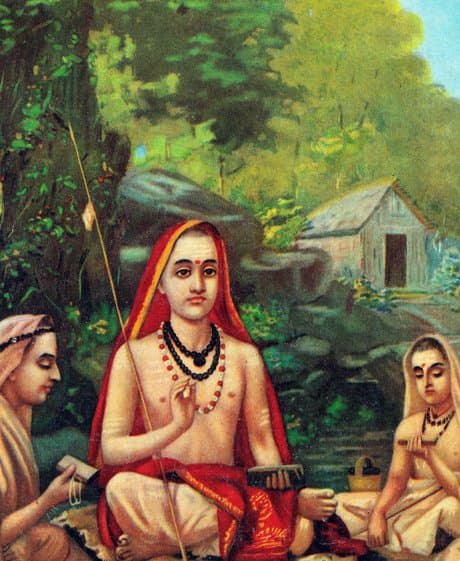
Ādi Śaṅkarācārya · Advaita
Sanskritमत्कर्मकृत् मदर्थं कर्म मत्कर्म, तत् करोतीति मत्कर्मकृत् । मत्परमः -- करोति भृत्यः स्वामिकर्म, न तु आत्मनः परमा प्रेत्य गन्तव्या गतिरिति स्वामिनं प्रतिपद्यते; अयं तु मत्कर्मकृत् मामेव परमां गतिं प्रतिपद्यते इति मत्परमः, अहं परमः परा गतिः यस्य सोऽयं मत्परमः । तथा मद्भक्तः मामेव सर्वप्रकारैः सर्वात्मना सर्वोत्साहेन भजते इति मद्भक्तः । सङ्गवर्जितः धनपुत्रमित्रकलत्रबन्धुवर्गेषु सङ्गवर्जितः सङ्गः प्रीतिः स्नेहः तद्वर्जितः । निर्वैरः निर्गतवैरः सर्वभूतेषु शत्रुभावरहितः आत्मनः अत्यन्तापकारप्रवृत्तेष्वपि । यः ईदृशः मद्भक्तः सः मां एति, अहमेव तस्य परा गतिः, न अन्या गतिः काचित् भवति । अयं तव उपदेशः इष्टः मया उपदिष्टः हे पाण्डव इति ॥
Ādi Śaṅkarācārya · Advaita
Hindiअब समस्त गीताशास्त्रका सारभूत अर्थ संक्षेप— में कल्याणप्राप्तिके लिये कर्तव्यरूपसे बतलाया जाता है—
जो मुझ परमेश्वरके लिये कर्म करनेवाला है और मेरे ही परायण है—सेवक स्वामीके लिये कर्म करता है, परंतु मरनेके पश्चात् पानेयोग्य अपनी परमगति उसे नहीं मानता और यह तो मेरे लिये ही कर्म करनेवाला और मुझे ही अपनी परमगति समझनेवाला होता है, इस प्रकार जिसकी परमगति मैं ही हूँ ऐसा जो मत्परायण है।
तथा मेरा ही भक्त है अर्थात् जो सब प्रकारसे सब इन्द्रियोंद्वारा सम्पूर्ण उत्साहसे मेरा ही भजन करता है, ऐसा मेरा भक्त है।
तथा जो धन, पुत्र, मित्र, स्त्री और बन्धुवर्गमें सङ्ग—प्रीति—स्नेहसे रहित है।
तथा सब भूतोंमें वैरभावसे रहित है अर्थात् अपना अत्यन्त अनिष्ट करनेकी चेष्टा करनेवालोंमें भी जो शत्रुभावसे रहित है।
ऐसा जो मेरा भक्त है, हे पाण्डव! वह मुझे पाता है अर्थात् मैं ही उसकी परमगति हूँ, उसकी दूसरी कोई गति कभी नहीं होती। यह मैंने तुझे तेरे जाननेके लिये इष्ट उपदेश दिया है
Jñāneśvar · Vārkarī
Marathiॐ इति श्रीमद्भग्वद्गीतासूपनिषत्सु ब्रह्मविद्यायां योगशास्त्रे श्रीकृष्णार्जुनसंवादे विश्वरूपदर्शनयोगोनाम एकादशोऽध्यायः ॥ ११ ॥
जो मजचि एकालागीं । कर्में वाहातसे आंगीं । जया मीवांचोनि जगीं । गोमटें नाहीं ॥ ६९६ ॥ दृष्टादृष्ट सकळ । जयाचें मीचि केवळ । जेणें जिणयाचें फळ । मजचि नाम ठेविलें ॥ ६९७ ॥ मग भूतें हे भाष विसरला । जे दिठी मीचि आहें सूदला । म्हणौनि निर्वैर जाहला । सर्वत्र भजे ॥ ६९८ ॥ ऐसा जो भक्तु होये । तयाचें त्रिधातुक हें जैं जाये । तैं मीचि हौनि ठायें । पांडवा गा ॥ ६९९ ॥ ऐसें जगदुदरदोंदिलें । तेणें करुणारसरसाळें । संजयो म्हणे बोलिलें । श्रीकृष्णदेवें ॥ ७०० ॥ ययावरी तो पंडुकुमरु । जाहला आनंदसंपदा थोरु । आणि कृष्णचरणचतुरु । एक तो जगीं ॥ ७०१ ॥ तेणें देवाचिया दोनही मूर्ती । निकिया न्याहाळिलिया चित्तीं । तंव विश्वरूपाहूनि कृष्णाकृतीं । देखिला लाभु ॥ ७०२ ॥ परि तयाचिये जाणिवे । मानु न कीजेचि देवें । जें व्यापकाहूनि नव्हे । एकदेशी ॥ ७०३ ॥ हेंचि समर्थावयालागीं । एक दोन चांगी । उपपत्ती शारङ्गी । दाविता जाहला ॥ ७०४ ॥ तिया ऐकोनि सुभद्राकांतु । चित्तीं आहे म्हणतु । तरि होय बरवें दोन्हीं आंतु । तें पुढती पुसों ॥ ७०५ ॥ ऐसा आलोचु करूनि जीवीं । आतां पुसती वोज बरवी । आदरील ते परिसावी । पुढें कथा ॥ ७०६ ॥ प्रांजळ ओंवीप्रबंधें । गोष्टी सांगिजेल विनोदें । तें परिसा आनंदें । ज्ञानदेवो म्हणे ॥ ७०७ ॥ भरोनि सद्भावाची अंजुळी । मियां वोंवियाफुलें मोकळीं । अर्पिलीं अंघ्रियुगुलीं । विश्वरूपाच्या ॥ ७०८ ॥
Jñāneśvar · Vārkarī
Hindi(11.696) जो केवल मुझे ही अपने सब कर्म समर्पित करता है, जिसे मेरे अतिरिक्त जगत् में और कुछ भला नहीं दिखाई देता,
(11.697) जिस के इहलोक और परलोक सब एक मैं ही हूँ, जिसने अपने जीवन का फल मुझे ही निश्चित कर रक्खा है,
(11.698) और जो प्राणियों के भेद भूल गया है, – क्योंकि उसकी दृष्टि में मैं ही भर गया हूँ, – अतएव जो निर्वैर हो गया है, और सर्वदा भजन करता है,
(11.699) ऐसा जो भक्त हो, उसका जब यह कफ-वात-पित्तात्मक शरीर छूटता है तब हे पाण्डव! वह मद्रूप हो रहता है।
(11.700) संजय ने कहा कि पेट में सम्पूर्ण जगत् समाविष्ट होने के कारण जो तुन्दिल दिखाई देते हैं वे करूणारस से भरे हुए श्रीकृष्ण देव इस प्रकार बोले।
(11.701) उनके वचन सुन कर अर्जुन आनन्द-लक्ष्मी से सम्पन्न हो गया। कृष्णचरणों की भक्ति करने में संसार में वही एक चतुर था।
(11.702) उसने देव की दोनों मूर्तियाँ चित्त में भली भाँति निहार कर देखीं तो विश्वरूप की अपेक्षा कृष्णमूर्ति में अधिक लाभ पाया। (11.703) परन्तु देव ने उसके ज्ञान का नहीं सराहा, क्योंकि व्यापक स्वरूप की अपेक्षा एकदेशी स्वरूप श्रेष्ठ नहीं है।
(11.704) यही सिद्ध करने के लिए श्रीकृष्ण ने एक दे उत्तम उपपत्तियों का निरूपण किया।
(11.705) यह सुन कर अर्जुन ने मन में कहा कि अब इन दोनों स्वरूपों में श्रेष्ठ कौन-सा है सो आगे पूछूँगा।
(11.706) ऐसा जी में विचार कर वह जिस उत्तम रीति से प्रश्न करेगा सो कथा आगे सुनिए।
(11.707) ज्ञानदेव कहते हैं कि उस कथा का वर्णन हम प्रेम से (सुलभ ओवी छन्द में) करते हैं उसे आनन्द से सुनिए।
(11.708) प्रेम की अंजलि भर कर मैं ये ओवी-रूप मुक्त पुष्प विश्वरूप के दोनों चरणों पर समर्पित करता हूँ।
इति श्रीज्ञानदेवकृत भावार्थदीपिकायां एकादशोऽध्यायः।
Sri Udiya Baba · Modern
Hindiसंगति— भगवान् ने ४८ वें और ५३ वें श्लोक में अपना यथार्थ रूप से जानना और देखना बहुत कठिन बताया और ५४ वें में इसका मुख्य साधन अपनी अनन्य भक्ति बतलायी। अब अगले श्लोक में यह बतलाते हैं कि वह अनन्य भक्ति किस प्रकार प्राप्त हो सकती है।
भावार्थ— हे पाण्डव! जो मेरे लिए ही कर्म करने वाला है, मेरे ही परायण है, मेरा ही भक्त है, आसक्ति से रहित है और किसी भी प्राणी से वैर नहीं करता, वही मुझे प्राप्त होता है।
व्याख्या— जो 'मत्कर्मकृत' अर्थात् मेरी ही प्राप्ति के लिये श्रौत-स्मार्त एवं शास्त्रविहित कर्म करने वाला है, अथवा भगवदर्पण बुद्धि से निष्काम कर्म करता है। फिर 'मत्परमः' कहकर इसी का विशेषण देते हैं। अर्थात् जो मेरे ही परायण है। जिसे मेरी प्राप्ति की तीव्र इच्छा है, अथवा सब ओर से चित्त हटाकर जो मेरे अतिरिक्त अथवा आत्मा से भिन्न और किसी की सत्ता नहीं देखता। तथा 'मद्भक्तः', मेरा ही भक्त है, जिसकी मेरी सेवा-पूजा में ही निष्ठा है। 'सङ्गवर्जितः'—सङ्गरहित अर्थात् विषयासक्ति से रहित है, हानि- लाभ से निर्भय रहने वाला है। तथा 'निर्वैरः' अपना अपकार करने वाले से भी वैर नहीं करता वही मुझे प्राप्त होता है। जबतक ये गुण नहीं आते तब तक कोई सच्चा भक्त नहीं हो सकता। मुझमें आसक्ति होने पर फिर किसी में आसक्ति नहीं रहती, क्योंकि आसक्ति स्वार्थ से होती है और भक्त का कोई स्वार्थ नहीं रहता। वह निष्काम कर्मयोगी होता है और आसक्तिशून्य होने के कारण ही उसका किसी से वैर नहीं रहता।
अथवा जब 'मत्कर्मकृत्' होगा तभी मेरे परायण होगा, जब मेरे परायण होगा तभी मेरा भक्त होगा, मेरा भक्त होगा तभी आसक्तिशून्य होगा, और आसक्तिशून्य होने पर ही उसका किसी से वैर नहीं होगा। अथवा सब कुछ भगवान् की ही विभूति देखने से ही वह निर्वैर होगा। अथवा जब सम्पूर्ण संसार को एक सत्ता में देखेगा तब निर्वैर हो जायगा। जो निष्काम कर्म करने वाला होगा उसमें भी ये सब गुण आ जायेंगे। यहाँ 'मत्कर्म' से कर्मजनित उपासना और 'मत्परमः' से ध्यानजनित उपासना समझनी चाहिये। व्यवहार करते हुए सम्पूर्ण कर्म भगवान् को अर्पित कर दे, यही गृहस्थ का 'मत्कर्म' है और चिन्तन ही 'मत्परमः' है। यही उसकी भक्ति है।
यहाँ 'मत्कर्मः' 'मत्परमः' 'मद्भक्तः' और 'सङ्गवर्जितः' यह तो औषधि है तथा 'निर्वैरः' अनुपान है। भगवत्प्राप्ति के लिये वेदाध्ययन और यज्ञादि तो बाह्य साधन हैं, भक्ति ही अन्तरङ्ग साधन है। अतः भगवान् भक्ति से ही मिलते हैं। भगवान् का विराट् स्वरूप उनका ऐश्वर्य है, इसलिये भक्त उससे डरते हैं। तथा चतुर्भुजरूप माधुर्य है। सुख माधुर्य में है ऐश्वर्य में नहीं।
इस अध्याय में भगवान् के विराट् स्वरूप का वर्णन है। इसलिये इसका नाम विश्वरूपदर्शन योग है। विश्वरूप दर्शन उसे कहते हैं, जिससे यह अनुभव हो कि विश्व रूप में स्वयं भगवान् ही विराजमान हैं।
Swami Ramsukhdas · Modern
Hindi[इस श्लोकमें पाँच बातें आयी हैं। इन पाँचोंको ‘साधनपंचक’ भी कहते हैं। इन पाँचों बातोंके दो विभाग हैं। (१) भगवान्के साथ घनिष्ठता और (२) संसारके साथ सम्बन्ध-विच्छेद। पहले विभागमें ‘मत्कर्मकृत्’, ‘मत्परमः’ और ‘मद्भक्तः’—ये तीन बातें हैं; और दूसरे विभागमें ‘संगवर्जितः’ और ‘निर्वैरः सर्वभूतेषु’—ये दो बातें हैं।
‘मत्कर्मकृत्’—जो जप, कीर्तन, ध्यान, सत्संग, स्वाध्याय आदि भगवत्सम्बन्धी कर्मोंको और वर्ण, आश्रम, देश, काल, परिस्थिति आदिके अनुसार प्राप्त लौकिक
कर्मोंको केवल मेरे लिये ही अर्थात् मेरी प्रसन्नताके लिये ही करता है, वह ‘मत्कर्मकृत्’ है।
वास्तवमें देखा जाय तो कर्मके पारमार्थिक और लौकिक—ये दो बाह्यरूप होते हैं, पर भीतरमें ‘सब कर्म केवल भगवान्के लिये ही करने हैं’—ऐसा एक ही भाव रहता है, एक ही उद्देश्य रहता है। तात्पर्य यह हुआ कि भक्त शरीर-इन्द्रियाँ-मन-बुद्धिसे जो कुछ भी कर्म करता है, वह सब भगवान्के लिये ही करता है। कारण कि उसके पास शरीर, मन, बुद्धि, इन्द्रियाँ, योग्यता, करनेकी सामर्थ्य, समझ आदि जो कुछ है, वह सब-की-सब भगवान्की ही
दी हुई है और भगवान्की ही है, तथा वह स्वयं भी भगवान्का ही है। वह तो केवल भगवान्की प्रसन्नताके लिये, भगवान्की आज्ञाके अनुसार, भगवान्की दी हुई शक्तिसे निमित्तमात्र बनकर कार्य करता है। यही उसका 'मत्कर्मकृत्' होना है।
'मत्सरम्:'—जो मेरेको ही परमोत्कृष्ट समझकर केवल मेरे ही परायण रहता है अर्थात् जिसका परम प्रापणीय, परम ध्येय, परम आश्रय केवल मैं ही हूँ, ऐसा भक्त 'मत्सरम्:' है।
'मद्वक्तः:'—जो केवल मेरा ही भक्त है अर्थात् जिसने मेरे साथ अटल सम्बन्ध जोड़ लिया है कि 'मैं केवल भगवान्का ही हूँ और केवल भगवान् ही मेरे हैं, तथा मैं अन्य किसीका भी नहीं हूँ और अन्य कोई भी मेरा नहीं है।' ऐसा होनेसे भगवान्में अतिशय प्रेम हो जाता है; क्योंकि जो अपना होता है, वह स्वतः प्रिय लगता है। प्रेमकी जागृतिमें अपनापन ही मुख्य है।
वह भक्त सब देशमें, सब कालमें, सम्पूर्ण वस्तु-व्यक्तियोंमें और अपने-आपमें सदा-सर्वदा प्रभुको ही परिपूर्ण देखता है। इस दृष्टिसे प्रभु सब देशमें होनेसे यहाँ भी हैं, सब कालमें होनेसे अभी भी हैं, सम्पूर्ण वस्तु-व्यक्तियोंमें होनेसे मेरेमें भी हैं और सबके होनेसे मेरे भी हैं—ऐसा भाव रखनेवाला ही 'मद्वक्तः' है।
'संगवर्जितः निर्वैरः सर्वभूतेषु यः:'—केवल भगवान्के लिये ही कर्म करनेसे, केवल भगवान्के ही परायण रहनेसे और केवल भगवान्का ही भक्त बननेसे क्या होता है? इसका उपर्युक्त पदोंसे वर्णन करते हैं कि वह 'संगवर्जितः' हो जाता है अर्थात् उसकी संसारमें आसक्ति, ममता और कामना नहीं रहती। आसक्ति, ममता और कामनासे ही संसारके साथ सम्बन्ध होता है। भगवान्में अनन्य प्रेम होते ही आसक्ति आदिका अत्यन्त अभाव हो जाता है।
दूसरी बात, जब भक्तको 'मैं भगवान्का ही अंश हूँ'—इस वास्तविकताका अनुभव हो जाता है, तब उसका भगवान्में प्रेम जाग्रत् हो जाता है। प्रेम जाग्रत् होनेपर रागका अत्यन्त अभाव हो जाता है। रागका अत्यन्त अभाव होनेसे और सर्वत्र भगवद्भाव होनेसे उसके शरीरके साथ कोई कितना ही दुर्व्यवहार करे, उसको मारे-पीटे, उसका अनिष्ट करे, तो भी उसके हृदयमें अनिष्ट करनेवालेके प्रति किंचिन्मात्र भी वैरभाव उत्पन्न नहीं होता। वह उसमें
भगवान्की ही मरजी, कृपा मानता है। ऐसे भक्तको भगवान्ने 'निर्वैरः सर्वभूतेषु' कहा है।
'संगवर्जितः' और 'निर्वैरः सर्वभूतेषु'—इन दोनोंका वर्णन करनेका तात्पर्य 'उसका संसारसे सर्वथा सम्बन्ध-विच्छेद हो जाता है' यह बतानेमें है। संसारसे सम्बन्ध-विच्छेद होनेपर स्वतःसिद्ध परमात्माकी प्राप्ति हो जाती है।
'स मामेति'—ऐसा वह मेरा भक्त मेरेको ही प्राप्त हो जाता है। 'स मामेति' में तत्त्वसे जानना, दर्शन करना और प्राप्त होना—ये तीनों ही बातें आ जाती हैं, जो कि पीछेके (चौवनवें) श्लोकमें बतायी गयी हैं। तात्पर्य है कि जिस उद्देश्यसे मनुष्यजन्म हुआ है, वह उद्देश्य सर्वथा पूर्ण हो जाता है।
विशेष बात
श्रीभगवान्ने नवें अध्यायके अन्तमें कहा था—
मन्मना भव मद्भक्तो मद्याजी मां नमस्कुरु।
मामेवैष्यसि युक्त्वैवमात्मानं मत्परायणः ॥
(९। ३४)
ऐसा कहनेपर भी भगवान्के मनमें यह बात रह गयी कि मैं अपने रहस्यकी सब बात किस तरहसे, किस रीतिसे समझाऊँ? इसीको समझानेके लिये भगवान्ने दसवाँ और ग्यारहवाँ अध्याय कहा है।
जीवने उत्पत्ति-विनाशशील और नित्य परिवर्तनशील प्रकृति और प्रकृतिके कार्य शरीर-संसारका सहारा ले रखा है, जिससे यह अविनाशी और नित्य अपरिवर्तनशील भगवान्से विमुख हो रहा है। इस विमुखताको मिटाकर जीवको भगवान्के सम्मुख करनेमें ही इन दोनों—दसवें और ग्यारहवें अध्यायका तात्पर्य है।
इस मनुष्यके पास दो शक्तियाँ हैं—चिन्तन करनेकी और देखनेकी। इनमेंसे जो चिन्तन करनेकी शक्ति है, उसको भगवान्की विभूतियोंमें लगाना चाहिये। तात्पर्य है कि जिस किसी वस्तु, व्यक्ति आदिमें जो कुछ विशेषता, महत्ता, विलक्षणता, अलौकिकता दीखे और उसमें मन चला जाय, उस विशेषता आदिको भगवान्की ही मानकर वहाँ भगवान्का ही चिन्तन होना चाहिये। इसके लिये भगवान्ने दसवाँ अध्याय कहा है।
दूसरी जो देखनेकी शक्ति है, उसको भगवान्में लगाना चाहिये। तात्पर्य है कि जैसे भगवान्के दिव्य अविनाशी विराट् रूपमें अनेक रूप हैं, अनेक आकृतियाँ हैं, अनेक
तरहके दृश्य हैं, ऐसे ही यह संसार भी उस विराट्कूपका ही एक अंग है और इसमें अनेक नाम, रूप, आकृति आदिके रूपमें परमात्मा-ही-परमात्मा परिपूर्ण हैं। इस दृष्टिसे सबको परमात्मस्वरूप देखे। इसके लिये भगवान्ने ग्यारहवाँ अध्याय कहा है।
अर्जुनने भी इन दोनों दृष्टियोंके लिये दो बार प्रार्थना की है। दसवें अध्यायके सत्रहवें श्लोकमें अर्जुनने कहा कि 'हे भगवन्! मैं किन-किन भावोंमें आपका चिन्तन करूँ?' तो भगवान्ने चिन्तनशक्तिको लगानेके लिये अपनी विभूतियोंका
**परिशिष्ट भाव**—जिस भक्तिसे भगवान् चतुर्भुजस्वरूपसे देखे जा सकते हैं, उस भक्तिका स्वरूप बताते हैं कि मनुष्य संसारसे सम्बन्ध-विच्छेद करके सर्वथा मेरे परायण हो जाय। '**मत्कर्मकृत्**'—यह स्थूलशरीरसे भगवान्के परायण होना है, '**मत्परमः**'—यह सूक्ष्म तथा कारणशरीरसे भगवान्के परायण होना है, और '**मद्भक्तः**'—यह स्वयंसे भगवान्के परायण होना है; क्योंकि 'मैं भगवान्का हूँ और भगवान् मेरे हैं'—यह स्वयंकी स्वीकृति है।
'**स मामेति**' पदोंसे समग्रकी प्राप्ति बतायी गयी है।
The words mat karma-kṛt means those who dedicate their lives to Lord Krishna. They study the Vedas, engage in meditation, carry out rituals of propitiation, perform penance and other spiritual activities of this nature; but all their activities are exclusively for the satisfaction of the Supreme Lord.
The words mat-paramo means those who make Lord Krishna their ultimate shelter and goal of attainment towards which every effort they make is directed.
The words mad-bhaktaḥ means Lord Krishna's loving devotee to whom everything revolves around out of so much love for Him that one is unable to exist without always reflecting, remembering, meditating, serving, worshipping and praising Him etc. in one continuous flow without cessation.
The words saṅga-varjitaḥ means weaned from worldly attachments due to one having total attachment to the Supreme Lord.
The words nivairaḥsarva bhūteṣu means bearing no enmity towards any living being and successfully arises from three-fold considerations.
Lord Krishna's devotee's only happiness is being in communion with Him and His devotees only misery is when they are not in communion with Him. Hence they are unattached to all other living beings.
Lord Krishna's devotees attribute all their difficulties and afflictions simply as a reaction to their own past actions. Hence they have no reason to hate any being for it.
Lord Krishna's devotees have implicit faith that all living entities are subject to His sovereign rule and are under His complete control. Hence whatever comes on its own according to providence is independently occurring and not subject to anyone's motive.
Thinking in this enlightened way Lord Krishna's devotees are exempt from all enmity and possessing all these attributes are able to qualify themselves to come to Him.
The words mām eti mean “comes unto me” which denotes that one will realise Lord Krishna as He is and join in communion with Him in their perfected spiritual body which is the actual goal resulting from developing one's spiritual qualities.