

Bhagavad Gītā · Chapter 11 · Viśvarūpa Darśana Yoga
रूपं महत्ते बहुवक्त्रनेत्रं
महाबाहो बहुबाहूरुपादम्
बहूदरं बहुदंष्ट्राकरालं
दृष्ट्वा लोकाः प्रव्यथितास्तथाऽहम्
rūpaṃ mahatte bahuvaktranetraṃ
mahābāho bahubāhūrupādam|
bahūdaraṃ bahudaṃṣṭrākarālaṃ
dṛṣṭvā lokāḥ pravyathitāstathā'ham||
Word meanings
महाबाहो = O mighty-armed one
ते = your
नेत्रम् = eyes
बहुबाहूरुपादम् = with many arms, thighs and feet
बहुदरम् = with many bellies
करालम् = terrible
महत् = great
रूपम् = form
दृष्ट्वा = having seen
लोकाः = the worlds
प्रव्यथिताः = tremble
तथा = and likewise
अहम् = I
Translation
Lord, seeing this stupendous and dreadful Form of Yours possessing numerous mouths and eyes, many arms, thighs and feet, many bellies and many teeth, the worlds are terror-struck; so am I.
Commentary
The commentators seated around this verse
Rāmānuja · Viśiṣṭādvaita
English
Madhvācārya · Dvaita
SanskritEnglishOn verses 11.22–11.27
“अनन्यचेष्टां कुर्वतामपि भगवच्चेष्टयैव प्रलयोदके प्रजानां प्रवेशवत् प्रवेशो युज्यते | सेनामध्यतो भगवन्मुखानामुभयाभिमुखत्वाच्चोभे सेने तत्र प्रविशतः | ये तु तस्मिन्नेव महुर्ते मरिष्यन्ति तेषां दशान्तरे चूर्णितमपि शिरः सूक्ष्मदृष्टिगोचरत्वान्मनुपदृष्ट्या तथा न दृश्यते | तथा भिन्नमपि घटादिकं यावत् पृथक् न पतति तावन्मन्ददृष्टिनां न ज्ञायते | यथा पुरुषो जगाऽशिवभ्यामेव दृष्टा ||” - Like other activities of the Lord eternal waters of dissolution at the time of creative cycle, people were entering His mouth. Established in the middle of the armies with mouths directed both ways, both the armies were entering His mouth. Those who were about to die at the commencement of the war, their heads were seen turning to powder between the teeth of the Lord. Since the sight being subtle can be seen only by few, all others cannot see it. Like a pot which is broken can be seen by ordinary people only when the pieces fall down, this sight is visible to ordinary eyes. It is similar to the case of Puru whose old age was seen only by Ashvins and not by others.
Jñāneśvar · Vārkarī
English23 "Beholding Thy prodigious Form with many mouths and eyes, O Thou of mighty arms, with many arms and thighs and feet, with many bellies, and gruesome with many jaws, the worlds are in trepidation, and so also myself. (338) Good luck seems to have propitiously smiled on them with this vision for the eyes to feast on, by which the mind sights a new dawn of bliss in beholding thine unfathomed all-filling Presence. That Presence, pervading all the worlds, makes even the Gods awe-struck, and yet now the merest of mortals is blessed with a face to face Vision of it. One single Presence it is, and yet opens up with myriads of dreadful mouths, glances with many eyes, and wields weapons in countless arms. Bearing innumerable thighs, feet, and many bellies and different colours, savage vehemence seems to burst out from each single mouth, as if the wrathful Yama (God of death), at impending world-destruction, is hurling all round fire jets, or as if the destructive missiles of the world-destroying Rudras, are being flung on all sides, or as if, the bands of Bhairavas (inferior manifestations of God Shiva), are being rushed forward, or as if, guns of world-destroying power are hurling cannonballs for the carnage of all living creatures; in this wise, O Lord, these thy dreadful mouths are gaping on all around, and like the ferocious lions that are crammed out of their dens which cannot hold them thy teeth flashing their fury are sticking out of the mouth. And these jaws in thy mouths: these have turned pitch-black with the blood of world-destruction and verily seem to be the very night-spirits and demons—that move out in the dark night of destruction in their wicked glee. And as if this is not enough, thy mouth is yawning that terror that spreads when the universal destroyer Time is out for a ravaging war, and envelopes all creations in destruction. The poor created universe in its entire variety, at the merest touch of thy vision, shrivels like the trees on the banks of the Jumnā that were scorched by poison of Kāliyā. In this great ocean of thine all-pervading being that appears strewn with universal wrecks, the life of the created universe is verily like a tiny boat that is perpetually tossed and swung on the waves of agony and distress. Oh! Lord of Vaikuntha, pray do not tax me in wrath, not to bethink myself on the world's agony, and to rest myself in the peaceful enjoyment of the meditation on thy divine all-pervading life. I am indeed offering, on behalf of the world, my prayers which are only a mask for my own helplessness with fright. I am praying for my own life. Meeting me face to face in all thine awful vision, thou hast brought me (both inside and outside) to an utterly pitiful plight, though I held even the world-destroying Rudra terror-stricken and have defied Death Himself. But the strangest of miracles, Oh Lord, is this All-pervading divine vision as it is named; it is yet the great destroyer (महामारी), and has with its awful dread foiled and baffled terror itself.
Swami Ramsukhdas · Modern
English[In the Lord's cosmic form, from the fifteenth verse to the eighteenth verse, there is a description of the Lord's divine form, from the nineteenth verse to the twenty-second verse, of his terrible form and from the twenty-third verse to the thirtieth verse, of His very dreadful form.]
'Bahuvaktrametram'—The Lord's, mouths and eyes in His dreadful cosmic form, were of various sizes, shapes and expressed different moods.
'Bahubāhūrupādam'—The arms, thighs and feet, were also of different sizes, shapes and colours etc., and their movements were also unusual.
'Bahudamṣṭrākarālam drṣṭvā lokāḥ pravyathitāstathāham'—After beholding the terrible teeth, in the Lord's mouths, the worlds were terrified, and Arjuna also was terror-struck.
Arjuna had already described, numerous arms, eyes, bellies, faces of the Lord's cosmic body, and also the terror in the three worlds, after beholding these. Then why is He repeating it?
There are several reasons for doing so.
(1) Arjuna beholds a novelty and singularity, in each phase, of the cosmic form.
(2) After having a vision of the Lord's cosmic form, Arjuna was so much confused and alarmed, that he did not remember what he had already described, and so he repeated it.
(3) First, he spoke of the three worlds, feeling greatly alarmed after beholding the terrible form of the cosmic body. But, here he says that he was also terrified at the sight of the Lord's, terrible cosmic form.
(4) When a man is overwhelmed with emotions of fear or joy, of sorrow or surprise, he repeats, a word, a phrase or a sentence several times. After seeing, a cobra, a man being afraid of it cries, 'A cobra! A cobra! A cobra!' Similarly, a person
left alone, on an island, may describe his loneliness by saying, "Alone! Alone! All alone," and so on. Thus Arjuna has repeated the words out of fear, joy and surprise etc. Arjuna admits this fact, when he says, "Having seen Your form which was never seen before, I feel delighted and my mind is distressed with fear" (11/45). It means, that this is no mere, repetition.
Appendix—Those who are beholding and those who are being beheld, those who are terrifying and those who are being terrified—all those beings and also Arjuna himself are within the cosmic form of God.
Ādi Śaṅkarācārya · Advaita
Sanskritरूपं महत् अतिप्रमाणं ते तव बहुवक्त्रनेत्रं बहूनि वक्त्राणि मुखानि नेत्राणि चक्षूंषि च यस्मिन् तत् रूपं बहुवक्त्रनेत्रम्, हे महाबाहो, बहुबाहूरुपादं बहवो बाहवः ऊरवः पादाश्च यस्मिन् रूपे तत् बहुबाहूरुपादम्, किञ्च, बहूदरं बहूनि उदराणि यस्मिन्निति बहूदरम्, बहुदंष्ट्राकरालं बह्वीभिः दंष्ट्राभिः करालं विकृतं तत् बहुदंष्ट्राकरालम्, दृष्ट्वा रूपं ईदृशं लोकाः लौकिकाः प्राणिनः प्रव्यथिताः प्रचलिताः भयेन; तथा अहमपि ॥ तत्रेदं कारणं --
Ādi Śaṅkarācārya · Advaita
Hindiक्योंकि—
हे महाबाहो! आपका यह रूप अति महान्—बहुत लंबा-चौड़ा, अनेकों मुख और नेत्रोंवाला—जिसके अनेकों मुख और नेत्र हैं ऐसा, बहुत-सी भुजाओं, जंघाओं और चरणोंवाला—जिसके बहुत-सी भुजाएँ, जंघाएँ और चरण हैं ऐसा, तथा बहुत-से पेटोंवाला—जिसके बहुत-से पेट हैं ऐसा और बहुत-सी दाढ़ोंसे अति विकराल आकृतिवाला है अर्थात् बहुत-सी दाढ़ोंके कारण जिसकी आकृति अति भयंकर हो गयी है, ऐसा है। आपके ऐसे (विकट) रूपको देखकर संसारके समस्त प्राणी भयसे व्याकुल हो रहे हैं—काँप रहे हैं, और मैं भी उन्हींकी भाँति भयभीत हो रहा हूँ
Jñāneśvar · Vārkarī
Marathiजी लोचनां भाग्य उदेलें । मना सुखाचें सुयाणें पाहलें । जे अगाध तुझें देखिलें । विश्वरूप इहीं ॥ ३३८ ॥ हें लोकत्रयव्यापक रूपडें । पाहतां देवांही वचक पडे । याचें सन्मुखपण जोडें । भलतयाकडुनी ॥ ३३९ ॥ ऐसें एकचि परी विचित्रें । आणि भयानकें वक्त्रें । बहुलोचन हे सशस्त्रें । अनंतभुजा ॥ ३४० ॥ अनंत चारु बाहु चरण । बहूदर आणि नानावर्ण । कैसें प्रतिवदनीं मातलेपण । आवेशाचें ॥ ३४१ ॥ हो कां महाकल्पाचिया अंतीं । तवकलेनि यमें जेउततेउतीं । प्रळयाग्नीचीं उजितीं । आंबुखिलीं जैसीं ॥ ३४२ ॥ नातरी संहारत्रिपुरारीचीं यंत्रें । कीं प्रळयभैरवाचीं क्षेत्रें । नाना युगांतशक्तीचीं पात्रें । भूतखिचा वोढविलीं ॥ ३४३ ॥ तैसीं जियेतियेकडे । तुझीं वक्त्रें जीं प्रचंडें । न समाती दरीमाजीं सिंव्हाडे । तैसे दशन दिसती रागीट ॥ ३४४ ॥ जैसें काळरात्रीचेनि अंधारें । उल्हासत निघतीं संहारखेंचरें । तैसिया वदनीं प्रळयरुधिरें । काटलिया दाढा ॥ ३४५ ॥ हें असो काळें अवंतिलें रण । कां सर्व संहारें मातलें मरण । तैसें अतिभिंगुळवाणेंपण । वदनीं तुझिये ॥ ३४६ ॥ हे बापुडी लोकसृष्टी । मोटकीये विपाइली दिठी । आणि दुःखकालिंदीचिया तटीं । झाड होऊनि ठेली ॥ ३४७ ॥ तुज महामृत्यूचिया सागरीं । आतां हे त्रैलोक्य जीविताची तरी । शोकदुर्वातलहरी । आंदोळत असे ॥ ३४८ ॥ एथ कोपोनि जरी वैकुंठें । ऐसें हन म्हणिपैल अवचटें । जें तुज लोकांचें काई वाटे ? । तूं ध्यानसुख हें भोगीं ॥ ३४९ ॥ तरी जी लोकांचें कीर साधारण । वायां आड सूतसे वोडण । केवीं सहसा म्हणे प्राण । माझेचि कांपती ॥ ३५० ॥ ज्या मज संहाररुद्र वासिपे । ज्या मजभेणें मृत्यु लपे । तो मी एथें अहाळबाहळीं कांपें । ऐसें तुवां केलें ॥ ३५१ ॥ परि नवल बापा हे महामारी । इया नाम विश्वरूप जरी । हे भ्यासुरपणें हारी । भयासि आणी ॥ ३५२ ॥
Jñāneśvar · Vārkarī
Hindi(11.338) महाराज। हमारे लोचनों का भाग्योदय हुआ है, मन को सुख का सुकाल उदित हुआ है, जो आज इन्हें आपका अपार विश्वरूप दिखाई दिया है। (11.339) तीनों लोकों में व्यापक इस रूप को देखकर देवों को भी भय उत्पन्न होता है। चाहे जिस ओर से देखिए, यह स्वरूप सन्मुख ही दिखाई देता है।
(11.340) इस प्रकार यह रूप एक ही है, परन्तु इसके मुख विचित्र और भयानक हैं, लोचन अनेक हैं और भुजाएँ अनेक तथा सशस्त्र हैं।
(11.341) इसकी जाँघें, बाहु और चरण अनेक हैं, उदर अनेक और नाना वर्ण हैं तथा हर एक मुख में आवेश की कैसी उन्मत्तता भरी है!
(11.342) मानों महाकल्प के अन्त में क्रुद्ध हुए यम ने जहाँ तहाँ प्रलयाग्नि की अँगोठियाँ जलाई हों; (343) अथवा वे मुख मानों शंकर के संहार करनेहारे यन्त्र हों, वा प्रलय-भैरवों के समुदाय हों, वा मानों भूतरूपी खिचड़ी परोसने के लिए युगान्तशक्ति के पात्र बिछाये हुए हों।
(11.344) ऐसे जहाँ वहाँ आपके प्रचण्ड मुख दिखाई दे रहे हैं। और जैसे गुफाओं में न समाने हारे सिंह हों वैसे आपके दाँत क्रुद्ध दिखाई दे रहे हैं। (11.345) जैसे नाश करनेहारे पिशाच कालरात्रि का आश्रय कर आनन्दित हो निकलते हैं, वैसे ही आपके सुखों में आपकी दाढ़े प्रलयकाल के रक्त से लिथड़ी हुई दिखाई देती हैं।
(11.346) बहुत क्या कहूँ, रण का जैसे काल ने निमन्त्रण दिया हो, अथवा सबों के संहार से मृत्यु मत्त हो रहा हो, ऐसी ही असाधारण भयानकता आपके सुखों में दिखाई दे रही है।
(11.347) इस बेचारी लोकसृष्टि की ओर किंचित् दृष्टि दो, तो वह दुःखरूपी कालिन्दी के तीर पर वृक्षरूप हो रही जान पड़ती है।
(11.348) आपका यह रूप महामृत्यु का सागर है, और उसमें त्रैलोक्य-जीवनरूपी नौका शोक रूपी आँधी की लहरों से हिलोरे खा रही है।
(11.349) हे वैकुण्ठ, इस पर यदि आप कदाचित् क्रोध कर यों कहूँ कि तुझे दूसरों से क्या करना है, तू स्वयं इस ध्यानसुख का उपभोग ले
(11.350) तो महाराज! वास्तव में मैं वृथा ही साधारण जनों की ढाल सामने करता हूँ। सच पूछिए तो मेरे ही प्राण काँपते हैं। (11.351) जिस मुझसे प्रलयकाल का रुद्र भी डरता है, जिस मुझसे डर कर मृत्यु भी छिप जाती है वही मैं यहाँ अत्यन्त काँप रहा हूँ। आपने मेरी ऐसी स्थिति कर दी है।
(11.352) परन्तु हे तात! यह रूप एक विचित्र महामारी है! इसका नाम यद्यपि विश्वरूप है तथापि भयानकता में यह भय को भी हराता है।
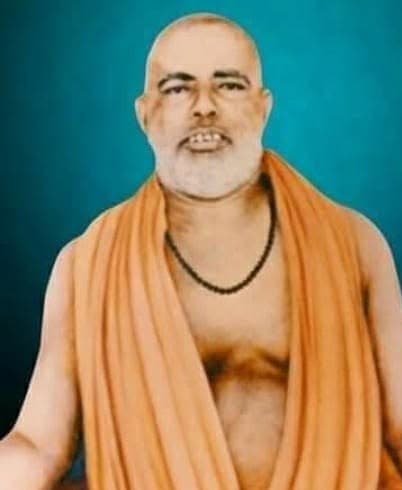
Sri Udiya Baba · Modern
Hindiभावार्थ— हे महाबाहो! अनेकों मुख और नेत्रों वाले, बहुत-सी भुजा, जंघा, और पैरों वाले, तथा अनेकों उदर और
बहुत-सी डाढ़ों के कारण भयानक दिखायी देने वाले आपके इस रूप को देखकर सब लोक और मैं भी भयभीत हो रहे हैं।
Swami Ramsukhdas · Modern
Hindi[पन्द्रहवेंसे अठारहवें श्लोकतक विश्वरूपमें 'देव'-रूपका, उन्नीसवेंसे बाईसवें श्लोकतक 'उग्र'-रूपका और तेईसवेंसे तीसवें श्लोकतक 'अत्यन्त उग्र'-रूपका वर्णन हुआ है।]
**'बहुवक्त्रनेत्रम्'**—आपके मुख एक-दूसरेसे नहीं मिलते। कई मुख सौम्य हैं और कई विकराल हैं। कई मुख छोटे हैं और कई बड़े हैं। ऐसे ही आपके जो नेत्र हैं, वे भी सभी एक समान नहीं दीख रहे हैं। कई नेत्र सौम्य हैं और कई विकराल हैं। कई नेत्र छोटे हैं, कई बड़े हैं, कई लम्बे हैं, कई चौड़े हैं, कई गोल हैं, कई टेढ़े हैं, आदि-आदि।
**'बहुबाहूरुपादम्'**—हाथोंकी बनावट, वर्ण, आकृति और उनके कार्य विलक्षण-विलक्षण हैं। जंघाएँ विचित्र-विचित्र हैं और चरण भी तरह-तरहके हैं।
**'बहुदरम्'**—पेट भी एक समान नहीं है। कोई बड़ा, कोई छोटा, कोई भयंकर आदि कई तरहके पेट हैं।
**'बहुदंष्ट्राकरालं दृष्ट्वा लोकाः प्रव्यथितास्तथाहम्'**—मुखोंमें बहुत प्रकारकी विकराल दाढ़ें हैं। ऐसे महान् भयंकर, विकराल रूपको देखकर सब प्राणी व्याकुल हो रहे हैं और मैं भी व्याकुल हो रहा हूँ।
इस श्लोकसे पहले कहे हुए श्लोकोंमें भी अनेक मुखों, नेत्रों आदिकी और सब लोगोंके भयभीत होनेकी बात आयी है। अतः अर्जुन एक ही बात बार-बार क्यों कह रहे हैं? इसका कारण है कि—(१) विराटरूपमें अर्जुनकी दृष्टिके सामने जो-जो रूप आता है, उस-उसमें उनको नयी-नयी विलक्षणता और दिव्यता दीख रही है।
(२) विराटरूपको देखकर अर्जुन इतने घबरा गये, चकित हो गये, चकरा गये, व्यथित हो गये कि उनको यह खयाल ही नहीं रहा कि मैंने क्या कहा है और मैं क्या कह रहा हूँ।
(३) पहले तो अर्जुनने तीनों लोकोंके व्यथित होनेकी बात कही थी, पर यहाँ सब प्राणियोंके साथ-साथ स्वयंके भी व्यथित होनेकी बात कहते हैं।
(४) एक बातको बार-बार कहना अर्जुनके भयभीत और आश्चर्यचकित होनेका चिह्न है। संसारमें देखा भी जाता है कि जिसको भय, हर्ष, शोक, आश्चर्य आदि होते हैं, उसके मुखसे स्वाभाविक ही किसी शब्द या वाक्यका बार-बार उच्चारण हो जाता है; जैसे—कोई साँपको देखकर भयभीत होता है तो वह बार-बार 'साँप! साँप! साँप!' ऐसा कहता है। कोई सज्जन पुरुष आता है तो हर्षमें भरकर कहते हैं—'आइये! आइये! आइये!' कोई प्रिय व्यक्ति मर जाता है तो शोकाकुल होकर कहते हैं—'मैं मारा गया! मारा गया! घरमें अँधेरा हो गया, अँधेरा हो गया!' अचानक कोई आफत आ जाती है तो मुखसे निकलता है—'मैं मरा! मरा! मरा!' ऐसे ही यहाँ विश्वरूप-दर्शनमें अर्जुनके द्वारा भय और हर्षके कारण कुछ शब्दों और वाक्योंका बार-बार उच्चारण हुआ है। अर्जुनने भय और हर्षको स्वीकार भी किया है—'**अदृष्टपूर्वं हर्षितोऽस्मि दृष्ट्वा भयेन च प्रव्यथितं मनो मे**' (११।४५)। तात्पर्य है कि भय, हर्ष, शोक आदिमें एक बातको बार-बार कहना पुनरुक्ति-दोष नहीं माना जाता।
**परिशिष्ट भाव**—दीखनेवाले और देखनेवाले, व्यथित करनेवाले और व्यथित होनेवाले सब प्राणी और स्वयं अर्जुन भी भगवान्के विराटरूपके अन्तर्गत ही हैं।
The words bahu daṃṣṭrā-karālaṃ mean innumerable terrible teeth which was terrifying in appearance.
The word lokāḥ or worlds refers to the three types of beings inhabiting these worlds. Those who are benevolent, those who are inimical and those who are neutral. Almost all of them just like Arjuna were trembling in fright at the ferocity of Lord Krishna's Viśvarūpa or divine universal form.