

Bhagavad Gītā · Chapter 11 · Viśvarūpa Darśana Yoga
भवाप्ययौ हि भूतानां श्रुतौ विस्तरशो मया
त्वत्तः कमलपत्राक्ष माहात्म्यमपि चाव्ययम्
bhavāpyayau hi bhūtānāṃ śrutau vistaraśo mayā|
tvattaḥ kamalapatrākṣa māhātmyamapi cāvyayam||
Word meanings
हि = for
कमलपत्राक्ष = O lotus-eyed one
भूतानाम् = of all beings
भवाप्ययौ = arising
विनाश = and passing away
मया = by me
विस्तरशः = in detail
त्वतः = from you
श्रुतौ = have been heard
अव्ययम् = imperishable
माहात्म्यम् = glory
अपि = also
Translation
For, Krsna, I have heard from You in detail an account of the evolution and dissolution of beings, and also Your immortal glory.
Commentary
The commentators seated around this verse
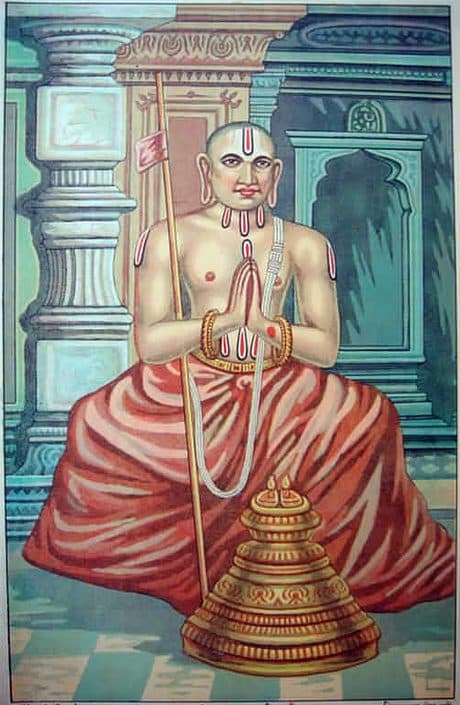
Rāmānuja · Viśiṣṭādvaita
English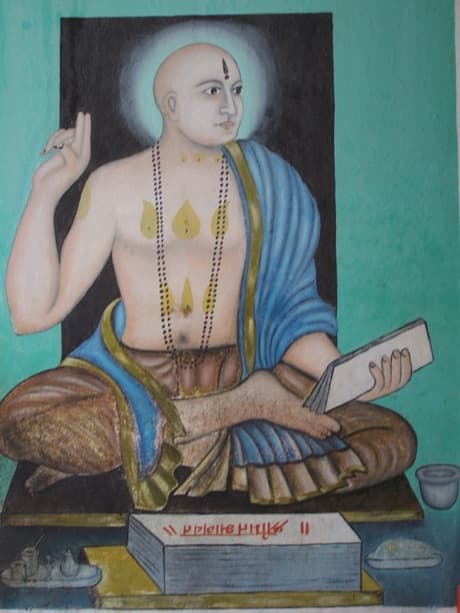
Madhvācārya · Dvaita
SanskritEnglishOn verses 11.1–11.4
“प्रभुः समर्थः - नास्ति तस्मात् परं भूतं पुरुषाद्वै सन्तनात् इति मोक्षधर्मे । प्रभुरीशः समर्थश्च इत्यभिधानात् ॥” - प्रभुः means one who is powerful and capable. “There is no one who is more powerful than the perennial Supreme Person”, thus in Moksha Dharma. Therefore प्रभुः is the Lord, the powerful, thus has been clarified.

Jñāneśvar · Vārkarī
English2 "The becoming and passing-away of beings have been heard in detail by me from Thee, whose eyes are like lotus-petals, as also (Thine) imperishable greatness (69)
Oh Thou Supreme Lord, with eyes like lotus-petals and splendour of millions of Suns, I heard from Thee, at length, of the very Prakriti by which all created beings come into being and pass away. The entire domain of illusory Prakriti has been searched to reveal the innermost sanctuary of the Supreme Spirit (पुरुष), whose glory the very Vedas hold up as a garment to cover up the poverty of their unclad person. And this great treasure of the sacred word springs and flourishes, and gives birth to precious religious truths, because it is suppliant at thy feet. Thou hast so far shown to me the unfathomable glory that is the one Supreme quest of all spiritual paths and to be realized in (self) intuition. The eye meets the Sun as the clouds clear away: or the water is exposed to view as the moss is swept off; the sandal comes into one's grasp after serpent's coil is untwined, as a treasure hidden underground falls into one's hands after the spirit guarding it is charmed away; even so, Oh Lord, thou hast blotted out of existence the illusion of Prakriti that had blocked my vision: thus hast Thou made my soul rest in the absolute bliss of Brahman. This has made assurance of thy power doubly sure, but it has kindled one more yearning in my soul. Shall I, out of shyness, shrink from asking thee? Where else then am I to seek what I want? Except thee, I know not of another refuge to fall back upon. Were a fish to feel shy towards water, or were a child to shrink from sucking (the mother's) breasts, what else would be there, Oh Shrihari, in the world to support its life? Therefore, unfalteringly I must speak out the innermost longing of my soul.' 'Enough of this talk,' said the Lord; 'speak out your wishes.'
Swami Ramsukhdas · Modern
English'Bhavāpyayau hi bhūtānām śrutau viṣṭaraśo mayā'—The Lord declared, "I am the origin (source) of the entire creation, and in Me again, it dissolves. There is no other source, besides Me" (Gītā 7/6-7); "Whatever beings, there are, born of sattva, of rajas or of tamas, know them all, as evolved from Me alone" (7/12); "Diverse feelings, of creatures emanate, from Me alone" (10/4-5);
'I am the source of all creation; everything in the world, moves because of Me' (10/8); 'I am the beginning, the middle and also the end, of all beings' (10/20); and 'I am the beginning and the end and also the middle of all creation' (10/32). So, Arjuna says that he has heard in detail, an account of the origin and dissolution of beings. He means that all the beings evolve from Him, live in Him and merge in Him i.e., He is all in all.
'Māhātmyamapi cāvyayam'—Arjuna wants to say, that he also heard of His immortal glory, as explained by Him, in the seventh verse of the tenth chapter, that he who knows in reality, His divine power and glory, is endowed with unfaltering Yoga of devotion.
The Lord's glory, has been called immortal, because after knowing His divine glory and power in reality, one is endowed with devotion, which is immortal, because the Lord Himself is immortal, so devotion for Him, should also be immortal.
Appendix—In this verse Arjuna from his point of view tells the reason how his delusion was dispelled. 'Māhātmyamapi cāvyayam'—Here by the term 'api' it is interpreted that Arjuna heard the Lord's perishable glory and also heard His imperishable glory. 'Bhavāpyayau hi bhūtānām'—this is God's perishable viz., changeable glory. A man may be connected with God in any way—this will lead him to salvation—this is God's imperishable viz., immutable glory. It means that the real as well as the unreal, all is only God—'sadasaccāham' (Gītā 9/19).
*Link:—In the next two verses, Arjuna requests Lord Kṛṣṇa, to vouchsafe a vision of His Cosmic Form.*
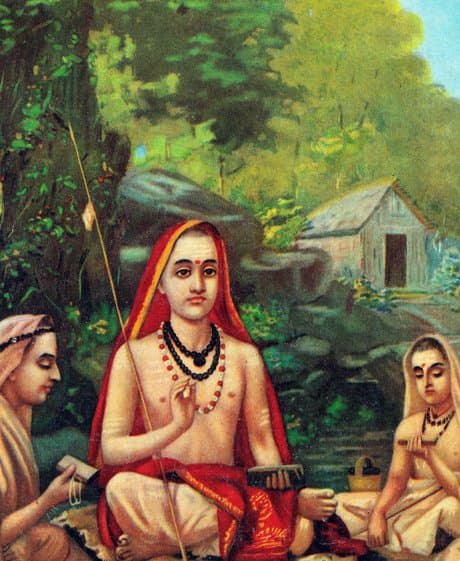
Ādi Śaṅkarācārya · Advaita
Sanskritभवः उत्पत्तिः अप्ययः प्रलयः तौ भवाप्ययौ हि भूतानां श्रुतौ विस्तरशः मया, न सङ्क्षेपतः, त्वत्तः त्वत्सकाशात्, कमलपत्राक्ष कमलस्य पत्रं कमलपत्रं तद्वत् अक्षिणी यस्य तव स त्वं कमलपत्राक्षः हे कमलपत्राक्ष, महात्मनः भावः माहात्म्यमपि च अव्ययं अक्षयम् ``श्रुतम्'' इति अनुवर्तते ॥
Ādi Śaṅkarācārya · Advaita
Hindiमैंने आपसे प्राणियोंके भव—उत्पत्ति और अप्यय— प्रलय, ये दोनों संक्षेपसे नहीं, विस्तारपूर्वक सुने हैं; और हे कमलपत्राक्ष अर्थात् कमलपत्रके सदृश नेत्रोंवाले कृष्ण! आपका अविनाशी—अक्षय माहात्म्य भी मैं सुन चुका हूँ। 'श्रुतम्' यह क्रिया—पद पूर्ववाक्यसे लिया गया है
Jñāneśvar · Vārkarī
Marathiपैं कमलायतडोळसा । सूर्यकोटितेजसा । मियां तुजपासोनि महेशा । परिसिलें आजीं ॥ ६९ ॥ इयें भूतें जयापरी होती । अथवा लया हन जैसेनि जाती । ते मजपुढां प्रकृती । विवंचिली देवें ॥ ७० ॥ आणि प्रकृती कीर उगाणा दिधला । वरि पुरुषाचाही ठावो दाविला । जयाचा महिमा पांघरोनि जाहला । धडौता वेदु ॥ ७१ ॥ जी शब्दराशी वाढे जिये । कां धर्मा{ऐ}शिया रत्नांतें विये । ते एथिंचे प्रभेचे पाये । वोळगे म्हणौनि ॥ ७२ ॥ ऐसें अगाध माहात्म्य । जें सकळमार्गैकगम्य । जें स्वात्मानुभवरम्य । तें इयापरी दाविलें ॥ ७३ ॥ जैसा केरु फिटलिया आभाळीं । दिठी रिगे सूर्यमंडळीं । कां हातें सारूनि बाबुळीं । जळ देखिजे ॥ ७४ ॥ नातरी उकलतया सापाचे वेढे । जैसें चंदना खेंव देणें घडे । अथवा विवसी पळे मग चढे । निधान हातां ॥ ७५ ॥ तैसी प्रकृती हे आड होती । ते देवेंचि सारोनि परौती । मग परतत्त्व माझिये मती । शेजार केलें ॥ ७६ ॥ म्हणौनि इयेविषयींचा मज देवा । भरंवसा कीर जाहला जीवा । परी आणीक एक हेवा । उपनला असे ॥ ७७ ॥ तो भिडां जरी म्हणों राहों । तरी आना कवणा पुसों जावों । काय तुजवांचोनि ठावो । जाणत आहों आम्ही ? ॥ ७८ ॥ जळचरु जळाचा आभारु धरी । बाळक स्तनपानीं उपरोधु करी । तरी तया जिणया श्रीहरी । आन उपायो असे ? ॥ ७९ ॥ म्हणौनि भीड सांकडी न धरवे । जीवा आवडे तेंही तुजपुढां बोलावें । तंव राहें म्हणितलें देवें । चाड सांगैं ॥ ८० ॥
Jñāneśvar · Vārkarī
Hindi(11.69) हे कमलपत्र के समान विस्तीर्ण नेत्रोंवाले, हे कोटि सूर्य के समान प्रकाश करनेहारे महेश! मैंने आज आपका निरूपण सुनो।
(11.70) आपने कहा कि जिससे ये प्राणी उत्पन्न होते हैं अथवा जिससे वे लय को प्राप्त होते हैं वह प्रकृति है।
(11.71) उस प्रकृति का आपने सम्पूर्ण वर्णन किया तथा उस पुरुष के रूप का भी निर्देश किया जिसकी महिमारूपी आच्छादन के कारण वेद वस्त्र-युक्त कहाता है।
(11.72) अजी, शब्दसमूह वृद्धिगत होता है और जीवन रखता है, तथा धर्म जैसे रत्न उत्पन्न करता है; उसका कारण यही है कि वह आपके तेजोमय चरणों का आश्रय करता है।
(11.73) ऐसी जो आपकी अगाध महिमा है, सब मार्गों से जो एक ही गन्तव्य वस्तु है, जा आत्मानुभव-द्वारा रममाण होने योग्य है, वह आपने मुझे इस प्रकार दिखा दी (11.74) कि जैसे आकाश के अभ्र साफ होते हो सूर्यमण्डल दिखाई देने लगता है; अथवा जैसे हाथ से सेवार हटाते ही जल दिखाई देता है;
(11.75) अथवा जैसे साँप की लपेटें हटाने पर चन्दन की भेंट होती है; अथवा जैसे राक्षसी के भागते ही द्रव्य हाथ लगता है
(11.76) वैसे ही जो यह प्रकृति का परदा पड़ा हुआ था उसे आपने दूर हटा कर मेरी बुद्धि का परब्रह्मरूपी शय्या पर लिटा दिया।
(11.77) हे देव, इन बातों का तो मेरे हृदय में यथार्थ निश्चय हो चुका, परन्तु एक और इच्छा उत्पन्न हुई है।
(11.78) यदि संकोच कर वह आपसे न पूछूँ तो और किससे पूछने जाऊँ? मैं क्या आपके अतिरिक्त और कोई स्थल जानता हूँ?
(11.79) जलचर यदि जल का बोझ समझे, बालक स्तन पीने में उपरोध रखे तो हे श्रीहरि! उनके जीवन के लिए क्या कोई दूसरा उपाय है?
(11.80) अतएव मुझसे संकोच नहीं किया जाता, – जो जी में आवे से आपके सामने कह देने की इच्छा होती है। तब श्रीकृष्ण ने कहा — ठहरो, क्या इच्छा है कहो।
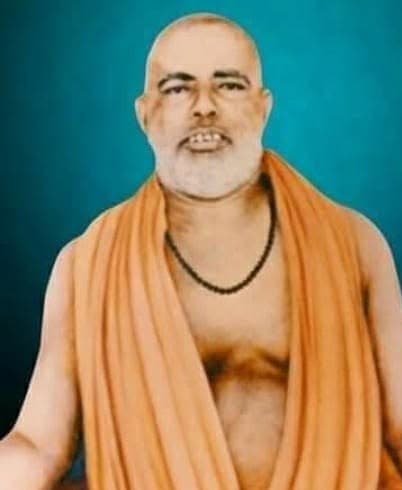
Sri Udiya Baba · Modern
Hindiभावार्थ— हे कमलदल-लोचन! मैंने आपसे विस्तारपूर्वक प्राणियों के उत्पत्ति और प्रलय सुने तथा आपकी अविनाशिनी महिमा भी श्रवण की।
व्याख्या— अर्जुन शास्त्रज्ञ है। उसने श्रुति और स्मृति द्वारा यह सुना हुआ था कि जगत् की उत्पत्ति स्थिति और प्रलय भगवान् से ही होती है। यही बात अब स्वयं भगवान् के मुख से भी सुनली। यहाँ उत्पत्ति और प्रलय से स्थिति भी उपलक्षित है, अतः वह जोड़ लेनी चाहिये। फिर श्रुति-स्मृति से भगवान् की यह महिमा भी सुनी हुई थी कि वे एक से अनेक हो जाते हैं। यही बात अब स्वयं श्री मुख से भी सुन ली कि बिना निमित्त और उपादान हुए ही वे सृष्टि की रचना कर देते हैं। इस श्लोक में जो 'अपि' शब्द है उससे यह चमत्कार भी सूचित होता है कि भगवान् सब कुछ करते हुए भी उससे लिप्त नहीं होते।
Swami Ramsukhdas · Modern
Hindiभवाप्ययौ हि भूतानां त्वतः श्रुतौ विस्तरशो मया’—भगवान्ने पहले कहा था—मैं सम्पूर्ण जगत्का प्रभव और प्रलय हूँ, मेरे सिवाय अन्य कोई कारण नहीं है (सातवें अध्यायका छठा-सातवाँ श्लोक); सात्त्विक, राजस और तामस भाव मेरेसे ही होते हैं (सातवें अध्यायका बारहवाँ श्लोक); प्राणियोंके अलग-अलग अनेक तरहके
भाव मेरेसे ही होते हैं (दसवें अध्यायका चौथा-पाँचवाँ श्लोक); सम्पूर्ण प्राणी मेरेसे ही होते हैं और मेरेसे ही सब चेष्टा करते हैं (दसवें अध्यायका आठवाँ श्लोक); प्राणियोंके आदि, मध्य तथा अन्तमें मैं ही हूँ (दसवें अध्यायका बीसवाँ श्लोक) और सम्पूर्ण सृष्टियोंके आदि, मध्य तथा अन्तमें मैं ही हूँ (दसवें अध्यायका
१-भगवान्ने अभीतक भक्तिकी जितनी बातें कही हैं, वे सब-की-सब परम गोपनीय अध्यात्म उपदेश हैं।
२-मोहके रहते हुए मोहका ज्ञान नहीं होता, प्रत्युत मोहके चले जानेपर ही मोहका ज्ञान होता है और ज्ञान होनेपर मोह रहता ही नहीं।
बत्तीसवाँ श्लोक)। इसीको लेकर अर्जुन यहाँ कहते हैं कि मैंने आपसे प्राणियोंकी उत्पत्ति और प्रलयका वर्णन विस्तारसे सुना है। इसका तात्पर्य प्राणियोंकी उत्पत्ति और विनाश सुननेसे नहीं है, प्रत्युत इसका तात्पर्य यह सुननेसे है कि सभी प्राणी आपसे ही उत्पन्न होते हैं, आपमें ही रहते हैं और आपमें ही लीन हो जाते हैं अर्थात् सब कुछ आप ही हैं।
‘माहात्म्यमपि चाव्ययम्’—आपने दसवें अध्यायके सातवें श्लोकमें बताया कि मेरी विभूति और योगको जो
तत्त्वसे जानता है, वह अविकम्प भक्तियोगसे युक्त हो जाता है। इस प्रकार आपकी विभूति और योगको तत्त्वसे जाननेका माहात्म्य भी मैंने सुना है।
माहात्म्यको ‘अव्यय’ कहनेका तात्पर्य है कि भगवान्की विभूति और योगको तत्त्वसे जाननेपर भगवान्में जो भक्ति होती है, प्रेम होता है, भगवान्से अभिन्नता होती है, वह सब अव्यय है। कारण कि भगवान् अव्यय, नित्य हैं तो उनकी भक्ति, प्रेम भी अव्यय ही होगा।
परिशिष्ट भाव—इस श्लोकमें अर्जुन अपनी दृष्टिसे मोह नष्ट होनेका कारण बताते हैं।
‘माहात्म्यमपि चाव्ययम्’—यहाँ ‘अपि’ पदसे ऐसा अर्थ निकलता है कि अर्जुनने भगवान्का विनाशी माहात्म्य भी सुना है और अविनाशी माहात्म्य भी सुना है। ‘भवाप्ययौ हि भूतानाम्’—यह भगवान्का विनाशी अर्थात् परिवर्तनशील माहात्म्य है। मनुष्य भगवान्के साथ किसी भी प्रकारसे सम्बन्ध जोड़ ले तो वह कल्याण ही करेगा—यह भगवान्का अविनाशी अर्थात् अपरिवर्तनशील माहात्म्य है। तात्पर्य है कि सत्-असत् सब कुछ भगवान् ही हैं—‘सदसच्चाहम्’ (गीता ९। १९)।
सम्बन्ध—अब आगेके दो श्लोकोंमें अर्जुन विराट् रूपके दर्शनके लिये भगवान्से प्रार्थना करते हैं।
Likewise from the seventh chapter till the end of chapter ten, Lord Krishna has revealed the reality of the emanating of all beings from Him as well as the influx of all beings back into Himself.
The word avyayam means imperishable and mahātmyam means the majesty and greatness of being neutral to all things sentient and insentient although being their source,
due to complete omniscience, omnipotence and omnipresence along with unlimited vibhūti or divine transcendental opulence as the controller of every breath, every thought and every action being the foundation of everything.
The word hi meaning certainly is an adverb indicative of the forthcoming vision of Lord Krishna's universal form.