

Bhagavad Gītā · Chapter 11 · Viśvarūpa Darśana Yoga
अदृष्टपूर्वं हृषितोऽस्मि दृष्ट्वा
भयेन च प्रव्यथितं मनो मे
तदेव मे दर्शय देव रूपं
प्रसीद देवेश जगन्निवास
adṛṣṭapūrvaṃ hṛṣito'smi dṛṣṭvā
bhayena ca pravyathitaṃ mano me|
tadeva me darśaya deva rūpaṃ
prasīda deveśa jagannivāsa||
Word meanings
अदृष्टपूर्वम् = never seen before
दृष्ट्वा = having seen
हृषितः = elated
अस्मि = I am
च = and
भयेन = by fear
मे = my
मनः = mind
प्रव्यथितम् = distressed
मे = my
तत्, एव = that very
देवरूपम् = the gentle divine form
दर्शय = show me
देवेश = O lord of gods
जगन्निवास = O abode of the universe
प्रसीद = be gracious
Translation
Having Seen Your wondrous form, which was never seen before, I feel transported with joy; at the same time my mind is tormented by fear. Pray reveal to me that divine form; the form of Visnu with four arms; O Lord of celestials Abode of the universe, be gracious.
Commentary
The commentators seated around this verse
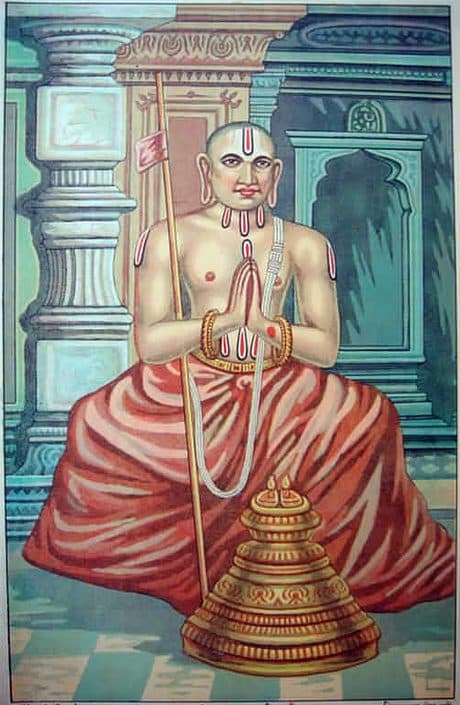
Rāmānuja · Viśiṣṭādvaita
English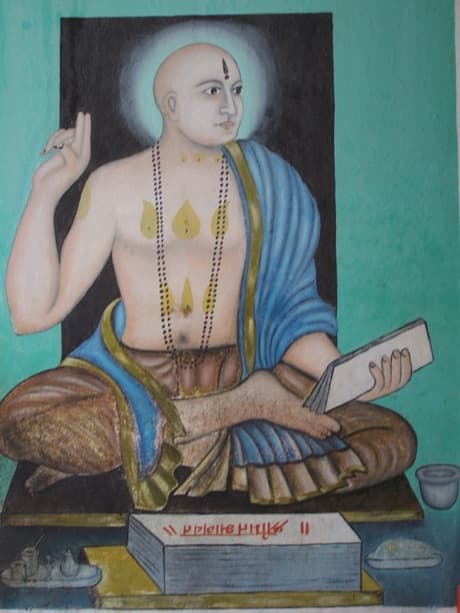
Madhvācārya · Dvaita
SanskritEnglishOn verses 11.43–11.46
“तेनैव रूपेण भवति अनन्तरूपगोपनेन तदेव प्रकाशयेत्यर्थः | पञ्चाननं चिन्त्यमचिन्त्यरूपं पद्मासनं गोपितविश्वरूपम् || इति हि वैहायसंहितायाम् |” - You show your own form; the purport being to show the original form by concealing the universal form. Concealing the inconceivable form sitting on the lotus, the human form should be meditated upon, thus, in Vaihaya Samhita.
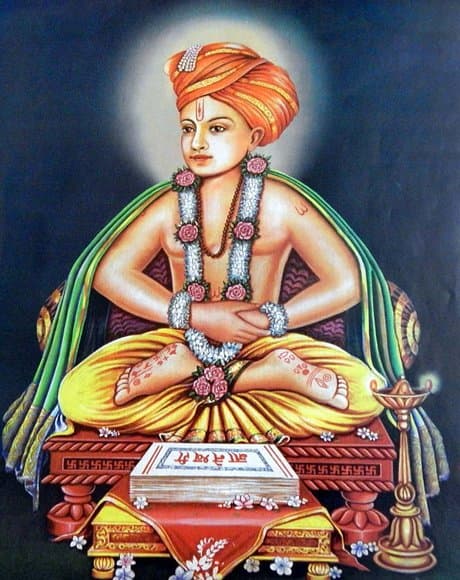
Jñāneśvar · Vārkarī
English45 “Having beholden what has never been beheld before, I am exhilarated, and anon is my mind distraught with fear. The very same form, O God, do Thou, graciously, show unto me, Thou God Supreme that dwellest within the Universe.” (579) With Thee, the Lord of the Universe, did I triflingly toy like a child, and with my fond entreaties for a vision of Thine Omnipresence did I ply Thee hard: with Thine unbounded love of a true parent, Thou did fulfil my prayer, as if I besought Thee for wish-fulfilling trees to be planted in my garden; or as if I asked for a calf of the wish-fulfilling Cow as a play-mate, or I yearned for the very stars in heaven to play dice with; again I wished the very moon to come down as a play ball. Thou, Oh my Divine mother, has brought all these desires to fruition. How hard-earned is a single drop of ambrosia? Yet Thy grace has, as it were, filled the whole earth to overflowing with a season's flood of ambrosia, to water seed-beds of desire-fulfilling jewels. In this way, Oh my Divine Master, by Thy lavish, fond, over-indulgence, Thou hast made me reach the consummate goal of my vocation, and my eyes have feasted on a vision of Thine Omnipresence, of which neither God Shankara nor the God Brahmā has so much as heard; how vain for them to have a glimpse of that innermost secret of the Spirit which has baffled the Upanishads! Thou has unwrapped the great secret for me! Right from the beginning of creation to the present, countless have been the incarnations through which I have journeyed; I have rummaged them one and all, and not even one incarnation witnesses to the tale of Thy Omnipresence being ever seen or heard of. Even the outskirts of that Omnipresence lie beyond the ken of reason: and not a breath of its whisper is heard by the heart. Wherefore then indulge in vain talk of mortal eyes gazing on it? Verily none has ever set his eyes on it; none has ever heard of it. Such wondrous Omnipresent vision thou hast unveiled before mine eyes, and my mind is made blissful. But now I yearn to commune with Thee, to consort with Thee, to embrace Thee. With Omnipresent Person, not one of these ineffable joys can suffuse my soul, for to which of these countless mouths shall I talk and which of these bodies shall I hold in embrace? Thou art indeed the limitless Being. How indeed can any one race with the wind; and how can one hold the sky in embrace? And how can one make sport of swimming across the sea? Therefore, Oh Lord, this all-filling Presence strikes me with awe. Therefore may Thine overflowing love grant my prayer and make an end of this Omnipresent vision. A pilgrim who treads down the earth from end to end for the joy of it, reaps the harvest of pleasure on reaching home; even so do we reach our haven of rest in thy four-armed Image. In the ecstatic vision of that image Divine, is the fruition of the travail of all Yoga; and in the image lies the consummation of the sacred lore that illu- mines eternal truth. In this Divine Image are borne the fruits of all Sacrificial acts; in that image is the reward that crowns all pilgrimage to holy places and all acts of charity and merit.
My soul yearns to have a sight of that Image Incarnate, and her impatience shall not brook delay, so I pray help me out of this distress of soul to set mine eyes on Thine Image. Oh Thou God of Gods, the indwelling Soul of souls, the Supreme Being by which the whole universe comes to be,—let Thy Divine Grace bless thy worshipper with a vision of that Divine Incarnate Image.
Swami Ramsukhdas · Modern
English[When Arjuna prayed to the Lord, to reveal His cosmic form to him He revealed it to him. So having faith in His grace, he prays to him to reveal to him, His divine form.]
'Adrṣṭapūrvaṁ hṛṣito'smi drṣṭvā bhayena ca pravyathitaṁ mano me'—When Arjuna, had a vision of the Lord's cosmic form, his joy knew no bounds, and he considered himself very fortunate, because the Lord by His infinite compassion, had revealed to him that form. But, when he beheld the fearful phase, of that cosmic form, he trembled with fear.
'Tadeva me darśaya deva rūpaṁ prasīda deveśa jagannivāsa'—The term 'Tat' (that), denotes that Arjuna in the past, had a vision of that divine form, which is now out of sight. When Arjuna, saw the Lord's cosmic form, he saw Brahmā seated
on the lotus-seat (11/15). It indicated that he also beheld Lord Viṣṇu, from whose navel, the divine lotus sprang. Then Arjuna, in the seventeenth verse, said, 'I see you with a diadem, club, discus ('Ca' denotes conch and lotus)'. It shows, that Arjuna had a vision of the divine form* (four-armed Lord) also, within that cosmic form.
The term 'Deva rūpam', refers to the four-armed divine form, which he saw within the Lord's cosmic form. Secondly, in the fifteenth verse, Arjuna addressed the Lord as 'Deva' (God) (Divinity), which means that Arjuna prayed to Him, to reveal to him neither the cosmic form nor the human form, but the four-armed form.
'Prasīda devesa jagannivāsa'—Here the term 'Jagannivāsa', denotes the cosmic form, while 'Deveśa', refers to His four-armed form. Arjuna by using the term 'Jagannivāsa', means to say that His cosmic form, which is the abode of the universes, has already been seen by him, and he is still beholding it. But he prays to Him, to reveal to him His divine form (Deveśa) viz., the Lord of the gods).
An Important Fact
The cosmic form of the Lord, is divine, imperishable and eternal. In this form, there are infinite universes; and Brahmā, Viṣṇu and Śiva, who create, preserve and destroy these universes, which are also infinite. Infinite universes, emanate from this form and again merge into it, yet, it remains, the same without any modification. It is so unusual that the effulgence of a thousand suns blazing forth all at once, cannot be compared with, its splendour (11/12). This form, can be seen only with divine eyes. With an eye of knowledge, one perceives existence of the Lord,
* The Lord in the forty-ninth verse by the term 'Punah' (again) and 'Tadeva' (even that) and Sañjaya in the fiftieth verse by the term 'Bhūyah' (again) mention the same divine four-armed form (seen in the cosmic form).
Who is the origin of the universe; with an emotional eye, one sees the universe, as manifestation of the Lord, but one cannot have a vision of the cosmic form, of the Lord with human eyes. As far as human eyes, are concerned, with these one can perceive, the universe neither, as originated from the Lord, nor as His manifestation, nor His cosmic form, because eyes being evolutes of matter cannot perceive, objects, beyond it.
Various forms of the Lord, whether they are two-armed, four-armed or a million-armed, are divine and imperishable and the same, is the case, whether He is formless, attributeless or with form and attributes etc.
In His sport of love, the Lord possesses only two-arms, but when He wants to reveal his glory, He reveals his cosmic form to a devotee, as He revealed to Arjuna, in a limb of his human body.
The Lord, possesses infinite divine virtues, such as glory, beauty, generosity and grace etc., and He reveals Himself with those virtues, to His devotees in His cosmic form. The Lord, bestows divine eyes upon His devotees, and enables them to behold different aspects, of His form, according to their tastes and eligibility. In the eleventh chapter, also the Lord revealed, first His gentle divine form (11/15—18), then, the fearful form (11/19—22) and then the most terrible form (11/23—30). When Arjuna, was terrified by having a vision of His most fearful form, the Lord, ceased revealing other aspects of His cosmic form. It means, that the Lord revealed to Arjuna, aspects of His cosmic form, according to his need and eligibility.
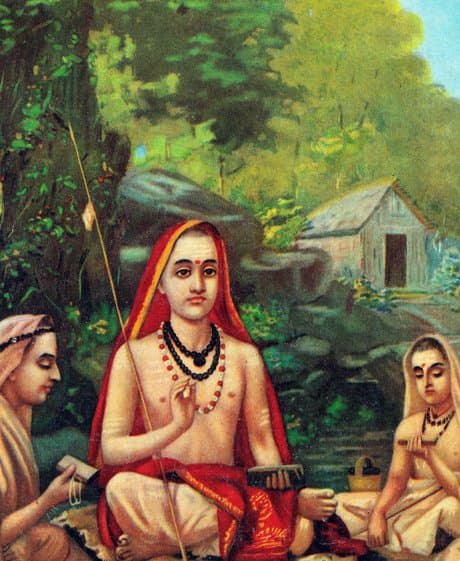
Ādi Śaṅkarācārya · Advaita
Sanskritअदृष्टपूर्वं न कदाचिदपि दृष्टपूर्वं इदं विश्वरूपं तव मया अन्यैर्वा, तत् अहं दृष्ट्वा हृषितः अस्मि । भयेन च प्रव्यथितं मनः मे । अतः तदेव मे मम दर्शय हे देव रूपं यत् मत्सखम् । प्रसीद देवेश, जगन्निवास जगतो निवासो जगन्निवासः, हे जगन्निवास ॥
Ādi Śaṅkarācārya · Advaita
Hindiआपके जिस विश्वरूपको मैंने या अन्य किसीने पहले कभी नहीं देखा, ऐसे पहले न देखे हुए इस रूपको देखकर मैं हर्षित हो रहा हूँ। तथा साथ ही मेरा मन भयसे व्याकुल भी हो रहा है।
इसलिये हे देव! मुझे अपना वही रूप दिखलाइये जो मेरा मित्ररूप है। हे देवेश! हे जगन्निवास! आप प्रसन्न होइये। जगत्के निवासस्थानका नाम जगन्निवास है
Jñāneśvar · Vārkarī
Marathiतरी देवेंसीं सलगी केली । जे विश्वरूपाची आळी घेतली । ते मायबापें पुरविली । स्नेहाळाचेनि ॥ ५७९ ॥ सुरतरूंची झाडें । आंगणीं लावावीं कोडें । देयावें कामधेनुचें पाडें । खेळावया ॥ ५८० ॥ मियां नक्षत्रीं डाव पाडावा । चंद्र चेंडुवालागीं आणावा । हा छंदु सिद्धी नेला आघवा । माउलिये तुवां ॥ ५८१ ॥ जिया अमृतलेशालागीं सायास । तयाचा पाऊस केला चारी मास । पृथ्वी वाहून चासेचास । चिंतामणी पेरिले ॥ ५८२ ॥ ऐसा कृतकृत्य केला स्वामी । बहुवे लळा पाळिला तुम्हीं । दाविलें जें हरब्रह्मीं । नायकिजे कानीं ॥ ५८३ ॥ मा देखावयाची केउती गोठी । जयाची उपनिषदां नाहीं भेटी । ते जिव्हारींची गांठी । मजलागीं सोडिली ॥ ५८४ ॥ जी कल्पादीलागोनि । आजिची घडी धरुनी । माझीं जेतुलीं हौनी । गेलीं जन्में ॥ ५८५ ॥ तयां आघवियांचि आंतु । घरडोळी घेऊनि असें पाहतु । परि ही देखिली ऐकिली मातु । आतुडेचिना ॥ ५८६ ॥ बुद्धीचें जाणणें । कहीं न वचेचि याचेनि आंगणें । हे सादही अंतःकरणें । करवेचिना ॥ ५८७ ॥ तेथा डोळ्यां देखी होआवी । ही गोठीचि कायसया करावी । किंबहुना पूर्वीं । दृष्ट ना श्रुत ॥ ५८८ ॥ तें हें विश्वरूप आपुलें । तुम्हीं मज डोळां दाविलें । तरी माझें मन झालें । हृष्ट देवा ॥ ५८९ ॥ परि आतां ऐसी चाड जीवीं । जे तुजसीं गोठी करावी । जवळीक हे भोगावी । आलिंगावासी ॥ ५९० ॥ ते याचि रूपीं करूं म्हणिजे । तरि कोणे एके मुखेंसी चावळिजे । आणि कवणा खेंव देईजे । तुज लेख नाहीं ॥ ५९१ ॥ म्हणौनि वारियासवें धावणें । न ठके गगना खेंव देणें । जळकेली खेळणें । समुद्रीं केउतें ? ॥ ५९२ ॥ यालागीं जी देवा । एथिंचें भय उपजतसे जीवा । म्हणौनि येतुला लळा पाळावा । जे पुरे हें आतां ॥ ५९३ ॥ पैं चराचर विनोदें पाहिजे । मग तेणें सुखें घरीं राहिजे । तैसें चतुर्भुज रूप तुझें । तो विसांवा आम्हां ॥ ५९४ ॥ आम्हीं योगजात अभ्यासावें । तेणें याचि अनुभवा यावें । शास्त्रांतें आलोडावें । परि सिद्धांतु तो हाचि ॥ ५९५ ॥ आम्हीं यजनें किजती सकळें । परि तियें फळावीं येणेंचि फळें । तीर्थें होतु सकळें । याचिलागीं ॥ ५९६ ॥ आणीकही कांहीं जें जें । दान पुण्य आम्हीं कीजे । तया फळीं फळ तुझें । चतुर्भुज रूप ॥ ५९७ ॥ ऐसी तेथिंची जीवा आवडी । म्हणौनि तेंचि देखावया लवडसवडी । वर्तत असे ते सांकडी । फेडीजे वेगीं ॥ ५९८ ॥ अगा जीवींचें जाणतेया । सकळ विश्ववसवितेया । प्रसन्न होईं पूजितया । देवांचिया देवा ॥ ५९९ ॥
Jñāneśvar · Vārkarī
Hindi(11.579) दे देव! आपसे मैंने ढिठाई की और विश्वरूप देखने का जा हठ किया सो आप प्रेमी माता-पिता ने पूर्ण कर दिया।
(11.580) कल्पवृक्ष के झाड़ प्रेम से मेरे आँगन में लग जाय, कामधेनु का बछड़ा मुझे खेलने को दिया जाय,
(11.581) मुझे नक्षत्रों के पाँसे फेंकने के लिए मिलें, खेलने के लिए चन्द्रमा की गेंद मिले इत्यादि प्रकार का जो मेरा हठ था सो हे माता! आपने सब पूर्ण किया।
(11.582) जिस अमृत के बिन्दु के लिए कष्ट उठाने पड़ते हैं उसकी मानों आपने चारों महीने वर्षा कर दी और धरती जोत कर क्यारियों क्यारियों में मानों चिन्तामणि बो दिये। (11.583) इस प्रकार हे स्वामी! आपने मुझे कृतार्थ कर दिया और मेरी बालइच्छा बिलकुल पूर्ण कर दी। आपने मुझे वह स्वरूप दिखा दिया जो शंकर और ब्रह्मा आदि ने कान से भी न सुना था।
(11.584) फिर देखने की तो बात ही क्या है? उपनिषदों को जिसकी भेंट नहीं हुई वह हृदय की गाँठ आपने मेरे लिए खेल दी।
(11.585) अजी, कल्प के आरम्भ से लेकर आज की घड़ी तक मेरे जितने जन्म हो गये हैं
(11.586) उन सबका निरीक्षण कर देखता हूँ तो ऐसी बात कभी देखी या सुनी हुई नहीं मालूम होती।
(11.587) बुद्धि का ज्ञान कभी इस स्वरूप के आँगन में भी नहीं जा सकता, अन्तःकरण इसका शब्द भी नहीं सुन सकता,
(11.588) तो फिर नेत्रों का इसके प्रत्युक्त होने की बात ही कहाँ रही? बहुत क्या कहूँ, यह रूप पहले न किसी ने देखा था न सुना था।
(11.589) सो यह अपना विश्वरूप आपने मेरे नयनों का दिखाया, इससे हे देव! मेरा मन आनन्दित हुआ है। (11.590) परन्तु अब हृदय में ऐसी इच्छा उत्पन्न हुई है कि आपसे आलाप करूँ और आपसे आलिंगन करने के हेतु आपकी समीपता का उपभोग लूँ।
(11.591) सो इसी रूप में करना चाहूँ तो कौन से एक मुख से बोलूँ और किसे आलिंगन दूँ? आपकी तो गणना नहीं हो सकती।
(11.592) अतएव वायु के संग दौड़ना, गगन को लिपटाना, और समुद्र में जलक्रीड़ा करना नहीं बन सकता;
(11.593) एवं हे देव! इस स्वरूप से मेरे हृदय में भय उपजता है। इसलिए अब मेरा इतना हेतु पूर्ण कीजिए कि यह स्वरूप बस कीजिए।
(11.594) कोई कुतूहल से चराचर का अवलोकन करे और फिर आनन्द से घर आ रहे, वैसे ही आपका चतुर्भुज स्वरूप हमारी विश्रान्ति का स्थान है।
(11.595) हम योग आदि का अभ्यास करें परन्तु उससे हमें इसी चतुर्भुजरूप की प्रतीति प्राप्त हो, शास्त्रों की आलोचना करें तथापि उससे यही सिद्धान्त हाथ लगे।
(11.596) हम सम्पूर्ण यज्ञ करें तथापि उनका फल यही रूप मिले, सकल तीर्थों की यात्रा करें परन्तु इसी रूप के लिए, (11.597) और भी जो जो कुछ दान और पुण्य करें, उनसे आपके इस चतुर्भुज रूप का ही फल प्राप्त हो।
(11.598) मेरे हृदय में उस रूप का इतना प्रेम है। अतएव वही सत्वर देखने की इच्छा हो रही है, सो यह अति शीघ्र पूरी कीजिए।
(11.599) हे हृदय की जाननेहारे, सकल विश्व के बसानेहारे, हे पूज्य, हे देवों के देव। प्रसन्न हूजिए।
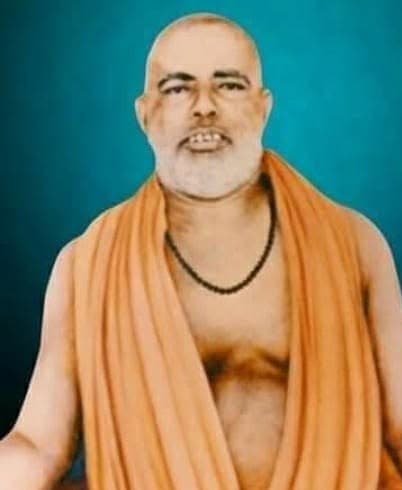
Sri Udiya Baba · Modern
Hindiभावार्थ— हे देव! पहले कभी न देखे हुए आपके इस रूप को देखकर मैं बड़ा हर्षित हूँ और साथ ही भय से मेरा मन घबरा रहा है। अतः हे देवेश्वर! हे जगन्निवास आप प्रसन्न होइये और मुझे अपना वही रूप दिखाइये।
व्याख्या— यहाँ अर्जुन ने हर्ष और भय दोनों व्यक्त किये हैं। भगवान् का वैभव देखकर तो उसे हर्ष हुआ किन्तु उस विकराल स्वरूप को देखकर भय भी हो रहा था। वैभव यही था कि भगवान् सब कुछ करते हुए भी अकर्ता हैं तथा सगुण साकार होते हुए भी निर्गुण निराकार हैं। इस प्रकार वे सभी विरुद्ध धर्मों के आश्रय और सर्वधर्मातीत हैं।
Swami Ramsukhdas · Modern
Hindi[जैसे विराटरूप दिखानेके लिये मैंने भगवान्से प्रार्थना की तो भगवान्ने मुझे विराटरूप दिखा दिया, ऐसे ही देवरूप दिखानेके लिये प्रार्थना करनेपर भगवान् देवरूप दिखायेंगे ही—ऐसी आशा होनेसे अर्जुन भगवान्से देवरूप दिखानेके लिये प्रार्थना करते हैं।]
‘अदृष्टपूर्वं हृषितोऽस्मि दृष्ट्वा भयेन च प्रव्यथितं मनो मे’—आपका ऐसा अलौकिक आश्चर्यमय विशाल-रूप मैंने पहले कभी नहीं देखा। आपका ऐसा भी रूप है—ऐसी मेरे मनमें सम्भावना भी नहीं थी। ऐसा रूप देखनेकी मेरेमें कोई योग्यता भी नहीं थी। यह तो केवल आपने अपनी तरफसे ही कृपा करके दिखाया है। इससे मैं अपने-आपको बड़ा सौभाग्यशाली मानकर हर्षित हो रहा हूँ, आपकी कृपाको देखकर गद्गद हो रहा हूँ। परन्तु साथ-ही-साथ आपके स्वरूपकी उग्रताको देखकर मेरा मन भयके कारण अत्यन्त व्यथित हो रहा है, व्याकुल हो रहा है, घबरा रहा है।
‘तदेव मे दर्शय देवरूपम्’—‘तत्’ (वह) शब्द परोक्षवाची है; अतः ‘तदेव’ (तत् एव) कहनेसे ऐसा मालूम देता है कि अर्जुनने देवरूप (विष्णुरूप) पहले कभी देखा है, जो अभी सामने नहीं है। विश्वरूप देखनेपर जहाँ अर्जुनकी पहले दृष्टि पड़ी, वहाँ उन्होंने कमलासनपर विराजमान ब्रह्माजीको देखा—‘पश्यामि देवांस्तव देव देहे’ ‘ब्रह्माणमीशं कमलासनस्थम्’ (११।१५)। इससे सिद्ध होता है कि वह कमल जिसकी नाभिसे निकला है, उस शेषशायी चतुर्भुज विष्णुरूपको भी अर्जुनने देखा है। फिर सत्रहवें श्लोकमें अर्जुनने कहा है कि मैं आपको किरीट, गदा, चक्र (और ‘च’ पदसे शंख और पद्य) धारण किये हुए देख रहा हूँ—‘किरीटिनं गदिनं चक्रिणं
च’—इन दोनों बातोंसे यही सिद्ध होता है कि अर्जुनने विश्वरूपके अन्तर्गत भगवान्के जिस विष्णुरूपको देखा था, उसीके लिये अर्जुन यहाँ ‘वही देवरूप मेरेको दिखाइये’ ऐसा कह रहे हैं।*
‘देवरूपम्’ कहनेका तात्पर्य है कि मैंने विराटरूपमें आपके विष्णुरूपको भी देखा था, पर अब आप मेरेको केवल विष्णुरूप ही दिखाइये। दूसरी बात, पंद्रहवें श्लोकमें भी अर्जुनने भगवान्के लिये ‘देव’ कहा है—‘पश्यामि देवांस्तव देव देहे’ और यहाँ भी देवरूप दिखानेके लिये कहते हैं इसका तात्पर्य है कि विराटरूप भी नहीं और मनुष्यरूप भी नहीं, केवल देवरूप दिखाइये। आगेके (छियालीसवें) श्लोकमें भी ‘तेनैव’ पदसे विराटरूप और मनुष्यरूपका निषेध करके भगवान्से चतुर्भुज विष्णुरूप बन जानेके लिये प्रार्थना करते हैं।
‘प्रसीद देवेश जगन्निवास’—यहाँ ‘जगन्निवास’ सम्बोधन विश्वरूपका और ‘देवेश’ सम्बोधन चतुर्भुजरूपका संकेत कर रहा है। अर्जुन ये दो सम्बोधन देकर मानो यह कह रहे हैं कि सम्पूर्ण संसारका निवास आपमें है—ऐसा विश्वरूप तो मैंने देख लिया है और देख ही रहा हूँ। अब आप ‘देवेश’—देवताओंके मालिक विष्णुरूपसे हो जाइये।
विशेष बात
भगवान्का विश्वरूप दिव्य है, अविनाशी है, अक्षय है। इस विश्वरूपमें अनन्त ब्रह्माण्ड हैं तथा उन ब्रह्माण्डोंकी उत्पत्ति, स्थिति और प्रलय करनेवाले ब्रह्मा, विष्णु और शिव भी अनन्त हैं। इस नित्य विश्वरूपसे अनन्त विश्व (ब्रह्माण्ड) उत्पन्न हो-होकर उसमें लीन होते रहते हैं, पर यह विश्वरूप अव्यय होनेसे ज्यों-का-त्यों ही रहता है। यह
* आगे उनचासवें श्लोकमें ‘पुनः’ तथा ‘तदेव’ पदसे भगवान्ने और पचासवें श्लोकमें ‘भूयः’ पदसे संजयने भी उसी (विश्वरूपके अन्तर्गत देखे गये) चतुर्भुजरूपको दिखानेकी बात कही है।
विश्वरूप इतना दिव्य, अलौकिक है कि हजारों भौतिक सूर्योका प्रकाश भी इसके प्रकाशका उपमेय नहीं हो सकता (इसी अध्यायका बारहवाँ श्लोक)। इसलिये इस विश्वरूपको 'दिव्यचक्षु' के बिना कोई भी देख नहीं सकता। 'ज्ञानचक्षु' के द्वारा संसारके मूलमें सत्तारूपसे जो परमात्मतत्त्व है, उसका बोध होता है और 'भावचक्षु' से संसार भगवत्स्वरूप दीखता है, पर इन दोनों ही चक्षुओंसे विश्वरूपका दर्शन नहीं होता। 'चर्मचक्षु' से न तो तत्त्वका बोध होता है, न संसार भगवत्स्वरूप दीखता है और न विश्वरूपका दर्शन ही होता है; क्योंकि चर्मचक्षु प्रकृतिका कार्य है। इसलिये चर्मचक्षुसे प्रकृतिके स्थूल कार्यको ही देखा जा सकता है।
वास्तवमें भगवान्के द्विभुज, चतुर्भुज, सहस्रभुज आदि जितने भी रूप हैं, वे सब-के-सब दिव्य और अव्यय हैं। इसी तरह भगवान्के सगुण-निराकार, निर्गुण-निराकार, सगुण-साकार आदि जितने रूप हैं, वे सब-के-सब भी दिव्य और अव्यय हैं।
माधुर्य-लीलामें तो भगवान् द्विभुजरूप ही रहते हैं; परन्तु जहाँ अपना कुछ ऐश्वर्य दिखलानेकी आवश्यकता होती है, वहाँ भगवान् पात्र, अधिकार, भाव आदिके भेदसे अपना विराटरूप भी दिखा देते हैं। जैसे, भगवान्ने
अर्जुनको मनुष्यरूपसे प्रकट हुए अपने द्विभुजरूप—शरीरके किसी अंशमें विराटरूप दिखाया है।
भगवान्में अनन्त-असीम ऐश्वर्य, माधुर्य, सौन्दर्य, औदार्य आदि दिव्य गुण हैं। उन अनन्त दिव्य गुणोंके सहित भगवान्का विश्वरूप है। भगवान् जिस-किसीको ऐसा विश्वरूप दिखाते हैं, उसे पहले दिव्यदृष्टि देते हैं। दिव्यदृष्टि देनेपर भी वह जैसा पात्र होता है, जैसी योग्यता और रुचिवाला होता है, उसीके अनुसार भगवान् उसको अपने विश्वरूपके स्तरोंका दर्शन कराते हैं। यहाँ ग्यारहवें अध्यायके पंद्रहवेंसे तीसवें श्लोकतक भगवान् विश्वरूपसे अनेक स्तरोंसे प्रकट होते गये, जिसमें पहले देवरूपकी (पन्द्रहवेंसे अठारहवें श्लोकतक), फिर उग्ररूपकी (उन्नीसवेंसे बाईसवें श्लोकतक) और उसके बाद अत्युग्ररूपकी (तेईसवेंसे तीसवें श्लोकतक) प्रधानता रही। अत्युग्ररूपको देखकर जब अर्जुन भयभीत हो गये, तब भगवान्ने अपने दिव्यातिदिव्य विश्वरूपके स्तरोंको दिखाना बंद कर दिया अर्थात् अर्जुनके भयभीत होनेके कारण भगवान्ने अगले रूपोंके दर्शन नहीं कराये। तात्पर्य है कि भगवान्ने दिव्य विराटरूपके अनन्त स्तरोंमेंसे उतने ही स्तर अर्जुनको दिखाये, जितने स्तरोंको दिखानेकी आवश्यकता थी और जितने स्तर देखनेकी अर्जुनमें योग्यता थी।
Beholding the phenomenal but terrifying form of Lord Krishna's Viśvarūpa or divine universal form, fully satisfied the curiosity of Arjuna but his mind was filled with fear.
So he humbly requests Lord Krishna with salutary exclamations of deveśa jagan-nivasa meaning: “O Lord of lords, O refuge of creation”.
The word prasīda means to please be magnanimous and transform Himself back into that benign form he was accustomed to see.