

Bhagavad Gītā · Chapter 11 · Viśvarūpa Darśana Yoga
अर्जुन उवाच
पश्यामि देवांस्तव देव देहे
सर्वांस्तथा भूतविशेषसङ्घान्
ब्रह्माणमीशं कमलासनस्थ
मृषींश्च सर्वानुरगांश्च दिव्यान्
arjuna uvāca
paśyāmi devāṃstava deva dehe
sarvāṃstathā bhūtaviśeṣasaṅghān|
brahmāṇamīśaṃ kamalāsanastha
mṛṣīṃśca sarvānuragāṃśca divyān||
Word meanings
देव = O God
तव = your
देहे = in the body
सर्वान् = all
देवान् = the gods
तथा = and likewise
भूतविशेषसङ्घान् = hosts of various beings
च = and
कमलासनस्थम् = seated on a lotus throne
ब्रह्माणम् = Brahmā
ईशम् = Śiva
सर्वान् = all
ऋषीन् = the ṛṣis
च = and
दिव्यान् = divine
उरगान् = serpents
पश्यामि = I see
Translation
Arjuna said: Lord, I behold within Your body all gods and hosts of different beings, Brahma throned on his lotus-seat, Siva and all Rsis and celestial serpents.
Commentary
The commentators seated around this verse
Rāmānuja · Viśiṣṭādvaita
English
Madhvācārya · Dvaita
Madhva BhāṣyaSanskritEnglishOn verses 11.13–11.16
“अनेकशब्दो अनन्तवाची | अनन्तवाहूम् इति वक्ष्यति | सर्वतः पाणिपादं तत् इत्यादि च | विश्वतश्चक्षुर उत विश्वतोमुखो विश्वतोवाहुर उत विश्वतस्पात् | सम् बाहुभ्यां धर्मति सम् पतङ्गैर् धावाभूमी जनयन् देव एकः || इति ऋग्वेदे | विश्वतश्चक्षुरुत विश्वतोमुखो विश्वतोहस्त उत विश्वतस्पात् | सं बाहुभ्यां नमति सं पतङ्गैर् धावापृथिवी जनयन् देव एकः || इति यजुर्वेदे च || विश्व शब्दश्चानन्तवाची - सर्वं समस्तं विश्वं चानन्तं पूर्वमेव च | इत्याभिधानात् | अनन्तपादं तमनन्तवाहुं अनन्तवक्त्रं पुरुषं रूपमेकम् इति वाभव्यशाखायाम् || महात्त्वायुक्तिस्तु तदात्मकत्वेनापि भवति | अन्यथा, अनादिमत् परं ब्रह्म इत्याद्युक्तम् स्यात्? | एकत्र त्वनन्तान्यस्य रूपाणि इति अनन्तरूपः | अन्यत्र त्वपरिमाण इति | उक्तं ह्युभयापि - परात् परं यन्महतो महान्तम् यदेकमव्यक्तमनन्तरूपम् | इति यजुर्वेदे || अव्यक्तस्यानन्तत्वादेव महतो महत्वेऽपरिमेयत्वं सिद्धयति - महान्तं च समावत्य प्रधानं समवस्थितम् | अनन्तस्य न तस्यान्तः संख्यानं चापि विद्यते || इत्यादिपुराणे | तानि चैकैकानि रूपाण्यनन्तानि इति चैकत्र भवन्ति - असङ्गयाता ज्ञानकास्तस्य देहाः सर्वे परिमाणविवर्जिताश्च | इति ऋग्वेदखिलेषु || यावान् वाऽयमाकाशस्तावानेपोऽन्तर्हदयः आकाशः | उभेऽस्मिन् धावापृथिवी अन्तरेव समाहिते | उभवारिमश्च वायुश्च सूर्याचन्द्रमासावुभौ || इति च |” - अनेक symbolizes innumerable number. innumerable arms, thus they say. 'Then there were everywhere hands and feet' also in Rigveda and 'Of unlimited vision, He has unlimited countenance, with unlimited arms and also unlimited feet. With His shoulders That One Lord creates the gross forms and the three spaces and the earth as well' in Yajurveda.
विश्व denotes the unlimited, everything, and everywhere, unlimited, endless and complete in all respects, thus also having been said. “Endless arms, endless feet, endless forms, this One Lord possesses” - thus in Babhravya section. If the word महात् is understood as His Self, then the subsequent statement ‘supreme Brahman without beginning’ becomes contradictory. अनन्तान्यस्य रूपाणि means innumerable are his forms and also his forms are innumerable “Superior to the Supreme, who is greater than mahat, who is One, the unmanifest unlimited forms”, thus in Yajurveda. The unlimited form of the unmanifest (prakriti) having unlimited form, mahat been established. “Having enveloped the mahat and being the representative form of the Primal Person, without beginning or no end to the Prakriti or its activities”, thus in Aditya Puraana. There is no limitation to any of His forms. His body is spoken as having many forms of Wisdom, all are without any conclusive termination, thus in Rigveda. Whatever limit there is in the outward space, the same space is within the heart also. Both space and the earth are, verily, encompassed within similarly by Agni, Vayu, the Sun and the Moon as well.
“कृष्णस्य गर्भजगतोऽतिभरावसन्नपाणिप्रहार परिगुणफणातपत्रम् ॥ इति भागवते | न चैतदयुक्तम् | अचिन्त्यशक्तित्वादिश्वरस्य | अचिन्त्याः खलु ये भावा न तान् तर्केण योजयेत् | इति च विष्णुपुराणे | नैषा तर्केण मतिरापनेया | इति च श्रुतिः | अतिप्रसङ्गस्तु महातात्पर्यवशाद् वाक्यबलाच्छापनेयः | नहि घटवत् कश्चिदपि पदार्थो न दुष्टः इत्येतावता प्रमाणदृष्टः स निराक्रियते | केषुचित् पदार्थेषु वाक्यव्यवस्थाऽचिन्त्यशक्तित्वाभावादङ्गीक्रियते ॥ गुणाः श्रुताः सुविद्व्याश्च देवे सन्न्यश्रुता अपि नैवात्र शंका | चिन्त्या अचिन्त्याश्च तथैव दोषाः श्रुताश्च नाङ्गीर्हि तथा प्रतीताः | एवं परेऽन्यत्र श्रुताश्रुतानां गुणागुणानां च क्रमाद् व्यवस्था ॥ इति जावालखिलश्रुतेश्च ॥ उपचारत्वपरिहाराय न मध्यम् इति | अन्यथा आद्यन्ताभावेनैव तत्तिष्ठे ॥ विश्वरूपः पूर्णरूपः स विश्वरूपोऽनुरूपो यतोऽयं सोऽनन्तो नहि नाशोऽस्ति तस्य | इति शाण्डिल्यशाखायाम् ॥” - Having been bent over by the weight of Sri Krishna and having been hurt on the back by His kick, Sheha having head like an umbrella, hid behind his wife, thus in Bhagavat Puraana. This is not improbable because of the inconceivable power of the supreme Lord. “Inconceivable, indeed are these responses; they are not possible to be resolved by arguments” thus in Vishnu Puraana. Not by reasoning can the probable or improbable (events in Lord’s life) can be explained, thus avers the scripture. Otherwise, by conclusive evidences strange inferences can be drawn (like non-awareness by Him who is the very embodiment of Wisdom). Otherwise it will be like saying that there is nothing like a pot without having seen earlier anything of the form of a pot. “One hears of attributes in the Lord, which contradict in reference to other people. But this does not constitute any defect in the Lord. They are to be considered in that manner only from the view point of one who is unaware. But the defects which are heard in others are seen to have been so established according to their capability”. Thus in Jabala scripture. It is only as a form of normal usage that the word in the middle is used. Otherwise it is clearly established when the words, neither in the beginning nor in the end are used. Universal Form (Vishwaroop) means complete form in entirety (not of the form of the universe) “He is of innumerable forms; not of limited forms. Since there is no end to His forms they are called anant - without any end”, thus in Shandilya section
Madhvācārya · Dvaita
Gītā Tātparya NirṇayaSanskritEnglishOn verses 11.13–11.16
“कमलासने ब्रह्मणि स्थितं रुद्रं विष्णु समाश्रितो ब्रह्म ब्रह्मणोऽङ्कतो हरः । हरस्याङ्गविशेषेषु देवाः सर्वं अपि संस्थिताः ॥ इति पादमे ॥” - Rudra was settled, on the lap of Brahma, Brahma was sheltered in the lotus emanating from Sri Vishnu and various gods were established in the various parts of Hari, thus in Padma Puraana.
Jñāneśvar · Vārkarī
English15 Arjuna spake: "I behold all the Gods, O Deity, within Thy body, as also congregations of the various (orders of) beings: Lord Brahmadeva, enthroned upon a lotus-seat, and Sages all, and Divine Serpents. (255)
All glory to thee, Oh my master! By the miracle of thy grace, the merest mortal that I am, I have set my eyes on the all-pervading Divine-Presence. Thy favour has altogether worked for good and makes my heart easefully rejoice, Oh God, that I have beheld in thee, the mainstay of this created universe. Oh God, like herds of beasts browsing on the top of the mountain Mandara, whole universes seem to be scattered on thy Person. Or like clusters of stars up and down the wide expanse of the sky; like nests of birds hanging down from the big trees, Oh Shrihari, there appears in thy cosmic Person the very heavenly abode of Paradise with its hosts of gods. I see here, Oh Lord, myriads of quintuplets of the five gross elements as also of (various orders of) beings in the universe. In thy body dwells the Heaven of Satya-loka region itself. How then could it be without the God Brahmadev (चतुरानन) Himself visible here? Looking in the other direction, I see the very Kailasa (Lord Shankara's house): here (I) see also Lord Shankara along with Goddess Bhavani (Pārvatī) in a tiny corner of thy body: so too, Oh Hrishikesha, I see thyself in this Cosmic Person. I behold here whole clans and families of Sages like Kashyapa and others, and the regions under the Earth (पाताळ) along with the (groups of) Divine serpents. In brief, Oh Lord of the three worlds, whole universes of fourteen worlds seem to be portrayed on the canvas of a single limb of thy Person; so also do appear sketched thereon, the created beings dwelling in these worlds. I am thus beholding the uncommonly fathomless depths of thy being.
Swami Ramsukhdas · Modern
English'Paśyāmi devāṁstava deva dehe sarvāṁstathābhūtaviśeṣasaṅghān'—With divine eyes, Arjuna, was able to behold not only multitude of beings, but also paradise, the abode of the gods, and also the entire universe with Brahmā, the creator, Viṣṇu, the preserver and Maheśa, the destroyer.
'Brahmāṇamīśaṁ kamalāsanastham'—Arjuna says, that he beheld Brahmā seated on a lotus-seat. This lotus-seat is the one that sprang from the navel of Lord Viṣṇu. It means, that Arjuna saw the stalk of the lotus and also the place, from where the lotus sprang up. It shows that he had a vision of Viṣṇu, the progenitor of Brahmā. He also saw Lord Śiva, sitting in his
abode, under the banyan tree, on mount Kailāsa.
'Rṣiṁśca sarvānaragāmśca divyān'—Arjuna, beheld the sages, living on the earth and divine serpents, living in the underworld.
In this verse, Arjuna's statement affirms that he beheld, the three worlds—the earth, the paradise and the underworld, in Lord Kṛṣṇa's body, with three division concentrated at one place (Gītā 11/13). Besides them, he also beheld the abodes of Brahmā, Viṣṇu and Maheśa, as well as, those three chief deities. This is all due, to the glory of the divine eyes, bestowed by the Lord.
An Important Fact
When Lord Kṛṣṇa declares, that He holds the entire universe in a limb of his body, Arjuna prays to Him, to reveal His divine form to him. So Lord Kṛṣṇa asks him to behold the entire universe, in His one limb (11/7). Sañjaya who was offered divine vision by Vedavyāsa, also declares that Arjuna saw in the person of that Supreme Deity, comprised in one limb, the whole universe, with its manifold divisions (11/13). But Arjuna, here (in 11/15) declares that he beholds multitudes of different beings; he does not use the expression 'Ekastham' (resting at one place). The reason, is that wherever Arjuna saw, he beheld, only His cosmic form. At that time, Arjuna did not look at the Lord, Who was acting as his chariot-driver. So he beheld only, his cosmic form. But the Lord revealed the entire universe in his one limb, and Sañjaya also beheld the Lord sitting as a chariot-driver, in the chariot as well as, His cosmic form. So, both of them, use the term, 'Ekastham' (concentrated at one place).*
Now a question arises, in which limb according to Lord Kṛṣṇa, as well as Sañjaya, Arjuna, beheld the cosmic form.
* The term 'Ekastham' (concentrated at one place) has been used both by the Lord and by Sañjaya. So it should be assumed that Arjuna also beheld the cosmic form in a limb of the Lord.
The answer is, that it is very difficult to mention a particular limb, because millions of universes, are held in a pore of His body. It means, that He holds infinite universes, in each of His limbs.*
**Appendix**—Arjuna in the cosmic form of God sees gods, living beings, Brahmājī, Lord Viṣṇu, Lord Śāṅkara, sages, celestial serpents and the multitude of different beings. It means that Arjuna, while sitting in the mortal world, sees the abode of gods, the abode of Brahmā, the abode of Lord Viṣṇu, Kailāsa, the abode of Lord Śiva and the world of celestial serpents etc. Therefore whatever is said and heard, all that is held in a fragment of God. God may be endowed with form or He may he formless, He may be the biggest or the smallest, He remains endless. The entire creation is born of Him, resides in Him and merges into Him, but He ever remains the same.
Ādi Śaṅkarācārya · Advaita
Sanskritपश्यामि उपलभे हे देव, तव देहे देवान् सर्वान्, तथा भूतविशेषसङ्घान् भूतविशेषाणां स्थावरजङ्गमानां नानासंस्थानविशेषाणां सङ्घाः भूतविशेषसङ्घाः तान्, किञ्च -- ब्रह्माणं चतुर्मुखं ईशं ईशितारं प्रजानां कमलासनस्थं पृथिवीपद्ममध्ये मेरुकर्णिकासनस्थमित्यर्थः, ऋषींश्च वसिष्ठादीन् सर्वान्, उरगांश्च वासुकिप्रभृतीन् दिव्यान् दिवि भवान् ॥
Ādi Śaṅkarācārya · Advaita
Hindiजो विश्वरूप आपने मुझे दिखलाया है उसे मैं किस प्रकार देख रहा हूँ—ऐसा अपना अनुभव प्रकट करते हुए अर्जुन बोले—
हे देव! मैं आपके शरीरमें समस्त देवोंको तथा स्थावर-जङ्गमरूप नाना प्रकारकी विभक्त आकृतिवाले समस्त भूतविशेषोंके समूहोंको एवं कमलासनपर विराजमान अर्थात् पृथ्वीरूप कमलमें सुमेरूप कर्णिकापर बैठे हुए प्रजाके शासनकर्ता चतुर्मुख ब्रह्माको, वसिष्ठादि ऋषियोंको और वासुकि प्रभृति समस्त दिव्य अर्थात् देवलोकमें होनेवाले सर्पोंको देख रहा हूँ
Jñāneśvar · Vārkarī
Marathiम्हणे जयजयाजी स्वामी । नवल कृपा केली तुम्हीं । जें हें विश्वरूप कीं आम्हीं । प्राकृत देखों ॥ २५५ ॥ परि साचचि भलें केलें गोसाविया । मज परितोषु जाहला साविया । जी देखलासि जो इया । सृष्टीसी तूं आश्रयो ॥ २५६ ॥ देवा मंदराचेनि अंगलगें । ठायीं ठायीं श्वापदांचीं दांगें । तैसीं इयें तुझ्या देहीं अनेगें । देखतसें भुवनें ॥ २५७ ॥ अहो आकाशचिये खोळे । दिसती ग्रहगणांचीं कुळें । कां महावृक्षीं अविसाळें । पक्षिजातीचीं ॥ २५८ ॥ तयापरी श्रीहरी । तुझिया विश्वात्मकीं इये शरीरीं । स्वर्गु देखतसें अवधारीं । सुरगणेंसीं ॥ २५९ ॥ प्रभु महाभूतांचें पंचक । येथ देखत आहे अनेक । आणि भूतग्राम एकेक । भूतसृष्टीचें ॥ २६० ॥ जी सत्यलोकु तुजमाजीं आहे । देखिला चतुराननु हा नोहे ? । आणि येरीकडे जंव पाहें । तंव कैलासुही दिसे ॥ २६१ ॥ श्रीमहादेव भवानियेशीं । तुझ्या दिसतसे एके अंशीं । आणि तूंतेंही गा हृषीकेशी । तुजमाजीं देखे ॥ २६२ ॥ पैं कश्यपादि ऋषिकुळें । इयें तुझिया स्वरूपीं सकळें । देखतसें पाताळें । पन्नगेंशीं ॥ २६३ ॥ किंबहुना त्रैलोक्यपती । तुझिया एकेकाचि अवयवाचिये भिंती । इयें चतुर्दशभुवनें चित्राकृती । अंकुरलीं जाणों ॥ २६४ ॥ आणि तेथिंचे जे जे लोक । ते चित्ररचना जी अनेक । ऐसें देखतसे अलोकिक । गांभीर्य तुझें ॥ २६५ ॥
Jñāneśvar · Vārkarī
Hindi(11.255) हे स्वामिन्! आपका जयजयकार हो। आपने अनोखी कृपा की जो मैं एक सामान्य मनुष्य आपका विश्वरूप देख सका।
(11.256) हे गोस्वामिन्! आपने सचमुच बहुत बड़ा उपकार किया। मुझे स्वभावतः सन्तोष हुआ है जो मैंने यह देख लिया कि आप इस सृष्टि के आश्रय हैं।
(11.257) हे देव! मन्दराचल के शरीर पर जैसे अनेक स्थानों में श्वापदों के जंगल रहते हैं वैसे ही मैं आपके शरीर में अनेक भुवन देखता हूँ। (11.258) अजी, आकाश के खेल में जैसे ग्रहगणों के समूह दिखाई देते हैं, अथवा जैसे महावृक्ष पर अनेक पक्षियों के घोंसले दिखाई देते हैं,
(11.259) वैसे हो हे श्रीहरि! आपके विश्वरूपी शरीर में देवगणों-सहित स्वर्ग दिखाई देता है।
(11.260) हे प्रभु! यहाँ अनेक महाभूतों के पंचक और भूत-सृष्टि के समुदाय दिखाई देते हैं।
(11.261) अजी, आप में सत्यलोक भी है। ये जो दिखाई दे रहे हैं सो क्या ब्रह्मदेव ही नहीं हैं? और दूसरी ओर देखिए तो कैलास दिखाई देता है।
(11.262) श्रीशंकर पार्वती-सहित आपके एक अंश में दिखाई दे रहे हैं, और हे हृषीकेश! आप भी अपने इस रूप में दिखाई दे रहे हैं।
(11.263) कश्यप इत्यादि ऋषिगण भी सब आपके स्वरूप में पाताल और सर्पा-सहित दिखाई दे रहे हैं।
(11.264) अधिक क्या कहूँ, हे त्रैलोक्यपति! आपके एक एक अवयवरूपी भीति पर चौदहों भुवन मानों चित्राकृति के रूप से लिखे हुए हैं, (11.265) और उन भुवनों के जो जो लोक हैं उनके भी मानों अनेक चित्र खींचे गये हैं। इस प्रकार आपकी अगाधता असाधारण दिखाई देती है।
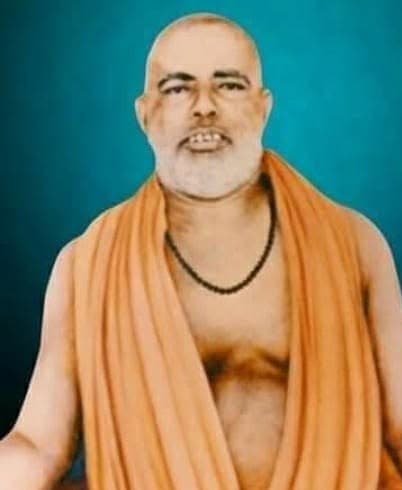
Sri Udiya Baba · Modern
Hindiभावार्थ— अर्जुन बोला— हे देव! मैं आपके शरीर में सम्पूर्ण देवताओं को विशेष प्राणिसमुदाय को कमलासन पर विराजमान
ब्रह्मा को, शंकरजी को तथा सम्पूर्ण ऋषियों और दिव्य नागों को देख रहा हूँ।
Swami Ramsukhdas · Modern
Hindi‘पश्यामि देवांस्तव देव देहे सर्वास्तथा भूतविशेषसङ्घान्’—अर्जुनकी भगवत्प्रदत्त दिव्य दृष्टि इतनी विलक्षण है कि उनको देवलोक भी अपने सामने दीख रहे हैं। इतना ही नहीं, उनको सब-की-सब त्रिलोकी दिख रही है। केवल त्रिलोकी ही नहीं, प्रत्युत त्रिलोकीके उत्पादक (ब्रह्मा), पालक (विष्णु) और संहारक (महेश) भी प्रत्यक्ष दीख रहे हैं। अतः अर्जुन वर्णन करते हैं कि मैं सम्पूर्ण देवोंको, प्राणियोंके समुदायोंको और ब्रह्मा तथा शंकरको देख रहा हूँ।
‘ब्रह्माणमीशं कमलासनस्थम्’—अर्जुन कहते हैं कि मैं कमलके ऊपर स्थित ब्रह्माजीको देखता हूँ—इससे सिद्ध होता है कि अर्जुन कमलके नालको और नालके उद्गम-स्थान अर्थात् मूल आधार भगवान् विष्णुको (जो कि शेषशय्यापर सोये हुए हैं) भी देख रहे हैं। इसके सिवाय भगवान् शंकरको, उनके कैलास पर्वतको और कैलास पर्वतपर स्थित उनके निवासस्थान वटवृक्षको भी अर्जुन देख रहे हैं।
‘ऋषींश्च सर्वानुरागांश्च दिव्यान्’—पृथ्वीपर रहनेवाले जितने भी ऋषि हैं, उनको तथा पाताललोकमें रहनेवाले दिव्य सर्पोंको भी अर्जुन देख रहे हैं।
इस श्लोकमें अर्जुनके कथनसे यह सिद्ध होता है कि
उन्हें स्वर्ग, मृत्यु और पाताल—यह त्रिलोकी अलग-अलग नहीं दीख रही है; किन्तु विभागसहित एक साथ एक जगह ही दीख रही है—‘प्रविभक्तमनेकधा’ (गीता ११।१३)। उस त्रिलोकीसे जब अर्जुनकी दृष्टि हटती है, तब जिनको ब्रह्मलोक, कैलास और वैकुण्ठलोक कहते हैं वे अधिकारियोंके अभीष्ट लोक तथा उनके मालिक (ब्रह्मा, शंकर और विष्णु) भी अर्जुनको दीखते हैं। यह सब भगवत्प्रदत्त दिव्यदृष्टिका ही प्रभाव है।
विशेष बात
जब भगवान्ने कहा कि यह सम्पूर्ण जगत् मेरे किसी एक अंशमें है, तब अर्जुन उसे दिखानेकी प्रार्थना करते हैं। अर्जुनकी प्रार्थनापर भगवान् कहते हैं कि तू मेरे शरीरमें एक जगह स्थित चराचर जगत्को देख—‘इह एकस्थं ... मम देहे’ (११।७)। वेदव्यासजीद्वारा प्राप्त दिव्यदृष्टिवाले संजय भी यही बात कहते हैं कि अर्जुनने भगवान्के शरीरमें एक जगह स्थित सम्पूर्ण जगत्को देखा—‘तत्र एकस्थं ... देवदेवस्य शरीरे’ (११।१३)। यहाँ अर्जुन कहते हैं कि मैं आपके शरीरमें सम्पूर्ण भूतसमुदाय आदिको देखता हूँ—‘तव देव देहे।’ इस प्रकार भगवान् और संजयके वचनोंमें तो ‘एकस्थम्’ (एक जगह स्थित) पद आया है, पर अर्जुनके वचनोंमें यह पद नहीं आया है। इसका कारण
यह है कि अर्जुनकी दृष्टि भगवान्के शरीरमें जिस-किसी एक स्थानपर गयी, वहीं उनको भगवान्का विश्वरूप दिखायी देने लग गया। उस समय अर्जुनकी दृष्टि सारथिरूप भगवान्के शरीरकी तरफ गयी ही नहीं। अर्जुनकी दृष्टि जहाँ गयी, वहीं अनन्त सृष्टियाँ दीखने लग गयीं; अतः अर्जुनकी दृष्टि उधर ही बह गयी। इसलिये अर्जुन 'एकस्थम्' नहीं कह सके। वे 'एकस्थम्' तो तभी कह सकते हैं, जब विश्वरूप दीखनेके साथ-साथ सारथिरूपसे भगवान्का शरीर भी दीखे। अर्जुनको केवल विश्वरूप ही दीख रहा है, इसलिये वे विश्वरूपका ही वर्णन कर रहे हैं। उनको विश्वरूप इतना अपार दीख रहा है, जिसकी देश या कालसे कोई सीमा नहीं दीखती। तात्पर्य यह हुआ कि जब अर्जुनकी दृष्टिमें विश्वरूपका ही अन्त नहीं आ रहा है, तब उनकी दृष्टि सारथिरूपसे बैठे भगवान्की तरफ जाय ही कैसे?
**परिशिष्ट भाव**—अर्जुन भगवान्के विराट् रूपमें देवता, प्राणी, ब्रह्माजी, विष्णु, शंकरजी, ऋषि, नाग—इन सबका समूह देखते हैं। तात्पर्य है कि अर्जुन मृत्युलोकमें बैठे हुए ही देवलोक, ब्रह्मलोक, वैकुण्ठ, कैलास, नागलोक आदि लोक देख रहे हैं। अतः जो कुछ भी कहने-सुननेमें आता है, वह सब-का-सब भगवान्के एक अंशमें स्थित है। भगवान् साकार हों या निराकार हों, बड़े-से-बड़े हों या छोटे-से-छोटे हों, उनका अनन्तपना नहीं मिटता। सम्पूर्ण सृष्टि उनसे ही उत्पन्न होती है, उनमें ही रहती है और उनमें ही लीन हो जाती है, पर वे वैसे-के-वैसे ही रहते हैं!
भगवान् तो अपने शरीरके एक देशमें विश्वरूप दिखा रहे हैं, इसलिये उन्होंने 'एकस्थम्' कहा है। संजय सारथिरूपमें बैठे हुए भगवान्को और उनके शरीरके एक देशमें स्थित विश्वरूपको देख रहे हैं, इसलिये संजयने 'एकस्थम्' पद दिया है।
अब प्रश्न यह होता है कि भगवान् और संजयकी दृष्टिमें वह एक जगह कौन-सी थी, जिसमें अर्जुन विश्वरूप देख रहे थे? इसका उत्तर यह है कि भगवान्के शरीरमें अमुक जगह ही अर्जुनने विश्वरूप देखा था, इसका निर्णय नहीं किया जा सकता। कारण कि भगवान्के शरीरके एक-एक रोमकूपमें अनन्तकोटि ब्रह्माण्ड विराजमान हैं। भगवान्ने भी यह कहा था कि मेरे शरीरके एक देशमें तू चराचरसहित सम्पूर्ण जगत्को देख ले (इसी अध्यायका सातवाँ श्लोक)। इसलिये जहाँ अर्जुनकी दृष्टि एक बार पड़ी, वहीं उनको सम्पूर्ण विश्वरूप दीखने लग गया।
In the Supreme Lord Krishna's Viśvarūpa or divine universal form could be seen all species of life. Those manifesting from wombs, from eggs, from seeds and from fermentation.
The four faced Brahma seated upon the lotus flower emanating from the navel of Garbodaksayi Vishnu was seen along with Shiva sitting upon his lap and all the devas can be seen on different parts of his body. Also great sages and rishis can be seen as well.