

Bhagavad Gītā · Chapter 11 · Viśvarūpa Darśana Yoga
अमी च त्वां धृतराष्ट्रस्य पुत्राः
सर्वे सहैवावनिपालसङ्घैः
भीष्मो द्रोणः सूतपुत्रस्तथाऽसौ
सहास्मदीयैरपि योधमुख्यैः
amī ca tvāṃ dhṛtarāṣṭrasya putrāḥ
sarve sahaivāvanipālasaṅghaiḥ|
bhīṣmo droṇaḥ sūtaputrastathā'sau
sahāsmadīyairapi yodhamukhyaiḥ||
Word meanings
for verses 11.26–11.27
अस्मदीयैः = with ours
योधमुख्यैः = with the chief warriors
सह = along with
भीष्मः = Bhīṣma
द्रोणः = Droṇa
तथा = and
असौ = that
सूतपुत्रः = the son of a sūta
अपि = also
त्वाम् = you
अवनिपाल- = of kings
सङ्घैः = with hosts
सह = along with
धृतराष्ट्रस्य = of Dhṛtarāṣṭra
अमी = these
एव = indeed
सर्वे = all
पुत्राः = sons
ते = your
दंष्ट्राकरालानि = terrible with fangs
वक्त्राणि = mouths
त्वरमाणाः = hastening
विशन्ति = enter
केचित् = some
चूर्णितैः = crushed
उत्तमाङ्गैः = with heads
दशनान्तरेषु = between the teeth
विलग्नाः = stuck
सन्दृश्यन्ते = are seen
Translation
All those sons of Dhrtarastra with hosts of kings are entering You. Bhisma, Drona and yonder Karna, with the principal warriors on our side as well, are rushing headlong into Your fearful mouths looking all the more terrible on account of their teeth; some are seen stuck up in the gaps between Your teeth with their heads crushed.
verses 26–27
Commentary
The commentators seated around this verse
Rāmānuja · Viśiṣṭādvaita
EnglishOn verses 11.26–29
Madhvācārya · Dvaita
SanskritEnglishOn verses 11.22–11.27
“अनन्यचेष्टां कुर्वतामपि भगवच्चेष्टयैव प्रलयोदके प्रजानां प्रवेशवत् प्रवेशो युज्यते | सेनामध्यतो भगवन्मुखानामुभयाभिमुखत्वाच्चोभे सेने तत्र प्रविशतः | ये तु तस्मिन्नेव महुर्ते मरिष्यन्ति तेषां दशान्तरे चूर्णितमपि शिरः सूक्ष्मदृष्टिगोचरत्वान्मनुपदृष्ट्या तथा न दृश्यते | तथा भिन्नमपि घटादिकं यावत् पृथक् न पतति तावन्मन्ददृष्टिनां न ज्ञायते | यथा पुरुषो जगाऽशिवभ्यामेव दृष्टा ||” - Like other activities of the Lord eternal waters of dissolution at the time of creative cycle, people were entering His mouth. Established in the middle of the armies with mouths directed both ways, both the armies were entering His mouth. Those who were about to die at the commencement of the war, their heads were seen turning to powder between the teeth of the Lord. Since the sight being subtle can be seen only by few, all others cannot see it. Like a pot which is broken can be seen by ordinary people only when the pieces fall down, this sight is visible to ordinary eyes. It is similar to the case of Puru whose old age was seen only by Ashvins and not by others.
Jñāneśvar · Vārkarī
English26 "And here are the sons of Dhṛtarāṣṭra, all, together, also with congregated Rulers of the Earth, Bhīsma, Droṇa, likewise this (Karṇa) son of the charioteer: along too with the chief warriors belonging to us (392)
Are not these the warriors of the Kaurava dynasty? and the sons of the blind King Dhṛtarāṣṭra? They have been hurried fast along with their retinues into thy mouths! The assembled kings of several countries too that came as allies, are being wholly gulped down; not one is spared to return to tell the story of their sad fate.
And thou art gulping down greedily swarms of elephants in rut, and art revenging their Mahouts (rider-keeper) too. [Note: There is पाठभेद: in Kunte Edition the word is आरणी (युद्ध) while in the Bhide Edition the word is आधारणी (माहूत)]. Crowds of Artillery men and gunners, no less than multitudes as of infantry-men, are being lost in thy mouths. Myriads of deadly weapons are being swallowed up in thy mouths, although they are twin-brothers of Yama—God of death—and each single weapon is capable of consuming the entire universe. And the four-armed vast hosts in battle array (चतुरंग सैन्य), along with the equipped chariots with horses harnessed to them, are being taken in greedily without being worked about between teeth. How well-pleased thou art with all this carnage? Alas, here thou hast finished Bhishma, than whom no better lover of truth and valour is met with: and that Brahmin Drona too is slain. Oh, what a pity; even the warrior Karna, born of the Sun, has disappeared—gone completely—the same way; while the principal warriors on our side (too) are being blown off like dust. Oh my God! Strange indeed is the upshot of this divine grace! I prayed for a vision of Divine Omnipresence, and brought down death and destruction on the whole universe. Erstwhile the Lord recounted his principal divine emanations; not content with this, I importuned the Lord for direct visions thereof. One cannot but suffer what is foreordained by fate that shapes our wills. How then can I escape from the guilt that must rest on my head; in days of yore, the Gods who churned the ocean were blessed in the possession of nectar; not content with the gift, the Gods went on churning, till the ocean turned up the Poison of deadly virulence. In a way that grievous disaster was, as it turned out, a bit of a trifle, since it was warded off, and Lord Shankara saved the world from the danger. But who can quench this holocaust of blazing blast, and who can swallow up the whole vault of heaven, brimming over with poison, and who indeed has the gigantic strength to wrestle with the great destructor? Thus did Arjuna sorrow over the great vision, and was distressed in soul; but he could not catch on the inner motive of the Lord. Seized with the delusive phantom, Arjuna had imagined himself as the slayer and the Kauravas as the slain!
By this mighty vision of His Divine Omnipresence, the Infinite Maker, smashed the delusion. Under the cover of that vision of his Omnipresent might, Lord Hari revealed the great truth that none other was the slayer, and the Lord Himself in good sooth blots all things out of existence. The son of Pandu was ill at ease to lay hold on this truth, and with great affliction of soul he quailed ever and anon before that prodigious vision.
Swami Ramsukhdas · Modern
EnglishOn verses 11.26–11.27
‘Bhīṣmo droṇaḥ sūtaputrastathāsau sahāsmadiyairapi yodhamukhyaiḥ’—Arjuna says, that the chief warriors on their side, such as Dhṛṣṭadyumna, Virāṭa and Drupada etc., believed in righteousness and were prepared to wage the war, regarding it as their duty. All these warriors, as well as Bhīṣma, Droṇa, Karṇa were rushing headlong into the Lord’s mouth. Arjuna mentions these three names, of the rival army, to explain that they also joined the army, as a part of their duty.*
* Bhīṣma—Bhīṣma is a very well-known figure in the history of the world for his vow of life long celibacy and renunciation of his claim to his father’s throne in order to facilitate his father’s marriage with Satyavati. He was so firm in his vow that he fought against his preceptor Paraśurāma. Lord Kṛṣṇa had vowed that he would remain unarmed. But when Bhīṣma vowed that he would compel Lord Kṛṣṇa to be equipped with weapon, He had to take up arms, once a whip and the second time a disc and run towards Bhīṣma.
Droṇa—Droṇa ate Duryodhana’s food. So it was incumbent upon him to fight, thus he joined the battle regarding it as his duty. But at last listening to the gods he withdraws himself from the battle thinking of his duty as a Brāhmaṇa (a member of the priest class). He was so impartial that he taught his own son, Aśvatthāmā how to set Brahmāstra (a weapon or missile which caused infallible destruction and was used and withdrawn by chanting sacred formulas) in motion only while to his disciple Arjuna he taught both how to set it in motion and how to withdraw it.
Karṇa—Being a bosom friend of Duryodhana, he fought on his side. Even when Lord Kṛṣṇa disclosed to him that he was Kuntī’s son, he refused to give up the cause of Duryodhana. Moreover he asked Lord Kṛṣṇa not to disclose the
'Amī ca tvām dhṛtarāṣṭrasya putrāḥ sarve sahaivāvanipāla-saṅghaih'—Those kings who were well-wishers of Duryodhana, and were ready to fight on his side, as well as Dhṛtarāṣṭra's hundred sons—Duryodhana and Duḥśāsana, etc., were rushing headlong, into the Lord's mouths, having terrible teeth.
'Kecidvilagnā daśanāntareṣu sandṛśyante cūrṇitairuttamāṅgaiḥ'—Some warriors were ingested by the Lord, but some of them were seen sticking in the gaps between the teeth, with heads crushed.
Here a doubt arises, as to how, Arjuna saw the warriors rushing headlong into the mouth of the Lord's cosmic form, when they were arrayed alive, on the battlefield? The clarification is, that the Lord asked Arjuna to behold whatever else he desired to see, in His cosmic form (11/7). Moreover, Arjuna had a doubt whether they or their enemies would win (2/6). So Arjuna, could foresee their own victory, in the Lord's cosmic body. The same fact, will be pointed out by the Lord, in response to Arjuna's question (11/32—34).
Appendix—Arjuna, in the cosmic form of the Lord, is beholding the imminent future. The Lord is beyond the limit of time, so in Him the past, the future and the present—the three are only present (Gītā 7/26).
*Link:—In the next verse, Arjuna describes those notable*
secret to Yudhiṣṭhira otherwise he, regarding him as his elder brother, would handover the kingdom to him and who would hand it over to Duryodhana. So the Pāṇḍavas would lead a miserable life forever.
His charities were incomparable. One day Indra, the king of the gods, in Arjuna's interest, begged him to make a gift of his natural armour and earrings attached to his body. With great delight he tore his armour and earrings from his body and gave them away. Kuntī asked him not to kill anyone of her sons in the war. He promised not to kill her four sons but he would fight against Arjuna who could either be killed or would kill him. Even if Arjuna died, she would have five sons (including him viz., Karṇa).
*warriors who were striving for God-realization, and took up arms, regarding it as their duty, by giving the illustration of rivers.*
| यथा | नदीनां | बहवोऽम्बुवेगाः | | --- | --- | --- |
Ādi Śaṅkarācārya · Advaita
Sanskritअमी च त्वां धृतराष्ट्रस्य पुत्राः दुर्योधनप्रभृतयः -- ``त्वरमाणाः विशन्ति'' इति व्यवहितेन सम्बन्धः -- सर्वे सहैव सहिताः अवनिपालसङ्घैः अवनिं पृथ्वीं पालयन्तीति अवनिपालाः तेषां सङ्घैः, किञ्च भीष्मो द्रोणः सूतपुत्रः कर्णः तथा असौ सह अस्मदीयैरपि धृष्टद्युम्नप्रभृतिभिः योधमुख्यैः योधानां मुख्यैः प्रधानैः सह ॥ किञ्च --
Ādi Śaṅkarācārya · Advaita
Hindiजिन शूरवीरोंसे मुझे पहले पराजयकी आशङ्का थी, वह भी अब चली गयी; क्योंकि—
ये दुर्योधन आदि धृतराष्ट्रके समस्त पुत्र अवनिपालोंके दलोंसहित—अवनि यानी पृथ्वीका जो पालन करें उनका नाम अवनिपाल है। उनके दलोंसहित इकट्ठे होकर बड़े वेगसे आपके मुखोंमें प्रवेश कर रहे हैं। यही नहीं, किंतु भीष्म, द्रोण और यह सूतपुत्र—कर्ण एवं हमारी ओरके भी धृष्टद्युम्नादि प्रधान योद्धाओंके सहित (सब-के-सब)
Jñāneśvar · Vārkarī
Marathiनोहेति ? हे कौरवकुळींचे वीर । आंधळिया धृतराष्ट्राचे कुमर । हे गेले गेले सहपरिवार । तुझिया वदनीं ॥ ३९२ ॥ आणि जे जे यांचेनि सावायें । आले देशोदेशींचे राये । तयांचें सांगावया जावों न लाहे । ऐसें सरकटित आहासी ॥ ३९३ ॥ मदमुखाचिया संघटा । घेत आहासि घटघटां । आरणीं हन थाटा । देतासि मिठी ॥ ३९४ ॥ जंत्रावरिचील मार । पदातींचे मोगर । मुखाआंत भार । हारपताति मा ॥ ३९५ ॥ कृतांताचिया जावळी । जें एकचि विश्वातें गिळी । तियें कोटीवरी सगळीं । गिळितासि शस्त्रें ॥ ३९६ ॥ चतुरंगा परिवारा । संजोडियां रहंवरां । दांत न लाविसी मा परमेश्वरा । कसा तुष्टलासि बरवा ॥ ३९७ ॥ हां गा भीष्मा{ऐ}सा कवणु । सत्यशौर्यनिपुणु । तोही आणि ब्राह्मण द्रोणु । ग्रासिलासि कटकटा ॥ ३९८ ॥ अहा सहस्रकराचा कुमरु । एथ गेला गेला कर्णवीरु । आणि आमुचिया आघवयांचा केरु । फेडिला देखें ॥ ३९९ ॥ कटकटा धातया । कैसें जाहलें अनुग्रहा यया । मियां प्रार्थूनि जगा बापुडिया । आणिलें मरण ॥ ४०० ॥ मागां थोडिया बहुवा उपपत्ती । येणें सांगितलिया विभूती । तैसा नसेचि मा पुढती । बैसलों पुसों ॥ ४०१ ॥ म्हणौनि भोग्य तें त्रिशुद्धी न चुके । आणि बुद्धिही होणारासारिखी ठाके । माझ्या कपाळीं पिटावें लोकें । तें लोटेल कांह्यां ॥ ४०२ ॥ पूर्वीं अमृतही हातां आलें । परी देव नसतीचि उगले । मग काळकूट उठविलें । शेवटीं जैसें ॥ ४०३ ॥ परी तें एकबगीं थोडें । केलिया प्रतिकारामाजिवडें । आणि तिये अवसरीचें तें सांकडें । निस्तरविलें शंभू ॥ ४०४ ॥ आतां हा जळतां वारा कें वेंटाळे ? । कोणा हे विषा भरलें गगन गिळे ? । महाकाळेंसि कें खेळें ? । आंगवत असे ॥ ४०५ ॥ ऐसा अर्जुन दुःखें शिणतु । शोचित असे जिवाआंतु । परी न देखें तो प्रस्तुतु । अभिप्राय देवाचा ॥ ४०६ ॥ जे मी मारिता हे कौरव मरते । ऐसेनि वेंटाळिला होता मोहें बहुतें । तो फेडावयालागीं अनंतें । हें दाखविलें निज ॥ ४०७ ॥ अरे कोण्ही कोणातें न मारी । एथ मीचि हो सर्व संहारीं । हें विश्वरूपव्याजें हरी । प्रकटित असे ॥ ४०८ ॥ परी वायांचि व्याकुलता । ते न चोजवेचि पंडुसुता । मग अहा कंपु नव्हता । वाढवित असे ॥ ४०९ ॥
Jñāneśvar · Vārkarī
Hindi(11.392) ये कौरवकुल के वीर, अन्धे धृतराष्ट्र के कुँवर ही हैं न? थे परिवार-समेत आपके मुख में चले। (393) और जो इनके सहायक देश-देश के राजा हैं उन्हें आप इस तरह खा रहे हैं कि उनका हाल कहा नहीं जाता।
(11.394) हाथियों के समुदाय का आप गट गट पी रहे हैं, और रण में जो और समुदाय हैं उन्हें लिपटा रहे हैं।
(11.395) तोपें इत्यादि मारक यन्त्र तथा चुने हुए प्यादों के समूह सब आपके मुख में लुप्त हो रहे हैं। (11.396) कृतान्त का इकलौता भाई जो विश्व का नाश करता है उस शस्त्र का भी आप कोटिशः लील रहे हैं।
(11.397) हे परमेश्वर! आप ऐसे कैसे प्रसन्न हुए हैं कि चतुरंग सेना और घोड़े जुते हुए रथों का आप दाँत न लगाते लील रहे हैं!
(11.398) अजी, सत्य और शूरता में भीष्म जैसा निपुण कौन है? परन्तु उसे, और द्रोण को भी, – जो ब्राह्मण है, – आपने ग्रस लिया। हाय हाय!
(11.399) हा! अब सूर्य का पुत्र कर्ण वीर भी गया और देखिए, हम सबों का भी आपने कचरा जैसा उड़ा दिया।
(11.400) हाय विधाता! यह क्या हुआ? मैंने यह अनुग्रह माँग कर बेचारे जगत् की मौत बुला दी।
(11.401) पहले थोड़ी-बहुत उपपत्तियों के साथ इन्होंने मुझे अपनी विभूतियाँ दिखाई परन्तु इनका स्वरूप वैसा न था इसलिए मैं और भी पूछ बैठा।
(11.402) यह निश्चित है कि प्रारब्ध कभी नहीं टलता और बुद्धि भी होनहार जैसी हो जाती है। लोगों का, अपने मरण का दोष मेरे माथे लगाना कैसे टन सकता था! (11.403) पूर्वकाल में अमृत प्राप्त हो गया तथापि जब देव तृप्त न हुए तो निदान में कालकूट उत्पन्न हुआ।
(11.404) अनुभव से देखते हुए वह प्रसंग भी कुछ अल्प ही था तथा वह संकट शंकर ने निबाह दिया।
(11.405) परन्तु यह जलती हुई अग्नि कौन समेट सकता है यह विष से भरा हुआ आकाश कौन लील सकता है? महाकाल के साथ खेलने की किसकी सामर्थ्य है!
(11.406) इस प्रकार अर्जुन दुःख से व्याकुल हो हृदय में शोक करने लगा। परन्तु श्रीकृष्ण का प्रस्तुत अभिप्राय उसकी समझ में नहीं आया।
(11.407) उसे जो अत्यन्त मोह हुआ था — कि मैं मारनेहारा हूँ और कौरव मरनेहारे हैं — सो मिटाने के लिए श्रीकृष्ण ने अपना यह स्वरूप दिखाया था।
(11.408) श्रीकृष्ण ने विश्वरूप के बहाने यह प्रकट किया कि अरे संसार में कोई किसी को नहीं मारता; मैं ही सब का संहार करता हूँ।
(11.409) परन्तु अर्जुन वृथा व्याकुल हो रहा था। यह बात उसकी समझ में ही न आई। उसका कम्प वृथा ही बढ़ रहा था।
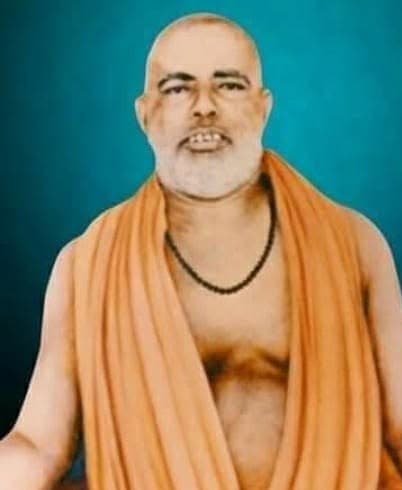
Sri Udiya Baba · Modern
HindiOn verses 11.26–11.27
भावार्थ— राजाओं के समूहों के सहित ये धृतराष्ट्र के सभी पुत्र तथा हमारे मुख्य-मुख्य योद्धाओं के सहित भीष्म द्रोण और कर्ण बड़ी तेजी के साथ आपके कराल डाढ़ों वाले भयानक मुखों में प्रवेश कर रहे हैं। और कोई आपके दाँतों के बीच में लगे हुए दिखाई दे रहे हैं, जिनके कि सिर चूर-चूर हो गये हैं।
Swami Ramsukhdas · Modern
HindiOn verses 11.26–11.27
भीष्मो द्रोणः सूतपुत्रस्तथासौ सहास्मदीयैरपि योधमुख्यैः—हमारे पक्षके धृष्टद्युम्न, विराट, द्रुपद आदि जो मुख्य-मुख्य योद्धालोग हैं, वे सब-के-सब धर्मके पक्षमें हैं और केवल अपना कर्तव्य समझकर युद्ध करनेके लिये आये हैं। हमारे इन सेनापतियोंके साथ पितामह भीष्म,
आचार्य द्रोण और वह प्रसिद्ध सूतपुत्र कर्ण आपमें प्रविष्ट हो रहे हैं। यहाँ भीष्म, द्रोण और कर्णका नाम लेनेका तात्पर्य है कि ये तीनों ही अपने कर्तव्यका पालन करनेके लिये युद्धमें आये थे*।
* भीष्म—भीष्मजीकी प्रतिज्ञा दुनियामें प्रसिद्ध है कि उन्होंने पिताजीकी प्रसन्नताके लिये विवाह न करनेकी प्रतिज्ञा की और आबाल ब्रह्मचारी रहे। इस प्रतिज्ञापर वे इतने डटे रहे कि उन्होंने गुरु परशुरामजीके साथ युद्ध किया, पर अपनी प्रतिज्ञा नहीं तोड़ी। भगवान्ने पहले हाथमें शस्त्र ग्रहण न करनेकी प्रतिज्ञा की थी। परन्तु जब भीष्मजीने (भगवान्की प्रतिज्ञाके विरुद्ध) यह प्रतिज्ञा कर ली कि 'आजु जो हरिहिं न शस्त्र गहाऊँ। तौ लाजौं गंगा जननीको शान्तनु-सुत न कहाऊँ॥' तो भगवान्की भी अपनी प्रतिज्ञा छोड़कर एक बार चाबुक और दूसरी बार चक्र लेकर भीष्मजीकी तरफ दौड़ना पड़ा। इस तरह भीष्मकी प्रतिज्ञा बनी रही और भगवान्की प्रतिज्ञा टूट गयी!
द्रोण—द्रोणाचार्य दुर्योधनका अन्त खाकर उसके वृत्तिभोगी रहे हैं। इसलिये वे युद्धको अपना कर्तव्य समझकर युद्धमें लग जाते हैं और अन्तमें देवताओंकी बातें सुनकर और युद्धमें अपने ब्राह्मणोचित धर्मको समझकर युद्धसे उपरांत हो जाते हैं।
द्रोणाचार्यमें इतनी निष्पक्षता थी कि गुरुभक्त और विद्यामें तत्पर अर्जुनको ब्रह्मास्त्र छोड़ना और उसका उपसंहार करना (वापस लेना)—ये दो विद्याएँ सिखा दीं; परन्तु अपने पुत्र अश्वत्थामाको केवल ब्रह्मास्त्र छोड़ना ही सिखाया, उपसंहार करना सिखाया ही नहीं।
कर्ण—कर्णकी दुर्योधनके साथ मित्रता थी, उस मित्रतारूप कर्तव्यको निभानेके लिये वे युद्धमें आते हैं। भगवान् श्रीकृष्णके द्वारा 'कर्ण! तू कुन्तीका बेटा है,' ऐसा कहनेपर भी वे दुर्योधनके पक्षमें ही रहे और उन्होंने भगवान्से कहा कि 'यह बात आप धर्मराज युधिष्ठिरसे मत कहना; क्योंकि अगर उनको पता लग जायगा तो मुझे बड़ा समझकर वे राज्य मुझे दे देंगे और मैं राज्य दुर्योधनको दे दूँगा। इससे पाण्डव सदाके लिये दुःखी रहेंगे।'
कर्ण बड़े दृढ़प्रतिज्ञ थे। वे विचित्र ही दानवीर थे। इन्द्रके माँगनेपर उन्होंने अपने नैसर्गिक (जन्मजात) कुण्डल और कवच उतारकर दे दिये थे। माता कुन्तीके द्वारा माँगनेपर उन्होंने उनको पाँच पुत्रोंके बने रहनेका वचन दिया, जिसमें उन्होंने कहा 'माँ! मैं युधिष्ठिर, भीम, नकुल और सहदेवको तो मारूँगा नहीं, पर अर्जुनके साथ मेरा युद्ध होगा। युद्धमें अगर अर्जुन मेरेको मार देगा, तो तेरे पाँच पुत्र रहेंगे ही और अगर मैं अर्जुनको मार दूँगा, तो भी मेरेसहित तेरे पाँच पुत्र रहेंगे!'
‘अमी च त्वां धृतराष्ट्रस्य पुत्राः सर्वे सहैवानिपालसङ्गैः’—दुर्योधनके पक्षमें जितने राजालोग हैं, जो युद्धमें दुर्योधनका प्रिय करना चाहते हैं (गीता—पहले अध्यायका तेईसवाँ श्लोक) अर्थात् दुर्योधनको हितकी सलाह नहीं दे रहे हैं, उन सभी राजाओंके समूहोंके साथ धृतराष्ट्रके दुर्योधन, दुःशासन आदि सौ पुत्र विकराल दाढ़ोंके कारण अत्यन्त भयानक आपके मुखोंमें बड़ी तेजीसे प्रवेश कर रहे हैं—‘वक्त्राणि ते त्वरमाणा विशन्ति दण्डाकरालानि भयानकानि।’
विराटरूपमें वे चाहे भगवान्में प्रवेश करें, चाहे भगवान्के मुखोंमें जायें, वह एक ही लीला है। परन्तु भावोंके अनुसार उनकी गतियाँ अलग-अलग प्रतीत हो रही हैं। इसलिये भगवान्में जायें अथवा मुखोंमें जायें, वे हैं तो विराटरूपमें ही।
‘केचिद्विलग्ना दशानन्तरेषु संदृश्यन्ते चूर्णिते-रुत्तमाङ्गैः’—जैसे खाद्य पदार्थोंमें कुछ पदार्थ ऐसे होते हैं, जो चबाते समय सीधे पेटमें चले जाते हैं, पर कुछ पदार्थ ऐसे होते हैं, जो चबाते समय दाँतों और दाढ़ोंके बीचमें
परिशिष्ट भाव—अर्जुन भगवान्के विराटरूपमें आसन्न भविष्यको देख रहे हैं। कालातीत होनेसे भगवान्में भूत, भविष्य और वर्तमान—तीनों काल वर्तमान ही हैं (गीता—सातवें अध्यायका छब्बीसवाँ श्लोक)।
सम्बन्ध—जो अपना कर्तव्य समझकर धर्मकी दृष्टिसे युद्धमें आये हैं और जो परमात्माकी प्राप्ति चाहनेवाले हैं—ऐसे पुरुषोंका विराटरूपमें नदियोंके दृष्टान्तसे प्रवेश करनेका वर्णन अर्जुन आगेके श्लोकमें करते हैं।
As inanimate currents of rapid rivers are helplessly propelled into the ocean as given in the previous verse and like animate moths speedily flit into a blazing fire and are destroyed.
The mighty warriors of the Kaurāva and Pāṇḍava armies are propelled helplessly as they speedily rush to their deaths on the battlefield and into the fiery mouths of Lord Krishna's Viśvarūpa or divine universal form.