

Bhagavad Gītā · Chapter 11 · Viśvarūpa Darśana Yoga
एवमेतद्यथात्थ त्वमात्मानं परमेश्वर
द्रष्टुमिच्छामि ते रूपमैश्वरं पुरुषोत्तम
evametadyathāttha tvamātmānaṃ parameśvara|
draṣṭumicchāmi te rūpamaiśvaraṃ puruṣottama||
Word meanings
पुरुषोत्तम = O Puruṣottama
त्वम् = you
आत्मानम् = the self
यथा = as
आत्थ = you say
एतत् = this
एवम् = thus
परमेश्वर = O supreme lord
ते = your
ऐश्वरम् = divine
रूपम् = form
द्रष्टुम् = to see
इच्छामि = I wish
Translation
Your divine form possessed of wisdom, glory, energy, strength, valour and effulgence, O best of persons!
Commentary
The commentators seated around this verse
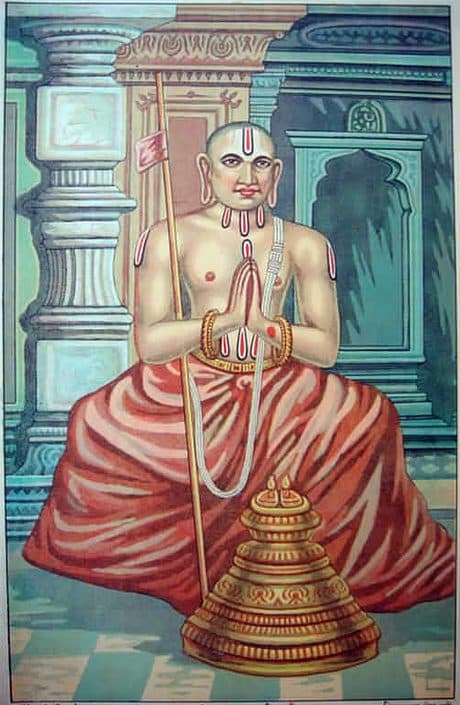
Rāmānuja · Viśiṣṭādvaita
English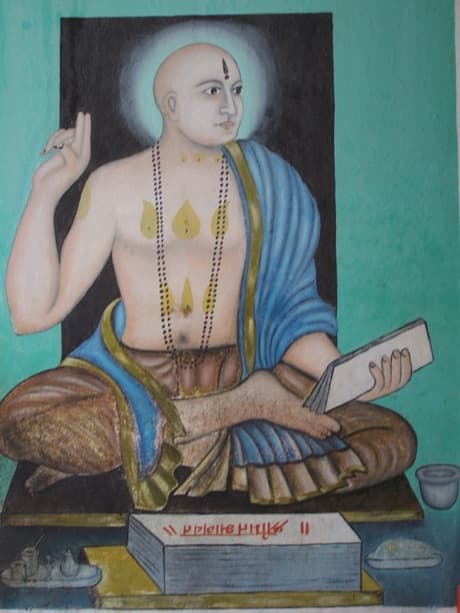
Madhvācārya · Dvaita
SanskritEnglishOn verses 11.1–11.4
“प्रभुः समर्थः - नास्ति तस्मात् परं भूतं पुरुषाद्वै सन्तनात् इति मोक्षधर्मे । प्रभुरीशः समर्थश्च इत्यभिधानात् ॥” - प्रभुः means one who is powerful and capable. “There is no one who is more powerful than the perennial Supreme Person”, thus in Moksha Dharma. Therefore प्रभुः is the Lord, the powerful, thus has been clarified.

Jñāneśvar · Vārkarī
English3 'Thus it verily is as Thou hast declared Thine self (to be), O Lord Supreme. I desire to behold Thy Divine Form, O Person Transcendent. (81)
Then Kiriti said, 'O God, Thy words have indeed made my eye of inward vision satiated with contentment. My soul is eager to behold thine all-pervasive Supreme Personality, whose divine purpose moves the entire universe by creation and destruction, and of which thou speakest as thine innermost self: that primeval Essence from which proceed all thine incarnations—two-handed or four-handed—forwarding off the evils that threaten Gods and to which thou returnest (after thy sport, beginning from thy rest on a watery bed, and moving out in the shape of fish and crocodile is done); that Supreme Presence whose praises are sung by the Upanishads and which the yogins behold in their heart with (their) vision turned inside; and whom devotees like Sanaka and others embrace in a mystic union, I am eager to set my eyes on this Universal Presence of which so much is heard. Since thou hast unreservedly asked me to say my heart's wish, this then is the one object of my desire. All my hopes are intent on this prospect of a direct vision of thine Omnipresence.
Swami Ramsukhdas · Modern
English**'Puruṣottama'**—Arjuna addresses the Lord, as the best (Supreme) person, because no other person is equal to Him. The same fact, has been pointed out by the Lord Himself in the fifteenth chapter when He declares, 'I am beyond perishable matter, and superior to the imperishable soul. Therefore, I am known in the world and in the Vedas, as the Supreme Person' (15/18).
**'Evametadyathātha tvamātmānam'**—Arjuna says, that whatever has been spoken by the Lord about His virtues, glories and divine powers, (from the seventh to the tenth chapters), is wholly true, without any doubt.
The Lord declares, 'I am the origin of the entire creation and in Me again it dissolves' (7/6), 'It has no other source, besides Me' (7/7), 'All is God' (7/19), 'I am Brahma (the Infinite), Adhyātma (Self), action, Adhibhūta (Matter), Adhidaiva (Brahmā, the creator) and Adhiyajña (the Unmanifest Divinity)' (7/29-30), 'I am the Supreme Person, attainable by exclusive devotion' (8/22), 'All this universe, is pervaded by Me, but I don't dwell in the beings, nor do the beings, dwell in Me' (9/4-5); 'I am, being and non-being, both' (9/19); 'I am the source of all creation and everything in the world moves, because of Me' (10/8) and 'I support the whole universe with a single fragment of Myself' (10/42) etc. Arjuna says, that whatever has been said, by Him is wholly true.
**'Parameśvara'**—Arjuna heard Lord Kṛṣṇa says, 'I am Lord of all beings' (4/6); 'I am the Supreme Lord of all the worlds' (5/29). So Arjuna addresses Him, as the Lord Supreme, because He is the Supreme Lord, of the entire creation.
**'Draṣṭumicchāmi te rūpamaiśvaram'**—Arjuna tells Lord Kṛṣṇa, that after hearing of His immortal glory, he has a firm belief in
His words; and after hearing the words, that He supports the entire universe with a single fragment of His self, he has developed an irresistible yearning, to see His Cosmic Form.
Secondly, Arjuna says that though He is the Supreme Ruler of all the universes, yet it is very kind of Him to love him so much, to act as he wishes and to answer whatever, he asks. It is, because of His extraordinary kindness to him, that he has developed an irresistible yearning to see that form, in whose single fragment He supports the entire universe.
In the sixteenth verse of the tenth chapter, Arjuna requested Lord Kṛṣṇa to describe in full, His divine glories. In response to his question, Lord Kṛṣṇa while describing His divine glories, in the beginning and at the end, told him that there was no end to His divine glories (10/19,40). So, He gave only a brief description. But, here Arjuna requests Him to show him His divine form (only one), but Lord Kṛṣṇa says to him, 'Behold in hundreds and thousands, My multifarious divine forms' (11/5). As in this mortal world, if a greedy person demands a lot, from a donor, he gets only a little; but if he demands a little hesitatingly, the donor gives more. Similarly, first Arjuna requested the Lord to describe His divine glories in detail, so He described in brief. But, here Arjuna becomes cautious and hesitatingly prays to Lord Kṛṣṇa, to reveal that form to him, if He deems it fit. The Lord, is influenced by this hesitating mood and asks him to behold His multifarious divine form, in hundreds and thousands.
Also Lord Kṛṣṇa while sitting in a part of Arjuna's chariot said, 'In a part of this body of Mine, the entire creation (having infinite universes) pervades.' So Arjuna, developed an irresistible yearning to see that form of His.
Appendix—Arjuna means to say to the Lord, 'O Lord! Having heard Your words, I have understood You well and there is no doubt about it. Only You are all—this is exactly the same. Now only Your cosmic divine form is left to be seen.'
The gospel can be preached in two ways—by utterance and by demonstration. In the tenth chapter the Lord described His entire form and declared, “I stand supporting the entire universe with a single fragment of Myself”. Now in this chapter Arjuna requests Lord Kṛṣṇa to show him His cosmic form.

Ādi Śaṅkarācārya · Advaita
Sanskritएवमेतत् नान्यथा यथा येन प्रकारेण आत्थ कथयसि त्वं आत्मानं परमेश्वर । तथापि द्रष्टुमिच्छामि ते तव ज्ञानैश्वर्यशक्तिबलवीर्यतेजोभिः सम्पन्नं ऐश्वरं वैष्णवं रूपं पुरुषोत्तम ॥
Ādi Śaṅkarācārya · Advaita
Hindiहे परमेश्वर! आप अपनेको जिस प्रकारसे बतलाते हैं, आप ठीक वैसे ही हैं अन्यथा नहीं। तथापि हे पुरुषोत्तम! ज्ञान, ऐश्वर्य, शक्ति, बल, वीर्य और तेजसे युक्त आपके ऐश्वर्यमय वैष्णवरूपको मैं देखना चाहता हूँ
Jñāneśvar · Vārkarī
Marathiमग बोलिला तो किरीटी । म्हणे तुम्हीं केली जे गोठी । तिया प्रतीतीची दिठी । निवाली माझी ॥ ८१ ॥ आतां जयाचेनि संकल्पें । हे लोकपरंपरा होय हारपे । जया ठायातें आपणपें । मी ऐसें म्हणसी ॥ ८२ ॥ तें मुद्दल रूप तुझें । जेथूनि इयें द्विभुजें हन चतुर्भुजें । सुरकार्याचेनि व्याजें । घेवों घेवों येसी ॥ ८३ ॥ पैं जळशयनाचिया अवगणिया । कां मत्स्य कूर्म इया मिरवणिया । खेळु सरलिया तूं गुणिया । सांठविसी जेथ ॥ ८४ ॥ उपनिषदें जें गाती । योगिये हृदयीं रिगोनि पाहाती । जयातें सनकादिक आहाती । पोटाळुनियां ॥ ८५ ॥ ऐसें अगाध जें तुझें । विश्वरूप कानीं ऐकिजे । तें देखावया चित्त माझें । उतावीळ देवा ॥ ८६ ॥ देवें फेडूनियां सांकड । लोभें पुसिली जरी चाड । तरी हेंचि एकीं वाड । आर्तीं जी मज ॥ ८७ ॥ तुझें विश्वरूपपण आघवें । माझिये दिठीसि गोचर होआवें । ऐसी थोर आस जीवें । बांधोनि आहें ॥ ८८ ॥
Jñāneśvar · Vārkarī
Hindi(11.81) तब किरीटी ने कहा कि आपने जो निरूपण किया उससे मेरी प्रतीति की दृष्टि शीतल हो गई।
(11.82) अब जिसके संकल्प से यह लोक-परम्परा उत्पन्न और विलीन होती है, जिसे स्थान का आप स्वयं 'मैं' कहते हैं;
(11.83) आपका वह मूल स्वरूप कि जहाँ से आप ये दो भुजावाले और चार भुजावाले रूप देवों के कार्य के मिस से ले लेकर आते हैं,
(11.84) जहाँ बहुरूपिये की तरह आप अपना जलशयन का वेष अथवा मत्स्य, कूर्म, इत्यादि लीला के स्वरूप — खेल समाप्त होते ही — जमा कर रखते हैं;
(11.85) जिसे उपनिषद् गाते हैं, योगी हृदय में प्रवेश कर देखते हैं; सनकादिक जिसे आलिंगन दिये हुए हैं,
(11.86) ऐसा अगाध जो आपका विश्वरूप कानों से सुनते हैं उसे देखने के लिए मेरा चित्त उतावला हुआ है।
(11.87) देव ने मेरा संकोच छुड़ा कर प्रेम से जो मेरी इच्छा पूछी सो यही एक बड़ी इच्छा है। (11.88) मेरा जी यही एक बड़ी अभिलाषा बाँधे हुए है कि आपका सम्पूर्ण विश्वरूप मेरे दृष्टिगोचर हो।।
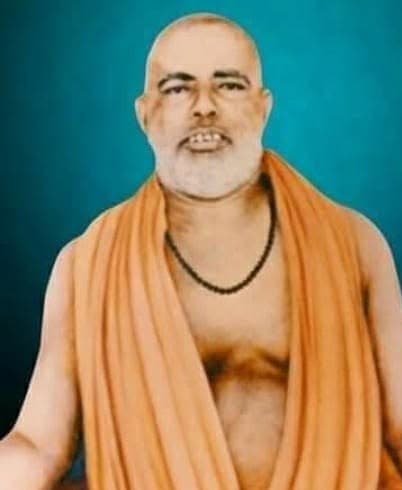
Sri Udiya Baba · Modern
Hindiभावार्थ— हे परमेश्वर! आपने अपने विषय में जो कुछ कहा है वह वैसा ही है। हे पुरुषोत्तम! अब मैं आपका ईश्वरीय स्वरूप देखना चाहता हूँ।
व्याख्या— यहाँ तक अर्जुन को ज्ञानोपदेश तो बहुत हो चुके हैं और अपने साकार रूप से भगवान् स्वयं ही सामने खड़े हैं। अतः अब वे भगवान् के ऐश्वर्यपूर्वक विराट् स्वरूप के दर्शन की इच्छा प्रकट करते हैं। अब तक तो वे भगवान् को मनुष्य ही समझते थे, परन्तु अब वे उनको 'परमेश्वर' और 'पुरुषोत्तम' कहकर सम्बोधित कर रहे हैं। वे देखना चाहते हैं किस प्रकार सम्पूर्ण भूत भगवान् में ही स्थित हैं।
Swami Ramsukhdas · Modern
Hindiपुरुषोत्तम—यह सम्बोधन देनेका तात्पर्य है कि हे भगवन्! मेरी दृष्टिमें इस संसारमें आपके समान कोई उत्तम, श्रेष्ठ नहीं है अर्थात् आप ही सबसे उत्तम, श्रेष्ठ हैं। इस बातको आगे पन्द्रहवें अध्यायके अठारहवें श्लोकमें भगवान्ने भी कहा है कि मैं क्षरसे अतीत और अक्षरसे उत्तम हूँ; अतः मैं शास्त्र और वेदमें पुरुषोत्तम नामसे प्रसिद्ध हूँ।
‘एवमेतद्यथात्थ त्वमात्मानम्’—हे पुरुषोत्तम! आपने (सातवें अध्यायसे दसवें अध्यायतक) मेरे प्रति अपने अलौकिक प्रभावका, सामर्थ्यका जो कुछ वर्णन किया, वह वास्तवमें ऐसा ही है।
यह संसार मेरेसे ही उत्पन्न होता है और मेरेमें ही लीन हो जाता है (सातवें अध्यायका छठा श्लोक), मेरे सिवाय
इसका और कोई कारण नहीं है (सातवें अध्यायका सातवाँ श्लोक), सब कुछ वासुदेव ही है (सातवें अध्यायका उन्नीसवाँ श्लोक), ब्रह्म, अध्यात्म, कर्म, अधिभूत, अधिदैव और अधियज्ञरूपमें मैं ही हूँ (सातवें अध्यायका उन्नीसवाँ-तीसवाँ श्लोक), अनन्य भक्तिसे प्रापणीय परम तत्त्व मैं ही हूँ (आठवें अध्यायका बाईसवाँ श्लोक), मेरेसे ही यह सम्पूर्ण संसार व्याप्त है, पर मैं संसारमें और संसार मेरेमें नहीं है (नवें अध्यायका चौथा-पाँचवाँ श्लोक), सत् और असत्-रूपसे सब कुछ मैं ही हूँ (नवें अध्यायका उन्नीसवाँ श्लोक), मैं ही संसारका मूल कारण हूँ और मेरेसे ही सारा संसार सत्ता-स्फूर्ति पाता है (दसवें अध्यायका आठवाँ श्लोक), यह सारा संसार मेरे ही किसी एक अंशमें स्थित है (दसवें अध्यायका बयालीसवाँ श्लोक)
आदि-आदि। अपने-आपको आपने जो कुछ कहा है, वह सब-का-सब यथार्थ ही है।
‘परमेश्वर’—भगवानके मुखसे अर्जुनने पहले सुना है कि ‘मैं ही सम्पूर्ण प्राणियोंका और सम्पूर्ण लोकोंका महान् ईश्वर हूँ—‘भूतानामीश्वरोऽपि’ (४।६); ‘सर्वलोक-महेश्वरम्’ (५।२९)। इसलिये अर्जुन यहाँ भगवानके विलक्षण प्रभावसे प्रभावित होकर उनके लिये ‘परमेश्वर’ सम्बोधन देते हैं, जिसका तात्पर्य है कि हे भगवन्! वास्तवमें आप ही परम ईश्वर हैं, आप ही सम्पूर्ण ऐश्वर्यके मालिक हैं।
‘द्रष्टुमिच्छामि ते रूपमेश्वरम्’—अर्जुन कहते हैं कि मैंने आपसे आपका माहात्म्यसहित प्रभाव सुन लिया है और इस विषयमें मेरे हृदयमें दृढ़ विश्वास भी हो गया है। ‘सम्पूर्ण संसार मेरे शरीरके एक अंशमें है’—इसे सुनकर मेरे मनमें आपके उस रूपको देखनेकी उत्कट लालसा हो रही है।
दूसरा भाव यह है कि आप इतने विलक्षण और महान् होते हुए भी मेरे साथ कितना स्नेह रखते हैं, कितनी आत्मीयता रखते हैं कि मैं जैसा कहता हूँ, वैसा ही आप करते हैं और जो कुछ पूछता हूँ, उसका आप उत्तर देते हैं। इस कारण आपसे कहनेका, पूछनेका किंचिन्मात्र भी संकोच न होनेसे मेरे मनमें आपका वह रूप देखनेकी बहुत इच्छा हो रही है, जिसके एक अंशमें सम्पूर्ण संसार व्याप्त है।
दसवें अध्यायके सोलहवें श्लोकमें अर्जुनने कहा था कि आप अपनी पूरी-की-पूरी विभूतियाँ कह दीजिये, बाकी मत रखिये—‘वक्तुमहस्यशेषेण’, तो भगवानने विभूतियोंका वर्णन करते हुए उपक्रममें और उपसंहारमें
कहा कि मेरी विभूतियोंका अन्त नहीं है (दसवें अध्यायका उन्नीसवाँ और चालीसवाँ श्लोक)। इसलिये भगवानने विभूतियोंका वर्णन संक्षेपसे ही किया। परन्तु यहाँ जब अर्जुन कहते हैं कि मैं आपके एक रूपको देखना चाहता हूँ—‘द्रष्टुमिच्छामि ते रूपम्’, तब भगवान् आगे (पाँचवें श्लोकमें) कहेंगे कि तू मेरे सैकड़ों-हजारों रूपोंको देख। जैसे संसारमें कोई किसीसे लालचपूर्वक अधिक माँगता है, तो देनेवालेमें देनेका भाव कम हो जाता है और वह कम देता है। इसके विपरीत यदि कोई संकोचपूर्वक कम माँगता है, तो देनेवाला उदारतापूर्वक अधिक देता है। ऐसे ही वहाँ अर्जुनने स्पष्टरूपसे कह दिया कि आप सब-की-सब विभूतियाँ कह दीजिये तो भगवानने कहा कि मैं अपनी विभूतियोंको संक्षेपसे कहूँगा। इस बातको लेकर अर्जुन सावधान हो जाते हैं कि अब मेरे कहनेमें ऐसी कोई अनुचित बात न आ जाय। इसलिये अर्जुन यहाँ संकोचपूर्वक कहते हैं कि अगर मेरे द्वारा आपका विराटरूप देखा जा सकता है तो दिखा दीजिये। अर्जुनके इस संकोचको देखकर भगवान् बड़ी उदारतापूर्वक कहते हैं कि तू मेरे सैकड़ों-हजारों रूपोंको देख ले।
दूसरा भाव यह है कि अर्जुनके रथमें एक जगह बैठे हुए भगवानने यह कहा कि ‘तू जो मेरे इस शरीरको देख रहा है, इसके किसी एक अंशमें सम्पूर्ण जगत् (जिसके अन्तर्गत अनन्तकोटि ब्रह्माण्ड हैं) व्याप्त है।’ तात्पर्य है कि भगवानका छोटा-सा शरीर है और उस छोटे-से शरीरके किसी एक अंशमें सम्पूर्ण जगत् है। अतः उस एक अंशमें स्थित रूपको मैं देखना चाहता हूँ—यही अर्जुनके ‘रूपम्’ (एक रूप) कहनेका आशय मालूम देता है।
परिशिष्ट भाव—अर्जुनके कथनका तात्पर्य है कि मैंने आपकी बातोंको सुनकर ठीक समझ लिया है और अब उसमें कोई सन्देह नहीं रहा है। सब कुछ आप ही हैं—यह ठीक ऐसा ही है। अब केवल आपका ईश्वर-सम्बन्धी रूप देखना बाकी रह गया है।
उपदेश दो तरहसे होता है—कहना और करके दिखाना। पहले दसवें अध्यायमें भगवानने अपने समग्ररूपका वर्णन किया कि मैं अपने एक अंशसे सम्पूर्ण जगत्को व्याप्त करके स्थित हूँ। अब इस अध्यायमें अर्जुन उसी रूपको प्रत्यक्ष दिखानेकी प्रार्थना करते हैं।
Lord Krishna is addressed as Parameśvara or the Supreme Sovereign Lord.
Although Arjuna has fully accepted all that has been stated by Lord Krishna; he still desires that the Supreme Lord Krishna being the abode of all glorious attributes, out of compassion for His lieges and devotees show His resplendent, unparalleled Viśvarūpa or divine universal form expressive of His divine, transcendental powers such as ruling, protecting, creating, maintaining, sustaining and destroying.
Only the Supreme Lord Krishna, the ultimate reality of all realities, who is sublimely unique from everything else in existence is able to reveal this form.