

Bhagavad Gītā · Chapter 11 · Viśvarūpa Darśana Yoga
त्वमादिदेवः पुरुषः पुराण
स्त्वमस्य विश्वस्य परं निधानम्
वेत्तासि वेद्यं च परं च धाम
त्वया ततं विश्वमनन्तरूप
tvamādidevaḥ puruṣaḥ purāṇa
stvamasya viśvasya paraṃ nidhānam|
vettāsi vedyaṃ ca paraṃ ca dhāma
tvayā tataṃ viśvamanantarūpa||
Word meanings
त्वम् = you
आदिदेवः = the primal deity
च = and
पुराणः = the ancient one
पुरुषः = the supreme person
त्वम् = you
अस्य = of this
विश्वस्य = of this universe
परम् = the supreme (good)
निधानम् = the resting place
वेत्ता = the knower
वेद्यम् = that which is to be known
च = and
परम् = the supreme (good)
धाम = the abode
असि = you are
अनन्तरूप = O one of infinite forms
त्वया = by you
विश्वम् = the universe
ततम् = is pervaded
Translation
You are the primal Deity, the most ancient Person; You are the ultimate resort of this universe. You are both the knower and the knowable, and the highest abode. It is You who pervade the universe, assuming endless forms.
Commentary
The commentators seated around this verse
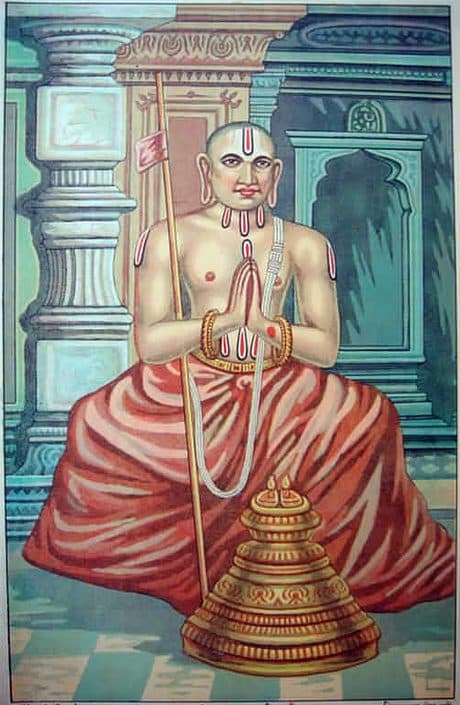
Rāmānuja · Viśiṣṭādvaita
English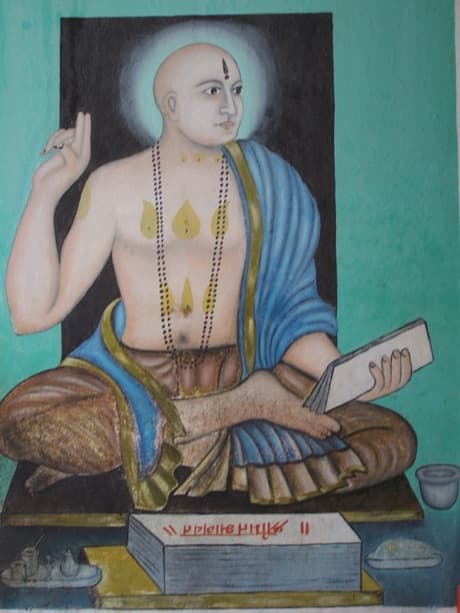
Madhvācārya · Dvaita
SanskritEnglishOn verses 11.38–11.39
“वायुर्वलज्ञानयोगाच्छशांकोऽतिमुखांकितः | इन्द्रः स परमैश्वर्यादिति नानाभिधो हरिः | इति च |” - वा symbolizes strength and अथ means wisdom; therefore, Vayu because of the association of strength and wisdom. Since the Lord is fully content, Moon becomes the symbol. Since He is resplendent, therefore Indra, the chief of the Gods is symbol. Thus the Lord is symbolized in many manners.
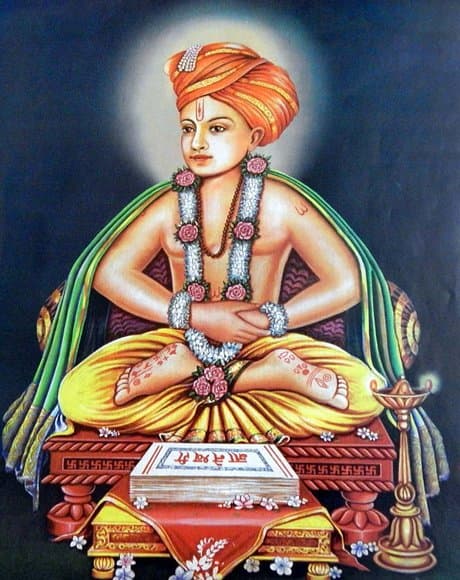
Jñāneśvar · Vārkarī
English38 *“Thou art the First of the Gods, the Most Ancient Spirit; Thou art, of this universe, the Ultimate Ark. Thou art the knower and the known, and the Highest Abode. By Thee is the universe pervaded, O Thou (Person) Omniform. (514)
Thou art the very Source of the Prakriti (matter) and of Purusha (spirit). Thou art the ultimate, that limits the sphere of Mahat. Thou art without beginning; and the ageless Spirit Thou art. Thou art, indeed, the very spring of vital life of the entire universe: Thou art the ultimate treasure of happiness (निधान) to created beings.
By thy hand is wrought the knowledge of the dateles past and of the infinite future. Thou art, Oh Thou Spirit Absolute—the undivided Unity of all Being in the eyes of the 'Shruti', and Thou art the pure Bliss that comes from meditation on essential Self. Thou too art thyself the support of the foundation of all the three created worlds and truly art thou said to be the ultimate abiding Abode. Into thine own being enters and is absorbed the Māhāmāya (World-illusion) at the end of the world. In brief, Oh God, created by thee, the universe is grown and pervaded by thee. Who then, Oh Omnipresent Lord, would be able to aptly set forth in words thy glories?
Swami Ramsukhdas · Modern
English'Tvamādidevaḥ puruṣaḥ purāṇaḥ'—The Lord, is the Primal Deity, because He is the source of everything sentient and insentient. He is called the most ancient Person, because He is the source of the entire creation and is eternal.
'Tvamasya viśvasya paraṁ nidhānam'—He is the ultimate resort of the universe, because the entire universe emanates from Him, abides in Him and merges in Him.
'Vettāsi'—It is He, Who possesses real and full knowledge of the past, the present and the future, and there is none who can be equal to Him in knowledge.
'Vedyam'—He is the only knowable by the scriptures and the saints and His knowledge, is the highest goal of human life.
'Paraṁ dhāma'—He, is the Supreme Abode, attaining Whom, there is no return and nothing remains to be done, to be known, and to be acquired. This Supreme Abode, is also called salvation or the Supreme State etc.
'Anantarūpa'—His forms, which He revealed in His cosmic body, are infinite.
Tvayā tataṁ viśvam'—The entire universe, is pervaded by Him, He permeates every particle, of the universe.
Appendix—In this verse Arjuna is repeating the utterances of the Lord by the term 'ādideva' which was expressed by the Lord by the expression 'ahamādirhi devānām maharṣiṇām ca
sarvaśaḥ' (10/2). Though Prakṛti is also beginningless—'prakṛtiṃ puruṣaṃ caiva viddhyaṇādī ubhāvapi' (13/19), yet prakṛti depends on God. The reason is that prakṛti is the kaleidoscopic power of God but God is not anyone's power and He is the master of the power.
'purāṇaḥ'—The Lord mentioned it by the term 'purāṇam' (8/9). No one is more ancient than God because He is beyond time.
'paraṃ nidhānam'—It was mentioned by the Lord by the term 'nidhānam' (9/18). The universe is endless but it abides in a fragment of God.
'vettā'—This was mentioned by the Lord by the expression 'vedāhaṃ samatītāni' etc. (7/26).
'vedyam'—This was mentioned by the Lord by the term 'vedyam' (9/17).
'paraṃ dhāma'—The Lord mentioned it by the expression 'yaṃ prāpya na nivartante taddhāma paramaṃ mama' (8/21).
'tvayā tataṃ viśvam'—The Lord mentioned it by the expressions 'yena sarvamidam tatam' (8/22) and 'mayā tatamidam sarvam' (9/4).
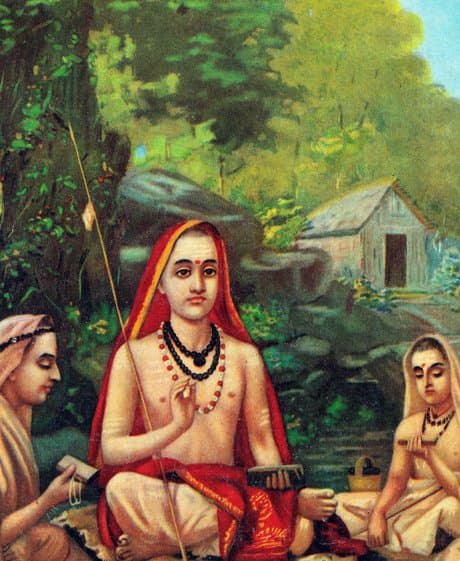
Ādi Śaṅkarācārya · Advaita
Sanskritत्वं आदिदेवः, जगतः स्रष्टृत्वात् । पुरुषः, पुरि शयनात् पुराणः चिरन्तनः त्वं एव अस्य विश्वस्य परं प्रकृष्टं निधानं निधीयते अस्मिन् जगत् सर्वं महाप्रलयादौ इति । किञ्च, वेत्ता असि, वेदिता असि सर्वस्यैव वेद्यजातस्य । यत् च वेद्यं वेदनार्हं तच्च असि परं च धाम परमं पदं वैष्णवम् । त्वया ततं व्याप्तं विश्वं समस्तम्, हे अनन्तरूप अन्तो न विद्यते तव रूपाणाम् ॥ किञ्च --
Ādi Śaṅkarācārya · Advaita
Hindiअर्जुन फिर भी स्तुति करता है—
आप जगत्के रचयिता होनेके कारण आदिदेव हैं और शरीररूप पुरमें रहनेके कारण सनातन पुरुष हैं तथा आप ही इस विश्वके परम उत्तम स्थान हैं अर्थात् महाप्रलयादिमें समस्त जगत् जिसमें स्थित होता है वह (जगत्का आश्रय) आप ही हैं।
तथा समस्त जाननेयोग्य वस्तुओंके आप जाननेवाले हैं और जो जाननेयोग्य हैं वह भी आप ही हैं। आप ही परम धाम—परम वैष्णवपद हैं। हे अनन्तरूप! समस्त विश्व आपसे परिपूर्ण है—व्याप्त है। आपके रूपोंका अन्त नहीं है
Jñāneśvar · Vārkarī
Marathiतूं प्रकृतिपुरुषांचिया आदी । जी महत्तत्वां तूंचि अवधी । स्वयें तूं अनादि । पुरातनु ॥ ५१४ ॥ तूं सकळ विश्वजीवन । जीवांसि तूंचि निधान । भूतभविष्याचें ज्ञान । तुझ्याचि हातीं ॥ ५१५ ॥ जी श्रुतीचियां लोचनां । स्वरूपसुख तूंचि अभिन्ना । त्रिभुवनाचिया आयतना । आयतन तूं ॥ ५१६ ॥ म्हणौनि जी परम । तूंतें म्हणिजे महाधाम । कल्पांतीं महद्ब्रह्म । तुजमाजीं रिगे ॥ ५१७ ॥ किंबहुना तुवां देवें । विश्व विस्तारिलें आहे आघवें । तरि अनंतरूपा वानावें । कवणें तूंतें ॥ ५१८ ॥
Jñāneśvar · Vārkarī
Hindi(11.514) आप प्रकृति और पुरुष के आदि-कारण हैं। अजी, आप महत्त्व की सीमा हैं, और आप स्वयं पुरातन और अनादि हैं।
(11.515) आप सकल विश्व के जीवन हैं, और आप ही प्राणियों के निधान हैं। भूत और भविष्य का ज्ञान आपके ही हाथ है।
(11.516) अजी, श्रुति के लोचनों का जिस रूप से सुख होता है वह हे अभिन्न! आप ही हैं। आप त्रिभुवन के आश्रय के आश्रयस्थान हैं
(11.517) इसलिए आपको परम और महाधाम कहते हैं। कल्पान्त के समय महत्त्व आप में ही प्रवेश करता है। (11.518) किबहुना, हे देव! आपने सम्पूर्ण विश्व का विस्तार किया है। अतएव हे अनन्तरूप! आपका वर्णन कौन कर सकता है?
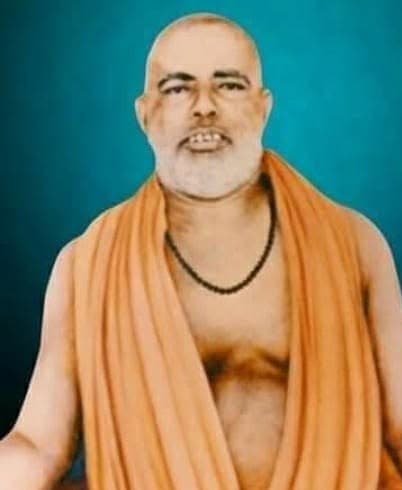
Sri Udiya Baba · Modern
Hindiभावार्थ— आप आदि देव और पुराण पुरुष हैं। आप इस विश्व के परम आधार हैं। आप सबको जानने वाले सम्पूर्ण वेद्य (दृश्य) और परम धाम हैं तथा हे अनन्त रूप! यह सम्पूर्ण विश्व आपसे ही व्याप्त है। [अर्थात् आप स्वयं विराट् भगवान् हैं।]
Swami Ramsukhdas · Modern
Hindi‘त्वमादिदेवः पुरुषः पुराणः’—आप सम्पूर्ण प्रकट होते हैं। आप पुराणपुरुष हैं; क्योंकि आप सदासे देवताओंके आदिदेव हैं; क्योंकि सबसे पहले आप ही हैं और सदा ही रहनेवाले हैं।
* इसी अक्षर ब्रह्मको अर्जुनने पहले ‘त्वमक्षरं परमं वेदितव्यम्’ (११।१८) पदोंसे और यहाँ ‘त्वमक्षरम्’ पदसे कहा है।
‘त्वमस्य विश्वस्य परं निधानम्’—देखने, सुनने, समझने और जाननेमें जो कुछ संसार आता है; और संसारकी उत्पत्ति, स्थिति, प्रलय आदि जो कुछ होता है, उस सबके परम आधार आप हैं।
‘वेत्तासि’—आप सम्पूर्ण संसारको जाननेवाले हैं अर्थात् भूत, भविष्य और वर्तमान काल तथा देश, वस्तु, व्यक्ति आदि जो कुछ है, उन सबको जाननेवाले (सर्वज्ञ) आप ही हैं।
‘वेद्यम्’—वेदों, शास्त्रों, सन्त-महात्माओं आदिके
परिशिष्ट भाव—अर्जुन भगवान्की कही बातको ही कह रहे हैं—‘आदिदेवः’—इसको भगवान्ने ‘अहमादिर्दिवानां महर्षिणां च सर्वशः’ (१०। २) पदोंसे कहा था। यद्यपि प्रकृति भी अनादि है—‘प्रकृतिं पुरुषं चैव विदध्यानादि उभावपि’ (१३। १९), तथापि अनादि होते हुए भी प्रकृति परमात्माके अधीन, आश्रित है। कारण कि प्रकृति परमात्माकी परिवर्तनशील शक्ति है, पर परमात्मा किसीकी शक्ति नहीं है, प्रत्युत शक्तिमान् हैं।
‘पुराणः’—इसको भगवान्ने ‘पुराणम्’ (८। ९) पदसे कहा था। भगवान्से पुराना कोई नहीं है; क्योंकि वे कालातीत हैं।
‘परं निधानम्’—इसको भगवान्ने ‘निधानम्’ (९। १८) पदसे कहा था। सृष्टि अनन्त है, पर वह भी भगवान्के एक देशमें रहती है।
‘वेत्ता’—इसको भगवान्ने ‘वेदाहं समतीतानि’ (७। २६) आदि पदोंसे कहा था।
‘वेद्यम्’—इसको भगवान्ने ‘वेद्यम्’ (९। १७) पदसे कहा था।
‘परं धाम’—इसको भगवान्ने ‘यं प्राप्य न निवर्तन्ते तद्धाम परमं मम’ (८। २१) पदोंसे कहा था।
‘त्वया ततं विश्वम्’—इसको भगवान्ने ‘येन सर्वमिदं ततम्’ (८। २२) और ‘मया ततमिदं सर्वम्’ (९। ४) पदोंसे कहा था।
द्वारा जाननेयोग्य केवल आप ही हैं।
‘परं धाम’—जिसको मुक्ति, परमपद आदि नामोंसे कहते हैं, जिसमें जाकर फिर लौटकर नहीं आना पड़ता और जिसको प्राप्त करनेपर करना, जानना और पाना कुछ भी बाकी नहीं रहता, ऐसे परमधाम आप हैं।
‘अनन्तरूप’—विराटरूपसे प्रकट हुए आपके रूपोंका कोई पारावार नहीं है। सब तरफसे ही आपके अनन्त रूप हैं।
‘त्वया ततं विश्वम्’—आपसे यह सम्पूर्ण संसार व्याप्त है अर्थात् संसारके कण-कणमें आप ही व्याप्त हो रहे हैं।
कह रहे हैं—‘आदिदेवः’—इसको भगवान्ने ‘अहमादिर्दिवानां महर्षिणां च सर्वशः’ (१०। २) पदोंसे कहा था। यद्यपि प्रकृति भी अनादि है—‘प्रकृतिं पुरुषं चैव विदध्यानादि उभावपि’ (१३। १९), तथापि अनादि होते हुए भी प्रकृति परमात्माके अधीन, आश्रित है। कारण कि प्रकृति परमात्माकी परिवर्तनशील शक्ति है, पर परमात्मा किसीकी शक्ति नहीं है, प्रत्युत शक्तिमान् हैं।
‘पुराणः’—इसको भगवान्ने ‘पुराणम्’ (८। ९) पदसे कहा था। भगवान्से पुराना कोई नहीं है; क्योंकि वे कालातीत हैं।
‘परं निधानम्’—इसको भगवान्ने ‘निधानम्’ (९। १८) पदसे कहा था। सृष्टि अनन्त है, पर वह भी भगवान्के एक देशमें रहती है।
‘वेत्ता’—इसको भगवान्ने ‘वेदाहं समतीतानि’ (७। २६) आदि पदोंसे कहा था।
‘वेद्यम्’—इसको भगवान्ने ‘वेद्यम्’ (९। १७) पदसे कहा था।
‘परं धाम’—इसको भगवान्ने ‘यं प्राप्य न निवर्तन्ते तद्धाम परमं मम’ (८। २१) पदोंसे कहा था।
‘त्वया ततं विश्वम्’—इसको भगवान्ने ‘येन सर्वमिदं ततम्’ (८। २२) और ‘मया ततमिदं सर्वम्’ (९। ४) पदोंसे कहा था।
What in the universe and all creation is not a part of the Supreme Lord Krishna –
He is the knower of all that is known and knowable. He abides as the ātma or eternal soul within all living entities. He is the highest goal yet He is beyond the highest goal.
All existences past, present and future, sentient as well as insentient are impregnate with the Supreme Lord who resides within them as the eternal principle in the form of the ātma.
Hence all such terms as eternal, unlimited, imperishable, indestructible etc. refer to Him exclusively.