

Bhagavad Gītā · Chapter 11 · Viśvarūpa Darśana Yoga
कस्माच्च ते न नमेरन्महात्मन्
गरीयसे ब्रह्मणोऽप्यादिकर्त्रे
अनन्त देवेश जगन्निवास
त्वमक्षरं सदसत्तत्परं यत्
kasmācca te na nameranmahātman
garīyase brahmaṇo'pyādikartre|
ananta deveśa jagannivāsa
tvamakṣaraṃ sadasattatparaṃ yat||
Word meanings
महात्मन् = O great being
गरीयसे = greater than
च = and
ब्रह्मणः = than Brahmā
अपि = also
आदिकर्त्रे = to the first creator
ते = to you
कस्मात्, = why
न, नमेरन् = should they not bow
अनन्त = O infinite one
देवेश = O lord of gods
जगन्निवास = O abode of the universe
अक्षरम् = the imperishable
सत् = the existent
असत् = the non-existent
तत्परम् = beyond that
यत् = whatever there is
Translation
O great soul, why should they not bow to You, who are the progenitor of Brahma himself and the greatest of the great? O infinite Lord of celestials, Abode of the universe, You are that which is existent (Sat), that which is non-existent (Asat) and also that which is beyond both, viz., the indestructible Brahma.
Commentary
The commentators seated around this verse
Rāmānuja · Viśiṣṭādvaita
English
Madhvācārya · Dvaita
SanskritEnglish“कथं स्थान? इति तदाह - कस्माद् इत्यादिना | पूर्णश्वासौ आत्मा च, इति महात्मा | आत्मा शब्दश्चोक्तो भारते - यच्चाप्नोति यदादत्ते यच्चाति विषयानिह | यच्चास्य सन्ततो भावस्तस्मादात्मेति भण्यते || इति | तत्परम् सदसतोः परम् - असच्च सच्चैव च यद् विश्वं सदसतः परम् | इति च भारते ||” - In reply to the circumstances how the Lord is to be propitiated Sri Krishna clarifies the manner declaring that the Lord as the Supreme Self is completely energized. “Since He is pervading all, is the controller of all and dispenser of the fruits of actions, abiding in the body enjoys the sense objects and since His existence is eternal, He is known as आत्मा - the Self”, thus in Bhagavat Puraana - “He is superior to both Sat and a-sat in the world”.
Jñāneśvar · Vārkarī
English37 *“Wherefore should they not have proffered obeisance unto Thee, O Mighty Being, who art greater than even Brahmadeva, the Prime Creator? O Infinite Being, Supreme Deity that dwellest within the universe, Thou art the Imperishable, the Existent and the Non-existent and what is beyond them (both).”* (507)
Oh Nārayana, why indeed are these demons flinching from thy feet? Why have they betaken themselves to flight? But one need not ask Thee. We can know for certain that darkness cannot but be dispelled at sunrise. Thou art the very fount of all light, and at thine all-filling light, spread before our eyes, the evil-doers (the demons) are simply swept away like dust. What remained beyond our ken all these days, Oh Shri Rāma, we have come to see in thine awful grandeur and glory. Thy divine Will gave birth to the Mahat-Brahman (Absolute Primeval Matter) which has in it the seeds of bringing forth whole cycles of universes and spreading out the creepers in the shape of creatures all round. Oh God, thou art the Supreme Essence unlimited and self existent. Thine attributes, Oh Lord, are unlimited and infinite. Oh God, Thou art the limitless and eternal Self-poised spirit, and the Supreme God of all Gods. Oh God, thou art the very fount of life in all the three worlds. Thou art the immutable, unceasing spring of eternal bliss. Thou art both the existent and non-existent and what is beyond both.
Swami Ramsukhdas · Modern
English'Kasmācca te na numeranmahātman gariyase brahmaṇo-pyādikartre'—The Lord, is the progenitor not only of the universe, but of Brahmā Himself, who created it. Thus, being the greatest and the best of all the worldly things and persons etc. He deserves the homage of all. Homage, is paid to two kinds of persons (i) Preceptors (ii) Parents, grand-parents and elders. The Lord, is the preceptor* and father of Brahmā, the creator of the universe.
'Ananta'—The Lord, is infinite, because He transcends time, space and intellect etc. He has no beginning and no end. His forms and glories, are also infinite.
'Deveśa'—He is the Lord of all the gods, who are known, such as Indra, the king of the gods and Varuṇa, the deity of the waters etc., as well as, those who are unknown; their destiny, is shaped by Him and He controls all of them.
'Jagannivāsa'—The Lord, is the Abode of the infinite universes, because all of them are held in one of His limbs. In spite of it, that limb is not fully occupied, it still remains vacant.
'Tvamakṣaraṇi sadasattatparaṇi yat'—The Lord, is Imperishable.† He is the real, which never ceases to be and He is also the unreal, which has no existence, and He is also, the Absolute, the Transcendental, Who is beyond the power of senses, mind and intellect and cannot be described, in anyway.
* Sage Patañjali has said, 'The Lord is the preceptor of even Brahmā who emanated from Him first of all' (Yogadarśana 1/26).
† In the first verse of the eighth chapter Arjuna asked, 'What is Brahma?' The Lord answered, 'The Supreme Imperishable is Brahma.' Similarly Arjuna called Him the Imperishable in (11/18) and also in this verse.
It means, that He is the best, the greatest and the most Supreme Being. So it is proper to pay obeisance to You.
**Appendix**—By the expression 'Sadasaccāham' (9/19) and by the expression 'sadasattatparaṁ' used here the infinitude and entirety of the Lord endowed with attributes are proved.
The real and the unreal are relative terms, so they are earthly (worldly) but He Who is beyond them, having independent existence, is unearthly (divine). Both the mundane and the divine are the manifestations of the entire God. The higher and lower nature of God are not beyond the real and the unreal but God transcends the real and the unreal also—'mattaḥ paratarath nānyatkiñcidasti dhanañjaya' (Gītā 7/7).
Within 'saguṇa' (entire form of God), 'nirguṇa' can be included, but within 'nirguṇa', 'saguṇa' cannot be included. The reason is that in 'saguṇa' there is no negation of 'nirguṇa', but in 'nirguṇa' there is negation of 'saguṇa'. Therefore 'nirguṇa' is unrepresent (finite) viz., within it all is not included. But within 'saguṇa' (entire form) all is included, nothing is left out. Therefore, Arjuna by the expression 'sadasattatparaṁ yat' seems to say, 'You are the real, You are the unreal and You are also the entity beyond these two, which we can imagine. From the view-point of knowledge You are also the indescribable entity which can be called neither real (existent) nor unreal (non-existent)—'na sattannāsaducyate' (Gītā 13/12). It means that there neither has been, nor is, nor will he, nor can he anyone else besides You viz., You and only You exist.'
Ādi Śaṅkarācārya · Advaita
Sanskritकस्माच्च हेतोः ते तुभ्यं न नमेरन् नमस्कुर्युः हे महात्मन्, गरीयसे गुरुतराय; यतः ब्रह्मणः हिरण्यगर्भस्य अपि आदिकर्ता कारणं अतः तस्मात् आदिकर्त्रे । कथं एते न नमस्कुर्युः? अतः हर्षादीनां नमस्कारस्य च स्थानं त्वं अर्हः विषयः इत्यर्थः । हे अनन्त देवेश हे जगन्निवास त्वं अक्षरं तत् परम्, यत् वेदान्तेषु श्रूयते । किं तत्? सदसत् इति । सत् विद्यमानम्, असत् च यत्र नास्ति इति बुद्धिः; ते उपधानभूते सदसती यस्य अक्षरस्य, यद्वारेण सदसती इति उपचर्यते । परमार्थतस्तु सदसतोः परं तत् अक्षरं यत् अक्षरं वेदविदः वदन्ति । तत् त्वमेव, न अन्यत् इति अभिप्रायः ॥ पुनरपि स्तौति --
Ādi Śaṅkarācārya · Advaita
Hindiभगवान् हर्षादि भावोंके योग्य स्थान किस प्रकार हैं? इसमें कारण दिखाते हैं—
हे महात्मन्! आप जो अतिशय गुरुतर हैं अर्थात् सबसे बड़े हैं, उनको ये सब किसलिये नमस्कार न करें; क्योंकि आप हिरण्यगर्भके भी आदिकर्ता—कारण हैं, अतः आप आदिकर्ताको कैसे नमस्कार न करें। अभिप्राय यह कि उपर्युक्त कारणसे आप हर्षादिके और नमस्कारके योग्य पात्र हैं।
हे अनन्त! हे देवेश! हे जगन्निवास! वह परम अक्षर (ब्रह्म) आप ही हैं, जो वेदान्तोंमें सुना जाता है।
वह क्या है? सत् और असत्—जो विद्यमान है वह सत् और जिसमें 'नहीं है' ऐसी बुद्धि होती है वह असत् है। वे दोनों सत् और असत् जिस अक्षरकी उपाधि हैं, जिनके कारण वह ब्रह्म उपचारसे 'सत् और असत्' कहा जाता है; परंतु वास्तवमें जो सत् और असत् दोनोंसे परे हैं, जिसको वेदवेत्ता लोग अक्षर कहते हैं वह ब्रह्म भी आप ही हैं। अभिप्राय यह कि आपसे अतिरिक्त दूसरा कोई नहीं है
Jñāneśvar · Vārkarī
Marathiएथ गा कवणा कारणा । राक्षस हे नारायणा । न लगतीचि चरणा । पळते जाहले ॥ ५०७ ॥ आणि हें काय तूंतें पुसावें । येतुलें आम्हांसिही जाणवे । तरी सूर्योदयीं राहावें । कैसेनि तमें ? ॥ ५०८ ॥ जी तूं प्रकाशाचा आगरु । आणि जाहला आम्हासि गोचरू । म्हणौनिया निशाचरां केरु । फिटला सहजें ॥ ५०९ ॥ हें येतुले दिवस आम्हां । कांहीं नेणवेचि श्रीरामा । आतां देखतसों महिमा । गंभीर तुझा ॥ ५१० ॥ जेथूनि नाना सृष्टींचिया वोळी । पसरती भूतग्रामाचिया वेली । तया महद्ब्रह्मातें व्याली । दैविकी इच्छा ॥ ५११ ॥ देवो निःसीम तत्त्व सदोदितु । देवो निःसीम गुण अनंतु । देवो निःसीम साम्य सततु । नरेंद्र देवांचा ॥ ५१२ ॥ जी तूं त्रिजगतिये वोलावा । अक्षर तूं सदाशिवा । तूंचि सदसत् देवा । तयाही अतीत तें तूं ॥ ५१३ ॥
Jñāneśvar · Vārkarī
Hindi(11.507) हे नारायण! इसका क्या कारण है कि राक्षस आपके चरणों में न पड़ कर भाग रहे हैं?
(11.508) परन्तु यह बात आपसे क्यों पूछी जावे? यह तो हम भी जानते हैं कि सूर्य का उदय होने पर तम कैसे रह सकता है।
(11.509) अजी, आप आत्मप्रकाश के घर हैं, और हमें गोचर हुए हैं, इसलिए निशाचररूपी अँधेरा अपने आप मिट गया।
(11.510) हे श्रीराम। इतने दिनों तक हम यह कुछ नहीं जानते थे। परन्तु अब हमें आपकी गम्भीर महिमा दिखाई दे रही है।
(11.511) जहाँ से भूतसमुदायरूपी बेलें अनेक सृष्टियों की पंक्तियों का विस्तार कर रही हैं वह महत्त्व आपकी इच्छा से उत्पन्न हुआ है। (11.512) हे देव! आप सर्वदा निस्सीम सत्त्व से भरे हुए हैं। हे देव! आप निस्सीम और अनन्त गुणों से भरे हुए हैं, और आप सब देवों के देवता हैं।
(11.513) अजी आप तीनों जगतों के जीवन हैं। हे सदाशिव। आप अविनाशी हैं, आप सत् और असत् हैं वरन उसके भी परे जो वस्तु है वह आप हैं।
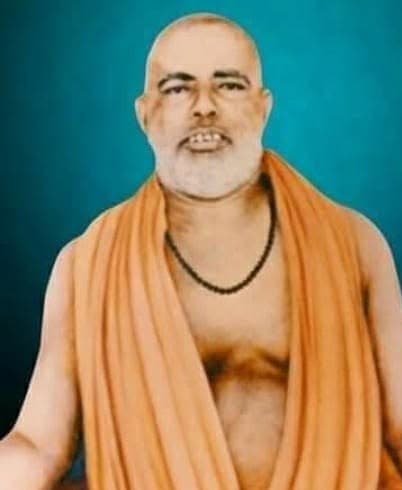
Sri Udiya Baba · Modern
Hindiभावार्थ— हे भगवान्! आप अत्यन्त महान् और ब्रह्मा के भी आदिकर्ता हैं, अतः वे सब आपको क्यों न नमस्कार करें। हे अनन्त!
हे देवेश्वर! हे जगन्निवास! जो सत्-असत् से परे सच्चिदानन्दस्वरूप अविनाशी ब्रह्म है वह आप ही हैं।
व्याख्या— जिसका देह-देहीभाव छूट गया है, जिसे जड़-चेतन का विवेक है तथा व्याप्य-व्यापक भाव की निवृत्ति होकर जिसे सम्पूर्ण अध्यस्त अधिष्ठानरूप ही जान पड़ता है वही महात्मा है। आप अनन्त हैं, क्योंकि आप सर्वरूप हैं, जिस प्रकार मृत्तिका से घट, सुवर्ण से आभूषण और स्वप्न-द्रष्टा से स्वप्न भिन्न नहीं है उसी प्रकार आपमें अध्यस्त यह सम्पूर्ण प्रपञ्च आपसे भिन्न नहीं है। अतः सर्वस्वरूप होने के कारण आप अनन्त हैं। आप जगन्निवास हैं, क्योंकि जैसे फेन-तरंगादि जल में रहते हैं और जलरूप ही हैं उसी प्रकार सम्पूर्ण प्रपञ्च आप में ही अभिन्न रूप से विद्यमान है। तथा सत् (कार्य वर्ग या भाव) और असत् (कारण या अभाव) इन दोनों से अतीत जो अक्षर ब्रह्म है वह भी आप ही हैं। इस प्रकार आप शून्य-अशून्य दोनों ही से विलक्षण हैं।
Swami Ramsukhdas · Modern
Hindi'कस्माच्च ते न नमेरन्महात्मन् गरीयसे ब्रह्मणोऽप्यादिकर्त्रे'—आदिरूपसे प्रकट होनेवाले महान् स्वरूप आपको (पूर्वोक्त सिद्धगण) नमस्कार क्यों न करें? नमस्कार दोको किया जाता है—(१) जिनसे मनुष्यको शिक्षा मिलती है, प्रकाश मिलता है, ऐसे आचार्य, गुरुजन आदिको नमस्कार किया जाता है और (२) जिनसे हमारा जन्म हुआ है, उन माता-पिताको तथा आयु, विद्या आदिमें अपनेसे बड़े पुरुषोंको नमस्कार किया जाता है। अर्जुन कहते हैं कि आप गुरुओंके भी गुरु हैं—'गरीयसे'* और
आप सृष्टिकी रचना करनेवाले पितामह ब्रह्माजीको भी उत्पन्न करनेवाले हैं—'ब्रह्मणोऽप्यादिकर्त्रे'। अतः सिद्ध महापुरुष आपको नमस्कार करें, यह उचित ही है।
'अनन्त'—आपको देश, काल, वस्तु, व्यक्ति आदि किसीकी भी दृष्टिसे देखें, आपका अन्त नहीं आता। तात्पर्य है कि आपको देशकी दृष्टिसे देखें तो आपका कहाँसे आरम्भ हुआ है और कहाँ जाकर अन्त होगा—ऐसा है ही नहीं। कालकी दृष्टिसे देखा जाय तो आप कबसे हैं और कबतक रहेंगे—इसका कोई अन्त नहीं है। वस्तु, व्यक्ति
* पतंजलि महाराजने कहा है कि वे परमात्मा पहले-से-पहले जो ब्रह्मा आदि प्रकट हुए हैं, उनके भी गुरु हैं—'पूर्वेषामपि गुरुः।' (योगदर्शन १। २६)
आदिकी दृष्टिसे देखें तो आप वस्तु, व्यक्ति आदि कितने रूपोंमें हैं—इसका कोई आदि और अन्त नहीं है। सब दृष्टियोंसे आप अनन्त-ही-अनन्त हैं। बुद्धि आदि कोई भी दृष्टि आपको देखने जाती है तो वह दृष्टि खत्म हो जाती है, पर आपका अन्त नहीं आता। इसलिये सब तरफसे आप सीमारहित हैं, अपार हैं, अगाध हैं।
‘देवेश’—इन्द्र, वरुण आदि अनेक देवता हैं, जिनका शास्त्रोंमें वर्णन आता है। उन सब देवताओंके आप मालिक हैं, नियन्ता हैं, शासक हैं। इसलिये आप ‘देवेश’ हैं।
‘जगन्निवास’—अनन्त सृष्टियाँ आपके किसी अंशमें विस्तृतरूपसे निवास कर रही हैं, तो भी आपका वह अंश पूरा नहीं होता, प्रत्युत खाली ही रहता है। ऐसे आप असीम
परिशिष्ट भाव—नवें अध्यायमें आये ‘सदसच्चाहम्’ (९।१९) पदसे और यहाँ आये ‘सदसत्तत्परं यत्’ पदोंसे परमात्माके सगुण रूपकी अनन्तता, समग्रता सिद्ध होती है।
सत् और असत्—दोनों सापेक्ष होनेसे लौकिक हैं और जो इनसे परे हैं, वह निरपेक्ष होनेसे अलौकिक है। लौकिक और अलौकिक—दोनों ही समग्र परमात्माके रूप हैं। परमात्माकी परा और अपरा प्रकृति सत्-असत् से परे नहीं है, पर परमात्मा सत्-असत् से परे भी हैं—‘मत्तः परतरं नान्यत्किंचिदस्ति धनंजय’ (गीता ७।७)।
सगुण (समग्र) के अन्तर्गत तो निर्गुण आ सकता है, पर निर्गुणके अन्तर्गत सगुण नहीं आ सकता। कारण कि सगुणमें निर्गुणका निषेध नहीं है, जबकि निर्गुणमें गुणोंका निषेध है। अतः निर्गुण एकदेशीय होता है अर्थात् उसके अन्तर्गत सब कुछ नहीं आता। परन्तु सगुण (समग्र) के अन्तर्गत सब कुछ आ जाता है, कुछ भी बाकी नहीं रहता। इसलिये अर्जुन ‘सदसत्तत्परं यत्’ पदोंसे मानो यह कहते हैं कि सत् भी आप हैं, असत् भी आप हैं और सत्-असत् के सिवाय जो भी हमारी कल्पनामें आ सकता है, वह भी आप ही हैं। ज्ञानकी दृष्टिसे जो न सत् कहा जा सकता है और न असत् कहा जा सकता है, वह अनिर्वचनीय तत्त्व भी आप ही हैं—‘न सत्तन्नासदुच्यते’ (गीता १३।१२)। तात्पर्य है कि आपके सिवाय न तो कोई हुआ है, न कोई है, न कोई होगा और न कोई हो ही सकता है अर्थात् केवल आप-ही-आप हैं।
‘जगन्निवास’ हैं।
‘त्वमक्षरं सदसत्तत्परं यत्’—आप अक्षरस्वरूप हैं*। जिसकी स्वतःसिद्ध स्वतन्त्र सत्ता है, वह ‘सत्’ भी आप हैं; और जिसकी स्वतन्त्र सत्ता नहीं है, प्रत्युत सत् के आश्रित ही जिसकी सत्ता प्रतीत होती है, वह ‘असत्’ भी आप ही हैं। जो सत् और असत्—दोनोंसे विलक्षण है, जिसका किसी तरहसे निर्वचन नहीं हो सकता, मन-बुद्धि, इन्द्रियाँ आदि किसीसे भी जिसकी कल्पना नहीं कर सकते अर्थात् जो सम्पूर्ण कल्पनाओंसे सर्वथा अतीत है, वह भी आप ही हैं।
तात्पर्य यह हुआ कि आपसे बढ़कर दूसरा कोई है ही नहीं, हो सकता नहीं और होना सम्भव भी नहीं—ऐसे आपको नमस्कार करना उचित ही है।
The word ananta means infinite and the word nivasa means foundation.
The word akṣaram means imperishable and refers to Lord Krishna's vibhūti or divine transcendental opulence known as Brāhman or the spiritual substratum pervading all existence.
It also denoted the category of jivātmās or individual souls as embodied beings which are imperishable as well and confirmed in the Katha Upaniṣad I.II.XVIII beginning najayate mriyateva vipaschit meaning: The soul is eternal and is neither born nor dies.
Referring to prakṛti or the material substratum pervading physical existence Lord Krishna is sat the effect and asat or the cause.
Sat is in reference to physical existence in its manifested, variegated state which is the effect. Asat is in reference to the latent non-variegated state which is indiscernible and is the cause.
The effect manifests as names, forms, attributes and qualities being distinguishable. The cause is when all the manes, forms, attributes and qualities are imperceptible.
What is beyond that is tat param or superior and refers to the multi-ātmas who are beyond the categories of jivātmā or bound souls and prakṛti or dull matter.
Arjuna is beyond these two categories as well being a surrendered devotee of Lord Krishna, As the ātma or eternal soul is the conscious life force of the physical body; the Supreme Lord Krishna is the conscious life force of all creation.